




 English
  Español
  русский


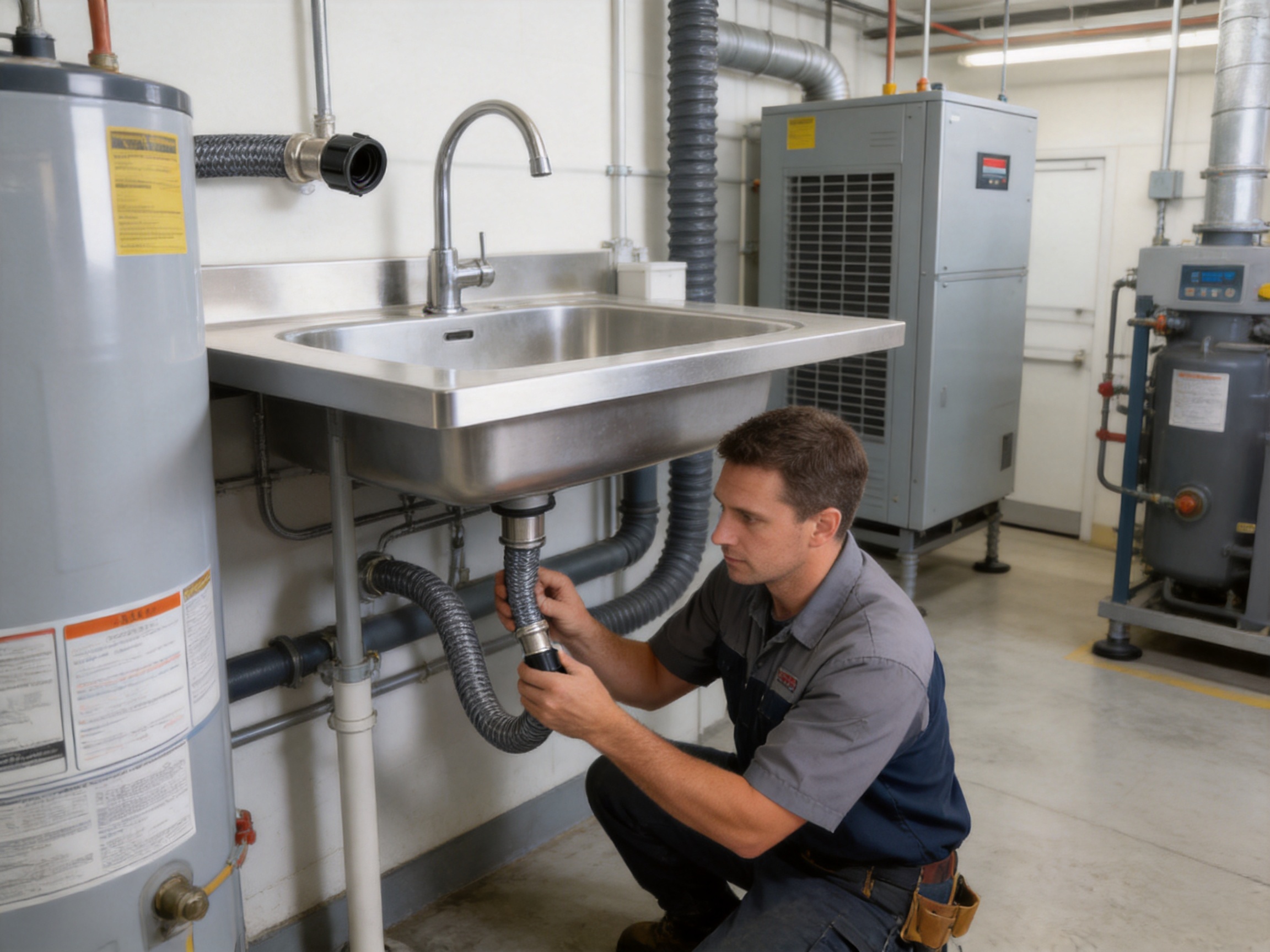
Modern plumbing systems require more than a tube that can carry water. A dependable plumbing assembly must also tolerate movement, vibration, repeated bending, installation stress, humidity, temperature changes, and contact with common chemicals. The outer reinforcement layer plays an important role in achieving these objectives. It protects the inner pipe, supports pressure resistance, improves handling, and contributes to the service life of the complete flexible connection.
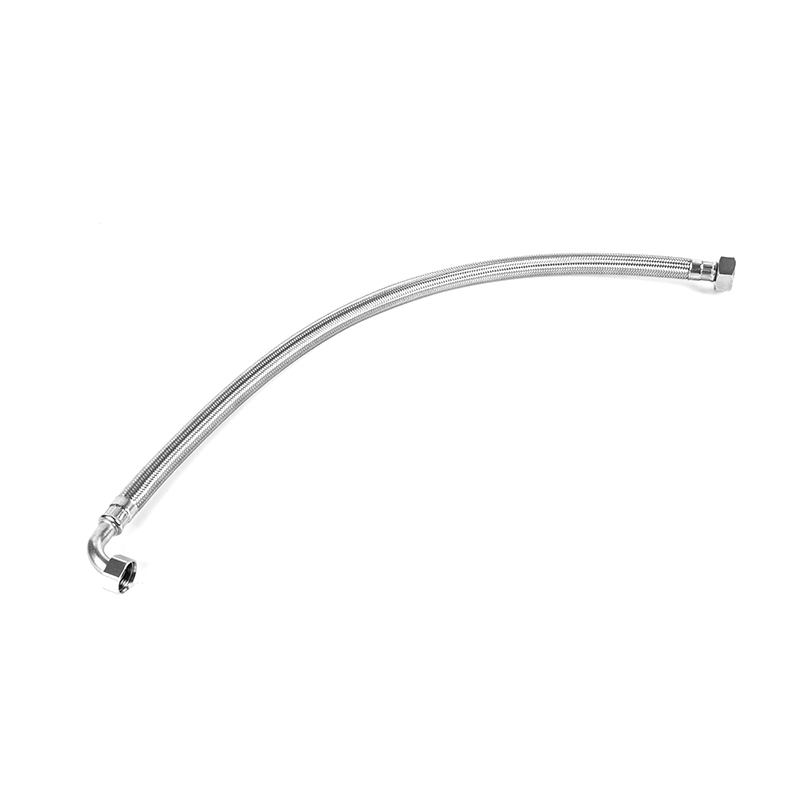
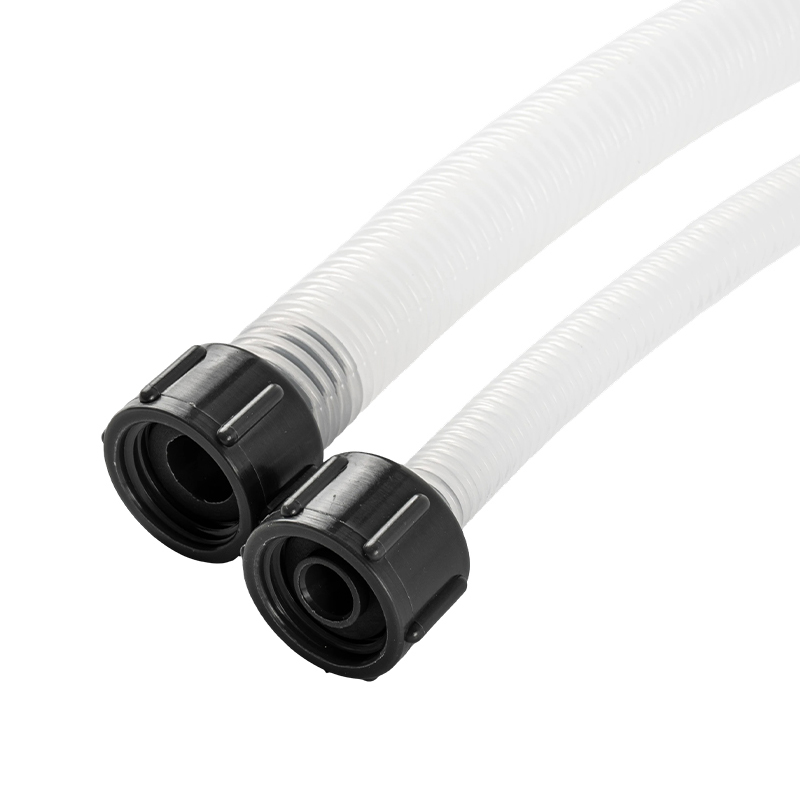
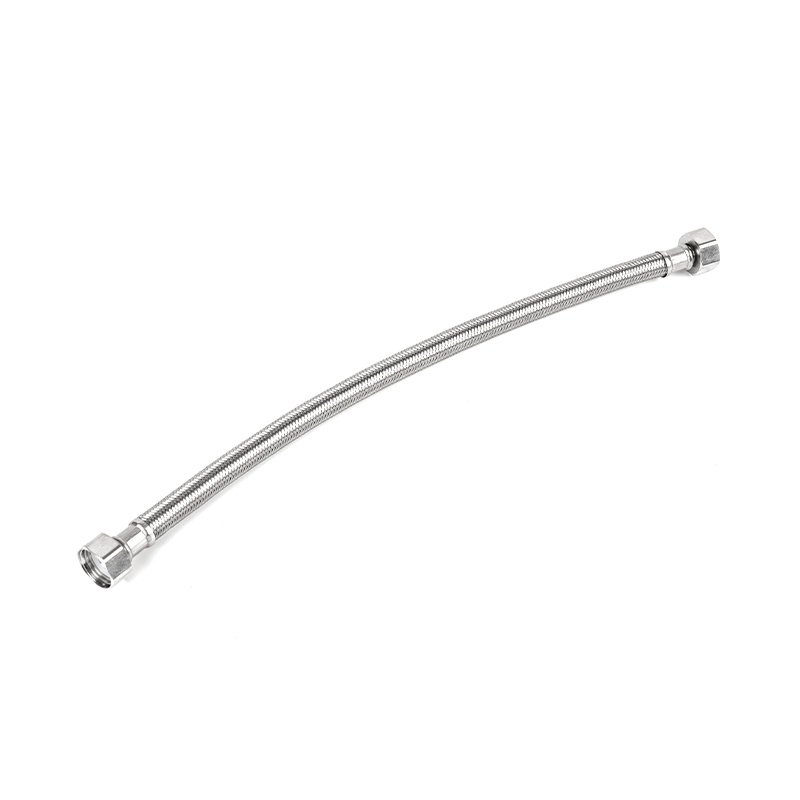
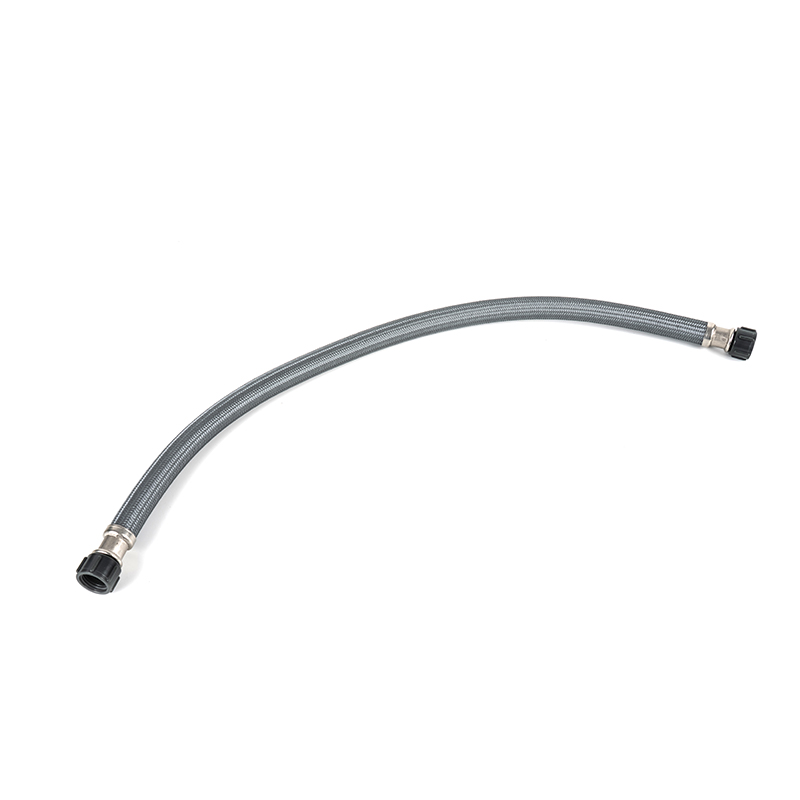
Flexible Plumbing Outer Braid PET Wires are designed for use as the reinforcing material in braided outer layers for plumbing pipes, water liners, flexible connectors, and related hose assemblies. Produced from polyethylene terephthalate, commonly known as PET, these wires combine high tensile performance, low moisture absorption, chemical resistance, toughness, electrical insulation, low density, and cost efficiency. When formed into a controlled braid around a flexible pipe, PET wires provide a balanced reinforcement structure without adding unnecessary weight or creating excessive handling difficulty.
The product is particularly suitable for manufacturers seeking an alternative to traditional metallic braid materials in selected plumbing and water-related applications. Stainless steel remains valuable where very high temperature, pressure, or mechanical loading is required. However, a polymer braid can offer specific advantages where light weight, corrosion resistance, insulation, flexibility, appearance, and production economy are important. The appropriate selection depends on the design of the complete assembly, including the inner liner, fittings, operating pressure, temperature, installation environment, and applicable standards.
Haoyin (Ningbo) Bellows Technology Co., Ltd. develops and manufactures flexible connection products for gas, plumbing, heating, healthcare, building heating, industrial HVAC, and other fields. Its product range includes gas connectors, plumbing pipes and water liners, metal hoses, and compensators. Within this broader product system, PET outer braid wires support the development of flexible plumbing assemblies that require dependable reinforcement and controlled performance.
Understanding the Function of an Outer Braid
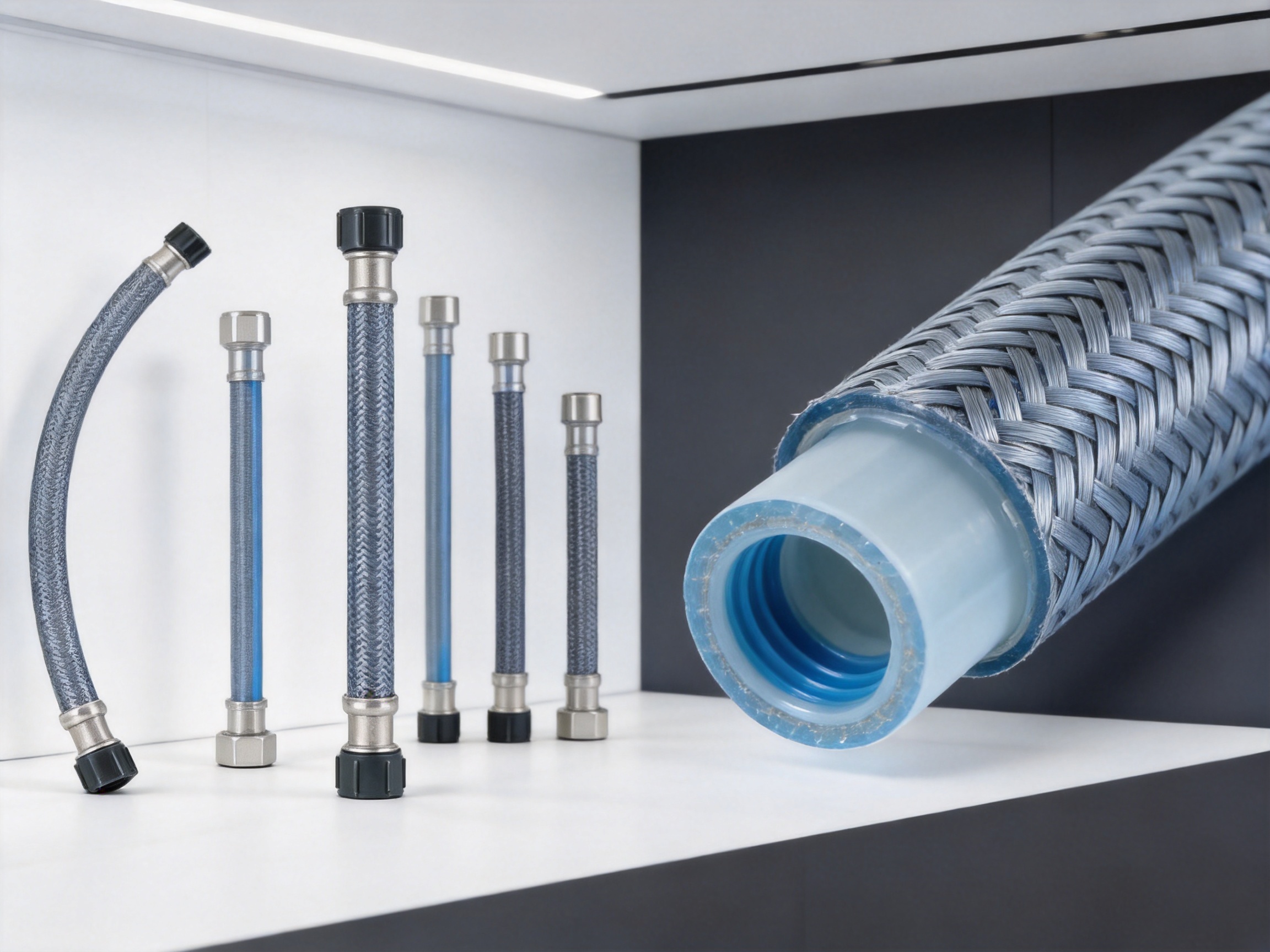
An outer braid is a structured reinforcement layer positioned around a flexible tube or liner. It is normally made by interlacing multiple wires or filaments at a defined angle. The braided layer can help restrain radial expansion, distribute mechanical loads, improve resistance to bending and movement, and protect the inner tube from external contact. The performance of the finished hose depends not only on the raw material but also on braid density, wire diameter, braid angle, coverage, adhesion or interaction with adjacent layers, and the quality of the underlying tube.
In a plumbing connection, the inner liner is responsible for carrying the fluid. The outer braid provides a supporting framework. It may reduce deformation when the assembly is pressurized, help maintain dimensional stability during bending, and provide a degree of protection against abrasion or accidental contact. The braid is therefore an engineered component rather than a decorative covering.
PET wires are suitable for braid construction because they combine rigidity with flexibility. A wire that is too soft may fail to provide adequate reinforcement, while a wire that is too rigid may make the hose difficult to bend or may cause local stress concentrations. PET can be engineered into a form that supports repeated flexing while maintaining useful tensile strength and shape retention.
The braid can also improve the visual and tactile quality of a flexible plumbing product. A uniform outer surface gives the finished hose a clean appearance and helps manufacturers create a consistent product range. Depending on the construction, color, and finishing method, the braid may be integrated into a protective cover or used as a visible reinforcement layer.
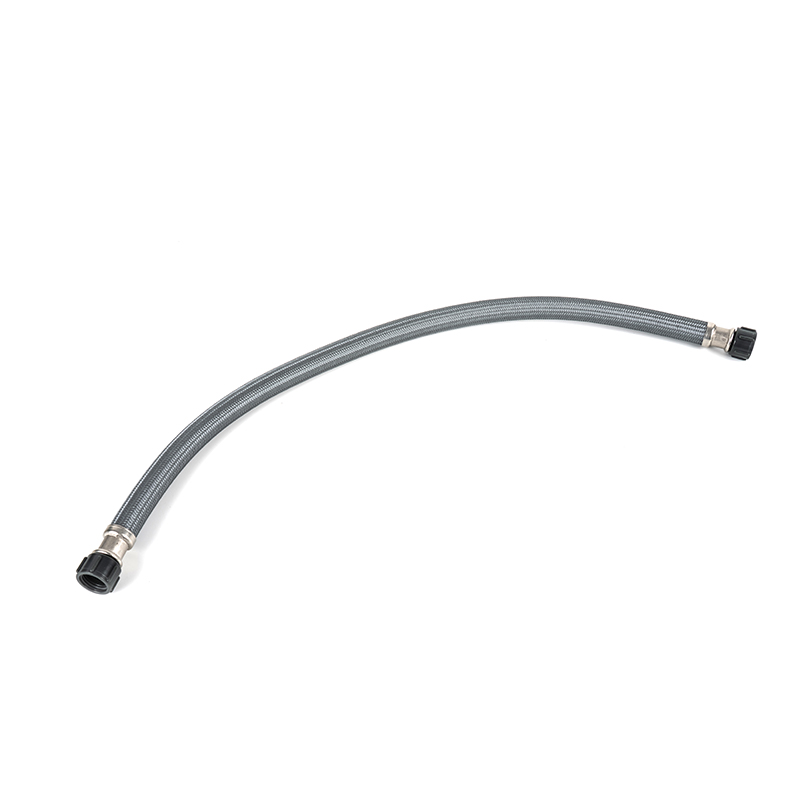
Flexible Plumbing Outer Braid PET Wires
Material Characteristics of PET Wires
Polyethylene terephthalate is a thermoplastic polyester widely used in fibers, films, packaging, industrial textiles, and technical reinforcement materials. In wire or monofilament form, PET offers a combination of mechanical and environmental properties that is useful for flexible plumbing braid applications.
High Strength and High Modulus
PET fibers have high tensile strength and a relatively high modulus among commonly used polymer fibers. This means that the material can withstand significant pulling force and can resist deformation under load. In an outer braid, these characteristics help the reinforcement layer maintain its structure when the hose is bent, moved, or exposed to internal pressure.
The strength of a braided structure comes from the combined action of many individual wires. Each wire carries part of the load, while the interlaced arrangement distributes forces around the circumference. Consistent wire quality is essential because weak or irregular elements can affect the performance of the entire braid. Uniform PET wires allow the braiding machine to operate with stable tension and produce a more regular reinforcement layer.
High modulus also helps the braid resist excessive elongation. This is valuable in flexible plumbing products that must remain dimensionally stable during installation. A stable braid can reduce unwanted changes in hose length or diameter and can help preserve the intended relationship between the inner liner and outer reinforcement.
Resistance to Common Chemicals
PET has useful resistance to many dilute acids, dilute alkalis, alcohols, oils, and other substances encountered in general industrial and plumbing environments. This resistance reduces the likelihood of rapid degradation caused by incidental contact with cleaning agents, lubricants, or surrounding materials.
Chemical resistance is especially important when a flexible connection is installed in a cabinet, plant room, equipment enclosure, or service area where the outer surface may encounter moisture and various household or industrial substances. A material that is less prone to corrosion can maintain its appearance and mechanical contribution for longer than a metal braid exposed to an aggressive environment.
Material compatibility must always be evaluated for the specific application. Concentrated chemicals, elevated temperatures, long-term immersion, ultraviolet exposure, and unusual fluid compositions may affect polymer performance. PET braid selection should therefore be based on the actual service conditions and the requirements of the complete hose assembly.
Low Moisture Absorption
PET has low moisture absorption compared with many other polymer materials. This property helps the wire maintain dimensional stability and mechanical consistency in humid environments. A braid that absorbs little water is less likely to swell significantly or experience major changes in geometry due to ordinary atmospheric moisture.
Low moisture absorption is beneficial for plumbing assemblies because these products are often installed in locations where condensation, splashing, humidity, or intermittent water contact may occur. Stable dimensions support consistent braid coverage and help maintain the intended appearance of the finished product.
This characteristic also assists manufacturing. When the raw material behaves consistently during processing, braid tension and product dimensions are easier to control. Stable processing conditions support repeatability from one production batch to another.
Toughness and Wear Resistance
Flexible plumbing connections can experience repeated bending during installation and movement during service. PET wires provide useful toughness and fatigue resistance under repeated flexing. Their abrasion resistance can also help protect the reinforcement layer when the hose contacts brackets, cabinet surfaces, adjacent pipes, or other components.
Toughness does not mean that the braid is indestructible. Sharp edges, excessive compression, severe scraping, or improper installation can damage any reinforcement. Nevertheless, a properly designed PET braid can tolerate ordinary handling and repeated movement while helping the hose retain its functional structure.
Electrical Insulation
Unlike a metallic braid, PET is electrically insulating. This characteristic can be advantageous in systems where the outer reinforcement should not create an electrically conductive path. It may reduce concerns related to accidental contact with electrical components or the formation of an unintended grounding route.
Electrical insulation is not a substitute for proper electrical safety design. The full assembly, fittings, nearby equipment, and installation environment must still be assessed. However, the insulating nature of PET expands the range of situations in which a non-metallic outer braid may be useful.
Low Density and Easy Handling
PET has a lower density than stainless steel and other common metallic reinforcement materials. This allows manufacturers to produce a lighter flexible hose assembly when the design permits polymer reinforcement. Reduced weight can simplify transportation, storage, installation, and replacement.
For installers, a lighter hose can be easier to position in restricted spaces. It may also place less load on fittings, support brackets, and connected equipment. For distributors and original equipment manufacturers, lower product weight can reduce packaging demands and improve logistics efficiency.
Cost Efficiency
PET benefits from relatively stable raw material availability and efficient processing possibilities. Compared with some metal reinforcement options, PET wires can support a cost-effective product design, particularly where the application does not require the highest temperature or pressure capability of a metallic braid.
Cost efficiency should be evaluated across the complete product life cycle rather than by material price alone. Manufacturing speed, braid-machine performance, waste reduction, product weight, transportation, installation time, and corrosion-related maintenance can all influence the final economic result.
Advantages Compared with Traditional Metallic Braids
Stainless steel braid is widely used in flexible hoses because of its excellent mechanical strength, temperature resistance, and established industrial performance. It remains the preferred option for many demanding applications. PET wires do not replace metallic braid in every situation. Instead, they offer a different performance balance for applications where the advantages of a polymer reinforcement are more valuable.
| Performance consideration | PET outer braid wires | Traditional metallic braid | Potential design benefit |
|---|---|---|---|
| Weight | Low density and lightweight | Higher density | Easier handling and lower transport weight |
| Corrosion behavior | Not subject to conventional metal rusting | Depends on alloy, coating, and environment | Useful in humid or corrosive surroundings |
| Electrical behavior | Electrically insulating | Electrically conductive | Can avoid unintended conductive paths |
| Flexibility | Good flexibility when properly designed | High strength but may feel heavier or stiffer | Improved installation convenience in selected designs |
| Moisture response | Low moisture absorption | Metal does not absorb water but may corrode if protection is inadequate | Stable polymer dimensions and reduced corrosion concerns |
| Cost structure | Efficient polymer processing and lower mass | Material and forming costs may be higher | Potentially competitive total manufacturing cost |
| Temperature capability | Application-specific polymer limitation | Generally better for high-temperature service | Requires careful selection according to operating conditions |
The most important comparison is not simply “plastic versus metal.” The correct question is whether the reinforcement meets the functional requirements of the completed connection. Where the system requires corrosion resistance, low weight, insulation, and repeated flexibility at moderate operating conditions, PET may provide a practical solution. Where extreme temperature, fire exposure, high pressure, or severe mechanical abuse is expected, stainless steel or another specialized material may remain more appropriate.
PET braid wires can also be used as part of a hybrid construction. A product designer may combine a polymer outer braid with other layers to achieve a targeted balance of pressure resistance, flexibility, abrasion protection, and appearance. The final structure should be validated through pressure, fatigue, temperature, chemical, and installation testing.
Product Design for Plumbing and Water Liner Applications
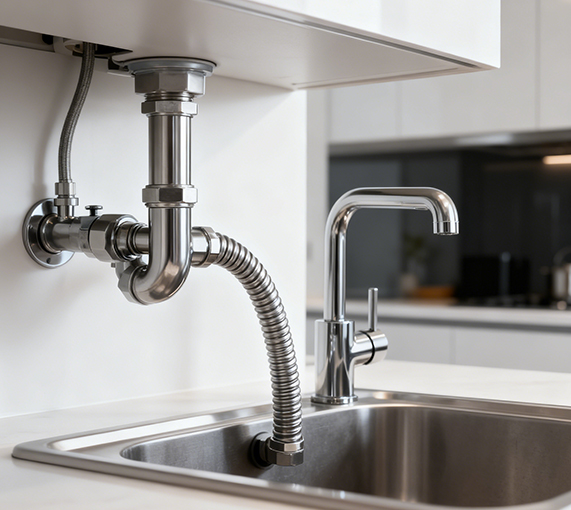
Plumbing pipes and water liners must perform reliably in homes, commercial buildings, industrial facilities, equipment rooms, and utility areas. They may be installed behind cabinets, below sinks, inside heating systems, around pumps, or near appliances. These locations can involve tight bends, repeated maintenance, vibration, and exposure to moisture.
A PET outer braid can support a flexible water liner by limiting uncontrolled expansion and providing reinforcement around the tube. It can also help protect the liner from minor external abrasion. The braid design should be matched to the pressure rating, diameter, bend radius, connection type, and expected movement of the assembly.
In a well-designed hose, the inner liner provides fluid compatibility, while the braid works with the fittings and end connections to maintain mechanical integrity. The braid must not be considered independently from the crimping, swaging, or connection process. The interaction between braid coverage and fitting geometry is critical to achieving stable end retention.
For plumbing assemblies, visual uniformity is also valuable. A consistent braid pattern indicates controlled production and helps create a professional finished product. Irregular coverage, loose wires, excessive gaps, or inconsistent tension can reduce both appearance and performance. PET wires with stable diameter and surface quality support more uniform braiding.
Flexible Installation
Many plumbing connection points are not perfectly aligned. A flexible hose must accommodate some misalignment without transferring excessive force to the valve, pump, appliance, or pipe fitting. The flexibility of the complete assembly helps installers route the connection through limited spaces and avoid unnecessary joint stress.
PET reinforcement can contribute to a lighter, more manageable assembly. This is useful where the installer must work overhead, inside a narrow cabinet, or around other services. Easier handling can also reduce the temptation to force the hose into a sharp bend or twist it during installation.
Resistance to Humid Environments
Water-related installations naturally involve humidity. Even when the hose does not carry water on its outer surface, condensation and occasional splashing may occur. PET’s low moisture absorption and resistance to ordinary environmental exposure help maintain stable performance under these conditions.
For long-term reliability, the assembly should still be protected from prolonged ultraviolet radiation, excessive heat, sharp contact points, and incompatible chemicals. Proper routing and support remain essential regardless of the braid material.
Protection Against Repeated Movement
Flexible hoses can be affected by vibration from pumps, compressors, heating equipment, or household appliances. They may also move slightly as equipment operates or as users adjust connected components. A tough outer braid can help distribute repeated mechanical loading over the hose length.
Repeated movement should be considered during product development. Dynamic testing can identify whether the selected wire diameter, braid angle, and coverage provide suitable fatigue resistance. The test method should represent the actual installation, including bend radius, pressure, temperature, and movement frequency.
Advanced Manufacturing Approach
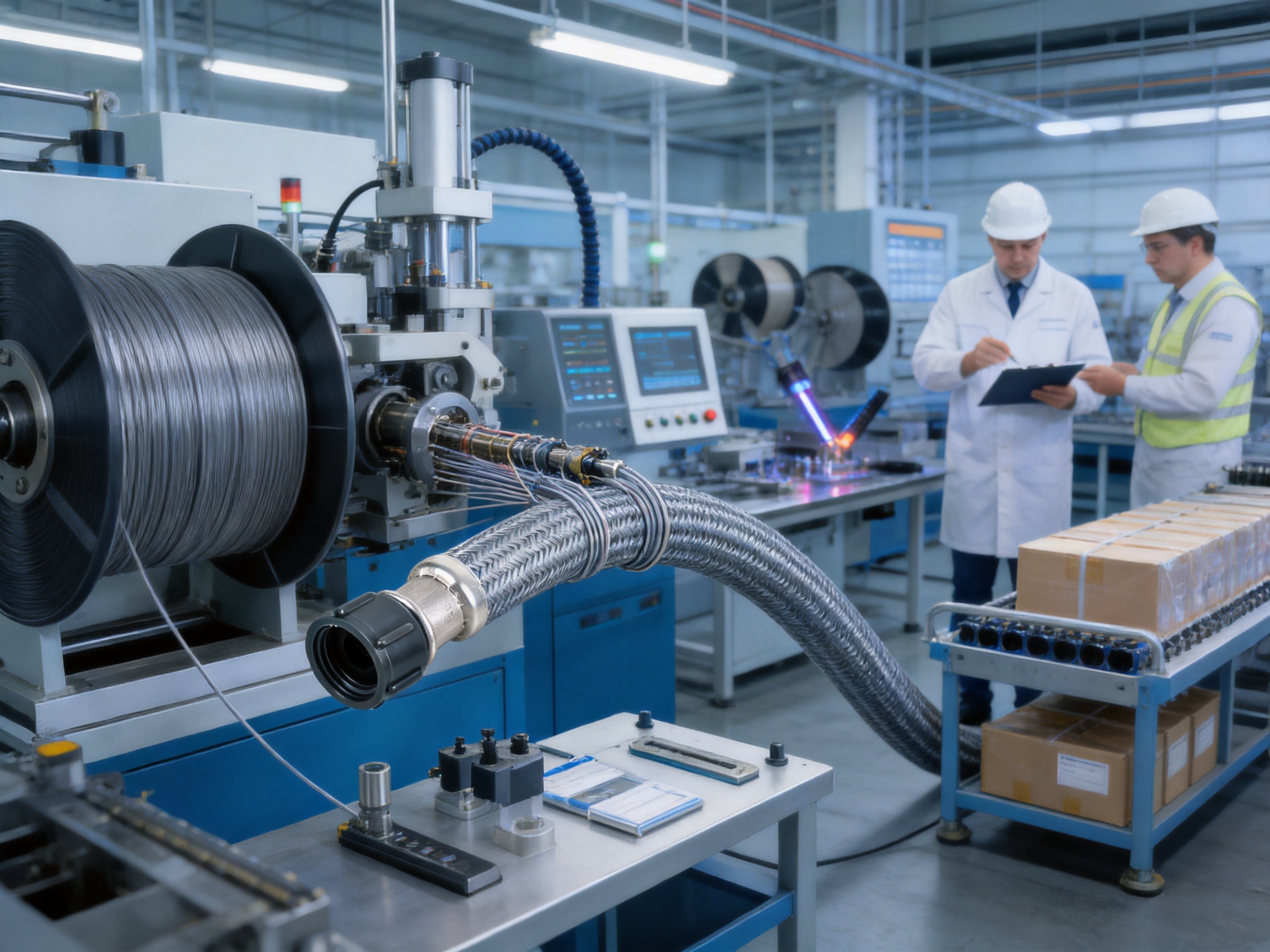
The performance of PET outer braid wires depends on both material selection and process control. A high-quality product requires consistent raw materials, carefully controlled drawing or forming processes, accurate dimensional inspection, stable winding, and suitable packaging. When the wires are intended for automatic or semi-automatic braiding, surface condition and spool consistency are particularly important.
Raw Material Selection
Manufacturing begins with the selection of suitable PET raw material. Key considerations include polymer quality, molecular structure, processing stability, moisture condition, color consistency, and suitability for the intended wire form. Raw material traceability helps manufacturers identify the source of each batch and investigate any variation that may appear during production.
Proper storage is essential. Although PET has low moisture absorption compared with many other polymers, controlled storage helps protect the material from contamination, excessive humidity, and temperature fluctuations. Clean handling practices reduce the risk of surface defects and processing interruptions.
Wire Forming and Dimensional Control
PET wires are formed through controlled thermal and mechanical processes that establish the required cross-section, tensile behavior, and surface condition. Depending on the product design, the material may be processed into monofilament or another technical wire form. Temperature, drawing ratio, line speed, cooling, and tension must be controlled to obtain consistent properties.
Dimensional uniformity is important because the braid machine depends on predictable wire geometry. Variations in diameter can influence braid density, tension, coverage, and finished hose dimensions. Automated or calibrated measuring equipment can help verify wire size during production.
Surface quality is equally important. Scratches, rough areas, contamination, or irregularities may increase friction during braiding and could create weak points under repeated bending. A controlled finishing process helps produce wires that run smoothly through guides and tensioning systems.
Precision Braiding
Once PET wires are prepared, they can be supplied in a form suitable for braid production. The braiding process interlaces multiple carriers around the inner tube. Machine settings determine the braid angle, number of carriers, wire tension, coverage, and production speed.
Advanced braiding equipment can maintain controlled tension across individual carriers and identify process deviations. Stable tension is necessary to prevent loose strands, over-tight sections, uneven coverage, or variations in the reinforcement structure. Process operators and engineers can adjust the equipment according to tube diameter and product specifications.
For high-volume production, repeatability is a major advantage. A stable process allows the manufacturer to produce consistent lots while reducing manual correction and material waste. Consistent braid geometry also supports more reliable assembly with fittings and end components.
Inspection and Testing
Quality control should cover raw materials, intermediate products, and finished assemblies. Typical checks may include wire diameter, tensile strength, elongation, appearance, surface condition, moisture condition, winding quality, braid coverage, and compatibility with the intended liner.
Finished hose testing may include hydrostatic pressure testing, burst testing, leakage testing, bend testing, cyclic fatigue testing, pull-out testing, temperature exposure, chemical exposure, and dimensional inspection. The exact program depends on the application and applicable customer or regulatory requirements.
Testing is most valuable when it is linked to a documented specification. A manufacturer should define acceptance criteria, inspection frequency, sampling plans, equipment calibration requirements, and procedures for handling nonconforming material. This converts quality from a final visual judgment into a controlled manufacturing system.
Integrated Production Capabilities
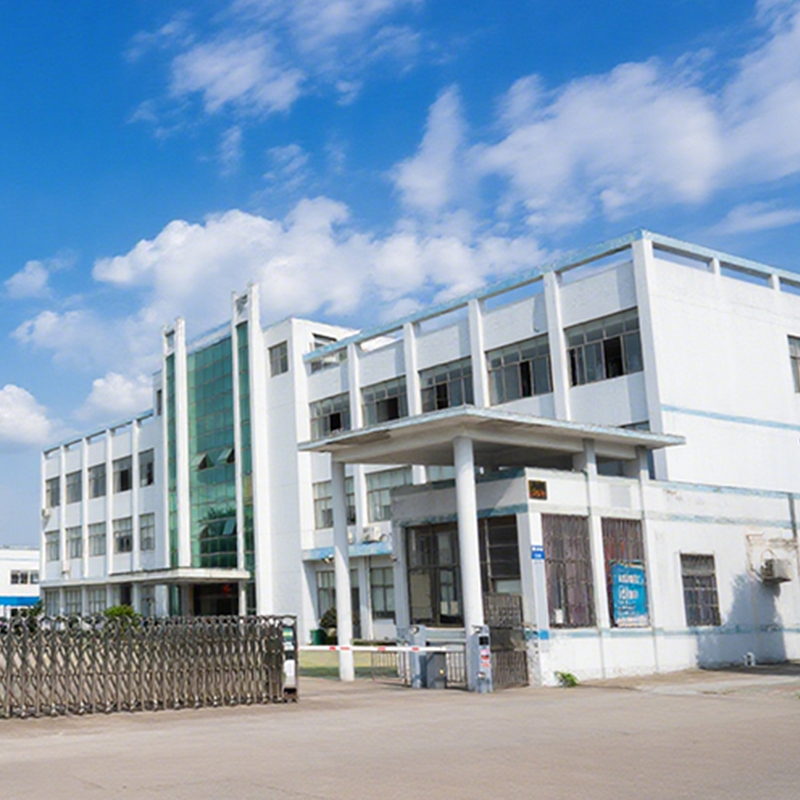
Haoyin operates standardized workshops covering approximately 18,000 square meters across a site of about 35 mu. The company has invested in equipment including laser welding machines, CNC forming machines, COSMO equipment, eddy current flaw detectors, and automatic packaging systems. These resources support the production of stainless steel bellows, metal hoses, compensators, gas connectors, plumbing pipes, and related flexible connection products.
Although PET outer braid wires are a polymer reinforcement product, their application benefits from an integrated flexible-connection manufacturing environment. Engineers who understand bellows, hoses, liners, fittings, and compensators can evaluate the braid as part of a complete system rather than as an isolated material. This broader perspective helps improve product matching and application support.
Laser welding equipment can support precise and repeatable joining in metal components. CNC forming machines can help produce controlled geometries for bellows and other formed parts. Eddy current flaw detection contributes to the inspection of suitable conductive metal components, while automatic packaging systems help protect finished products and improve handling efficiency. Together, these capabilities reflect a production organization that values process accuracy, inspection, and consistency.
Quality Management and Engineering Strength
A flexible plumbing product must provide more than an attractive appearance. Its performance depends on material quality, design accuracy, production discipline, inspection, and technical support. Haoyin has obtained ISO9001, ISO14001, ISO45001, and other management system certifications. These certifications relate to quality management, environmental management, and occupational health and safety, creating a structured foundation for manufacturing operations.
ISO 9001 supports a process-based approach to quality. It encourages organizations to define responsibilities, control documents, monitor processes, manage customer requirements, address nonconformities, and pursue continual improvement. For a product such as PET outer braid wire, these principles can support traceability and consistency from raw material receipt through final packaging.
ISO 14001 reflects attention to environmental management. Polymer processing, metal forming, welding, packaging, energy use, and waste handling all create environmental responsibilities. A structured environmental system can help identify significant impacts, establish improvement objectives, and manage production activities more responsibly.
ISO 45001 focuses on occupational health and safety. Manufacturing equipment, thermal processes, cutting operations, welding systems, and material handling must be managed through appropriate safety procedures. A strong safety culture supports stable production and protects the employees responsible for making and inspecting the products.
Haoyin is also identified as a National High-tech Enterprise and Green Factory. These qualifications indicate an emphasis on technology development, resource management, process improvement, and responsible manufacturing. For customers, such capabilities can be important when selecting a long-term supplier rather than purchasing a commodity material from an unknown source.
Research and Development
A professional R&D team can contribute to improvements in material selection, product geometry, process parameters, testing methods, and application design. In flexible connection products, small changes can have a significant effect. A different braid angle may influence flexibility and radial restraint. A change in wire diameter may affect coverage, weight, and fatigue behavior. A modified liner or fitting may change the stress distribution at the connection ends.
Engineering development should therefore consider the complete product. The R&D process may include customer requirement review, concept design, material evaluation, sample production, laboratory testing, pilot manufacturing, field feedback, and design refinement. This approach helps ensure that the finished product is suitable for actual installation conditions.
Technical communication is also important. Customers may require guidance concerning braid structure, available dimensions, packaging, compatibility, or assembly procedures. A supplier with experience in plumbing, gas, heating, HVAC, and metal hose products can often provide more useful support than a supplier that produces only a generic plastic filament.
Manufacturing Advantages for OEM and Industrial Customers
Original equipment manufacturers and distributors often need stable specifications, dependable delivery, consistent packaging, and the ability to support customized designs. PET outer braid wires can be supplied for specific hose diameters, braid constructions, colors, spool formats, or production requirements, subject to technical evaluation.
Stable raw material prices and efficient production can help customers manage cost planning. Lightweight product construction may reduce logistics costs, particularly for high-volume orders. Automated packaging can improve unit protection and simplify warehouse operations.
Consistency is especially important for customers operating their own braiding or hose assembly lines. Variations in wire diameter, winding tension, or spool behavior can cause machine stoppages and production waste. A supplier that controls these factors can help improve line efficiency.
Documentation is another important consideration. Customers may request technical data sheets, inspection records, certificates of conformity, material information, packaging specifications, or batch traceability records. The appropriate documentation should be agreed upon before production so that quality expectations are clear.
For customized applications, cooperation between the customer’s engineering team and the supplier’s R&D group can shorten development time. The customer can provide operating pressure, temperature, fluid type, movement pattern, installation space, expected life, and regulatory requirements. The supplier can then recommend a suitable material and braid arrangement or identify conditions requiring a different reinforcement solution.
Application Areas
Residential Plumbing
Flexible plumbing connectors are used for water supply, faucets, toilets, water heaters, filtration systems, and other household equipment. In these applications, light weight, ease of installation, corrosion resistance, and clean appearance are valuable. PET outer braid wires can support suitable assemblies where operating conditions fall within the design limits of the polymer and liner system.
Commercial Building Services
Commercial buildings contain numerous plumbing points, heating units, air-conditioning systems, pumps, and sanitary installations. Maintenance access may be limited, and installation teams may need to route flexible connections around structural or mechanical obstacles. A lightweight and flexible outer braid can simplify handling while providing reinforcement for the water liner.
Heating and Building HVAC
Heating and HVAC equipment can create vibration, thermal cycling, and movement. The suitability of PET depends on the actual temperature and pressure conditions. In moderate-temperature sections, PET reinforcement may help create a light and flexible connection. In high-temperature sections, engineers may need to select metallic braid or another material with a higher thermal rating.
Healthcare and Specialized Facilities
Healthcare facilities require reliable plumbing and equipment connections, often with strict cleanliness, maintenance, and safety expectations. The low moisture absorption and insulating characteristics of PET may be beneficial in selected applications. However, the material, color, surface, and cleaning compatibility must be reviewed according to the facility’s requirements.
Industrial Equipment
Industrial equipment may use flexible lines to isolate vibration, compensate for installation tolerances, or simplify maintenance. PET outer braid wires may be considered for applications requiring lightweight reinforcement and resistance to ordinary oils or environmental substances. A full engineering assessment is necessary where the hose will encounter high pressure, high temperature, abrasive particles, or aggressive chemicals.
Design Considerations Before Selection
Choosing a PET outer braid wire should begin with the operating requirements of the complete assembly. Material advantages are meaningful only when they match the actual service environment.
Pressure and Burst Requirements
The intended working pressure, test pressure, and burst pressure must be defined. Braid performance depends on wire strength, braid angle, coverage, hose diameter, liner construction, and end fitting design. The complete assembly should be tested rather than relying solely on the tensile strength of individual wires.
Temperature Range
Temperature affects polymer stiffness, strength, fatigue performance, and dimensional stability. The minimum and maximum continuous temperatures, short-term temperature peaks, and thermal cycling profile should be considered. If the product is installed near a boiler, heater, steam source, or high-temperature process, a detailed thermal assessment is essential.
Fluid and Chemical Compatibility
The fluid carried by the inner liner may not directly contact the PET braid, but permeation, leakage, external contamination, or cleaning processes can expose the reinforcement to chemicals. The complete material combination should be reviewed for water treatment substances, disinfectants, detergents, oils, acids, alkalis, and other relevant chemicals.
Bend Radius and Movement
The required minimum bend radius should be determined from the actual installation. Excessive bending can create localized stress in the liner, braid, or fitting. Repeated movement may require dynamic fatigue testing. The assembly should not be twisted during installation, and it should be supported so that the braid is not forced to carry unsupported equipment weight.
Environmental Exposure
Humidity, ultraviolet radiation, abrasion, dust, salt, chemicals, rodents, and accidental impact can all affect service life. PET’s resistance to moisture and many common substances is useful, but it does not eliminate the need for proper routing and protection. Outdoor exposure and prolonged direct sunlight should be specifically evaluated.
Connection and End Retention
The ends of the hose are often the most highly stressed areas. The braid must be compatible with the selected ferrule, fitting, sleeve, or crimping method. Pull-off resistance and leakage performance should be verified through testing. A good braid material cannot compensate for an unsuitable fitting design or incorrect assembly process.
Installation and Handling Recommendations
Flexible plumbing assemblies should be inspected before installation. The installer should check for crushed sections, visible cuts, loose wires, contamination, damaged fittings, or packaging-related deformation. Any product that appears damaged should be isolated and evaluated before use.
The hose should be routed with a smooth bend rather than a sharp fold. The recommended minimum bend radius should be respected. The assembly should not be stretched to reach a connection point, and it should not be installed under torsional stress. If alignment is poor, the piping arrangement should be corrected or a suitable flexible connection length should be selected.
Tools should be applied only to the designated fitting surfaces. Crushing or gripping the braided hose body can damage the outer reinforcement and deform the inner liner. Excessive tightening can also damage seals or threaded components. Installation should follow the requirements of the fitting manufacturer and the applicable plumbing practice.
After installation, the system should be inspected for leakage under the specified test conditions. The hose should not rub against sharp edges or be placed where it can be trapped by moving equipment. In vibrating systems, suitable supports or isolation measures may be required.
Regular inspection is recommended in applications where failure could cause significant property damage or operational interruption. Inspection may include checking for abrasion, discoloration, loose braid elements, kinks, leakage, fitting movement, and contact with incompatible substances.
Environmental and Operational Benefits
The low density of PET can reduce material mass compared with metallic reinforcement. Lower mass may contribute to more efficient transportation and easier on-site handling. In large-scale projects, small reductions in unit weight can become meaningful when multiplied across thousands of assemblies.
Corrosion resistance can also reduce concerns associated with external rusting. In humid spaces, a polymer braid may retain a cleaner appearance and avoid the rust staining that can occur when metallic reinforcement is damaged or exposed to an unsuitable environment. This can be valuable in visible plumbing installations and equipment areas where appearance is part of product acceptance.
PET processing can support efficient production and reduced material waste when the wire and braid parameters are controlled. Stable winding, precise carrier tension, and automatic packaging help improve production repeatability. Environmental performance should be evaluated across the complete life cycle, including raw material production, manufacturing energy, transport, service life, and end-of-life treatment.
Responsible product development also requires clear communication about the limits of the material. A lightweight polymer braid should not be promoted for conditions beyond its verified temperature, pressure, chemical, or fire performance. Correct application is an essential part of sustainable engineering because premature replacement and product failure create unnecessary waste.
Why Process Integration Matters
Flexible connection products are often assembled from several components: an inner liner, reinforcement, cover, ferrules, fittings, seals, and packaging. If each component is selected without considering the others, the final product may not perform as expected. Process integration allows the manufacturer to evaluate material compatibility, assembly sequence, dimensional tolerance, and testing requirements together.
Haoyin’s experience in stainless steel bellows, metal hoses, compensators, gas connectors, and plumbing products provides a broad technical context for flexible connection development. Metal and polymer reinforcement have different characteristics, but the engineering principles of pressure containment, movement absorption, connection reliability, quality inspection, and life-cycle performance remain interconnected.
Manufacturing equipment such as CNC forming machines and laser welding systems supports precise production of metal components. Eddy current flaw detection can identify relevant defects in conductive materials. Automatic packaging systems improve product protection and handling. When these capabilities are combined with material knowledge and R&D, the supplier can support both standard and application-specific flexible connection solutions.
This integrated approach is a competitive advantage because customers often need more than a raw wire. They may need help selecting a hose structure, matching a liner and braid, designing a connection, establishing a test plan, or improving production efficiency. A supplier capable of supporting the wider product system can reduce technical uncertainty and improve the probability of successful commercialization.
Quality Expectations for PET Braid Wire
Before approving PET wires for production, customers should establish clear quality requirements. These may include nominal diameter, tolerance, tensile strength, elongation, color, surface finish, spool dimensions, winding direction, net weight, packaging method, and lot identification.
Manufacturers should control the conditions that influence these properties. Resin preparation, extrusion or forming temperature, drawing conditions, cooling, line speed, winding tension, and storage environment may all affect the final wire. Process records and inspection results provide evidence that the material has been produced within the agreed specification.
Sample approval is recommended for new applications. The sample should be braided onto the intended liner using representative machine settings. The resulting assembly should then be tested under actual or simulated service conditions. This process can reveal issues that are not visible when the wire is tested alone, such as excessive braid tightness, insufficient coverage, fitting incompatibility, or unexpected changes in flexibility.
For repeat orders, batch-to-batch comparison helps maintain product consistency. Retained samples, trend analysis, and customer feedback can support continual improvement. If a deviation occurs, the manufacturer should be able to trace the material, equipment, process parameters, inspection data, and packaging records associated with the affected lot.
Q&A
What are Flexible Plumbing Outer Braid PET Wires?
They are PET-based technical wires designed to form an outer braided reinforcement layer around flexible plumbing pipes, water liners, and related hose assemblies. The braid can help control expansion, support the hose during bending, and provide protection against ordinary external contact.
What is the main advantage of PET compared with stainless steel braid?
PET is significantly lighter and electrically insulating. It also offers resistance to corrosion, low moisture absorption, good toughness, and potential cost advantages. Stainless steel may remain superior for high-temperature, high-pressure, fire-exposed, or extremely demanding mechanical applications.
Can PET braid wires be used for every plumbing hose?
No. Suitability depends on pressure, temperature, fluid compatibility, movement, installation environment, fitting design, and required service life. The complete hose assembly must be engineered and tested for its intended use.
Are PET wires resistant to water and humidity?
PET has low moisture absorption and can maintain useful dimensional stability in humid conditions. The complete assembly should still be protected from prolonged exposure to conditions that exceed the material specification, including severe ultraviolet radiation, extreme heat, and incompatible chemicals.
Do PET wires provide pressure resistance by themselves?
No. Pressure performance comes from the complete hose structure, including the liner, braid construction, fittings, and end-retention design. The PET braid contributes reinforcement, but individual wire tensile strength cannot be used as the pressure rating of the finished product.
Are PET outer braid wires flexible?
Yes, PET can provide a useful balance of strength and flexibility when the wire diameter, braid angle, and coverage are properly designed. The flexibility of the completed hose also depends on the liner, cover, fittings, and installation length.
Can the braid be used in electrically sensitive areas?
PET is electrically insulating, so it does not create the same conductive path as a metal braid. However, electrical safety must be evaluated for the complete installation, including fittings, nearby equipment, grounding requirements, and any other conductive components.
What manufacturing controls are important?
Important controls include raw material traceability, moisture and storage management, wire diameter, tensile properties, surface quality, winding consistency, braid tension, coverage, packaging, and finished assembly testing. A documented quality management system helps maintain these controls.
What information should a customer provide when requesting a quotation?
The customer should provide the intended use, hose or liner diameter, operating and test pressure, temperature range, fluid, expected movement, minimum bend radius, environmental exposure, braid requirements, packaging needs, and applicable standards. Clear information allows the supplier to recommend a suitable design.
Can PET wires be customized?
Customization may be possible for dimensions, color, spool format, braid construction, and application requirements. Any customized design should be reviewed through sample production and testing before mass production.
What certifications does the manufacturer have?
Haoyin (Ningbo) Bellows Technology Co., Ltd. has obtained ISO9001, ISO14001, ISO45001, and other management system certifications. The company is also identified as a National High-tech Enterprise and Green Factory.
What other products does the manufacturer produce?
The company specializes in stainless steel bellows and flexible connection solutions. Its products include gas connectors, plumbing pipes and water liners, metal hoses, and compensators for gas, plumbing, heating, healthcare, HVAC, industrial, and building applications.
Conclusion
Flexible Plumbing Outer Braid PET Wires provide a practical reinforcement option for plumbing pipes, water liners, and flexible connection assemblies. Their high tensile strength and modulus support structural reinforcement, while toughness and wear resistance help them tolerate handling and repeated bending. Low moisture absorption, chemical resistance, electrical insulation, low density, and cost efficiency create a valuable alternative to traditional metallic braid in suitable operating environments.
The strongest product advantage comes from balancing material properties with controlled design and manufacturing. PET wires must be produced with consistent dimensions and surface quality, supplied in a braid-friendly format, and matched to the liner, fittings, pressure requirements, and temperature conditions of the completed hose. Proper testing and installation are essential to confirm long-term performance.
With standardized workshops, professional R&D capabilities, management system certifications, and advanced equipment including laser welding machines, CNC forming machines, COSMO equipment, eddy current flaw detectors, and automatic packaging systems, Haoyin supports a broad range of flexible connection technologies. Its experience across gas connectors, plumbing pipes, water liners, metal hoses, compensators, and stainless steel bellows enables a system-oriented approach to product development.
For manufacturers and engineering customers seeking lightweight, corrosion-resistant, electrically insulating, and economical reinforcement, PET outer braid wires deserve careful consideration. When selected and validated correctly, they can improve handling, support reliable hose construction, and contribute to efficient flexible plumbing solutions for residential, commercial, heating, healthcare, HVAC, and industrial applications.
References
1. ISO 9001, Quality Management Systems—Requirements.
2. ISO 14001, Environmental Management Systems—Requirements with Guidance for Use.
3. ISO 45001, Occupational Health and Safety Management Systems—Requirements with Guidance for Use.
4. General technical literature on polyethylene terephthalate fibers, monofilaments, and industrial reinforcement materials.
5. General engineering references on braided hose construction, pressure reinforcement, bend fatigue, and end-fitting retention.
6. General plumbing design guidance concerning flexible connectors, installation bend radius, pressure testing, and maintenance inspection.
7. Manufacturer-provided technical information for flexible plumbing outer braid PET wires and related flexible connection products.