




 English
  Español
  русский


Flexible connection components play an essential role in modern gas, plumbing, heating, ventilation, and industrial piping systems. Although they may appear to be relatively small parts of a complete installation, connectors must withstand pressure, temperature changes, vibration, movement, corrosion, and the practical challenges of installation. A poorly selected or poorly manufactured connector can create leakage risks, increase maintenance requirements, and reduce the service life of connected equipment. By contrast, a properly designed flexible stainless steel connector can improve installation efficiency, accommodate movement, and provide a durable connection between rigid pipework and equipment.
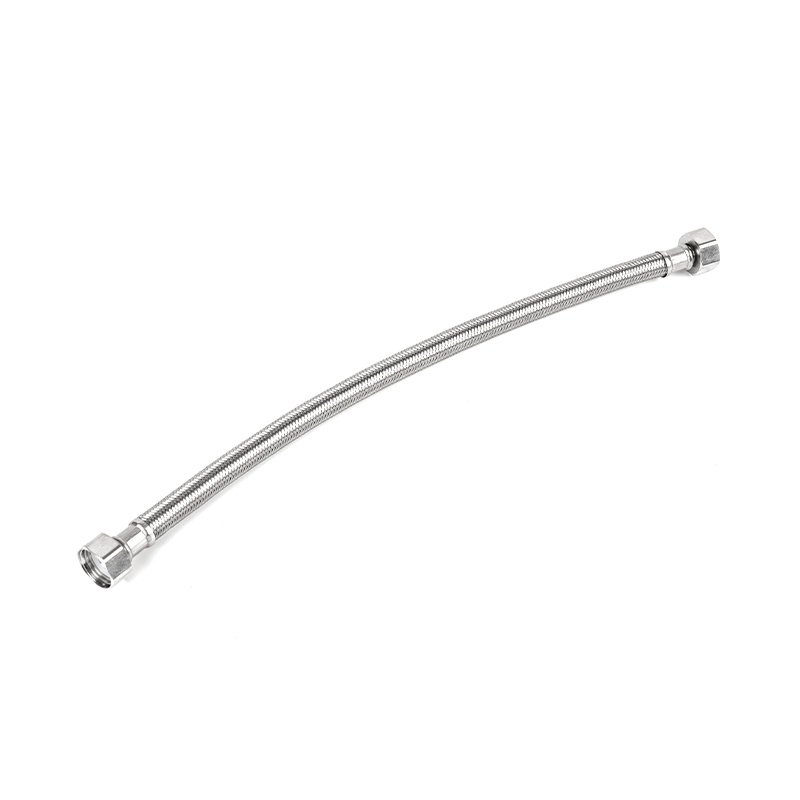
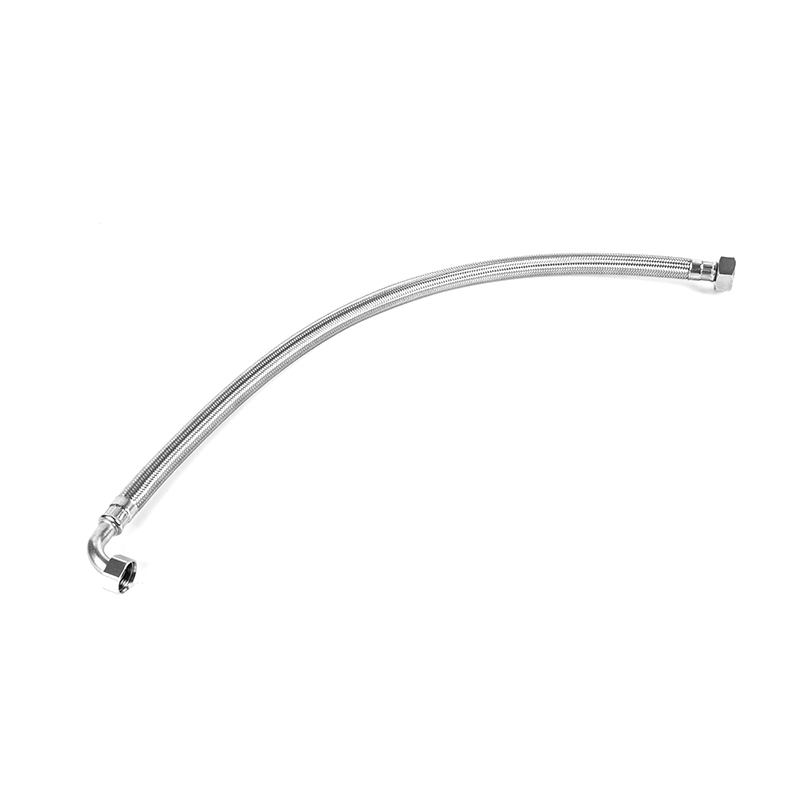
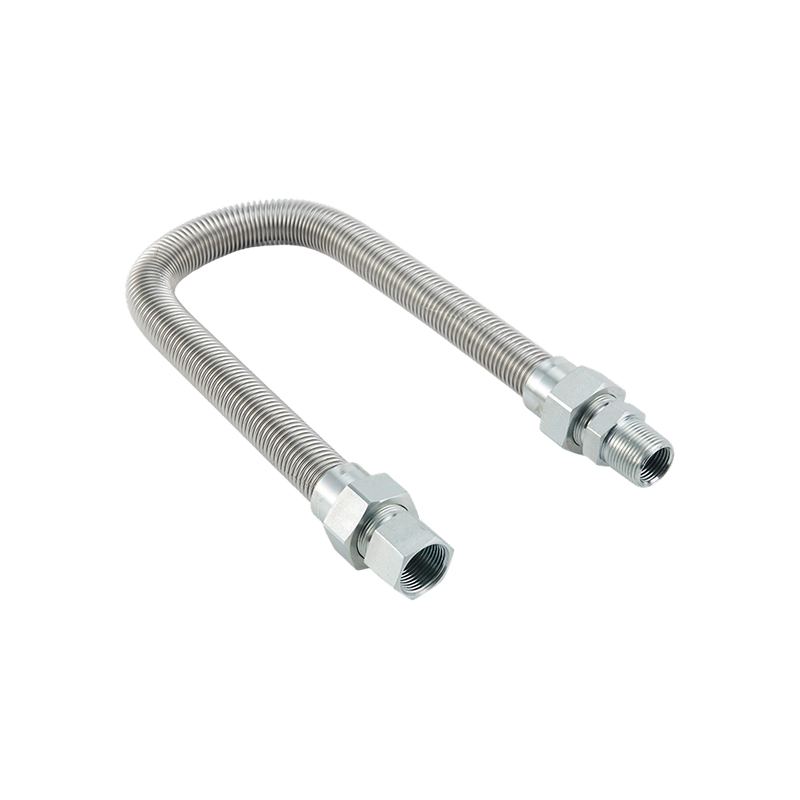
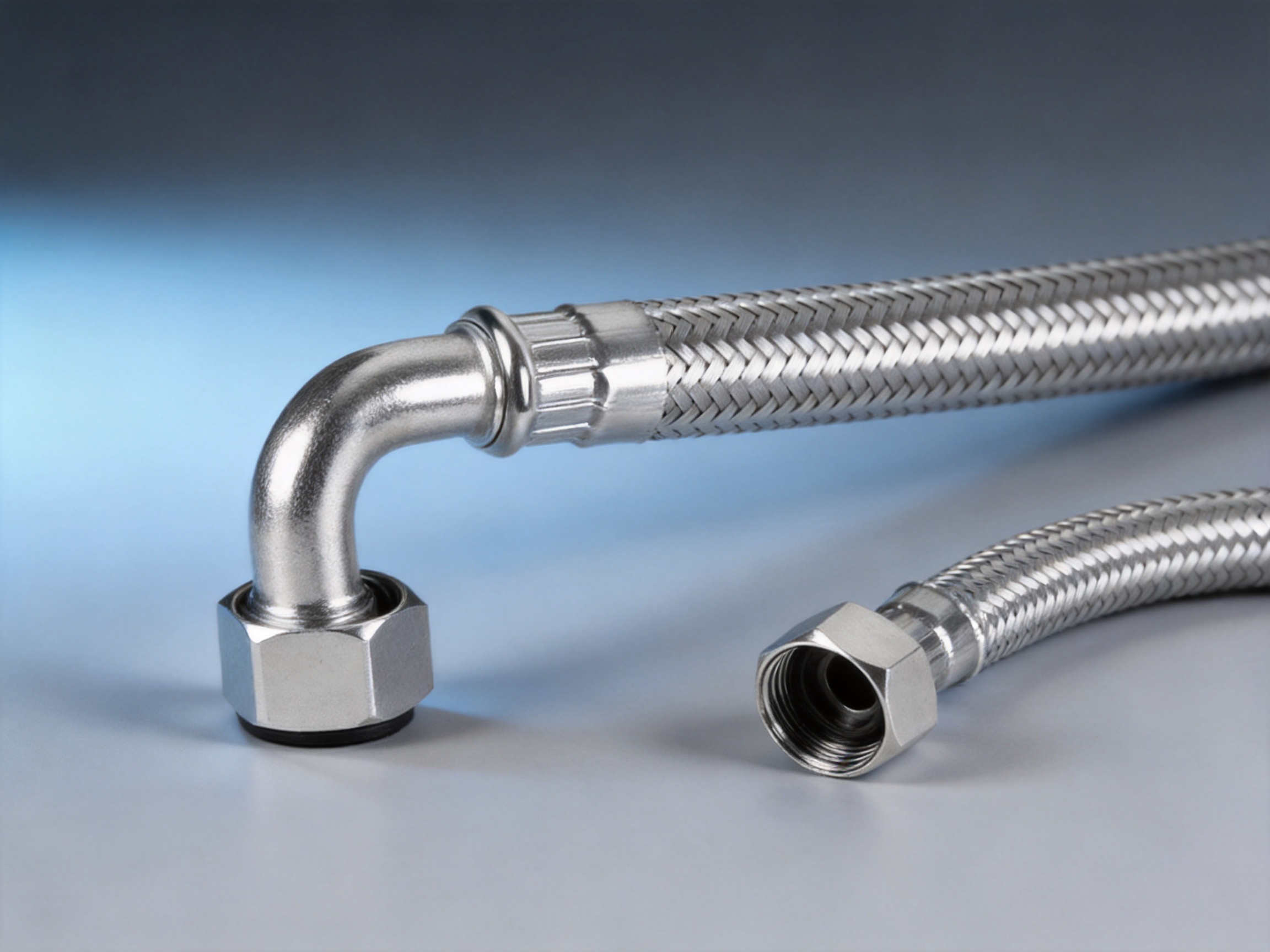
The flexible stainless steel connector with elbow fittings is designed for applications that require both flexibility and dependable mechanical connection. Its corrugated stainless steel tube body can bend within the permitted installation range, while the reinforced elbow fittings at both ends provide a stable interface with gas appliances, boilers, water heaters, HVAC equipment, kitchen equipment, and other systems. This combination makes the connector especially useful where a straight rigid connection would be difficult to install or where excessive stress could be transferred to equipment ports.
The product belongs to a broader family of stainless steel bellows and flexible connection solutions. It is manufactured by Haoyin (Ningbo) Bellows Technology Co., Ltd., a professional enterprise specializing in research and development, design, manufacturing, and sales of stainless steel bellows. With standardized production facilities, certified management systems, specialized forming and welding equipment, and a full-process quality control program, the company is positioned to supply flexible connection products for residential, commercial, and industrial applications.
What Is a Flexible Stainless Steel Connector with Elbow Fittings?
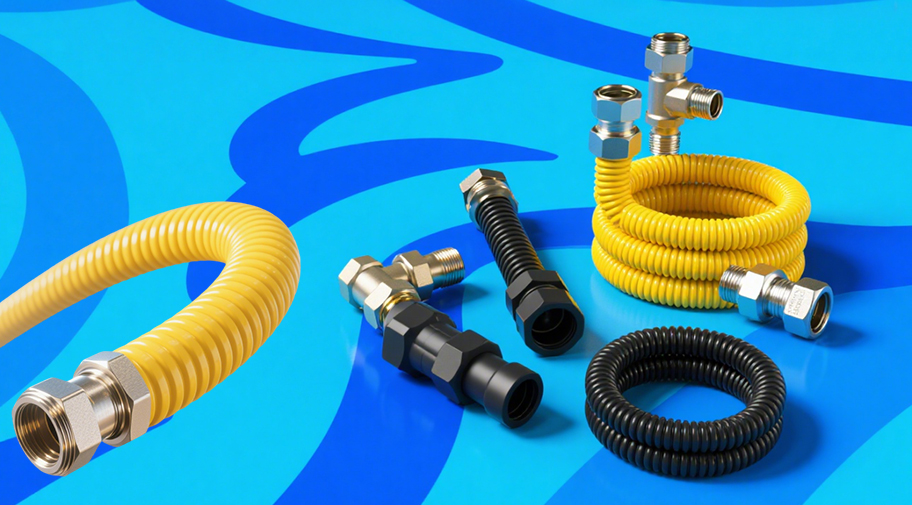
A flexible stainless steel connector is a prefabricated connection pipe that combines a flexible corrugated tube with end fittings. The corrugations allow the tube to bend and absorb limited movement, while the fittings provide the mechanical connection required to join the connector to equipment or a fixed piping system. In the elbow-fitting configuration, the connection ends are shaped to accommodate changes in direction and improve installation in areas where a straight connector would not provide a convenient or low-stress route.
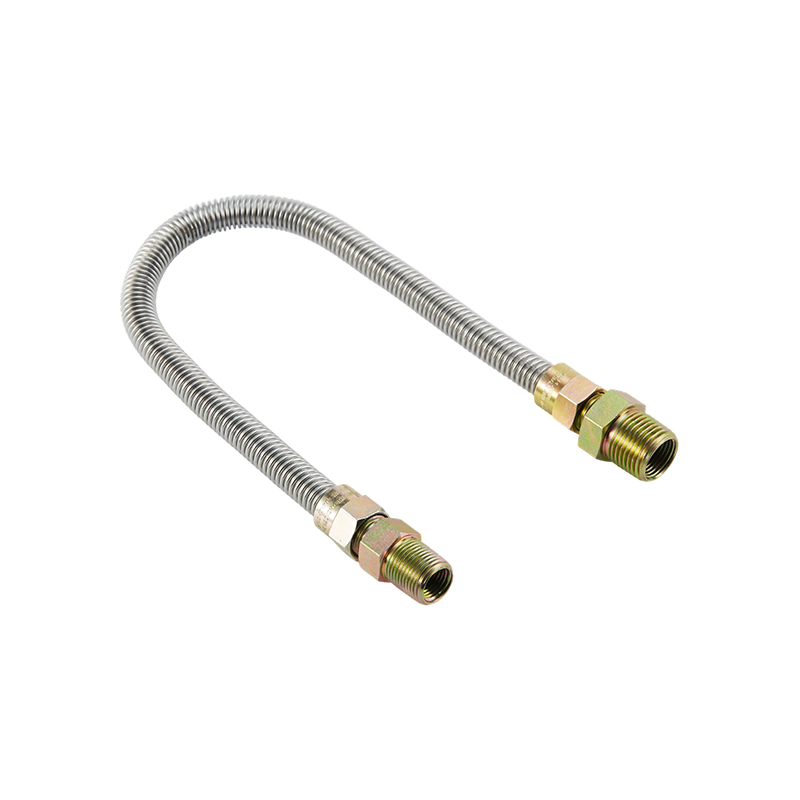
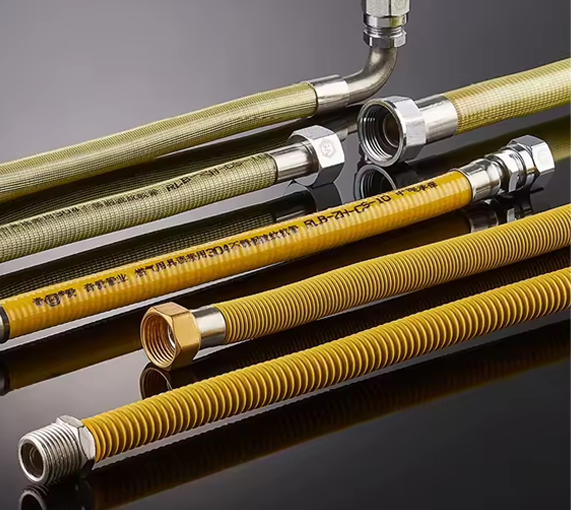
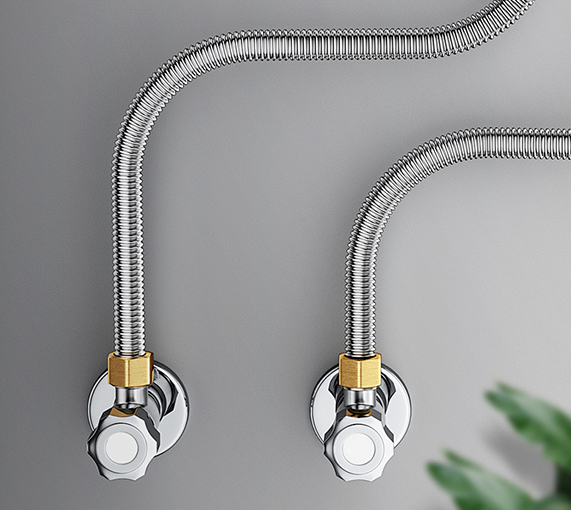
The main tube is formed from stainless steel and includes a corrugated profile. Unlike a smooth rigid pipe, the corrugated section can flex more easily because its geometric profile allows controlled movement along the length of the connector. This feature is useful when equipment ports are positioned at an angle, when space is restricted, or when a connection must accommodate minor movement caused by thermal expansion, vibration, or equipment operation.
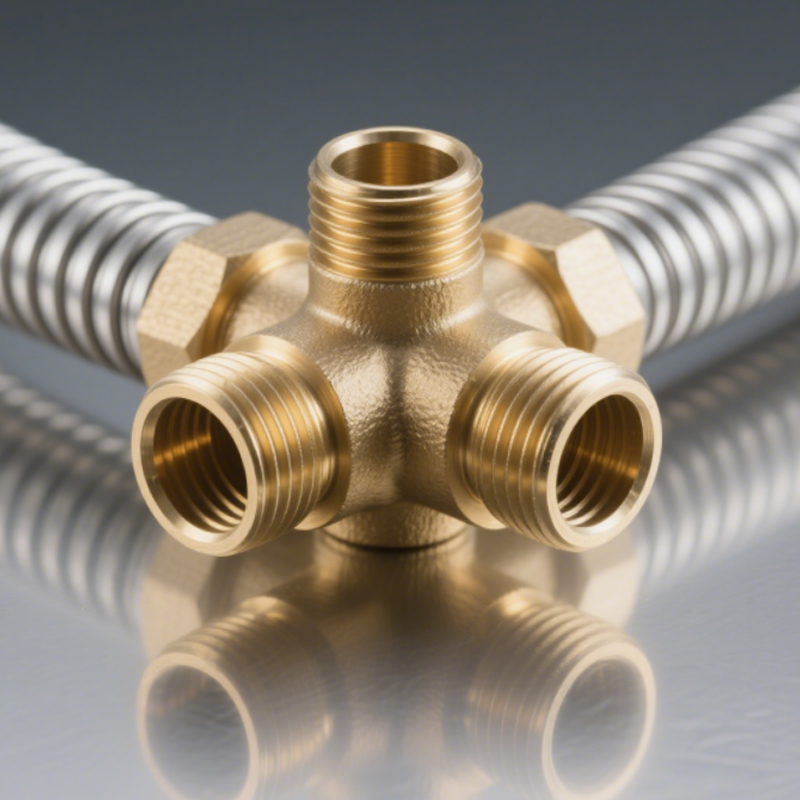
The elbow fittings are thickened and designed to enhance connection stability. They help distribute mechanical loads at the ends of the flexible tube and reduce the risk of excessive stress being concentrated at a single transition point. This is important because the connection area is often exposed to bending forces during installation. A properly designed elbow can also make the route of the connector more orderly, reducing sharp bends and helping installers achieve a more reliable final configuration.
Depending on the selected model, size, fitting type, sealing method, and applicable technical standard, the connector may be used to transport gas, water, heating media, or other compatible fluids. The specific application must always be confirmed through product documentation, system requirements, local codes, and professional installation practice. Flexible does not mean unrestricted: the connector should not be twisted, crushed, stretched, or bent below its permitted radius.
Core Construction and Functional Design
Corrugated Stainless Steel Tube Body
The corrugated tube is the functional center of the connector. Stainless steel offers a useful combination of strength, corrosion resistance, temperature resistance, and durability. In comparison with many conventional materials, stainless steel is less vulnerable to rust-related deterioration in humid environments and can maintain its mechanical properties across a broad range of normal service conditions.
The corrugated profile gives the tube greater flexibility than a straight-walled rigid pipe of comparable application size. This flexibility simplifies routing and can reduce the need for multiple rigid elbows, additional fittings, or complicated field fabrication. It also allows the connector to accommodate limited relative movement between a fixed pipe and connected equipment. When correctly selected and installed, the tube can help reduce the transfer of installation stress to equipment connections.
Corrugation geometry is an important manufacturing consideration. The depth, pitch, wall thickness, and consistency of the corrugations influence flexibility, pressure performance, fatigue resistance, and flow characteristics. Uneven forming may create localized stress or reduce the usable service life of the component. For this reason, controlled forming equipment and inspection procedures are important parts of a professional production process.
Reinforced Elbow Fittings
The elbow fittings provide an angled connection that can be especially beneficial in confined spaces. Equipment ports are not always aligned with the incoming pipe, and an elbow fitting can reduce the amount of manual bending required during installation. By offering a more controlled change of direction, the elbow can help protect the flexible tube from sharp or irregular bending.
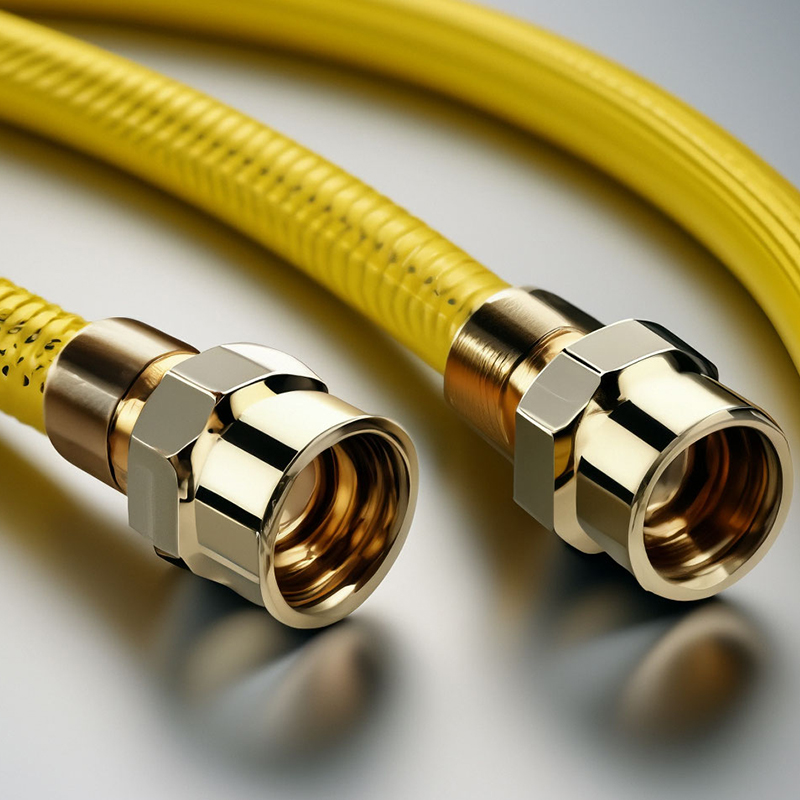
Thickened fittings also improve the rigidity of the connection zones. The tube itself is designed to be flexible, but the ends must provide a stable transition to threaded, flanged, or otherwise compatible interfaces. A reinforced end structure helps maintain dimensional stability and supports reliable sealing when the connector is correctly tightened and installed.
The elbow design can help installers create a cleaner pipe route while keeping the connector away from sharp edges, hot surfaces, moving mechanisms, and areas subject to accidental impact. A well-planned route is not only more attractive; it can also make inspection, maintenance, and replacement easier throughout the product life cycle.
Connection Interfaces
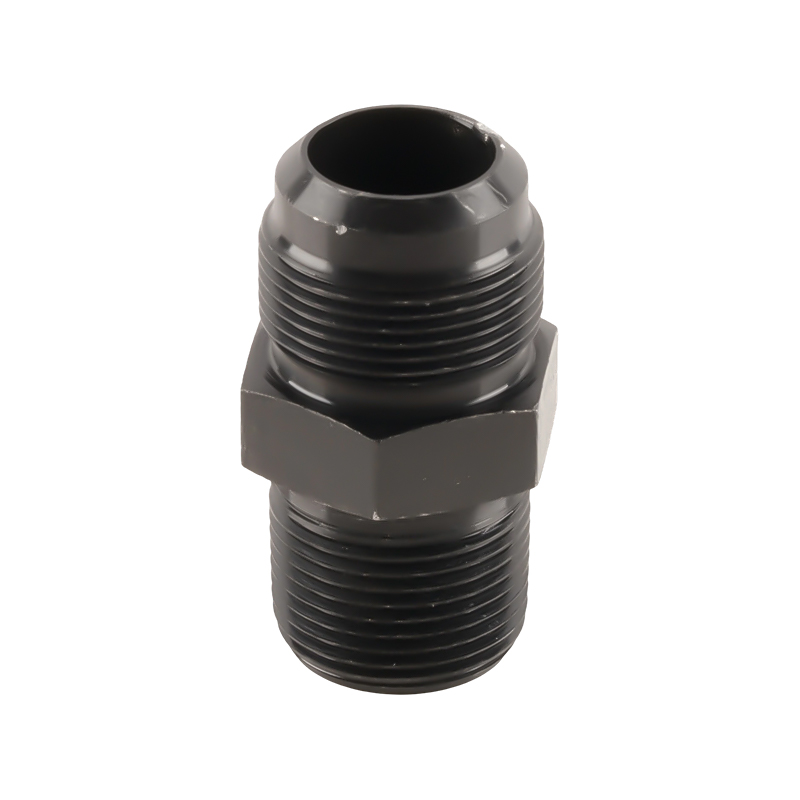
Connection interfaces must be selected according to the equipment port, pipeline material, pressure class, fluid, temperature, and local installation requirements. The connector may be produced with different fitting arrangements depending on the intended application. Before ordering, users should confirm the nominal size, connection type, fitting orientation, sealing method, effective length, and installation space.
A connection is only as reliable as its weakest interface. Even a high-quality stainless steel tube can leak if the wrong fitting is selected, if a sealing surface is damaged, or if the product is installed under excessive torsion. Professional installation should include inspection of threads, gaskets, sealing surfaces, alignment, and tightening procedures.
Advantages Compared with Conventional Rigid Connections
Improved Installation Flexibility
Rigid pipe systems require accurate measurement, cutting, threading, welding, or additional elbows. In difficult locations, this can increase labor time and make the installation more dependent on field workmanship. A flexible connector arrives as a prepared component with fittings already attached. It can often be routed more easily around obstacles and connected without extensive on-site fabrication.
The elbow configuration provides an additional advantage in narrow cabinets, equipment rooms, kitchens, plant rooms, and service areas. Instead of forcing a straight connector into an awkward orientation, the installer can use the angled ends to create a more natural route. This may reduce the number of separate components required and simplify the overall installation.
Reduced Installation Stress
Rigid connections can transmit alignment errors and movement directly to equipment ports. If the pipe is slightly misaligned, installers may be tempted to force the connection into place. This can create continuous stress on threads, valves, appliance inlets, or welded joints. A flexible connector can accommodate limited misalignment and movement, helping create a less-stressed connection when installed within its design limits.
The connector should never be used to compensate for severe misalignment or to support the weight of a pipe system. Fixed pipework should be properly supported, and the connector should be used as a connection element rather than as a structural support. When these principles are observed, the flexible section can help isolate equipment from minor movement and vibration.
Corrosion Resistance
Stainless steel is widely selected for connection products because it provides strong resistance to many common atmospheric and service-related corrosion conditions. This is particularly useful in kitchens, boiler rooms, utility areas, humid plant rooms, and plumbing environments where moisture may be present.
Corrosion resistance depends on the stainless steel grade, fluid composition, temperature, external environment, cleaning chemicals, and installation conditions. No material is universally resistant to every chemical or operating condition. However, for compatible gas, water, heating, and HVAC applications, a properly specified stainless steel connector can offer a longer-lasting alternative to less corrosion-resistant materials.
Resistance to Temperature and Pressure Changes
Heating equipment, boilers, water heaters, and HVAC systems may experience repeated changes in temperature and pressure. These changes can produce expansion, contraction, vibration, and movement within the connected pipework. The stainless steel construction and corrugated design of the connector are intended to provide reliable performance under demanding normal service conditions.
Actual operating limits depend on the specific model and should be confirmed from technical documentation. Users should not assume that every connector is suitable for every high-temperature or high-pressure application. Proper selection requires consideration of design pressure, operating pressure, pressure surges, operating temperature, fluid compatibility, connection type, and expected movement cycles.
Efficient Use of Space
Modern buildings and equipment assemblies often provide limited installation space. Kitchen appliances may be installed close to cabinets or walls, while boilers and HVAC units may be surrounded by other components. The connector’s flexible tube and elbow ends make it easier to route the connection through a compact space without creating unnecessary loops or forcing rigid pipework into an unsuitable position.
Space efficiency can also simplify future maintenance. A well-routed connector leaves access to shutoff valves, inspection points, and equipment panels. It can reduce the need to remove adjacent components when servicing the connected appliance.
Potential Reduction in Components and Labor
A traditional rigid connection may require several pipe sections, elbows, adapters, couplings, and sealing operations. Each additional component introduces another potential leakage point and another task for the installer. A prefabricated flexible connector can reduce the number of field joints required, especially in short equipment connection runs.
Fewer components do not automatically guarantee better performance, but a simpler assembly can reduce installation complexity. It may also make the completed system easier to inspect and document. For contractors, this can improve productivity and reduce the time needed for measurement, cutting, threading, and adjustment.
| Feature | Flexible Stainless Steel Connector with Elbow Fittings | Conventional Rigid Connection |
|---|---|---|
| Installation in confined spaces | Flexible routing and angled ends can simplify access | May require multiple elbows and precise alignment |
| Adjustment for minor movement | Corrugated section can accommodate limited movement | Movement may be transferred to joints and equipment ports |
| Field fabrication | Usually supplied as a prepared connection assembly | Often requires cutting, threading, welding, or additional fittings |
| Corrosion resistance | Stainless steel construction provides strong resistance in compatible environments | Depends heavily on the selected pipe material and protective treatment |
| Connection direction | Elbow fittings support controlled changes in direction | Direction changes generally require separate elbows |
| Maintenance access | Compact routing can improve access around equipment | Complex rigid assemblies may occupy more space |
| Design considerations | Requires attention to bend radius, torsion, pressure, and fluid compatibility | Requires accurate alignment, support, and joint fabrication |
Applications Across Multiple Industries
Gas Equipment and Gas Appliances
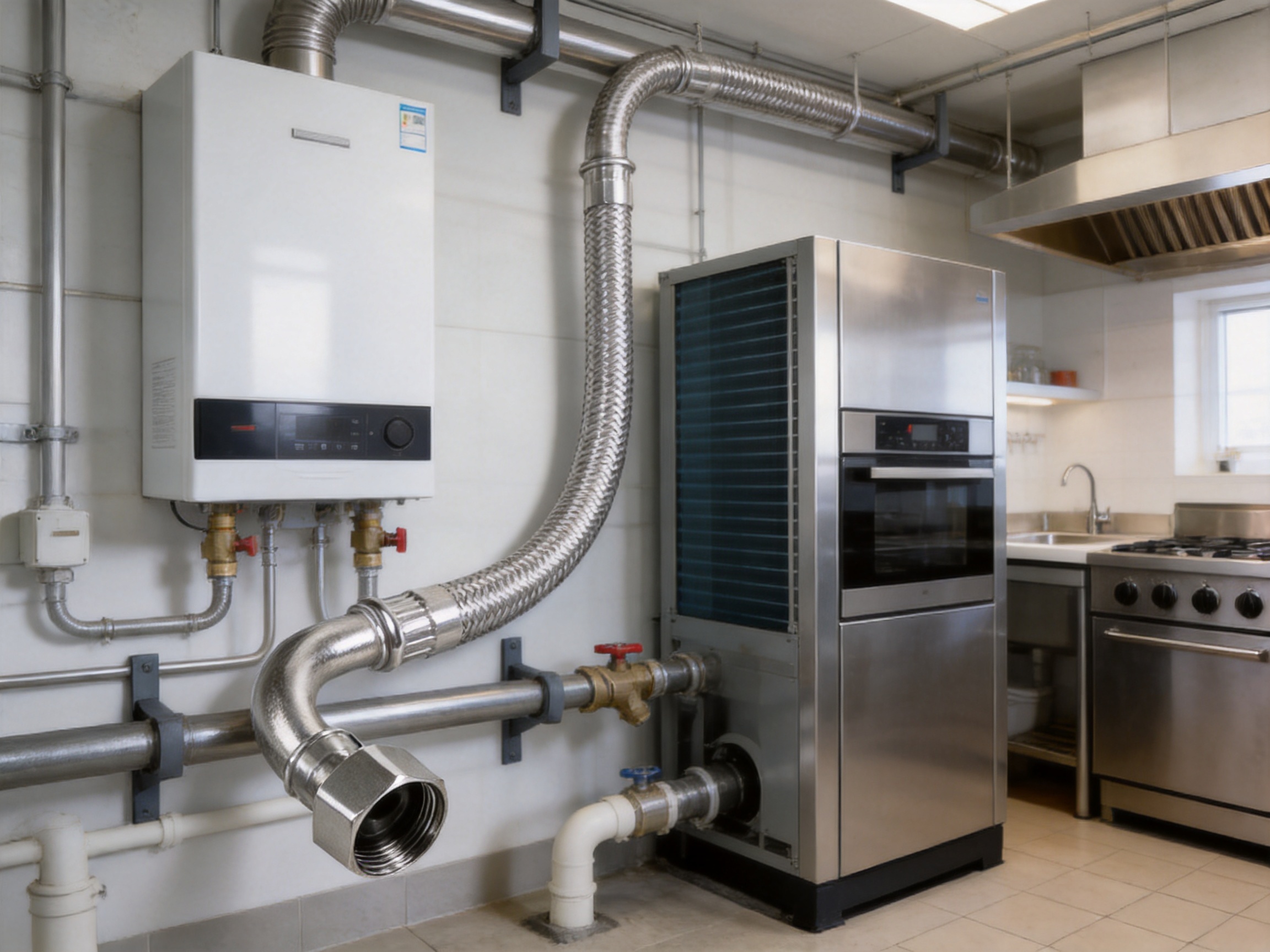
Gas connectors are used to connect appliances and equipment to gas supply systems. The flexible stainless steel connector can be suitable for compatible gas applications such as cooking equipment, heating units, and other appliances when the product configuration meets applicable regulations and technical requirements.
Gas installations require particularly careful attention to sealing, ventilation, leak testing, appliance movement, and local safety codes. The connector must be selected for the approved gas type, pressure, temperature, connection interface, and installation environment. It should be kept away from sharp edges, excessive heat, corrosive substances, and moving parts. After installation, qualified personnel should perform the required inspection and leak test.
Water Heaters and Boilers
Water heaters and boilers frequently require connections that can accommodate restricted access and equipment movement. The elbow configuration can make it easier to connect ports that are located close to a wall or cabinet. The stainless steel construction is also useful in humid utility spaces where corrosion resistance is important.
For hot water and heating applications, the connector must be selected according to the water chemistry, maximum temperature, operating pressure, and applicable code. Where thermal expansion or vibration is expected, the flexible section may help reduce stress on the equipment connection. However, it should not replace required expansion devices, safety valves, pipe supports, or other system components.
HVAC Systems
HVAC equipment can generate vibration and may experience movement during operation. Flexible connectors are often used to create a more adaptable interface between equipment and fixed pipework. In compact mechanical rooms, the elbow fittings can assist with routing around pumps, heat exchangers, valves, and structural obstructions.
In HVAC systems, fluid compatibility and pressure drop should be evaluated before selection. The connector should be installed with adequate clearance and should not be allowed to rub against adjacent components. Where vibration isolation is required, the complete assembly must be designed as a system, since a single flexible connector cannot address every source of mechanical movement.
Kitchen and Commercial Food-Service Equipment
Commercial kitchens combine heat, moisture, cleaning chemicals, limited space, and frequent equipment maintenance. A compact stainless steel connector can provide a practical link between cooking equipment, water heaters, dishwashing systems, and utility connections. Its corrosion-resistant construction and flexible routing can be valuable in these demanding environments.
Kitchen installations should consider hygiene, cleanability, surface exposure, temperature, and the possibility of contact with cleaning agents. The connector should be positioned so it is protected from impact and does not interfere with equipment movement or cleaning operations.
Residential Plumbing
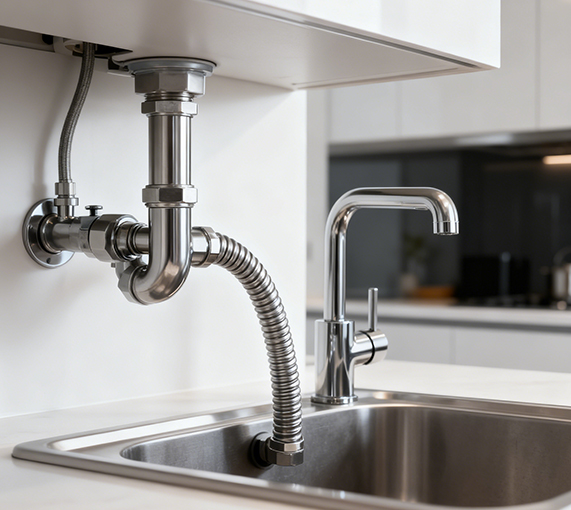
In homes, flexible connectors are commonly used around water heaters, boilers, sinks, heating appliances, and other equipment. The product can be useful where the final equipment position differs slightly from the original pipe location or where a rigid connection would be difficult to align.
Residential installers should still follow plumbing codes and manufacturer instructions. Flexible connectors should not be hidden in inaccessible locations if inspection is required, and they should not be installed where they may be exposed to abrasion or unnecessary mechanical stress.
Commercial and Industrial Piping
Industrial and commercial facilities often contain complex pipe networks with pumps, compressors, heating equipment, processing units, and ventilation systems. Flexible stainless steel connectors can support equipment connection strategies where limited movement, vibration, thermal cycling, or installation constraints must be considered.
Industrial use requires a detailed engineering review. The designer should evaluate pressure and temperature ratings, fatigue life, chemical compatibility, flow requirements, support arrangements, movement amplitude, vibration frequency, and inspection access. A product intended for general equipment connection should not be used in a specialized process line without confirming its suitability.
Manufacturing Process and Quality Control
Material Selection and Incoming Inspection
Manufacturing quality begins with the selection of suitable raw materials. Stainless steel strip, tube material, fitting material, sealing components, and auxiliary parts must be chosen according to the intended application and technical requirements. Incoming materials should be checked for dimensions, surface condition, chemical composition where required, and traceability.
Material control is important because the performance of a flexible connector depends on more than appearance. The correct alloy, wall thickness, and surface condition influence corrosion resistance, forming performance, weldability, pressure capability, and service life. A systematic incoming inspection program helps prevent unsuitable material from entering production.
Precision Corrugation Forming
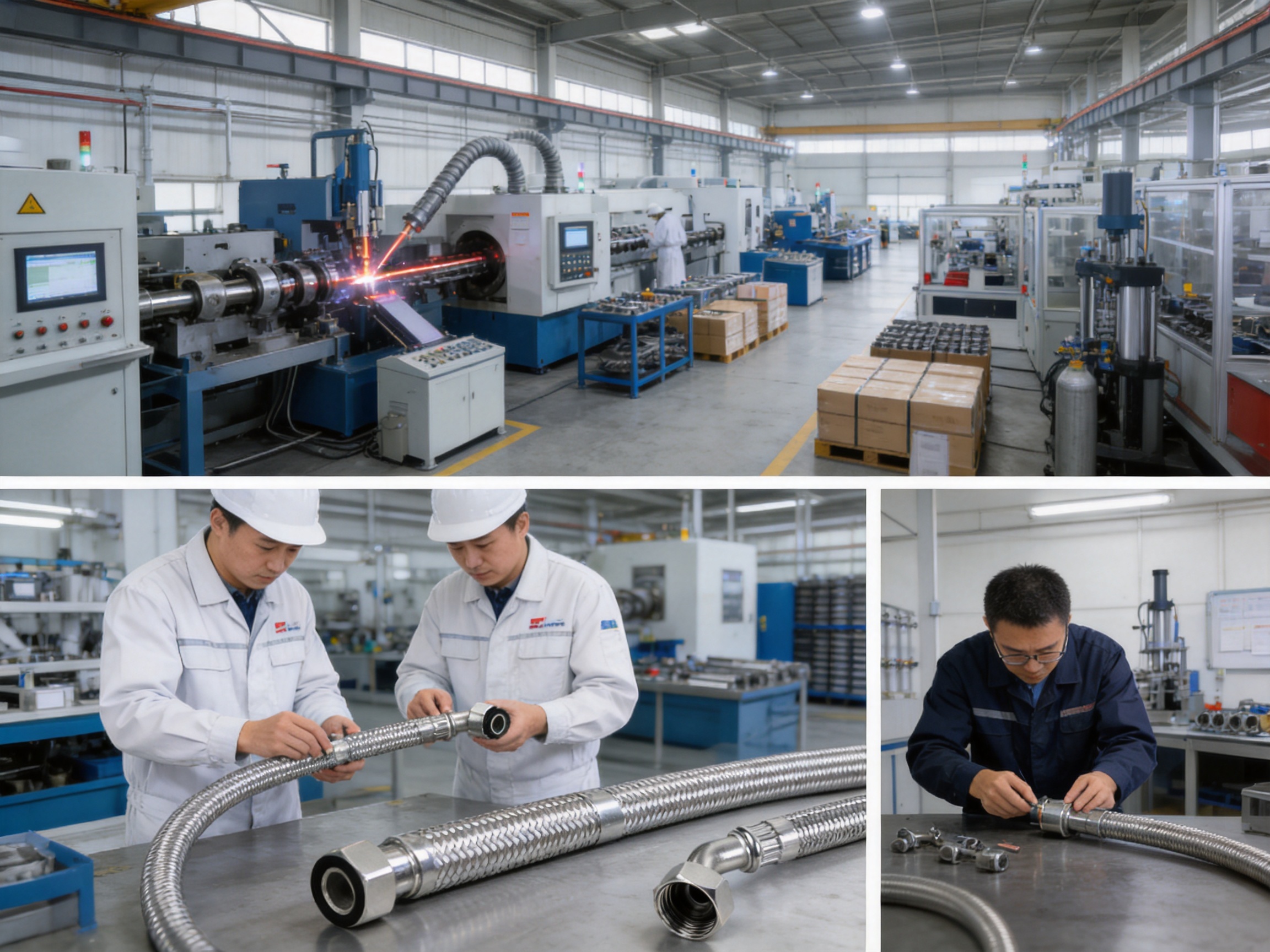
The tube must be formed into a consistent corrugated profile. Haoyin uses CNC forming machines and other specialized production equipment to support controlled manufacturing. CNC forming helps maintain repeatable dimensions and reduces variation between production batches.
During forming, production personnel and quality engineers may monitor corrugation pitch, height, diameter, length, and surface condition. Consistency is essential because irregular corrugations can change flexibility and create localized stress. Controlled forming also improves the predictability of installation behavior and pressure performance.
Laser Welding and Joint Integrity
Laser welding machines are among the advanced equipment used in the company’s manufacturing operations. Laser welding can provide concentrated heat input, accurate control, and clean weld profiles when properly applied. These characteristics are valuable for stainless steel bellows, tube assemblies, and fitting transitions.
Weld quality affects leak resistance and mechanical integrity. Production control may include parameter management, visual inspection, dimensional checks, and non-destructive testing. The objective is to create a stable joint that remains reliable during pressure changes, vibration, and normal service movement.
Fitting Assembly
After the flexible tube is formed and prepared, elbow fittings and other connection components are assembled. Assembly requires accurate positioning, controlled joining, and careful attention to alignment. The fitting must be securely attached without damaging the corrugated section or creating excessive stress at the transition.
For products using threaded connections or sealing components, assembly control also includes thread protection, sealing-surface inspection, and correct component matching. The final assembly should be checked for orientation, effective length, fitting position, surface defects, and overall appearance.
Inspection and Performance Testing
Quality testing is a critical part of flexible connector production. Depending on the product design and applicable standard, testing may include dimensional inspection, pressure testing, leak testing, weld inspection, material verification, and evaluation of forming quality. Eddy current flaw detectors and other inspection equipment can help identify potential defects that may not be visible during a basic visual examination.
Testing should be integrated throughout the manufacturing process rather than performed only at the end. Process monitoring can detect variation earlier, reduce rework, and improve batch consistency. A full-process approach also supports traceability from raw material selection through production, testing, packaging, and after-sales service.
Automatic Packaging and Product Protection
Packaging is often overlooked, but it directly affects the condition in which the connector reaches the customer. Automatic packaging systems can improve consistency and help protect fittings, threads, sealing surfaces, and polished stainless steel areas from scratches or contamination.
The packaged connector should be stored and transported in a manner that prevents crushing, excessive bending, impact, and exposure to corrosive substances. Proper packaging also assists with product identification, batch control, and warehouse management.
Company Capabilities and Manufacturing Strengths
Haoyin (Ningbo) Bellows Technology Co., Ltd. specializes in stainless steel bellows and flexible connection products. Its product range includes gas connectors, plumbing pipes and water liners, metal hoses, and compensators. This product focus gives the company experience across multiple forms of flexible metal piping and supports the development of solutions for gas, plumbing, heating, healthcare, building heating, industrial HVAC, and related fields.
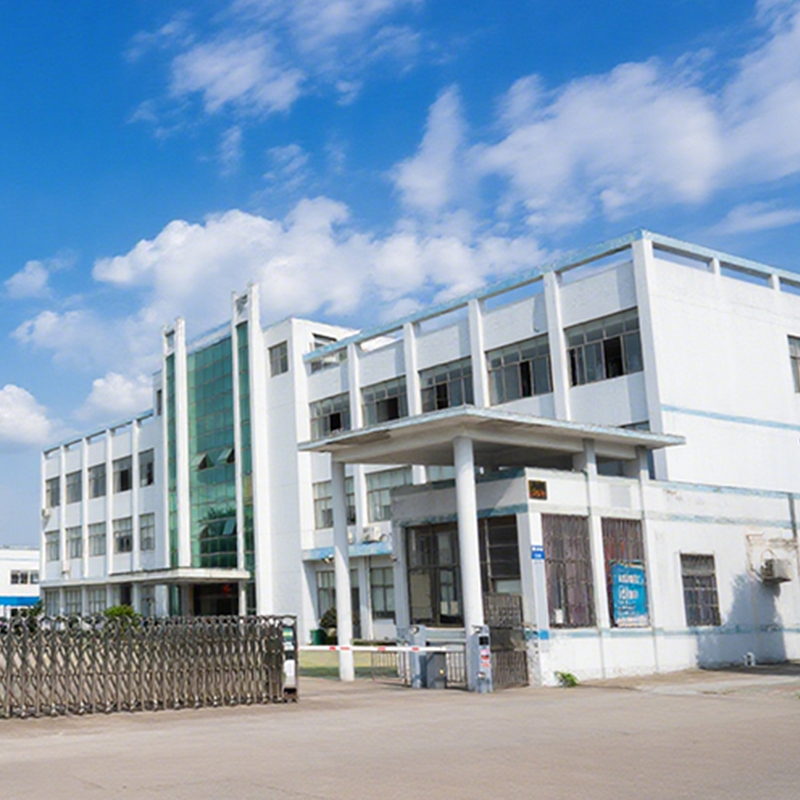
The company covers an area of approximately 35 mu and operates standardized workshops totaling about 18,000 square meters. This scale provides room for organized production, equipment deployment, quality inspection, warehouse management, research and development, and order fulfillment. Standardized workshop conditions can support better process control than loosely organized production environments, especially for products that require repeatable forming and welding.
The company has obtained ISO9001, ISO14001, ISO45001, and other management system certifications. ISO9001 relates to quality management, ISO14001 addresses environmental management, and ISO45001 focuses on occupational health and safety. These systems help establish structured procedures for documentation, process control, corrective action, environmental responsibility, and workplace safety.
Haoyin is also identified as a National High-tech Enterprise and Green Factory. These recognitions reflect an emphasis on technical development, manufacturing capability, resource management, and environmental performance. For customers, the value of these strengths lies in the company’s ability to combine product development with organized production and documented management practices.
The company follows the philosophy of “Striving for Excellence, Forging Quality.” This approach is reflected in its full-process quality management system, which covers raw material selection, structural design, manufacturing, performance testing, packaging, and after-sales support. Such coverage is important because product reliability depends on the complete chain rather than on a single production step.
A professional research and development team supports product improvement and application adaptation. Flexible connectors may need to be adjusted for different equipment interfaces, lengths, fitting directions, pressure requirements, and installation conditions. Technical development allows the manufacturer to respond to these needs while maintaining control over forming, welding, inspection, and production efficiency.
Why This Product Can Stand Out in Competitive Markets
Integrated Product Design
One competitive advantage is the integration of a flexible corrugated tube and reinforced elbow fittings into one connection solution. Customers do not need to design the entire connection from separate rigid pipe sections and multiple elbows in every application. The integrated product can shorten installation time and reduce the number of field joints.
Balanced Flexibility and Stability
Some flexible products prioritize bendability but provide limited stability at the ends, while rigid connectors offer stability but little tolerance for misalignment. This product is designed to balance both characteristics. The corrugated tube provides controlled flexibility, and the thickened elbow fittings provide a more stable connection structure.
This balance is particularly valuable for equipment connections, where the tube must be flexible enough to route through a confined space but strong enough to maintain a dependable interface. The final result depends on correct product selection and installation, but the design addresses a common weakness of one-dimensional connection solutions.
Suitability for Diverse Applications
The connector is intended for use across gas, HVAC, kitchen equipment, boilers, water heaters, residential plumbing, commercial systems, and selected industrial applications. This broad application range allows distributors, contractors, and equipment manufacturers to consider one product family for multiple connection needs.
Application versatility does not eliminate the need for technical verification. Instead, it highlights the importance of offering suitable sizes, fitting arrangements, materials, and performance ratings. A manufacturer with experience in different market sectors is better positioned to understand these varying requirements.
Advanced Equipment and Process Control
Laser welding machines, CNC forming machines, COSMO equipment, eddy current flaw detectors, and automatic packaging systems support a modern manufacturing process. The use of specialized equipment can improve repeatability, reduce manual variation, and strengthen inspection capability.
Equipment alone is not sufficient; it must be supported by trained personnel, documented procedures, preventive maintenance, calibration, and continuous improvement. The combination of equipment and management systems is what allows advanced manufacturing resources to contribute to consistent product quality.
Support from Design to After-Sales Service
Flexible connection products are often selected based on application details rather than appearance alone. Customers may need support in confirming length, fitting orientation, connection type, working conditions, or installation limitations. A company with research and development, manufacturing, inspection, and after-sales capabilities can provide more complete support than a supplier focused only on final assembly or trading.
Technical communication before production can prevent misunderstandings and reduce the risk of receiving a product that does not fit the intended system. After delivery, product documentation, installation guidance, quality records, and responsive service can help customers use the connector correctly and maintain system reliability.
Installation Guidance and Best Practices
Confirm Product Selection Before Installation
Before installation, verify the connector’s nominal size, length, fitting type, elbow orientation, material, pressure rating, temperature range, and intended fluid. Confirm that the connector is approved or suitable for the local application. For gas systems, check the gas type and relevant safety requirements. For water and heating systems, confirm water chemistry and temperature conditions.
Inspect the Connector
Inspect the product before installation. Check for dents, crushed corrugations, damaged threads, contamination, corrosion, missing sealing parts, and deformation of the elbow fittings. Do not install a connector that has been visibly damaged during transport or handling.
Prevent Twisting
A flexible connector is designed primarily to bend, not to twist. Twisting can place stress on the corrugations, welds, and fittings. Align the equipment and pipework before tightening the connection. If alignment is difficult, correct the pipe support or use a suitable connector configuration rather than forcing the flexible section to rotate.
Respect the Minimum Bend Radius
The connector should be bent gradually and within the manufacturer’s permitted radius. Sharp bends can deform the corrugations and reduce pressure or fatigue performance. The elbow fittings should be used to achieve the primary direction change, while the flexible tube should provide only the amount of bending intended by the design.
Avoid Excessive Tension and Compression
The connector should not be stretched to reach a connection or compressed so severely that the corrugations become crowded. Select an appropriate length and allow the connector to sit naturally in its installed position. Excessive axial force can affect the fittings and connected equipment ports.
Provide Proper Pipe Support
Fixed pipework should be supported independently. The flexible connector should not carry the weight of long pipe runs, valves, pumps, or other heavy components. Proper support prevents excessive loading and helps the connector perform its intended function as a flexible connection element.
Protect Against Abrasion and Heat
Keep the connector away from sharp metal edges, abrasive surfaces, moving parts, and direct sources of excessive heat. If the connector passes near a hot surface, the application should be reviewed to confirm that the operating temperature remains within the product’s approved range. Protective measures must not restrict the connector’s movement or create a hidden accumulation point for moisture.
Test the Completed Connection
After installation, inspect all joints and perform the required pressure or leak test according to the relevant code, equipment instructions, and site procedures. Gas connections require particular care and should be tested by qualified personnel using approved methods. Any leakage, abnormal deformation, or movement should be corrected before the system is placed into service.
Maintenance and Service Considerations
Flexible stainless steel connectors generally require limited routine maintenance when properly selected and installed. Nevertheless, periodic visual inspection is advisable, particularly in commercial, industrial, heating, and gas applications. Inspect the tube surface, corrugations, elbow fittings, connection joints, and surrounding environment.
Look for corrosion, dents, abrasion, discoloration caused by overheating, leakage marks, loose fittings, unusual vibration, or changes in the connector’s installed shape. Any sign of damage should be investigated promptly. Do not attempt to repair a severely damaged flexible tube through unauthorized welding, clamping, or sealing methods.
The service life of a connector depends on pressure cycles, temperature cycles, vibration, movement, fluid compatibility, installation quality, and environmental exposure. A connector used in a stable residential water application may experience very different conditions from one installed near industrial equipment. Replacement intervals should therefore be based on product guidance, inspection results, system requirements, and applicable regulations.
Q&A
What is the main purpose of this connector?
The main purpose is to provide a flexible and dependable connection between fixed pipework and equipment such as gas appliances, HVAC units, kitchen equipment, boilers, and water heaters. The corrugated stainless steel tube supports controlled flexibility, while the elbow fittings provide a stable angled connection.
Why are elbow fittings useful?
Elbow fittings help change the connection direction without requiring the installer to create a sharp bend in the flexible tube. They are useful in confined spaces and can make it easier to align the connector with equipment ports positioned close to walls, cabinets, or other components.
Can the connector be used for gas?
It may be suitable for compatible gas applications when the specific product configuration, materials, pressure rating, connection type, and certifications meet the requirements of the installation. Gas work must follow local regulations and should be performed and tested by qualified personnel.
Can it be used for water and heating systems?
It is designed for applications that may include plumbing, water heaters, boilers, and heating systems, provided that the selected model is compatible with the fluid, pressure, temperature, connection, and local technical requirements. Users should confirm the exact operating limits before installation.
Is the connector resistant to corrosion?
The stainless steel construction provides strong corrosion resistance in many compatible environments. Performance depends on the stainless steel grade, fluid chemistry, temperature, external exposure, cleaning agents, and installation conditions. The connector should not be exposed to chemicals that are incompatible with its materials.
Can the connector absorb vibration?
The flexible corrugated section can accommodate limited movement and may help reduce the transfer of minor vibration between equipment and fixed pipework. It is not a substitute for a complete vibration-control design. The system may also require equipment isolation, pipe supports, guides, or other engineering measures.
Can it support the weight of the connected pipe?
No. The connector should not be used as a structural support. Long pipe runs, valves, pumps, and other heavy components must be independently supported so that excessive loads are not transferred to the flexible tube or fittings.
Can the connector be twisted during installation?
Twisting should be avoided. The product is intended to bend within its permitted radius, not to absorb continuous torsional stress. Pipe alignment should be corrected before tightening, and the connector should be installed in a natural, unstressed position.
How does the product compare with a rigid pipe connection?
Compared with a rigid connection, the flexible connector can simplify installation in confined spaces, accommodate limited movement, reduce the number of separate elbows and joints, and help reduce alignment stress. A rigid connection may still be preferable in some structural or high-load applications, so selection should be based on the complete system design.
What manufacturing equipment supports product quality?
The manufacturer uses equipment including laser welding machines, CNC forming machines, COSMO equipment, eddy current flaw detectors, and automatic packaging systems. These resources support controlled forming, welding, inspection, testing, and product protection.
What certifications and management systems does the company have?
The company has obtained ISO9001, ISO14001, ISO45001, and other management system certifications. It is also identified as a National High-tech Enterprise and Green Factory. These systems and recognitions support structured quality, environmental, safety, and technical management.
What information should customers provide when requesting a product?
Customers should provide the intended fluid, pressure, temperature, nominal size, connector length, fitting type, fitting orientation, installation space, expected movement, applicable standard, and required quantity. Photos, drawings, or equipment connection details can also help the manufacturer recommend a suitable configuration.
Conclusion
The flexible stainless steel connector with elbow fittings is a practical connection solution for modern piping systems that require flexibility, corrosion resistance, compact routing, and dependable equipment interfaces. Its corrugated stainless steel tube can accommodate controlled bending and limited movement, while reinforced elbow fittings improve stability and simplify directional connection in confined spaces.
Compared with many conventional rigid assemblies, the product can reduce field fabrication, decrease the number of separate fittings, simplify installation, and help reduce stress caused by minor misalignment. Its potential applications include gas appliances, HVAC equipment, kitchen systems, boilers, water heaters, residential plumbing, commercial facilities, and selected industrial installations.
Product performance depends on correct selection, professional installation, appropriate support, and compliance with applicable technical requirements. The connector should be treated as an engineered component rather than a universal replacement for every type of pipe connection. When the pressure, temperature, fluid, movement, and installation conditions are properly evaluated, it can provide a safe, efficient, and durable link between equipment and piping.
Behind the product is a manufacturing organization focused on stainless steel bellows and flexible connection technology. Haoyin (Ningbo) Bellows Technology Co., Ltd. combines research and development, standardized workshops, specialized forming and welding equipment, non-destructive inspection resources, certified management systems, and full-process quality control. These capabilities support consistent production and provide a foundation for serving customers in gas, plumbing, heating, healthcare, building services, HVAC, and industrial markets.
For distributors, contractors, equipment manufacturers, and engineering buyers, the connector offers a combination of practical installation advantages and manufacturing support. By selecting the correct specification and applying sound installation practices, users can take advantage of stainless steel durability and flexible connection performance while improving the reliability and maintainability of the overall piping system.
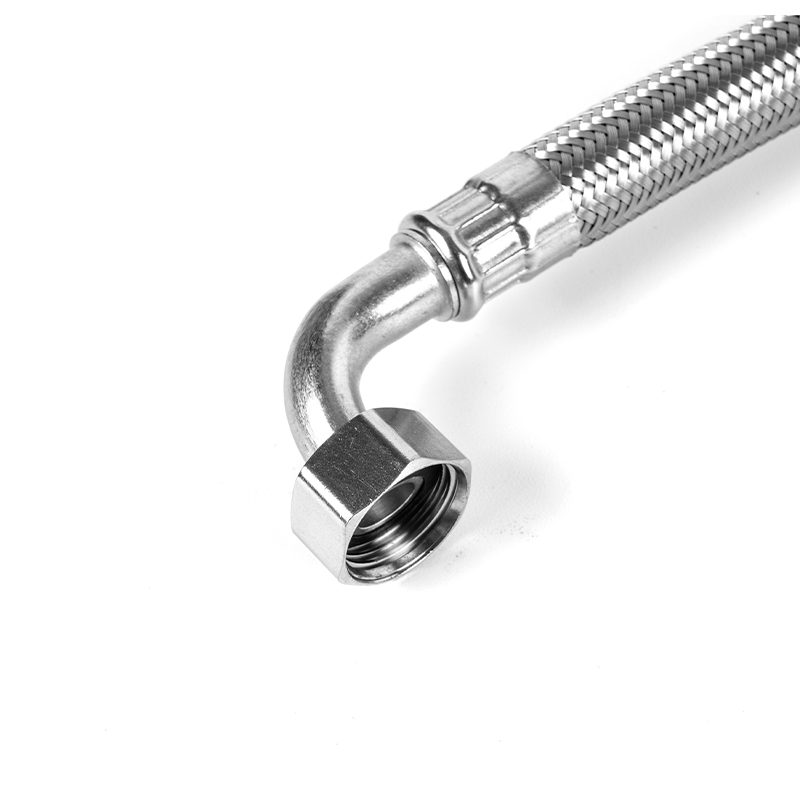
Flexible Stainless Steel Connector with Elbow Fitting
References
1. Haoyin (Ningbo) Bellows Technology Co., Ltd. Product information for flexible stainless steel connectors, corrugated stainless steel tubes, gas connectors, plumbing pipes, metal hoses, and compensators.
2. Haoyin (Ningbo) Bellows Technology Co., Ltd. Company information concerning research and development, standardized workshops, manufacturing equipment, certifications, and quality management practices.
3. International Organization for Standardization. Quality management systems: principles and general requirements associated with ISO 9001.
4. International Organization for Standardization. Environmental management systems: principles and framework associated with ISO 14001.
5. International Organization for Standardization. Occupational health and safety management systems associated with ISO 45001.
6. General engineering practice for the selection, installation, inspection, and maintenance of flexible metal connectors and corrugated stainless steel piping components.
7. General plumbing, gas installation, heating, and HVAC safety practices concerning pressure, temperature, fluid compatibility, pipe support, leak testing, and equipment connection design.