




 English
 Español
 русский



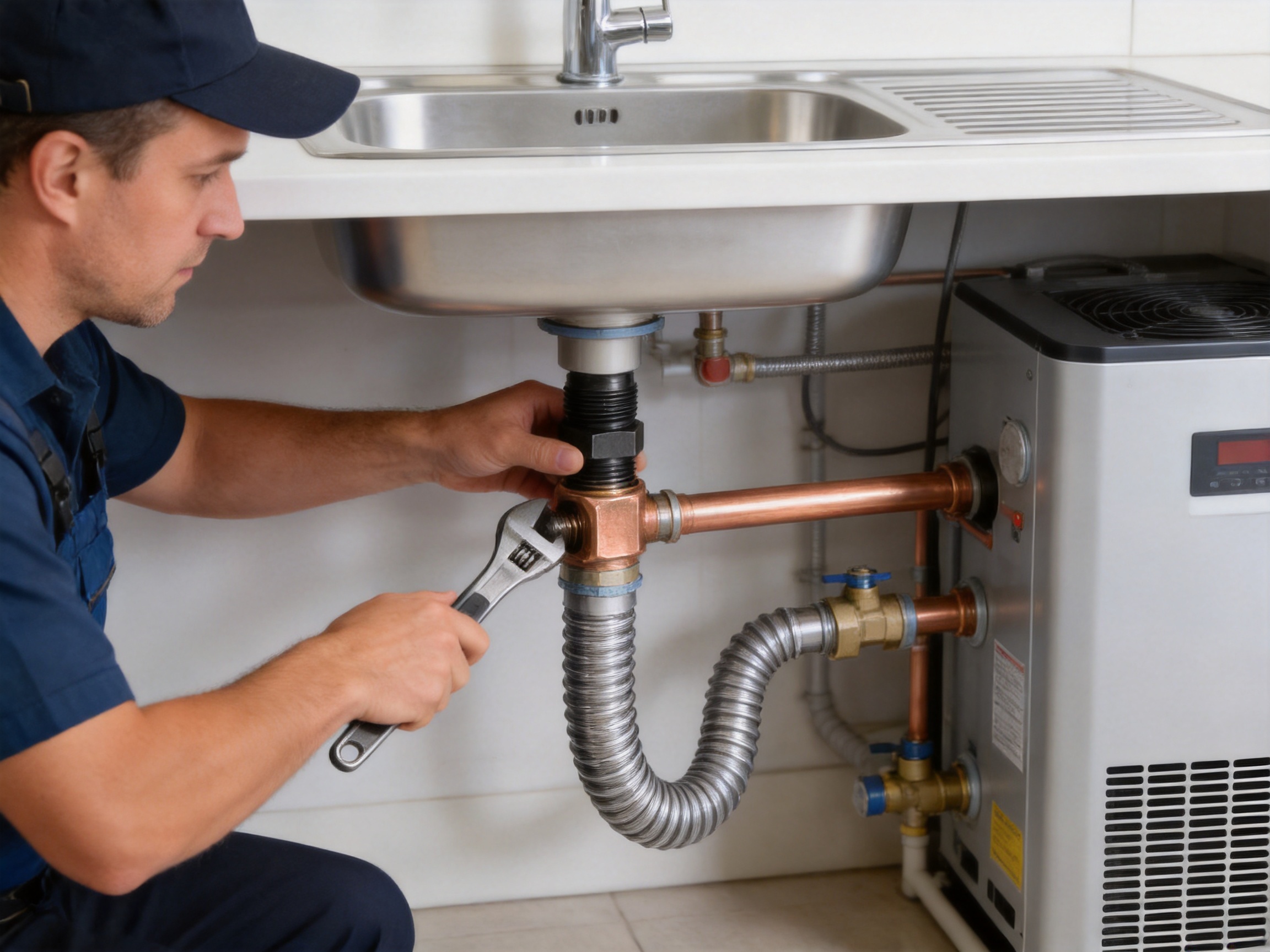
Flexible plumbing systems depend on small components that must perform reliably under pressure, temperature variation, vibration, installation movement, and long-term exposure to moisture. Among these components, the copper nut plays an important role in creating a secure and serviceable connection between a flexible connector and the rest of a plumbing, heating, gas, or water distribution system. Although a nut may appear simple, its material, dimensions, thread accuracy, surface condition, mechanical performance, and compatibility with the adjoining connector directly influence the safety and durability of the complete assembly.
The flexible plumbing connector copper nut is designed for applications where dependable fastening, corrosion resistance, hygiene, and ease of installation are important. Copper offers a balanced combination of electrical and thermal conductivity, natural resistance to many corrosive environments, non-magnetic behavior, and useful antimicrobial properties. When manufactured with appropriate forming, machining, inspection, and finishing processes, a copper nut can provide stable performance in residential plumbing, building heating, industrial HVAC, healthcare facilities, water equipment, and other systems that require flexible connections.
Haoyin (Ningbo) Bellows Technology Co., Ltd. is a professional manufacturer specializing in stainless steel bellows and flexible connection solutions. Its product range includes gas connectors, plumbing pipes and water liners, metal hoses, and compensators. The company’s experience in flexible piping, advanced production equipment, structured quality management, and application-focused engineering provides a strong foundation for producing and supporting copper nut components used with flexible plumbing connectors.
Understanding the Role of a Copper Nut in a Flexible Connector
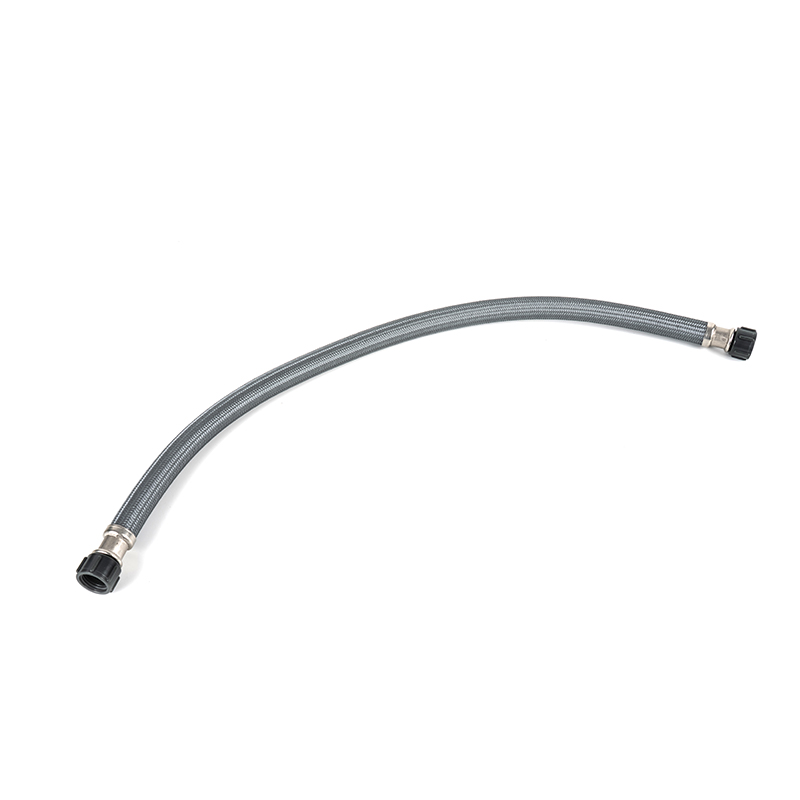
A flexible plumbing connector normally consists of several coordinated elements, including a flexible tube or corrugated liner, end fittings, sealing interfaces, sleeves, washers, and fastening hardware. The copper nut is the threaded component that applies controlled clamping force to the connection. When tightened correctly, it draws the fitting and the mating component together, allowing the sealing surface or gasket to maintain contact and helping prevent leakage.
The nut must therefore do more than simply fit onto a threaded connection. It must transmit tightening torque without cracking, stripping, distorting, or damaging the threads. It must maintain dimensional stability during service and provide a reliable interface with the connector body. If the nut is too soft, poorly formed, inaccurately threaded, or incompatible with the mating fitting, the entire connection can become difficult to install or vulnerable to leakage.
In flexible systems, the importance of the nut is even greater because the connector may experience movement caused by thermal expansion, equipment vibration, building settlement, pressure fluctuations, or repeated maintenance. The nut must work together with the flexible section rather than restricting it or creating an uneven load. Proper geometry and surface quality help distribute forces across the connection and reduce the likelihood of localized stress.
A copper nut is commonly selected for plumbing connectors because it offers a combination of workability and functional performance. Copper can be shaped and machined with high accuracy, allowing manufacturers to produce consistent threads and controlled sealing interfaces. Its relatively soft structure also helps it conform to certain mating surfaces when correctly designed, while its corrosion resistance supports long service in humid and water-contact environments.
Material Advantages of Copper
Excellent Electrical and Thermal Conductivity
Copper is recognized for its high electrical and thermal conductivity. In a plumbing connector, thermal conductivity can help reduce localized temperature differences across the fitting, which is useful in hot-water circulation, building heating, heat-transfer equipment, and other temperature-sensitive installations. The material’s ability to distribute heat efficiently can help reduce thermal concentration in the component when it is exposed to changing water or ambient temperatures.
Electrical conductivity can also be relevant in systems where bonding, grounding, static dissipation, or electrical continuity must be considered. While a copper nut should not automatically be treated as a grounding component unless the complete system is specifically designed and approved for that purpose, its conductive nature can be advantageous in equipment assemblies where metal continuity matters.
These properties distinguish copper from many low-cost alternatives that may have lower thermal performance or less predictable conductivity. For connectors used near boilers, water heaters, heat exchangers, HVAC equipment, and electronic cooling systems, copper can provide a practical material solution with broad application value.
Corrosion Resistance
Moisture is unavoidable in plumbing and water-service environments. Condensation, water splashing, chemical exposure, and atmospheric humidity can all affect exposed metal parts. Copper provides good resistance to atmospheric corrosion and can perform effectively in many freshwater, marine, and industrial environments when the material is correctly selected for the service conditions.
The corrosion behavior of any copper component depends on water chemistry, temperature, flow rate, dissolved oxygen, contact with dissimilar metals, and other factors. Nevertheless, copper is widely used in piping and fittings because it generally forms a protective surface condition rather than rapidly deteriorating in ordinary atmospheric and plumbing environments. This makes a copper nut a dependable option for applications where the connection may be exposed to moisture for extended periods.
Compared with ordinary unprotected steel, copper is less likely to develop red rust that can seize threads, weaken the component, or contaminate surrounding surfaces. Compared with certain coated components, copper does not rely entirely on a surface coating to provide basic corrosion resistance. This can be valuable when threads are cut, formed, tightened, or exposed to wear during installation.
Special attention is still required when copper is connected directly to other metals. Galvanic effects can occur when dissimilar metals are exposed to an electrolyte such as water. Appropriate material pairing, washers, sealants, insulation, water chemistry control, and system design should be considered. A technically responsible manufacturer can help users evaluate the connector assembly rather than selecting the nut as an isolated item.
Natural Antibacterial Properties
Copper ions are associated with natural bactericidal and bacteriostatic effects. This characteristic is particularly interesting in plumbing, healthcare, food-service support systems, public facilities, and other applications where hygiene is a major consideration. Copper surfaces can contribute to a cleaner material environment by limiting the persistence and growth of certain microorganisms under suitable conditions.
The antibacterial behavior of copper should not be confused with sterilization. A copper nut cannot replace proper cleaning, disinfection, water treatment, or hygienic system design. However, the material’s natural properties can complement these measures, especially when the component is used in environments where regular contact with water and human-maintained equipment makes material hygiene important.
For facilities such as hospitals, laboratories, hotels, schools, and high-occupancy buildings, the choice of fitting materials can form part of a broader hygiene strategy. Copper’s established use in water-related products and its natural material characteristics make it an attractive choice for connectors that must balance mechanical performance with hygiene-conscious design.
Non-Magnetic Performance
Copper is non-magnetic and will not become magnetized under ordinary operating conditions. This can be beneficial in precision instruments, laboratory equipment, medical environments, electronic systems, and other installations where magnetic interference must be minimized.
Many plumbing applications do not require non-magnetic hardware, but specialized equipment often has stricter material requirements. A copper nut can help avoid unnecessary magnetic influence near sensors, measurement devices, imaging equipment, signal systems, and sensitive electronic assemblies. The complete connector design must still be evaluated for all metallic parts, but the copper component itself provides a useful non-magnetic option.
Good Wear Resistance and Workability
Copper is softer than many steels, but softness does not mean that it is unsuitable for service. In a properly engineered nut, the material can provide good resistance to the type of wear encountered during normal installation and maintenance. Its relative softness also supports forming, machining, and controlled thread production.
Because copper can be shaped efficiently, manufacturers can produce smooth transitions, accurate profiles, and clean sealing surfaces. The material may also reduce the risk of damaging a mating component when correct tightening procedures are followed. However, installers must use appropriate tools and torque practices. Excessive force can deform any soft metal component, including copper.
Why Flexible Plumbing Connectors Need High-Quality Nuts
Flexible connectors are used to solve problems that rigid pipes cannot easily address. They absorb movement, simplify alignment, reduce installation difficulty, and help connect equipment that may vibrate or change position. These advantages place additional responsibility on the connection hardware.
A poorly manufactured nut can cause several problems. Inaccurate threads may lead to cross-threading or insufficient engagement. Sharp burrs can damage seals or injure installers. Uneven surfaces can create an irregular load path. Excessive dimensional variation can result in loose assembly, while a nut that is too tight may damage the fitting or gasket. Corrosion and contamination can later make maintenance difficult.
A high-quality copper nut is engineered as part of a complete connector system. Its thread form, internal diameter, external wrenching surface, shoulder geometry, length, and contact areas should correspond to the flexible connector and mating fitting. The design should allow the installer to apply force effectively without damaging the component or compromising the seal.
Flexible systems are often installed in confined spaces beneath sinks, behind appliances, near heating equipment, or inside mechanical service areas. In these conditions, installation time and accessibility matter. A nut with a clearly defined wrenching surface and consistent thread engagement can make installation more predictable. It can also help reduce the need for repeated adjustment or replacement caused by poor initial fit.
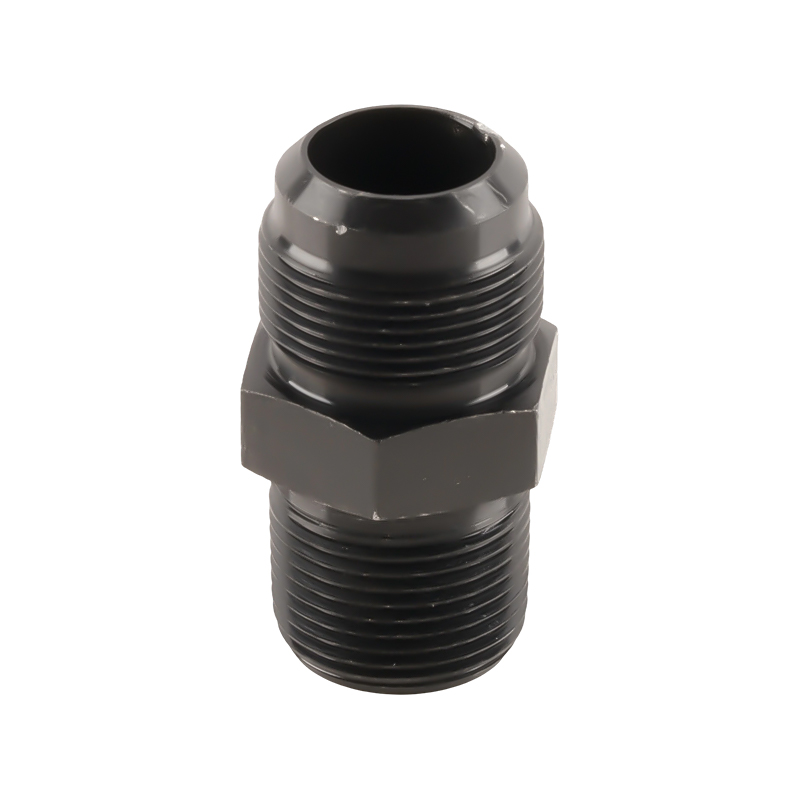
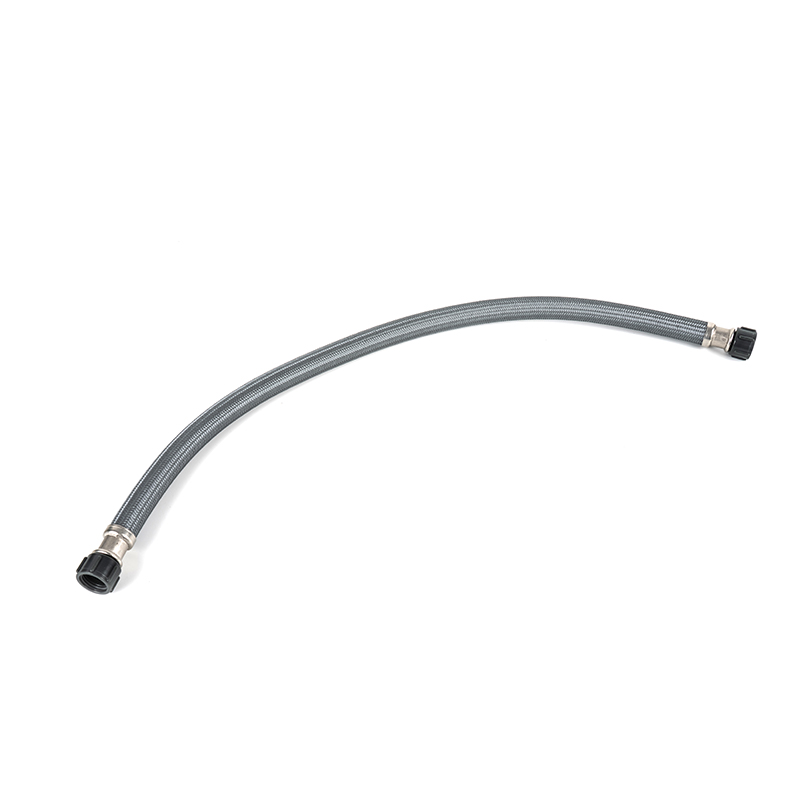
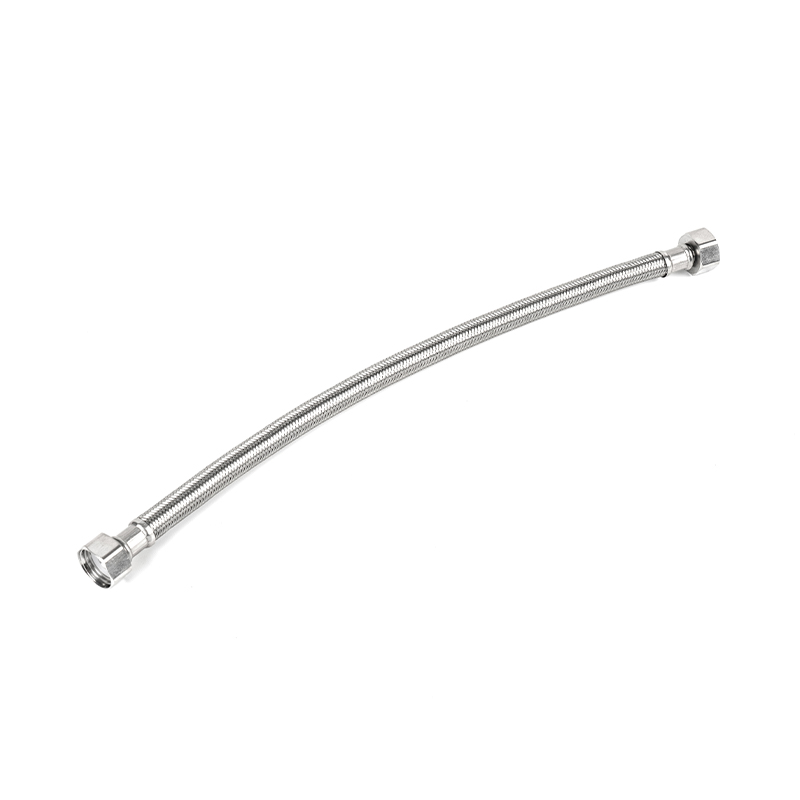
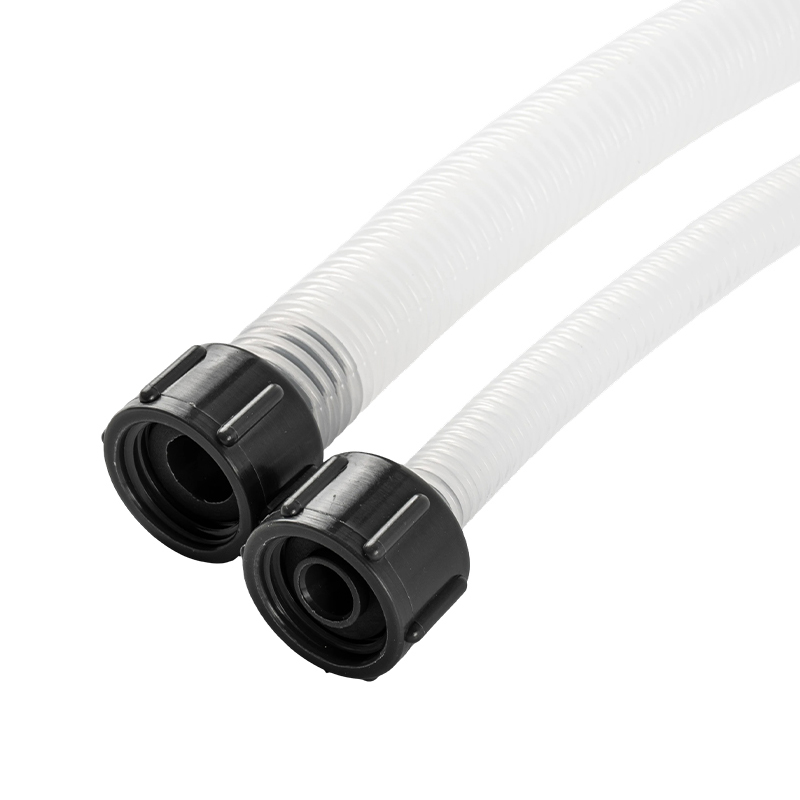
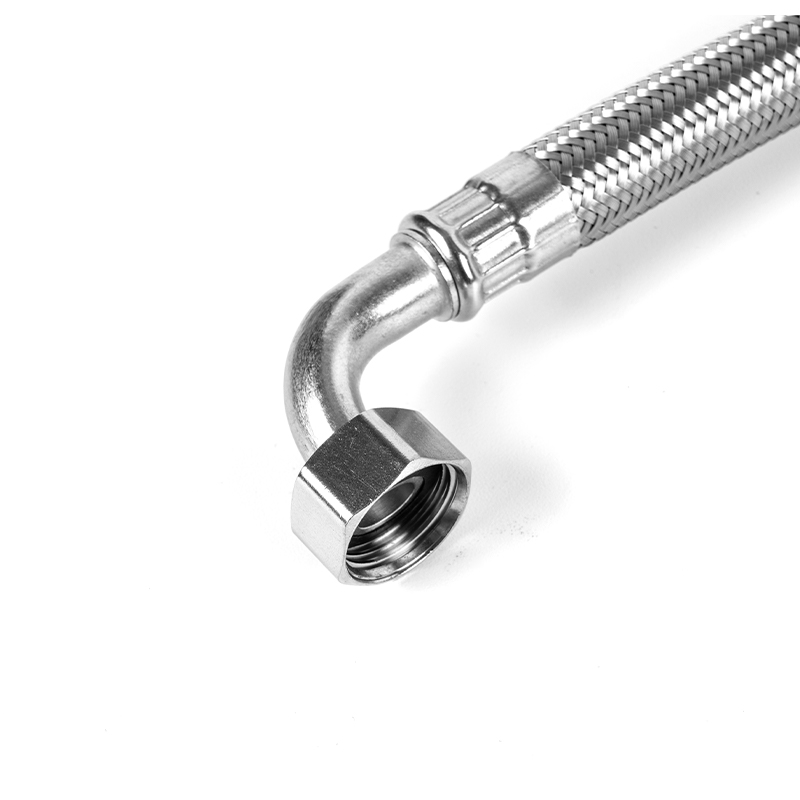
Flexible Plumbing Connector Copper Nut
Product Design Features
Precision Threading
Thread quality is one of the most important features of a connector nut. The threads must match the specified mating thread in profile, pitch, diameter, and engagement length. Accurate threads allow the nut to advance smoothly, distribute the tightening load, and maintain stable contact during service.
Precision threading also reduces the risk of cross-threading. Cross-threading occurs when the nut begins at an incorrect angle or when the thread profiles do not match. It can damage both components and may create a connection that appears tight but does not provide proper sealing force. Controlled production and inspection help ensure that the nut reaches the correct position with normal installation effort.
Controlled Wrenching Geometry
The outer shape of the nut should provide a reliable surface for a wrench or appropriate installation tool. A well-designed wrenching area helps transfer torque without slipping. It also supports work in narrow spaces where installers may have limited hand movement.
The geometry must balance strength, weight, and accessibility. Excessively thin sections may deform, while unnecessarily large dimensions can make installation difficult. Proper engineering provides enough material around the threaded region and wrenching faces to withstand the expected tightening load.
Smooth Sealing Interfaces
Many plumbing connections rely on a gasket, washer, cone, compression surface, or other sealing arrangement. The nut must maintain the correct relationship between these elements. Surface roughness, flatness, concentricity, and edge condition can all influence sealing performance.
A smooth, controlled sealing interface helps prevent damage to the gasket during assembly. It also supports even pressure distribution. The result is a more stable seal that is less sensitive to minor movement and thermal cycling. The exact sealing method depends on the connector design, so users should follow the relevant product instructions rather than assuming that every copper nut uses the same sealing principle.
Dimensional Consistency
Consistency from one nut to the next is essential for manufacturing efficiency and field reliability. If dimensions vary significantly, installers may experience different tightening positions, inconsistent gasket compression, or difficulty matching the component with standardized fittings.
Dimensional consistency is achieved through controlled raw materials, stable forming or machining parameters, calibrated equipment, process monitoring, and inspection. It is particularly important when the nuts are assembled with flexible hoses or bellows products in a larger production line.
Advantages Compared with Common Alternatives
| Evaluation Factor | Copper Nut | Ordinary Steel Nut | Plastic Nut | Typical Advantage of Copper |
|---|---|---|---|---|
| Atmospheric corrosion resistance | Good in many service environments | Often requires protection | Does not rust but may age or crack | Provides durable metal performance without relying entirely on coatings |
| Thermal conductivity | Excellent | Lower than copper | Very low | Suitable for temperature-transfer applications |
| Electrical conductivity | Excellent | Moderate | Insulating | Useful where conductive continuity is considered |
| Magnetic behavior | Non-magnetic | May be magnetic | Non-magnetic | Combines non-magnetic behavior with metal strength |
| Antibacterial characteristics | Natural copper-ion effects | Generally limited | Depends on additives | Useful for hygiene-conscious applications |
| Manufacturing workability | Very good | Good but may require more force | Good for certain designs | Supports accurate forming and machining |
| Mechanical feel during tightening | Controlled and stable when correctly designed | High strength but may seize or corrode | Lower torque capability | Balances workability and service performance |
| Suitability for flexible plumbing assemblies | High when correctly matched | Dependent on coating and material pairing | Limited by temperature and torque | Supports durable, maintainable connections |
The comparison above is a general engineering guide rather than a substitute for project-specific material selection. Stainless steel, brass, engineered polymers, plated steel, and other materials may be appropriate in particular applications. The correct decision depends on pressure, temperature, fluid composition, regulatory requirements, mechanical loading, installation method, and the compatibility of every component in the assembly.
Compared with Ordinary Steel
Steel can offer high strength, but ordinary unprotected steel is vulnerable to corrosion in wet environments. Coated steel may improve corrosion resistance, yet scratches, thread wear, or damaged coating areas can expose the underlying material. Copper provides intrinsic corrosion resistance in many common environments and remains functional even where a separate coating is not used.
Copper also avoids the magnetic behavior associated with many steel grades. This can be an advantage in specialized equipment. In addition, copper’s high conductivity and natural hygienic characteristics provide benefits that ordinary steel does not generally offer.
Compared with Plastic
Plastic nuts can be lightweight and cost-effective, especially in low-pressure or specialized applications. However, their performance may be affected by temperature, ultraviolet exposure, chemical compatibility, creep, and tightening torque. A plastic component can deform over time if the design does not adequately account for sustained load.
Copper offers a more robust metallic feel and greater thermal stability for many plumbing and heating environments. It is also less likely to become brittle due to ordinary aging conditions. For applications where repeated maintenance or reliable torque transfer is important, copper can provide a more durable alternative.
Compared with Brass
Brass is also widely used for plumbing fittings and may be an excellent choice in many systems. The selection between copper and brass depends on the required strength, machinability, corrosion performance, connection design, and relevant regulations. A copper nut may be especially attractive when conductivity, non-magnetic behavior, natural copper-ion properties, or compatibility with a copper-based assembly is prioritized.
The most important principle is not to select a material based only on appearance or price. A professional manufacturer evaluates the complete connection, including thread design, sealing method, fluid, temperature, pressure, and installation requirements.
Advanced Manufacturing Capabilities
The performance of a copper nut begins with the manufacturing process. Consistent product quality requires more than purchasing copper stock and cutting it into shape. It requires controlled material selection, accurate forming or machining, stable production equipment, process inspection, final testing, and traceable quality procedures.
Raw Material Selection
Raw material selection affects conductivity, corrosion behavior, workability, strength, and surface quality. Manufacturers must confirm the material grade, chemical composition, dimensions, and surface condition before production. Incoming inspection helps prevent unsuitable material from entering the manufacturing process.
For plumbing applications, the material should be selected with consideration for the fluid, temperature, environmental exposure, and applicable product requirements. A stable supply chain and disciplined material management help ensure that production batches remain consistent.
Precision Forming and CNC Processing
Forming processes can efficiently create the basic geometry of a nut while preserving material continuity. CNC machining can then be used to produce threads, wrenching surfaces, bores, shoulders, and other critical features with controlled accuracy. The selection of forming, cutting, and finishing operations depends on the product design and required volume.
Haoyin maintains advanced manufacturing equipment, including CNC forming machines and other specialized production systems. Such equipment supports repeatable processing and allows the company to manage complex geometries associated with flexible connectors and related fittings. Computer-controlled production also helps reduce variation between batches.
Modern CNC equipment can maintain a stable relationship between tool movement, workpiece position, and programmed dimensions. This is particularly important for threaded components, where even a small dimensional error can affect assembly. Tool condition, cutting speed, feed rate, lubrication, and chip removal must all be managed carefully.
Laser Welding and Flexible Connector Integration
Although the copper nut itself may not require welding, the complete flexible plumbing connector may include welded stainless steel components, sleeves, end fittings, or bellows sections. Laser welding can provide concentrated heat input, narrow weld zones, and controlled joining of suitable metal parts.
Haoyin uses laser welding equipment in its manufacturing operations. This capability supports the production of stainless steel bellows and flexible connection assemblies where joint integrity is important. The company’s knowledge of welded flexible products also helps it understand the interaction between the nut, end fitting, flexible tube, and sealing structure.
A connector is only as reliable as its weakest interface. The nut must be compatible with the fitting, and the fitting must be securely joined to the flexible section. Integrated manufacturing knowledge reduces the risk of treating each part as an unrelated item.
Inspection and Non-Destructive Testing
Inspection is required at multiple stages. Operators may check raw material, dimensions, thread form, surface finish, burr condition, assembly fit, and final appearance. Critical flexible connector assemblies may also require leak testing, pressure testing, weld inspection, and other performance checks.
Haoyin has equipment such as eddy current flaw detectors, which can support non-destructive inspection of suitable components. Non-destructive methods are valuable because they can identify certain discontinuities without damaging the part. The exact method and inspection scope should be selected according to material, geometry, product standard, and risk level.
Inspection data can also support process improvement. If a recurring dimensional trend is detected, production personnel can adjust tools, fixtures, machine parameters, or material handling procedures before the issue affects a larger batch.
Automatic Packaging Systems
Packaging is part of product quality. Copper nuts and flexible connector components can be scratched, contaminated, mixed, or damaged if they are handled carelessly after production. Automatic packaging systems can improve consistency, reduce manual handling, and support order accuracy.
Proper packaging should protect threads and sealing surfaces from impact, dirt, moisture, and unnecessary contact. It should also identify product specifications and batch information where traceability is required. For export and long-distance transportation, packaging must account for vibration, stacking, humidity, and changes in handling conditions.
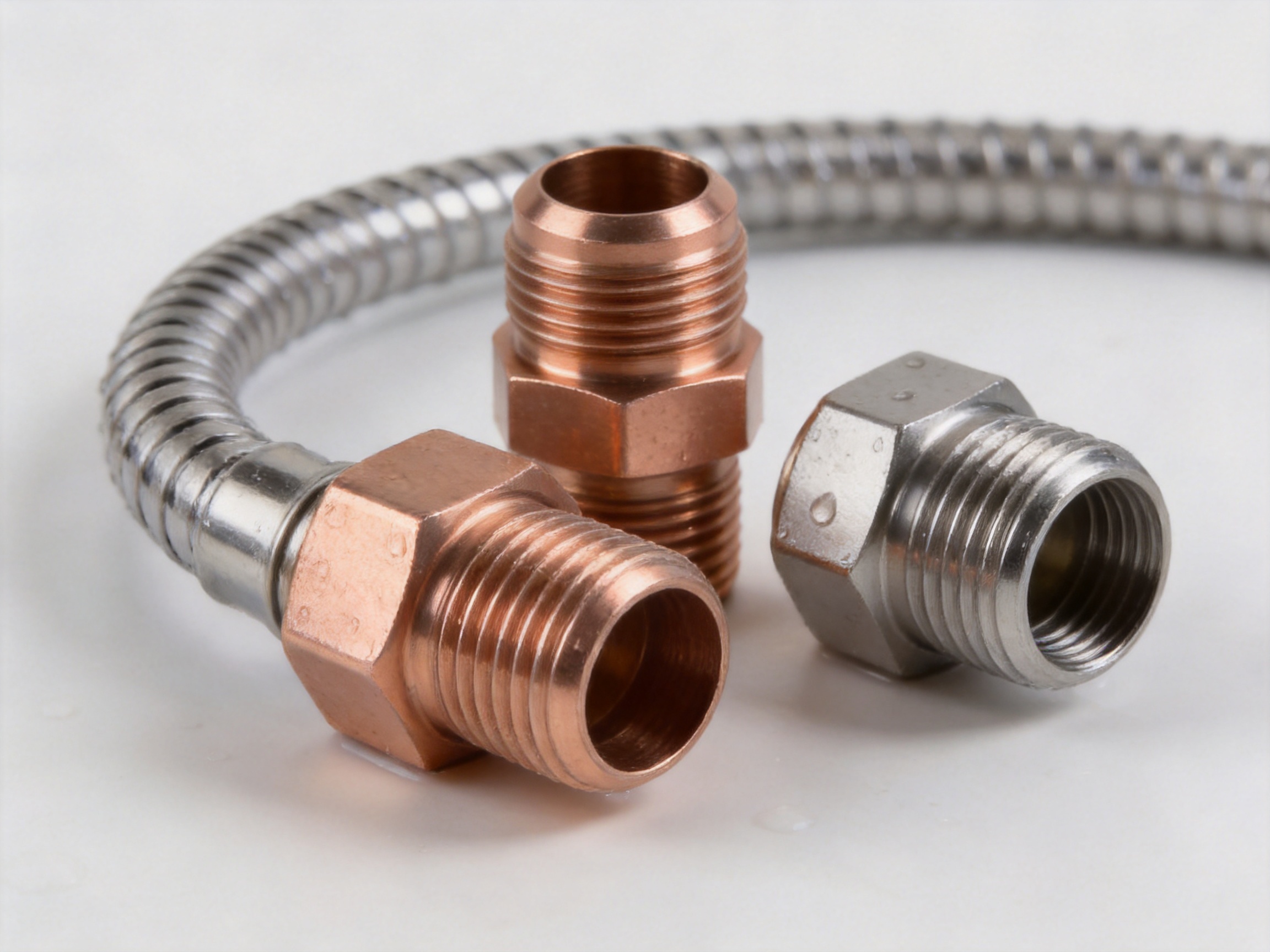
Quality Management and Company Strengths
Haoyin (Ningbo) Bellows Technology Co., Ltd. operates as a professional enterprise focused on the research, development, design, manufacture, and sale of stainless steel bellows and flexible connection products. Its product categories include gas connectors, plumbing pipes and water liners, metal hoses, and compensators. This product scope gives the company experience across residential, commercial, industrial, heating, healthcare, and HVAC applications.
The company covers approximately 35 mu and operates standardized workshops totaling about 18,000 square meters. A standardized production environment supports controlled material flow, organized equipment placement, cleaner assembly areas, and more consistent production management. These factors are important when manufacturing components that must meet repeatable dimensional and functional requirements.
Haoyin has obtained ISO9001, ISO14001, ISO45001, and other management system certifications. These certifications represent structured approaches to quality management, environmental management, and occupational health and safety. Certification alone does not guarantee that every individual component is suitable for every application, but it indicates that the company has established formal systems for process control and organizational management.
The company is also identified as a National High-tech Enterprise and Green Factory. These designations reflect its emphasis on technology development, production capability, and resource-conscious manufacturing. A modern supplier should consider not only product performance but also energy use, waste management, worker safety, and continuous improvement.
Its quality philosophy, described as “Striving for Excellence, Forging Quality,” is supported by a full-process quality management system. This system covers raw material selection, structural design, manufacturing, performance testing, and after-sales support. Such a full-process approach is important because product quality is determined before machining begins and continues through installation guidance and service.
Research and Development Support
Flexible plumbing products are used in many different environments. A residential appliance connector may have different requirements from a hospital water system, a heating installation, or an industrial HVAC connection. A professional research and development team can help adapt the structure, material, length, connection method, and testing program to the application.
Engineering support may include product drawing review, thread and fitting confirmation, flexible length selection, pressure and temperature evaluation, material compatibility analysis, packaging planning, and prototype verification. This is particularly valuable for customers who need a connector assembly rather than a generic loose nut.
Integrated Application Knowledge
A supplier that manufactures bellows, metal hoses, compensators, and water liners can evaluate movement and thermal expansion more effectively than a supplier focused only on standard fasteners. Flexible connections must absorb motion without transferring excessive force to connected equipment. The nut and fitting assembly must remain secure while the flexible section performs its movement function.
Application knowledge also helps with installation recommendations. The company can advise on appropriate tightening methods, support requirements, bend radius, alignment, inspection intervals, and replacement practices. These recommendations can reduce field errors and help extend the service life of the complete piping system.
Typical Applications
Residential Plumbing
Copper nuts can be used in flexible connectors for faucets, sinks, water heaters, toilets, filtration equipment, and other residential plumbing fixtures, provided the connector design and material are suitable for the application. Their corrosion resistance and compact installation profile are useful in cabinets and service spaces where moisture and limited access are common.
Building Water and Heating Systems
Commercial buildings often contain extensive water distribution, heating, and HVAC networks. Flexible connectors can help connect pumps, valves, heat exchangers, fan-coil units, boilers, and other equipment. Copper nuts may support reliable maintenance connections where thermal cycling, vibration, and condensation are present.
Healthcare and Hygiene-Conscious Facilities
Healthcare facilities and laboratories require careful selection of materials and connection methods. Copper’s natural antimicrobial characteristics can complement a broader hygiene program. The complete system must still comply with applicable water-quality, cleaning, and installation requirements.
Industrial HVAC and Mechanical Equipment
Industrial HVAC systems can experience vibration, thermal movement, pressure changes, and frequent maintenance. Flexible metal hoses and compensators help isolate equipment and accommodate movement. A properly manufactured copper nut can contribute to a stable, serviceable connection where its material properties are compatible with the environment.
Marine and Humid Environments
Copper’s resistance to atmospheric and seawater-related corrosion can make it useful in selected marine or humid applications. However, marine service is highly dependent on water chemistry, salinity, dissimilar-metal contact, and system design. Technical evaluation is essential before approval for a specific marine installation.
Installation Recommendations
Before installation, confirm that the nut, connector, mating fitting, gasket, washer, and thread type are compatible. Do not force a nut onto a fitting that feels irregular or difficult to start. Clean the threads and sealing surfaces, remove foreign material, and check that no burrs or visible damage are present.
Start the nut by hand whenever possible. Hand engagement helps confirm that the threads are aligned correctly and reduces the risk of cross-threading. If the nut does not advance smoothly, stop and inspect the components rather than increasing wrench force.
Use the recommended wrench and tightening procedure. Copper is durable in its intended application but can be deformed by excessive torque. Over-tightening may crush a gasket, distort the sealing surface, damage the thread, or reduce the connector’s service life. Under-tightening may leave insufficient sealing force.
Ensure that the flexible connector is not twisted during installation. The nut should be tightened while the connector remains correctly aligned and within its specified bend radius. The flexible section should not be used to compensate for severe misalignment or forced into a position that creates continuous side loading.
After installation, inspect the connection for leakage under the appropriate operating conditions. Where required, perform pressure testing in accordance with the project specification or applicable installation practice. Recheck the assembly after initial operation if thermal cycling or vibration is expected.
Maintenance personnel should inspect accessible connections periodically for corrosion, movement, leakage, damaged seals, or signs of mechanical stress. If a nut or connector has been visibly deformed or damaged, replacement is generally safer than attempting to restore the component by excessive tightening.
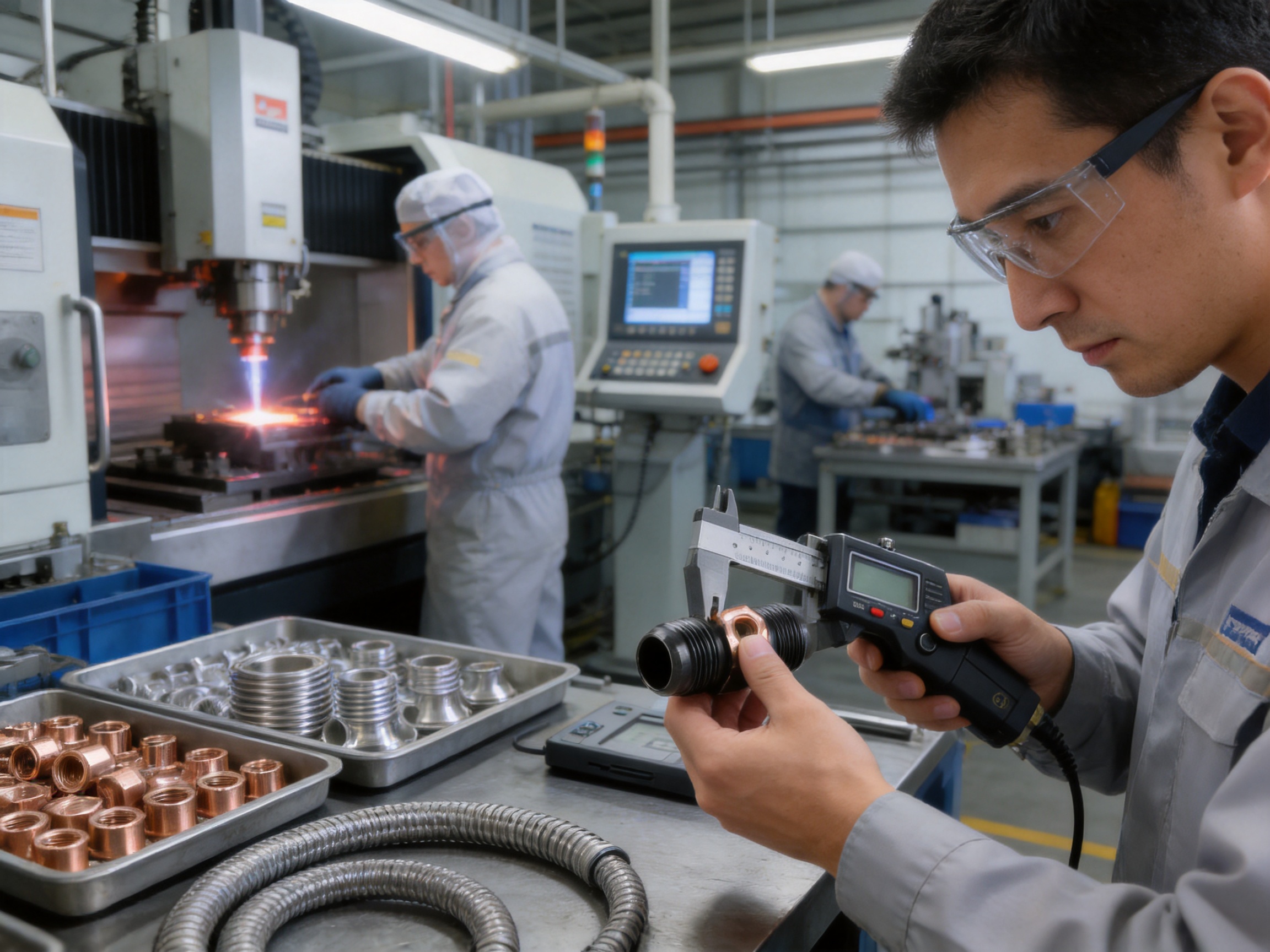
Selection Guide for Buyers and Engineers
Buyers should define the application before requesting a copper nut or flexible connector. Important information includes nominal size, connection type, thread specification, fluid, working pressure, operating temperature, environmental exposure, required length, movement, installation space, and expected service life.
The material should be evaluated as part of the complete assembly. If the connector includes stainless steel, brass, copper, plated steel, elastomeric seals, or other materials, compatibility should be checked. The choice of gasket and seal is especially important because temperature, pressure, and fluid chemistry can affect elastomer performance.
Quality documentation may include material certificates, dimensional inspection records, pressure-test reports, batch identification, process approvals, and compliance statements. The exact documents required depend on the project and destination market. A professional manufacturer should be able to discuss documentation requirements before production.
Customization may be necessary for original equipment manufacturers and engineering contractors. Possible customization areas include nut dimensions, thread specifications, surface condition, packaging, marking, connector length, fitting configuration, and assembly method. Custom products should be confirmed through drawings, samples, prototypes, and validation testing.
Environmental and Safety Considerations
Responsible manufacturing considers environmental impact as well as product performance. Copper is a valuable engineering material with recycling potential, and efficient production can reduce material waste. Controlled machining, proper scrap collection, energy management, and appropriate packaging all contribute to more sustainable manufacturing.
Environmental management systems such as ISO14001 provide a framework for identifying environmental aspects, setting objectives, monitoring performance, and improving operations. Occupational health and safety systems such as ISO45001 help address machine safety, chemical handling, noise, ergonomics, personal protective equipment, and emergency response.
For end users, safety depends on correct application and installation. A copper nut should not be used beyond its pressure, temperature, or chemical limits. Products intended for potable water, gas, medical gas, or other regulated applications may require specific approvals and should be selected according to applicable local requirements.
Q&A
What is a flexible plumbing connector copper nut?
It is a copper threaded fastening component used with a flexible plumbing connector. It applies clamping force between the connector and a mating fitting, helping maintain the sealing interface and mechanical connection.
Why choose copper instead of ordinary steel?
Copper provides good corrosion resistance in many wet and atmospheric environments, excellent thermal and electrical conductivity, non-magnetic behavior, natural copper-ion antibacterial characteristics, and good manufacturing workability. Ordinary steel may require protective coatings and can be more vulnerable to rust if the protection is damaged.
Is copper suitable for hot-water and heating systems?
Copper can be suitable for many hot-water and heating applications, but the complete connector must be rated for the actual temperature, pressure, fluid, and installation conditions. The gasket, flexible tube, fitting, and nut must all be compatible.
Can a copper nut be used in marine environments?
Copper offers good resistance to atmospheric and seawater-related corrosion in many conditions, but marine applications require careful review of salinity, galvanic interaction, water chemistry, temperature, and material pairing. Project-specific engineering approval is recommended.
Does copper’s antibacterial property sterilize a plumbing system?
No. Copper may provide natural bactericidal and bacteriostatic effects, but it does not replace cleaning, disinfection, filtration, water treatment, or hygienic system design. The property should be regarded as a supportive material benefit rather than a complete sanitation solution.
Is a copper nut magnetic?
Copper is non-magnetic and will not normally become magnetized. This can be helpful in precision instruments, electronic equipment, healthcare environments, and other applications where magnetic interference is a concern.
Can the nut be tightened with any wrench?
The correct wrench or installation tool should be selected according to the nut’s wrenching geometry. Excessive force should be avoided because copper is relatively soft and can be deformed by over-tightening.
How can cross-threading be prevented?
Clean the threads, align the connector and mating fitting, start the nut by hand, and confirm that it advances smoothly before using a wrench. If resistance occurs immediately, stop and inspect the thread alignment and specifications.
What manufacturing equipment supports product quality?
Relevant equipment may include CNC forming machines, laser welding machines, eddy current flaw detectors, performance-testing equipment, and automatic packaging systems. Haoyin maintains these and other advanced production resources for flexible connection manufacturing.
Can the product be customized?
Customization may be possible for dimensions, thread specifications, connector configuration, length, packaging, marking, and assembly requirements. Customers should provide drawings or application details so the manufacturer can confirm feasibility and performance.
What certifications does the manufacturer maintain?
Haoyin has obtained ISO9001, ISO14001, ISO45001, and other management system certifications. These relate to quality, environmental, and occupational health and safety management. Specific product approvals should be confirmed according to the intended application and market.
What information should be provided when requesting a quotation?
Provide the nominal size, thread type, mating fitting, material preference, fluid, pressure, temperature, connector length, installation environment, quantity, packaging needs, and any required standards or documents. Detailed information helps prevent selection errors and improves quotation accuracy.
Conclusion
The flexible plumbing connector copper nut is a small but essential component in a complete connection system. Its performance depends on accurate threads, reliable geometry, clean surfaces, suitable material selection, controlled tightening, and compatibility with the flexible connector and mating fitting. Copper provides a valuable combination of corrosion resistance, thermal and electrical conductivity, non-magnetic behavior, natural antibacterial characteristics, and manufacturing workability.
Compared with ordinary unprotected steel and many plastic alternatives, copper can provide a strong balance of durability, installation reliability, hygiene-conscious material performance, and service versatility. Its benefits are especially relevant in plumbing, heating, HVAC, healthcare, water equipment, electronic cooling, and selected marine environments.
The advantages of the product are strengthened when it is produced by a manufacturer with integrated flexible-connection expertise. Haoyin (Ningbo) Bellows Technology Co., Ltd. combines research and development, standardized workshops, advanced forming and welding equipment, non-destructive inspection resources, automatic packaging, and certified management systems. Its experience with gas connectors, plumbing pipes and water liners, metal hoses, and compensators supports a complete understanding of how a copper nut functions within a flexible piping assembly.
For engineers, distributors, contractors, and equipment manufacturers, the best results come from evaluating the nut as part of the complete connector rather than as an isolated fastener. Correct material pairing, accurate specifications, professional production, appropriate installation, and regular inspection together create a connection that is safer, more efficient, and more durable over its service life.
References
1. General engineering principles for copper alloys, corrosion resistance, thermal conductivity, electrical conductivity, and material selection in fluid-handling systems.
2. Quality management system principles for manufacturing consistency, process control, inspection, traceability, and continual improvement.
3. Environmental management system principles for resource efficiency, waste reduction, emissions control, and sustainable industrial operations.
4. Occupational health and safety management principles for machinery, production processes, chemical handling, and workplace risk control.
5. General practices for threaded pipe fittings, mechanical connections, gasket installation, torque control, and leak testing.
6. Technical guidance on copper and copper-alloy components used in plumbing, heating, HVAC, water equipment, and hygienic applications.
7. Manufacturer information supplied for flexible plumbing connectors, stainless steel bellows, plumbing pipes and water liners, metal hoses, compensators, and copper nut components.