




 English
  Español
  русский


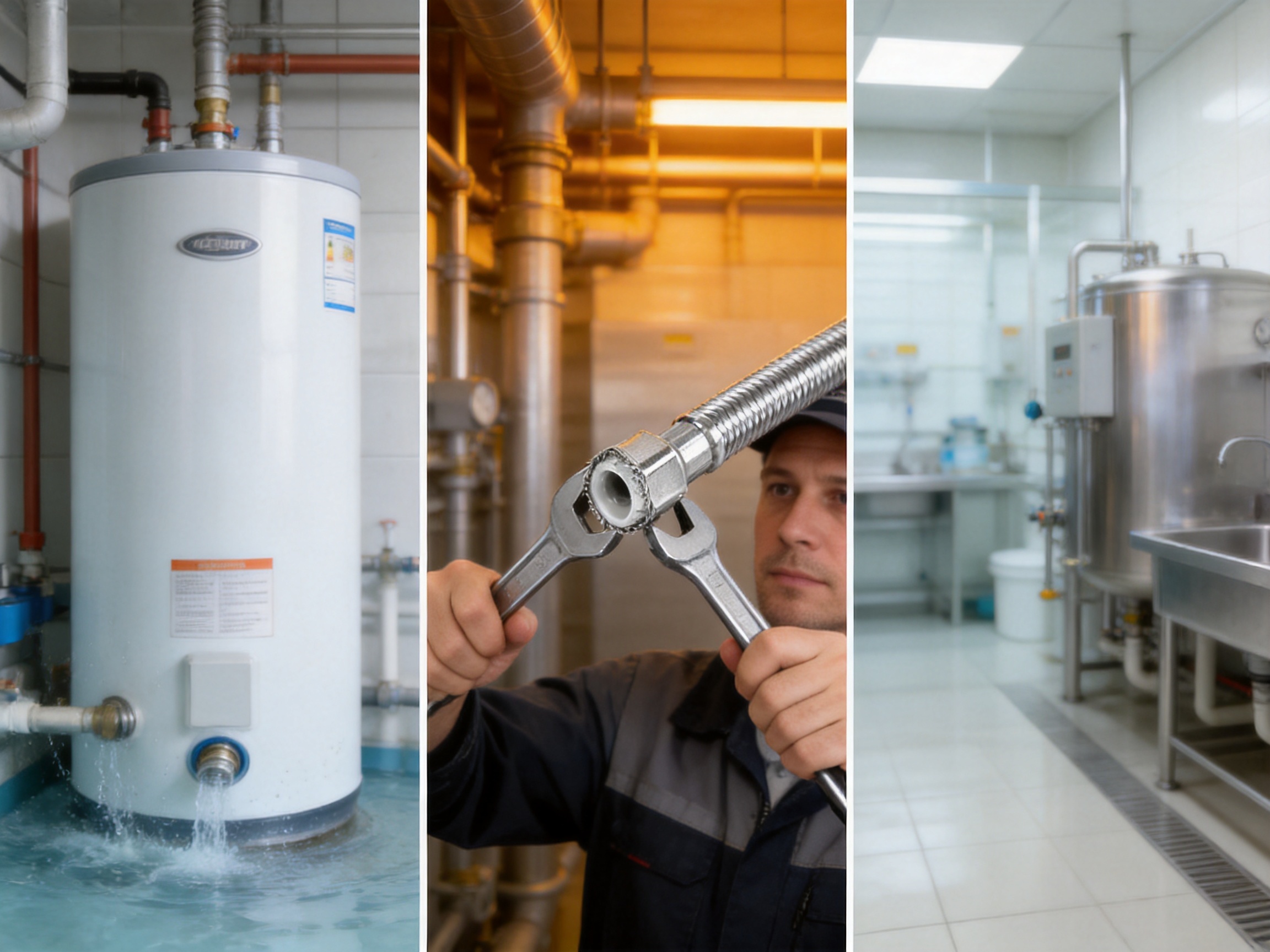
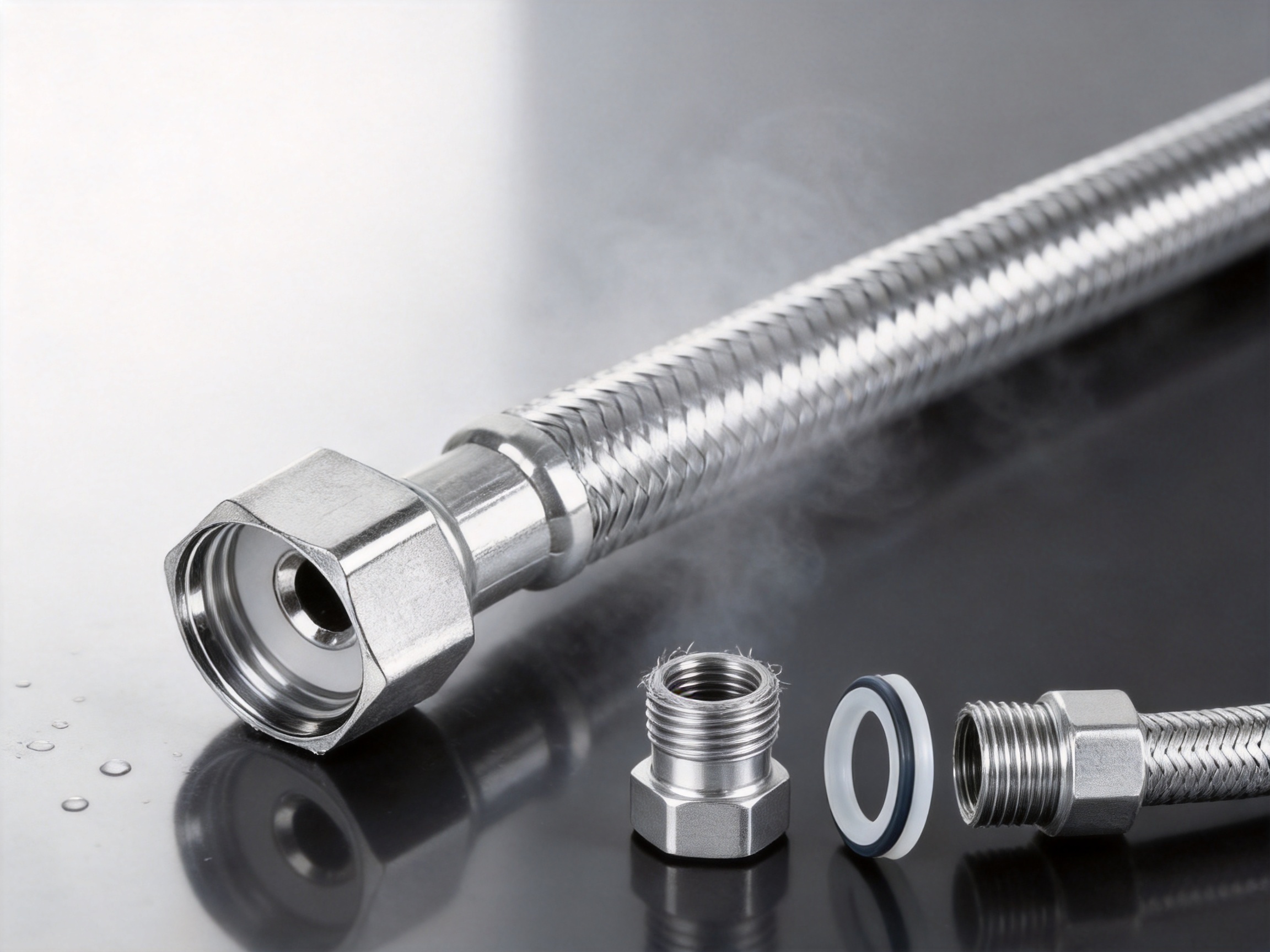
A stainless steel nut is a small component, but it has a major influence on the safety, durability, and serviceability of a flexible plumbing connection. When used with a flexible connector, water pipe, plumbing liner, metal hose, or compensator, the nut transfers tightening force to the connection assembly and helps maintain a stable seal under pressure, vibration, movement, and temperature changes. The quality of the nut therefore affects much more than the appearance of the finished product. It influences installation accuracy, resistance to thread damage, long-term corrosion performance, maintenance requirements, and the overall reliability of the piping system.
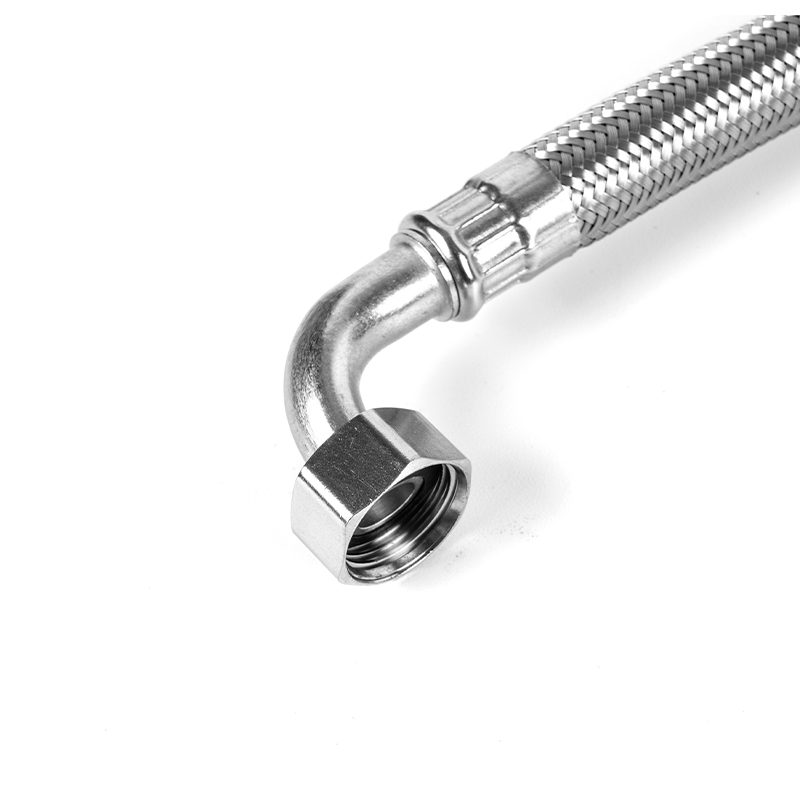
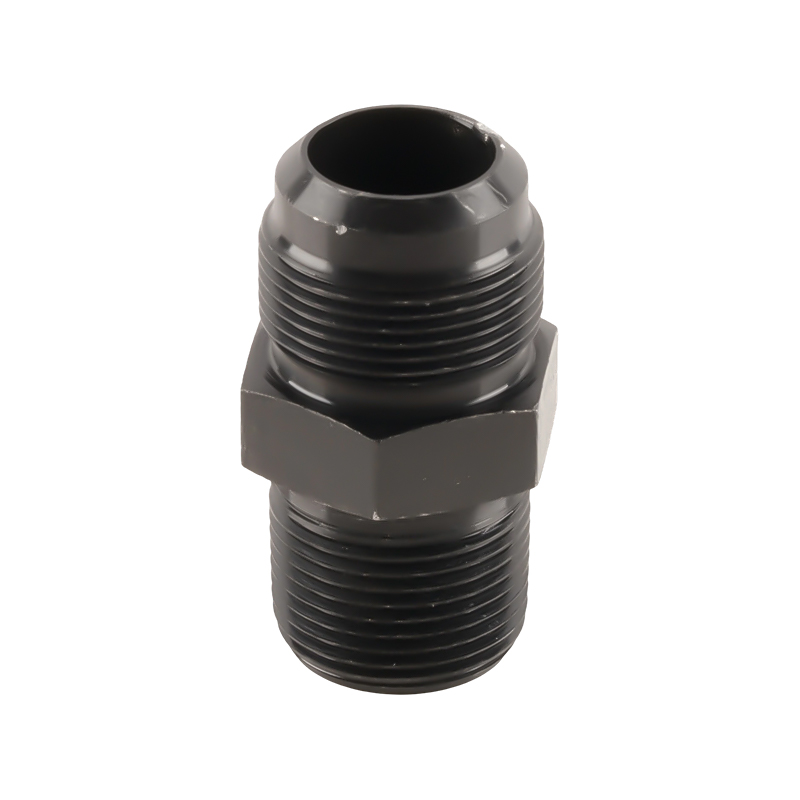
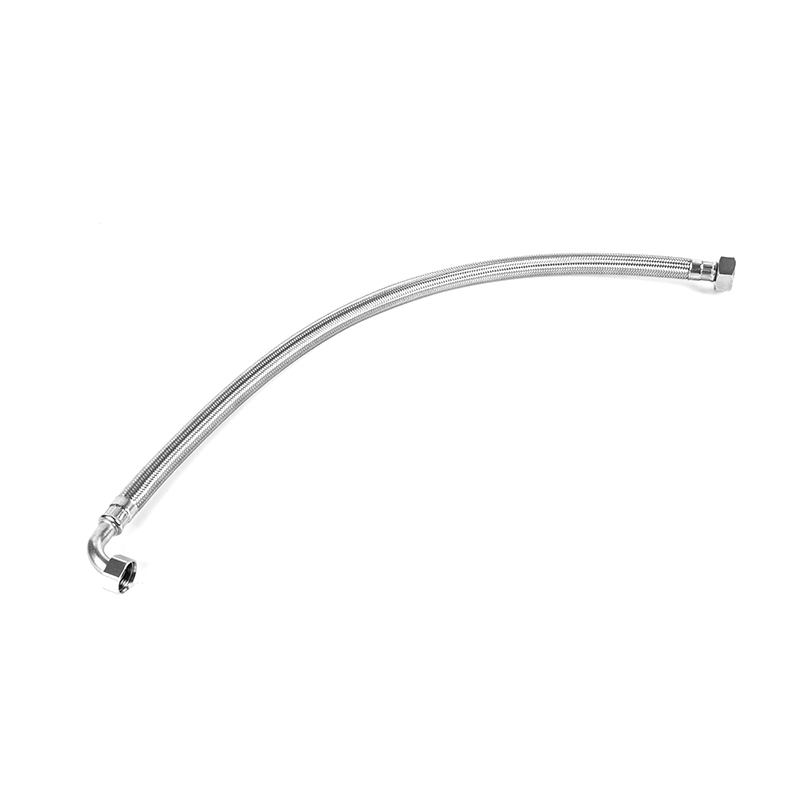
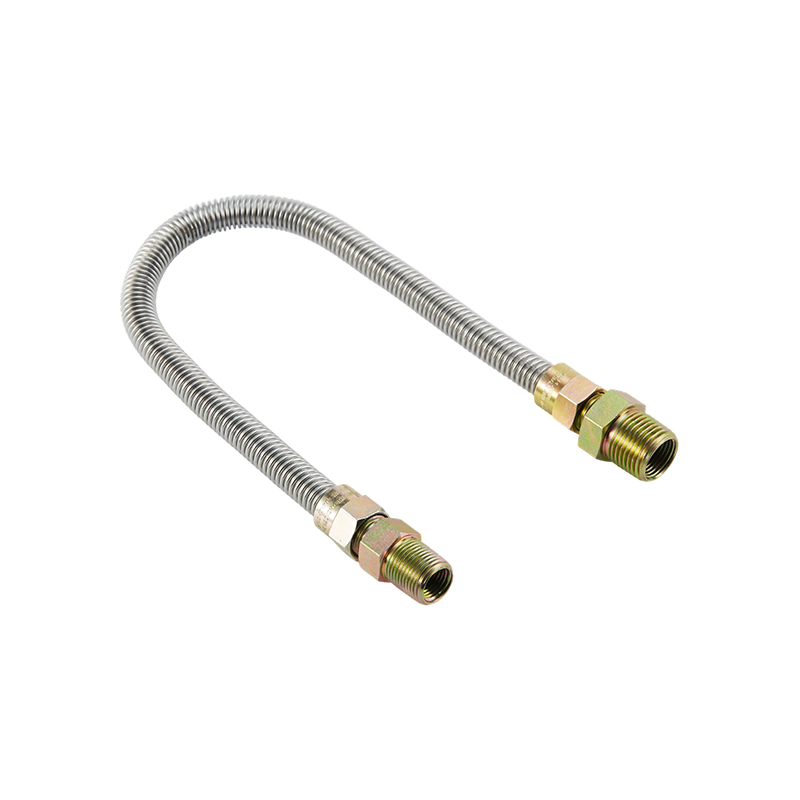
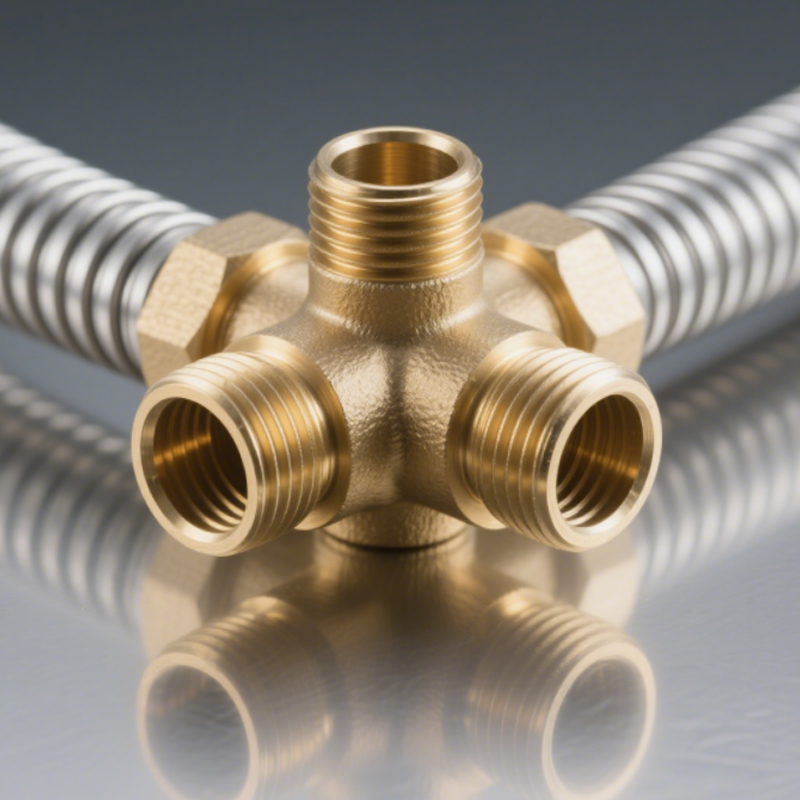
The Flexible Plumbing Connector Stainless Steel Nut is designed for demanding connection applications in residential plumbing, commercial buildings, heating systems, industrial HVAC, healthcare facilities, food-processing environments, and other areas where dependable fluid management is essential. Manufactured from stainless steel, it combines corrosion resistance, mechanical strength, temperature stability, hygiene, and recyclability in one practical fastening component.
Compared with ordinary carbon steel, low-quality plated nuts, or materials selected only for low initial cost, a properly manufactured stainless steel nut can offer a longer usable life and more stable performance. It is especially valuable in locations exposed to water, humid air, cleaning agents, salts, outdoor conditions, or temperature fluctuations. When matched with the correct connector and installation procedure, it helps create a secure connection that can continue working reliably for many years.
1. The Role of a Stainless Steel Nut in Flexible Plumbing Connections
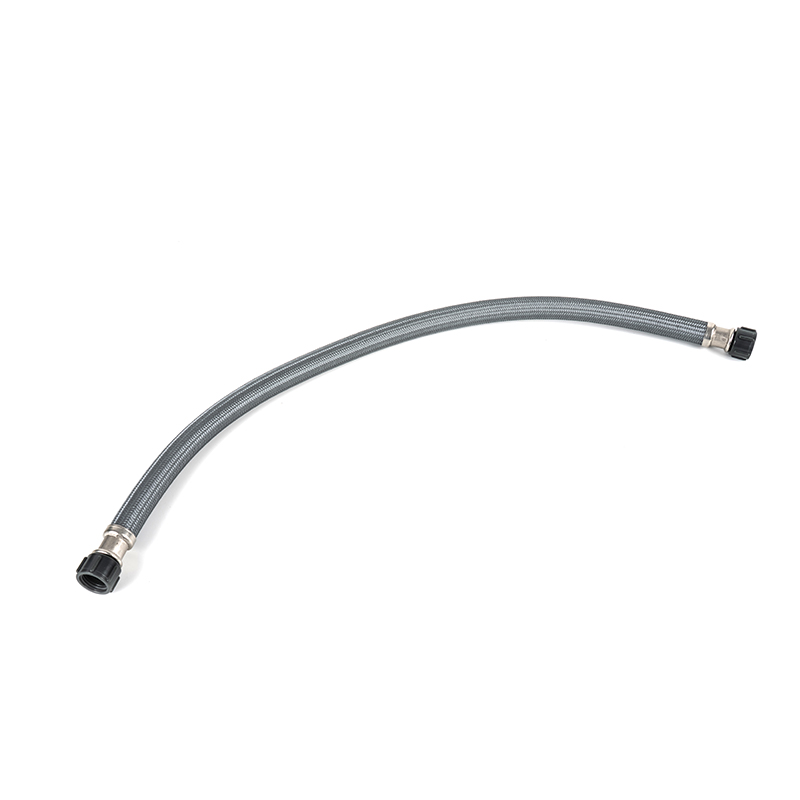
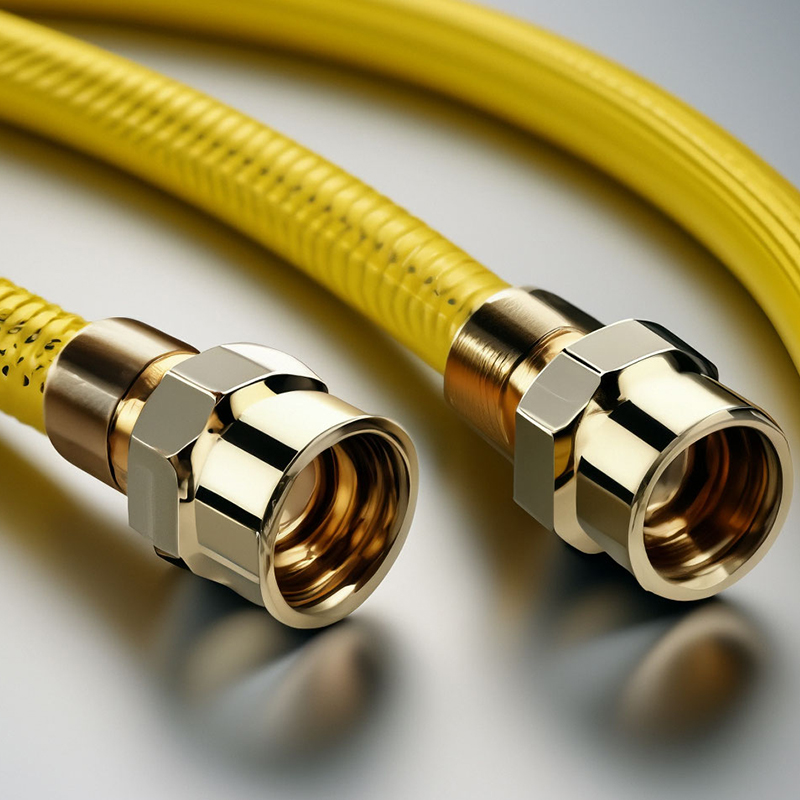
A flexible plumbing connector is often required to accommodate movement, vibration, installation misalignment, thermal expansion, or changes in equipment position. Flexible stainless steel hoses and corrugated water liners can provide this movement capability, but the connection at each end must be assembled correctly. The nut is one of the key parts responsible for holding the connection together.
During installation, the nut is tightened onto a compatible threaded section. The tightening torque creates a clamping force that brings the connection components together. Depending on the structure of the connector, this force may compress a gasket, seat a sealing surface, or secure a threaded fitting. The nut must therefore transmit torque efficiently while maintaining its shape and thread profile.
If the nut is too soft, its threads may deform or strip. If the material is poorly finished, the threads may bind, cross-thread, or create inconsistent tightening. If corrosion begins on the nut or its mating surfaces, future maintenance can become difficult and the connection may lose its reliability. A well-made stainless steel nut addresses these risks through suitable material selection, controlled forming, accurate machining, and careful quality inspection.
In plumbing systems, connection components are frequently exposed to moisture. Even when the surrounding environment appears relatively clean, condensation, water droplets, cleaning chemicals, mineral deposits, and airborne contaminants may gradually attack vulnerable metals. A stainless steel nut provides a stronger defense against these conditions than many ordinary steel alternatives.
2. Main Product Advantages
2.1 Excellent Corrosion Resistance
The most important advantage of a stainless steel nut is its resistance to corrosion. Stainless steel can resist deterioration caused by water, humid air, many acids, alkalis, salts, and other common media. This property is particularly important for plumbing connectors because the nut may remain in direct or indirect contact with moisture for the entire service life of the piping system.
In outdoor installations, corrosion resistance helps protect the connection against rain, condensation, temperature variation, and polluted air. In indoor applications, it reduces the risk associated with wet rooms, utility spaces, kitchens, bathrooms, plant rooms, and mechanical rooms. In industrial applications, it can help the connector withstand exposure to process atmospheres and cleaning routines, subject to proper material selection and chemical compatibility.
Corrosion resistance also supports easier maintenance. A corroded nut may become difficult to remove, forcing an installer to use excessive torque or replace a larger portion of the assembly. A stainless steel nut is less likely to seize or lose its original shape because of surface deterioration. This can reduce downtime during inspection, repair, or equipment replacement.
It is important to understand that corrosion resistance does not mean that every stainless steel component is immune to every chemical. The exact performance depends on the stainless steel grade, surface condition, temperature, concentration of the medium, and the presence of contaminants. Professional selection should always consider the actual working environment. Nevertheless, stainless steel remains one of the most practical choices for water-related and humid applications because it offers a strong balance of durability, availability, cleanliness, and cost.
2.2 High Strength and Hardness
A plumbing connector nut must tolerate installation torque as well as forces generated during service. These forces can result from internal pressure, thermal expansion, vibration, equipment movement, water hammer, and repeated maintenance. High mechanical strength enables the nut to withstand significant tensile forces and torque without cracking, excessive deformation, or thread failure.
High hardness helps the thread profile remain stable. When the threads retain their shape, the nut can engage more accurately with the mating fitting. This improves the consistency of tightening and lowers the risk of thread stripping. It also helps prevent deformation when an installer applies the recommended torque during assembly.
Strength is especially valuable in flexible connection systems. A flexible hose or water liner may move slightly as equipment operates, but the end fittings must remain securely attached. A strong nut helps maintain the clamping force required to keep the connection stable. It can also contribute to better resistance against vibration-related loosening when used with a correctly designed sealing and fastening system.
Compared with softer materials or thin plated components, a stainless steel nut can provide a more robust mechanical interface. It is less likely to become permanently distorted during installation, provided the correct tools and torque are used. The result is a connection that is easier to inspect and more predictable in service.
2.3 Resistance to High and Low Temperatures
Plumbing and heating systems may experience substantial temperature changes. Hot water, heated fluids, winter conditions, cold storage spaces, and outdoor installations can all expose connection components to high or low temperatures. A reliable nut must retain its mechanical properties throughout the expected service range.
The stainless steel nut is designed to maintain useful strength and dimensional stability in both high- and low-temperature environments. Unlike some polymeric materials, it does not melt under normal plumbing and heating conditions. Unlike some materials that become brittle in cold environments, stainless steel maintains a dependable level of toughness when properly selected for the application.
Temperature stability is also important because repeated heating and cooling can produce expansion and contraction. If the nut and mating components respond differently to temperature changes, the connection may experience changes in preload. Stainless steel offers a stable metallic structure that is suitable for many common water, heating, and HVAC connection environments.
Temperature performance must still be evaluated together with pressure, fluid type, gasket material, and the specifications of the complete connector. A nut should never be selected independently of the hose or fitting assembly. The advantage of stainless steel is that it provides a strong foundation for a connection that must remain reliable through normal thermal cycles.
2.4 Hygienic and Non-Toxic Characteristics
Stainless steel is widely selected in applications where cleanliness and hygiene matter. Its relatively smooth, durable surface is easy to clean and can support effective sanitation procedures. It does not provide the same porous environment as some less durable materials, and it can help inhibit the accumulation of contaminants when the complete assembly is designed and maintained properly.
These characteristics are useful in food-processing areas, medical equipment, healthcare facilities, laboratories, commercial kitchens, drinking-water-related applications, and other sensitive environments. The nut itself is only one part of a hygienic connection, so the entire system must be designed with suitable materials, surface finishes, seals, cleaning procedures, and regulatory requirements in mind.
The stainless steel nut does not add harmful substances under normal intended use when the appropriate material is selected and manufactured correctly. Its durability also helps reduce the likelihood of surface flaking, coating loss, or contamination associated with poorly protected ordinary metals.
Easy cleaning is an important operational benefit. In a busy facility, components that are difficult to clean can increase labor requirements and complicate hygiene management. Stainless steel supports a practical balance between mechanical reliability and sanitary maintenance.
2.5 Environmental and Recycling Benefits
Stainless steel is a recyclable material. At the end of its useful life, it can be recovered and reused as a valuable metallic resource. This supports resource efficiency and reduces the amount of waste sent to disposal. A durable nut also contributes to sustainability by helping extend the service life of the complete connector and reducing the need for frequent replacement.
Long service life has environmental value because each replacement requires raw materials, energy, transportation, packaging, and installation labor. By selecting a component that resists corrosion and mechanical damage, system owners may reduce the frequency of repairs and the associated consumption of resources.
Haoyin (Ningbo) Bellows Technology Co., Ltd. operates as a Green Factory and follows environmental management practices supported by its ISO14001 certification. This background is relevant to customers seeking suppliers that consider not only product performance but also production control, environmental responsibility, and consistent manufacturing practices.
3. Why Material Selection Matters More Than Price Alone
In competitive purchasing, the lowest unit price can appear attractive. However, the nut is part of a pressurized or functional connection, and the initial purchase price is only one element of the total cost. A low-cost nut that corrodes quickly, damages its threads, or requires premature replacement may create higher costs over the full service life of the installation.
Material selection should consider corrosion exposure, operating temperature, pressure, installation frequency, cleaning requirements, expected service life, and compatibility with the mating components. Stainless steel is often preferred because it offers a broad performance range without requiring a separate protective coating that could wear away or peel.
Plated carbon steel may provide reasonable short-term performance in dry conditions, but damage to the plating can expose the underlying steel to corrosion. In wet or outdoor environments, this risk becomes more significant. Some non-metallic materials may offer chemical resistance or low weight, but they may not provide the same combination of torque capacity, hardness, temperature stability, and dimensional reliability.
A quality stainless steel nut also benefits from controlled manufacturing. Stainless steel alone does not guarantee a perfect component. The finished product must have accurate dimensions, clean threads, suitable surface condition, and consistent mechanical properties. This is why the supplier’s production capability and quality management system are as important as the basic material designation.
4. Manufacturing Strengths and Advanced Production Capabilities
Haoyin (Ningbo) Bellows Technology Co., Ltd. specializes in the research, design, manufacturing, and sales of stainless steel bellows and flexible connection products. Its product range includes gas connectors, plumbing pipes and water liners, metal hoses, and compensators. The stainless steel nut is used within this broader product environment, where reliable connection performance is closely related to flexible piping design and manufacturing quality.
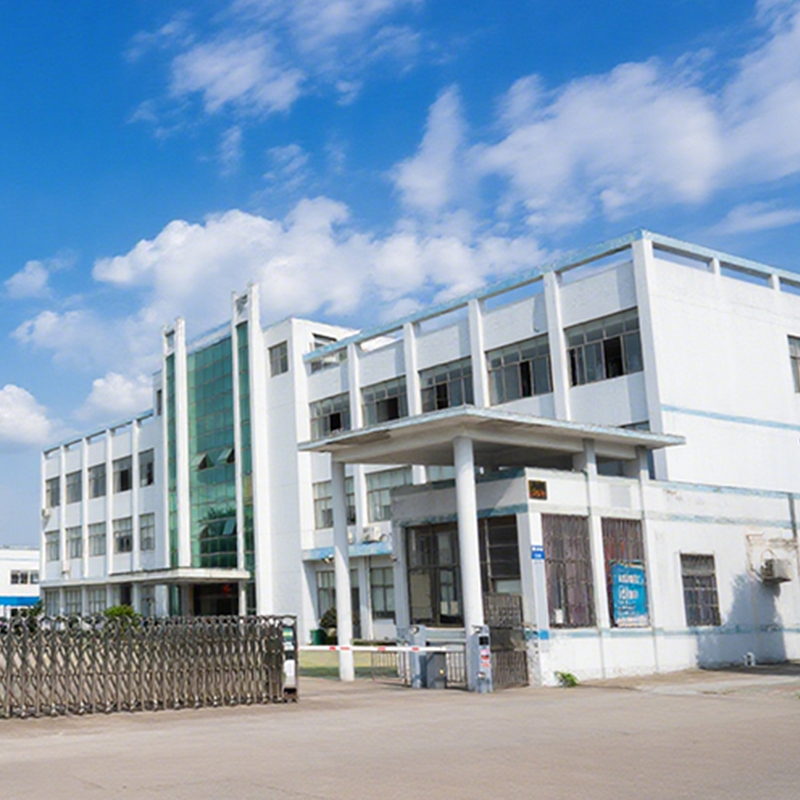
The company operates standardized workshops covering approximately 18,000 square meters on an area of about 35 mu. This manufacturing foundation supports organized production, equipment deployment, material control, testing, packaging, and order management. A structured production environment is important for industrial customers that require repeatability across batches and dependable delivery coordination.
4.1 Research and Development
A professional research and development team supports the design and improvement of flexible connection products. R&D is important because a nut cannot be evaluated in isolation from the complete assembly. Thread geometry, fitting structure, sealing method, hose movement, installation space, and operating conditions all influence the required design.
Design work may focus on dimensional accuracy, connection stability, ease of installation, compatibility with flexible hoses, and resistance to vibration and thermal cycling. Product development also benefits from feedback gathered through manufacturing, testing, field use, and customer service. This creates a practical improvement cycle rather than treating the nut as a generic commodity.
For customers with specific requirements, professional technical communication can help determine suitable materials, dimensions, surface conditions, packaging methods, and inspection criteria. Such cooperation is particularly useful for OEM projects, building-system suppliers, equipment manufacturers, and distributors serving specialized markets.
4.2 Laser Welding Technology
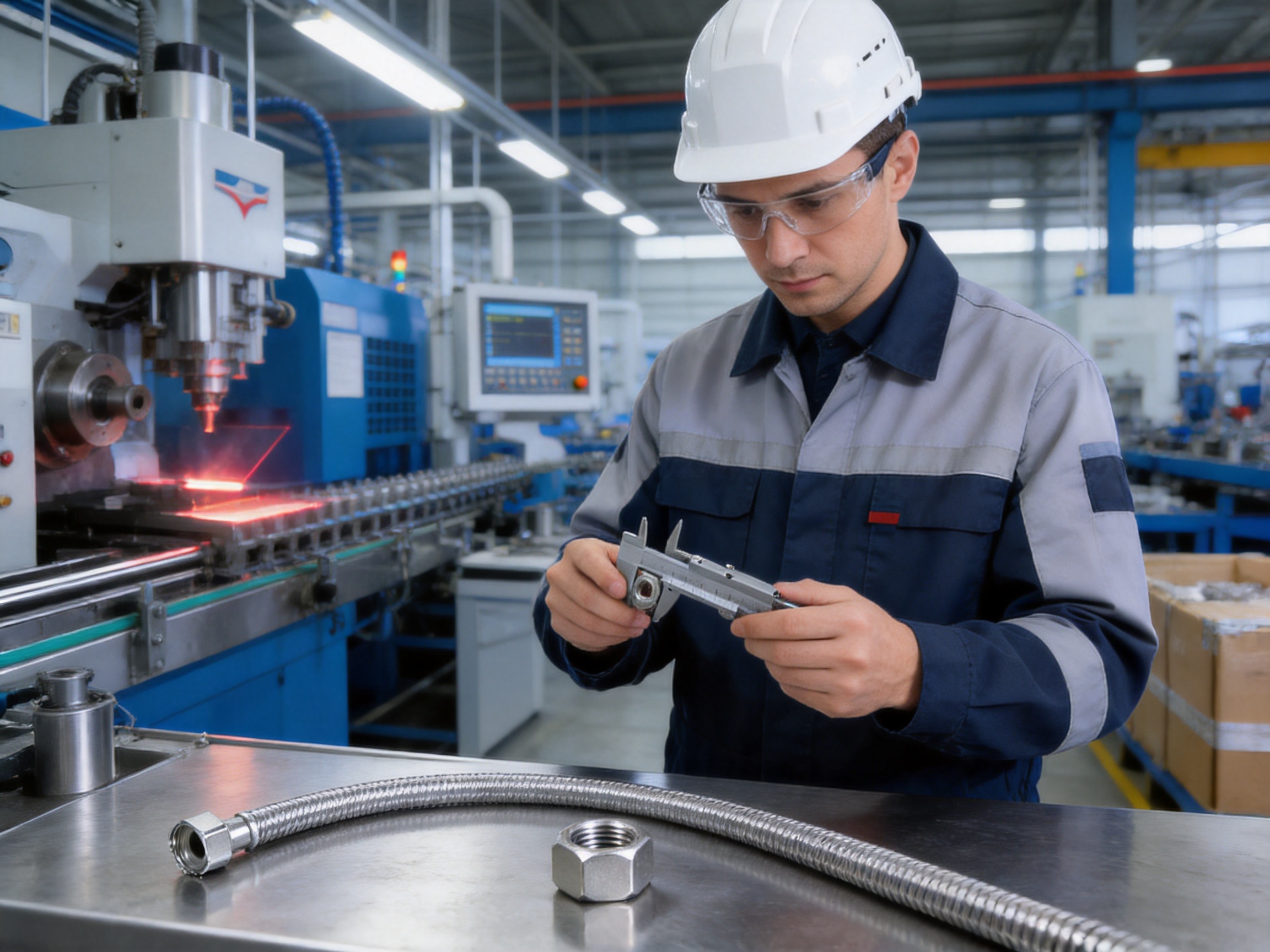
Laser welding equipment can produce precise, concentrated welds with controlled heat input. In stainless steel bellows and flexible connector production, this technology supports accurate joining of components while helping reduce unnecessary heat-affected areas. Precise welding is important for maintaining the integrity of flexible assemblies and preventing defects that could affect pressure performance.
Although the nut is a threaded fastening component rather than a bellows seam, it benefits from being manufactured within a company that understands the complete connection system. A nut must work with fittings, welded ends, liners, and sealing elements. Knowledge of the whole assembly improves the supplier’s ability to control interfaces and identify potential failure points.
4.3 CNC Forming Machines
CNC forming machines support repeatable shaping and controlled production of metal components. Computer numerical control helps maintain consistency in dimensions, profiles, and forming operations. This is valuable when a product must be manufactured in multiple batches for different customers or applications.
Controlled forming can help reduce variation in the component geometry and improve compatibility with mating parts. Consistency is especially important for threaded nuts because even a small dimensional deviation may affect engagement, torque behavior, or sealing performance. CNC-based production also supports efficient adjustment when different specifications or product configurations are required.
4.4 COSMO Equipment and Automated Production
The company uses COSMO equipment as part of its advanced manufacturing resources. Specialized equipment contributes to process stability, production efficiency, and repeatable quality. Automation can reduce the influence of manual variation in selected operations, improve throughput, and support more consistent handling of components.
Automated packaging systems further help protect products from contamination, mix-ups, and handling damage. Proper packaging is not merely a logistics issue. Stainless steel components should arrive clean, correctly identified, and protected against unnecessary surface damage so that they can be installed without avoidable delays.
4.5 Eddy Current Flaw Detection
Eddy current flaw detection is a non-destructive inspection technology used to identify certain surface and near-surface discontinuities in conductive materials. In stainless steel product manufacturing, this type of testing can support the detection of defects that may not be visible during ordinary visual inspection.
Non-destructive testing is valuable because it allows manufacturers to examine product quality without destroying every tested component. When integrated into a broader inspection system, it can help identify process irregularities and provide additional confidence in the integrity of the material and finished assemblies.
For flexible piping products, detecting defects in metallic components is important because small imperfections may become more serious under pressure, vibration, or repeated movement. The use of specialized inspection equipment demonstrates a manufacturing approach that goes beyond simple appearance checks.
5. Quality Management and Production Control
Haoyin has obtained ISO9001, ISO14001, and ISO45001 management system certifications. These certifications reflect structured approaches to quality management, environmental management, and occupational health and safety. Certification does not replace product-specific testing, but it indicates that the company has established documented systems for managing key operational responsibilities.
A full-process quality management system covers raw material selection, structural design, manufacturing, performance testing, and after-sales support. This complete approach is important because defects can originate at any stage. Material problems may affect strength and corrosion resistance. Design problems may create stress concentration or poor compatibility. Manufacturing variation may affect dimensions. Inadequate testing may allow defects to reach customers. Weak after-sales support may delay corrective action.
Quality control should therefore be considered as a chain. The chain begins with the correct material and continues through forming, machining, finishing, cleaning, inspection, packaging, and technical service. A reliable manufacturer works to prevent problems at each step rather than depending only on final inspection.
| Performance or production factor | Value for the stainless steel nut | Customer benefit |
|---|---|---|
| Corrosion-resistant stainless steel construction | Improves resistance to water, humidity, salts, and many chemical environments | Longer service life and lower replacement risk |
| High strength and hardness | Supports torque transmission and resistance to thread stripping | More secure and predictable installation |
| Temperature stability | Maintains useful mechanical properties across hot and cold conditions | Suitable for plumbing, heating, and HVAC applications |
| Hygienic surface characteristics | Easy to clean and suitable for sensitive environments when properly specified | Supports sanitation and maintenance programs |
| CNC forming and controlled production | Improves dimensional consistency between batches | Better fit and fewer installation problems |
| Non-destructive inspection capability | Supports detection of selected material and process defects | Greater confidence in product integrity |
| ISO management systems | Provides structured control of quality, environment, and safety processes | More dependable supplier evaluation and cooperation |
| Automated packaging | Helps protect, identify, and organize finished products | Reduced handling damage and improved logistics efficiency |
6. Advantages Over Common Competing Alternatives
6.1 Compared with Standard Carbon Steel Nuts
Carbon steel nuts can provide high strength at a low initial cost, but they generally require a protective coating when used in wet environments. If the coating is scratched, worn, or damaged during installation, corrosion may begin at the exposed area. In contrast, stainless steel provides corrosion resistance as an inherent material characteristic rather than relying entirely on a surface coating.
For dry indoor equipment, carbon steel may be adequate in some designs. However, for plumbing connectors and water-related applications, the environmental conditions are often too demanding for unprotected steel. Stainless steel offers a more durable solution where moisture and long service life are priorities.
6.2 Compared with Plated Nuts
Plated nuts can look attractive and may perform well for a limited period. Their long-term performance depends on the uniformity and durability of the plating. Threaded areas, edges, and installation contact points may be more vulnerable to coating damage. Once the base metal is exposed, corrosion can develop beneath or around the coating.
A stainless steel nut does not depend on a separate plated layer for its primary corrosion resistance. This can make it a better choice for assemblies exposed to repeated handling, water, cleaning, or outdoor service. Its surface remains metallic and durable rather than relying on a thin protective film.
6.3 Compared with Plastic Fasteners
Plastic fasteners may offer low weight, electrical insulation, or resistance to selected chemicals. Nevertheless, they generally have lower resistance to torque, mechanical impact, and elevated temperatures than stainless steel. Their dimensions may also change more noticeably with temperature and long-term loading.
For flexible plumbing connectors that must withstand pressure, vibration, and tightening force, stainless steel usually provides a more robust mechanical interface. Plastic may be suitable in specialized low-load designs, but it should not be treated as a universal substitute for a metal nut.
6.4 Compared with Low-Grade Stainless Steel Components
Not all stainless steel nuts have the same quality. Differences may exist in material grade, hardness, thread accuracy, surface finish, heat treatment, forming method, inspection standards, and packaging. A low-grade or poorly manufactured stainless steel nut may not deliver the expected corrosion resistance or mechanical reliability.
The advantage of a product supplied by an experienced flexible connection manufacturer is that the component can be evaluated as part of a complete system. The supplier’s knowledge of bellows, hoses, liners, compensators, and connection fittings supports better understanding of actual service requirements.
7. Applications Across Different Industries
7.1 Residential and Commercial Plumbing
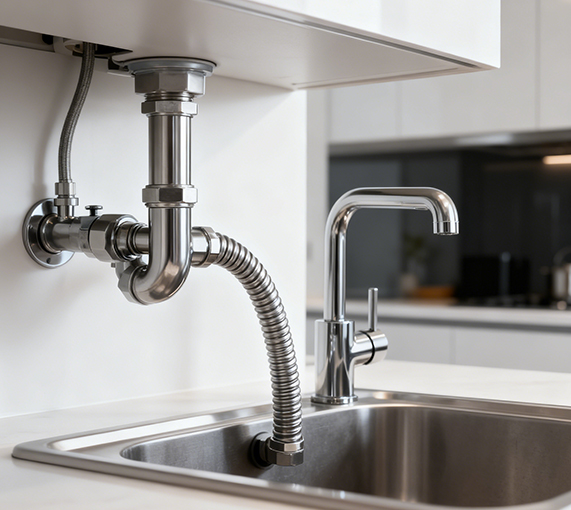
In homes, offices, hotels, schools, and commercial buildings, flexible plumbing connectors are used to connect water fixtures, tanks, pumps, valves, heaters, and other equipment. These locations often contain moisture and may require frequent cleaning. Stainless steel nuts support durable connections while maintaining a clean appearance.
In commercial buildings, equipment access may be limited and maintenance schedules may be tightly controlled. A corrosion-resistant nut can help reduce the likelihood of difficult removal or unexpected replacement. It can also support standardized installation practices across multiple units or floors.
7.2 Heating and HVAC Systems
Heating and HVAC equipment may experience vibration, temperature cycles, and pressure fluctuations. Flexible connectors are often used to isolate vibration or accommodate equipment movement. Stainless steel nuts help secure these connectors at the equipment interface.
Industrial HVAC systems may also contain condensed moisture, treated water, and cleaning agents. A properly selected stainless steel connection can improve durability in these service conditions. The final selection should consider the operating temperature, fluid chemistry, pressure rating, and requirements of the complete assembly.
7.3 Healthcare and Medical Facilities
Healthcare facilities require dependable plumbing, heating, ventilation, and equipment connections. Cleanability and corrosion resistance are important because maintenance areas may be subject to strict hygiene procedures. Stainless steel is well suited to applications where durable, cleanable metallic components are preferred.
Medical equipment manufacturers and facility managers should confirm that all materials, seals, cleaning procedures, and connection designs comply with the relevant application standards. The stainless steel nut provides a strong component foundation, but system-level compliance remains essential.
7.4 Food and Beverage Processing
Food-processing environments may involve frequent washing, sanitation chemicals, moisture, and temperature changes. Stainless steel components are widely used in these environments because they combine mechanical durability with cleanability and resistance to many common contaminants.
The nut should be installed in a way that avoids unnecessary crevices, trapped residue, and inaccessible surfaces. Where hygienic design is required, the complete connector should be selected according to the applicable plant standards and cleaning regime.
7.5 Industrial Equipment and Building Services
Industrial equipment often requires flexible connections to pumps, compressors, heat exchangers, boilers, valves, and other machinery. Movement and vibration can make a rigid connection unsuitable. A flexible stainless steel assembly secured with a reliable nut can help accommodate these operating conditions.
Industrial users may also value traceability, repeatability, technical documentation, and supply stability. A manufacturer with standardized workshops, professional R&D capabilities, and established management systems is better positioned to support these requirements than an unstructured trading source.
8. Installation and Service Considerations
Even a high-quality nut can fail if it is installed incorrectly. Before assembly, the installer should verify that the nut, mating thread, connector body, gasket, and sealing surfaces are compatible. Threads should be clean and free from burrs, dirt, metal chips, and cross-threading.
The nut should be started by hand whenever possible. If it does not engage smoothly, it should be removed and inspected rather than forced with a wrench. Cross-threading can permanently damage both the nut and the mating fitting. Once hand engagement is confirmed, the nut should be tightened using the recommended procedure and torque.
Over-tightening is not a substitute for proper sealing. Excessive torque may deform the nut, damage the gasket, distort the fitting, or create stress in the connector. Under-tightening may allow leakage or movement. The correct torque depends on the design, thread size, material combination, seal type, and manufacturer’s instructions.
Installers should use suitable tools that do not excessively mark or deform the nut. When the connection is located in a corrosive or hygienically sensitive area, unnecessary scratches and contamination should be avoided. After installation, the connection should be inspected and tested according to the requirements of the plumbing or equipment system.
Maintenance personnel should periodically examine the assembly for leakage, corrosion, unusual movement, mechanical damage, or changes in alignment. If a nut has been removed and reused, its threads and bearing surfaces should be inspected carefully. Replacement may be advisable when the component shows deformation, galling, severe corrosion, or thread damage.
9. Selecting the Correct Product for a Project
Project engineers and purchasing teams should provide clear technical information when requesting stainless steel nuts or complete flexible connector assemblies. Important details may include nominal connection size, thread type, mating material, pressure, operating temperature, fluid, installation environment, quantity, packaging, inspection requirements, and applicable standards.
If the nut is being purchased as part of a flexible hose or plumbing liner assembly, the complete product should be evaluated. The hose, braid, fitting, gasket, nut, and sealing method must work together. A strong nut cannot compensate for an unsuitable hose or incompatible seal.
Customers should also consider whether the product will be used indoors, outdoors, underground, near coastal air, in a chemical-processing area, or in a facility with aggressive cleaning routines. These conditions may affect material selection and surface requirements. Technical communication with the manufacturer can help avoid inappropriate substitutions.
For repeated orders, customers may benefit from documented product specifications, batch control, inspection records, packaging identification, and agreed acceptance criteria. These measures help maintain consistency when the product is used in large construction projects or ongoing equipment production.
10. Supplier Strength and Customer Support
A reliable component supplier should provide more than a product catalog. Customers need confidence that the supplier understands application conditions, can maintain consistent production, and will respond effectively when technical questions arise. Haoyin combines product development, manufacturing, testing, packaging, and after-sales support within its operating structure.
The company’s specialization in stainless steel bellows and flexible connection solutions allows it to support several related product categories. These include gas connectors, plumbing pipes and water liners, metal hoses, and compensators. This product knowledge can be valuable when a customer needs a complete connection solution rather than an isolated fastening part.
Professional technical support may assist with product selection, installation questions, project matching, production coordination, and quality documentation. For distributors and OEM customers, stable communication can simplify product planning and improve response speed when market requirements change.
Haoyin’s management system certifications and National High-tech Enterprise status also indicate a focus on organized development and continuous improvement. Its philosophy of “Striving for Excellence, Forging Quality” is reflected in the emphasis on material control, structural design, manufacturing precision, testing, and customer service.
Customers can contact the company for product information and project consultation through the following channels:
Company: Haoyin (Ningbo) Bellows Technology Co., Ltd.
Telephone: +86-574-62166708
Additional telephone: +86-18616887802
Email: [email protected]
Address: No. 25 Gubei Road, Simen Town, Yuyao, Ningbo City, Zhejiang Province, China
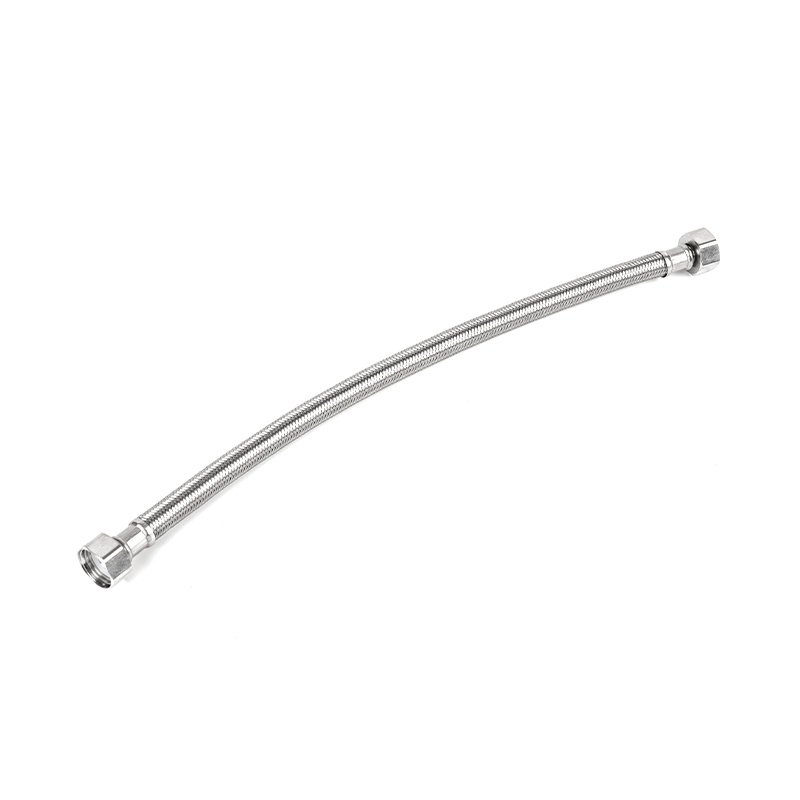
Flexible Plumbing Connector Stainless Steel Nut
11. Long-Term Value of a Reliable Stainless Steel Nut
The long-term value of a stainless steel nut comes from the combination of material performance, production accuracy, installation reliability, and service support. Corrosion resistance protects the component in wet environments. Strength and hardness help it withstand torque and mechanical loading. Temperature resistance supports use in heating and cold conditions. Hygienic characteristics assist cleaning and sanitation. Recyclability supports more responsible resource use.
These advantages become more meaningful when supported by advanced manufacturing. Laser welding, CNC forming, COSMO equipment, eddy current flaw detection, and automated packaging contribute to a production environment designed for consistency and process control. R&D capabilities help connect component design with complete flexible piping requirements. ISO9001, ISO14001, and ISO45001 certifications provide a structured foundation for quality, environmental, and safety management.
Compared with ordinary low-cost alternatives, the stainless steel nut is positioned as a dependable component for applications where failure, corrosion, contamination, or difficult maintenance would be costly. It is suitable for customers who value service life and connection stability rather than focusing only on the initial purchase price.
Whether used in a residential water connection, commercial heating installation, healthcare facility, food-processing system, industrial HVAC unit, or flexible equipment assembly, the product provides a practical fastening solution with broad application potential. Correct specification and installation remain essential, but the stainless steel construction creates a strong starting point for durable performance.
12. Frequently Asked Questions
Q1: What is the main purpose of the Flexible Plumbing Connector Stainless Steel Nut?
The nut secures a flexible plumbing connector or related fitting to a compatible threaded connection. It transfers tightening force, helps maintain clamping pressure, and supports the stability of the sealing assembly.
Q2: Why is stainless steel preferred for plumbing connector nuts?
Stainless steel offers strong resistance to water, humidity, many salts, acids, alkalis, and other common media. It also provides high strength, hardness, temperature stability, cleanability, and recyclability, making it suitable for demanding plumbing and equipment environments.
Q3: Can the nut be used outdoors?
It is suitable for many outdoor applications because stainless steel performs well in humid and exposed environments. The correct stainless steel grade and complete connector design should be selected according to local climate, salt exposure, chemicals, temperature, and pressure conditions.
Q4: Is the stainless steel nut suitable for food or medical applications?
Stainless steel is widely used in food and medical environments because it is durable, easy to clean, and suitable for sanitation procedures. The complete connection assembly must still meet the applicable hygiene, material, sealing, and regulatory requirements of the specific application.
Q5: Is the nut resistant to high and low temperatures?
Yes. Stainless steel maintains useful mechanical properties across both high- and low-temperature environments and does not melt under normal plumbing and heating conditions. The operating limits of the complete connector, gasket, and hose must also be considered.
Q6: How does this product resist thread stripping?
Its high mechanical strength and hardness help the threads withstand installation torque and service loads. Correct thread matching and proper torque are also necessary. Cross-threading or excessive tightening can damage even a strong stainless steel nut.
Q7: Can the nut be recycled?
Yes. Stainless steel is a recyclable metal. Recycling at the end of service helps recover material value and supports resource efficiency.
Q8: What manufacturing technologies support product quality?
The manufacturer uses advanced resources including laser welding machines, CNC forming machines, COSMO equipment, eddy current flaw detectors, and automatic packaging systems. These technologies support precision, repeatability, inspection, and controlled product handling.
Q9: What certifications does the manufacturer have?
Haoyin has obtained ISO9001, ISO14001, ISO45001, and other management system certifications. These relate to quality management, environmental management, occupational health and safety, and organized operational control.
Q10: Can the nut be supplied for OEM or project applications?
Customers can discuss project requirements, product specifications, packaging, inspection criteria, and complete flexible connection solutions with the manufacturer. Technical information should be confirmed before production to ensure compatibility with the intended assembly.
Q11: What should be checked before installation?
The installer should check the thread type and size, mating components, gasket or sealing method, cleanliness, visible damage, installation orientation, and recommended tightening procedure. The nut should engage smoothly by hand before a tool is used.
Q12: Does a stainless steel nut eliminate all maintenance requirements?
No. Stainless steel reduces corrosion risk and can extend service life, but the complete connection should still be inspected for leakage, movement, damage, contamination, or abnormal corrosion. Maintenance intervals should follow the system owner’s procedures and the equipment manufacturer’s recommendations.
13. Conclusion
The Flexible Plumbing Connector Stainless Steel Nut is an essential component for secure, durable, and hygienic flexible piping connections. Its corrosion resistance makes it suitable for water, air, outdoor, and harsh environments. Its high strength and hardness help resist thread stripping and deformation. Its temperature stability supports plumbing, heating, HVAC, and industrial applications. Its cleanable surface and non-toxic characteristics make it appropriate for sensitive environments when the complete assembly is correctly specified.
The product’s advantages are strengthened by the manufacturer’s expertise in stainless steel bellows and flexible connection technologies. With standardized workshops, professional R&D capabilities, advanced forming and welding equipment, non-destructive inspection resources, automated packaging, and certified management systems, Haoyin provides a manufacturing platform focused on dependable and repeatable quality.
For engineers, contractors, distributors, equipment manufacturers, and facility managers, selecting a stainless steel nut should be viewed as part of a complete connection strategy. Correct material, accurate dimensions, compatible threads, suitable seals, controlled installation, and regular inspection all contribute to final performance. When these factors are combined, the stainless steel nut can provide a reliable and economical solution for modern plumbing and flexible piping systems.
References
1. Stainless Steel Material Selection Principles for Plumbing and Fluid Connection Components.
2. General Engineering Practices for Threaded Fasteners, Torque Control, and Connection Assembly.
3. Quality Management Systems for Manufacturing Organizations, ISO9001 Principles.
4. Environmental Management Systems and Sustainable Manufacturing Practices, ISO14001 Principles.
5. Occupational Health and Safety Management Systems, ISO45001 Principles.
6. General Applications of Stainless Steel in Food Processing, Healthcare, Plumbing, Heating, and HVAC Equipment.
7. Non-Destructive Testing Principles for Conductive Metallic Components and Flexible Piping Products.
8. Manufacturer product and company information supplied for Flexible Plumbing Connector Stainless Steel Nut and stainless steel flexible connection solutions.