




 English
  Español
  русский


Introduction
Flexible plumbing systems depend on more than an inner tube that carries water or another fluid. A reliable assembly must also resist pressure, repeated movement, abrasion, environmental exposure, installation stress, and long-term fatigue. The outer braid is a vital part of that structure because it helps protect the inner liner, limits excessive expansion, supports dimensional stability, and contributes to the overall service life of the finished hose or flexible plumbing connection.
Flexible Plumbing Outer Braid PET Wires are designed for this protective and reinforcing role. Manufactured from polyethylene terephthalate, commonly known as PET, these wires provide a practical combination of tensile strength, stiffness, toughness, chemical resistance, low moisture absorption, electrical insulation, light weight, and cost efficiency. When woven or braided around a flexible plumbing liner, they form a stable outer layer that helps the assembly withstand everyday use while maintaining a clean and manageable appearance.
PET wire is especially useful when manufacturers need a nonmetallic reinforcement material that can be processed efficiently and supplied at a competitive cost. Compared with many conventional polymer fibers, it offers a balanced property profile rather than relying on one isolated performance characteristic. It can provide meaningful reinforcement without adding the weight, corrosion concerns, or electrical conductivity associated with metal braid. At the same time, it is more economical and easier to integrate into certain products than highly specialized high-performance fibers.
This article examines the characteristics, production considerations, application value, and quality advantages of PET outer braid wires. It also explains how an experienced flexible connection manufacturer can combine material selection, braid design, precision forming, testing, and process control to produce dependable products for plumbing, water, heating, gas-related support systems, industrial equipment, and other flexible connection applications.
Flexible Plumbing Outer Braid PET Wires
What Are Flexible Plumbing Outer Braid PET Wires?
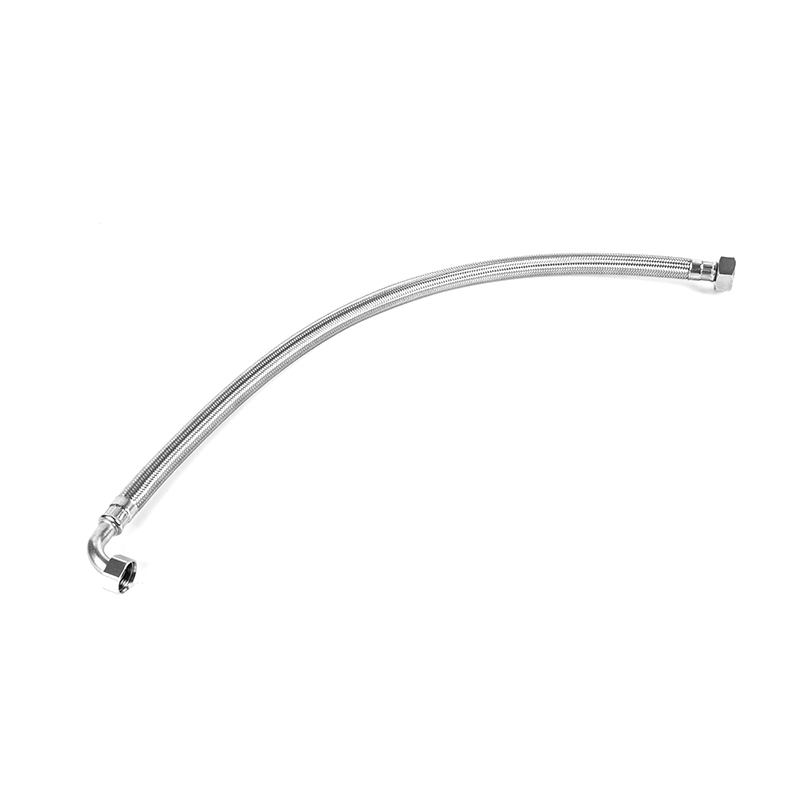
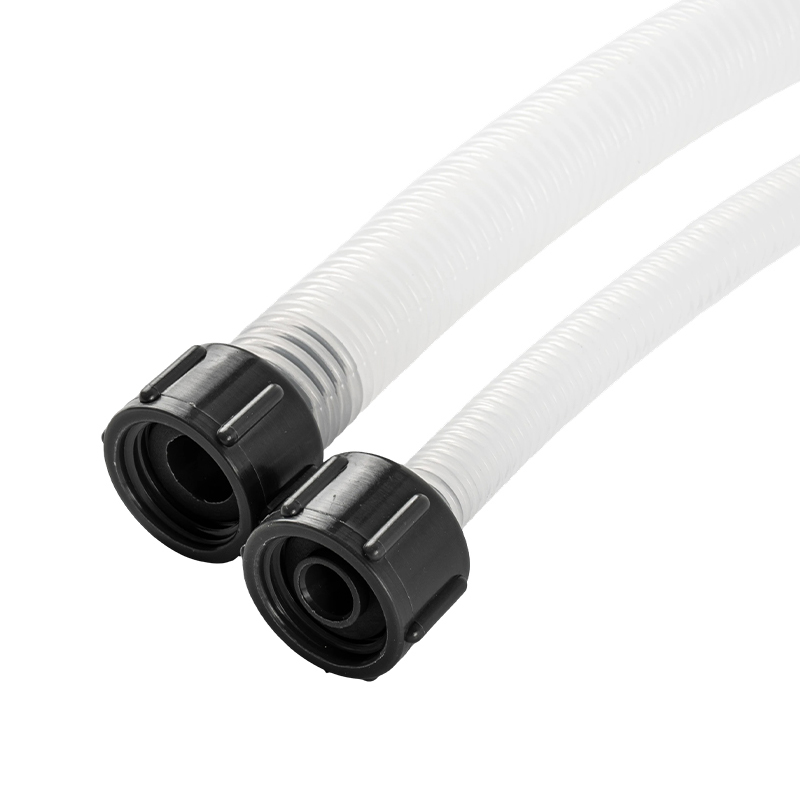
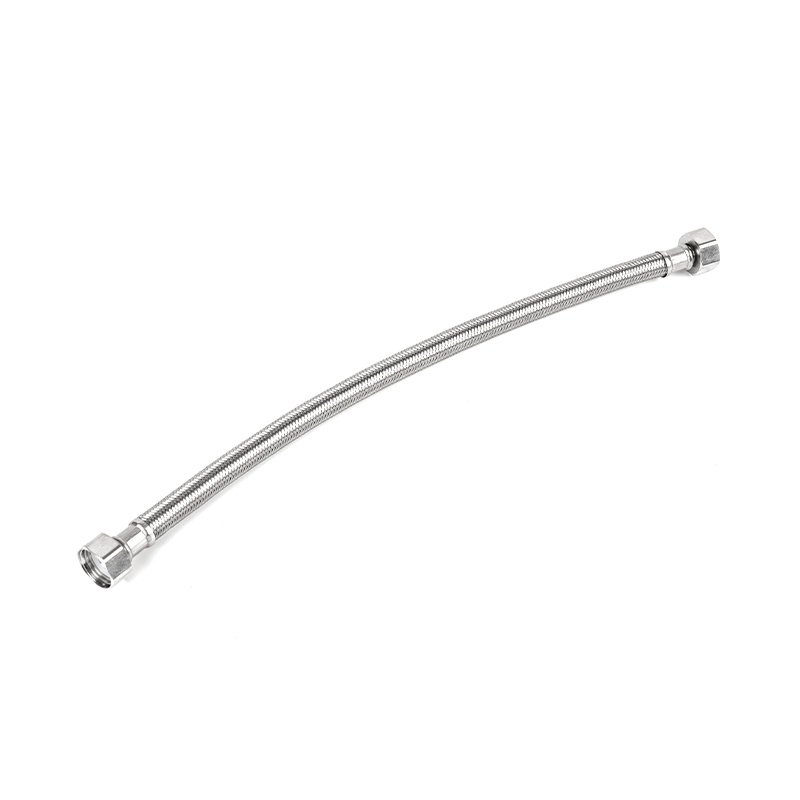
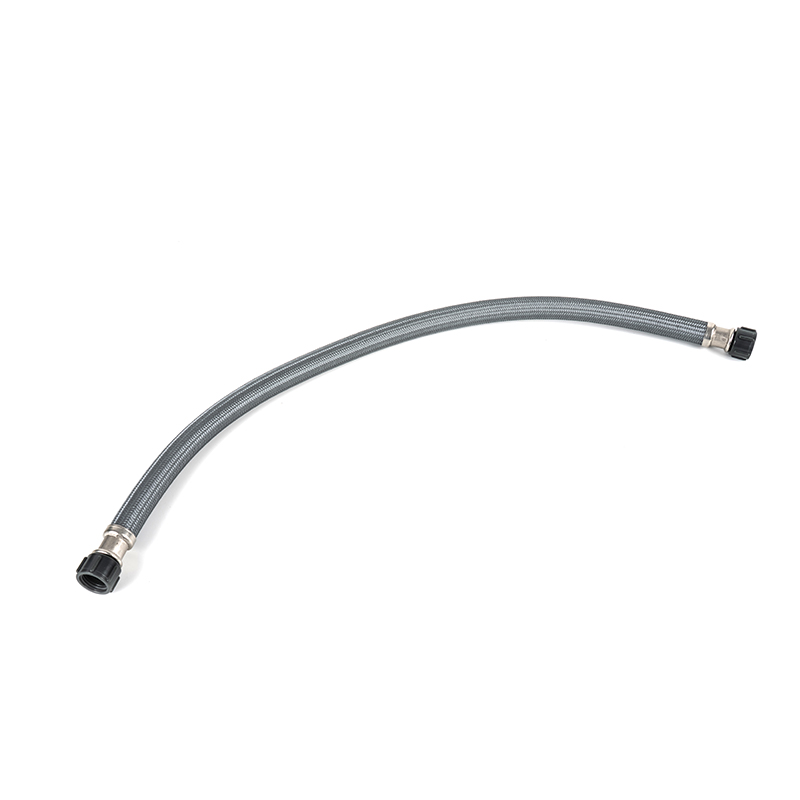
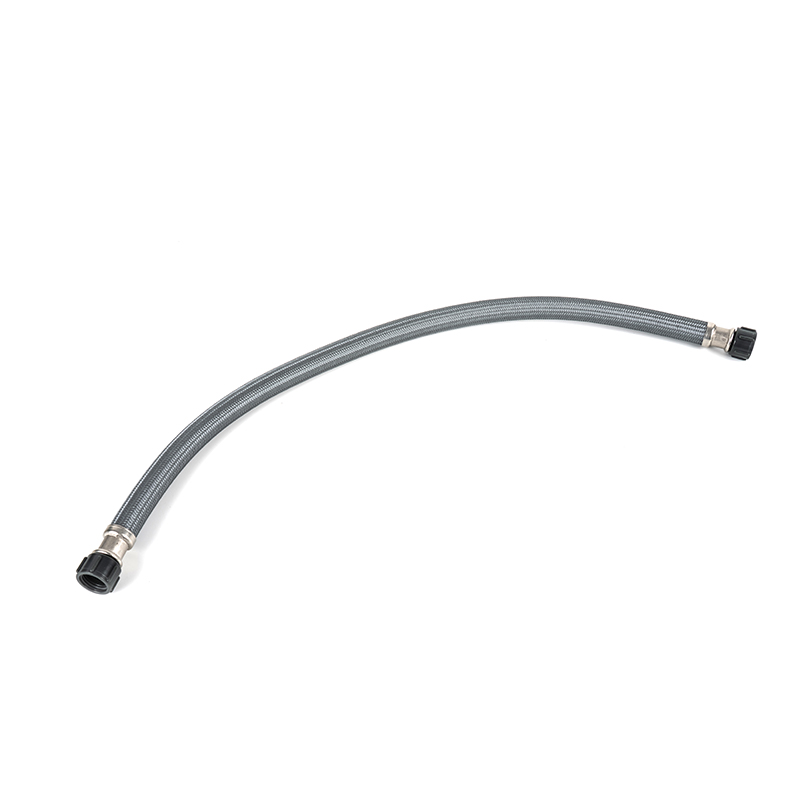
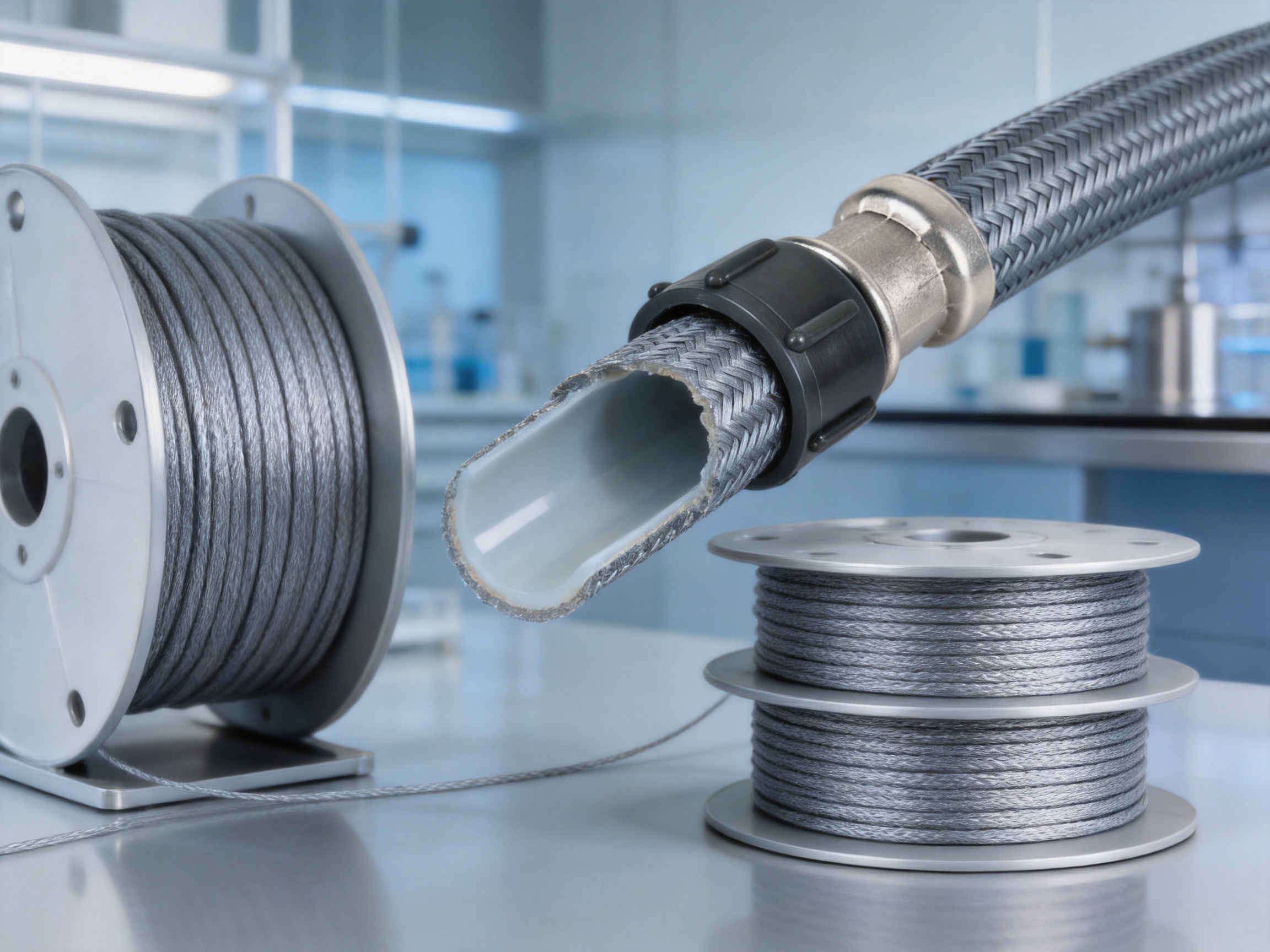
Flexible Plumbing Outer Braid PET Wires are narrow, flexible reinforcement wires or filaments made from polyethylene terephthalate resin. They are used as the structural elements of an outer braided layer surrounding a hose, water liner, tube, or flexible plumbing assembly. During production, individual wires are arranged in intersecting diagonal patterns. The completed braid creates a protective and supportive sleeve around the inner tube.
The term “wire” in this context does not necessarily mean a metallic wire. PET wires are polymer-based reinforcement elements produced in controlled dimensions for braiding operations. Their diameter, profile, surface condition, tensile performance, color, and winding format can be adjusted according to the requirements of the finished product and the braiding equipment.
A PET braid normally performs several functions at the same time. It can help protect the inner liner from external scratching and impact, reduce damage caused by handling or installation, provide additional resistance to repeated bending, and improve the visual finish of the hose. Depending on the design of the assembly, the braid may also help control radial expansion when internal pressure changes.
The performance of the final hose depends on the complete system, not only on the PET wire. Inner tube material, braid angle, wire count, coverage, tension, connection method, fitting design, operating temperature, pressure, and installation conditions must all be evaluated together. PET outer braid wires are therefore best understood as an engineered component within a flexible connection rather than an isolated raw material.
Material Composition
PET is a thermoplastic polyester commonly used in fibers, films, packaging, engineering components, and industrial reinforcement products. Its molecular structure provides a useful balance of strength, stiffness, dimensional stability, and chemical resistance. Through controlled extrusion, drawing, cooling, and winding, the resin can be converted into consistent wires suitable for braiding.
Material formulation may be adapted to meet application requirements. Depending on the intended use, manufacturers may consider resin grade, color masterbatch, ultraviolet stabilizers, processing additives, surface treatment, and other controlled ingredients. Any modification should be validated to ensure that it does not reduce tensile performance, flexibility, surface quality, or compatibility with the finished plumbing assembly.
Role in a Flexible Plumbing Assembly
The braid is positioned outside the water liner or flexible tube. It is not normally intended to replace the liner’s fluid-barrier function. Instead, it acts as a protective and reinforcing layer. In a typical assembly, the liner provides fluid containment, the braid supports and protects the liner, and the end fittings provide connection to valves, faucets, appliances, manifolds, or other plumbing components.
Because the braid is exposed to handling and environmental conditions, it must remain stable during installation and service. It should not easily split, shed excessive material, lose its shape, or become damaged by ordinary contact with nearby surfaces. The wire must also run smoothly through the braiding machine and form a uniform structure without frequent breaks or tension variation.
Key Performance Advantages of PET Outer Braid Wires
High Strength and High Modulus
One of the most important benefits of PET wire is its favorable tensile performance. High tensile strength allows the wire to resist pulling forces during winding, braiding, installation, and operation. A relatively high modulus provides stiffness and shape retention, helping the braid maintain its intended geometry rather than becoming loose or distorted.
Strength and modulus are especially important when the hose is bent repeatedly or exposed to external handling. During installation, a flexible plumbing connection may be pulled into position, routed around a fitting, or adjusted several times before final tightening. A properly manufactured PET braid helps distribute these stresses across many intersecting wires.
The braid does not function as a rigid shell. Its value comes from combining individual wires into a flexible pattern. Each wire contributes to the overall load-bearing structure while the braid angle allows the hose to bend. This combination of reinforcement and flexibility is one reason PET is suitable for flexible plumbing products.
Resistance to Repeated Bending and Fatigue
Flexible hoses are often moved, bent, or exposed to vibration during their service life. A brittle outer material may crack or break when subjected to repeated movement. PET offers good toughness and fatigue resistance, allowing it to tolerate repeated bending when the braid design and operating conditions are properly selected.
Fatigue performance depends on more than the resin itself. Excessive braid tension, sharp bending radii, poor fitting transitions, uneven wire surfaces, and over-compression can all reduce service life. For this reason, an effective manufacturing process must control wire quality and braid parameters together. Consistent wire diameter and smooth winding reduce irregular stress concentrations within the finished braid.
Good Abrasion Resistance
Flexible plumbing assemblies may rub against cabinets, brackets, walls, equipment panels, or other hoses. During installation, the outer layer can also contact tools and surrounding surfaces. PET has good wear resistance and can help protect the inner tube from external abrasion.
A braid made from uniform PET wires presents a stable outer surface. The surface may be configured for a particular appearance or level of coverage, depending on the application. When the braid is properly formed, it helps reduce direct contact between the inner liner and external objects, improving the durability of the entire assembly.
Outstanding Chemical Resistance
PET demonstrates resistance to many dilute acids, dilute alkalis, alcohols, oils, and other common substances. This characteristic is useful in plumbing and industrial environments where the outer braid may encounter cleaning agents, condensation, lubricants, or incidental chemical contamination.
Chemical resistance should always be evaluated against the actual substances, concentrations, temperatures, and exposure times involved. No polymer is universally resistant to every chemical. However, PET provides a practical level of resistance for many ordinary service conditions and is less prone to corrosion than metallic reinforcement exposed to moisture or aggressive surroundings.
Low Moisture Absorption
Low moisture absorption is another important advantage. PET does not readily absorb water under ordinary conditions, so its dimensions and mechanical properties remain comparatively stable in humid environments. This is beneficial for plumbing products that operate near sinks, bathrooms, kitchens, utility rooms, heating systems, or other areas where condensation and splashing may occur.
Reduced moisture uptake also helps maintain consistent braid geometry. A material that absorbs significant moisture may swell, soften, or change its mechanical behavior. PET’s low absorption supports more predictable processing and long-term performance, provided that the complete product is designed for the intended environment.
Electrical Insulation
PET is an effective electrical insulating material. This characteristic can be useful when flexible plumbing assemblies are installed near electrical equipment, sensors, heating elements, or appliance connections. Unlike conductive metal braid, a PET outer braid does not create the same electrical continuity or grounding considerations.
Electrical insulation does not mean that a PET-braided hose is automatically suitable for every electrical safety application. The complete assembly, fittings, fluid, installation method, and applicable regulations must still be assessed. Nevertheless, the insulating nature of PET can be a meaningful advantage where electrical separation is preferred.
Light Weight
PET has a relatively low density compared with many metallic reinforcement materials. A lightweight outer braid is easier to handle, transport, install, and package. Lower product weight can also reduce the load placed on fittings, supports, and connected equipment.
Weight reduction is particularly useful in high-volume plumbing production, where small savings per assembly can influence shipping costs, warehouse capacity, worker handling, and overall manufacturing efficiency. PET provides these benefits without eliminating the reinforcement function required from an outer layer.
Cost-Effectiveness
Material cost is a major consideration in flexible plumbing manufacturing. PET benefits from relatively stable raw material availability and comparatively efficient processing. Its cost profile can be more favorable than that of specialized high-performance fibers or corrosion-resistant metallic braid, especially when the application does not require the extreme temperature or strength performance of premium engineering fibers.
Cost-effectiveness also comes from production efficiency. PET wires can be manufactured in continuous lengths, supplied in consistent winding formats, and processed on automated braiding equipment. Lower material cost combined with stable production can help manufacturers achieve competitive pricing while maintaining reliable product quality.
Comparison with Other Outer Braid Materials
The best braid material depends on the operating requirements. PET is not intended to replace every other reinforcement option. Instead, it offers a balanced solution for applications that need flexibility, toughness, chemical resistance, low moisture absorption, light weight, and economical production.
| Characteristic | PET Outer Braid Wire | Metallic Braid | Specialty High-Performance Fiber | Typical Design Consideration |
|---|---|---|---|---|
| Weight | Low | Higher | Low to moderate | Useful where handling and shipping weight matter |
| Corrosion behavior | Does not rust like ordinary steel | Depends on alloy and surface protection | Generally corrosion resistant | Important in wet or humid environments |
| Electrical behavior | Insulating | Conductive | Usually insulating, depending on material | Relevant near electrical equipment |
| Cost | Generally economical | Varies by metal and coating | Often higher | Must be balanced against required performance |
| Flexibility | Good when correctly braided | Good but may have a different bending response | Good to excellent, depending on fiber | Must match the minimum bend radius |
| Moisture absorption | Low | Not applicable in the same way, but corrosion may occur | Varies by fiber type | Important for dimensional stability |
| Processing | Suitable for continuous extrusion and braiding | Requires metal wire drawing and handling controls | May require specialized equipment | Influences production cost and capacity |
Compared with metallic braid, PET avoids rust-related concerns and reduces weight. It also provides electrical insulation and can offer a softer contact surface. Metallic braid may be preferred where very high temperature resistance, exceptional pressure reinforcement, or specific regulatory requirements are necessary. The correct choice should therefore be made through engineering evaluation rather than price alone.
Compared with highly specialized fibers, PET may not provide the highest possible strength-to-weight ratio or the widest temperature range. However, many plumbing and general flexible connection applications do not need extreme performance. In these cases, PET can provide a more balanced and economical solution with sufficient mechanical strength and easier manufacturing.
Manufacturing Process for PET Outer Braid Wires
Raw Material Selection
Reliable production begins with controlled raw material selection. Resin grade, intrinsic viscosity, moisture condition, color consistency, and additive compatibility can all affect the final wire. Materials should be sourced according to documented specifications, and incoming batches should be identified and traceable.
PET is sensitive to excessive moisture during melt processing. If moisture is present in the resin, hydrolytic degradation may occur during heating. This can reduce molecular weight and weaken the finished wire. Proper storage and pre-drying are therefore essential. Production personnel should control storage humidity, drying temperature, residence time, and transfer conditions.
Drying and Preparation
Before extrusion, PET resin is normally dried under controlled conditions. The objective is to reduce moisture to a level appropriate for stable processing. Drying equipment should be maintained and monitored, while operators should avoid exposing dried material to humid air for extended periods.
Preparation may also include controlled blending of approved color concentrates or processing aids. Any additive must be compatible with the resin and the intended application. Excessive additive levels can affect strength, surface finish, flexibility, or thermal stability. Batch records and material identification help prevent formulation errors.
Precision Extrusion
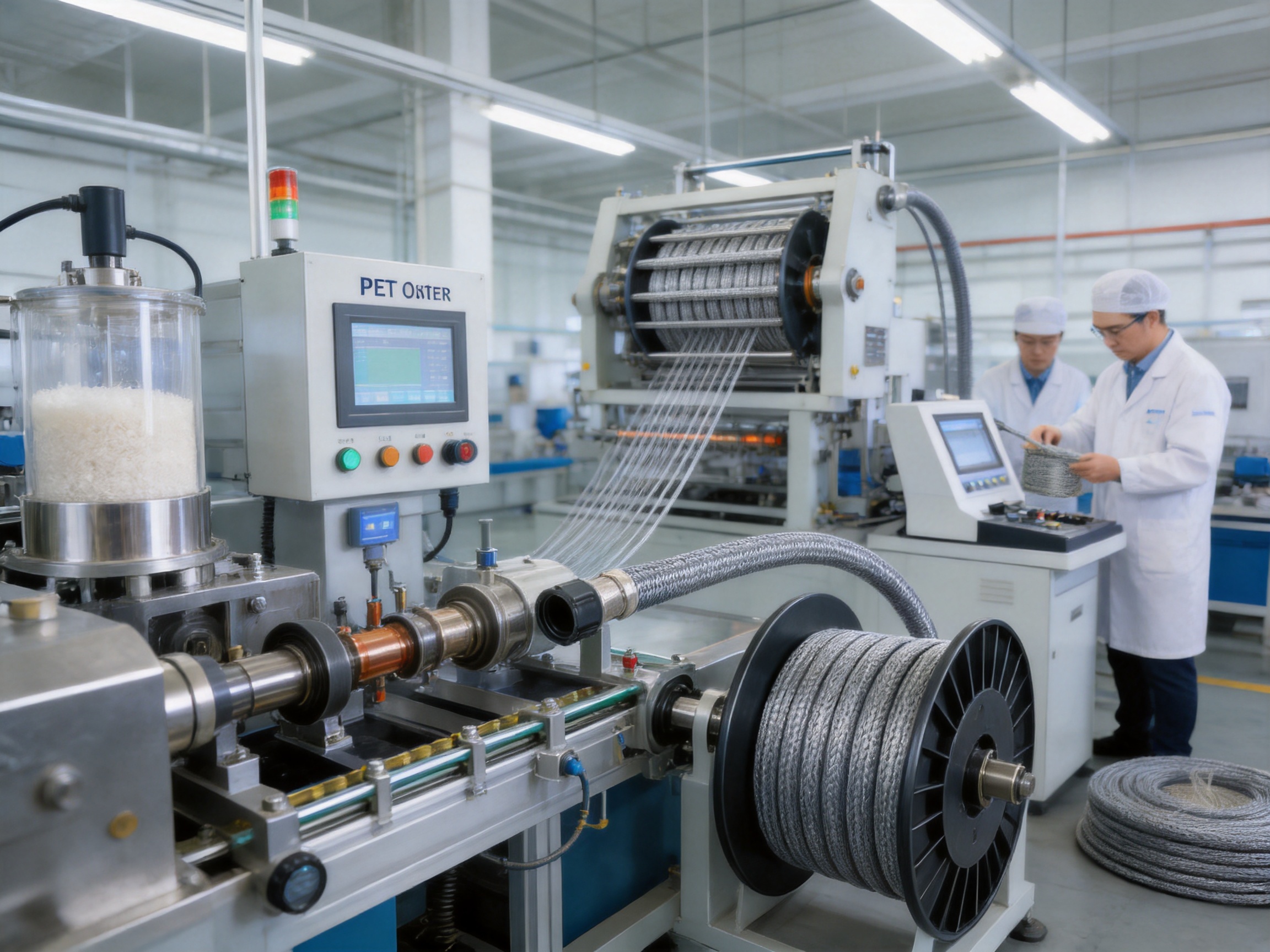
During extrusion, the dried PET resin is heated and melted before being forced through a die. The die determines the initial wire shape and dimensions. Stable temperature control is critical because overheating can degrade the polymer, while insufficient melting can create inconsistent flow and surface defects.
Extrusion pressure, screw speed, melt temperature, die condition, and line speed must be coordinated. A stable melt flow helps produce continuous wire with consistent diameter. Automated monitoring can identify deviations early, reducing the amount of nonconforming material produced during a long production run.
Drawing and Orientation
After extrusion, PET wire may be drawn to orient the polymer molecules and improve tensile strength and modulus. Drawing generally involves controlled stretching at suitable temperatures. The draw ratio, heating conditions, line speed, and cooling pattern influence the final mechanical properties.
Uniform drawing is essential. If the wire is stretched unevenly, different sections may have different strength, elongation, or diameter. Such variation can cause unstable tension during braiding and produce an inconsistent outer layer. Precision equipment and careful process control help maintain uniformity along the entire length.
Cooling and Dimension Stabilization
After orientation, the wire must be cooled and stabilized. Cooling conditions affect crystallinity, shrinkage, surface appearance, and dimensional consistency. Excessive or uneven cooling may lead to internal stress or shape irregularities.
Controlled stabilization helps ensure that the wire reaches the braiding line with predictable behavior. The finished material should maintain its dimensions during storage and normal processing. This is particularly important for high-speed braiding, where small changes in wire diameter can influence coverage and braid tension.
Surface and Appearance Control
The surface of PET wire should be smooth and free from serious defects such as cracks, voids, lumps, burns, contamination, or sharp projections. Surface quality affects both appearance and processing performance. Rough or damaged wire may increase friction, create local stress points, or break during braiding.
Color consistency may also be important. Many flexible plumbing products use colored outer layers for visual coordination, product identification, or design preference. Consistent color requires accurate additive dosing, clean equipment, and control of processing temperature and residence time.
Winding and Packaging
After production, the wire is wound onto reels, coils, or other specified carriers. Winding tension should be controlled so that the wire is neither excessively loose nor compressed. Poor winding can cause tangles, overlaps, deformation, or inconsistent unwinding during braiding.
Packaging should protect the wire from moisture, dust, impact, and contamination. Labels should identify the product specification, batch number, production date, quantity, and any customer-specific information. Traceable packaging supports quality management and simplifies investigation if a production issue occurs.
Advanced Manufacturing Capabilities for Flexible Connection Products
A qualified manufacturer of PET outer braid wires and flexible plumbing assemblies should have capabilities that extend beyond basic extrusion. Product reliability depends on the interaction between material, structure, equipment, and inspection. An integrated manufacturing system can reduce variation and improve consistency from raw material intake to final shipment.
Research and Development
A professional research and development team can evaluate new materials, braid structures, liner combinations, fitting designs, and process parameters. Product development may include laboratory testing, prototype construction, pressure evaluation, bending trials, chemical exposure studies, and customer-specific design verification.
Research is especially valuable when the same PET wire must serve different applications. A household water liner may require different flexibility and appearance from an industrial hose used in a mechanical room. R&D personnel can adjust wire dimensions, braid density, coverage, and processing conditions to achieve the required balance.
Laser Welding and Joint Quality
Laser welding technology can support precise joining of metallic components used in flexible connection products, including stainless steel bellows and related assemblies. Although PET wire itself is not laser welded in the same way as metal, the quality of nearby metal components can directly influence the reliability of a complete flexible hose or compensator.
Laser welding offers concentrated energy, controlled heat input, and repeatable weld geometry. When properly configured, it can help produce clean, consistent joints with reduced distortion. For products combining PET outer braid with metal fittings or adjacent stainless steel components, accurate welding contributes to the integrity of the overall connection.
CNC Forming and Dimensional Accuracy
CNC forming machines can be used to shape bellows, tubes, fittings, and other components with repeatable dimensions. Accurate forming is essential because connection parts must fit correctly and distribute loads without imposing unnecessary stress on the liner or braid.
Computer-controlled forming reduces dependence on manual adjustment and allows production parameters to be recorded. This supports repeatability across different batches and helps manufacturers maintain consistent product geometry for large-volume orders.
Automated Production and Packaging
Automation can improve production efficiency and reduce human variation. Automatic winding, braiding support systems, inspection devices, and packaging equipment help maintain stable output while reducing handling damage.
Automated packaging is also useful for protecting finished products and maintaining orderly shipment preparation. Properly packaged PET wires and completed flexible connections are less likely to become tangled, scratched, contaminated, or deformed before reaching the customer.
Testing and Inspection Equipment
Modern inspection may include dimensional gauges, tensile testing machines, moisture monitoring systems, pressure test equipment, leak detection devices, and eddy current flaw detectors for suitable metal components. The exact test program should reflect the product structure and applicable standards.
Eddy current inspection is useful for detecting certain discontinuities in conductive materials such as stainless steel tubing. It complements visual inspection and pressure testing by providing another method of identifying possible defects. When combined with controlled forming and welding, it supports a more complete quality assurance system.
Quality Management from Material to Finished Product
Quality cannot be added at the final inspection stage alone. It must be built into each step of production. A full-process quality system begins with approved suppliers and clear specifications, then continues through material preparation, extrusion, drawing, winding, braiding, assembly, testing, packaging, and after-sales support.
Incoming Material Control
Incoming PET resin should be checked against purchasing and technical specifications. Important considerations may include resin identification, batch traceability, moisture condition, color, packaging integrity, and supplier documentation. Materials that do not meet requirements should be isolated until a formal decision is made.
Process Monitoring
Critical process parameters should be documented and monitored. These may include dryer performance, extrusion temperatures, melt pressure, line speed, draw ratio, cooling conditions, winding tension, and equipment status. Statistical process control can help identify trends before they become product failures.
Finished Wire Inspection
Finished wire can be evaluated for diameter, tensile strength, elongation, surface condition, color, winding quality, and continuity. Sampling frequency should be determined by risk, production volume, customer requirements, and historical process capability.
Testing should be performed with calibrated instruments and documented procedures. Results should be linked to batch numbers so that quality personnel can trace the material back to its production conditions and raw material lot.
Assembly and Final Testing
When PET wire is used in a complete flexible plumbing product, final inspection should also assess braid coverage, braid tension, overall dimensions, fitting attachment, leakage, pressure resistance, bend behavior, and appearance. The braid should remain properly positioned and should not interfere with the fitting or sealing system.
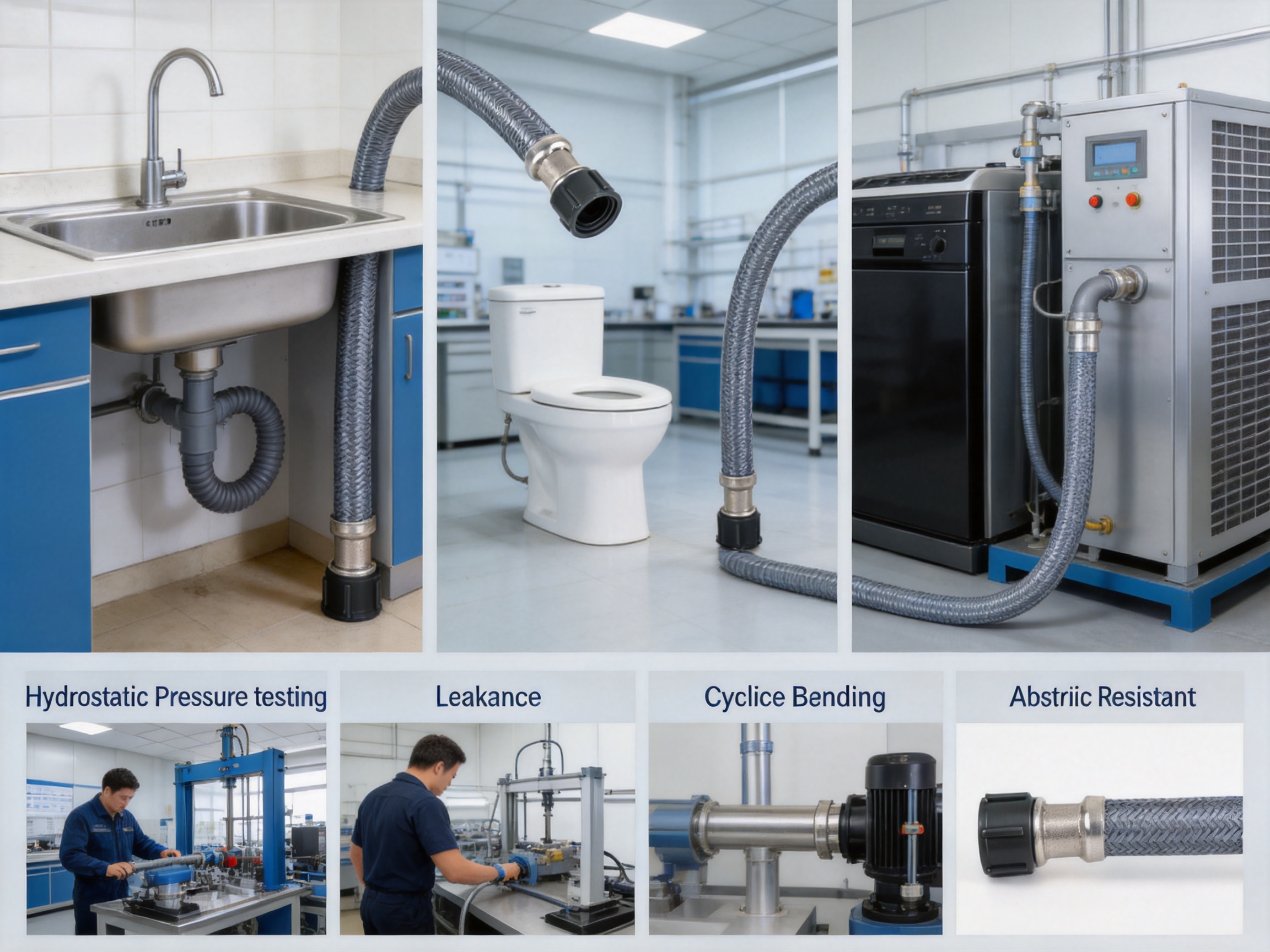
Where applicable, products may undergo hydrostatic pressure testing, burst testing, cyclic bending, pull testing, thermal exposure, chemical compatibility assessment, and leakage testing. Test methods should reflect the intended application and the relevant technical standards.
Certifications and Responsible Production
A manufacturer operating under ISO9001 demonstrates a structured approach to quality management. ISO14001 relates to environmental management, while ISO45001 addresses occupational health and safety. These systems do not replace product testing, but they provide a framework for controlled operations, documented responsibilities, corrective action, environmental awareness, and worker protection.
Recognition as a national high-tech enterprise or green factory may further indicate investment in technology, process improvement, and responsible manufacturing. Such recognition should be considered together with actual technical documentation, product testing, production capacity, and customer support when evaluating a supplier.
Applications of PET Outer Braid Wires
Plumbing Pipes and Water Liners
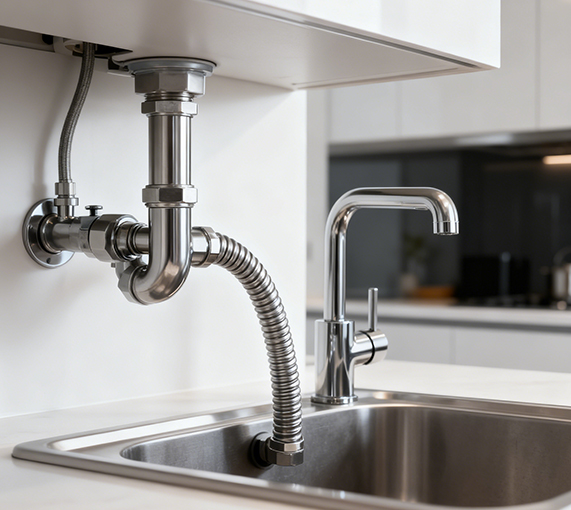
PET outer braid wires are suitable for flexible water liners and plumbing pipes where the braid protects the inner tube and improves handling durability. Typical uses may include faucet connectors, toilet supply connections, sink connections, appliance water lines, and other low- to moderate-pressure plumbing assemblies, subject to the design and certification requirements of the product.
The low moisture absorption of PET is useful in areas where the product is exposed to damp air or occasional splashing. Its light weight also helps installers route and position the hose easily in confined spaces.
Heating Systems
Flexible connections used in heating equipment may require resistance to repeated movement, vibration, and incidental contact with oils or cleaning substances. PET can contribute to the protective outer structure in suitable temperature ranges.
Temperature limits must be carefully considered. PET is not a universal solution for high-temperature service. The complete assembly should be evaluated against continuous temperature, peak temperature, pressure, fluid chemistry, and duration of exposure. If the application exceeds the capability of PET, a different reinforcement material may be required.
Industrial HVAC and Equipment Connections
Industrial HVAC systems and equipment often use flexible connections to absorb vibration, accommodate movement, or simplify installation. PET braid wires can provide a lightweight outer reinforcement for appropriate hose designs. Chemical resistance and abrasion resistance may be beneficial in equipment rooms and service environments.
Industrial applications require careful engineering because vibration frequency, movement amplitude, temperature, pressure, and installation geometry can vary significantly. PET should be selected after a complete assessment rather than based only on general material properties.
Healthcare and Building Services
Flexible connection products used in healthcare facilities and building service systems may require clean manufacturing, stable dimensions, reliable sealing, and controlled documentation. PET’s low moisture absorption and insulating nature can be useful features, while the final product must comply with all applicable hygiene, material, and safety requirements.
Gas-Related Support Applications
Flexible gas connectors require strict design control and compliance with relevant standards. PET outer braid wires may be considered for suitable external protective or reinforcement structures, but the finished gas connector must be validated for gas compatibility, pressure, fire behavior, temperature, mechanical durability, and regulatory approval.
The presence of PET wire alone does not establish suitability for a gas application. Testing and certification must be performed for the complete product, including the inner tube, fittings, seals, braid, and manufacturing method.
Advantages Over Less Specialized Supply Options
More Consistent Dimensional Control
General-purpose plastic filament may not be manufactured with the diameter tolerance, tensile performance, winding quality, or surface condition required for high-speed braiding. Purpose-designed PET wire is produced with the braiding process in mind. This improves unwinding behavior and reduces production interruptions caused by inconsistent material.
Better Integration with Flexible Hose Design
A specialized supplier can evaluate the relationship between PET wire and the final hose. This includes braid angle, coverage, wire count, flexibility, fitting transitions, and pressure behavior. Such integration is more valuable than purchasing a generic polymer wire without technical support.
Greater Production Traceability
Professional manufacturing systems provide batch identification, inspection records, process documentation, and corrective action procedures. Traceability helps customers verify quality and respond efficiently if a material or production question arises.
Broader Engineering Support
A company experienced in stainless steel bellows, metal hoses, compensators, gas connectors, plumbing pipes, and water liners can bring broader flexible connection knowledge to PET braid projects. This may include advice on liner selection, fitting design, assembly processes, pressure testing, and product validation.
More Reliable Delivery Capability
Standardized workshops, dedicated equipment, automated packaging, and organized production planning can improve delivery consistency. For customers managing regular production schedules, supply reliability is an important advantage alongside material performance.
Design Considerations for PET-Braided Flexible Connections
Braid Angle
Braid angle affects flexibility, coverage, radial restraint, and load distribution. A lower or higher angle may be selected depending on whether the design prioritizes flexibility, expansion control, or mechanical reinforcement. The correct angle should be verified through testing rather than selected solely by appearance.
Wire Diameter and Count
Wire diameter influences strength, surface feel, coverage, and bending behavior. A greater wire count may improve coverage but can also increase stiffness and material consumption. The best design balances performance, flexibility, manufacturing speed, and cost.
Braid Tension
Braid tension must be controlled during production. Excessive tension can restrict flexibility, compress the liner, or create stress near the fittings. Insufficient tension may result in loose coverage, poor appearance, and reduced protective performance.
Minimum Bend Radius
Every flexible assembly has a practical minimum bend radius. Bending below this limit can damage the liner, distort the braid, or overload the fitting connection. The minimum radius should be established through testing and clearly communicated to installers or equipment designers.
Temperature and Pressure
PET braid selection must be considered together with the temperature and pressure rating of the complete hose. A braid may remain intact while the inner liner or seal fails under unsuitable conditions. Product ratings should therefore be based on complete assembly testing.
Compatibility with Fittings and Seals
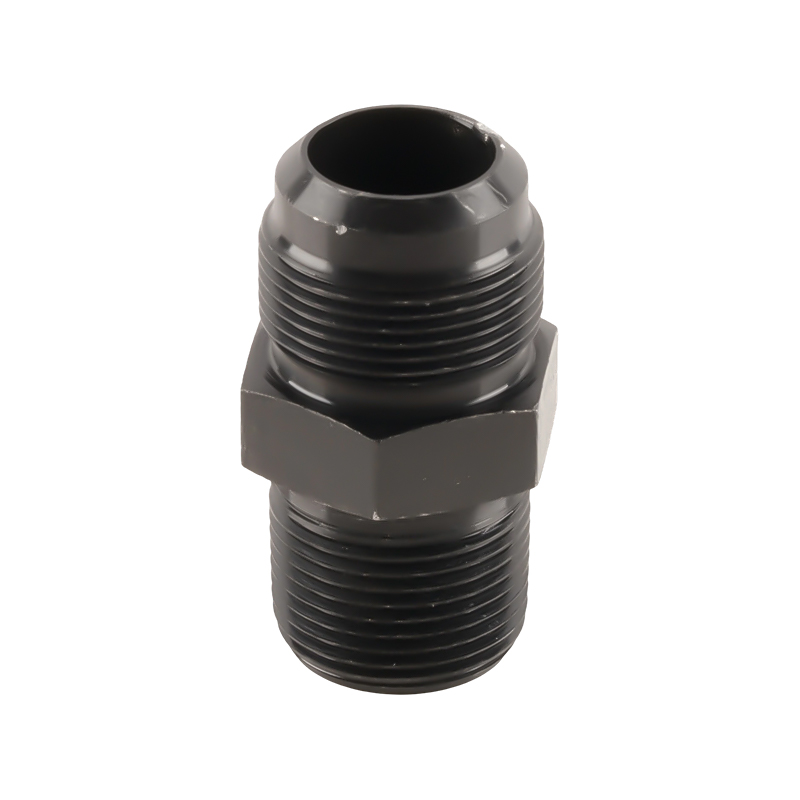
The braid should terminate cleanly at the fitting and should not interfere with crimping, clamping, swaging, or other assembly operations. The selected seal materials must be compatible with the transported fluid and expected temperature range. Proper transition design prevents local stress concentration at the ends of the hose.
Installation and Service Recommendations
Installers should inspect the product before use. The braid should not show severe cuts, broken sections, crushing, exposed liner damage, or deformation that affects the fitting. Connections should be routed without twisting, sharp kinks, or unnecessary tension.
The hose should not be used as a support for heavy equipment or forced into a bend tighter than the specified radius. Tools should be applied only to the designated fitting surfaces. Twisting the hose while tightening a connection can transfer torsional stress into the liner and braid.
After installation, the assembly should be checked for leakage and unusual movement. Where the connection is exposed to vibration, periodic inspection can help identify abrasion, fitting loosening, discoloration, or other signs of abnormal service conditions.
Replacement intervals depend on the application, operating environment, temperature, pressure, movement, and local regulations. Even when the PET braid remains visually acceptable, the complete assembly may require replacement after a defined service period in certain installations.
Environmental and Economic Value
PET outer braid wires can contribute to lighter products and more efficient logistics. Lower product weight may reduce transportation energy, packaging material, and handling effort. Continuous production and stable raw material supply can also support efficient use of manufacturing resources.
Responsible production should include control of process scrap, energy consumption, emissions, water use, packaging, and worker safety. PET production waste may be managed through approved recycling or disposal routes, depending on contamination and local requirements. Recycling decisions should not compromise product traceability or introduce uncontrolled material into safety-critical applications.
A long-lasting flexible connection can provide additional environmental value by reducing premature replacement and maintenance waste. Durability must always be balanced with correct installation and responsible end-of-life handling. The environmental performance of the entire product should be evaluated across material production, manufacturing, transport, service, and disposal stages.
Supplier Strengths and Manufacturing Background
Haoyin (Ningbo) Bellows Technology Co., Ltd. is a professional manufacturer specializing in the research, design, production, and sales of stainless steel bellows and flexible connection products. Its product range includes gas connectors, plumbing pipes and water liners, metal hoses, and compensators.
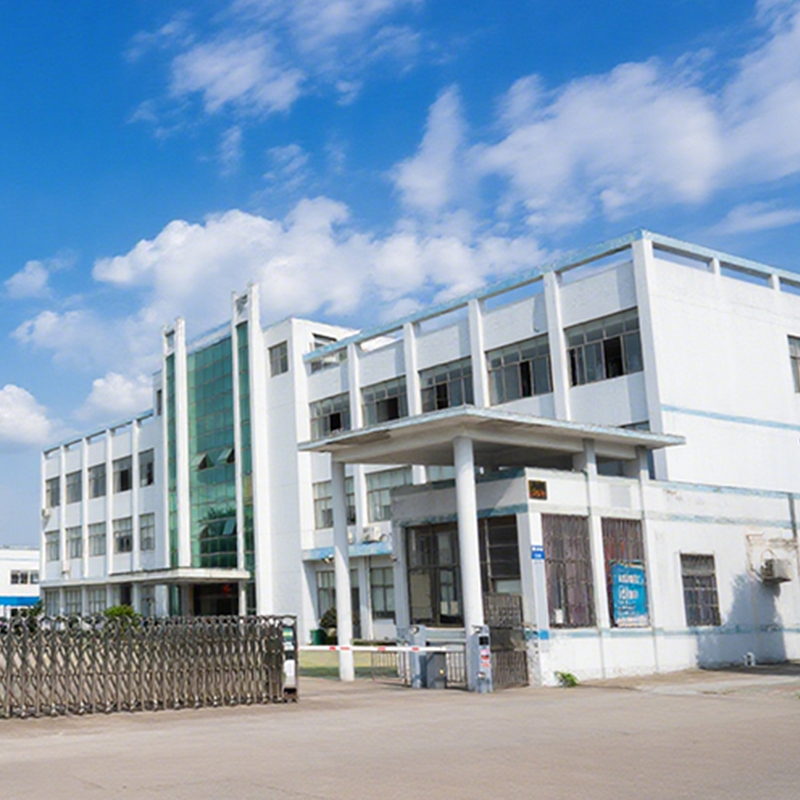
The company operates standardized workshops covering approximately 18,000 square meters within an area of about 35 mu. This manufacturing base supports organized production, equipment allocation, material control, inspection, storage, and packaging. A structured workshop environment is important for maintaining cleanliness, reducing process confusion, and supporting repeatable output.
The company has obtained ISO9001, ISO14001, ISO45001, and other management system certifications. These certifications reflect systems for quality management, environmental management, and occupational health and safety. They also support documented processes, employee responsibilities, corrective actions, risk control, and continuous improvement.
Its technical resources include laser welding machines, CNC forming machines, COSMO equipment, eddy current flaw detectors, and automatic packaging systems. These technologies support the production of metal bellows, hoses, compensators, and related flexible connection products. Combined with PET wire production and braid integration, they provide a broad manufacturing foundation for customized and standard solutions.
A professional R&D team helps connect product design with manufacturing reality. This is important when customers require customized wire dimensions, braid construction, hose lengths, fitting combinations, packaging formats, or validation plans. Technical communication at the beginning of a project can prevent later problems related to assembly compatibility or performance expectations.
The company follows the quality philosophy of “Striving for Excellence, Forging Quality.” In practical terms, this philosophy is reflected in full-process management covering raw materials, structural design, manufacturing, performance testing, and after-sales support. For customers purchasing PET outer braid wires, this broader capability can offer confidence that the material is supported by experience in complete flexible connection systems.
Selection Guide for Buyers
Before purchasing PET outer braid wires, buyers should define the required wire diameter, color, tensile strength, elongation, winding format, surface finish, and tolerance. They should also provide information about the braiding machine, production speed, braid angle, target coverage, and finished hose dimensions.
Application conditions should be described clearly. Important information includes fluid type, pressure, temperature, humidity, chemical exposure, vibration, movement, installation space, expected service life, and relevant standards. The more complete the information, the more accurately the supplier can recommend a suitable PET specification.
Buyers should request samples for trial braiding before approving large-volume production. A sample trial can reveal unwinding behavior, tension stability, surface interaction, coverage, color consistency, and compatibility with the customer’s equipment.
Quality documentation may include material certificates, inspection reports, dimensional records, tensile data, batch traceability, packaging specifications, and test results for the complete assembly. For regulated applications, buyers should also confirm the required certifications and approvals before production begins.
Q&A
What is the main purpose of PET outer braid wire?
Its main purpose is to create a protective and reinforcing outer layer around a flexible plumbing liner or hose. It helps improve resistance to abrasion, repeated bending, handling stress, and dimensional movement while maintaining a lightweight structure.
Is PET wire the same as metal braid?
No. PET wire is a polymer-based reinforcement material, while metal braid is made from conductive metallic wires. PET is lighter, electrically insulating, and resistant to rust. Metal braid may offer higher temperature capability or different pressure reinforcement characteristics. The appropriate material depends on the complete application.
Can PET outer braid wires be used for water hoses?
Yes, PET outer braid wires are suitable for many water hose and plumbing liner applications when the complete product is correctly designed and tested. The inner liner must be appropriate for the water, pressure, and temperature conditions, and the finished hose must meet applicable requirements.
Does PET absorb water?
PET has very low moisture absorption compared with many other polymer materials. This helps maintain dimensional stability and mechanical performance in humid environments. However, low absorption does not mean that the complete hose is waterproof in every respect; fittings, seals, and the inner liner must also be properly designed.
Is PET resistant to chemicals?
PET is resistant to many dilute acids, dilute alkalis, alcohols, oils, and common substances. Chemical compatibility depends on concentration, temperature, exposure time, and mechanical stress. A specific compatibility review is recommended for aggressive or unusual chemicals.
Can PET braid wire be used near electrical equipment?
PET is electrically insulating, so it does not create the same conductive path as metallic braid. This may be advantageous near electrical equipment. The complete assembly and installation must still be evaluated for electrical safety, fluid leakage, heat, and applicable regulations.
What affects the flexibility of a PET-braided hose?
Flexibility is affected by wire diameter, wire count, braid angle, braid tension, inner liner material, hose diameter, fitting design, and temperature. A PET wire with good flexibility may still produce a stiff assembly if the braid is too dense or the liner is rigid.
How should PET wire be stored?
It should be stored in clean, dry conditions and protected from direct contamination, crushing, excessive heat, and ultraviolet exposure. Packaging should remain intact until the material is ready for production. Batch identification should be preserved throughout storage and use.
What testing should be performed?
Testing may include diameter inspection, tensile strength, elongation, surface inspection, winding evaluation, braid trials, pressure testing, leakage testing, cyclic bending, pull testing, and chemical or thermal exposure tests. The final test plan should be based on the product design and application requirements.
Can PET outer braid wires be customized?
Many specifications can be customized, including diameter, color, winding format, length, packaging, and mechanical performance targets. Customization should be confirmed through technical drawings, samples, process trials, and documented approval before mass production.
What information should be sent when requesting a quotation?
Customers should provide the intended application, required quantity, wire dimensions, color, performance targets, packaging requirements, delivery location, braiding equipment information, and any applicable standards or certifications. A drawing or sample of the finished hose is also helpful.
What makes an experienced flexible connection manufacturer valuable?
An experienced manufacturer understands how material properties interact with liners, fittings, braiding parameters, welding, forming, pressure testing, packaging, and service conditions. This broader knowledge helps reduce compatibility problems and supports more reliable product development.
Conclusion
Flexible Plumbing Outer Braid PET Wires provide a balanced reinforcement solution for modern flexible plumbing and connection products. Their high tensile performance, good modulus, toughness, abrasion resistance, chemical resistance, low moisture absorption, electrical insulation, light weight, and cost-effectiveness make them valuable for many applications where a nonmetallic outer braid is preferred.
The strongest advantage of PET is its combination of properties. It is not selected only because it is light or economical. It also offers stable processing, good resistance to everyday environmental exposure, reliable behavior during repeated bending, and compatibility with continuous braiding production. When the wire diameter, braid angle, coverage, and tension are correctly designed, PET can contribute to a durable and attractive flexible hose assembly.
Material quality must be supported by manufacturing discipline. Proper resin drying, precision extrusion, controlled drawing, dimensional stabilization, smooth winding, process monitoring, and final inspection are essential for consistent results. An integrated manufacturer with R&D resources, standardized workshops, advanced welding and forming equipment, flaw detection, automated packaging, and certified management systems can provide advantages beyond the material itself.
For customers seeking flexible connection solutions for plumbing, water liners, heating, building services, industrial HVAC, and related applications, PET outer braid wire offers a practical balance between performance and cost. The final selection should always be based on complete assembly testing, application conditions, installation requirements, and applicable standards. With appropriate engineering and quality control, PET outer braid wires can help create safer, lighter, more manageable, and longer-lasting flexible plumbing products.
References
1. General technical literature on polyethylene terephthalate fibers, thermoplastic polyester processing, and polymer reinforcement design.
2. General engineering references on braided hose construction, braid angle, coverage, tension control, and flexible connection performance.
3. ISO 9001, Quality Management Systems: Requirements.
4. ISO 14001, Environmental Management Systems: Requirements with Guidance for Use.
5. ISO 45001, Occupational Health and Safety Management Systems: Requirements with Guidance for Use.
6. General standards and technical guidance concerning flexible plumbing connectors, water liners, metal hoses, compensators, pressure testing, and leakage evaluation.
7. Manufacturer technical information concerning PET outer braid wires, stainless steel bellows, gas connectors, plumbing pipes, water liners, metal hoses, and compensators.