

 English
 Español
 русский


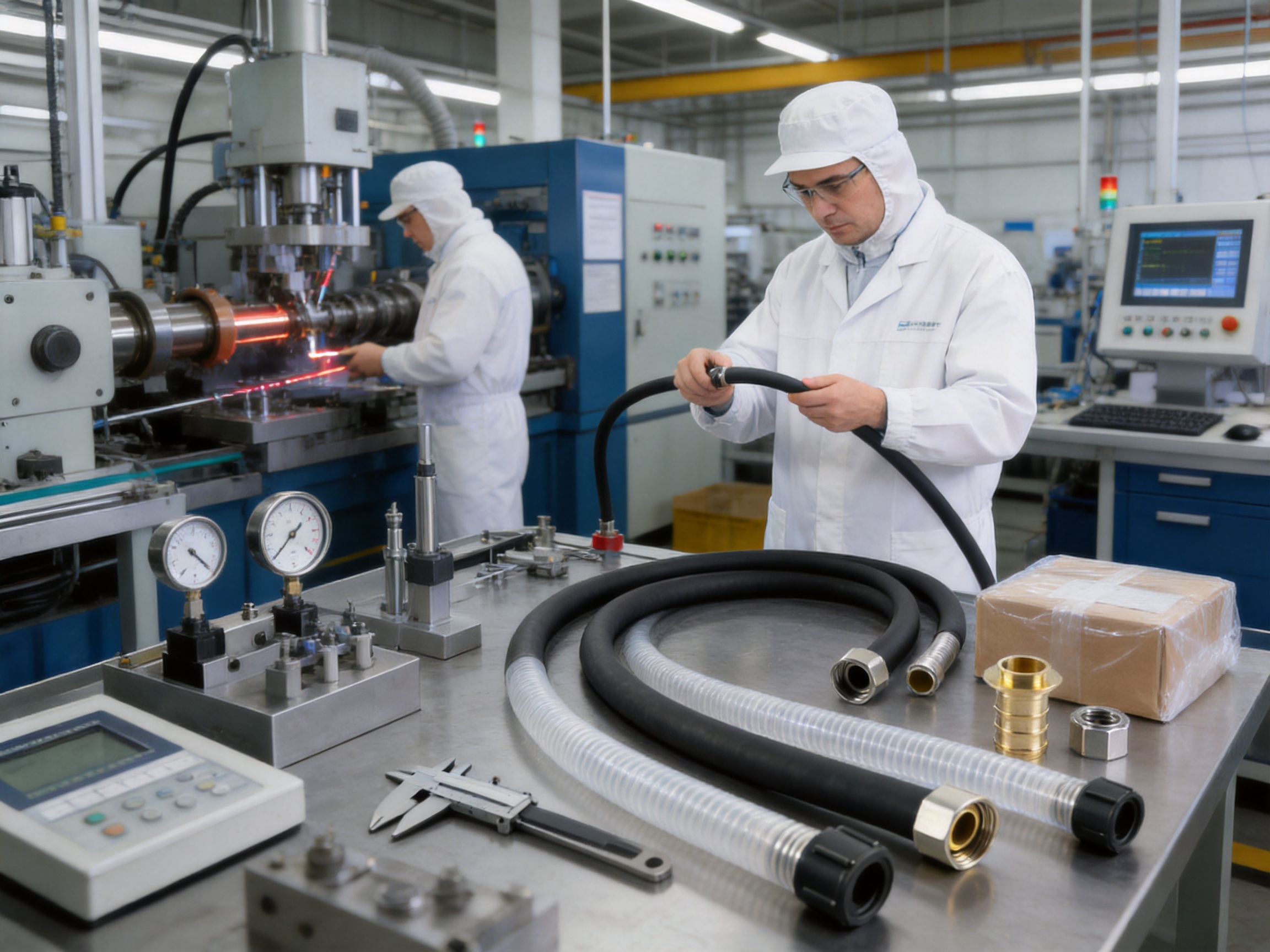
Reliable plumbing systems depend on more than the visible outer pipe or connection fitting. The inner liner, inner tube, or water-carrying layer must remain stable while exposed to moisture, temperature changes, pressure fluctuations, installation movement, and long-term environmental conditions. Ethylene-Propylene-Diene Monomer, commonly known as EPDM, is widely selected for these demanding duties because it combines weather resistance, ozone resistance, aging resistance, and strong resistance to water and hot moisture.
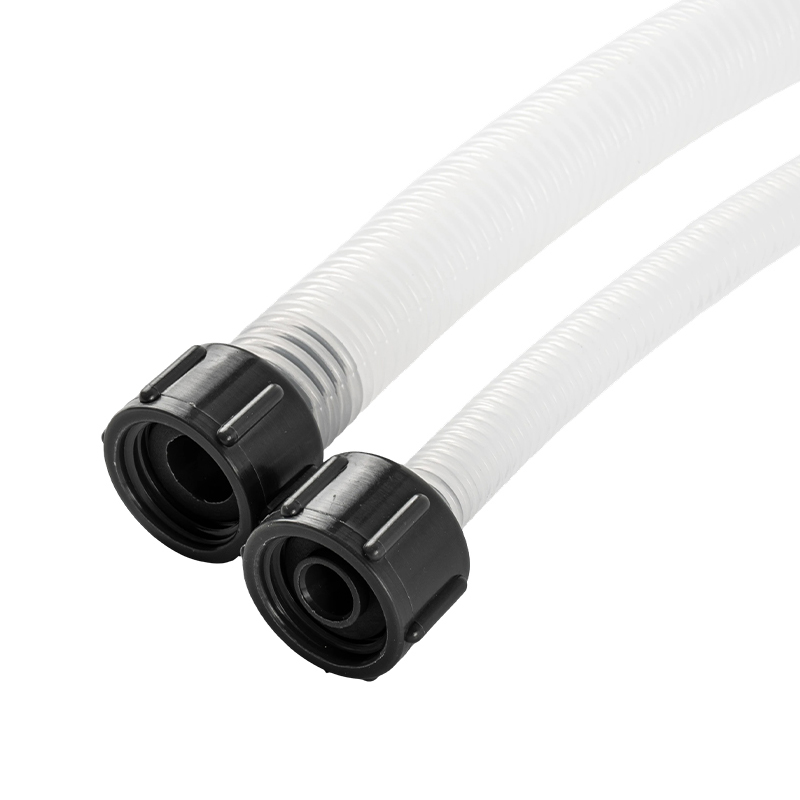
EPDM plumbing pipe is designed for applications in which a flexible, durable, and water-compatible inner layer is required. It can be used as an inner liner or inner pipe within plumbing assemblies, flexible water connections, metal hose systems, building services, heating installations, and related fluid-handling equipment. When properly designed and manufactured, the EPDM layer helps maintain system integrity while supporting reliable operation over an extended service life.
This article examines the performance characteristics, application value, manufacturing strengths, quality controls, and selection considerations associated with EPDM plumbing pipe. It also explains why a professionally manufactured EPDM liner can provide advantages over less suitable elastomeric materials and how advanced production capabilities contribute to consistent product performance.
Understanding EPDM Plumbing Pipe
EPDM is a synthetic elastomer produced from ethylene, propylene, and a diene component. The diene provides the chemical structure needed for vulcanization, allowing the material to develop useful elasticity, strength, and dimensional stability. Unlike many general-purpose rubber materials, EPDM is particularly well suited to outdoor environments, water service, humid conditions, and applications involving hot moisture.
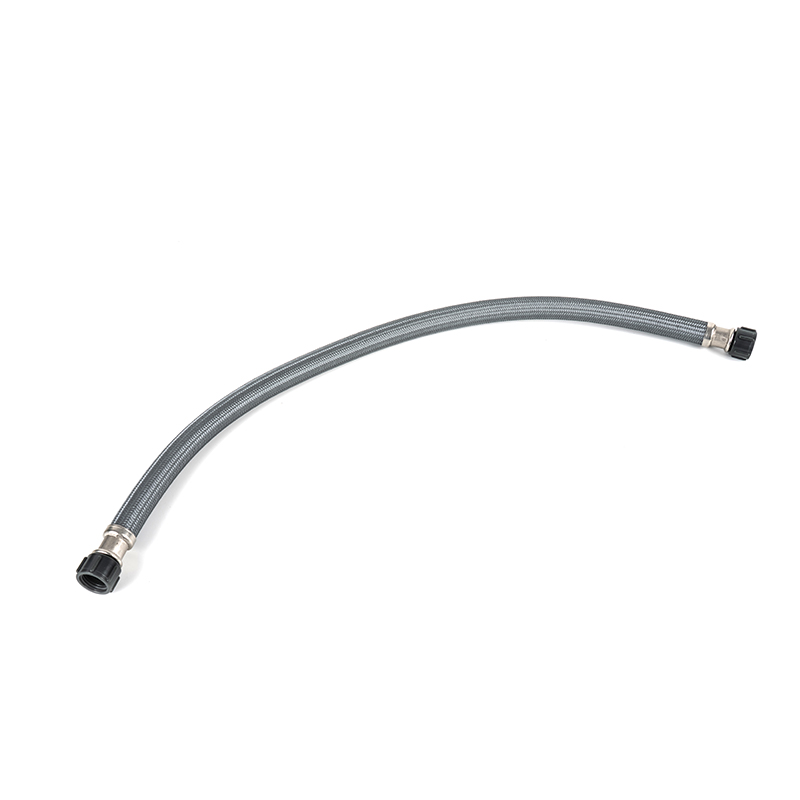
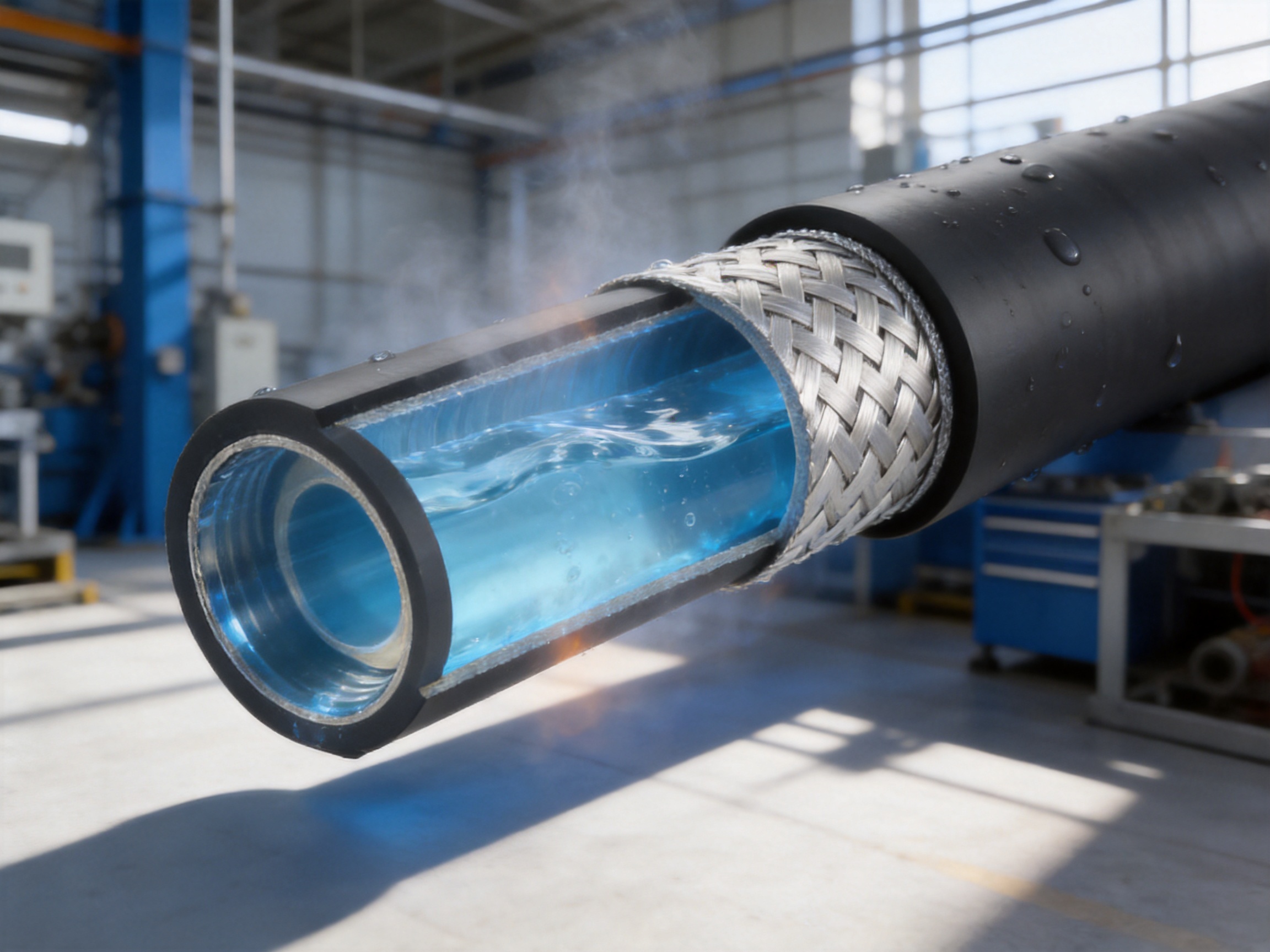
In a plumbing assembly, an EPDM pipe may function as the primary water-carrying tube or as an inner liner protected by an outer layer. The outer construction may include braided metal, corrugated stainless steel, a protective sleeve, or another supporting structure, depending on the design requirements. The EPDM component provides the flexible fluid-contact surface, while the surrounding construction can contribute mechanical protection, pressure resistance, and connection stability.
The material is especially valuable where a water liner must remain flexible without rapidly deteriorating. Plumbing systems are often installed in restricted spaces, around corners, near appliances, or between components that experience small movements. A rigid tube may require additional elbows, joints, and supports. A flexible EPDM liner can simplify routing and help absorb minor movement, reducing installation complexity.
EPDM plumbing pipe is not a universal solution for every fluid or temperature condition. Material selection must consider the chemical composition of the fluid, operating temperature, pressure, connection method, and applicable technical requirements. However, for many water-related and humid-service applications, EPDM offers a highly balanced combination of flexibility, durability, and environmental resistance.
Core Material Properties
Resistance to Weather and Outdoor Exposure
Plumbing components may be exposed to sunlight, changing temperatures, rain, humidity, airborne pollutants, and seasonal weather conditions. EPDM is recognized for its strong weather resistance, making it suitable for installations in equipment rooms, building service areas, outdoor utility zones, and other locations where environmental exposure is possible.
Weather-resistant performance helps the liner retain its mechanical properties over time. A material that becomes brittle, cracked, or excessively hard after repeated environmental exposure can compromise sealing and flow-system reliability. EPDM helps reduce this risk when it is correctly formulated, vulcanized, and used within its intended service range.
Ozone Resistance
Ozone can attack certain rubber materials and cause surface cracking, especially when the material is stretched or exposed to outdoor air for extended periods. This type of degradation may begin as fine cracks and eventually affect flexibility or sealing performance. EPDM has strong resistance to ozone-related deterioration, which is one of the reasons it is widely considered for long-term water and building-service applications.
Ozone resistance is particularly useful for flexible liners because movement and bending can place the material under repeated strain. An elastomer that resists ozone cracking is better positioned to preserve its surface integrity during service.
Resistance to Aging
Aging resistance refers to the ability of a material to maintain useful performance after prolonged exposure to heat, oxygen, moisture, and environmental stress. EPDM is valued for its ability to retain flexibility and structural integrity over time when used in suitable conditions.
Improved aging resistance can lower the frequency of replacement and reduce maintenance interruptions. This is important in residential plumbing, commercial buildings, heating systems, industrial HVAC equipment, and other installations where access may be difficult or downtime may be costly.
Resistance to Water and Hot Moisture
The primary functional advantage of an EPDM plumbing pipe is its compatibility with water and humid service. EPDM can perform effectively in water-related applications and is also resistant to hot moisture under suitable operating conditions. This makes it useful for water liners, plumbing connections, heating-related pipe assemblies, and equipment exposed to condensation or elevated humidity.
Resistance to hot moisture is different from unlimited high-temperature resistance. The actual operating limit depends on the EPDM formulation, wall thickness, pressure, duration of exposure, fluid quality, and connection design. For this reason, project engineers should confirm the required temperature and pressure range before final selection.
Advantages Over Less Suitable Competitive Materials
Material comparison should always be based on the intended service conditions. EPDM does not replace every other elastomer or every rigid pipe material. Nevertheless, it offers several advantages when the application involves water, weather exposure, ozone, humidity, and repeated flexing.
Compared with General-Purpose Natural Rubber
Natural rubber can provide good elasticity and tensile strength, but it may be less suitable for long-term outdoor exposure, ozone, and certain hot-water environments. Prolonged exposure may accelerate cracking, hardening, or loss of flexibility. EPDM generally provides a stronger balance of environmental resistance for water and building-service applications.
Where a liner is expected to remain in service for many years, the improved weathering and ozone resistance of EPDM can provide a meaningful lifecycle advantage. This may translate into fewer service interventions and greater confidence in long-term sealing performance.
Compared with Some General-Purpose Synthetic Rubbers
Some synthetic rubbers are designed primarily for oil resistance, abrasion resistance, or general industrial use. They may perform well in their intended fields but may not offer the same level of resistance to weather, ozone, and hot moisture as EPDM. Selecting a material based only on general flexibility can lead to premature deterioration if the actual service environment includes outdoor exposure or warm water.
EPDM is particularly competitive when the main challenge is environmental aging rather than continuous exposure to petroleum oils or hydrocarbon-based fluids. The correct choice must still be confirmed through compatibility evaluation.
Compared with PVC-Based Flexible Tubing
Flexible PVC tubing is used in many water and low-pressure applications, but its flexibility and performance can change significantly with temperature. Some PVC formulations may harden in cold conditions or soften under elevated temperatures. Plasticizer migration and long-term environmental exposure can also affect product behavior depending on the formulation.
EPDM provides elastomeric flexibility and good resistance to weathering, ozone, and hot moisture. It can therefore be advantageous in installations where temperature cycling, outdoor exposure, and repeated movement are important considerations.
Compared with Silicone in Water-Service Applications
Silicone rubber offers excellent temperature stability and flexibility in many applications. However, it may not always provide the same balance of mechanical strength, abrasion resistance, or cost efficiency required for a plumbing liner. EPDM is often considered a practical alternative when the application centers on water, humidity, weather, and durable everyday service rather than extreme temperature requirements.
Compared with Rigid Metal Tubes
Metal tubes provide strength and dimensional stability, but rigid sections may require more fittings and careful alignment. They can also transmit vibration and may be more difficult to route in compact spaces. An EPDM liner, especially when incorporated into a reinforced flexible assembly, can accommodate movement and simplify installation.
A flexible EPDM construction may also reduce the number of connection points required in a routed system. Fewer joints can help reduce potential leakage locations, although all end connections must still be designed, assembled, and tested correctly.
| Comparison Factor | EPDM Plumbing Pipe | Rigid Metal Tube | General-Purpose Rubber | Flexible PVC |
|---|---|---|---|---|
| Water compatibility | Strong suitability for many water applications | Generally strong, depending on metal and water chemistry | Formulation dependent | Suitable for selected service conditions |
| Weather resistance | Strong | Depends on alloy and surface protection | Often more limited | Depends on formulation and stabilizers |
| Ozone resistance | Strong | Not normally an elastomer concern | May be limited | Formulation dependent |
| Flexibility | High | Low unless specially formed | Generally high | High, with temperature-dependent behavior |
| Resistance to hot moisture | Strong within the specified operating range | Usually strong, subject to corrosion considerations | Material dependent | Application dependent |
| Typical installation benefit | Flexible routing and movement accommodation | Stable support and high rigidity | Flexible routing | Flexible routing at selected pressures and temperatures |
Application Areas
Plumbing and Water Supply Systems
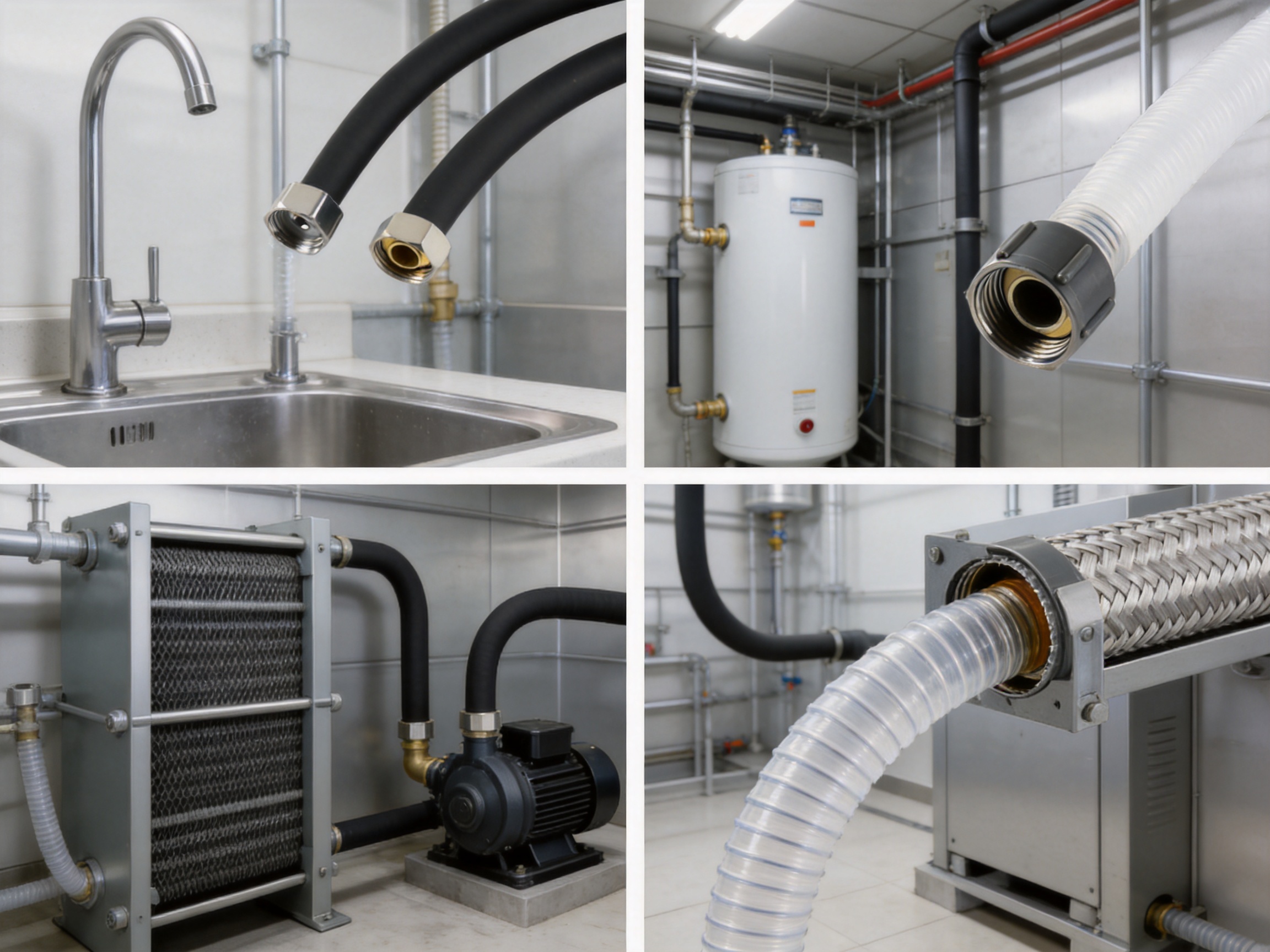
EPDM plumbing pipe can serve as a water liner in flexible supply assemblies, connection pipes, and plumbing components. Its flexibility is useful where pipes must pass around obstacles or connect equipment that may shift slightly during operation.
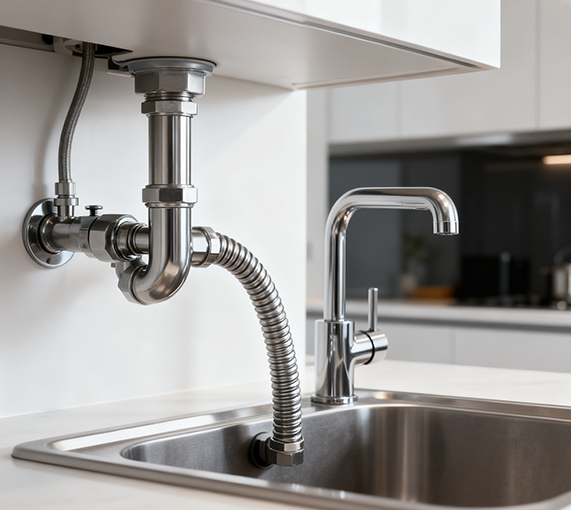
Residential plumbing may use flexible water connections beneath sinks, behind appliances, near water heaters, or in other locations where installation space is limited. Commercial plumbing systems can also benefit from flexible liners in equipment connections, maintenance areas, and modular building-service installations.
Heating and Building Service Systems
Building heating systems often include pumps, valves, heat exchangers, boilers, and other equipment that can create vibration or thermal movement. A flexible EPDM water liner may help form a connection between fixed pipework and equipment, provided that the material and assembly are rated for the system temperature, pressure, and fluid conditions.
In building-service applications, long-term aging resistance is important because pipes may remain concealed behind panels, within service shafts, or above ceilings. A durable liner can support dependable operation and reduce the likelihood of premature replacement.
Industrial HVAC and Mechanical Equipment
Industrial HVAC systems require connections that can accommodate equipment vibration, installation tolerances, and periodic thermal changes. EPDM plumbing pipe can be incorporated into suitable flexible assemblies for water circuits, condensate-related components, and other compatible services.
System designers should distinguish between water service and chemical service. If the fluid contains oils, solvents, aggressive additives, or unusual treatment chemicals, compatibility must be confirmed before EPDM is selected.
Healthcare and Facility Applications
Healthcare facilities and institutional buildings place a high value on hygiene, reliability, maintainability, and controlled installation practices. EPDM liners may be used in compatible water and equipment connection applications where the product construction, cleanliness, and regulatory requirements are appropriate.
Healthcare projects may require additional documentation, special material grades, traceability, or testing. The liner should therefore be selected as part of a complete approved assembly rather than evaluated only by its basic elastomer designation.
Metal Hose and Compensator Assemblies
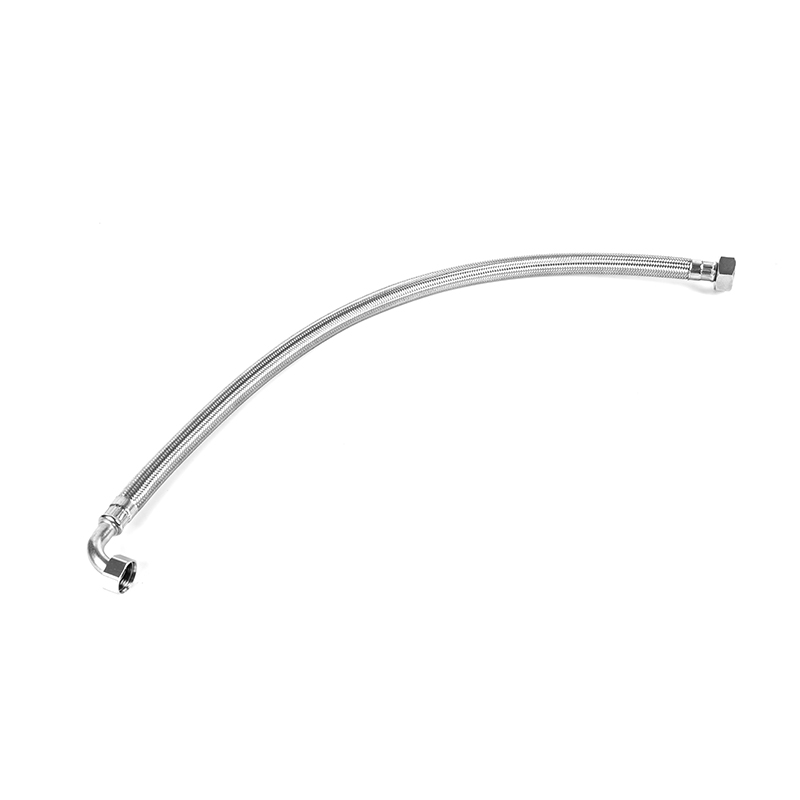
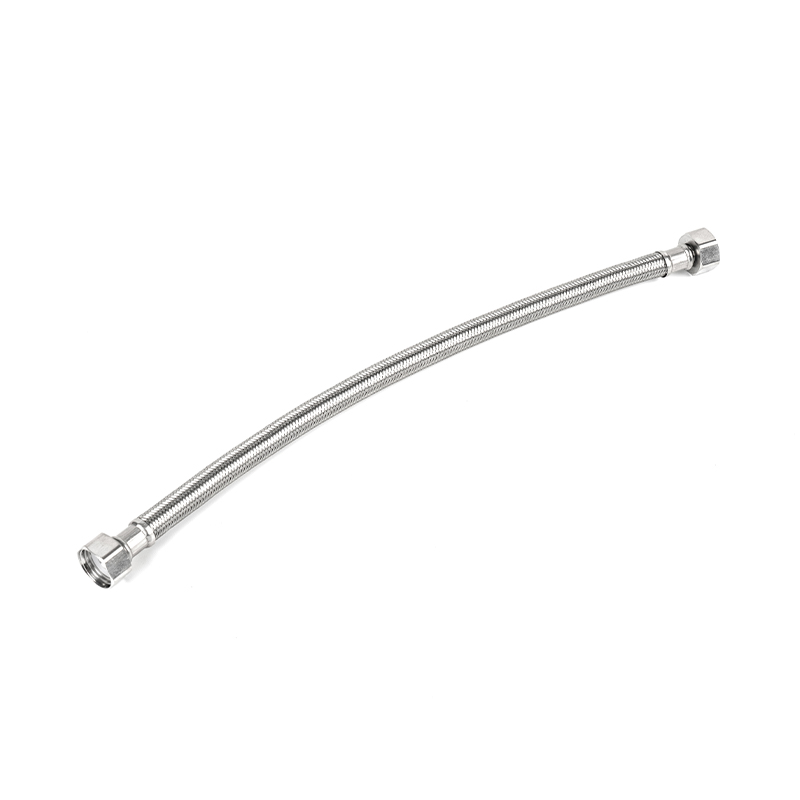
Flexible metal hoses and compensators are often used to absorb vibration, thermal expansion, installation offset, or movement between connected components. In certain constructions, an EPDM inner liner can complement a metal outer layer by providing a water-compatible fluid-contact surface.
The metal structure may supply mechanical support, while the EPDM liner contributes flexibility and fluid separation. The final performance depends on the interaction among the liner, braid, corrugated tube, end fittings, welds, crimping, and assembly method. Each part must be designed as a coordinated system.
When used with a metal hose or compensator, the EPDM liner may also help protect the transported water from direct contact with the metal layer. This can be useful when fluid compatibility, corrosion control, or internal cleanliness is important.
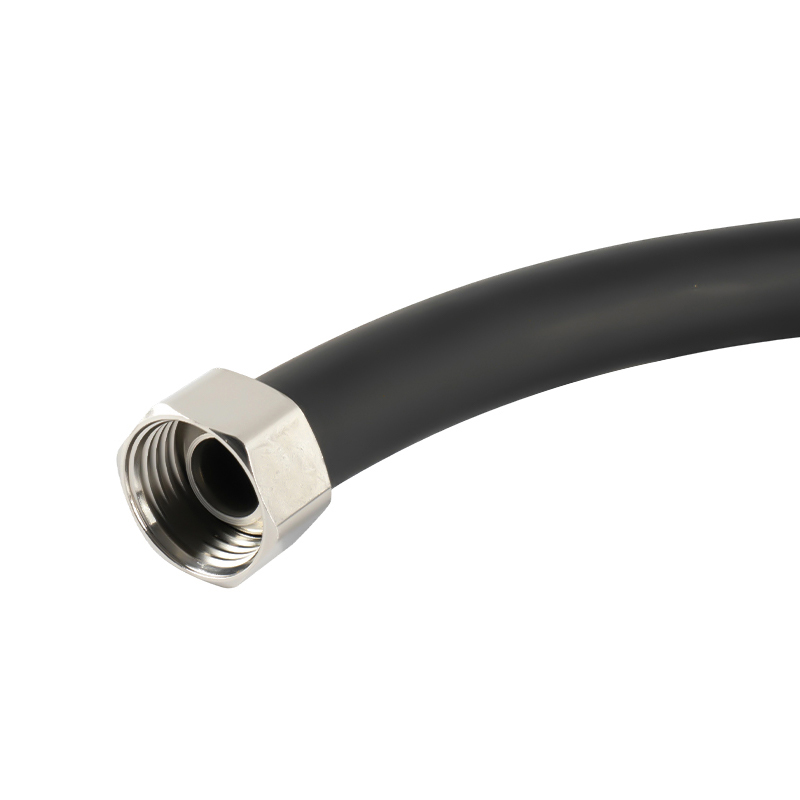
EPDM Plumbing Pipe
Manufacturing Strengths and Process Capability
The performance of an EPDM plumbing pipe depends on more than the raw rubber compound. Compound formulation, mixing, extrusion, curing, dimensional control, end preparation, assembly, and testing all influence the finished product. A manufacturer with integrated engineering and production capabilities can control these stages more effectively than a supplier that relies on disconnected processes.
Haoyin (Ningbo) Bellows Technology Co., Ltd. specializes in stainless steel bellows and flexible connection solutions for gas, plumbing, heating, healthcare, building heating, industrial HVAC, and related fields. Its product range includes gas connectors, plumbing pipes and water liners, metal hoses, and compensators. This product focus provides useful experience in designing flexible assemblies in which an inner liner must work together with an outer protective or reinforcing structure.
Research, Development, and Design
Engineering begins with understanding the operating environment. A suitable EPDM plumbing pipe must be designed according to service fluid, temperature, pressure, flexibility requirements, installation space, connection style, and expected movement. A professional development process considers the complete assembly rather than treating the inner liner as an isolated component.
Design work may include the selection of liner geometry, wall thickness, bending radius, reinforcement method, end configuration, and connection interface. It may also include evaluation of the liner’s interaction with corrugated stainless steel tubing, braided layers, fittings, clamps, or other assembly components.
An experienced technical team can help identify potential failure modes before production begins. These may include excessive bending, liner collapse, end separation, fitting leakage, thermal fatigue, abrasion, or incompatibility with the service fluid. Early design review improves manufacturing consistency and reduces the risk of costly field problems.
Material Preparation and Compound Control
Raw material control is a fundamental part of elastomer manufacturing. The EPDM compound must be prepared with appropriate polymers, fillers, curing agents, stabilizers, and processing additives. The exact formulation should be selected for the required balance of flexibility, strength, water resistance, temperature performance, and aging behavior.
Accurate weighing and controlled mixing help achieve uniform compound properties. Inconsistent dispersion can create weak areas, surface defects, or variations in hardness and elasticity. A controlled production environment also helps reduce contamination and preserve batch-to-batch consistency.
Material identification and traceability are important for quality management. By connecting compound batches to production records and test results, a manufacturer can investigate deviations more effectively and provide customers with more reliable technical support.
Forming and Extrusion
For a tubular EPDM product, forming and extrusion must produce a continuous, uniform inner passage and stable wall thickness. Process parameters such as temperature, extrusion speed, die condition, pressure, and cooling influence the final dimensions and surface quality.
A well-controlled extrusion process helps prevent irregular wall thickness, surface tearing, air entrapment, ovality, and dimensional instability. These factors matter because a liner that is too thin may lack sufficient durability, while a liner that is too thick may reduce flexibility or interfere with assembly.
Dimensional control is also essential at the ends of the pipe. The internal diameter and external diameter must be compatible with the specified fittings, reinforcement layers, clamps, or connection components. Consistency makes assembly more predictable and helps reduce installation-related leakage.
Vulcanization and Curing
Vulcanization transforms the processed EPDM compound into an elastic, stable material. During curing, cross-links develop within the polymer structure, improving strength, resilience, and resistance to permanent deformation. Inadequate curing may result in poor mechanical performance, while excessive curing may reduce flexibility or create undesirable brittleness.
Temperature, time, pressure, and production speed must therefore be managed carefully. Consistent curing supports reliable hardness, tensile properties, elongation, compression behavior, and long-term performance. The appropriate curing window depends on the compound and product geometry.
Professional production control also considers the transition between the uncured compound and the finished pipe. Cooling, handling, storage, and subsequent assembly must be managed so that the cured liner is not distorted, stretched, contaminated, or damaged.
Integration with Metal and Flexible Assemblies
Because the manufacturer also develops stainless steel bellows, metal hoses, and compensators, it can evaluate the relationship between EPDM liners and flexible metal structures. This integrated perspective is valuable in assemblies where the liner must maintain position and function while the outer structure bends or absorbs movement.
Important design considerations include clearance between the liner and the metal tube, support at the fitting ends, resistance to abrasion during movement, prevention of liner kinking, and compatibility between the liner and connection process. The objective is to create a balanced assembly in which each layer performs its intended function without causing excessive stress in another layer.
Advanced equipment, including laser welding machines, CNC forming machines, COSMO equipment, eddy current flaw detectors, and automatic packaging systems, supports the company’s broader manufacturing capabilities. While different machines serve different product stages, the overall equipment base helps establish controlled and repeatable production for flexible connection products.
Inspection and Performance Testing
Quality inspection should begin with incoming materials and continue through production and final release. Typical control activities may include visual inspection, dimensional measurement, hardness evaluation, tensile and elongation testing, pressure testing, leakage testing, and checks of finished assembly appearance.
For assemblies containing metal components, weld quality and structural integrity are also important. Eddy current flaw detection can support the identification of certain discontinuities in suitable conductive metal components. Laser welding and CNC forming can contribute to precise fabrication when their process parameters are properly controlled.
Testing should be selected according to the product’s actual use. A water liner may require pressure and leakage verification, while a compensator may additionally require movement, fatigue, or displacement evaluation. The purpose of testing is not only to demonstrate compliance but also to identify process variation before products reach the installation site.
Automated Packaging and Product Protection
Packaging is often overlooked, but it protects the finished product during storage and transportation. EPDM liners should be protected from sharp objects, excessive compression, contamination, and unnecessary exposure to harmful environmental conditions. Automatic packaging systems can improve consistency in labeling, quantity control, and product protection.
Good packaging practices also help preserve traceability. Product labels can identify specifications, production information, batch references, or customer requirements. Clear identification reduces confusion during warehouse handling and installation.
Quality Management and Corporate Capability
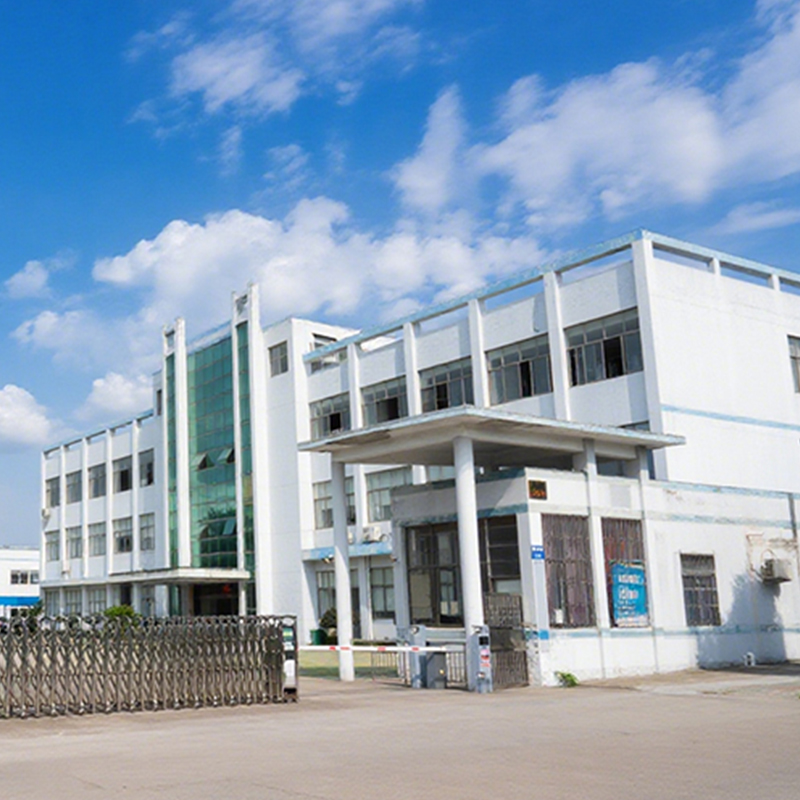
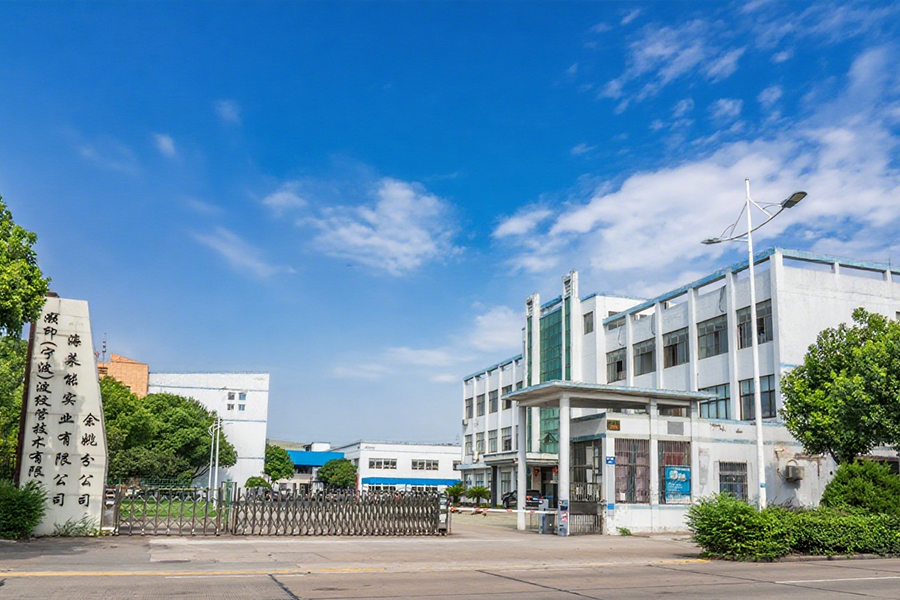
Haoyin (Ningbo) Bellows Technology Co., Ltd. operates standardized workshops covering approximately 18,000 square meters on a site of about 35 mu. The company has obtained ISO9001, ISO14001, ISO45001, and other management system certifications. These certifications reflect established approaches to quality management, environmental management, and occupational health and safety.
A management system does not replace product-specific testing, but it provides a framework for documenting responsibilities, controlling processes, managing corrective actions, and improving production. For flexible plumbing products, this structure is important because performance depends on many interconnected details rather than one single raw material property.
The company is also identified as a National High-tech Enterprise and Green Factory. These designations support its stated focus on technical development, manufacturing capability, environmental responsibility, and continuous improvement. The philosophy of “Striving for Excellence, Forging Quality” is reflected in a full-process quality approach covering raw material selection, structural design, manufacturing, performance testing, and after-sales support.
For customers, this type of integrated capability can provide several practical benefits. It can simplify communication between design and production teams, improve customization support, shorten the path from technical inquiry to sample development, and provide more consistent service for complete flexible connection assemblies.
Installation and Service Considerations
Even a high-quality EPDM plumbing pipe can fail if it is incorrectly installed. The pipe should be routed according to its specified minimum bend radius and should not be twisted, sharply kinked, crushed, or stretched beyond its design limits. Bending should be distributed along the intended flexible section rather than concentrated at the fitting.
Connection surfaces must be clean and free from burrs, sharp edges, excessive lubricant, or foreign particles that could damage the liner or affect sealing. Fittings should be tightened according to the applicable assembly instructions. Over-tightening may deform the liner or fitting, while insufficient tightening may cause leakage.
The pipe should be supported where necessary, especially in long or vibration-prone installations. It should not carry loads for which it was not designed. Contact with abrasive surfaces, hot external components, sharp corners, or incompatible chemicals should be avoided.
Before commissioning, the completed installation should be inspected and pressure-tested according to the applicable project requirements. Any leakage, unusual deformation, or abnormal movement should be addressed before the system is placed into regular service.
During maintenance, installers should inspect the liner and surrounding assembly for cracking, swelling, abrasion, flattening, fitting corrosion, loose connections, or visible damage. The inspection interval depends on the application, environmental conditions, operating temperature, and consequences of failure.
How to Select the Correct EPDM Plumbing Pipe
Confirm the Fluid
Water compatibility is a major strength of EPDM, but the exact fluid should still be identified. Drinking water, hot water, treated water, glycol mixtures, condensate, and process water may have different requirements. Additives and cleaning chemicals can affect elastomer compatibility.
Confirm Temperature and Pressure
The expected minimum and maximum temperature should be established, including short-term peaks and thermal cycling. Pressure should be considered together with temperature because an elastomer’s mechanical behavior can change as temperature rises. Pressure surges and pump-induced pulsation should also be evaluated where relevant.
Evaluate Movement and Flexibility
Determine whether the pipe must absorb vibration, compensate for installation offset, accommodate thermal movement, or support frequent repositioning. The bending radius, movement amplitude, cycle frequency, and available space all influence the required construction.
Check Fittings and Assembly Method
The liner must match the selected end fittings and assembly process. Inner diameter, outer diameter, wall thickness, insertion depth, retention method, and sealing geometry should be compatible. If the EPDM liner is incorporated into a metal hose, the interaction among all layers must be verified.
Consider Compliance and Documentation
Projects involving potable water, healthcare, public buildings, or regulated industries may require specific material approvals, test reports, traceability, or customer documentation. These requirements should be identified before production rather than after delivery.
| Selection Item | Questions to Confirm | Why It Matters |
|---|---|---|
| Fluid | What liquid or moisture is transported? | Determines material compatibility and service suitability |
| Temperature | What are the continuous and peak temperatures? | Influences flexibility, pressure capability, and aging |
| Pressure | What are the working, surge, and test pressures? | Determines wall design and assembly requirements |
| Movement | Will the pipe bend, vibrate, or experience thermal movement? | Guides flexibility, reinforcement, and bend-radius selection |
| Connection | Which fittings and sealing methods will be used? | Prevents leakage and assembly incompatibility |
| Environment | Will the product face sunlight, ozone, humidity, chemicals, or abrasion? | Supports correct material and protective design selection |
| Documentation | Are certifications, test reports, or traceability required? | Ensures project and regulatory compliance |
Why Manufacturing Integration Matters
Many plumbing failures occur at interfaces rather than in the middle of a tube. A liner may have suitable rubber properties, but the final product can still underperform if it is poorly fitted, incorrectly crimped, inadequately supported, or damaged during assembly. This is why manufacturing integration is an important advantage.
A supplier that understands the liner, metal hose, bellows, compensator, and fitting as parts of one system can make more informed decisions about dimensions and tolerances. It can also evaluate how manufacturing variation in one component affects the performance of the complete assembly.
Integrated production encourages earlier communication between research and development, process engineering, quality control, and customer service. This is especially valuable when a customer requires a customized length, connection, bend geometry, reinforcement structure, or packaging format.
For international customers, integrated manufacturing can also simplify sourcing. Instead of coordinating several suppliers for a liner, metal hose, fitting, and compensator, a customer may obtain coordinated products and technical support from one specialized enterprise.
Environmental and Operational Value
A durable EPDM plumbing pipe can contribute to lower lifecycle impact by reducing premature replacement, material waste, and maintenance-related transportation. Longer service intervals are particularly valuable in large commercial buildings, industrial plants, and concealed plumbing networks.
The environmental benefit depends on responsible material selection, efficient production, proper installation, and end-of-life handling. ISO14001-based environmental management provides a framework for identifying and controlling environmental aspects associated with manufacturing operations.
Energy and resource efficiency may also improve when flexible connections simplify installation. A pipe that can be routed directly around an obstacle may reduce the number of fittings, supports, cutting operations, and installation steps required. Fewer components can lower labor demand and reduce potential leakage points.
These benefits should be considered together with proper maintenance. A flexible liner should not be selected only because it is easy to install. Its full lifecycle performance must be evaluated in relation to service conditions, inspection access, replacement requirements, and system safety.
Performance Reliability in Competitive Applications
In a competitive market, product value is determined by more than purchase price. A lower-cost liner may appear attractive initially but create additional costs through leakage, frequent replacement, difficult installation, or inconsistent dimensional quality. A well-manufactured EPDM plumbing pipe can provide stronger total value by combining reliable material behavior with controlled production and technical support.
The main competitive advantages of this product type include strong resistance to weather, ozone, aging, water, and hot moisture; flexible routing; compatibility with many plumbing and heating assemblies; and the ability to work as part of a reinforced metal hose or compensator system.
The manufacturing advantages include professional research and development, standardized workshops, modern forming and welding equipment, quality management certifications, inspection capabilities, and experience with complete flexible connection solutions. Together, these strengths support stable production and more dependable application results.
Customers should nevertheless evaluate products using objective criteria. They should request appropriate technical data, confirm service conditions, review test methods, and verify connection compatibility. Product quality is strongest when the manufacturer and customer define the application requirements clearly before production.
Q&A
What is an EPDM plumbing pipe?
An EPDM plumbing pipe is a flexible pipe or inner liner made from ethylene-propylene-diene monomer rubber. It is designed for compatible water, humid, plumbing, heating, and flexible connection applications.
What are the main properties of EPDM?
The main properties highlighted for this product are weather resistance, ozone resistance, aging resistance, and resistance to water and hot moisture. EPDM also provides useful flexibility for routed plumbing and connection assemblies.
Can EPDM be used for hot water?
EPDM can be suitable for hot-water and hot-moisture applications within the specified temperature, pressure, and formulation limits. The exact operating range should be confirmed with the manufacturer for the intended service conditions.
Is EPDM suitable for outdoor plumbing?
EPDM is well suited to many outdoor or environmentally exposed applications because it has strong resistance to weather and ozone. The complete assembly should still be protected from excessive mechanical damage, incompatible chemicals, and conditions beyond its design limits.
How does EPDM compare with rigid metal pipe?
EPDM provides greater flexibility and can simplify routing around obstacles or equipment connections. Rigid metal pipe may provide greater structural rigidity. In many systems, a flexible EPDM liner and a metal reinforcement layer are combined so that each material contributes its particular strengths.
Can EPDM be used in metal hose assemblies?
Yes, an EPDM liner can be incorporated into suitable metal hose or compensator assemblies. The liner, corrugated tube, braid, end fittings, and assembly method must be designed as a compatible system.
What should be checked before selecting the product?
The fluid, temperature, pressure, movement, bend radius, fittings, installation environment, regulatory requirements, and required documentation should all be confirmed. Chemical compatibility is especially important when the fluid contains additives or non-water substances.
How can installation problems be prevented?
Installers should follow the specified bend radius, avoid twisting and sharp kinks, keep sealing surfaces clean, use compatible fittings, prevent abrasion, provide suitable support, and conduct pressure and leakage checks before commissioning.
What manufacturing capabilities support product quality?
Relevant capabilities include research and development, controlled material preparation, forming and curing, CNC forming, laser welding, inspection equipment, eddy current flaw detection for suitable metal components, performance testing, and automatic packaging. A full-process quality system helps connect these activities.
Does the manufacturer provide more than EPDM liners?
The company’s product range includes gas connectors, plumbing pipes and water liners, metal hoses, and compensators. This broader portfolio supports coordinated flexible connection solutions for plumbing, heating, healthcare, building heating, industrial HVAC, and other applications.
Why is quality management important for a flexible plumbing product?
Quality depends on material consistency, dimensions, curing, fitting interfaces, assembly, and testing. A structured management system helps control these stages, document results, manage corrective actions, and support continuous improvement.
Can customized specifications be discussed?
Customized requirements should be discussed with the manufacturer’s technical team. Important information includes dimensions, length, connection type, operating conditions, movement, fluid, pressure, temperature, packaging, and required certifications or test reports.
Conclusion
EPDM plumbing pipe is a practical and durable solution for water liners, inner tubes, flexible plumbing connections, heating equipment, HVAC systems, and compatible metal hose or compensator assemblies. Its strong resistance to weather, ozone, aging, water, and hot moisture gives it a valuable performance profile for demanding service environments.
Its advantages are most meaningful when combined with professional design and controlled manufacturing. Material preparation, extrusion, vulcanization, dimensional inspection, assembly control, pressure testing, and protective packaging all contribute to the finished product’s reliability.
Haoyin (Ningbo) Bellows Technology Co., Ltd. brings together research and development, standardized workshops, certified management systems, flexible connection expertise, and advanced manufacturing equipment. Its experience with gas connectors, plumbing pipes and water liners, metal hoses, and compensators supports an integrated approach to product development and production.
For customers seeking a flexible inner liner for water-related applications, the correct EPDM plumbing pipe should be selected through a complete evaluation of fluid, temperature, pressure, movement, fittings, environment, and compliance needs. When these factors are properly matched, EPDM can help deliver a safe, efficient, durable, and maintainable flexible connection solution.
References
1. General technical literature on ethylene-propylene-diene monomer elastomer formulation, vulcanization, aging, and environmental resistance.
2. General engineering guidance on flexible hose design, minimum bend radius, pressure testing, and connection assembly.
3. International quality management principles associated with ISO 9001.
4. International environmental management principles associated with ISO 14001.
5. International occupational health and safety management principles associated with ISO 45001.
6. General standards and technical guidance for elastomeric tubing used in plumbing, water, heating, and HVAC applications.
7. Manufacturer technical information concerning flexible connection products, stainless steel bellows, gas connectors, plumbing pipes, water liners, metal hoses, and compensators.