



 English
  Español
  русский


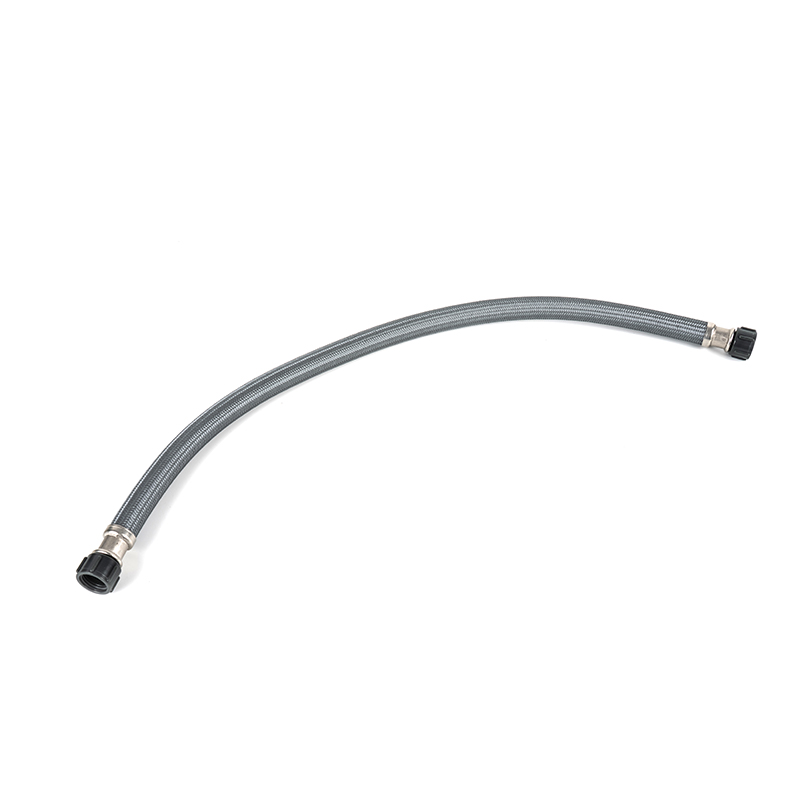
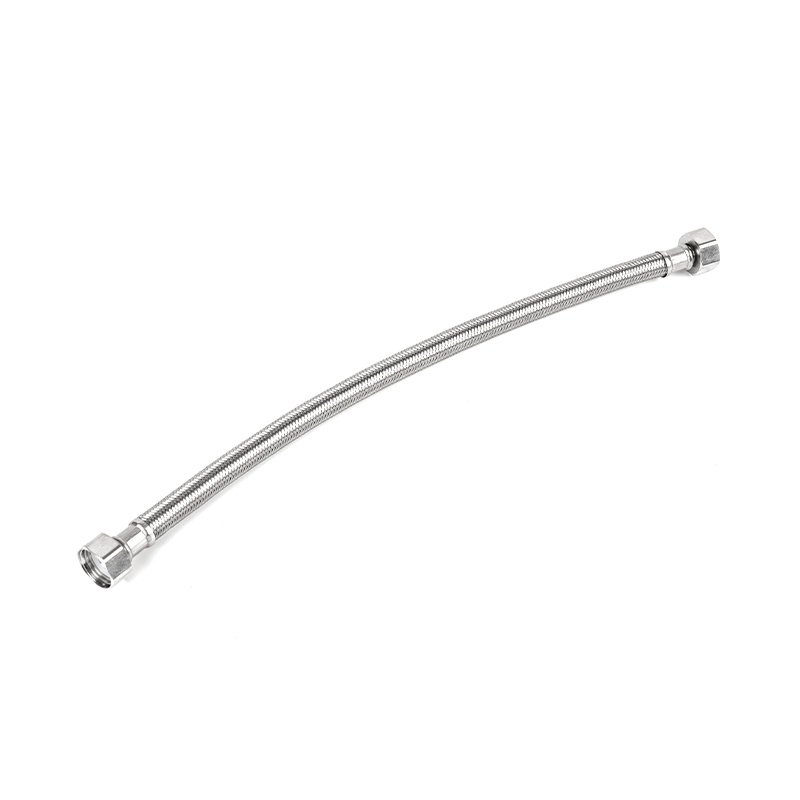
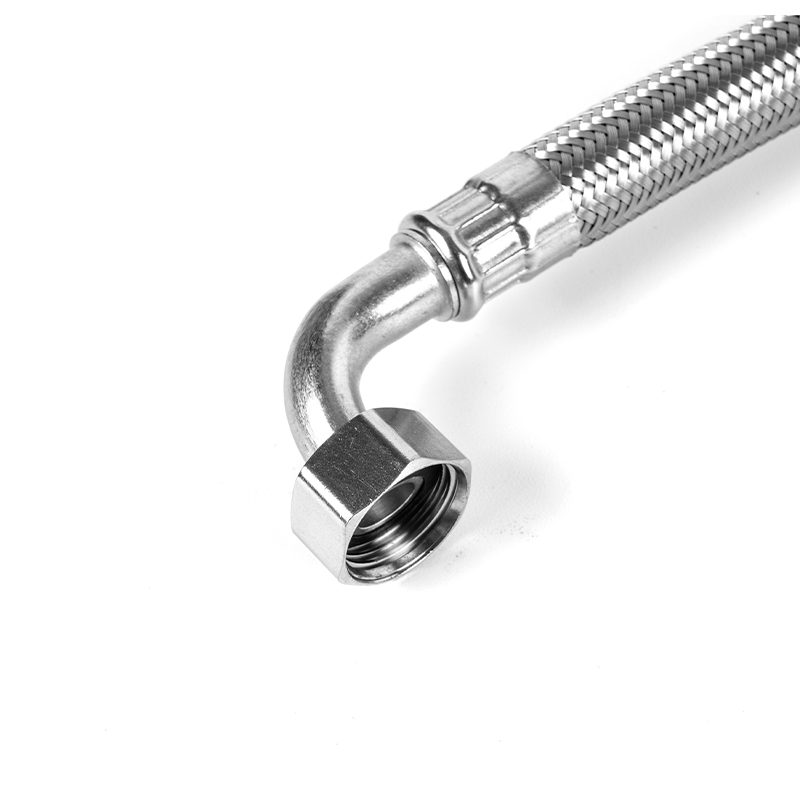
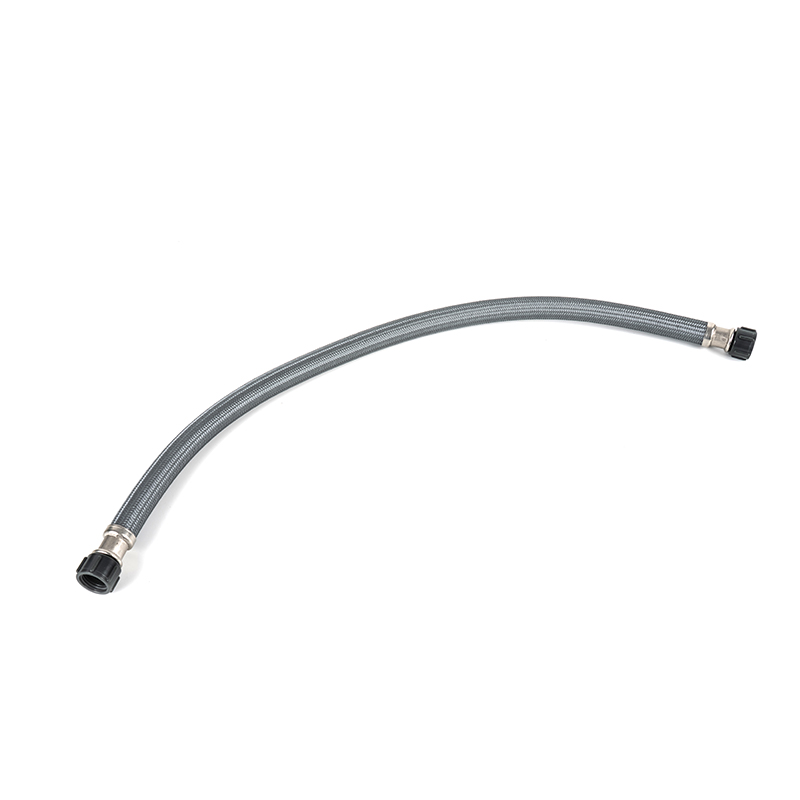
Flexible plumbing systems depend on more than the quality of the inner tube. The outer braid is a critical structural component that protects the flexible assembly, controls movement, improves pressure resistance, and contributes to long-term reliability. Flexible plumbing outer braid stainless steel wires are designed to provide this protective and reinforcing function in water pipes, plumbing liners, metal hoses, bellows assemblies, and other flexible connection products.
Made from corrosion-resistant stainless steel and processed through controlled forming, weaving, bending, and welding operations, these wires combine mechanical strength with flexibility and environmental durability. They are suitable for applications where a flexible pipe or hose must withstand pressure, vibration, repeated movement, temperature variation, moisture, and contact with potentially corrosive media.
Compared with ordinary steel wire, low-grade metal braid, or less carefully manufactured reinforcement materials, stainless steel outer braid wires offer a more balanced combination of strength, hygiene, appearance, processability, and service life. Their value is especially evident in plumbing, drinking-water-related equipment, heating systems, healthcare facilities, industrial HVAC installations, and other environments where safety and durability are essential.
Understanding the Role of an Outer Braid in Flexible Plumbing Products
A flexible pipe or hose typically includes several functional layers. The inner tube provides the flow channel and direct contact with the transported medium. The outer braid surrounds the tube and supplies mechanical reinforcement. Additional fittings, sleeves, coatings, or protective layers may be added according to the design requirements.
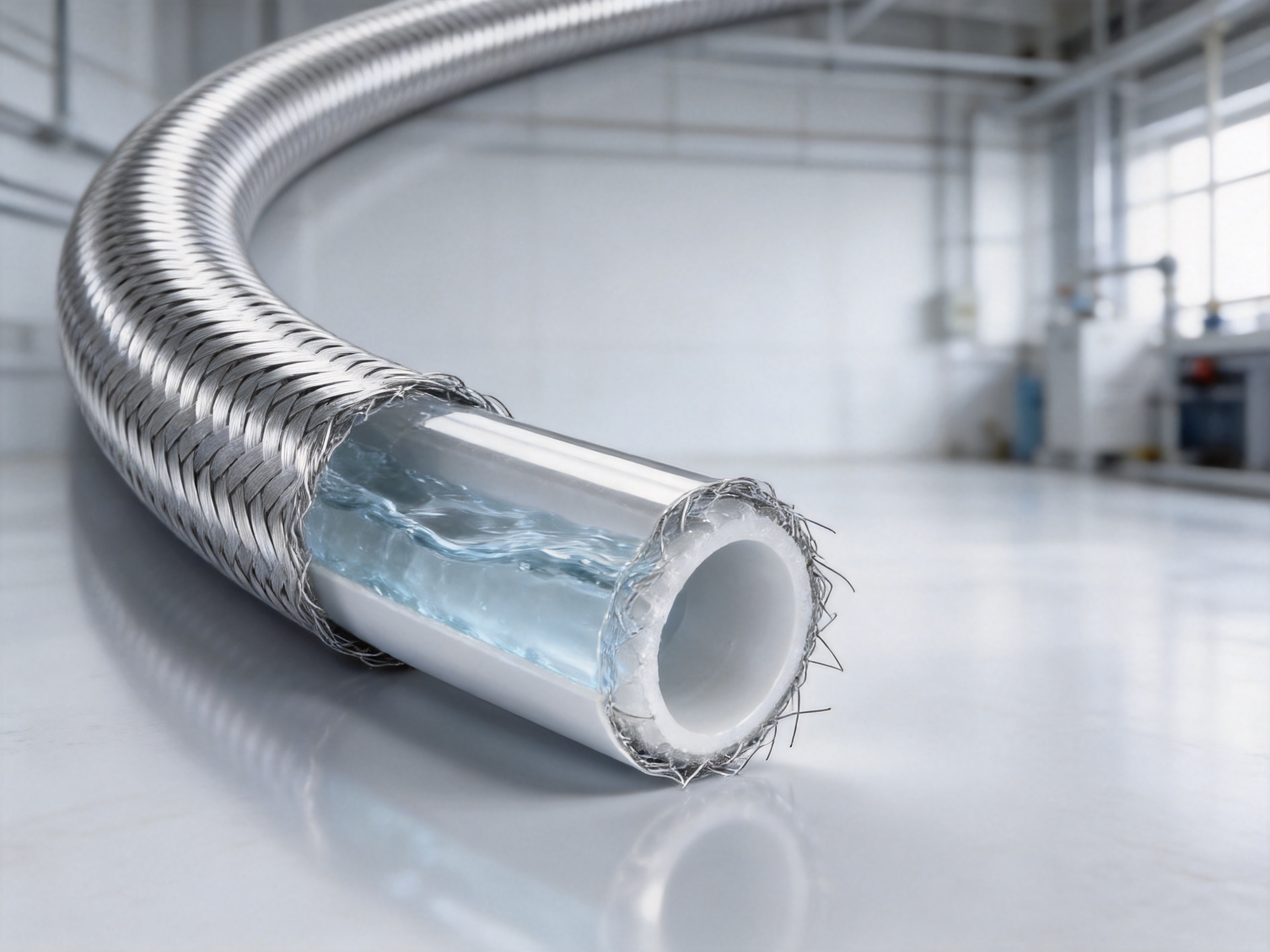
The outer braid is not simply an exterior covering. It is an engineered load-bearing structure. When the internal pressure of a hose increases, the inner tube tends to expand. The braid restricts excessive expansion and helps maintain the intended shape of the assembly. At the same time, it allows the hose to bend without losing its structural integrity.
In a plumbing connection, the outer braid can also help protect the inner tube from abrasion, accidental impact, localized deformation, and repeated bending. In building services, flexible braided connectors are frequently installed in locations where rigid pipes would be difficult to align or where equipment movement and vibration must be isolated. A reliable braid allows the connection to accommodate these conditions more safely.
The performance of the finished product depends on wire diameter, material quality, surface condition, tensile strength, weaving pattern, braid density, installation design, and compatibility with the inner tube and fittings. For this reason, the production of stainless steel braid wire requires careful control from raw material selection through final inspection.
Product Overview
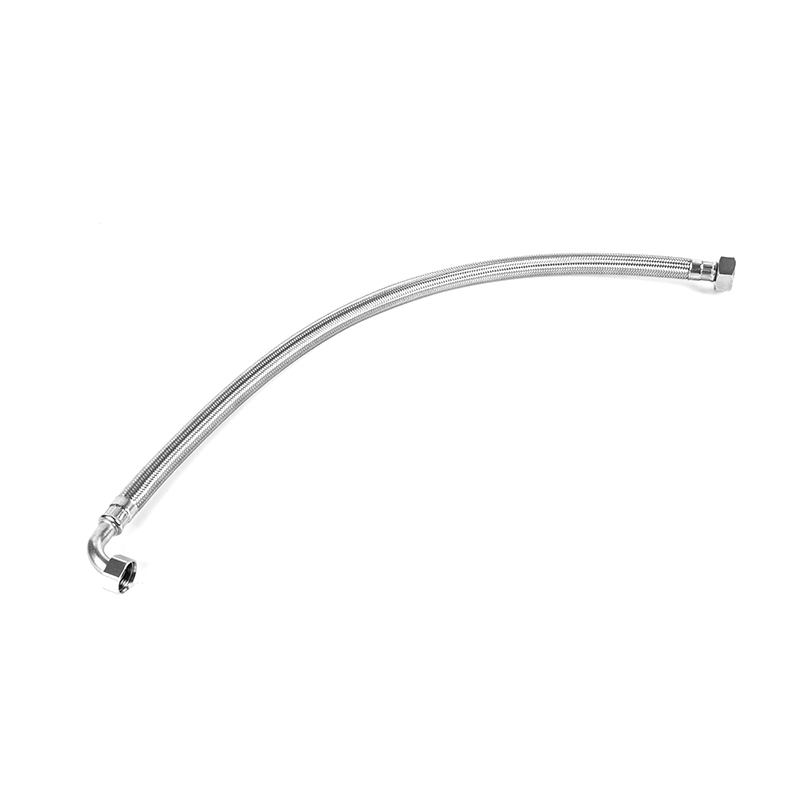
Flexible plumbing outer braid stainless steel wires are metal wires intended for weaving or forming the protective outer layer of flexible plumbing and hose assemblies. They are especially suitable for stainless steel braided plumbing pipes, water liners, metal hoses, flexible connectors, and related products.
The wires are designed to provide a combination of the following characteristics:
High tensile strength for resisting stretching and mechanical loading.
High hardness and wear resistance for long-term protection against friction and handling damage.
Corrosion resistance in contact with water, air, acids, alkalis, salts, and other media.
Temperature resistance in both elevated-temperature and low-temperature operating environments.
Good flexibility for weaving, bending, and forming into a stable braid structure.
Good weldability and processability for integration into different manufacturing operations.
A clean, hygienic, and non-toxic surface suitable for demanding plumbing and healthcare-related environments.
Recyclability that supports environmentally responsible product design.
Although the wire is a relatively small component of the complete hose assembly, its performance can influence the safety, service life, appearance, and installation quality of the finished product.
Flexible Plumbing Outer Braid Stainless Steel Wires
Key Advantages of Stainless Steel Outer Braid Wires
High Mechanical Strength
Flexible plumbing systems are exposed to many types of mechanical stress. During installation, a connector may be pulled, bent, twisted, or temporarily compressed. During service, it may experience internal pressure, vibration from pumps or valves, thermal expansion, equipment movement, and occasional impact.
Stainless steel outer braid wire provides high tensile strength and hardness, enabling the braid to resist deformation under normal operating conditions. The interwoven wires distribute loads across multiple strands rather than allowing one small area to absorb the entire force. This load-sharing effect improves the stability of the flexible assembly.
High mechanical strength also helps maintain the shape of the braid during installation. A weak or poorly formed braid may flatten, loosen, or develop irregular openings when bent. A properly manufactured stainless steel braid remains more uniform and provides consistent reinforcement along the length of the hose.
Resistance to Corrosion
Plumbing components are often exposed to moisture for their entire service life. Condensation, splashing water, humid air, cleaning agents, and contact with different metals can create corrosive conditions. In some applications, the conveyed liquid or the surrounding atmosphere may also contain salts, acidic substances, or alkaline compounds.
Stainless steel is selected for these environments because it forms a protective passive surface layer that helps resist corrosion. The result is a braid that can maintain its appearance and mechanical properties longer than ordinary carbon steel wire in comparable conditions.
Corrosion resistance is important not only for visual quality. Rust or surface deterioration can reduce wire strength, create rough edges, contaminate nearby surfaces, and eventually compromise the performance of the braid. By using corrosion-resistant stainless steel, manufacturers can reduce these risks and improve the reliability of the complete flexible connection.
Resistance to High and Low Temperatures
Flexible plumbing products may be installed in cold-water systems, hot-water lines, heating equipment, industrial HVAC systems, and locations exposed to seasonal temperature changes. The braid must remain stable when the temperature changes repeatedly.
Stainless steel outer braid wires retain useful mechanical properties across a broad range of operating conditions. They are resistant to melting in high-temperature environments and less likely to become excessively brittle in low-temperature conditions than unsuitable alternative materials.
Temperature resistance also supports the performance of the hose assembly during thermal cycling. When the inner tube expands and contracts, the braid must accommodate movement while continuing to provide reinforcement. A stable stainless steel braid helps the finished product remain reliable through repeated changes in temperature.
Flexibility and Controlled Movement
The purpose of a flexible hose is to permit movement while maintaining a sealed and protected flow path. The outer braid must therefore be strong without becoming excessively rigid. Stainless steel wire can be processed into a woven structure that combines reinforcement with controlled flexibility.
The braid can bend around installation angles and adapt to the movement of connected equipment. It also helps prevent the inner tube from kinking or expanding excessively. This balance is one of the primary advantages of a woven metal reinforcement compared with a solid protective tube.
Correct wire processing is essential to achieving this balance. Wire that is too hard, too inconsistent, or poorly finished may create excessive friction between strands or cause uneven bending. Controlled production helps ensure that the wires operate together as a stable and flexible reinforcement system.
Wear and Deformation Resistance
Outer braid wires can rub against one another during bending and movement. The external surface of the braid may also contact brackets, housings, cabinets, walls, or other installation components. High wear resistance helps reduce damage caused by these repeated interactions.
Deformation resistance is equally important. If the braid becomes permanently flattened or stretched, it may no longer provide uniform support to the inner tube. Stainless steel wires with suitable hardness and dimensional consistency help the braid retain its designed structure.
For products that are frequently handled or installed in tight spaces, wear and deformation resistance provide a meaningful advantage over less durable reinforcement materials.
Hygienic and Non-Toxic Characteristics
Plumbing materials may be used in homes, commercial buildings, hospitals, food-processing locations, and other environments where cleanliness is important. A smooth and corrosion-resistant stainless steel surface is easy to clean and less likely to support the accumulation of contaminants.
The supplied material is described as suitable for food- and medical-grade requirements. In practical terms, this supports applications where hygienic design, cleanability, and low contamination risk are important. The braid does not normally contact the transported water directly, but its condition can still affect the cleanliness and durability of the complete product.
Stainless steel is also free from the concerns associated with coatings that may peel, crack, or degrade over time. When the correct grade and manufacturing controls are used, the metal provides a stable and durable surface for plumbing assemblies.
Good Weldability and Processability
The wire must be compatible with the manufacturing processes used to produce the complete flexible assembly. Stainless steel outer braid wires can be processed through weaving, bending, cutting, forming, and welding operations.
Good weldability assists manufacturers when joining components, securing braid ends, producing sleeves, or integrating the braid with fittings and other metal parts. Good forming behavior supports the production of different braid shapes and sizes while minimizing damage to the wire surface.
Processability also improves production efficiency. Consistent wire characteristics reduce interruptions, improve machine stability, and support repeatable output. For customers purchasing the wire for their own manufacturing operations, this can contribute to better productivity and lower process waste.
Environmental and Recycling Benefits
Stainless steel is a recyclable material. At the end of a product’s service life, the metal can be recovered and reused in new steel products. This supports circular material use and reduces the need for disposal.
The long service life of stainless steel braid wire also contributes to sustainability. A durable product that remains functional for many years may reduce replacement frequency, raw material consumption, packaging requirements, and maintenance-related waste.
For construction, plumbing, and industrial customers with environmental management goals, recyclable stainless steel can support broader sustainability strategies. The company’s environmental management approach and green manufacturing orientation further strengthen this value proposition.
Advantages Compared with Competing Reinforcement Materials
Compared with Ordinary Carbon Steel Wire
Carbon steel wire may offer acceptable strength at a lower initial material cost, but it is more vulnerable to rust when exposed to water and humid environments. Surface corrosion can reduce mechanical performance and affect the appearance of the finished assembly.
Stainless steel outer braid wire generally provides better resistance to moisture, salts, cleaning chemicals, and atmospheric corrosion. This makes it better suited to plumbing installations where the reinforcement may remain exposed to humid conditions for many years.
Although stainless steel may have a higher initial material cost than ordinary steel, its longer service life, lower corrosion risk, and reduced maintenance requirements can provide a better total value over the life of the product.
Compared with Plastic or Fiber Reinforcement
Plastic and fiber reinforcement materials can be lightweight and economical, but they may have limitations related to temperature, aging, abrasion, chemical exposure, or long-term deformation. Some materials may lose stiffness in heat or become brittle in cold conditions.
Stainless steel braid wire offers a stronger and more temperature-stable reinforcement structure. It is also less susceptible to damage from sharp edges, mechanical contact, and installation handling. For demanding plumbing and industrial applications, these characteristics can outweigh the lower weight of plastic or fiber alternatives.
Compared with Lower-Quality Metal Braid
Not all metal braid wire delivers the same performance. Variations in material composition, wire diameter, tensile strength, surface finish, and dimensional accuracy can affect the quality of the finished hose.
Lower-quality wire may produce an uneven braid, break during processing, show inconsistent surface color, or develop premature corrosion. In contrast, controlled stainless steel wire production supports a more stable manufacturing process and a more reliable final assembly.
The competitive advantage is therefore not based only on the word “stainless.” It depends on selecting appropriate raw materials, controlling every processing stage, testing the wire and braid, and maintaining traceable quality standards.
Compared with Rigid Pipe Protection
A rigid protective tube may provide excellent resistance to crushing, but it cannot offer the same flexibility and installation convenience as a woven braid. Rigid protection can make alignment more difficult and may transfer vibration directly between connected equipment.
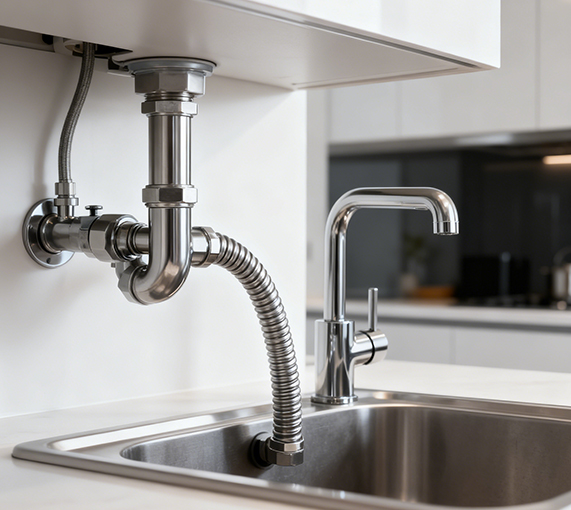
A stainless steel braid offers a more adaptable solution. It supports flexible installation, accommodates movement, and can be used in compact or irregular spaces. This is particularly valuable for connections under sinks, behind appliances, around heating equipment, and within industrial machinery.
Manufacturing Process and Quality Control
The performance of flexible plumbing outer braid stainless steel wires begins with a controlled manufacturing process. Haoyin (Ningbo) Bellows Technology Co., Ltd. applies a full-process quality management approach covering material selection, product design, manufacturing, testing, packaging, and after-sales support.
Raw Material Selection
Raw material selection is the foundation of wire quality. Stainless steel feedstock must have stable chemical composition, suitable mechanical characteristics, good surface quality, and compatibility with the intended processing method.
Incoming materials should be identified and inspected before entering production. Typical control considerations include material documentation, dimensions, surface condition, mechanical performance, and suitability for welding or weaving. Careful selection reduces the likelihood of defects appearing during later stages.
The selection process must also consider the application. A braid intended for general plumbing may have different requirements from one intended for heating, medical, food-related, or industrial HVAC service. Matching the material to the use environment is essential for reliable performance.
Wire Forming and Dimensional Control
Wire forming operations establish the required diameter, surface condition, and mechanical properties. Dimensional consistency is particularly important for braiding because even small variations can affect braid density, tension, and appearance.
Controlled forming helps produce wire with a uniform profile and stable handling behavior. The wire must pass through braiding equipment smoothly without excessive vibration, surface damage, or unexpected breaks.
Manufacturers may adjust production parameters to achieve the required combination of tensile strength, hardness, flexibility, and forming performance. The objective is not simply to produce the hardest possible wire; it is to produce wire with the correct balance for the finished application.
Surface Treatment and Cleanliness
The wire surface must remain clean and suitable for weaving and later assembly. Contamination, scratches, burrs, oil residue, and irregularities can affect braid appearance and may create weak points or processing problems.
Good surface control supports corrosion resistance and improves compatibility with welding and assembly operations. A clean surface also contributes to the professional appearance expected in exposed plumbing products.
Weaving and Braid Formation
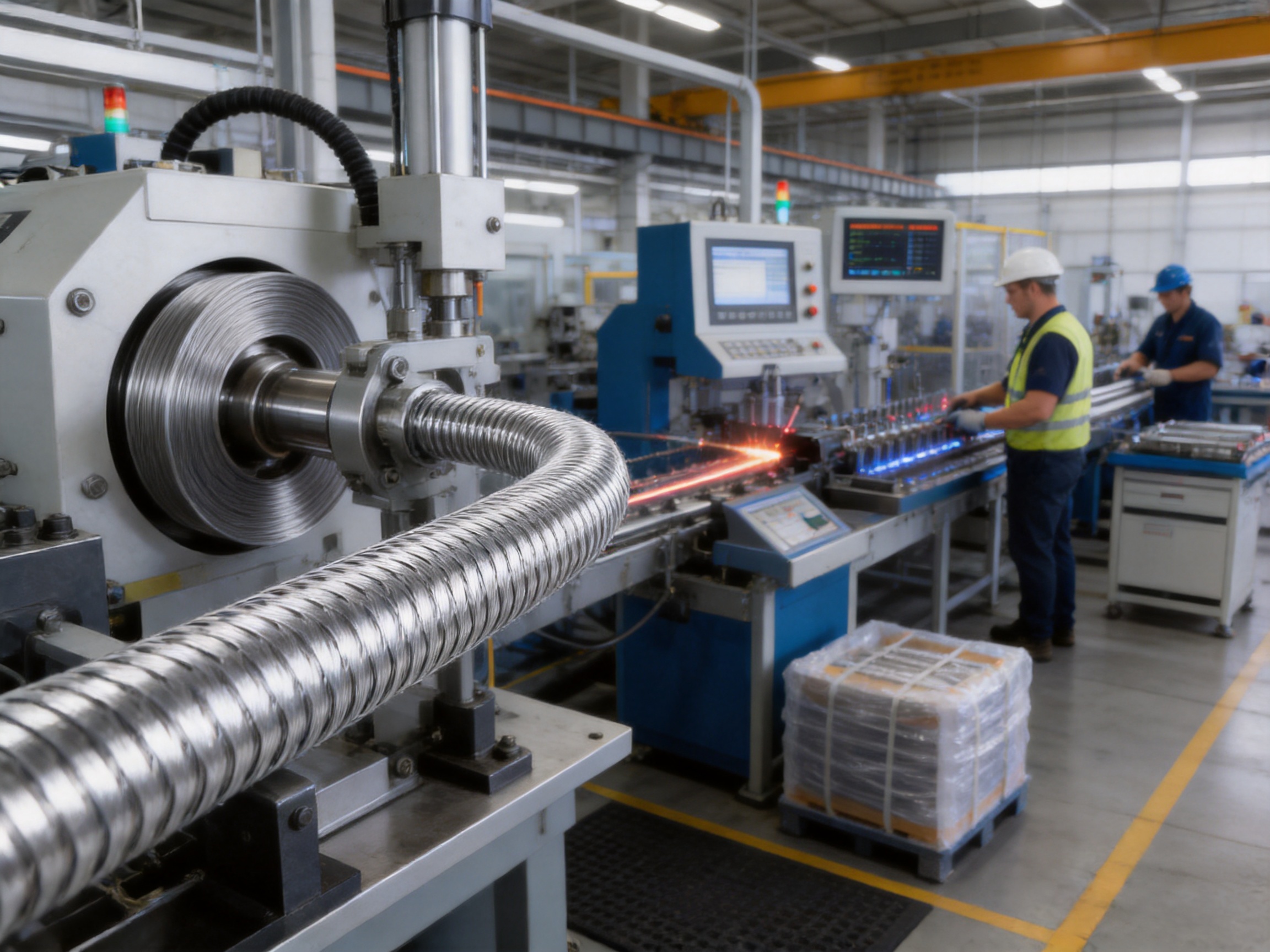
During braiding, multiple stainless steel wires are interwoven around the inner tube or a forming mandrel. The braid angle, strand arrangement, tension, and coverage must be controlled to produce a stable and uniform structure.
Properly adjusted braiding equipment helps ensure that the wires remain evenly distributed around the circumference. It also helps prevent loose strands, gaps, excessive overlap, and local concentration of tension.
The braid must be flexible enough for installation but dense enough to provide effective reinforcement. This requires coordination between wire properties and machine settings. Experienced production personnel and well-maintained equipment are essential to achieving repeatable results.
Laser Welding and Component Integration
Laser welding equipment can be used for precise joining operations in stainless steel bellows and related flexible connection products. Laser welding offers concentrated energy input, accurate positioning, and the ability to create controlled welds with limited heat-affected areas.
In applications where braid components, sleeves, or end structures must be joined, precise welding supports dimensional stability and appearance. It can also reduce unnecessary distortion and help maintain the intended geometry of the assembly.
The use of advanced welding equipment reflects the company’s emphasis on modern manufacturing technology. Welding parameters must still be carefully managed according to material thickness, joint design, production speed, and inspection requirements.
CNC Forming and Automated Production
CNC forming machines support accurate and repeatable shaping of flexible metal components. Computer-controlled equipment can help maintain consistent dimensions across production batches and reduce variation caused by manual operations.
Automation is especially valuable for products that must meet consistent quality requirements in large quantities. It can improve production efficiency, reduce handling errors, and support traceability of process parameters.
Automated packaging systems provide an additional benefit by helping protect finished products from contamination, tangling, and handling damage before shipment.
Inspection and Testing
Quality inspection should continue throughout the process rather than being limited to final inspection. In-process checks may include visual inspection, dimensional measurement, braid appearance evaluation, and verification of machine settings.
For stainless steel flexible connection products, testing resources may include eddy current flaw detection and other inspection methods. Eddy current inspection can help identify certain surface or near-surface discontinuities without damaging the material.
Performance testing may also evaluate pressure resistance, flexibility, leakage, mechanical stability, and other characteristics of the completed assembly. The specific test program depends on product design and application requirements.
A full-process inspection system helps detect potential issues earlier, reduce waste, and provide customers with greater confidence in product consistency.
Company Manufacturing Strengths
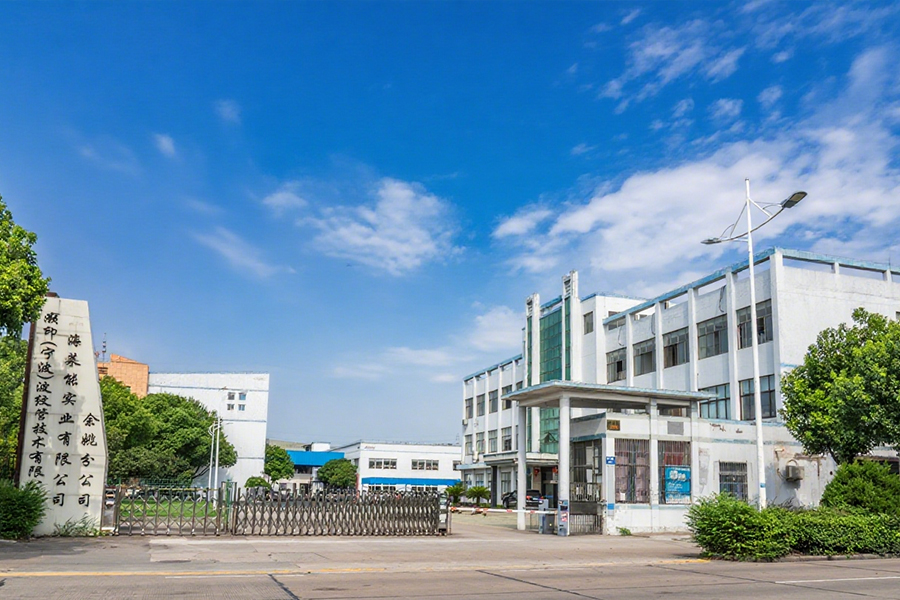
Haoyin (Ningbo) Bellows Technology Co., Ltd. specializes in the research and development, design, manufacturing, and sales of stainless steel bellows and flexible connection products. Its product portfolio includes gas connectors, plumbing pipes and water liners, metal hoses, and compensators.
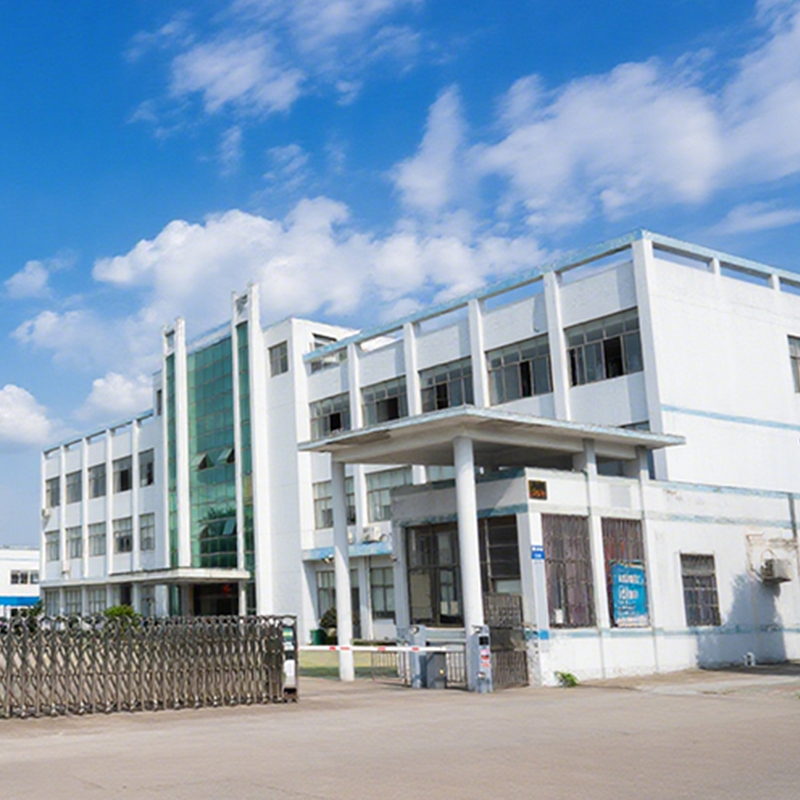
The company operates standardized workshops covering approximately 18,000 square meters across an area of about 35 mu. This manufacturing base provides space for organized production flows, equipment deployment, quality inspection, warehousing, and product packaging.
Its equipment portfolio includes laser welding machines, CNC forming machines, COSMO equipment, eddy current flaw detectors, and automatic packaging systems. Together, these capabilities support precision processing, stable production, non-destructive inspection, and efficient delivery.
The company has obtained ISO9001, ISO14001, and ISO45001 management system certifications. These certifications represent structured approaches to quality management, environmental management, and occupational health and safety. For customers, such systems can provide an important indication that manufacturing activities are managed through documented procedures rather than relying solely on individual operator experience.
As a National High-tech Enterprise and Green Factory, the company combines product development with environmental and technological objectives. Its stated philosophy, “Striving for Excellence, Forging Quality,” is reflected in its emphasis on process control, product testing, and continuous improvement.
Research and Development Capability
Flexible connection products must be designed according to the behavior of the complete system, not only the properties of one material. The company’s professional R&D team supports product development involving material selection, structural design, forming methods, welding, testing, and application adaptation.
R&D capability is valuable when customers require different braid dimensions, connection arrangements, product lengths, flexibility levels, or environmental resistance. A manufacturer with experience in stainless steel bellows and flexible connectors can evaluate the relationship between the outer braid, the inner tube, fittings, and service conditions.
This integrated approach helps avoid a common problem in component purchasing: selecting a wire that appears suitable in isolation but does not perform well in the finished assembly. Product design, process engineering, and testing should be coordinated from the beginning.
Integrated Quality Management
The company’s quality management approach covers raw materials, product structure, manufacturing, performance testing, and after-sales support. This broad scope is important because quality problems can originate at any stage.
For example, a defect may result from unsuitable raw material, incorrect wire dimensions, improper braid tension, inadequate welding, poor packaging, or incorrect installation guidance. A system that addresses only final inspection may not fully prevent these issues.
Integrated quality management creates a more reliable chain of control. It also provides a framework for responding to customer feedback and improving future production.
Application Areas
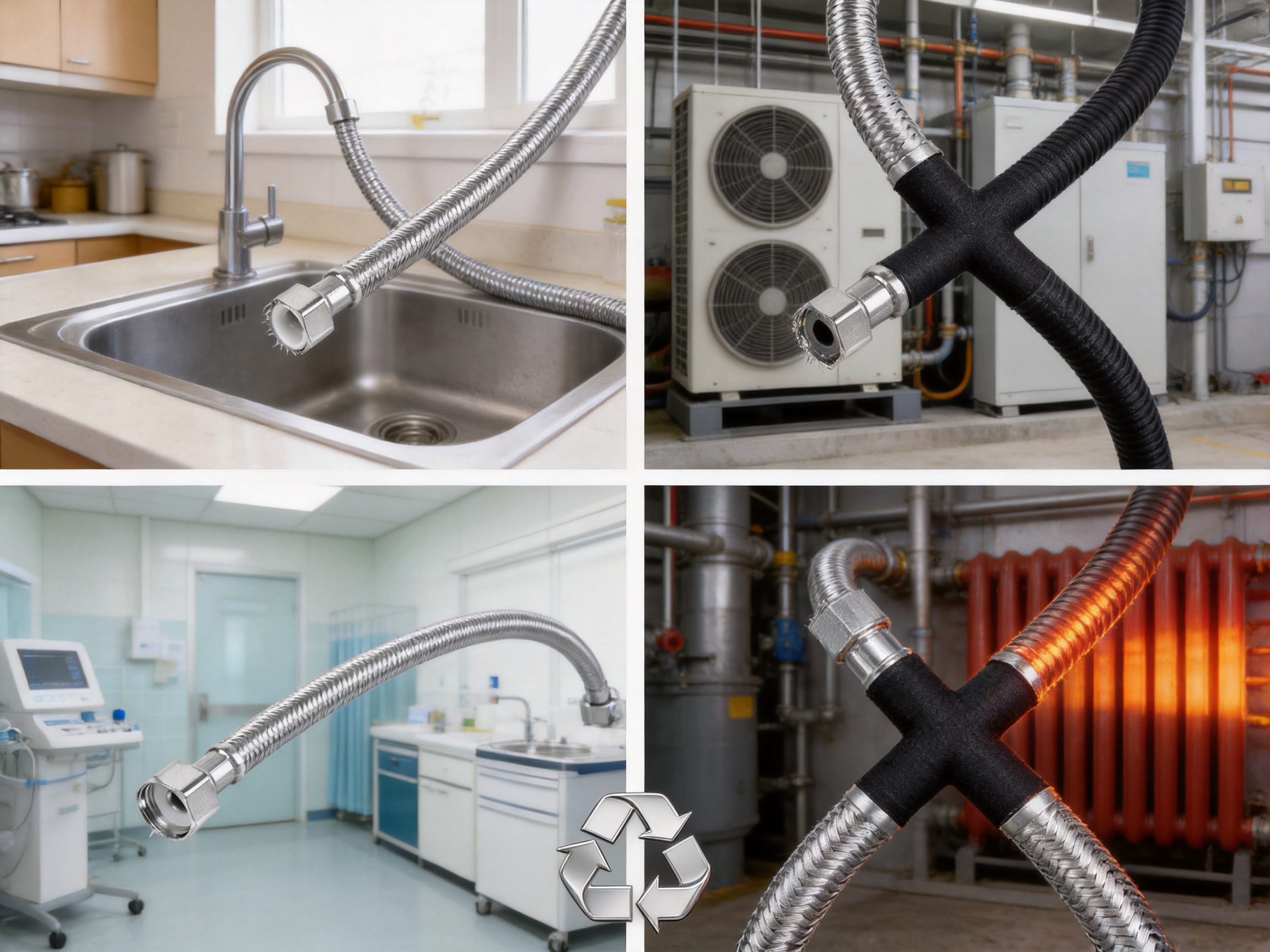
Residential Plumbing
Stainless steel braided plumbing connectors are widely used for water supply connections in homes and apartments. They can connect faucets, toilets, water heaters, filtration equipment, and other fixtures where flexibility and reliable sealing are required.
The outer braid protects the inner tube during installation and helps the connector tolerate limited movement. Corrosion resistance is particularly valuable beneath sinks, inside cabinets, and near appliances where moisture may be present.
Commercial and Building Services
Commercial buildings contain extensive plumbing, heating, and mechanical systems. Flexible connectors may be used around pumps, valves, tanks, sanitary equipment, and HVAC components.
In these installations, the braid helps accommodate alignment differences and equipment vibration. A durable stainless steel exterior also suits locations where maintenance access is limited and replacement work would be disruptive.
Heating Systems
Heating systems expose components to elevated temperatures and repeated thermal cycling. Flexible stainless steel connections can help connect boilers, radiators, circulation equipment, and related components.
The temperature stability of stainless steel braid wire supports reliable performance when the system heats and cools repeatedly. The flexible design may also simplify installation around equipment with limited clearance.
Healthcare and Hygienic Environments
Hospitals, clinics, laboratories, and other healthcare environments require reliable plumbing products with cleanable surfaces and stable material performance. Stainless steel outer braid wires are suitable for applications where hygiene, corrosion resistance, and long service life are priorities.
The product’s hygienic and non-toxic characteristics can support use in carefully controlled environments, subject to the complete product meeting the applicable standards and approvals for the intended application.
Industrial HVAC Systems
Industrial HVAC installations often involve vibration, temperature variation, pressure changes, and challenging access conditions. Flexible metal hoses and connectors can reduce installation difficulty and help isolate equipment movement.
A stainless steel outer braid provides additional mechanical protection and reinforcement. When correctly designed, it can support long-term service in demanding plant environments.
Gas and Other Flexible Connection Products
Although the product described here is focused on plumbing outer braid wires, the same manufacturing expertise can support related flexible connection products, including gas connectors, metal hoses, and compensators. Each application requires appropriate design, material selection, testing, and compliance verification.
The company’s broader product experience allows it to understand the different demands placed on flexible metal assemblies, including pressure containment, movement compensation, vibration control, and installation safety.
Product Selection Considerations
Choosing the correct stainless steel outer braid wire requires more than selecting a material name. Buyers should evaluate the complete operating environment and the requirements of the finished assembly.
Service Medium
Consider whether the hose will carry potable water, hot water, treated water, chemicals, air, or another medium. The chemical composition of the medium can influence material selection and expected service life.
Temperature Range
Identify the normal and maximum operating temperatures, as well as possible low-temperature exposure. Repeated thermal cycling should also be considered because expansion and contraction can affect the braid and inner tube.
Pressure and Movement
Internal pressure, pressure fluctuations, vibration, bending radius, and movement frequency all influence braid design. The wire and braid pattern should be selected according to the requirements of the complete assembly rather than evaluated separately.
Installation Environment
Moisture, salt, cleaning chemicals, ultraviolet exposure, abrasion, restricted space, and contact with other metals may affect performance. The selected product should be appropriate for the actual location, including areas with condensation or occasional splashing.
Dimensions and Compatibility
Wire diameter, braid coverage, hose diameter, fitting design, and connection method must be compatible. Proper dimensional control helps prevent installation problems and ensures that the outer braid performs its intended reinforcement function.
Quality Documentation
For important projects, customers may request material certificates, inspection records, quality system information, test reports, and production traceability. These documents help confirm that the product is suitable for the intended application.
Performance Factors in the Finished Assembly
| Performance factor | Contribution of the stainless steel outer braid | Importance to the finished product |
|---|---|---|
| Pressure resistance | Restricts excessive expansion of the inner tube and distributes mechanical loads | Helps maintain structural stability during operation |
| Flexibility | Allows controlled bending through an interwoven wire structure | Simplifies installation and accommodates equipment movement |
| Corrosion resistance | Provides a durable exterior in humid or chemically challenging conditions | Supports long service life and reduces maintenance risk |
| Wear resistance | Resists friction and handling damage | Protects the assembly during installation and use |
| Temperature stability | Maintains useful mechanical performance across changing temperatures | Supports hot-water, heating, and HVAC applications |
| Hygiene | Provides a cleanable, non-toxic metal surface | Supports plumbing, healthcare, and food-related environments |
| Processability | Can be woven, bent, formed, and welded | Enables efficient production of different flexible products |
| Recyclability | Allows recovery of stainless steel at end of service life | Supports responsible material management |
Installation and Handling Recommendations
Even a high-quality braid can be damaged by incorrect installation. The connector should be selected with a suitable length so that it is not stretched, twisted, or forced into an excessively tight bend.
Installers should observe the recommended minimum bending radius and avoid sharp kinks. The hose should not be used as a lever or as a support for other components. Excessive twisting can place unnecessary stress on the braid and the end connections.
Before installation, inspect the braid for visible damage, broken strands, severe flattening, or contamination. Check that the fittings and sealing surfaces are clean and compatible. Tighten connections according to the relevant installation instructions rather than relying on excessive force.
After installation, verify that the hose is not rubbing continuously against a sharp edge or moving component. Where vibration is expected, the assembly should be supported and routed so that movement remains within the product’s intended design limits.
Correct storage is also important. Products should be protected from impact, contamination, excessive moisture, and uncontrolled bending before installation. Automated packaging systems can help preserve product condition during transportation and storage, but careful handling remains necessary after delivery.
Why Manufacturing Consistency Matters
In a flexible braided product, performance depends on the interaction of many individual wires. If one strand is significantly different in size, strength, or surface condition, it can affect the tension distribution and appearance of the entire braid.
Manufacturing consistency improves the predictability of the product. Customers can use stable process settings, reduce machine adjustments, and achieve more uniform finished assemblies. This is particularly important for high-volume production of plumbing connectors.
Consistent quality also helps distributors and installers. Products with uniform dimensions are easier to package, identify, handle, and install. Reduced variation lowers the likelihood of unexpected fit problems or premature replacement.
Advanced equipment, trained personnel, inspection systems, and documented procedures all contribute to this consistency. The combination of these capabilities is a key distinction between a professional manufacturer and a supplier that merely trades standard metal wire.
Purchasing from a Specialized Manufacturer
Working directly with a specialized manufacturer can provide advantages in technical communication, product customization, quality control, and supply stability. Customers can discuss the intended application with a team familiar with stainless steel bellows, metal hoses, plumbing liners, and compensators.
A specialized manufacturer can also help evaluate whether a particular wire, braid structure, or finished connection is appropriate for the operating environment. This technical dialogue can reduce the risk of selecting a product based only on price or general appearance.
Haoyin (Ningbo) Bellows Technology Co., Ltd. provides flexible connection solutions for gas, plumbing, heating, healthcare, building heating, industrial HVAC, and other fields. Its experience across these areas supports a broad understanding of application requirements.
The company’s location in Ningbo, Zhejiang Province, places its manufacturing operations within an important industrial and export-oriented region of China. Its production facilities, management certifications, R&D resources, and automated equipment support both domestic and international customer requirements.
Frequently Asked Questions
What are flexible plumbing outer braid stainless steel wires?
They are stainless steel wires designed to be woven around flexible plumbing tubes, water liners, metal hoses, and similar products. The braid reinforces the inner tube, limits excessive expansion, protects against mechanical damage, and allows controlled flexibility.
Why is stainless steel preferred for the outer braid?
Stainless steel offers high tensile strength, corrosion resistance, temperature stability, wear resistance, hygienic characteristics, and good processability. These properties make it suitable for plumbing and flexible connection products exposed to moisture, pressure, vibration, and temperature changes.
Can the wire be used for hot-water or heating applications?
Stainless steel wire maintains useful mechanical properties in elevated-temperature environments and is suitable for many hot-water and heating applications. The complete hose assembly must still be designed and tested for the actual temperature, pressure, medium, and service conditions.
Is the outer braid suitable for drinking-water-related products?
The material is described as hygienic, non-toxic, easy to clean, and suitable for food- and medical-grade requirements. However, approval for a drinking-water application depends on the complete product, material grade, manufacturing process, applicable regulations, and required certification.
How does the braid improve hose performance?
The braid helps control expansion of the inner tube under pressure, distributes mechanical loads, protects against abrasion and impact, and supports controlled bending. It therefore contributes to pressure stability, durability, and installation flexibility.
Can the wire be customized?
Customization may be possible according to wire dimensions, material requirements, braid structure, finished hose design, and application conditions. Customers should provide information about operating pressure, temperature, medium, dimensions, movement, and required standards for technical evaluation.
What manufacturing equipment supports production?
The company uses equipment including laser welding machines, CNC forming machines, COSMO equipment, eddy current flaw detectors, and automatic packaging systems. These resources support precision forming, welding, inspection, and efficient product handling.
What quality systems does the company have?
The company has obtained ISO9001, ISO14001, and ISO45001 management system certifications. These relate to quality management, environmental management, and occupational health and safety. The company also operates a full-process quality management system.
Is stainless steel braid wire recyclable?
Yes. Stainless steel is recyclable and can be recovered for use in new steel products. Its long service life and recyclability support more responsible material use compared with short-lived or difficult-to-recover alternatives.
What should installers avoid?
Installers should avoid twisting, stretching, sharp kinking, excessive bending, contact with sharp edges, unsupported vibration, and using the hose as a structural support. The product should be installed according to its design requirements and relevant instructions.
How should buyers evaluate a supplier?
Buyers should review the supplier’s material controls, manufacturing equipment, testing capability, quality certifications, production experience, technical support, packaging practices, and ability to provide consistent batches. A supplier with integrated R&D and manufacturing capabilities can usually provide more effective technical assistance.
Conclusion
Flexible plumbing outer braid stainless steel wires are essential reinforcement materials for reliable flexible connection products. Their role extends beyond appearance: they help control pressure-related expansion, protect inner tubes, accommodate movement, resist corrosion, and extend the service life of the finished assembly.
Their major advantages include high mechanical strength, resistance to wear and deformation, stable performance across high and low temperatures, hygienic characteristics, good weldability, flexible processing, and complete recyclability. Compared with ordinary steel, lower-quality metal braid, plastic reinforcement, and rigid protection, stainless steel wire provides a stronger balance of durability, flexibility, cleanliness, and long-term value.
Product quality depends on the entire manufacturing chain. Reliable raw materials, accurate forming, controlled weaving, precision welding, CNC processing, non-destructive inspection, documented quality management, and protective packaging all contribute to dependable performance.
Haoyin (Ningbo) Bellows Technology Co., Ltd. combines stainless steel bellows expertise, professional R&D resources, standardized workshops, advanced production equipment, management system certifications, and a full-process quality philosophy. These strengths enable the company to provide flexible connection solutions for plumbing, water liners, heating, healthcare, building services, industrial HVAC, and related applications.
For customers seeking durable and efficient reinforcement for flexible plumbing products, stainless steel outer braid wire offers a practical and technically strong solution. Selecting the appropriate material and working with an experienced manufacturer can improve product reliability, reduce maintenance risk, and support safer long-term operation.
References
International Organization for Standardization. Quality Management Systems—Requirements. ISO 9001.
International Organization for Standardization. Environmental Management Systems—Requirements with Guidance for Use. ISO 14001.
International Organization for Standardization. Occupational Health and Safety Management Systems—Requirements with Guidance for Use. ISO 45001.
International Organization for Standardization. Stainless Steels—Selection of Appropriate Stainless Steel Grades for Different Service Environments.
International Organization for Standardization. Metallic Materials—Tensile Testing and Mechanical Property Evaluation.
American Society of Mechanical Engineers. Flexible Metal Hose and Metal Bellows Design and Performance Principles.
American Society for Testing and Materials. Standard Practices for Corrosion Testing and Evaluation of Stainless Steel Materials.
American Society for Testing and Materials. Standard Methods for Eddy Current Examination of Metallic Materials.
Technical information supplied by Haoyin (Ningbo) Bellows Technology Co., Ltd. concerning stainless steel bellows, gas connectors, plumbing pipes, water liners, metal hoses, compensators, production equipment, certifications, and quality management.