




 English
 Español
 русский



Introduction
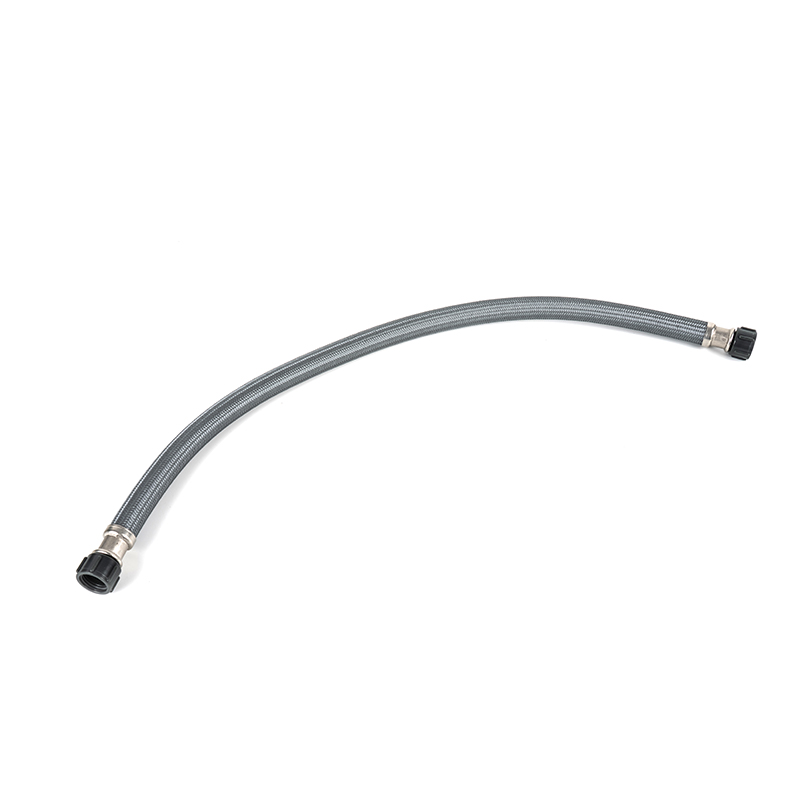
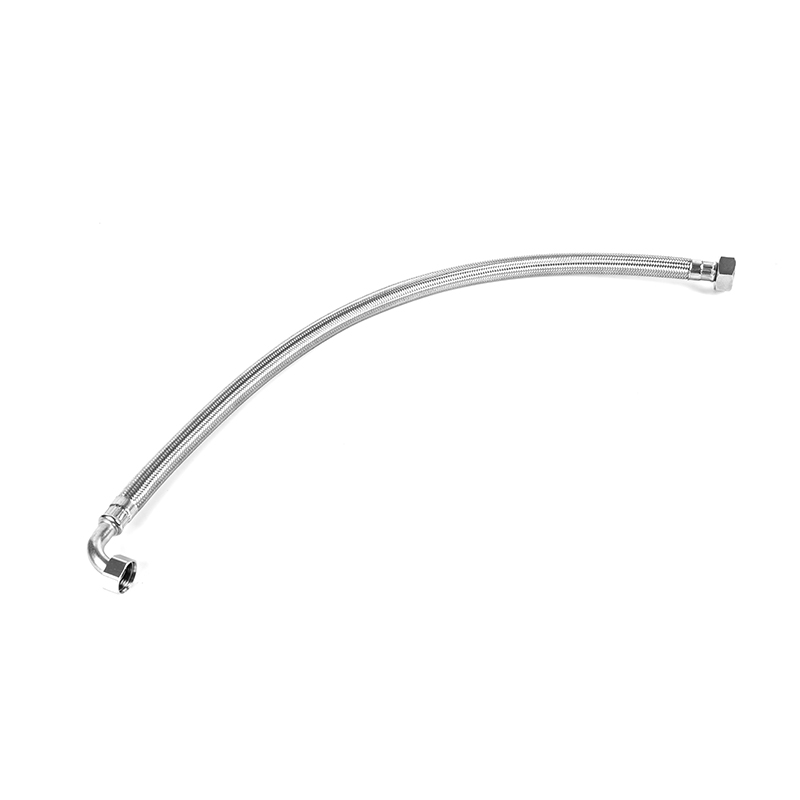
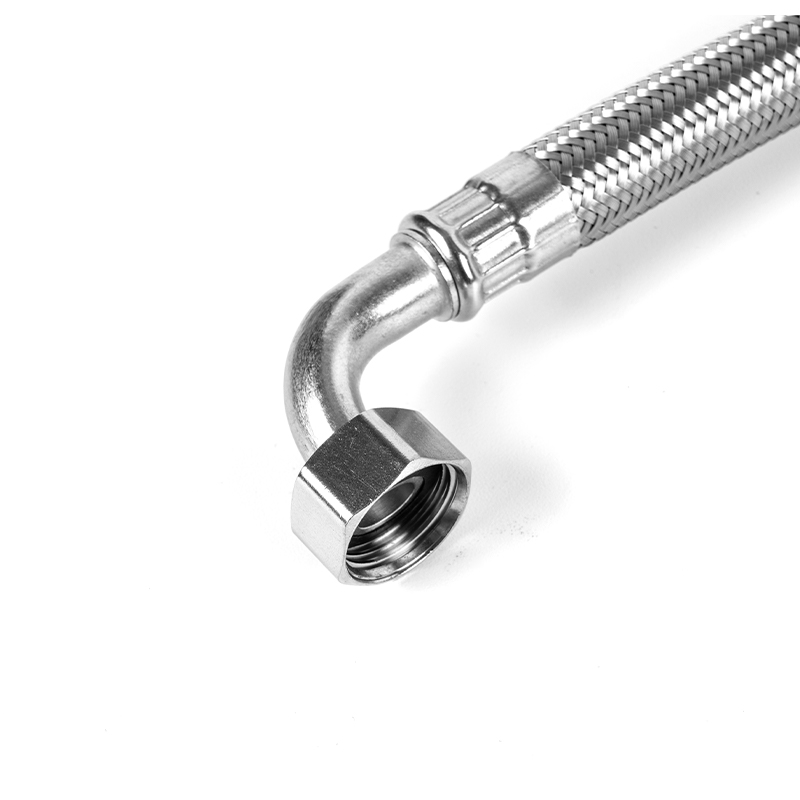
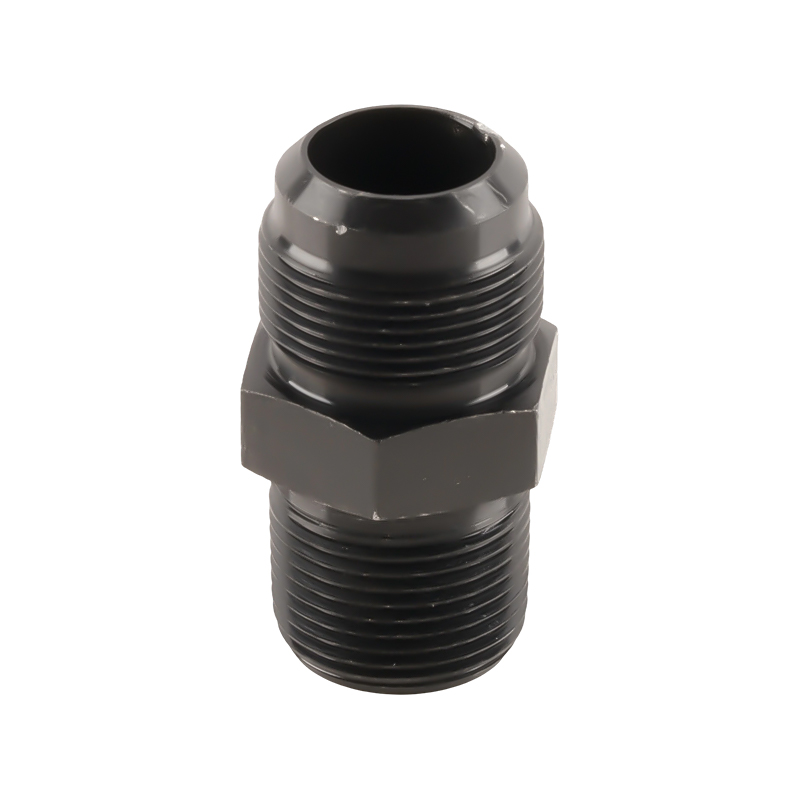
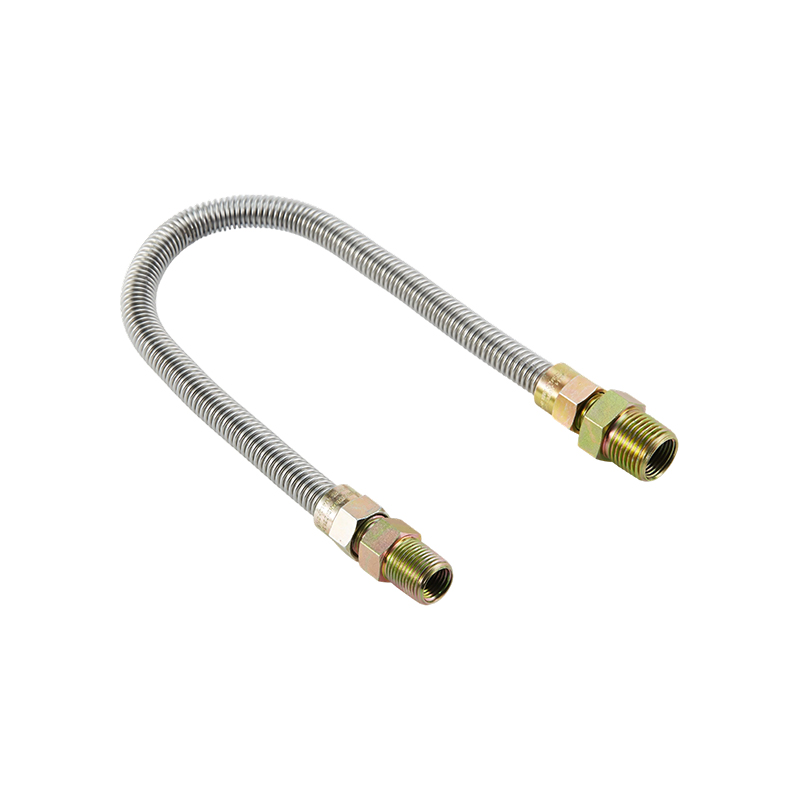
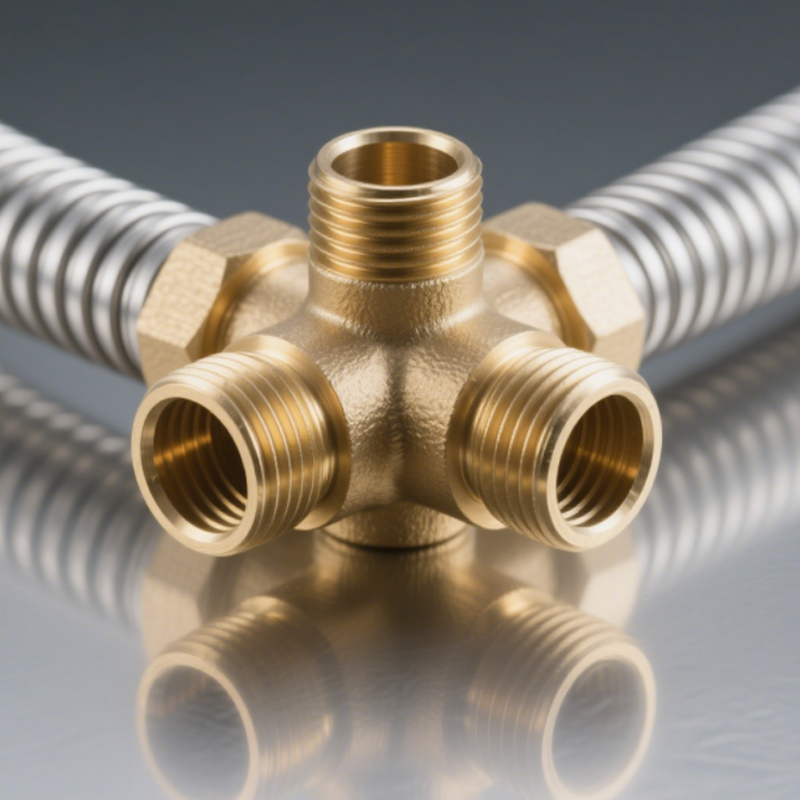
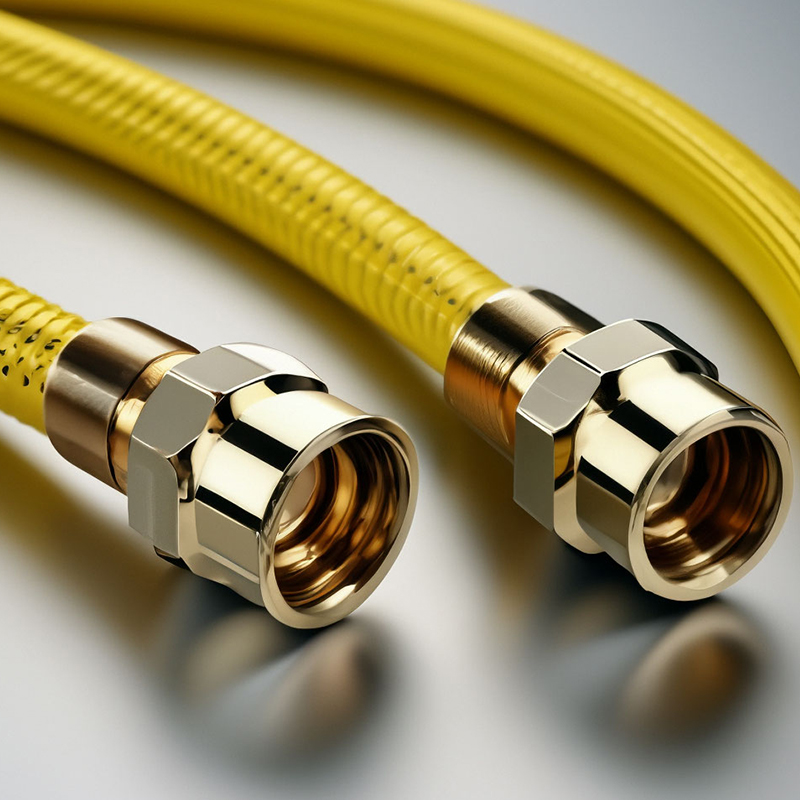
Reliable fastening is one of the most important factors in the performance of a flexible plumbing connector. A connector may be manufactured from high-quality stainless steel and designed to absorb movement, vibration, and installation stress, but the connection can still fail if the nut is poorly selected or inadequately manufactured. The flexible plumbing connector stainless steel nut is designed to provide a secure, durable, and adaptable fastening interface for plumbing pipes, water liners, metal hoses, bellows, and related connection assemblies.
This type of nut is more than a simple threaded fastening component. It forms part of a complete connection system in which dimensional accuracy, thread quality, corrosion resistance, mechanical strength, hygiene, and compatibility with other components all influence service performance. In domestic plumbing, building heating, industrial HVAC, healthcare facilities, food-processing equipment, and outdoor installations, the nut must continue to perform despite changes in temperature, humidity, pressure, vibration, and exposure to different media.
Manufactured by Haoyin (Ningbo) Bellows Technology Co., Ltd., the flexible plumbing connector stainless steel nut supports the company’s broader range of stainless steel bellows and flexible connection solutions. The company specializes in the research, design, production, and sales of stainless steel bellows, gas connectors, plumbing pipes and water liners, metal hoses, and compensators. Its manufacturing capabilities combine material control, precision forming, welding, inspection, and quality management to produce components suitable for demanding connection applications.
The following article explains the construction, advantages, application value, manufacturing process, quality considerations, installation principles, and selection guidance associated with stainless steel nuts used in flexible plumbing connector systems.
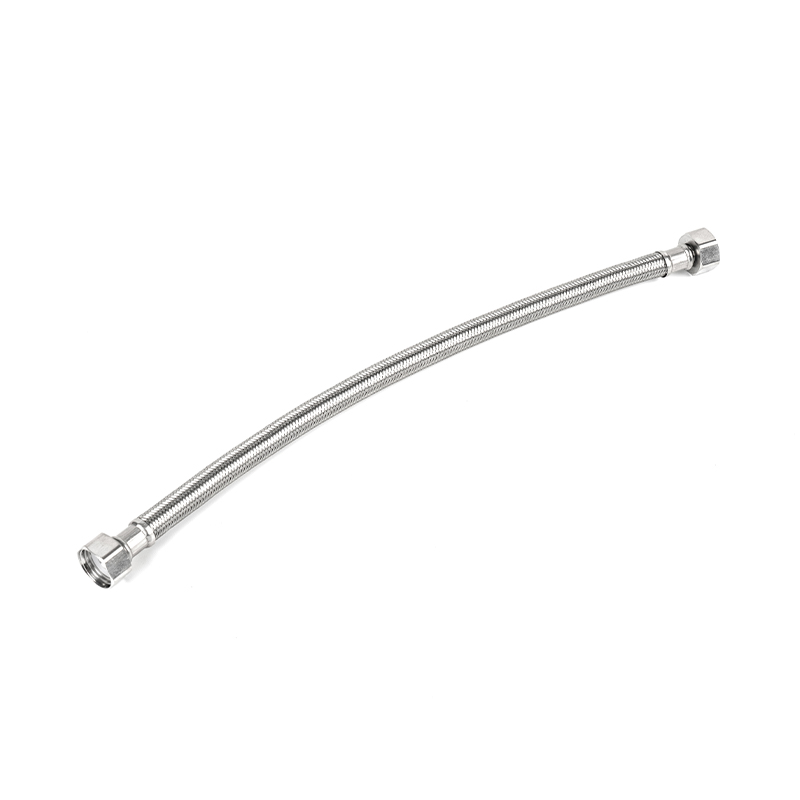
Flexible Plumbing Connector Stainless Steel Nut
Understanding the Role of a Stainless Steel Nut in a Flexible Connector
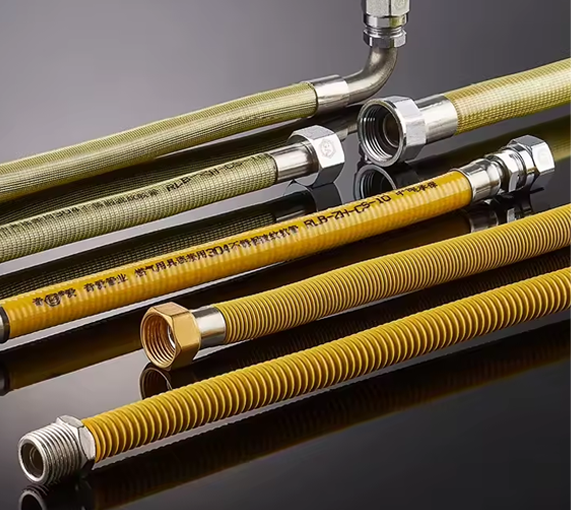
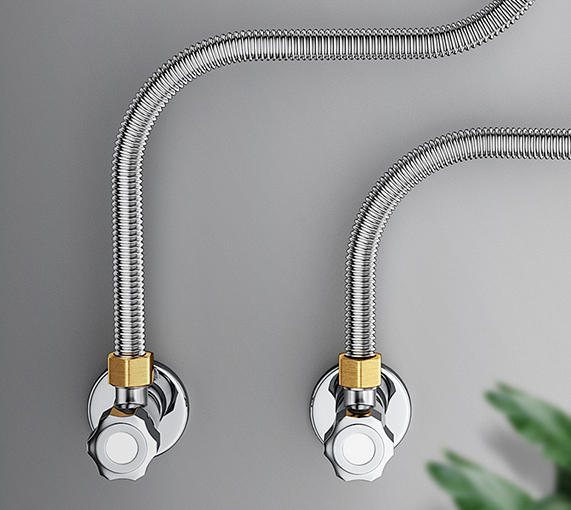
A flexible plumbing connector is normally composed of several coordinated parts, including a flexible tube or corrugated liner, end fittings, sealing elements, sleeves, and threaded fastening components. The stainless steel nut holds the connector against a mating threaded component or fitting. When tightened correctly, it creates the required clamping force to maintain a stable connection and support the sealing structure.
In this system, the nut must perform several functions at the same time. It must engage smoothly with the mating thread, transmit tightening torque, maintain contact pressure during operation, resist deformation, and remain stable when the assembly is exposed to water, moisture, temperature changes, vibration, or chemical contaminants. A weakness in any of these functions may lead to leakage, thread damage, loosening, or premature replacement.
The use of stainless steel provides an important performance advantage. Unlike ordinary carbon steel, stainless steel forms a passive protective layer that helps resist many common forms of corrosion. This makes the material suitable for wet environments and applications in which the fastening component may come into contact with water, humid air, cleaning agents, salts, or other mildly aggressive media.
Because the nut is used with a flexible connector, it may also experience repeated movement. A flexible hose can expand, contract, bend, or absorb vibration while equipment is operating. The nut must therefore remain mechanically secure without becoming excessively brittle or losing its dimensional stability. Proper material selection and accurate manufacturing are essential for achieving this balance.
Connection Stability
The primary purpose of the nut is to maintain a stable connection between the flexible connector and the fixed piping or equipment interface. A correctly manufactured thread distributes the tightening load across the engaged thread surfaces. This reduces concentrated stress and helps prevent thread stripping, deformation, and premature loosening.
A well-designed stainless steel nut also supports consistent assembly. When the internal thread is formed accurately, the nut can be tightened smoothly and predictably. This is especially valuable in professional installation environments, where technicians need to complete many connections efficiently while avoiding over-tightening or cross-threading.
Protection of the Sealing System
Many flexible plumbing connectors rely on a gasket, sealing ring, flare, or other sealing structure. The nut applies controlled axial pressure to this sealing area. If the nut is dimensionally inaccurate, the force may be unevenly distributed, allowing leakage or damaging the sealing component.
The nut therefore works together with the fitting and sealing element as part of a complete engineered assembly. Its dimensions, thread form, bearing surface, and material hardness should be compatible with the design of the connector. A high-quality nut does not replace the need for proper sealing components, but it helps ensure that those components can function as intended.
Material Advantages of Stainless Steel
Excellent Corrosion Resistance
One of the most important advantages of a stainless steel nut is its resistance to corrosion. Plumbing and water connection systems are frequently exposed to moisture, condensation, wet hands, cleaning chemicals, airborne salts, and fluctuating environmental conditions. In outdoor or semi-outdoor installations, these factors can combine to accelerate corrosion in ordinary metal fasteners.
Stainless steel offers a significantly more durable solution for these environments. Its protective surface layer helps reduce the likelihood of rust formation and surface deterioration. This supports a longer service life and helps preserve the appearance and mechanical integrity of the connection.
The corrosion-resistant nature of stainless steel is also beneficial when the connector is installed in locations that are difficult to access. A durable nut reduces the need for frequent replacement and minimizes the risk that maintenance personnel will encounter seized or heavily corroded fasteners during future servicing.
Resistance to water, air, acids, alkalis, salts, and other media makes the product suitable for a wide range of connection environments. Nevertheless, the exact resistance of any stainless steel component depends on the grade, surface condition, concentration of the chemical, temperature, and exposure time. For specialized chemical applications, the material specification should always be confirmed before ordering.
High Strength and Hardness
A flexible plumbing connector stainless steel nut must withstand tightening torque as well as the forces transmitted through the connector. High mechanical strength helps the nut maintain its shape during installation and operation. It also reduces the risk of thread stripping, cracking, or permanent deformation.
Hardness is particularly important at the thread interface. A nut that is too soft may deform under load, especially when repeatedly installed or exposed to high tightening torque. Deformed threads can make removal difficult and may prevent the connector from achieving the correct clamping force. Stainless steel provides a strong foundation for producing a durable threaded component with suitable resistance to wear.
The balance between strength and toughness is also valuable. The nut should resist damage while still tolerating normal installation conditions. When used with compatible stainless steel fittings and appropriate tools, it can provide a secure connection without sacrificing serviceability.
Performance Across Temperature Changes
Plumbing and heating systems may operate in environments ranging from low outdoor temperatures to elevated hot-water or heating conditions. Temperature variation can cause materials to expand and contract. It can also influence sealing performance, thread friction, and mechanical stress within the connection.
Stainless steel retains useful mechanical properties across a broad temperature range. It does not melt under ordinary plumbing or heating service conditions, and it is not prone to the severe embrittlement associated with some less suitable materials at low temperatures. This supports reliable use in cold-water systems, hot-water systems, heating installations, and equipment exposed to changing ambient conditions.
Temperature resistance does not mean that every connector is suitable for every temperature or pressure. The complete assembly must be evaluated according to the operating medium, pressure, temperature, connector design, seal material, and applicable standards. The stainless steel nut contributes to system reliability, but it functions as part of a larger engineered product.
Hygienic and Non-Toxic Characteristics
Stainless steel is widely used in applications where cleanliness and material hygiene are important. Its smooth, cleanable surface offers fewer opportunities for dirt and bacteria to accumulate compared with rough, heavily corroded, or flaking surfaces. This makes stainless steel nuts suitable for use with plumbing connectors in healthcare environments, food-processing facilities, laboratories, commercial kitchens, and other locations where hygiene matters.
The material is also non-toxic under normal intended use. It can be cleaned and sterilized using appropriate procedures, subject to the requirements of the specific application. In water-related installations, the absence of surface flaking and heavy corrosion helps support a cleaner connection environment.
For food, medical, and potable-water applications, buyers should confirm the exact material grade, surface finish, cleaning procedure, and regulatory requirements. Hygienic suitability depends not only on the nut but also on the complete connector assembly and the conditions under which it is installed and maintained.
Environmental and Recycling Benefits
Stainless steel is a durable and recyclable engineering material. A long service life reduces the frequency of component replacement, which can help decrease material consumption and maintenance waste. At the end of its useful life, stainless steel can be recovered and recycled through established metal-recycling systems.
The recyclability of the material supports resource efficiency and environmental responsibility. It also complements the manufacturing philosophy of companies that focus on energy management, process improvement, waste reduction, and green production. Selecting a durable stainless steel nut can therefore contribute to both technical reliability and a more sustainable product lifecycle.
Advantages Compared with Conventional Fastening Materials
Conventional plated steel or ordinary carbon-steel nuts may provide satisfactory performance in dry, low-demand environments. However, their limitations become more apparent in plumbing and flexible connection applications. Coatings can be scratched during installation, exposing the underlying steel to moisture. Once corrosion begins, the thread may become rough, the nut may seize, and the connection may be difficult to service.
Plastic nuts may offer low weight and resistance to certain chemicals, but they can have lower mechanical strength and may be more sensitive to temperature, impact, creep, and excessive tightening torque. They may not be suitable for applications requiring repeated assembly or high structural stability.
Brass components are widely used in plumbing, but their suitability depends on the application, water chemistry, mechanical requirements, and compatibility with adjacent materials. Stainless steel can provide a stronger and more corrosion-resistant option in many demanding environments.
The flexible plumbing connector stainless steel nut provides a combination of properties that is difficult to achieve with a single alternative material:
| Performance factor | Stainless steel nut | Plated carbon steel nut | Plastic nut |
|---|---|---|---|
| Resistance to moisture | High, depending on grade and environment | Dependent on coating condition | Generally high, but material-specific |
| Mechanical strength | High | Moderate to high | Usually lower than metal |
| Temperature stability | Broad operating capability | Broad, but corrosion may increase with heat and moisture | Limited by polymer type |
| Thread durability | Strong when accurately manufactured | Can deteriorate after coating damage | More vulnerable to stripping and creep |
| Hygiene and cleanability | Excellent with suitable finish | May deteriorate if rust develops | Depends on polymer and surface |
| Recyclability | Excellent | Good as ferrous scrap | Depends on polymer recovery system |
| Suitability for harsh environments | Very good with correct grade | Limited without strong protection | Application-specific |
This comparison is general and does not replace engineering evaluation. The correct component depends on the connector design, thread standard, pressure rating, temperature, medium, and installation environment. However, stainless steel is often preferred when long-term durability, hygiene, and resistance to environmental exposure are major priorities.
Manufacturing Strengths and Process Control
The performance of a stainless steel nut depends heavily on manufacturing precision. Corrosion resistance alone is not enough. The component must also have accurate dimensions, a consistent thread, a suitable surface, and reliable mechanical properties. Haoyin (Ningbo) Bellows Technology Co., Ltd. applies a full-process quality management approach that covers raw material selection, structural design, manufacturing, performance testing, and after-sales support.
This type of process control is particularly important for components used with flexible connectors. A nut may appear simple, but small dimensional variations can affect thread engagement, sealing pressure, assembly torque, and compatibility with mating parts. Consistency from one production batch to another is essential for professional installers and equipment manufacturers.
Material Selection and Incoming Inspection
Production begins with the selection of suitable stainless steel raw material. The material must be appropriate for the intended mechanical and environmental requirements. Incoming inspection helps confirm material identity, dimensional condition, surface quality, and conformity with internal specifications or customer requirements.
Good material control reduces the risk of mixing unsuitable materials into production. It also supports traceability and allows manufacturers to investigate quality issues efficiently if they arise. For customers purchasing large quantities or components for regulated industries, material documentation and inspection records can be important parts of the supply relationship.
Structural Design and Engineering Review
The design of the nut must account for thread dimensions, wall thickness, wrenching surfaces, bearing areas, connector geometry, and assembly conditions. Engineers may evaluate how the nut interacts with the fitting, gasket, liner, sleeve, or other parts of the flexible connector.
Design review helps identify potential stress concentrations and ensures that the component can transmit the required tightening force. It also supports manufacturability. A design that is mechanically sound but difficult to form or inspect may not provide consistent results in mass production.
Precision Forming and CNC Equipment
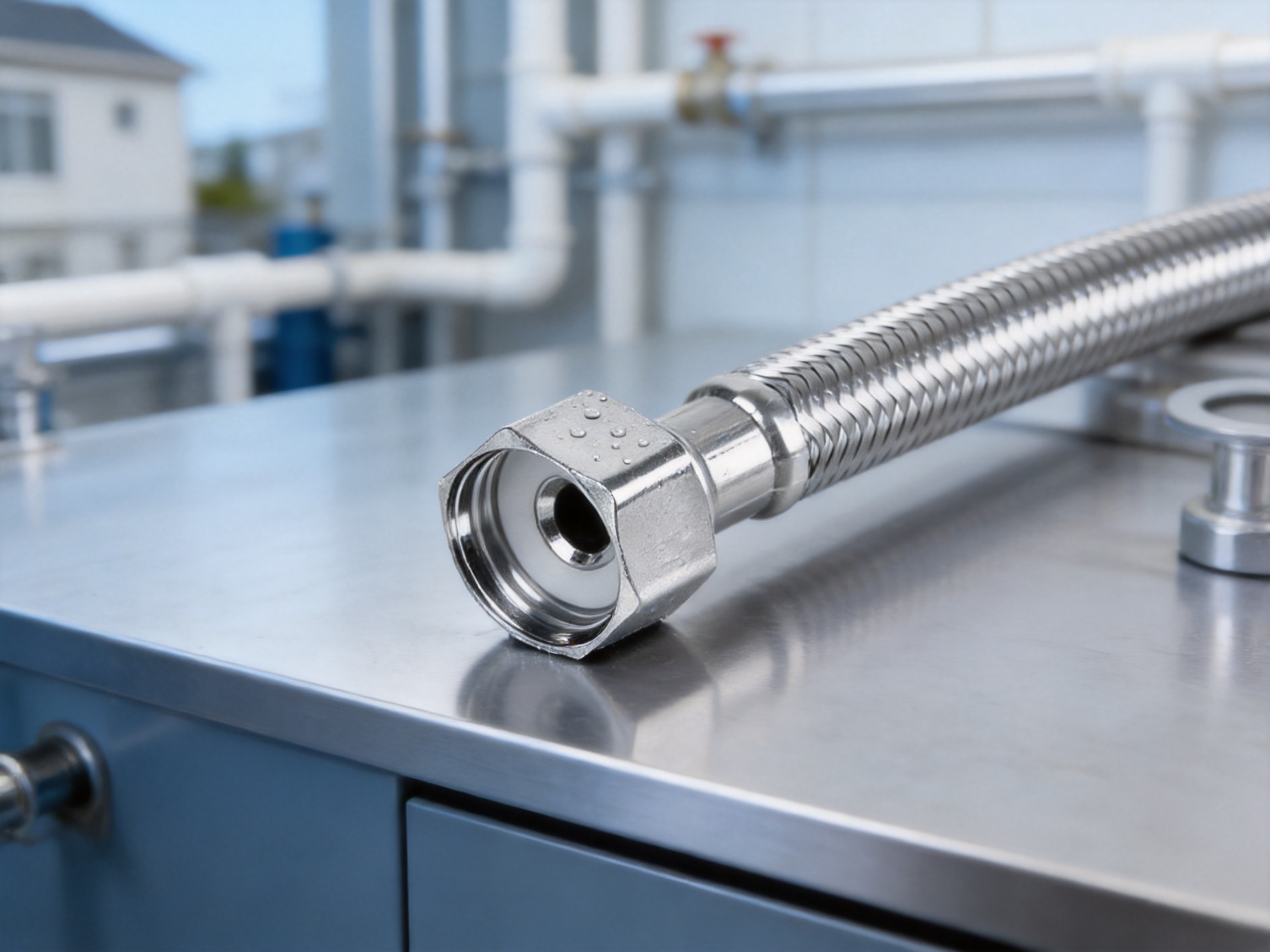
Haoyin has advanced manufacturing equipment, including CNC forming machines. Computer-controlled equipment supports repeatable shaping and dimensional accuracy. It can help maintain consistent profiles, improve production efficiency, and reduce variation between individual components.
Precision forming is valuable because the nut must fit accurately with its mating component. Consistent dimensions support smoother assembly and help reduce the risk of cross-threading, uneven tightening, and leakage caused by an improperly seated connection.
CNC-based production also facilitates controlled process parameters. When production settings are documented and monitored, operators can maintain more stable results and respond more quickly to deviations. This is especially important when supplying components for different connector models or customer requirements.
Thread Formation and Surface Quality
Thread quality is central to the performance of a stainless steel nut. The thread must have the correct profile, pitch, diameter, and engagement characteristics. It should be free from excessive burrs, deformation, contamination, and surface defects that could interfere with assembly.
Stainless steel can present special manufacturing challenges because it is strong and may work-harden during processing. Appropriate tooling, forming conditions, lubrication practices, and inspection methods are therefore important. A controlled process helps produce threads that are both durable and easy to assemble.
The external surface should also be suitable for handling and tool engagement. A well-formed wrenching area allows installers to apply torque effectively while reducing the possibility of slippage or damage. Surface cleanliness is particularly important in hygienic and visible installations.
Laser Welding and Connector Assembly Capability
Haoyin’s equipment includes laser welding machines. Laser welding can support precise, controlled joining in stainless steel assemblies. Although the nut itself is a threaded component, its performance must be considered within the complete connector manufacturing process. Accurate welding of adjacent parts helps preserve alignment and overall assembly integrity.
Controlled welding can reduce distortion and produce consistent joints when appropriate process parameters are applied. This is beneficial for flexible connectors, where the tube, fitting, and fastening components must remain properly aligned. Stable assembly geometry supports sealing reliability and ease of installation.
Testing and Inspection Technology
Reliable manufacturing requires more than visual inspection. Haoyin also has equipment such as COSMO systems and eddy current flaw detectors. These technologies support the inspection of products and help identify defects that may not be visible on the external surface.
Eddy current inspection can be useful for detecting certain surface and near-surface discontinuities in conductive materials. The exact capability depends on the equipment configuration, calibration, product geometry, and inspection procedure. When integrated into a controlled quality system, such technology contributes to greater confidence in product consistency.
Performance testing may include dimensional checks, thread inspection, surface examination, leak testing, pressure-related testing, material verification, and other evaluations according to the product design and customer requirements. The selected tests should reflect the intended application and the risks associated with the connection.
Quality Management and Corporate Manufacturing Capability
Haoyin (Ningbo) Bellows Technology Co., Ltd. operates standardized workshops covering approximately 18,000 square meters on an area of about 35 mu. The company has obtained ISO9001, ISO14001, ISO45001, and other management system certifications. These certifications indicate a structured approach to quality management, environmental management, and occupational health and safety, subject to the scope and validity of the relevant certificates.
A documented management system helps coordinate purchasing, production, inspection, equipment maintenance, training, corrective action, and customer service. For stainless steel nuts and flexible connector components, this organization is important because product quality is influenced by many stages rather than by one isolated manufacturing operation.
ISO9001-oriented quality management supports process consistency and continuous improvement. ISO14001-oriented environmental management supports the control of environmental impacts associated with production. ISO45001-oriented occupational health and safety management supports safer working practices. Together, these systems can contribute to a more responsible and reliable supply chain.
The company is also identified as a National High-tech Enterprise and Green Factory. These designations reflect an emphasis on technological development, manufacturing capability, and environmental performance. The company’s philosophy of “Striving for Excellence, Forging Quality” is reflected in its focus on process control, equipment investment, product development, and customer support.
Applications in Plumbing and Flexible Connection Systems
Residential Water Supply
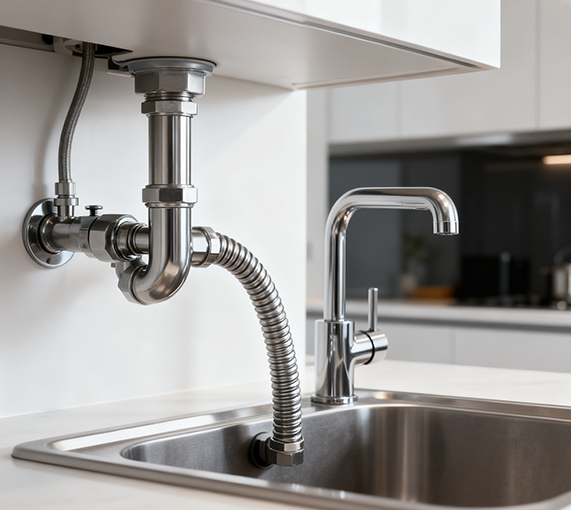
In residential water supply systems, flexible connectors are used to connect faucets, water heaters, tanks, pumps, filtration equipment, and other fixtures. The stainless steel nut helps create a dependable threaded connection in areas where water exposure is continuous or frequent.
Its corrosion resistance is valuable beneath sinks, inside utility cabinets, near water heaters, and in other locations where condensation or accidental splashing may occur. A durable fastening component can also simplify future maintenance by reducing the risk of a rusted or seized nut.
Building Plumbing and Heating
Commercial and residential buildings may use flexible connectors in domestic water, heating, circulation, and equipment connection systems. These systems can experience thermal expansion, vibration from pumps, and movement caused by installation tolerances. A stainless steel nut supports the mechanical stability of the connection while the flexible element accommodates movement.
For building projects, standardized and repeatable components are important. Contractors need nuts that can be installed efficiently and that remain compatible with the specified connector design. Consistent production and quality control help support this requirement.
Industrial HVAC and Mechanical Equipment
Industrial HVAC systems contain pumps, valves, heat exchangers, air-handling equipment, and other components that may generate vibration or operate through repeated temperature cycles. Flexible connectors help isolate vibration and compensate for minor movement, while the nut secures the connection to the fixed system.
In these environments, the nut may be exposed to humid mechanical rooms, cooling water, treated water, cleaning agents, or outdoor atmospheric conditions. Stainless steel provides a robust material choice when long-term resistance and mechanical stability are required.
Healthcare Facilities
Healthcare environments require careful attention to cleanliness, reliability, and maintenance. Stainless steel connection components are useful in plumbing, medical support equipment, sterilization-related systems, and facility services when the complete assembly meets the applicable requirements.
The smooth, cleanable nature of stainless steel can support hygiene programs. Its resistance to corrosion also helps maintain a stable surface in locations where cleaning and disinfection are routine. Product selection should be coordinated with facility standards and the relevant technical requirements.
Food-Processing and Commercial Kitchen Equipment
Food-processing facilities and commercial kitchens often combine water, heat, cleaning chemicals, vibration, and strict sanitation procedures. Stainless steel nuts are well suited to many such environments because they offer corrosion resistance, durability, and cleanability.
In these applications, the entire connector should be evaluated for hygienic design. Crevices, surface roughness, incompatible seal materials, and inaccessible areas may influence sanitation performance. The nut is an important part of the system, but hygienic suitability depends on the complete design and maintenance method.
Outdoor and Harsh Environments
Outdoor installations expose components to rain, humidity, temperature changes, dust, airborne pollutants, and sometimes salt. Stainless steel nuts can provide stronger resistance than ordinary plated fasteners, particularly when the correct stainless steel grade and surface condition are selected.
Outdoor performance can also be influenced by galvanic corrosion between dissimilar metals. Designers should assess the contact between the stainless steel nut, mating fitting, support structure, and surrounding components. Appropriate material compatibility and installation practices help preserve long-term performance.
Installation Recommendations
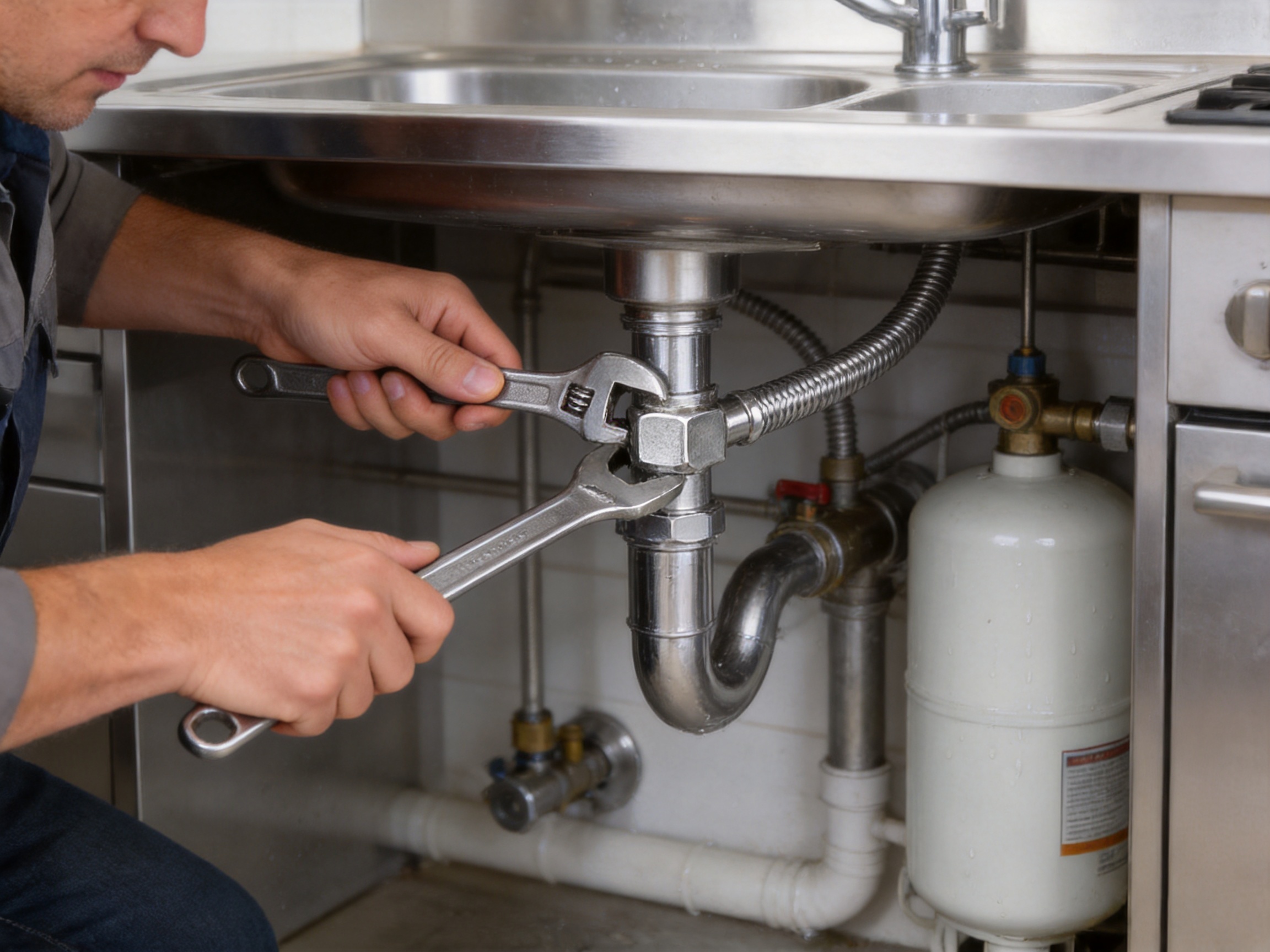
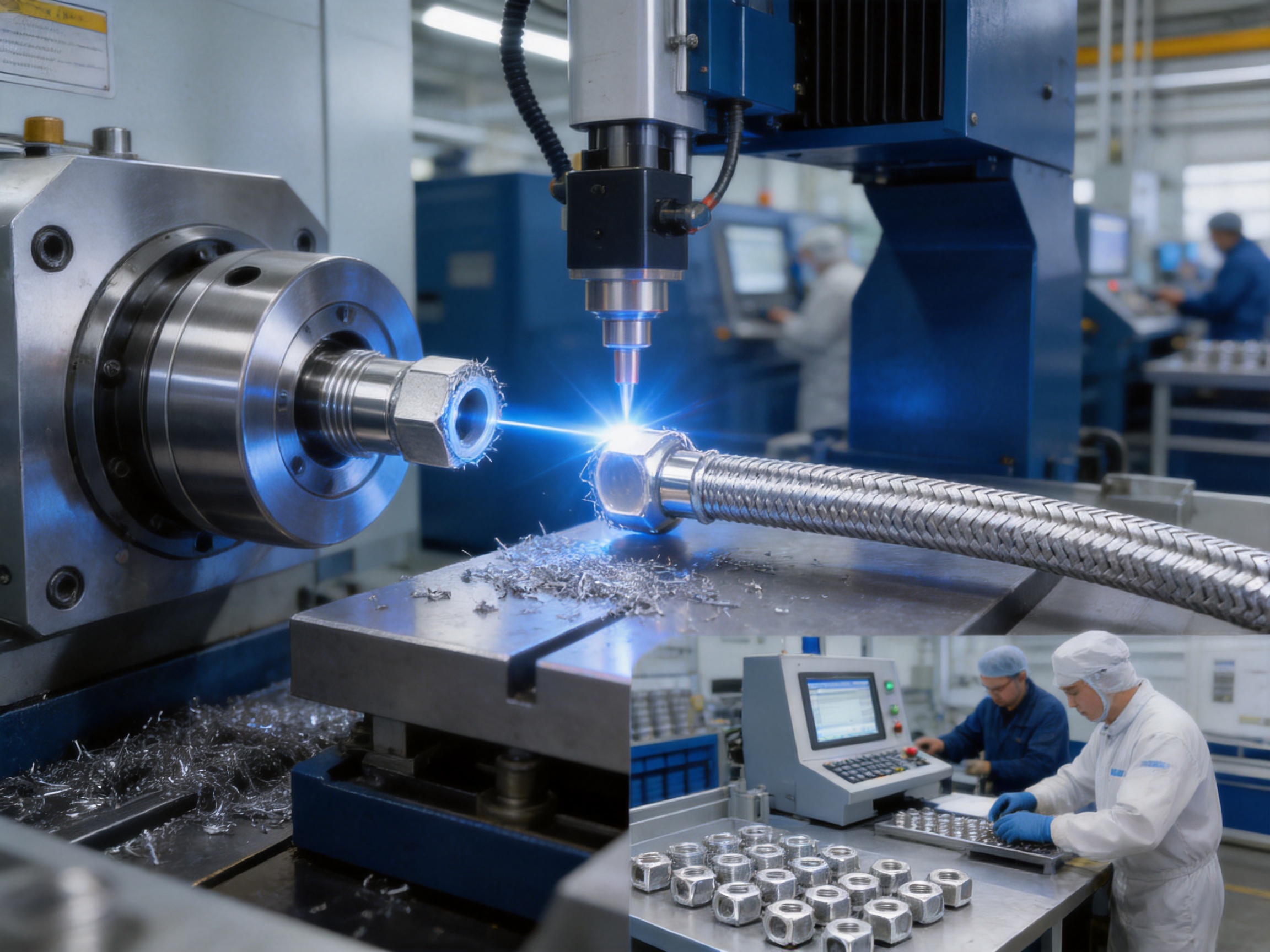
Even a high-quality stainless steel nut can fail to perform if it is installed incorrectly. The mating threads should be clean, undamaged, and compatible with the nut. Installers should begin engagement by hand whenever possible. This helps identify cross-threading before tools are applied.
The nut should be tightened using an appropriate tool and a controlled method. Excessive force may damage the thread, deform the connector, crush a gasket, or create unnecessary stress in the assembly. Insufficient tightening may fail to generate the required sealing pressure. The correct torque depends on the connector design, thread size, seal type, material combination, and manufacturer’s instructions.
Tools should grip the intended wrenching surfaces rather than the flexible tube. Applying a wrench directly to the corrugated or flexible section may cause deformation or localized damage. Where required, a second tool should be used to prevent the mating fitting from rotating and transferring stress into the connector.
After installation, the connection should be inspected and tested according to the applicable system procedure. A pressure or leak test may be required before the system is placed into service. If leakage is observed, the connection should be depressurized and examined rather than tightened blindly.
Installers should also avoid mixing incompatible thread standards or assuming that similar-looking threads are interchangeable. Thread form, pitch, nominal size, and sealing method must match. If a connector includes a gasket or sealing ring, it should be clean, correctly positioned, and free from damage.
Selection Guidance for Buyers and Engineers
When selecting a flexible plumbing connector stainless steel nut, buyers should consider more than the external appearance. The first requirement is compatibility with the connector and mating fitting. The nut must have the correct thread specification and dimensions. A component that appears similar but uses a different thread standard may not provide safe or leak-free engagement.
The operating environment should also be defined. Important factors include water quality, chemical exposure, outdoor installation, temperature range, pressure, vibration, cleaning method, and expected service life. For ordinary indoor water service, a standard stainless steel specification may be suitable. More aggressive environments may require a higher corrosion-resistant grade or additional surface considerations.
Application regulations should be reviewed for potable water, food contact, medical systems, gas-related equipment, and other controlled industries. Requirements may concern material composition, pressure performance, hygiene, traceability, testing, or documentation.
Purchasers should ask suppliers about production consistency, inspection capability, packaging, batch identification, and technical support. A reliable supplier should be able to clarify the product’s material, dimensions, thread type, applicable connector models, and recommended installation method.
For original equipment manufacturers, customization may involve thread dimensions, external geometry, material selection, surface treatment, packaging, marking, and inspection requirements. A manufacturer with design, forming, welding, testing, and quality-management capabilities can provide more coordinated support than a supplier that only trades standard fasteners.
Packaging, Storage, and Maintenance
Proper packaging protects stainless steel nuts from contamination, impact, moisture, and mixing with incompatible metal particles during transport and storage. Components should be kept clean and dry, particularly before installation in hygienic or potable-water applications.
Storage areas should be free from corrosive fumes, excessive humidity, and contact with carbon-steel dust. Although stainless steel is corrosion resistant, contamination from ordinary steel particles can create surface staining or localized corrosion. Separating stainless steel components from carbon-steel fabrication activities is a useful preventive measure.
During maintenance, the nut should be inspected for thread damage, abnormal wear, corrosion staining, distortion, and signs of leakage around the connection. If a nut has been heavily deformed or its threads are damaged, replacement is generally preferable to continued use.
Cleaning should be performed with methods compatible with the stainless steel grade and the complete connector assembly. Harsh chemicals, abrasive tools, or chloride-rich cleaners may damage surfaces or seals if used incorrectly. After cleaning, the connection should be rinsed and dried where appropriate.
How the Product Supports Long-Term Value
The value of a stainless steel nut is measured not only by its purchase price but also by its service performance. A durable component can reduce maintenance interruptions, replacement labor, leakage risks, and equipment downtime. In difficult-to-access locations, the cost of premature failure may be much greater than the original component cost.
Reliable threads also improve installation efficiency. Smooth engagement and predictable tightening reduce the time required for assembly and lower the risk of installation mistakes. For projects involving many connectors, small improvements in consistency can produce significant overall savings.
Stainless steel’s recyclability and long service life further support lifecycle value. When a component remains in service longer and can be recovered at the end of its life, fewer replacement materials may be needed. This aligns technical performance with environmental responsibility.
Why Manufacturing Integration Matters
A stainless steel nut should be evaluated as part of a complete connector supply chain. A supplier with experience in bellows, flexible pipes, metal hoses, and compensators understands how threaded components interact with flexible and welded structures. This integrated knowledge can improve dimensional coordination and reduce compatibility problems.
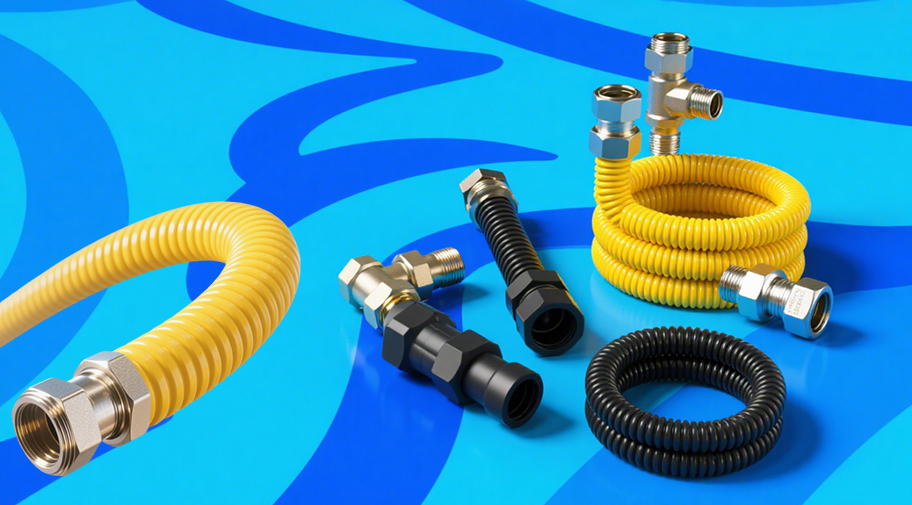
Haoyin’s product range includes gas connectors, plumbing pipes and water liners, metal hoses, and compensators. Its expertise in stainless steel bellows and flexible connection solutions provides a foundation for understanding movement, pressure, vibration, thermal expansion, and sealing requirements.
The company’s professional R&D team, standardized workshops, advanced equipment, and process-based quality system support product development and manufacturing. Equipment such as CNC forming machines, laser welding machines, eddy current flaw detectors, COSMO systems, and automatic packaging systems contributes to a coordinated production process.
Automatic packaging is also valuable for maintaining product cleanliness and reducing handling variation. Consistent packaging can help protect components during shipment, support batch management, and make products easier for customers to receive, store, and distribute.
Q&A
What is a flexible plumbing connector stainless steel nut?
It is a threaded stainless steel fastening component used to secure a flexible plumbing connector to a compatible fitting, pipe, valve, appliance, or equipment interface. It helps apply and maintain the clamping force required for a stable, sealed connection.
Why is stainless steel preferred for plumbing connector nuts?
Stainless steel offers a combination of corrosion resistance, mechanical strength, temperature stability, hygiene, cleanability, and recyclability. These properties are valuable in wet, outdoor, heating, healthcare, food-processing, and industrial environments.
Can this nut be used with any flexible hose?
No. The nut must match the connector’s thread specification, dimensions, sealing method, and material requirements. Thread size alone is not always sufficient because different thread standards may have different profiles or pitches.
Does corrosion-resistant mean corrosion-proof?
No. Stainless steel resists corrosion, but performance depends on the material grade, chemical exposure, temperature, surface condition, contamination, and installation environment. Severe chloride exposure, unsuitable cleaning chemicals, or contact with incompatible metals may still cause corrosion.
Is the product suitable for hot-water and heating systems?
Stainless steel generally maintains useful mechanical properties across a broad temperature range, making it suitable for many hot-water and heating applications. The complete connector assembly must still be checked for its pressure, temperature, seal, and material limitations.
Can it be used in food or medical applications?
Stainless steel is widely used in food and medical environments because it is durable, cleanable, and resistant to bacterial accumulation on a properly finished surface. The exact product grade, surface finish, sealing materials, and applicable regulatory requirements should be confirmed for each application.
How should the nut be tightened?
It should be tightened according to the connector manufacturer’s instructions using suitable tools and controlled force. Installers should avoid cross-threading, excessive torque, and applying tools directly to the flexible tube. Where specified, torque-controlled installation is recommended.
What manufacturing technologies support product reliability?
Relevant technologies include controlled raw material selection, structural design review, CNC forming, precision thread production, laser welding for related assemblies, eddy current inspection, COSMO testing equipment, performance testing, and automatic packaging. These processes help improve consistency and traceability.
What quality certifications does the manufacturer have?
Haoyin (Ningbo) Bellows Technology Co., Ltd. has obtained ISO9001, ISO14001, ISO45001, and other management system certifications. Customers should confirm the current certificate scope and validity for their specific procurement requirements.
What information should be provided when requesting a quotation?
Useful information includes the required quantity, thread standard and size, connector model, stainless steel material requirement, operating medium, temperature, pressure, environmental conditions, sealing method, packaging needs, inspection requirements, and any applicable industry standards.
Conclusion
The flexible plumbing connector stainless steel nut is a small but essential component in many modern piping and connection systems. Its performance influences assembly quality, sealing reliability, maintenance convenience, and service life. Compared with conventional plated steel or plastic alternatives, stainless steel provides a strong combination of corrosion resistance, mechanical durability, temperature stability, hygiene, and recyclability.
The product is suitable for a broad range of uses, including residential plumbing, building heating, industrial HVAC, healthcare facilities, food-processing equipment, commercial kitchens, and outdoor installations. Its value is especially clear in environments where moisture, vibration, temperature fluctuation, cleaning, or long service intervals place higher demands on fastening components.
Manufacturing quality is equally important. Accurate forming, consistent threads, controlled raw materials, modern inspection equipment, advanced welding capability, standardized workshops, and certified management systems all contribute to dependable performance. Haoyin (Ningbo) Bellows Technology Co., Ltd. combines these capabilities with expertise in stainless steel bellows and flexible connection products, allowing it to support complete and coordinated connection solutions.
For buyers and engineers, the best selection approach is to evaluate the nut together with the connector, fitting, seal, operating conditions, and applicable standards. When correctly specified, manufactured, installed, and maintained, a stainless steel nut can provide a durable and hygienic fastening solution that supports the long-term reliability of flexible plumbing systems.
References
1. ISO 9001, Quality Management Systems — Requirements.
2. ISO 14001, Environmental Management Systems — Requirements with Guidance for Use.
3. ISO 45001, Occupational Health and Safety Management Systems — Requirements with Guidance for Use.
4. General engineering principles for stainless steel corrosion resistance and material selection.
5. General technical guidance for threaded fasteners, torque control, and mechanical joint assembly.
6. General design and maintenance principles for flexible metal hoses, bellows, plumbing connectors, and compensators.
7. Manufacturer-provided product and company information for stainless steel nuts, flexible plumbing connectors, stainless steel bellows, metal hoses, and related connection systems.