




 English
  Español
  русский


In modern piping systems, reliability is not determined by pipe strength alone. Every pipeline is exposed to movement, pressure fluctuation, vibration, thermal expansion, installation deviation, and long-term fatigue. A rigid pipeline that cannot absorb these forces may develop stress concentration, leakage, weld cracking, flange deformation, equipment vibration, and premature failure. The flexible metal compensator corrugated expansion joint is designed to solve these problems by providing a controlled flexible section within the pipeline. It absorbs displacement, reduces vibration, protects connected equipment, and helps the entire system operate more safely and efficiently.
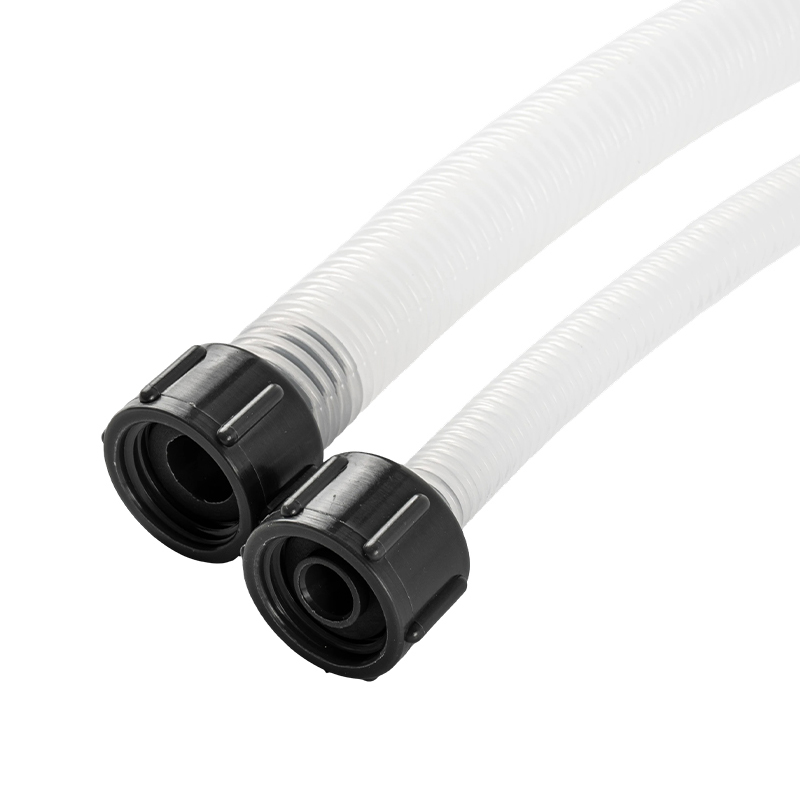
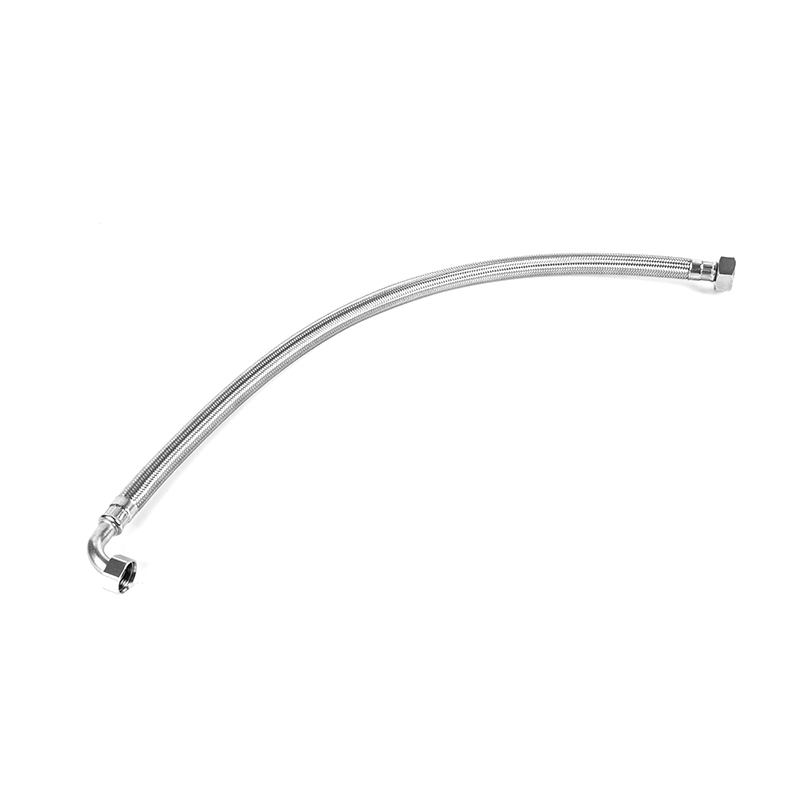
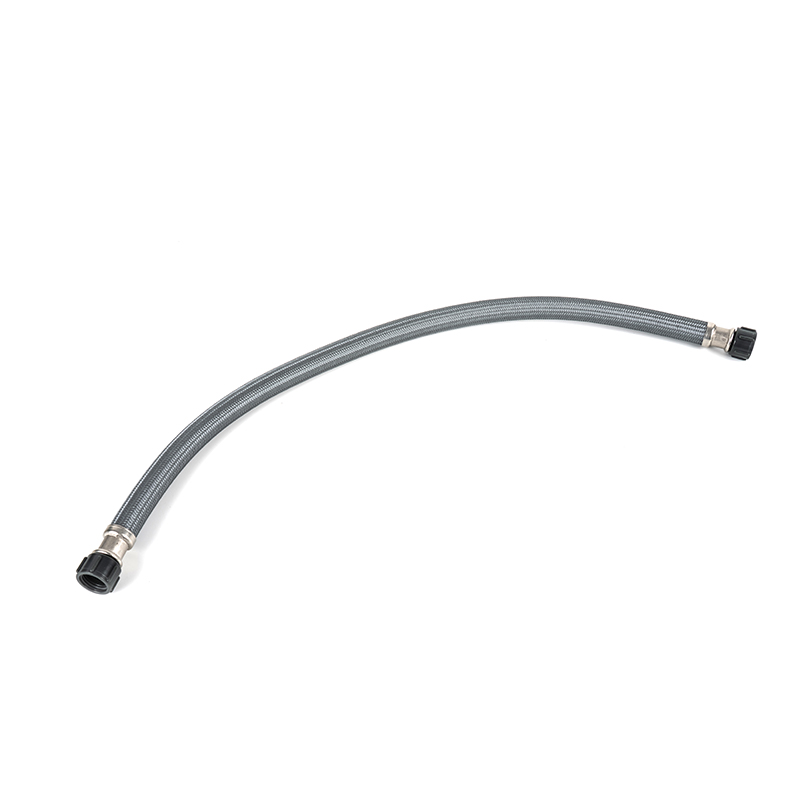
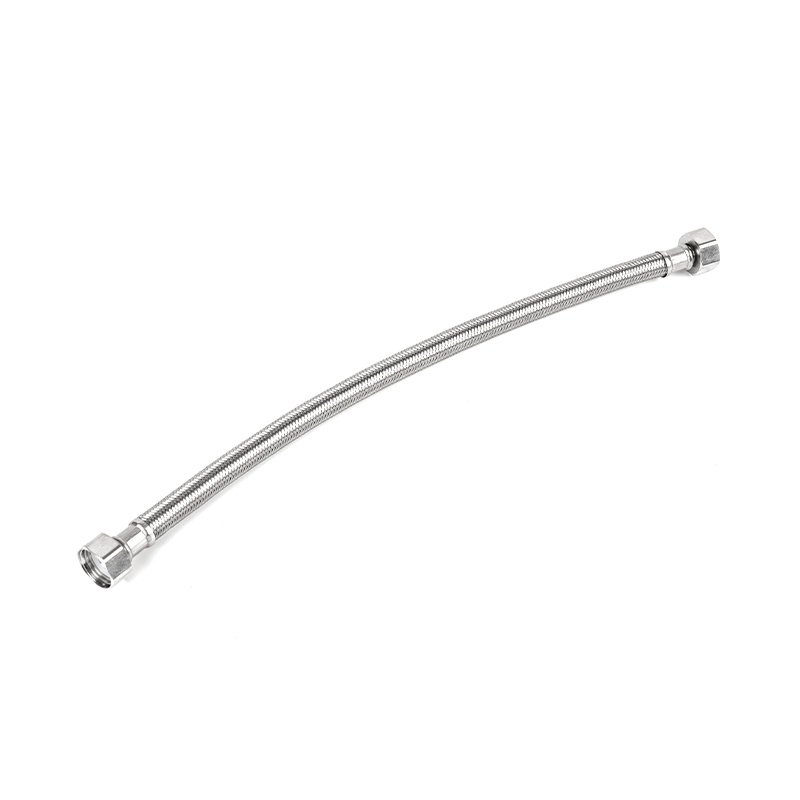
This product is a flexible metal compensator made with corrugated stainless steel bellows and optional braid or reinforced structural components. It is suitable for media such as water, steam, and petroleum oil, and it is widely used in petroleum and petrochemical facilities, aerospace equipment, machinery manufacturing, electrical equipment, and chemical industry systems. With a pressure range of 0.6 MPa to 1.6 MPa and commonly used nominal diameter specifications from DN255 to DN600, it supports demanding industrial conditions where pipe movement control and sealing stability are essential.
The flexible metal compensator corrugated expansion joint is manufactured with materials such as 304 stainless steel and carbon steel, depending on operating conditions, installation requirements, and customer customization needs. 304 stainless steel provides excellent corrosion resistance, heat resistance, formability, and durability, while carbon steel can be used for structural components where strength and cost performance are required. Connection methods include flange connection, welding connection, and quick-connect or quick-assembly interfaces, giving engineers flexibility during installation and maintenance.
The product is especially valuable in applications where thermal cycles cause pipeline expansion and contraction. Steam lines, hot water circulation systems, petroleum transport pipelines, chemical process lines, power equipment, and industrial HVAC systems all experience dimensional changes during operation. If these changes are not compensated, the pipeline can transfer excessive force to pumps, valves, tanks, compressors, heat exchangers, and other equipment. A corrugated expansion joint provides an engineered flexible section that absorbs movement and reduces stress transmission.
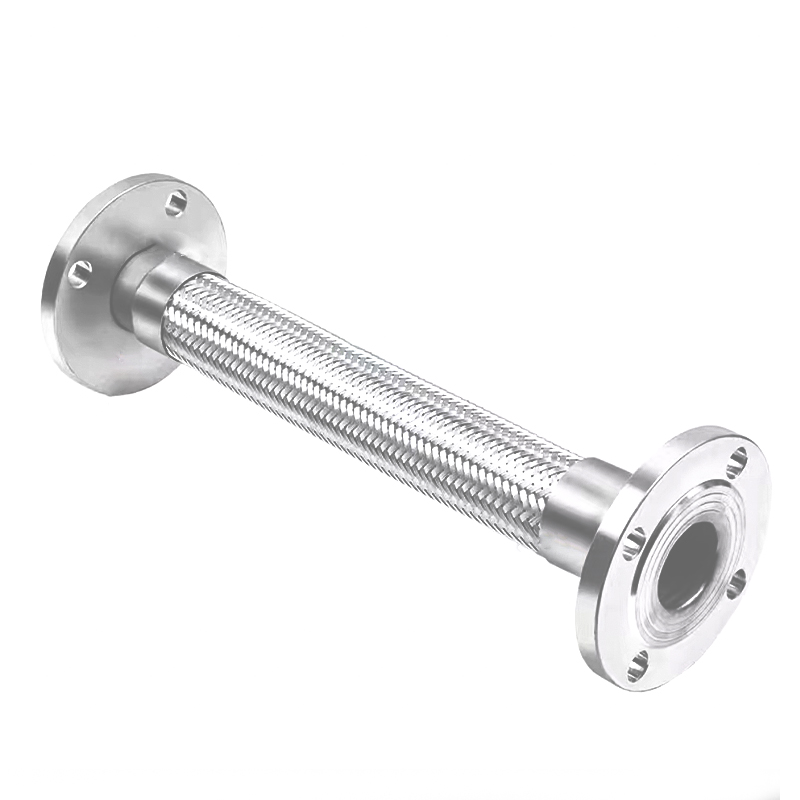
Flexible Metal Compensator Corrugated Expansion Joint
Product Overview and Functional Principle
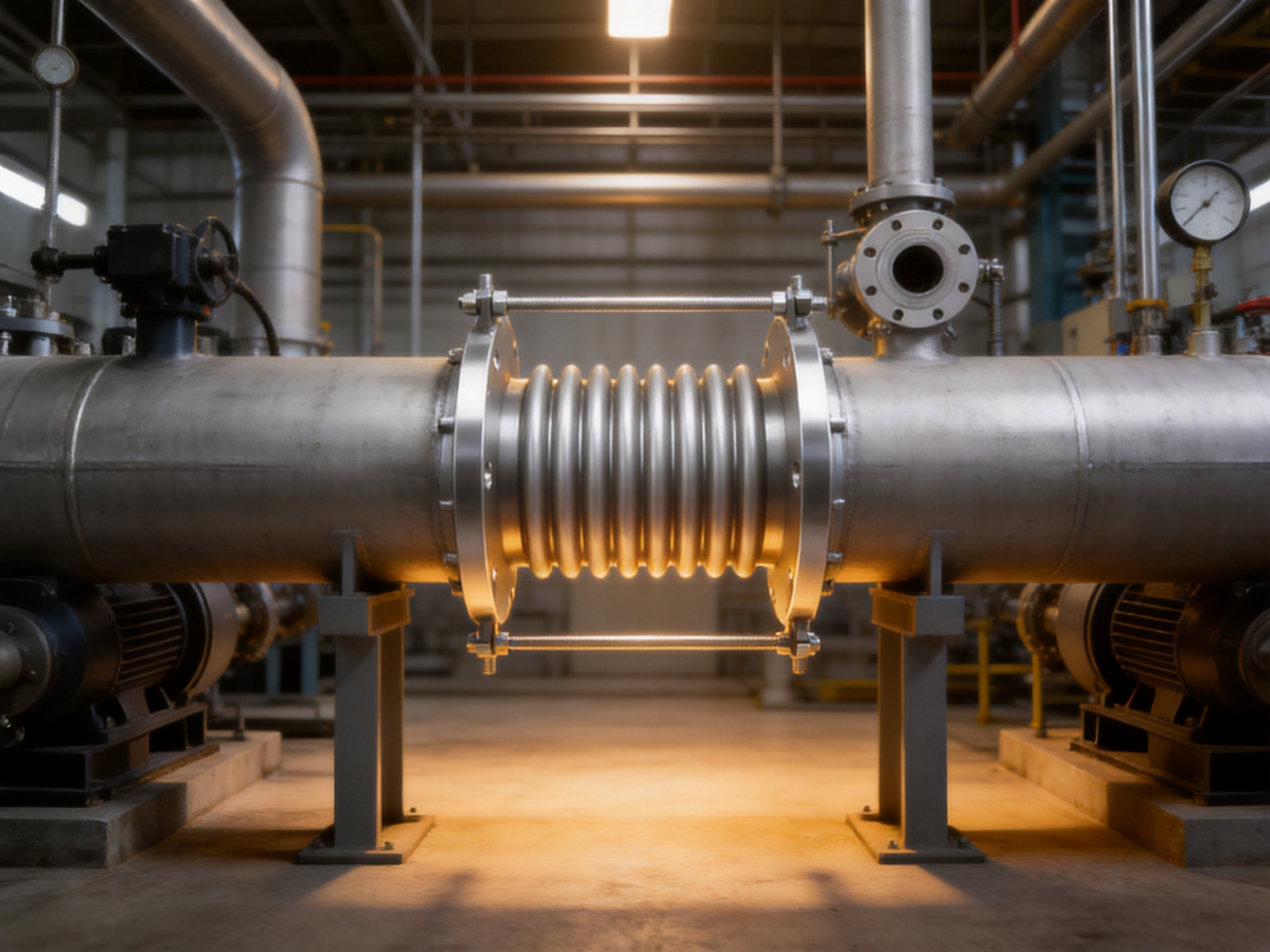
A corrugated expansion joint works through the elastic deformation of its bellows. The bellows are formed into a series of precise corrugations that can compress, extend, and bend within a defined range. When the pipeline expands because of heat, the bellows can compress axially. When the pipeline shifts due to settlement, vibration, or installation deviation, the bellows can absorb lateral or angular movement. This flexibility makes the compensator an important protective device in piping design.
The flexible metal compensator is not simply a soft connector. It is a pressure-bearing component that must maintain sealing performance while repeatedly moving under operating load. The dense and uniform corrugated structure distributes stress more evenly than a plain tube. When designed and manufactured correctly, each corrugation shares deformation, reducing localized fatigue. This is one of the major advantages of a high-quality metal compensator over ordinary flexible connectors or poorly formed bellows.
The product described here uses thickened hose body construction and robust corrugated forming. The pressure rating can reach 1.6 MPa, making it suitable for many medium-pressure industrial systems. The corrugations are arranged precisely and uniformly, contributing to vibration damping and noise reduction. In practical operation, this can help stabilize pipeline performance, reduce mechanical resonance, and improve the working environment around pumps, compressors, and flowing media systems.
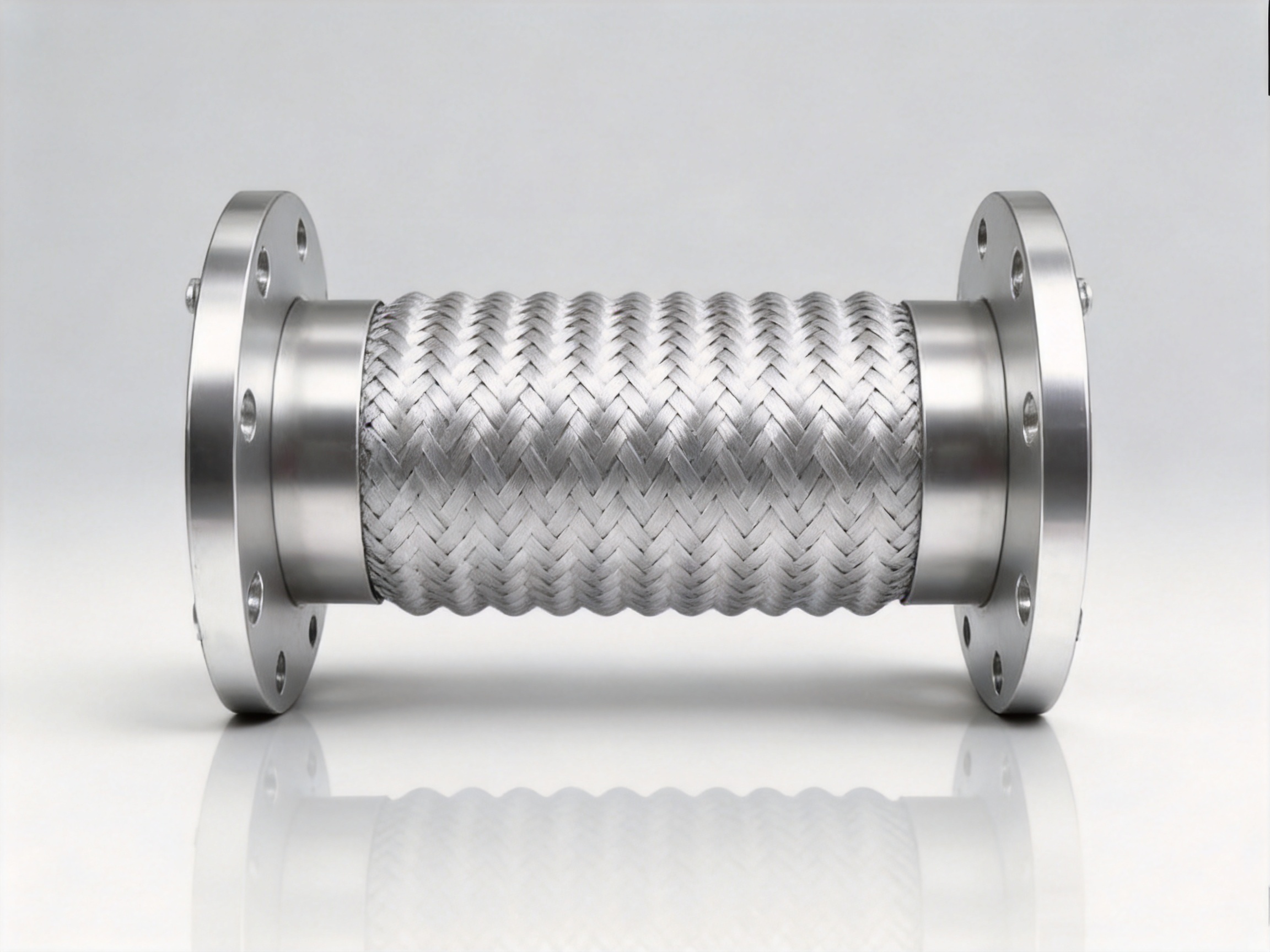
For projects that require additional reinforcement, a tightly woven 304 stainless steel braid can be applied. The braid is made from precision woven stainless steel wire. It improves pressure resistance, enhances anti-burst performance, and supports safe operation under dynamic conditions. A high-quality braid should be soft, uniform, free of skipped threads, and resistant to wire breakage. These details directly affect the product’s service life and safety margin.
The product can be supplied with multiple connection types. Flange connection is widely used for larger industrial pipelines because it allows convenient installation, inspection, and replacement. Welding connection offers strong integrity and is suitable for permanent installations where leakage control is critical. Quick-connect or quick-assembly connection supports faster installation and maintenance in systems where downtime must be minimized. This connection flexibility gives the product an advantage over standard compensators that only support one installation method.
Key Technical Specifications
Item |
Specification |
Engineering Benefit |
Product Type |
Flexible metal compensator corrugated expansion joint |
Absorbs movement, reduces vibration, and protects pipeline equipment |
Main Materials |
304 stainless steel and carbon steel |
Combines corrosion resistance, strength, heat resistance, and structural stability |
Pressure Range |
0.6 MPa to 1.6 MPa |
Suitable for many water, steam, and petroleum piping applications |
Nominal Diameter Range |
Commonly used DN255 to DN600 |
Supports medium and large pipeline systems |
Connection Types |
Flange, welding, quick-connect, and quick-assembly |
Adapts to different installation layouts and maintenance requirements |
Applicable Media |
Water, steam, and petroleum oil |
Meets the needs of industrial fluid transport systems |
Typical Industries |
Petroleum, petrochemical, aerospace equipment, machinery manufacturing, electrical equipment, and chemical industry |
Suitable for demanding environments with vibration, temperature change, and pressure fluctuation |
Advantages Over Ordinary Flexible Connectors
The major advantage of this flexible metal compensator is its balance between flexibility and pressure resistance. Some ordinary flexible connectors can bend easily but may not provide sufficient pressure stability or long-term fatigue resistance. Other rigid compensating devices may withstand pressure but cannot efficiently absorb vibration or installation deviation. This corrugated expansion joint combines both functions: it is strong enough for industrial pressure conditions and flexible enough to protect the piping system from movement-related stress.
Compared with low-grade bellows products, the use of 304 stainless steel is a significant advantage. 304 stainless steel offers strong resistance to oxidation and many forms of corrosion, making it suitable for water, steam, and oil-related media. It also performs well under elevated temperature conditions. In industrial systems where moisture, temperature cycles, and chemical exposure may occur, material quality is not a cosmetic issue; it is a decisive factor in safety and service life.
The tightly woven stainless steel braid further improves product value. In some competitor products, braid quality may be inconsistent, with loose weaving, skipped threads, or weak wire tension. Such problems can reduce pressure resistance and increase the risk of deformation under load. A precision woven 304 stainless steel braid provides a more uniform reinforcement layer. It is soft enough to maintain flexibility while strong enough to improve anti-burst performance.
The thickened hose body and dense bellows pitch provide another advantage. A thin-walled or unevenly formed bellows may deform irregularly under pressure and movement. It may also experience concentrated stress at the weakest corrugation. By using a thickened tube wall and uniform corrugation design, the expansion joint achieves stronger pressure resistance, improved anti-explosion performance, and more reliable deformation behavior. This is especially important for steam, petroleum, and industrial circulation systems where operating conditions can change quickly.
The product’s professional argon arc welding process is also important. Welding quality is one of the most critical factors in the reliability of a metal compensator. A flat and regular weld seam with a consistent fish-scale pattern indicates controlled welding parameters and stable workmanship. Poor welding can lead to leakage, cracking, oxidation, and reduced fatigue life. By applying professional welding techniques, the product achieves stronger joint integrity and better sealing performance.
Another competitive advantage is customization. Industrial pipelines rarely follow one universal layout. Engineers may need different lengths, diameters, flange standards, pressure ratings, movement capacities, and connection methods. The product supports a complete range of specifications and customization options, helping customers match the compensator to the actual site conditions. This reduces installation compromise and improves overall project reliability.
Material Strength: 304 Stainless Steel and Carbon Steel
Material selection directly affects the performance of any expansion joint. 304 stainless steel is widely used in industrial piping components because it provides a strong combination of corrosion resistance, mechanical strength, thermal stability, and manufacturability. In a corrugated compensator, the material must be ductile enough to form precise bellows and strong enough to withstand pressure and cyclic movement. 304 stainless steel meets these requirements well.
For water and steam systems, corrosion resistance is essential because oxygen, temperature, and impurities can accelerate material degradation. In petroleum and oil-related applications, resistance to environmental corrosion and mechanical fatigue is equally important. A 304 stainless steel bellows helps maintain sealing stability under these conditions. Its surface properties also support cleaner operation and easier maintenance than many lower-grade materials.
Carbon steel components may be used where high structural strength is required, especially in flanges, external support parts, or project-specific assemblies. Carbon steel provides good mechanical performance and cost efficiency. When combined properly with stainless steel bellows, it helps create a balanced product structure. The key is not simply choosing the strongest material, but selecting the right material for each functional part of the compensator.
High-quality material selection also reduces lifecycle cost. A cheaper compensator may appear attractive at purchase, but if it corrodes, leaks, or fails early, the real cost becomes much higher. Downtime, replacement labor, emergency repair, production interruption, and safety risk can far exceed the initial price difference. A properly manufactured stainless steel corrugated expansion joint offers better long-term value because it is designed for stable operation over repeated cycles.
Pressure Resistance and Anti-Burst Performance
The product is designed for a pressure range of 0.6 MPa to 1.6 MPa. In real pipeline systems, pressure is not always constant. Startup, shutdown, pump operation, valve closure, thermal expansion, and flow changes can create transient forces. A compensator must therefore have sufficient pressure resistance and a safety margin. The thickened hose body and reinforced structure help the expansion joint resist deformation and maintain sealing integrity.
Anti-burst performance depends on several factors: material quality, wall thickness, corrugation geometry, braid strength, welding quality, and final inspection. If any of these factors are weak, the product’s pressure capacity can be compromised. This flexible metal compensator is designed with a thickened body and, where required, 304 stainless steel woven braid reinforcement. The result is a product suitable for demanding installations where pressure stability is a priority.
In many industrial systems, pressure resistance must be combined with movement absorption. A rigid pipe may withstand pressure but cannot compensate for expansion. A soft hose may absorb movement but may not tolerate higher pressure or temperature. The corrugated expansion joint bridges this gap. It provides controlled flexibility while preserving pressure-bearing performance, making it an efficient solution for pipelines connected to pumps, tanks, heaters, reactors, and process equipment.
Vibration Damping and Noise Reduction
Vibration is a common problem in industrial piping. Pumps, compressors, rotating machinery, turbulent flow, pressure pulsation, and equipment startup can all produce vibration. If vibration is transferred directly through rigid pipework, it can loosen fasteners, damage welds, create noise, accelerate fatigue, and affect nearby instruments. A corrugated metal compensator helps isolate and reduce vibration transmission.
The corrugated arrangement of this product is precise and uniform, allowing the bellows to absorb small dynamic movements. While the compensator is not a replacement for all vibration isolation devices, it can significantly improve system behavior when installed correctly. It reduces the mechanical stress that would otherwise be transferred to connected equipment. This function is particularly valuable in machinery manufacturing, electrical equipment systems, petrochemical units, and industrial circulation pipelines.
Noise reduction is closely related to vibration control. When pipelines vibrate, they can radiate noise into the surrounding environment. In facilities where worker comfort, equipment protection, and operational stability matter, reducing vibration and noise is an important engineering objective. The flexible metal compensator contributes to quieter operation by interrupting the rigid transmission path and absorbing part of the movement energy.
Competitor products with irregular corrugations or weak material may not provide stable vibration damping. If the bellows pitch is uneven, certain sections may deform more than others, causing localized fatigue. A dense and consistent bellows pitch improves movement distribution. This is why forming accuracy is not merely a manufacturing detail; it is directly connected to long-term field performance.
Thermal Expansion Compensation
Thermal expansion is one of the main reasons for using a corrugated expansion joint. When temperature rises, metal pipes expand. When temperature falls, they contract. In long pipelines, even small temperature changes can create substantial movement. Without compensation, this movement generates high stress at anchors, elbows, valves, and equipment connections.
Steam systems are a clear example. Steam pipelines experience high temperature during operation and may cool during shutdown. The repeated expansion and contraction can fatigue rigid sections and overload supports. A flexible metal compensator absorbs part of the movement, helping the system maintain alignment and reducing stress on fixed points.
Hot water systems, petroleum process lines, and chemical industry pipelines can experience similar thermal cycles. The corrugated expansion joint allows controlled axial compression and extension within its design range. This reduces the need for overly complex pipe loops and can simplify layout design. In space-limited installations, a compact expansion joint may be especially useful.
However, correct selection is essential. Engineers should consider pressure, temperature, movement amount, medium, connection type, installation space, support design, and anchor location. A high-quality expansion joint performs best when it is integrated into a properly designed piping system. The manufacturer’s ability to provide customized specifications is therefore a major advantage for project success.
Connection Options for Different Engineering Needs
The product supports flange, welding, and quick-connect or quick-assembly connection methods. This flexibility allows it to serve different industries and installation environments. Each connection type has its own advantages, and choosing the correct one can improve installation efficiency, maintenance convenience, and system safety.
Flange connection is widely used in industrial piping because it allows removable installation. If inspection, replacement, or maintenance is required, the compensator can be removed without cutting the pipeline. Flange connections are often preferred for larger diameters and important process systems. They also allow compatibility with common industrial pipe standards when properly specified.
Welding connection provides strong structural integrity and a permanent seal. It is useful in systems where leakage prevention is critical and where disassembly is not frequently required. Professional argon arc welding helps create clean, uniform, and durable weld seams. Welding quality is especially important in pressure-bearing applications because the weld area is often one of the most sensitive zones.
Quick-connect and quick-assembly connections are valuable where installation speed matters. In equipment manufacturing, modular systems, temporary process lines, or maintenance-sensitive facilities, reducing assembly time can lower labor cost and downtime. A product that supports different interfaces has a competitive advantage because it can adapt to more project conditions than a single-connection design.
Advanced Manufacturing Capabilities
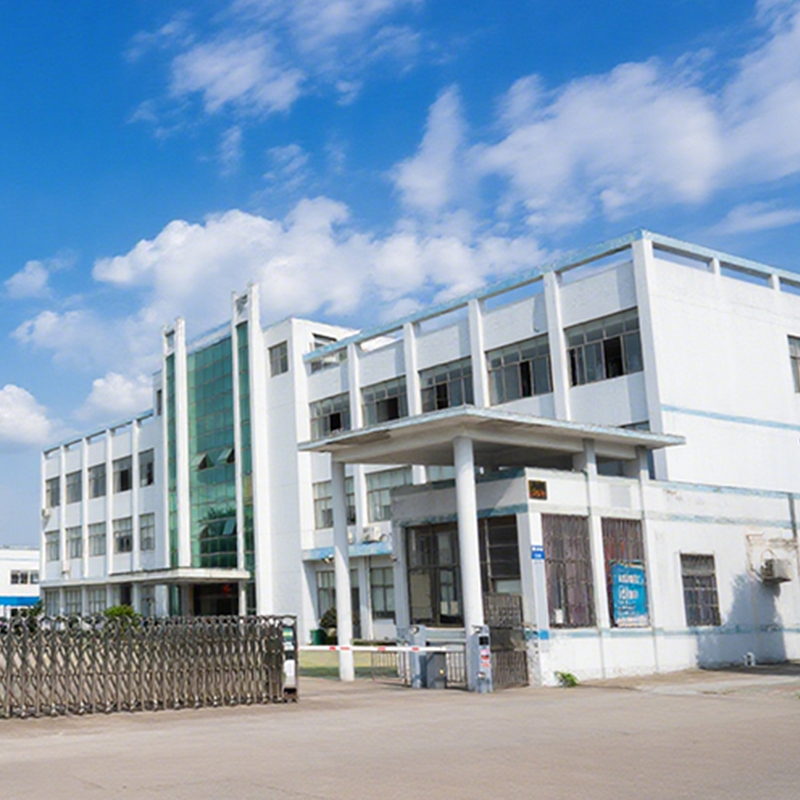
The performance of a corrugated expansion joint depends heavily on manufacturing capability. Precision forming, welding, inspection, and quality control all influence product reliability. Haoyin (Ningbo) Bellows Technology Co., Ltd. specializes in the research, development, design, manufacturing, and sales of stainless steel bellows and related flexible connection products. The company serves gas, plumbing, heating, healthcare, building heating, industrial HVAC, and industrial piping fields, offering safe, efficient, and durable flexible connection solutions.
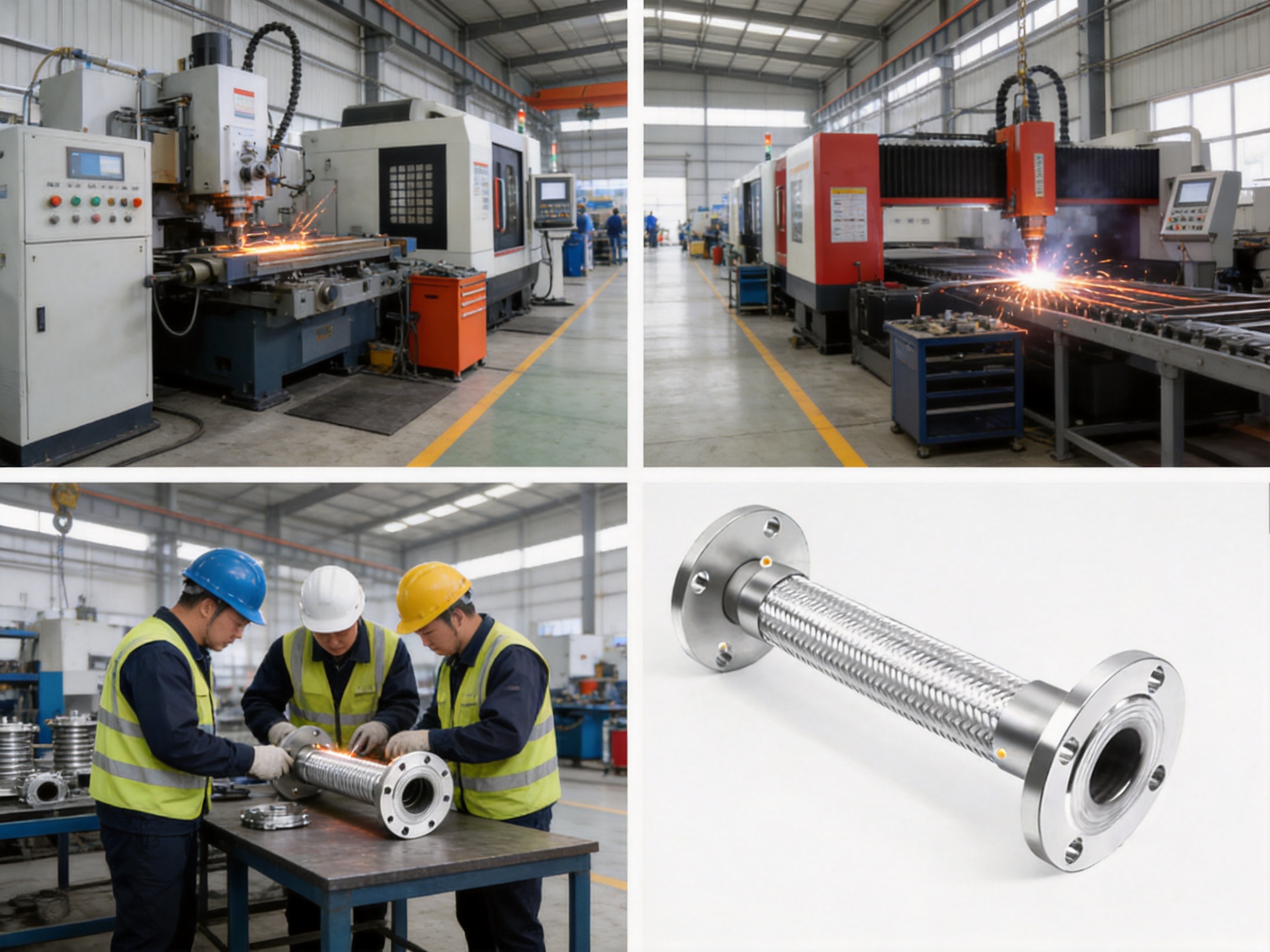
The company operates standardized workshops covering 18,000 square meters within a total area of 35 mu. This manufacturing scale supports stable production, consistent workflow, and the ability to handle different product categories such as gas connectors, plumbing pipes, water liners, metal hoses, and compensators. A strong production base is important for customers who require reliable supply, repeatable quality, and customization support.
Advanced equipment is a key part of the company’s strength. The manufacturing system includes laser welding machines, CNC forming machines, COSMO equipment, eddy current flaw detectors, and automatic packaging systems. Each type of equipment supports a different stage of product quality. CNC forming improves corrugation precision, laser welding supports accurate and stable welds, eddy current testing helps detect defects, and automatic packaging protects finished products during storage and transportation.
The company has obtained ISO9001, ISO14001, and ISO45001 management system certifications. These certifications demonstrate structured management of quality, environmental responsibility, and occupational health and safety. For industrial buyers, such certifications are not only administrative achievements; they indicate that manufacturing processes are controlled, documented, and continuously improved.
As a National High-tech Enterprise and Green Factory, the company emphasizes innovation, efficiency, and responsible manufacturing. Its philosophy of striving for excellence and forging quality is reflected in full-process quality management. This quality system covers raw material selection, structural design, manufacturing, performance testing, and after-sales support. Such a complete process is essential for products used in pressure-bearing and safety-related piping systems.
Precision Forming of Corrugated Bellows
The corrugated bellows are the core of the expansion joint. Their geometry determines flexibility, movement capacity, pressure resistance, and fatigue life. Precision forming is therefore one of the most important manufacturing steps. CNC forming machines help control corrugation shape, pitch, height, and uniformity. Compared with less controlled forming methods, CNC-based processes can improve repeatability and reduce dimensional variation.
Uniform corrugations distribute stress more evenly during compression, extension, and bending. If corrugations are inconsistent, some areas may absorb more movement than others, leading to premature fatigue. In a high-quality product, the bellows pitch is dense, regular, and carefully formed. This supports robust and durable performance, especially in systems exposed to frequent thermal cycling or vibration.
Precision forming also affects installation quality. A well-formed compensator maintains better alignment and predictable movement behavior. This helps engineers install the product according to design expectations. Poorly formed bellows may twist, buckle, or deform unpredictably, increasing the risk of installation problems and shortened service life.
For larger nominal diameters, forming accuracy becomes even more important because the forces involved are higher. The commonly used DN255 to DN600 range demands strong process control. A manufacturer with dedicated forming equipment and technical experience is better positioned to produce large-diameter compensators that meet project requirements.
Professional Welding and Seam Integrity
Welding is another decisive stage in the production of metal compensators. The product uses professional argon arc welding, producing a flat and regular weld seam with a fish-scale appearance. Argon arc welding helps protect the weld area from oxidation and supports clean, stable joining of stainless steel components. A good weld improves sealing performance, mechanical strength, and fatigue resistance.
In pressure-bearing piping components, weld defects can become serious risks. Porosity, undercut, incomplete fusion, excessive oxidation, and irregular bead shape may reduce strength or create leakage paths. Professional welding processes reduce these risks through controlled heat input, shielding, operator skill, and inspection. This is a strong advantage over low-cost products produced with inconsistent welding control.
Weld quality also influences appearance, but appearance is only the visible part of the issue. A neat weld often reflects stable process control, while internal quality must be verified through inspection and testing. The use of flaw detection equipment supports this verification. When welding quality and inspection are combined, the final product becomes more reliable for demanding industrial service.
Inspection, Testing, and Quality Control
Quality control for a flexible metal compensator must begin before production and continue after assembly. Raw material selection determines the foundation of product performance. Materials must meet specified grade, thickness, and mechanical requirements. Structural design must match pressure, diameter, movement, connection type, and operating medium. Manufacturing must follow controlled procedures, and finished products must be inspected before delivery.
Eddy current flaw detection is one method used to identify defects in metal components. It helps detect surface or near-surface discontinuities that may not be visible during ordinary inspection. In a product that must withstand pressure and movement, hidden defects can become failure points. Therefore, inspection technology is a critical advantage.
Performance testing may include pressure testing, dimensional verification, appearance inspection, weld examination, sealing checks, and movement-related assessment depending on the specification. These tests help confirm that the expansion joint meets its intended requirements. A full-process quality management system reduces the chance of defects escaping into the field.
Automatic packaging systems also play a role in quality preservation. Even a well-manufactured product can be damaged by improper handling, impact, contamination, or storage conditions. Proper packaging protects the corrugated bellows, connection surfaces, and sealing areas during transportation. For export and long-distance delivery, packaging quality is especially important.
Application in Petroleum and Petrochemical Systems
Petroleum and petrochemical facilities include many pipelines exposed to heat, vibration, pressure fluctuation, and corrosive environments. Pumps, compressors, heaters, reactors, storage tanks, and process units all create demanding conditions for piping components. The flexible metal compensator can be used to absorb pipeline displacement, reduce equipment stress, and improve operational reliability.
In petroleum transport lines, temperature changes and pump vibration may cause movement. A corrugated expansion joint helps prevent excessive force from being transmitted to connected equipment. In petrochemical units, process conditions may change during startup, shutdown, or production adjustment. The compensator provides a flexible buffer that supports safer operation.
The use of 304 stainless steel and pressure-resistant construction is valuable in these industries. Oil-related media and industrial environments require components that can resist degradation and maintain sealing performance. When combined with proper installation and support design, the expansion joint can contribute to a more stable piping network.
Application in Aerospace Equipment and Machinery Manufacturing
Aerospace equipment and precision machinery often require compact, reliable, and vibration-resistant flexible connections. Even small movement or vibration can affect equipment performance. A corrugated metal compensator provides controlled flexibility while maintaining metallic strength. It is suitable for systems where rubber or non-metallic connectors may not offer sufficient heat resistance, pressure resistance, or durability.
Machinery manufacturing plants also use a wide variety of fluid systems, including cooling water, steam, oil, and process media. Equipment vibration can be transmitted through pipework, causing noise and mechanical stress. Installing flexible metal compensators at appropriate locations can reduce stress transfer and improve equipment protection.
Customization is especially important in machinery-related applications because equipment layouts vary widely. Different diameters, lengths, interfaces, and installation positions may be required. A manufacturer with strong design and production capability can provide tailored solutions that fit the equipment rather than forcing equipment designers to adapt to standard parts.
Application in Electrical Equipment and Chemical Industry
Electrical equipment systems often include cooling, heating, or auxiliary fluid pipelines. These pipelines may experience vibration from pumps or thermal movement from operating temperature changes. A flexible metal compensator helps protect equipment connections and reduce pipeline stress. Because electrical equipment can be sensitive to mechanical vibration, vibration damping is a valuable function.
The chemical industry presents additional challenges because process conditions can vary widely. Pressure, temperature, medium properties, and safety requirements must all be considered. While material compatibility must always be confirmed for each specific chemical medium, 304 stainless steel provides a strong foundation for many industrial environments. The product’s customizable structure allows engineers to select suitable materials and connection methods for different chemical systems.
In chemical plants, downtime and leakage can be costly and dangerous. A reliable expansion joint helps maintain system integrity and reduces the risk of stress-related failure. Properly selected and installed compensators can support safer long-term operation in pipelines connected to reactors, heat exchangers, storage tanks, and process equipment.
Design Considerations for Proper Selection
Selecting a flexible metal compensator requires more than choosing diameter and pressure. Engineers should evaluate the entire piping system. Important factors include operating pressure, test pressure, medium type, temperature range, movement direction, movement amount, installation length, pipe support, anchor force, vibration level, connection standard, and maintenance access. A product that is correctly selected will perform better and last longer.
Movement type is especially important. Axial movement occurs along the pipe’s centerline. Lateral movement occurs perpendicular to the pipe axis. Angular movement involves rotation between pipe sections. A corrugated expansion joint may accommodate one or more movement types depending on its design and installation. Misunderstanding movement requirements can cause early failure.
Pipeline anchors and guides must also be designed properly. An expansion joint absorbs movement, but it does not eliminate the need for correct pipe support. Without proper guides, the bellows may experience excessive lateral deflection, torsion, or instability. Without proper anchors, pressure thrust may move the pipeline unexpectedly. Correct installation is therefore part of product performance.
Connection method should match the site’s maintenance strategy. If frequent inspection is expected, flange connection may be preferred. If permanent sealing is required, welding may be suitable. If fast assembly is needed, quick-connect options may provide advantages. The product’s support for multiple connection types helps customers choose the most practical solution.
Installation and Maintenance Recommendations
During installation, the compensator should be handled carefully to avoid mechanical damage to the corrugations. The bellows should not be used to correct large pipe misalignment beyond its design allowance. Excessive forced installation may introduce stress before operation begins, reducing service life. The pipeline should be aligned as accurately as possible, and the compensator should be installed according to the intended movement direction.
For flange-connected units, bolts should be tightened evenly according to proper procedures. Uneven tightening can create flange distortion or leakage. Gaskets should be selected according to medium, temperature, and pressure. For welded units, qualified welding procedures should be followed to avoid damaging the bellows or connection areas. Heat input should be controlled carefully.
The compensator should not be exposed to torsion unless specifically designed for it. Twisting the bellows can cause abnormal stress and early fatigue. During installation, engineers should ensure that the product remains correctly oriented and that pipe supports prevent unwanted rotation. Protective covers or guides may be used where external damage is possible.
Maintenance should include visual inspection for deformation, corrosion, leakage, braid damage, weld abnormalities, and abnormal movement. Any unusual vibration, noise, or leakage should be investigated promptly. Although stainless steel bellows are durable, their service life depends on operating conditions and correct installation. Regular inspection helps detect problems before they become serious failures.
Why Manufacturing Strength Matters to Buyers
For industrial buyers, a flexible metal compensator is not a simple commodity. It is a safety-related component in a pressure-bearing system. The cost of product failure can include leakage, shutdown, equipment damage, environmental risk, and personnel danger. Therefore, the manufacturer’s process capability, quality system, technical support, and testing resources matter greatly.
Haoyin (Ningbo) Bellows Technology Co., Ltd. provides an integrated manufacturing platform with research and development, design, production, testing, and after-sales support. This integration allows better control over product consistency and customization. Instead of relying only on standard catalog parts, customers can work with the company to select materials, structures, connection methods, and specifications suitable for their projects.
The company’s advanced manufacturing equipment supports precision and repeatability. Laser welding machines improve welding control. CNC forming machines improve bellows geometry. COSMO equipment contributes to production and testing capability. Eddy current flaw detectors support defect inspection. Automatic packaging systems protect products before delivery. Together, these capabilities help create a complete production chain focused on quality.
Management system certifications, including ISO9001, ISO14001, and ISO45001, strengthen customer confidence. They show that the company has established procedures for quality management, environmental management, and occupational health and safety. For international buyers and engineering projects, such systems can simplify supplier evaluation and support long-term cooperation.
Competitive Value in Lifecycle Performance
The true value of a corrugated expansion joint should be evaluated over its lifecycle, not only by initial purchase price. A low-cost product with poor material, weak welding, uneven corrugations, or limited inspection may create hidden risks. It may require earlier replacement, cause leakage, or increase maintenance frequency. In contrast, a well-designed and well-manufactured compensator can reduce downtime and improve system reliability.
This product offers lifecycle value through corrosion-resistant 304 stainless steel, thickened pressure-resistant construction, precise corrugation forming, optional woven stainless steel braid reinforcement, professional welding, customizable interfaces, and full-process quality control. These features help the product perform reliably in water, steam, petroleum, and industrial piping systems.
Another value factor is adaptability. Industrial systems differ by layout, medium, temperature, pressure, and maintenance requirements. A compensator that can be customized for flange, welding, or quick-connect installation offers practical flexibility. It allows engineers to integrate the product into existing or new pipelines more efficiently.
The product also supports safer operation by reducing stress on connected equipment. Pumps, valves, heat exchangers, compressors, and tanks are often more expensive than the pipeline components around them. Protecting these assets from vibration and thermal stress can reduce maintenance costs and extend equipment life. This indirect value is often greater than the cost of the compensator itself.
Frequently Asked Questions
What is the main purpose of a flexible metal compensator corrugated expansion joint?
Its main purpose is to absorb pipeline movement, reduce vibration, compensate for thermal expansion and contraction, protect connected equipment, and maintain sealing reliability in pressure-bearing piping systems. It helps prevent stress concentration that may otherwise damage pipes, welds, valves, pumps, and other equipment.
What materials are used in this product?
The product is commonly made from 304 stainless steel and carbon steel. 304 stainless steel is used for its corrosion resistance, heat resistance, and durability, while carbon steel can be used for structural components or project-specific connection parts where strength and cost performance are required.
What pressure range can the product support?
The pressure range is 0.6 MPa to 1.6 MPa. Actual selection should consider the operating pressure, test pressure, medium, temperature, diameter, movement requirement, and applicable engineering standards.
What nominal diameters are commonly available?
The commonly used nominal diameter range is DN255 to DN600. Custom specifications may be supported according to project requirements, including different lengths, interfaces, and structural designs.
What media can the expansion joint be used for?
It is suitable for media such as water, steam, and petroleum oil. For special chemical media, material compatibility should be confirmed before selection to ensure long-term safety and durability.
Which industries commonly use this product?
Typical industries include petroleum and petrochemical, aerospace equipment, machinery manufacturing, electrical equipment, and chemical industry. It can also be used in industrial HVAC, heating, plumbing, and other piping systems where flexible metal connections are required.
What connection types are available?
Available connection types include flange connection, welding connection, quick-connect connection, and quick-assembly connection. The best option depends on installation conditions, maintenance needs, sealing requirements, and project standards.
Why is 304 stainless steel braid important?
A precision woven 304 stainless steel braid improves pressure resistance, supports anti-burst performance, and maintains flexibility. A high-quality braid should be uniform, soft, durable, and free from skipped or broken wires.
How does the product reduce vibration and noise?
The corrugated bellows absorb small movements and interrupt the rigid transmission path in the pipeline. This reduces vibration transfer from pumps, compressors, or flowing media and can help decrease noise caused by pipe vibration.
What makes this product different from ordinary flexible connectors?
It combines pressure resistance, metal durability, corrugated movement absorption, optional stainless steel braid reinforcement, professional welding, and customizable interfaces. Ordinary flexible connectors may offer bending ability but often lack the same pressure stability, temperature resistance, fatigue performance, or industrial-grade manufacturing control.
Why is welding quality important?
Welding quality affects sealing, strength, fatigue resistance, and service life. Professional argon arc welding creates stable, clean, and regular weld seams, reducing the risk of leakage, cracking, and premature failure.
How should the product be installed?
It should be installed according to the designed movement direction, without excessive forced alignment or torsion. Proper pipe anchors, guides, supports, flange tightening, gasket selection, and welding procedures are important for safe and long-lasting performance.
Conclusion
The flexible metal compensator corrugated expansion joint is a vital component for modern industrial piping systems. It provides controlled flexibility, pressure resistance, vibration damping, noise reduction, and thermal expansion compensation. With materials such as 304 stainless steel and carbon steel, a pressure range of 0.6 MPa to 1.6 MPa, commonly used diameters from DN255 to DN600, and connection options including flange, welding, and quick-connect designs, it meets the needs of many demanding applications.
Its advantages come from both product design and manufacturing quality. The thickened hose body, dense and uniform corrugations, precision woven 304 stainless steel braid, professional argon arc welding, and robust structure all support reliable field performance. These features make it stronger and more dependable than many ordinary flexible connectors or low-grade compensators.
Manufacturing strength further increases product value. With advanced equipment, standardized workshops, full-process quality management, testing capability, and internationally recognized management system certifications, Haoyin (Ningbo) Bellows Technology Co., Ltd. provides customers with durable flexible connection solutions for gas, plumbing, heating, industrial HVAC, metal hose, and compensator applications. For projects where safety, reliability, and lifecycle value matter, a high-quality corrugated expansion joint is not only a component choice but an engineering investment.
References
Expansion Joint Manufacturers Association. Standards of the Expansion Joint Manufacturers Association.
American Society of Mechanical Engineers. ASME B31.3 Process Piping Code.
American Society of Mechanical Engineers. ASME Boiler and Pressure Vessel Code, Section IX: Welding, Brazing, and Fusing Qualifications.
International Organization for Standardization. ISO 9001 Quality Management Systems Requirements.
International Organization for Standardization. ISO 14001 Environmental Management Systems Requirements.
International Organization for Standardization. ISO 45001 Occupational Health and Safety Management Systems Requirements.
ASM International. Stainless Steels for Design Engineers.
Welding Handbook Committee. Welding Handbook: Materials and Applications.