

 English
  Español
  русский

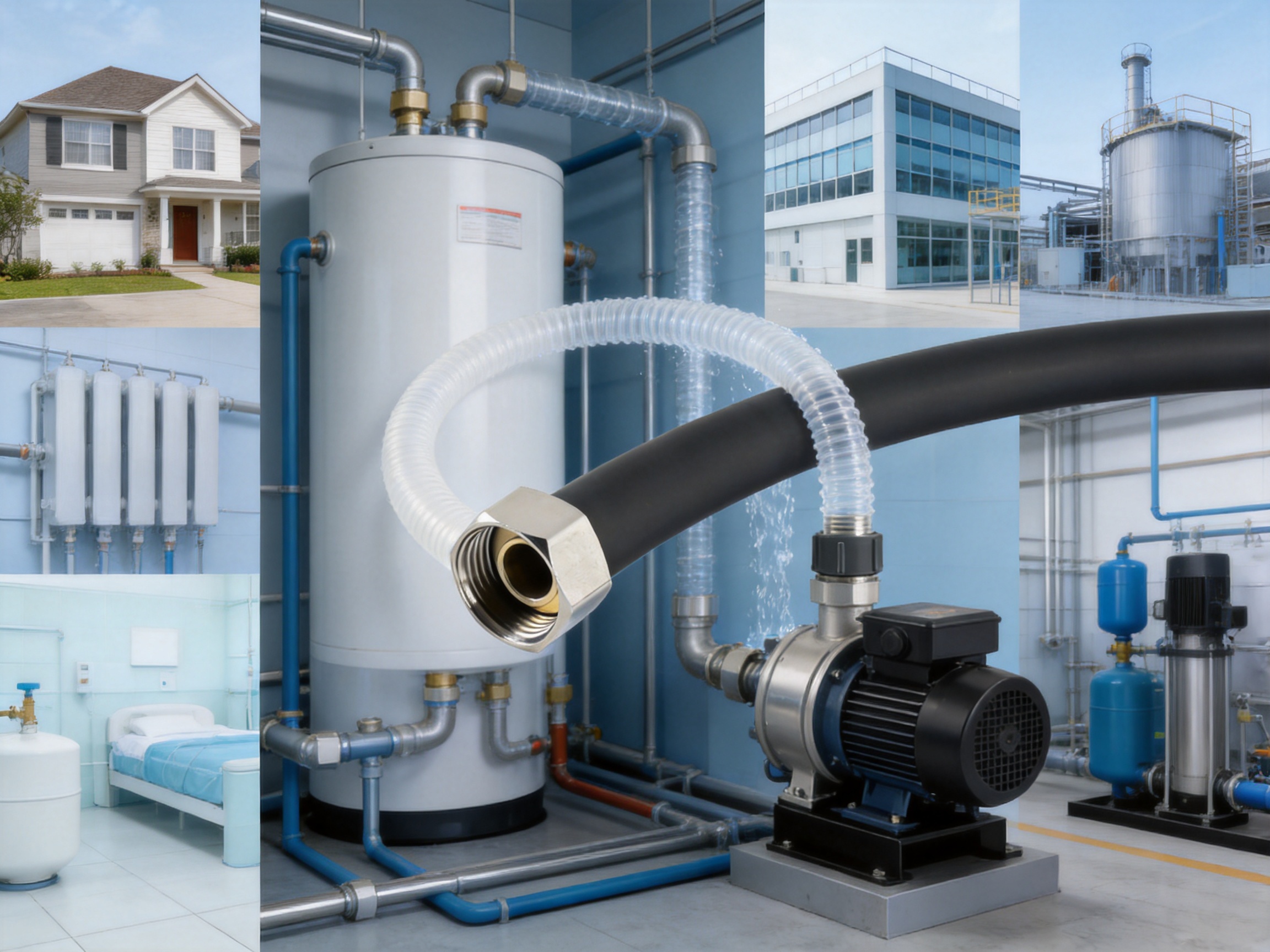
EPDM Plumbing Pipe: Durable Inner Liner Solutions for Modern Water Systems
Reliable water systems depend on materials that can withstand moisture, temperature variation, aging, and the continuous movement of fluid. In plumbing applications, the inner liner or inner pipe is especially important because it is the surface that directly contacts water and supports the stability of the complete flexible connection. Ethylene-Propylene-Diene Monomer, commonly known as EPDM, is widely valued for this role because of its resistance to weathering, ozone, aging, water, and hot moisture.
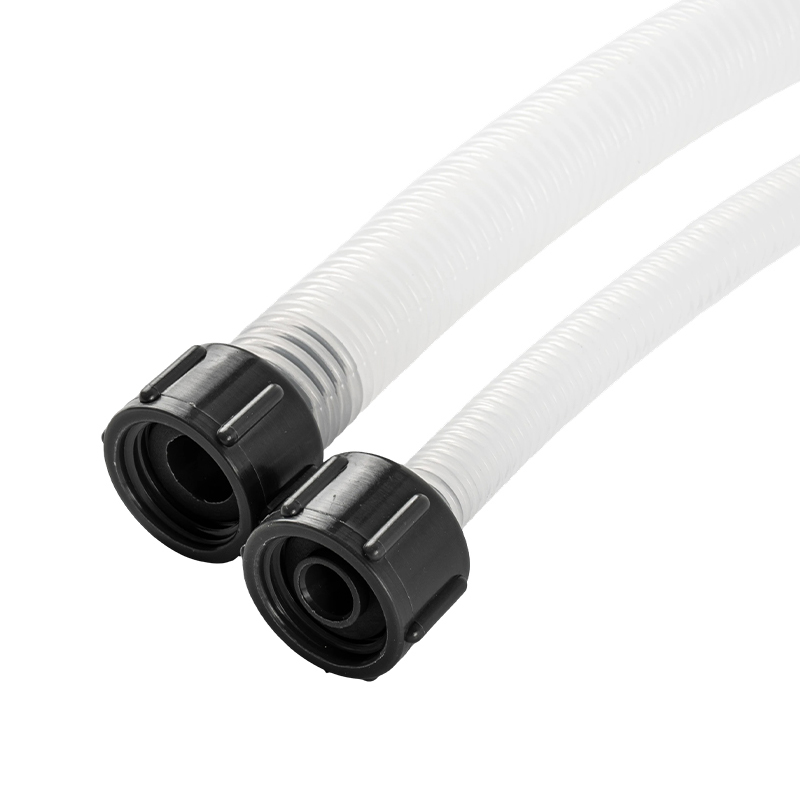
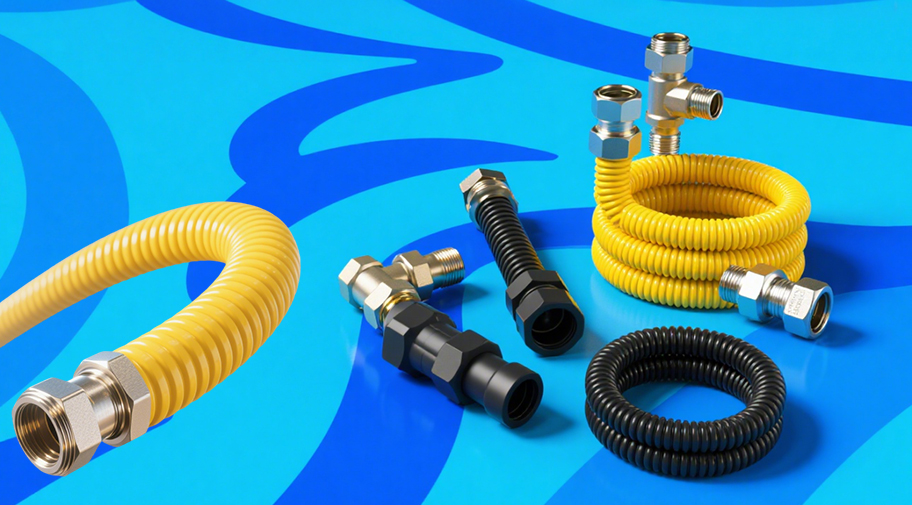
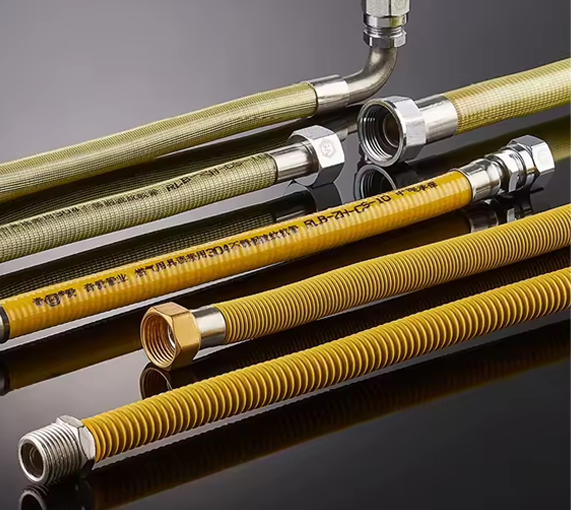
EPDM plumbing pipe is designed for use as a flexible inner liner, inner tube, or water pipe component in connection systems. It can be integrated into assemblies involving stainless steel braid, metal hose structures, fittings, connectors, or other protective layers. When properly selected and manufactured, it helps create a durable and dependable flow path for plumbing, heating, building services, and related water applications.
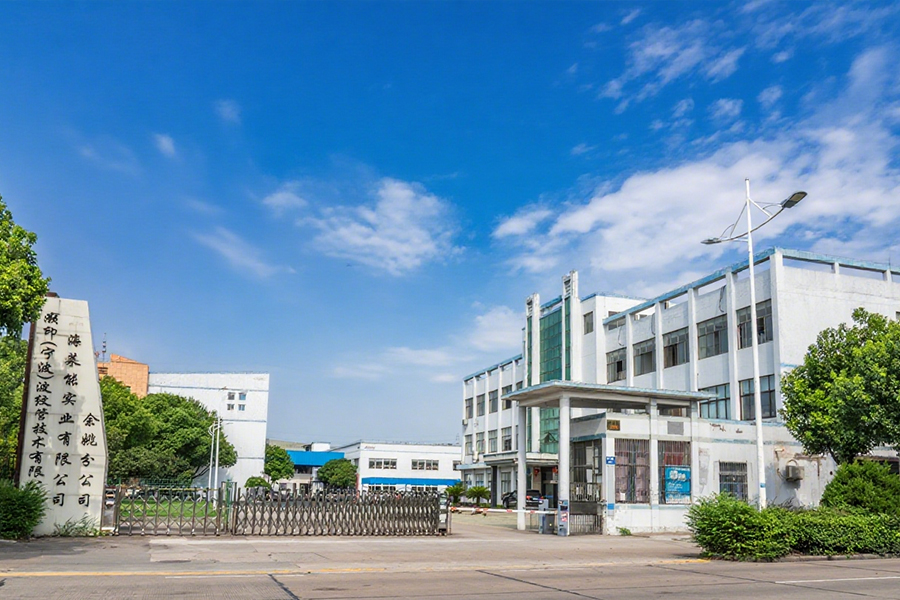
Haoyin (Ningbo) Bellows Technology Co., Ltd. specializes in flexible connection products, including gas connectors, plumbing pipes and water liners, metal hoses, and compensators. Through research and development, material control, precision forming, welding, testing, and quality management, the company provides solutions for residential, commercial, industrial HVAC, building heating, healthcare, and other fields.
This article explains the characteristics of EPDM plumbing pipe, its role in flexible plumbing assemblies, the reasons it can outperform less suitable materials, and the manufacturing strengths that support consistent product quality.
Understanding EPDM Plumbing Pipe
EPDM is a synthetic elastomer made from ethylene, propylene, and a diene component. The combination produces a rubber material with a stable molecular structure and a useful balance of elasticity, durability, and environmental resistance. In plumbing systems, EPDM is commonly considered when the application requires a flexible water-contact layer that can tolerate long-term exposure to moisture and changing operating conditions.
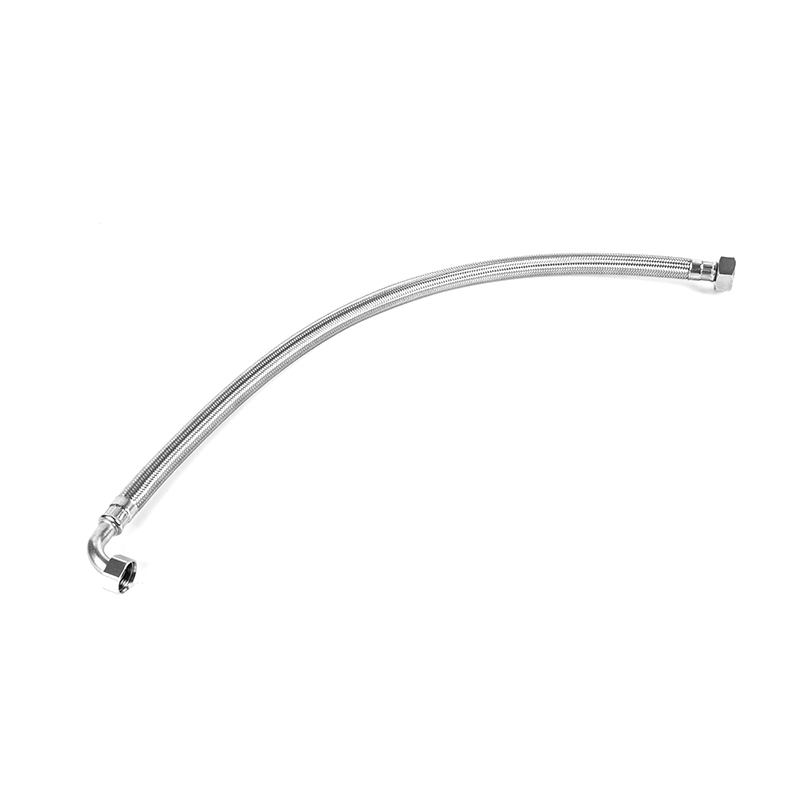
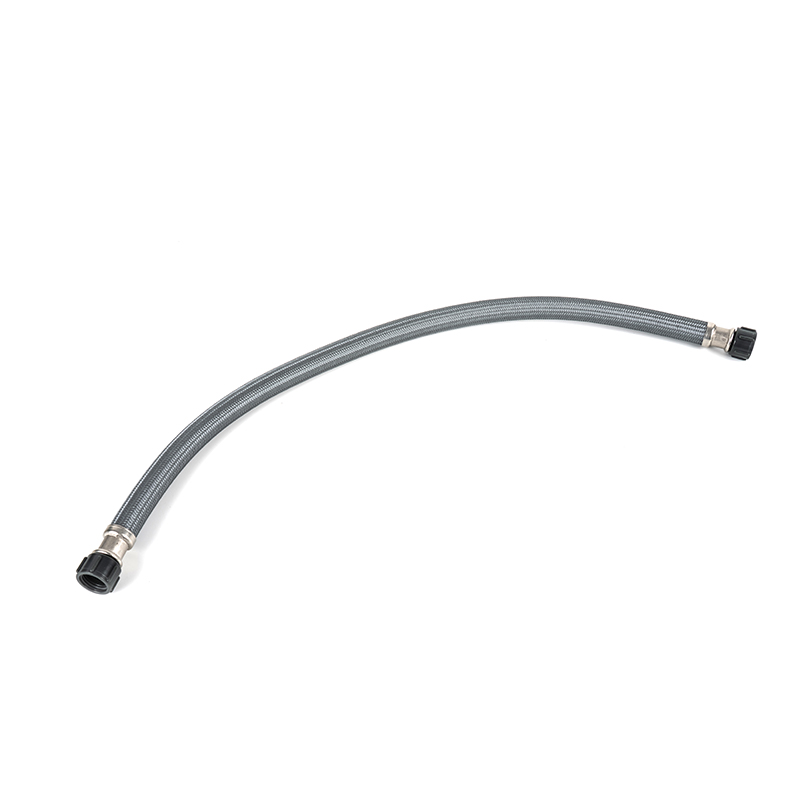
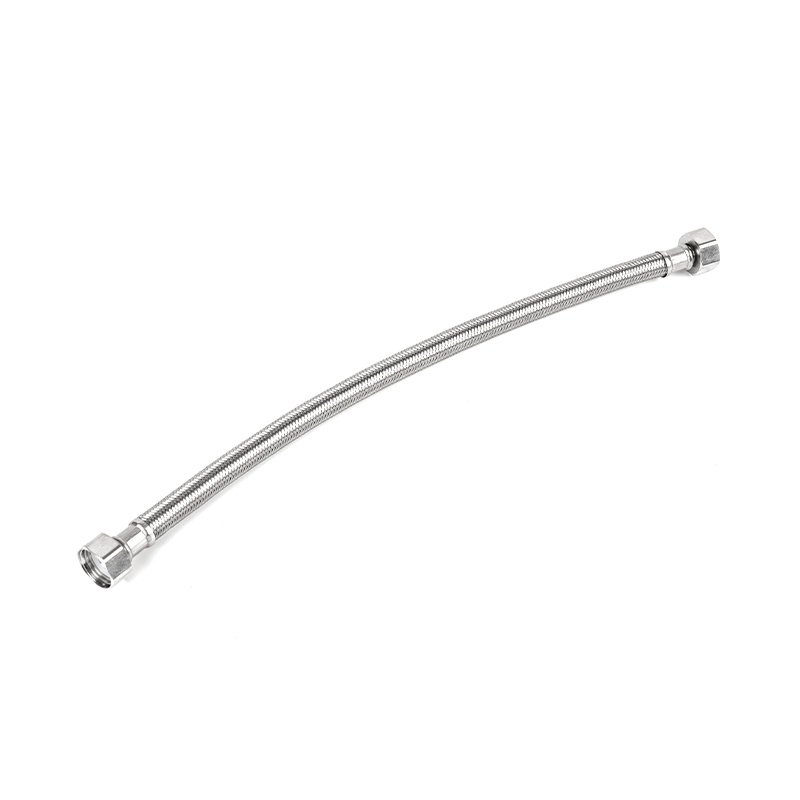
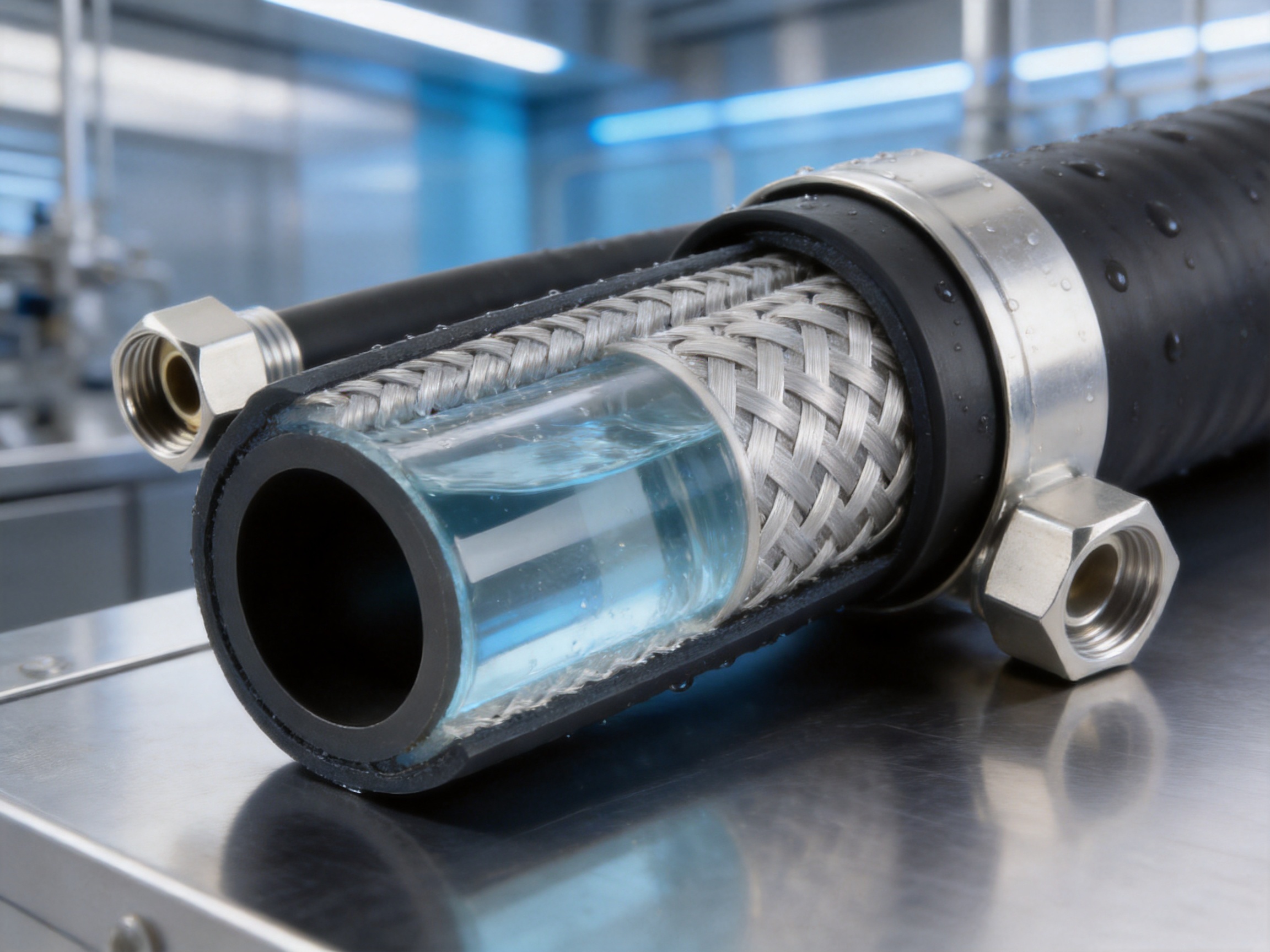
An EPDM plumbing pipe can serve as an inner liner or inner tube inside a reinforced flexible hose. The inner layer forms the primary fluid passage, while external layers provide mechanical protection, pressure support, flexibility, and resistance to abrasion. This layered construction allows the complete assembly to perform more effectively than a single unreinforced tube.
The product is particularly suitable for applications in which the connection may experience vibration, movement, installation misalignment, thermal expansion, or repeated pressure changes. A rigid pipe can provide a stable route for water, but it may transfer vibration and place stress on fittings. A flexible EPDM liner can help absorb movement and reduce the risk of stress concentration when it is engineered as part of a complete flexible connection.
The performance of an EPDM plumbing pipe depends on more than the base rubber. Compound formulation, reinforcement design, extrusion conditions, vulcanization, dimensional control, surface quality, fitting compatibility, and final inspection all influence service performance. For this reason, a professional manufacturer must control the complete process rather than treating the rubber tube as an isolated component.
Core Material Properties
Resistance to Weathering
Outdoor and semi-outdoor plumbing installations can be exposed to sunlight, rain, temperature changes, airborne pollutants, and seasonal weather conditions. EPDM is recognized for strong weather resistance, making it a practical material for applications where the external environment may affect the hose assembly.
Weather resistance helps the material maintain its useful properties over time. A poorly selected elastomer may become hard, brittle, cracked, or visually degraded after extended exposure to environmental conditions. EPDM is generally more capable of retaining flexibility and structural integrity in weather-exposed service, although the exact performance still depends on formulation, temperature, installation conditions, and exposure duration.
Ozone Resistance
Ozone can attack certain rubber materials, especially when the material is stretched or exposed to atmospheric conditions for long periods. Ozone-related cracking may begin as small surface defects and gradually become more serious. Because plumbing connections may be installed near mechanical rooms, rooftops, exterior walls, or equipment areas, resistance to ozone is a valuable property.
EPDM is widely recognized for ozone resistance. This characteristic supports longer service life in applications where the hose or liner may be exposed to air and environmental stress. It also provides an advantage over some general-purpose elastomers that may require additional protection or may be less suitable for prolonged outdoor exposure.
Resistance to Aging
Aging resistance is essential for plumbing products because many installations are expected to remain in service for years. Aging can be caused by heat, oxygen, moisture, ozone, ultraviolet radiation, mechanical stress, and repeated pressure or temperature cycles. The material must maintain enough elasticity and strength to continue sealing and carrying water effectively.
EPDM’s resistance to aging helps it remain a dependable choice for long-term plumbing and heating applications. When supported by proper formulation and manufacturing control, it can maintain a stable balance between flexibility and resilience. This is particularly important for inner liners that must remain in contact with water while also accommodating the movement of the outer hose assembly.
Resistance to Water and Hot Moisture
EPDM is well suited to water-related applications because it offers resistance to water and hot moisture. This property is important in plumbing, water supply, heating, and circulation systems where the liner may experience continuous or intermittent contact with water at elevated temperatures.
Hot moisture can create a demanding service environment. Repeated heating and cooling may cause expansion and contraction, while moisture can interact with the material and the surrounding reinforcement. A water-resistant elastomer helps reduce the risk of premature deterioration caused by the service medium itself.
Application suitability must always be confirmed according to the actual water chemistry, temperature, pressure, duty cycle, and regulatory requirements. EPDM is a strong general choice for many water and hot-water environments, but final material selection should be based on technical evaluation rather than on material name alone.
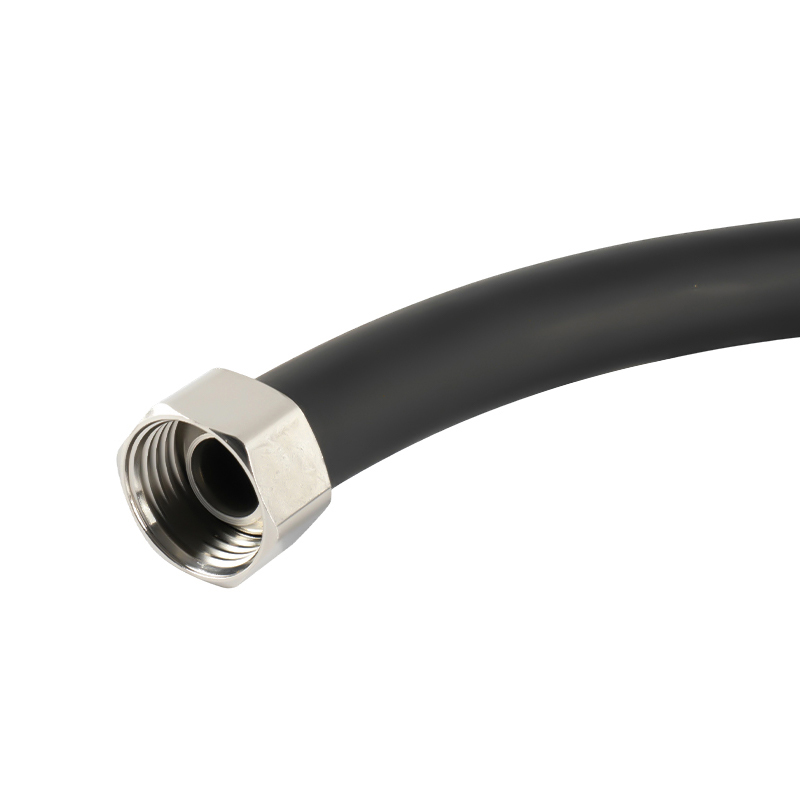
EPDM Plumbing Pipe
Role of the Inner Liner in a Flexible Plumbing Assembly
The inner liner is the first functional barrier between the transported water and the surrounding structure. Its internal surface must support smooth fluid passage, while its outer surface must work with reinforcement and protective layers. A high-quality liner contributes to the hydraulic, mechanical, and sealing performance of the full product.
Fluid Containment
The basic purpose of the inner pipe is to contain the fluid. It must have a continuous structure without unacceptable pinholes, cracks, cuts, weak joints, or dimensional irregularities. Consistent wall thickness is also important because localized thin areas may reduce the safety margin of the assembly.
During manufacturing, extrusion and curing must be controlled to produce a stable tube profile. The compound must be properly mixed, and processing conditions must be maintained so that the final material has consistent physical characteristics. Inspection can include visual checks, dimensional measurement, pressure testing, and other tests selected for the product design.
Flexibility and Movement Accommodation
Flexible plumbing connections are often installed in areas where equipment vibration, thermal movement, or construction tolerances make rigid connections inconvenient. The EPDM liner must bend without excessive kinking and return toward its original shape after movement. Its flexibility should work together with the braid, corrugation, fittings, and support structure.
A flexible liner can help reduce installation stress, but it should not be forced beyond its minimum bend radius. Correct routing, support, and fitting alignment remain essential. The performance of a good material can be compromised by twisting, sharp bending, crushing, overextension, or installation against abrasive surfaces.
Sealing Support
Plumbing assemblies commonly rely on seals, ferrules, crimped fittings, threaded connections, or other termination methods. EPDM’s elasticity helps it conform to mating surfaces when the design and assembly process are appropriate. A stable liner can support reliable sealing by maintaining contact under normal pressure and temperature changes.
Seal reliability also depends on fitting geometry, compression, surface finish, assembly force, and dimensional accuracy. The liner should therefore be produced within suitable tolerances so that the connection process remains repeatable. Consistency from one production batch to another is especially important for automated or high-volume assembly.
Vibration and Noise Reduction
Metal pipes can transmit vibration from pumps, boilers, valves, compressors, and other equipment. A flexible rubber-lined connection can help isolate or reduce the transfer of mechanical vibration when correctly designed and installed. This can contribute to lower operational noise and reduced stress on nearby components.
The EPDM liner is only one part of this function. The overall result depends on the complete assembly, including the metal hose structure, braid, length, routing, supports, and connection points. Nevertheless, a flexible and resilient liner provides an important foundation for vibration management in plumbing and heating systems.
Advantages Compared with Less Suitable Materials
Compared with General-Purpose Rubber
General-purpose rubber may be economical for basic applications, but it is not automatically suitable for long-term water service, hot moisture, outdoor exposure, or ozone-rich environments. Some general-purpose materials may lose flexibility more quickly, develop surface cracks, or experience accelerated aging under environmental stress.
EPDM offers a more application-focused balance of weather resistance, ozone resistance, aging resistance, and water resistance. This can provide a stronger long-term value proposition, particularly when the cost of leakage, replacement labor, water damage, and downtime is considered.
Compared with Materials with Weaker Ozone Resistance
Elastomers with weaker ozone resistance may require additional protection when used outdoors or near equipment that generates ozone. Their surfaces can be vulnerable to cracking when stretched or flexed. EPDM’s natural resistance to ozone reduces this concern in many plumbing environments.
This does not mean that EPDM is immune to every environmental condition. High chemical exposure, extreme heat, incompatible fluids, mechanical damage, and poor installation can still affect performance. The advantage is that EPDM begins with a material profile that is well aligned with common water and weather-related service requirements.
Compared with Rigid Plastic Pipe
Rigid plastic pipe can be effective in fixed installations, but it may be less convenient where movement, vibration, tight routing, or connection flexibility is needed. Rigid systems often require additional elbows, adapters, expansion provisions, or carefully positioned supports.
An EPDM flexible liner can simplify routing and help accommodate limited movement. It may reduce the number of rigid directional changes and make connection to equipment easier. Flexible plumbing assemblies can also help compensate for minor alignment differences during installation, although they should not be used to correct major design errors or unsupported pipe loads.
Compared with Unprotected Flexible Tubes
An unprotected flexible tube may be vulnerable to abrasion, crushing, excessive bending, pressure-related deformation, and external impact. When EPDM is used as an inner liner within a reinforced assembly, the external layers can provide additional mechanical support and protection.
This construction offers a practical combination: the EPDM contributes fluid compatibility and flexibility, while the surrounding structure contributes strength and resistance to external forces. The result can be more reliable than using a soft tube without suitable reinforcement or protective coverage.
Compared with Inadequately Formulated Elastomers
Two products may both be described as rubber tubing while providing very different service performance. The quality of the compound, the selection of additives, the curing system, and the control of raw materials all influence the final result. An inadequately formulated elastomer may show inconsistent hardness, poor elasticity, surface defects, or reduced resistance to heat and moisture.
A professional EPDM plumbing pipe should be supported by documented material control and process verification. This helps ensure that the product is not selected only by appearance or price, but evaluated according to the requirements of its intended application.
Applications of EPDM Plumbing Pipe
Residential Plumbing
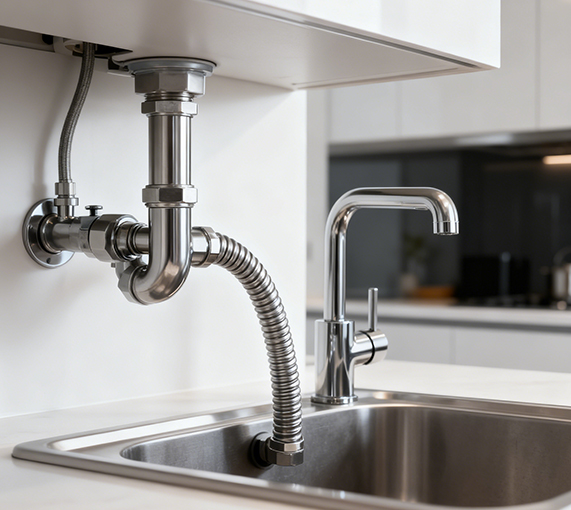
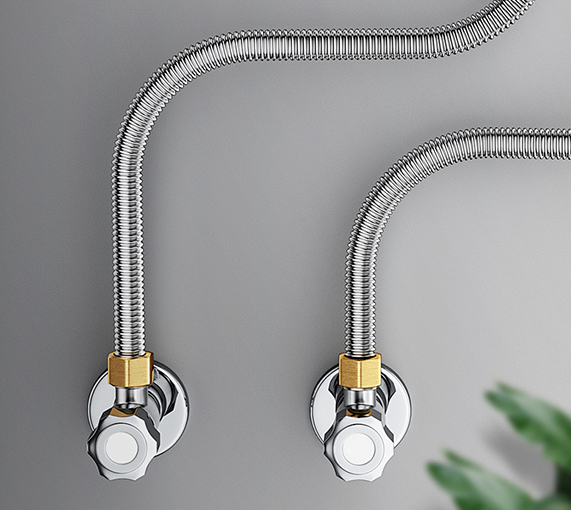
Residential plumbing systems use flexible connections for faucets, water heaters, toilets, kitchen equipment, pumps, and other fixtures. EPDM plumbing pipe can be incorporated into water liners and flexible connectors where dependable water contact and installation flexibility are required.
Residential products must be easy to install and stable during everyday operation. They may experience frequent valve operation, pressure fluctuations, temperature changes, and limited movement caused by building settlement or equipment vibration. A properly designed EPDM liner can help support these requirements.
Building Heating and Hot-Water Systems
Heating systems involve regular thermal cycling. Pipes and equipment expand when heated and contract when cooled. Flexible connections are often used near boilers, pumps, heat exchangers, radiators, and circulation equipment to reduce stress and accommodate movement.
EPDM’s resistance to hot moisture makes it suitable for many heating and hot-water applications, subject to the specific temperature, pressure, fluid chemistry, and compliance requirements. It can provide a flexible inner passage while the surrounding metal structure contributes mechanical stability.
Industrial HVAC
Industrial heating, ventilation, and air-conditioning systems can contain pumps, fans, compressors, chillers, valves, and other equipment that generate vibration or movement. Flexible water connections can help isolate equipment and simplify maintenance access.
In these applications, product selection should consider operating pressure, temperature, flow rate, movement amplitude, installation orientation, bend radius, and connection type. The EPDM liner should be integrated into a complete assembly designed for the expected mechanical and hydraulic conditions.
Healthcare and Building Services
Healthcare facilities and large buildings often require dependable water and heating connections in spaces where maintenance access, hygiene, noise control, and reliability are important. Flexible plumbing components can support equipment connection and system maintenance while reducing the transmission of vibration.
Projects in these fields may also require documentation, traceability, inspection records, and compliance with specific standards. A manufacturer with a structured quality system is better positioned to support these requirements than a supplier that relies only on informal inspection.
Equipment Connection Systems
EPDM inner liners can be used in connection systems for pumps, water heaters, boilers, heat exchangers, circulation units, and other equipment. The flexible assembly may compensate for limited installation movement and help simplify equipment replacement or servicing.
When used near moving machinery, the assembly must be installed so that vibration is absorbed without creating excessive bending at the fittings. Proper length and routing are important. A connection that is too short may be overstressed, while one that is too long may sag or require additional support.
Manufacturing Excellence and Process Control
The performance of EPDM plumbing pipe is closely connected to the discipline of the manufacturing process. Haoyin (Ningbo) Bellows Technology Co., Ltd. operates as a professional manufacturer specializing in stainless steel bellows and flexible connection products. Its product range includes gas connectors, plumbing pipes and water liners, metal hoses, and compensators.
The company’s manufacturing approach covers research and development, structural design, material selection, forming, welding, assembly, performance testing, inspection, and after-sales support. This full-process approach is valuable because flexible plumbing products contain several interacting parts. A strong liner alone cannot compensate for poor fitting assembly, inadequate reinforcement, or inconsistent welding.
Raw Material Selection
Material quality begins with raw material selection. For EPDM plumbing pipe, this includes control of the rubber compound and any reinforcing or protective materials used in the complete assembly. Materials should be selected according to water compatibility, operating temperature, flexibility, pressure conditions, and the expected service environment.
Incoming materials should be identified, inspected, and managed through controlled procedures. Consistent raw materials help reduce variations in hardness, tensile behavior, elasticity, dimensional stability, and aging resistance. They also support better repeatability during extrusion, curing, assembly, and testing.
Product and Structural Design
Design engineering determines how the EPDM liner works with the rest of the product. Important considerations include inner diameter, wall thickness, bend radius, reinforcement arrangement, end connection, pressure rating, length, and movement requirements.
A professional design process evaluates the actual application rather than producing a generic tube for every use. Water liners for residential fixtures may have different requirements from liners used in industrial HVAC or building heating. Product design should therefore account for installation space, operating cycles, expected vibration, and the method used to connect the hose to the system.
Precision Forming and Manufacturing Equipment
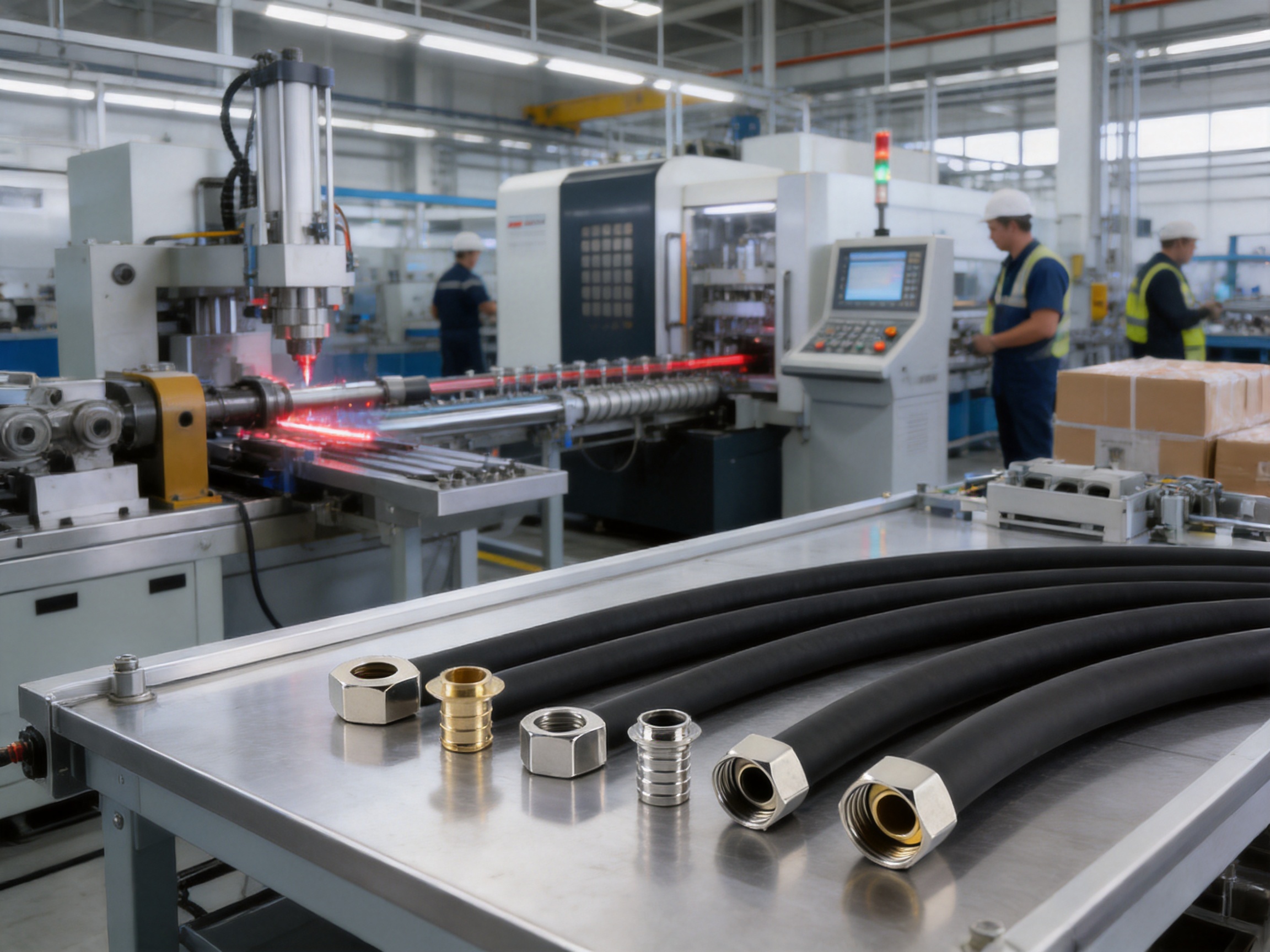
Haoyin uses advanced manufacturing equipment, including CNC forming machines and other specialized production systems. CNC forming supports repeatable shaping and helps control the geometry of metal components used in flexible assemblies. Consistent forming is important for the fit between the metal structure, liner, braid, and end fittings.
Precision equipment can reduce variation and improve production efficiency, but equipment alone does not guarantee quality. It must be supported by qualified operators, documented procedures, preventive maintenance, process monitoring, and inspection checkpoints. The combination of technology and disciplined management helps create stable production results.
Laser Welding
Laser welding machines are among the advanced technologies used in the company’s manufacturing operations. Laser welding can provide concentrated energy input, accurate weld positioning, and controlled heat effects when the process is correctly configured. This is useful for stainless steel bellows, metal hose components, connectors, and other products in which weld integrity is important.
Reliable welding supports pressure containment and structural performance. Weld parameters, joint preparation, material compatibility, alignment, and post-weld inspection all contribute to the final result. A controlled welding process also helps reduce defects that could affect leakage resistance or fatigue performance.
Inspection and Non-Destructive Testing
Haoyin’s equipment includes COSMO equipment and eddy current flaw detectors. Non-destructive testing methods can help identify certain surface or subsurface discontinuities without damaging the product. Eddy current inspection is particularly useful for examining conductive metal components and detecting defects under suitable conditions.
Inspection technology is valuable because some defects are not visible during a basic visual check. When testing is integrated into a broader quality plan, it can improve confidence in welds, formed parts, and other critical components. The appropriate inspection method depends on the material, geometry, production stage, and product specification.
Automatic Packaging
Automatic packaging systems help standardize the final handling process. Proper packaging protects plumbing components from contamination, impact, deformation, and moisture during storage and transportation. It also supports consistent labeling, quantity control, and product identification.
Packaging is sometimes overlooked, but it has a direct effect on the condition in which a product reaches the customer. A technically sound liner or hose can be damaged by improper stacking, sharp contact, excessive compression, or unprotected exposure during transportation. Controlled packaging helps preserve product quality after manufacturing is complete.
Quality Management and Certification Strengths
Haoyin has obtained ISO9001, ISO14001, ISO45001, and other management system certifications. These certifications represent structured approaches to quality management, environmental management, and occupational health and safety. They do not replace product-specific testing, but they provide an organized framework for managing processes and responsibilities.
ISO9001 Quality Management
A quality management system supports controlled procedures for design, purchasing, production, inspection, nonconformance handling, corrective action, and customer service. For EPDM plumbing pipe, this structure can help maintain consistency across batches and ensure that inspection results are recorded and reviewed.
Quality management also encourages continual improvement. Customer feedback, production data, testing results, and field experience can be used to identify opportunities for better materials, improved tooling, more efficient processes, and stronger inspection methods.
ISO14001 Environmental Management
Environmental management is increasingly important in modern manufacturing. It involves the identification and control of environmental impacts related to energy use, materials, waste, emissions, water consumption, and production activities.
Haoyin’s ISO14001 certification and Green Factory status indicate a commitment to more responsible manufacturing practices. Environmental performance can benefit customers by supporting a more sustainable supply chain while also encouraging efficient use of raw materials and energy.
ISO45001 Occupational Health and Safety
Safe manufacturing conditions protect employees and support production stability. ISO45001 provides a framework for identifying workplace risks, improving safety procedures, training personnel, and managing emergency preparedness.
A strong safety culture often contributes to better process discipline. Employees who work within clearly defined procedures are more likely to follow material handling rules, equipment controls, inspection instructions, and traceability requirements.
National High-Tech Enterprise and Green Factory
Haoyin is identified as a National High-tech Enterprise and Green Factory. These distinctions reflect the company’s focus on technical development, manufacturing capability, and responsible production. For customers seeking specialized flexible connection products, such strengths can indicate a supplier with the resources to support both standard and application-specific requirements.
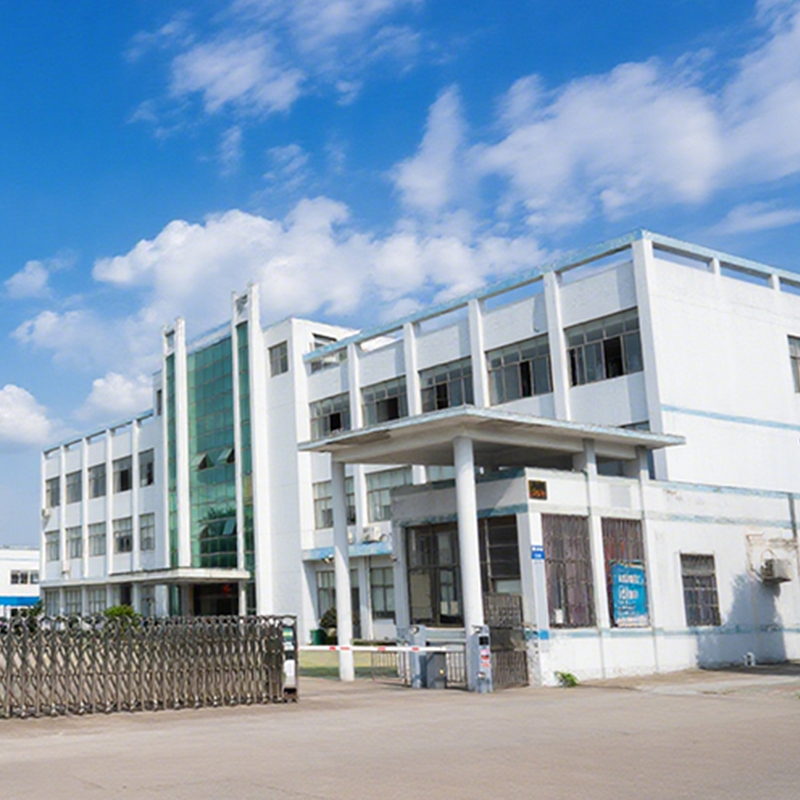
The company covers approximately 35 mu and operates around 18,000 square meters of standardized workshops. A standardized production environment can improve material flow, equipment organization, process separation, workplace cleanliness, and inspection efficiency.
Product Advantages for Distributors and System Integrators
Distributors and system integrators need products that are technically suitable, consistently available, and supported by dependable documentation. EPDM plumbing pipe offers a recognizable material solution for water and hot-moisture service, while a complete manufacturing system helps reduce uncertainty in sourcing.
Stable Product Positioning
The product is clearly positioned as an inner liner, inner pipe, or inner tube for plumbing and water-related flexible connection systems. This makes it easier for engineers and purchasing teams to evaluate its role in a product assembly. It is not simply a generic rubber tube; it is a component intended to work within a broader plumbing or flexible hose structure.
Application Flexibility
EPDM plumbing pipe can support multiple application areas, including residential plumbing, water liners, heating systems, building services, industrial HVAC, and equipment connections. This flexibility allows distributors to serve different customer segments with a material platform that has well-known resistance characteristics.
Manufacturing Support
A manufacturer with research, design, forming, welding, inspection, and packaging capabilities can provide more than a basic product. It can help evaluate dimensions, connection methods, reinforcement structures, and application conditions. This is particularly useful when the customer requires a customized length, fitting, assembly, or performance profile.
Quality Traceability
Structured quality management supports traceability from raw material intake through final inspection and shipment. Traceability is important when a customer needs to investigate a performance issue, confirm a production batch, or maintain records for a project or regulatory review.
Long-Term Value
The purchase price of a plumbing component is only one part of its total cost. A product that has better resistance to water, weather, ozone, and aging may reduce replacement frequency and maintenance disruption. Reliable flexible connections can also help reduce installation time and simplify equipment servicing.
Long-term value must be assessed according to actual service conditions. The best product is not necessarily the most heavily reinforced or the most expensive. It is the product whose material, dimensions, construction, and quality level match the application requirements with an appropriate safety margin.
Technical Selection Considerations
Operating Temperature
Temperature affects flexibility, pressure capability, aging rate, and seal performance. Before selecting an EPDM plumbing pipe, the customer should identify normal operating temperature, maximum temperature, temperature cycling, and possible abnormal conditions.
Hot-water and heating applications require special attention because continuous exposure to elevated temperature can be more demanding than brief exposure. The complete assembly, including fittings and reinforcement, must be suitable for the same service range.
Pressure and Pressure Cycling
Water pressure may remain stable in some systems but fluctuate in others due to pumps, valves, water hammer, thermal expansion, or equipment operation. The pipe and complete hose assembly should be selected according to working pressure, peak pressure, and pressure-cycle frequency.
Pressure capability is a property of the complete construction rather than the liner alone. Reinforcement, braid density, end fittings, crimping, and assembly quality all contribute to the final pressure performance.
Fluid Compatibility
EPDM is well known for water and hot-moisture resistance, but the transported fluid should still be evaluated. Water chemistry, additives, disinfectants, glycol concentration, cleaning chemicals, and other substances may affect material performance.
Customers should provide accurate fluid information to the manufacturer or technical team. This allows the material compound and complete assembly to be evaluated for compatibility rather than selected solely on the basis of general application labels.
Dimensions and Connection Method
Inner diameter, outer diameter, wall thickness, length, end configuration, and fitting type must match the system design. Dimensional accuracy is important for flow, insertion, sealing, crimping, and assembly consistency.
Connection methods may include threaded fittings, compression structures, crimped ends, ferrules, or other engineered terminations. The liner should be compatible with the selected connection method and should not be damaged during assembly.
Bend Radius and Installation Movement
Every flexible plumbing pipe has a practical bend radius. Bending below that limit can flatten the passage, create localized stress, damage reinforcement, or place excessive force on the fittings. The installation layout should allow a smooth bend rather than a sharp fold.
The product should also be installed without twisting. Torsion can reduce the effective movement capacity of the assembly and increase stress at the connection points. Supports and clamps should be positioned so that they hold the assembly without crushing the liner or restricting the intended movement.
Regulatory and Project Requirements
Some plumbing, drinking-water, heating, and healthcare projects require specific approvals or testing. These may relate to potable water contact, pressure performance, fire behavior, sanitation, chemical compatibility, or environmental conditions.
Project requirements should be reviewed before production. A manufacturer can then identify the appropriate materials, inspection procedures, documentation, and testing plan. This early communication helps prevent delays caused by selecting a product that is technically suitable in general but not approved for a particular project.
Manufacturing Workflow for a Reliable Product
A professional workflow begins with understanding the customer’s application. Engineers review the required dimensions, material properties, operating conditions, fittings, reinforcement, and production volume. The product structure is then developed or confirmed through design review.
Raw materials are received and managed according to internal procedures. Rubber compounds and metal materials should be identified and inspected before entering production. Proper storage is important because moisture, contamination, temperature, and handling can affect material condition.
The EPDM compound is processed into the required liner shape under controlled conditions. Extrusion parameters influence the tube’s dimensional accuracy, surface quality, and wall uniformity. Curing or vulcanization develops the material’s final elastic properties and must be controlled to avoid under-curing or over-curing.
Metal components may be formed using CNC equipment and joined using controlled welding processes. If the product includes bellows or corrugated structures, forming accuracy affects flexibility, fatigue behavior, and connection alignment. Welding quality affects pressure containment and structural integrity.
After forming and welding, components are assembled with the EPDM liner, braid, fittings, or other parts. Assembly conditions must be controlled to prevent cuts, contamination, excessive compression, misalignment, and incorrect positioning. Production personnel should follow work instructions appropriate to each product model.
Inspection is performed at defined stages. This may include visual inspection, dimensional checks, material verification, leak testing, pressure testing, mechanical testing, and non-destructive examination. The exact tests depend on the product design and customer specification.
Finally, qualified products are labeled, packaged, stored, and shipped. Automatic packaging equipment can improve consistency and help protect products during transportation. Production records and inspection data provide the foundation for traceability and customer support.
Installation and Maintenance Guidance
Inspect Before Installation
Before installation, inspect the EPDM plumbing pipe and complete assembly for cuts, cracks, abrasion, contamination, deformation, or damaged fittings. Products that have been crushed or exposed to unsuitable chemicals should not be installed without technical evaluation.
Confirm Correct Routing
Route the flexible pipe naturally between connection points. Avoid sharp bends, twisting, tension, compression, and contact with hot surfaces beyond the rated temperature. Ensure that the assembly does not rub against sharp edges or moving equipment.
Respect Bend Radius
Maintain the recommended minimum bend radius during installation and operation. If the connection must turn sharply, use a suitable fitting or change the layout rather than forcing the hose into an extreme bend.
Prevent Mechanical Overload
Flexible plumbing connections should not be used as structural supports for heavy equipment or adjacent pipework. Provide independent support where needed. Excessive weight can transfer stress to the liner, reinforcement, fittings, and connected equipment.
Check for Leakage
After installation, conduct an appropriate leak inspection and pressure test according to the system procedure. Check the connections during initial operation and after thermal cycling. Any leakage, unusual movement, bulging, or surface damage should be investigated promptly.
Plan Periodic Inspection
Periodic inspection should consider the product’s environment and operating conditions. Look for surface cracking, abrasion, swelling, discoloration, corrosion of metal parts, fitting movement, and signs of leakage. Replacement intervals should be based on service conditions, manufacturer guidance, project requirements, and inspection results.
Why Manufacturing Capability Matters
Customers often compare flexible plumbing products by material, size, price, and appearance. These factors are important, but manufacturing capability can be equally significant. A product made from a suitable material may still fail if the tube is inconsistent, the fitting is poorly assembled, the weld is defective, or the product is damaged during shipment.
Haoyin combines specialized product knowledge with equipment for forming, welding, inspection, flaw detection, and automatic packaging. This integrated capability supports control over multiple stages of production. It also allows the company to develop flexible connection solutions rather than relying only on off-the-shelf components.
The company’s experience with stainless steel bellows and related flexible products is relevant to EPDM plumbing pipe assemblies because these products often combine elastomeric and metallic elements. Understanding how the liner interacts with the metal hose, braid, bellows, fittings, and compensator structure helps improve the performance of the complete connection.
Research and development capability is also valuable when customers face unusual installation conditions. A professional technical team can review movement requirements, connection dimensions, operating conditions, and testing needs. This reduces the risk of applying a standard product outside its intended range.
Frequently Asked Questions
What is an EPDM plumbing pipe?
An EPDM plumbing pipe is a flexible tube or inner liner made from Ethylene-Propylene-Diene Monomer rubber. It is intended for water-related plumbing, heating, and flexible connection applications where resistance to water, hot moisture, weathering, ozone, and aging is important.
Can EPDM plumbing pipe be used as a water liner?
Yes. EPDM is commonly used as a water liner or inner tube in flexible plumbing assemblies. The specific suitability depends on water chemistry, temperature, pressure, dimensions, connection design, and any applicable drinking-water or project approvals.
What are the main advantages of EPDM over ordinary rubber?
The main advantages include stronger resistance to weathering, ozone, aging, water, and hot moisture. These characteristics can help EPDM retain flexibility and service performance longer than less suitable general-purpose elastomers in demanding water and environmental conditions.
Is EPDM suitable for outdoor plumbing applications?
EPDM is often suitable for outdoor or semi-outdoor applications because of its weather and ozone resistance. However, the complete hose assembly must also be suitable for ultraviolet exposure, temperature extremes, mechanical contact, pressure, and the specific installation environment.
Can EPDM plumbing pipe handle hot water?
EPDM is commonly considered for hot-water and heating applications because of its resistance to hot moisture. The actual maximum operating temperature should be confirmed for the selected compound and complete assembly. Continuous temperature, pressure, fluid chemistry, and thermal cycling must all be considered.
What is the difference between an inner liner and a complete hose?
The inner liner is the fluid-contact layer. A complete hose may also include reinforcement, braid, corrugation, protective covers, fittings, ferrules, and other components. The complete hose determines the final pressure, movement, connection, and mechanical performance.
Does EPDM reduce vibration?
As part of a properly designed flexible connection, EPDM can contribute to vibration isolation and noise reduction. The final result depends on the complete assembly, its length, construction, supports, installation, and the type of equipment generating the vibration.
How should EPDM plumbing pipe be installed?
It should be installed without twisting, sharp bending, crushing, excessive tension, or mechanical overload. The recommended bend radius, pressure rating, temperature range, connection method, and support requirements should be followed. The assembly should be inspected and tested for leakage after installation.
What manufacturing equipment supports product quality?
Haoyin uses equipment including laser welding machines, CNC forming machines, COSMO equipment, eddy current flaw detectors, and automatic packaging systems. These technologies support precision forming, controlled welding, inspection, non-destructive testing, and consistent final handling.
What certifications does the manufacturer have?
Haoyin has obtained ISO9001, ISO14001, ISO45001, and other management system certifications. The company is also identified as a National High-tech Enterprise and Green Factory. Customers should request product-specific documents when a project requires particular standards or approvals.
Can the product be customized?
Customization may be possible depending on the required liner dimensions, hose structure, fittings, length, pressure, temperature, and application. Customers should provide technical drawings or detailed operating conditions so that the engineering team can evaluate the design accurately.
How can customers request technical information?
Customers may contact Haoyin (Ningbo) Bellows Technology Co., Ltd. through its sales or technical communication channels. Useful information to provide includes application, fluid, temperature, pressure, size, length, connection type, movement, installation environment, quantity, and required certifications.
Conclusion
EPDM plumbing pipe is a practical inner liner solution for water, hot-moisture, heating, and flexible connection applications. Its resistance to weathering, ozone, aging, water, and hot moisture gives it a strong material profile for demanding service environments. When compared with less suitable general-purpose rubbers, rigid pipe solutions, or unprotected flexible tubes, EPDM can offer better durability, flexibility, and environmental stability.
The material is only one part of the product’s value. Reliable performance also requires controlled compounding, accurate forming, proper curing, compatible fittings, effective reinforcement, controlled welding, inspection, testing, and protective packaging. Haoyin’s experience in stainless steel bellows and flexible connection products, together with its research capability, standardized workshops, advanced equipment, management certifications, and quality system, supports the production of dependable plumbing pipes and water liners.
For distributors, contractors, equipment manufacturers, and system integrators, the most effective selection process is application-based. By reviewing temperature, pressure, fluid chemistry, movement, dimensions, connection method, environmental exposure, and regulatory requirements, customers can choose an EPDM plumbing pipe that is appropriate for the complete system rather than relying on material labels or price alone.
With correct design, manufacturing, installation, and maintenance, EPDM plumbing pipe can contribute to safer, more efficient, and longer-lasting flexible water connection systems in residential, commercial, industrial HVAC, healthcare, and building heating applications.
References
1. International Organization for Standardization. Quality Management Systems—Requirements, ISO 9001.
2. International Organization for Standardization. Environmental Management Systems—Requirements with Guidance for Use, ISO 14001.
3. International Organization for Standardization. Occupational Health and Safety Management Systems—Requirements with Guidance for Use, ISO 45001.
4. ASTM International. Standard Practices and Test Methods for Rubber and Elastomeric Materials.
5. International Organization for Standardization. Rubber, Vulcanized or Thermoplastic—Determination of Tensile Stress-Strain Properties.
6. International Organization for Standardization. Rubber, Vulcanized or Thermoplastic—Determination of Hardness.
7. International Organization for Standardization. Rubber Products—Resistance to Ozone Cracking.
8. Engineering references on EPDM elastomer formulation, water resistance, thermal aging, and flexible hose construction.
9. Manufacturer-provided technical information for EPDM plumbing pipe, water liners, metal hoses, bellows, and compensators.