




 English
  Español
  русский


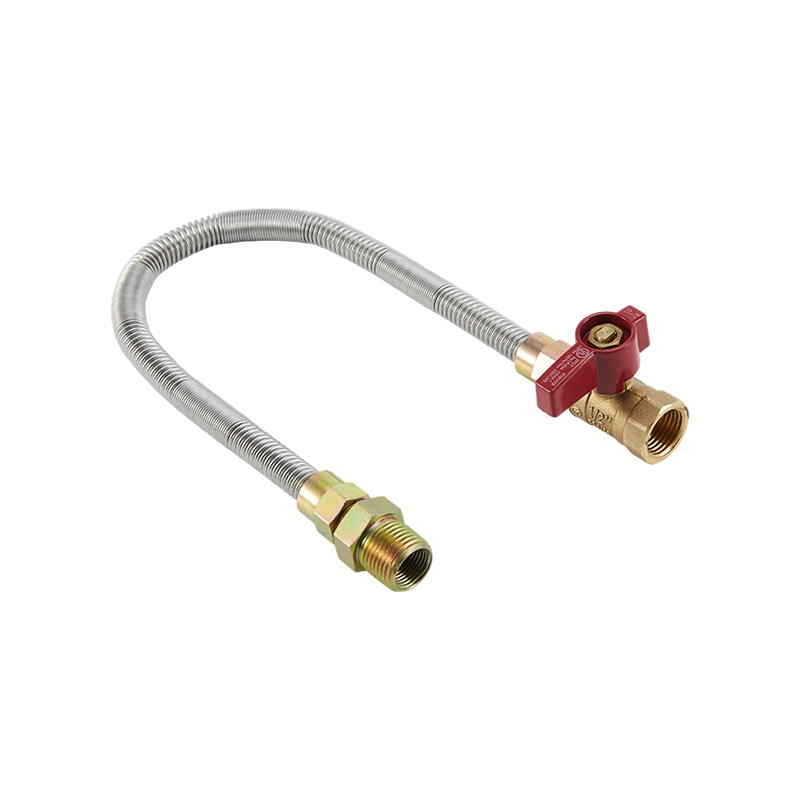
In modern gas distribution and appliance connection systems, the connector is a small component with a large responsibility. It must tolerate vibration, installation movement, environmental exposure, pressure fluctuations, repeated thermal changes, and long-term service demands without compromising safety. The DN25 stainless steel gas connector described here is designed for residential, commercial, and industrial gas systems that require a flexible, corrosion-resistant, and dependable connection solution. Made from 304 stainless steel with a 0.25 mm pipe wall thickness, it combines strength, flexibility, installation convenience, and long service life in one practical product.
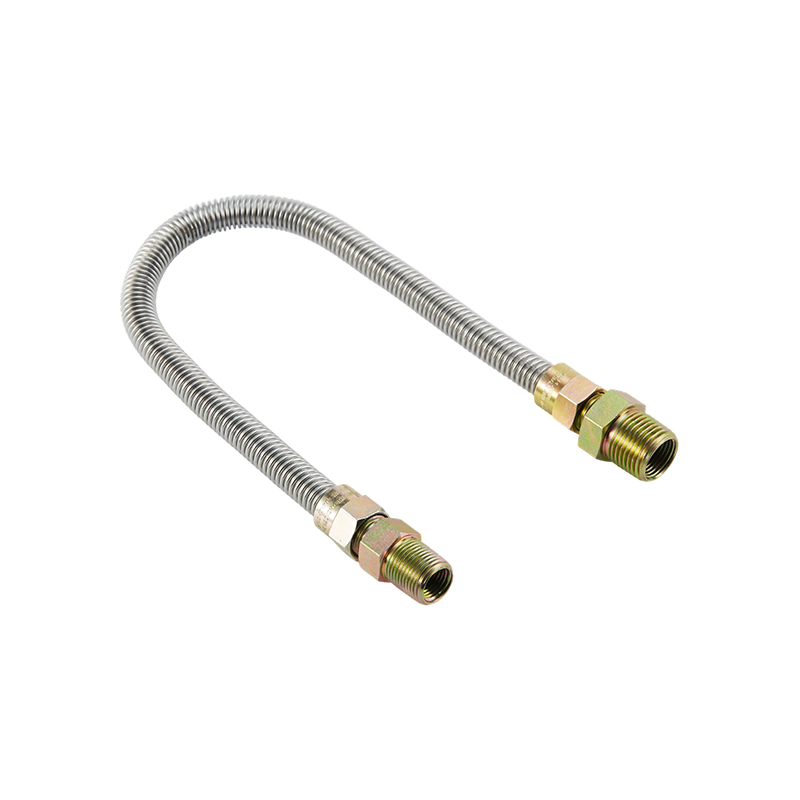
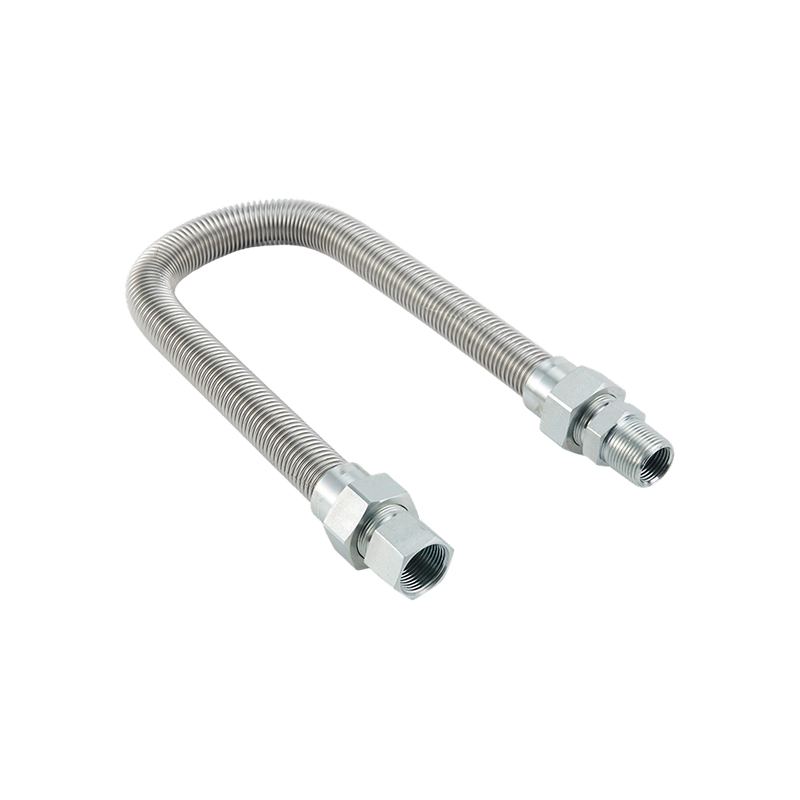
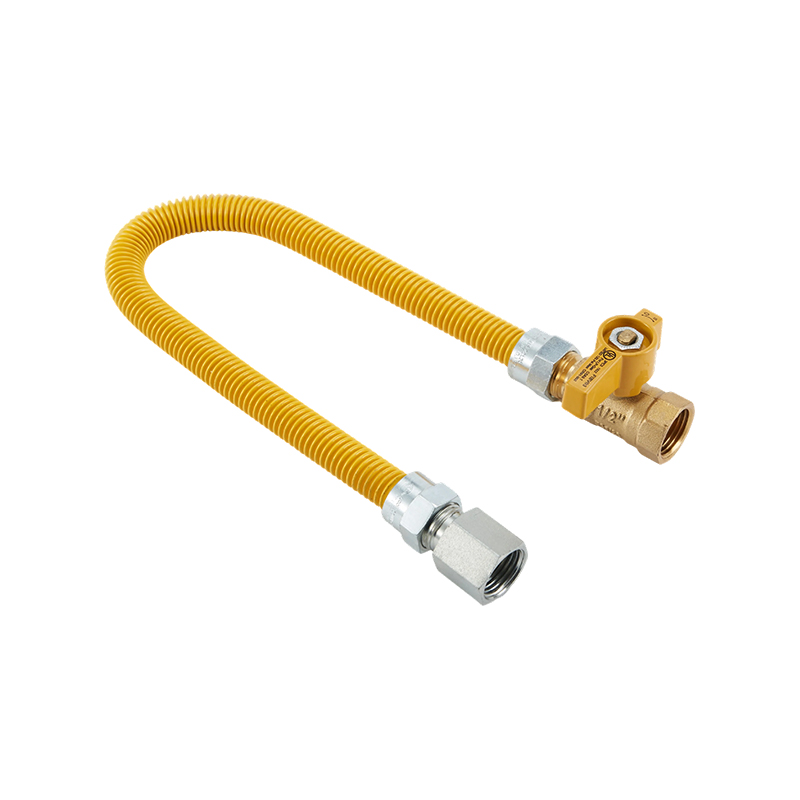
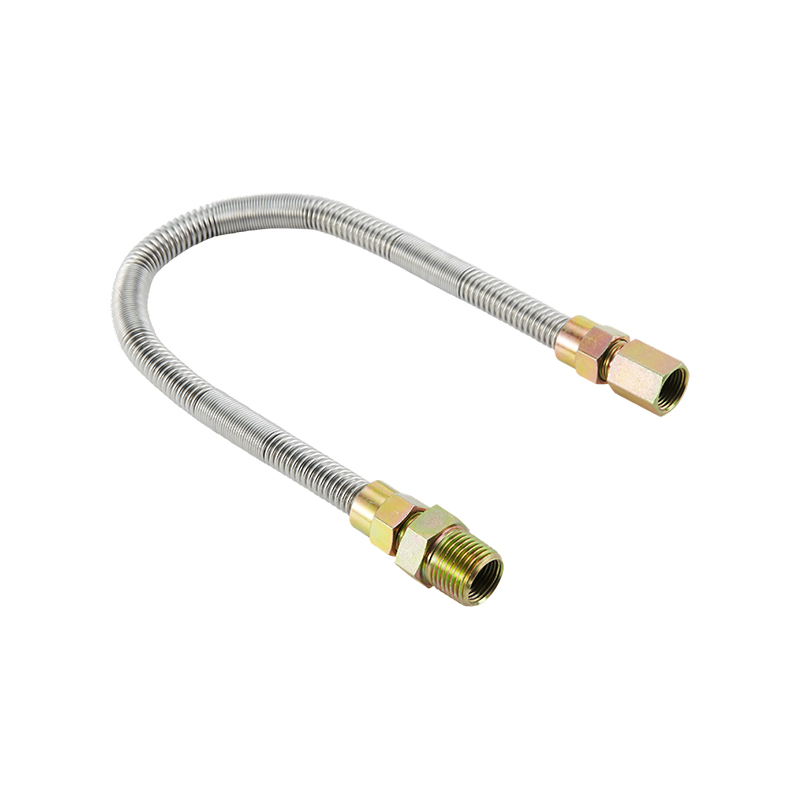
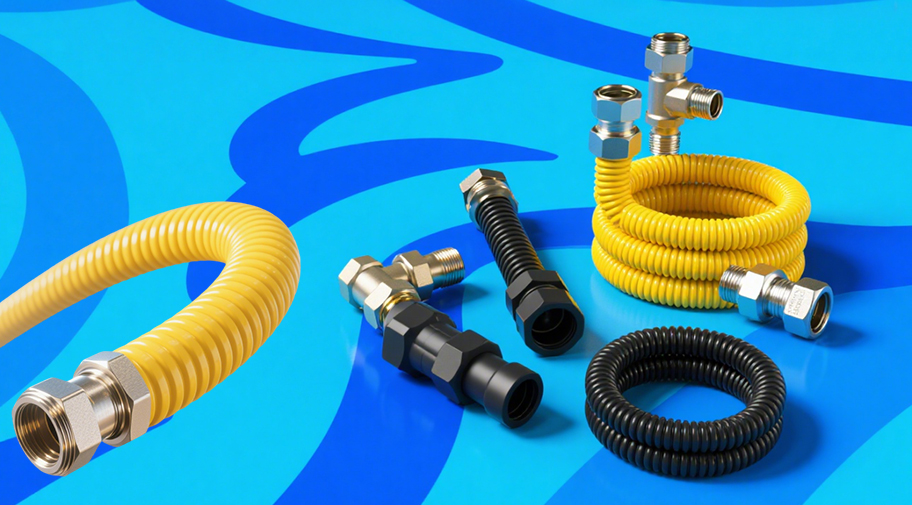
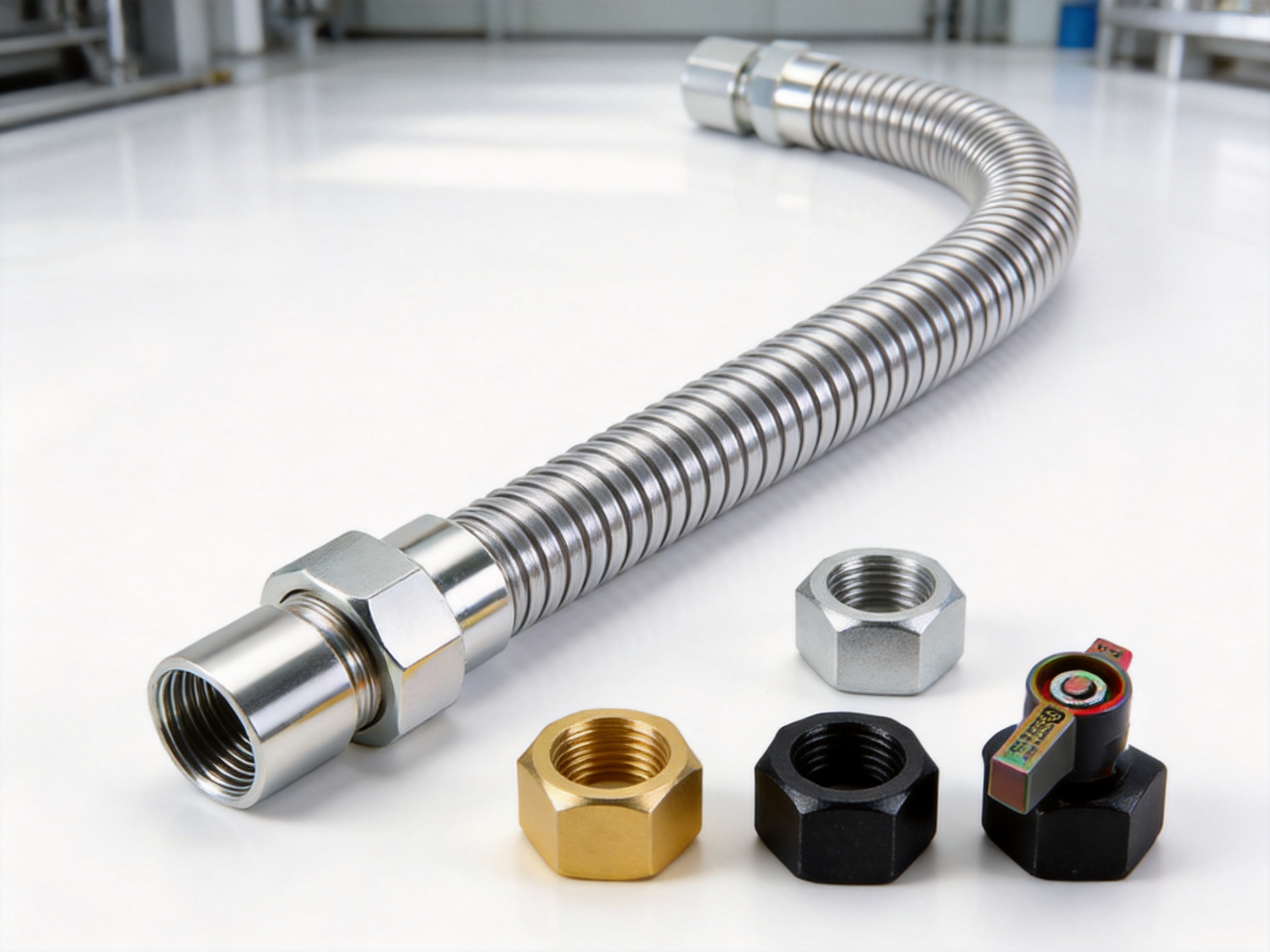
This product belongs to the stainless steel gas connector category and is associated with CSA-certified gas connector applications. It is available in several lengths, including 12 inches, 18 inches, 24 inches, 36 inches, 48 inches, 60 inches, and 72 inches, allowing installers, distributors, contractors, and equipment manufacturers to select the right configuration for different site requirements. With brass or carbon steel nut options, hard sealing structure, and finish choices including natural stainless steel, yellow, and black with colored zinc fittings, the connector supports both functional and visual installation needs.
The value of a gas connector is not determined by one specification alone. Material quality, forming accuracy, sealing reliability, nut strength, manufacturing consistency, inspection capability, and supplier management all influence real-world performance. This article explores the DN25 stainless steel gas connector from a technical, practical, and manufacturing perspective, highlighting its product advantages, application value, and the advanced production strengths behind it.
DN25 Stainless Steel Gas Connector
Product Overview
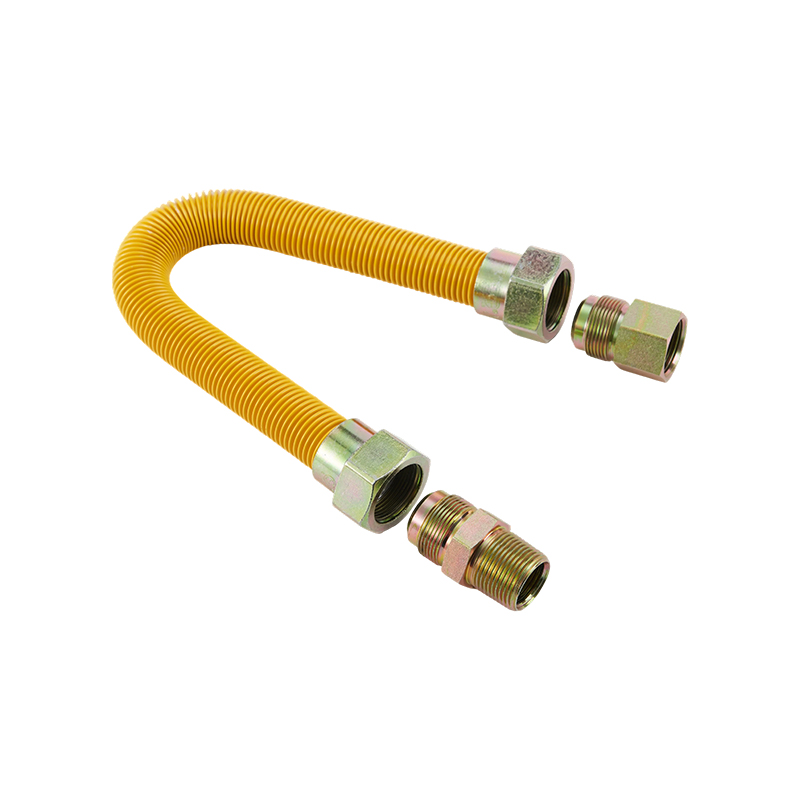
The DN25 stainless steel gas connector is a flexible corrugated connector designed to connect gas pipelines, appliances, and related gas equipment where controlled movement and reliable sealing are required. DN25 indicates the nominal diameter class, making the product suitable for installations where higher flow capacity is required compared with smaller residential connector sizes. Its stainless steel construction gives it a strong foundation for durability, while the corrugated profile provides flexibility that rigid piping cannot offer.
The connector is manufactured from 304 stainless steel, a widely used austenitic stainless steel grade known for corrosion resistance, formability, and stable mechanical properties. In gas connection environments, corrosion resistance is especially important because connectors may be exposed to humidity, cleaning agents, indoor condensation, temperature variation, and installation stress. By selecting 304 stainless steel, the product offers a strong balance of cost efficiency, durability, and corrosion protection.
The pipe wall thickness is 0.25 mm, which supports the flexibility required for installation while maintaining a suitable structural profile for gas connector use. A connector that is too rigid can be difficult to install in confined spaces, while one that is too weak may not provide the desired service reliability. The selected thickness supports bending and placement flexibility while contributing to consistent performance under normal operating conditions.
The product is available in multiple lengths: 12 inches, 18 inches, 24 inches, 36 inches, 48 inches, 60 inches, and 72 inches. This broad length range is an important advantage because installation spaces vary greatly. Shorter connectors are useful for compact appliance connections, while longer lengths are beneficial when equipment placement, pipe routing, or maintenance access requires additional reach. Instead of forcing installers to adapt the site around a limited product range, the connector range allows the product to adapt to the site.
The nut material can be selected from brass or carbon steel. Brass offers excellent corrosion resistance, machinability, and stable sealing behavior, making it a common material in gas connection hardware. Carbon steel provides strength and durability and may be selected when installation requirements or cost structures favor steel fittings. This material choice gives buyers flexibility in product configuration and procurement planning.
The connector uses a hard sealing structure. Hard sealing is valued for its firm contact surface and mechanical reliability when designed and installed correctly. It helps create a secure connection between mating components, reducing dependence on soft materials that may age, deform, or degrade in certain environments. For gas applications, sealing integrity is a core design priority.
Key Technical Specifications
| Product Name | DN25 Stainless Steel Gas Connector |
| Product Category | Stainless Steel Gas Connector for CSA-Certificate Applications |
| Material | 304 Stainless Steel |
| Wall Thickness | 0.25 mm |
| Available Lengths | 12 in, 18 in, 24 in, 36 in, 48 in, 60 in, 72 in |
| Color and Finish Options | Natural Stainless Steel, Yellow, Black with Colored Zinc Fittings |
| Nut Material Options | Brass or Carbon Steel |
| Cover Material | None |
| Seal Form | Hard Sealing |
| Typical Application Areas | Residential, Commercial, and Industrial Gas Systems |
Why 304 Stainless Steel Matters
304 stainless steel is one of the most recognized materials for flexible metallic hose and connector applications. Its composition gives it good resistance to many forms of atmospheric and mild chemical corrosion. In gas connector service, this material choice helps reduce the risk of external rust and supports long-term structural integrity. While installation conditions vary, 304 stainless steel is often preferred when a balance of strength, corrosion resistance, and manufacturability is required.
Compared with lower-grade metals or poorly coated alternatives, 304 stainless steel provides an inherent corrosion-resistant structure rather than relying only on a surface coating. Coatings can be useful, but they may be scratched during handling or installation. Stainless steel, by contrast, obtains its resistance from its alloy composition and passive oxide layer. This makes it better suited for long-term environments where connectors may be touched, adjusted, cleaned, or exposed to mild moisture over time.
Another advantage of 304 stainless steel is its forming performance. Gas connectors typically require corrugation forming, bending capability, and stable dimensional control. Materials that crack, harden excessively, or form unevenly can lead to weak points. 304 stainless steel supports controlled forming processes, helping manufacturers create consistent corrugations and reliable flexible sections.
In addition, stainless steel maintains a professional appearance. For visible gas installations in commercial kitchens, equipment rooms, utility spaces, or mechanical installations, appearance can matter. A clean stainless steel finish signals quality and helps installers and end users identify a durable metallic product. When yellow or black finish options are selected, the connector can also meet visual identification preferences or match project requirements.
Flexible Design for Practical Installation
Rigid pipe has its place in gas systems, but it is not always the best solution for the final connection to an appliance or movable equipment. Gas appliances may vibrate during operation, shift slightly due to thermal expansion, or require service clearance. A flexible stainless steel gas connector helps accommodate these realities. It can bridge the gap between fixed piping and equipment without requiring complex rigid pipe alignment.
The corrugated structure allows controlled bending while maintaining internal flow passage. This is especially useful in tight installation spaces where exact alignment is difficult. Installers can position the connector more easily, reducing installation time and lowering the need for additional elbows or custom pipe adjustments. Fewer rigid alignment problems can also reduce stress on appliance ports and upstream piping.
Flexibility also supports maintenance. When appliances need to be inspected, moved slightly, or serviced, a suitable flexible connector may help simplify access depending on installation standards and local regulations. A well-selected connector length can prevent excessive pulling or bending during service operations. The availability of seven lengths from 12 inches to 72 inches allows installers to avoid using a connector that is too short or unnecessarily long.
A connector that is too short may be forced into sharp bends, creating stress and reducing installation quality. A connector that is too long may create loops, interference, or unnecessary movement. By offering multiple length options, the product helps installers create cleaner, safer, and more professional layouts. This is an important advantage over suppliers that offer only a narrow size range.
Sealing Reliability and Connection Security
Gas connectors must be judged primarily by safety and sealing performance. Even an attractive or inexpensive connector is not acceptable if it cannot provide dependable sealing under proper installation conditions. This DN25 stainless steel gas connector uses a hard sealing form, supporting firm mechanical contact at the connection interface.
Hard sealing offers several practical benefits. It can deliver a stable connection when the mating surfaces are properly manufactured and installed. It is less dependent on soft gasket materials that may be affected by aging, compression set, or material incompatibility. In gas applications, where long-term leak prevention is essential, a well-designed hard sealing interface contributes to reliable system performance.
The nut options further enhance connection adaptability. Brass nuts are valued for corrosion resistance and precise threading performance. Carbon steel nuts are valued for strength and durability. By offering both, the product supports different market expectations and project requirements. Some customers may prioritize corrosion resistance and traditional gas fitting practice, while others may prioritize mechanical strength or cost optimization. The availability of both options is a competitive advantage because it allows customized supply without changing the fundamental connector design.
Pressure resistance and sealing integrity also depend on manufacturing accuracy. A connector may use good materials but still perform poorly if threads, sealing surfaces, corrugation geometry, or end connections are inconsistent. For this reason, the manufacturing system behind the product is as important as the product specification itself. Advanced equipment, quality control, and inspection routines help ensure that each connector meets dimensional and performance expectations.
Advantages Over Ordinary Gas Connector Alternatives
In the market, gas connectors may appear similar at first glance, but their performance can differ greatly. Differences in stainless steel grade, wall thickness control, corrugation uniformity, nut material, sealing structure, surface treatment, and inspection processes all influence quality. The DN25 stainless steel gas connector stands out because it combines a practical material selection with a flexible length range, configurable nut materials, finish options, and a manufacturing background focused on stainless steel bellows and flexible connection products.
Compared with connectors made from lower-grade materials, 304 stainless steel provides better corrosion resistance and stronger long-term durability. Low-quality metals may corrode, discolor, or weaken in humid environments. Once corrosion begins, both appearance and mechanical reliability can decline. Stainless steel helps reduce these risks and supports a more stable service life.
Compared with rigid pipe connections, the flexible corrugated design reduces installation difficulty. Rigid pipe requires precise measurement, cutting, threading, alignment, and fitting assembly. Flexible connectors simplify final appliance connections and reduce the challenge of matching fixed pipe positions to equipment ports. This can be especially valuable in renovation projects, compact mechanical spaces, or equipment replacement scenarios.
Compared with products that offer only one or two lengths, this connector line provides seven common length options. That variety improves installation quality because installers can choose the length that matches the real site condition. The result is less forced bending, cleaner routing, and better service access.
Compared with connectors that use only one fitting material, the brass or carbon steel nut selection gives buyers more control. Different regions, market segments, and projects may have different preferences. A flexible product configuration helps wholesalers, distributors, and contractors satisfy multiple customer requirements with one product family.
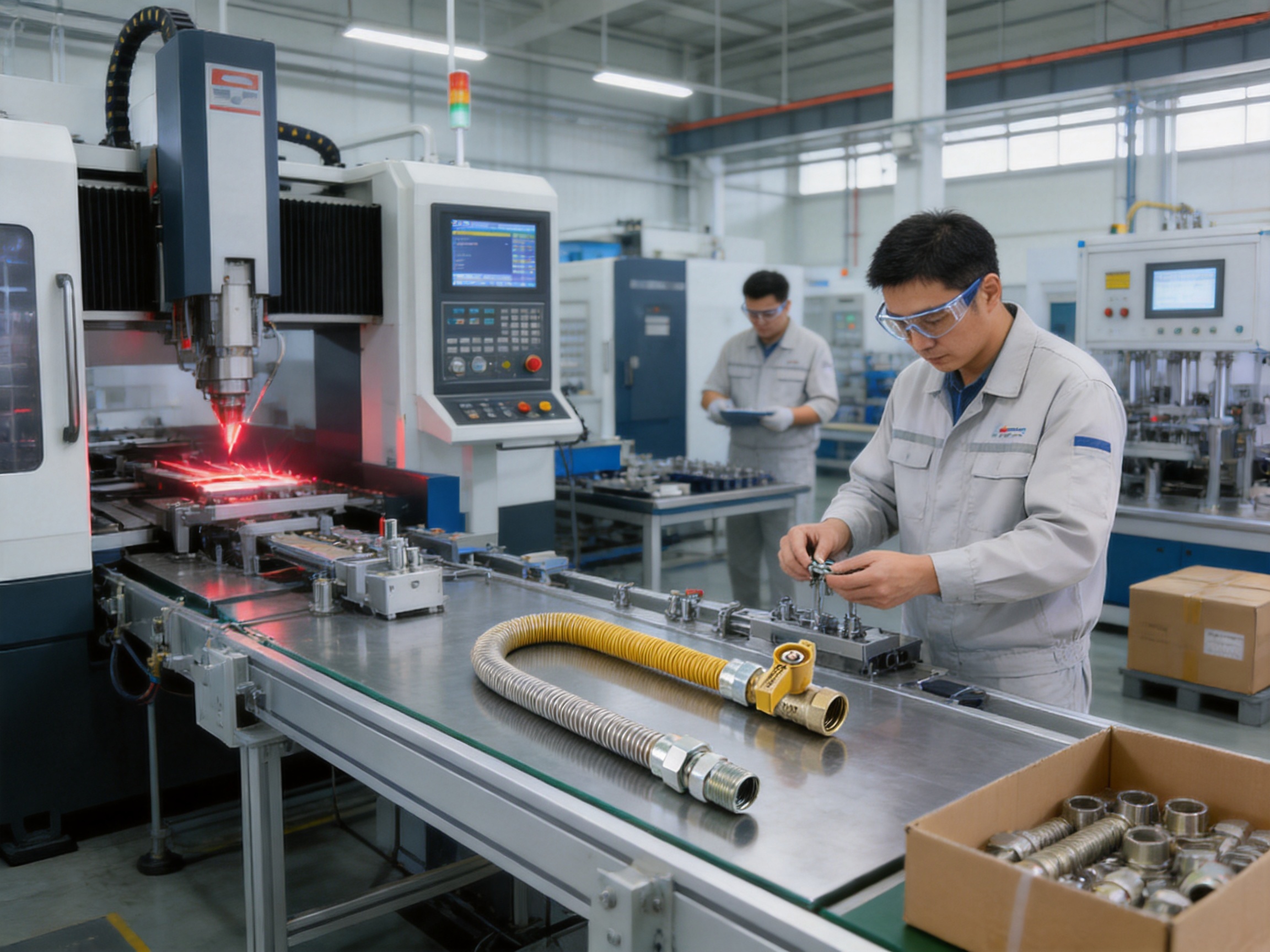
Compared with products that focus only on price, this connector is supported by a manufacturer with advanced production equipment and a quality management system. The manufacturing background includes laser welding machines, CNC forming machines, COSMO equipment, eddy current flaw detectors, and automatic packaging systems. These capabilities help maintain consistency from raw material processing to final inspection.
Manufacturing Strength Behind the Connector
A high-quality gas connector begins long before the final product reaches the installer. It starts with material selection, structural design, forming control, welding precision, cleaning, inspection, packaging, and documentation. Haoyin (Ningbo) Bellows Technology Co., Ltd. is a professional enterprise specializing in the research, development, design, manufacturing, and sales of stainless steel bellows. Its experience in flexible metallic connection products provides a strong foundation for producing gas connectors, plumbing pipes, water liners, metal hoses, and compensators.
The company operates in Yuyao, Ningbo, Zhejiang Province, China, with a production base covering 35 mu and 18,000 square meters of standardized workshops. This manufacturing scale allows organized production flow, equipment placement, raw material control, and finished goods management. For buyers of gas connectors, production capacity and workshop standardization matter because they influence delivery stability, batch consistency, and long-term supply reliability.
The company has obtained ISO9001, ISO14001, ISO45001, and other management system certifications. These certifications indicate attention to quality management, environmental responsibility, and occupational health and safety. For industrial and commercial customers, a supplier with certified management systems can provide greater confidence in process control and continuous improvement.
The company is also recognized as a National High-tech Enterprise and Green Factory. These recognitions reflect investment in innovation, efficient production, environmental awareness, and advanced manufacturing capability. In a competitive market where some suppliers rely mainly on low-cost production, a technology-driven manufacturer offers a stronger platform for stable product development and quality improvement.
The manufacturing philosophy of “Striving for Excellence, Forging Quality” is reflected in a full-process quality management system. This system covers raw material selection, structural design, manufacturing, performance testing, and after-sales support. For gas connector buyers, this full-process approach is important because quality cannot be inspected into a product only at the end. It must be built into each step.
Advanced Equipment and Process Control
Modern stainless steel gas connector production depends on specialized equipment. Laser welding machines are used to create precise, controlled welds with reduced heat-affected zones compared with many conventional welding methods. For thin stainless steel structures, welding accuracy is critical. Excessive heat, uneven welds, or contamination can weaken the product. Laser welding supports consistent seams and contributes to structural reliability.
CNC forming machines allow controlled shaping of stainless steel tubes and corrugated structures. Corrugation geometry affects flexibility, pressure behavior, fatigue resistance, and installation feel. Manual or poorly controlled forming can lead to uneven corrugations, inconsistent pitch, or localized thinning. CNC forming improves repeatability, helping each connector conform to design requirements.
COSMO equipment can support leak testing and sealing performance verification depending on production configuration. Gas connectors must prevent leakage, and testing equipment helps identify defects before products leave the factory. Reliable testing is one of the most important differences between professional manufacturing and low-level production. A connector that looks acceptable externally may still contain micro-defects or sealing irregularities; testing helps reduce that risk.
Eddy current flaw detectors provide non-destructive inspection capability. Eddy current testing is widely used for detecting surface and near-surface defects in conductive materials. For stainless steel tube and bellows production, this technology can help identify cracks, discontinuities, or material problems that may not be visible to the naked eye. Integrating eddy current detection into production demonstrates a more advanced quality mindset.
Automatic packaging systems also add value. Packaging is sometimes underestimated, but it affects product protection, logistics efficiency, labeling accuracy, and user experience. Stainless steel connectors can be damaged, scratched, or contaminated during transport if packaging is poor. Automated packaging supports consistent presentation and helps protect products during storage and shipment.
Raw Material Selection and Incoming Quality Control
Material quality is the foundation of the DN25 stainless steel gas connector. The use of 304 stainless steel must be supported by reliable sourcing and incoming inspection. If raw material composition, thickness, surface condition, or mechanical properties vary, finished product performance may also vary. Professional manufacturers therefore treat incoming raw material control as a critical stage rather than a routine warehouse activity.
Incoming inspection may include checking material certificates, verifying dimensions, examining surface quality, and confirming that the material is suitable for forming and welding. For thin-wall stainless steel connectors, thickness consistency is especially important. The stated 0.25 mm wall thickness must be controlled because variations can affect flexibility, forming behavior, and durability.
Surface condition is also important. Scratches, pits, contamination, or defects can become stress concentration points during forming or bending. Stainless steel products intended for gas applications should have clean and controlled surfaces before entering production. A manufacturer with standardized workshops and quality systems is better positioned to maintain this control.
Once materials pass incoming inspection, they can proceed to forming and connection assembly. At each stage, dimensional checks and process monitoring help prevent defects from moving downstream. This reduces waste, improves consistency, and supports final product reliability.
Corrugation Forming and Flexibility Control
The corrugated body is the heart of a flexible gas connector. It must bend without collapsing, retain its geometry under normal handling, and provide a stable flow path. Corrugation design involves a balance between flexibility and strength. Deep or closely spaced corrugations may increase flexibility, but the geometry must still maintain structural integrity. Shallower corrugations may be stronger but less flexible. Proper engineering balances these factors for the intended application.
CNC forming technology helps achieve this balance by controlling forming pressure, tool movement, pitch, and geometry. Consistency is crucial because one weak corrugation can become the point where stress concentrates during bending. Uniform corrugations distribute movement more evenly along the connector length, improving installation behavior and long-term reliability.
Flexibility is not only a convenience feature. It also helps reduce stress transfer between connected equipment and fixed piping. Gas appliances and equipment may vibrate or shift slightly during operation. A flexible connector can absorb minor movement that might otherwise stress rigid joints. This is one reason stainless steel corrugated connectors are widely used in final gas appliance connections.
However, flexibility must be controlled and used properly. Installers should avoid sharp bends, twisting, stretching, crushing, or repeated excessive movement. The availability of multiple connector lengths helps prevent improper bending by allowing a suitable length selection for the installation layout.
End Fittings, Nuts, and Sealing Surface Quality
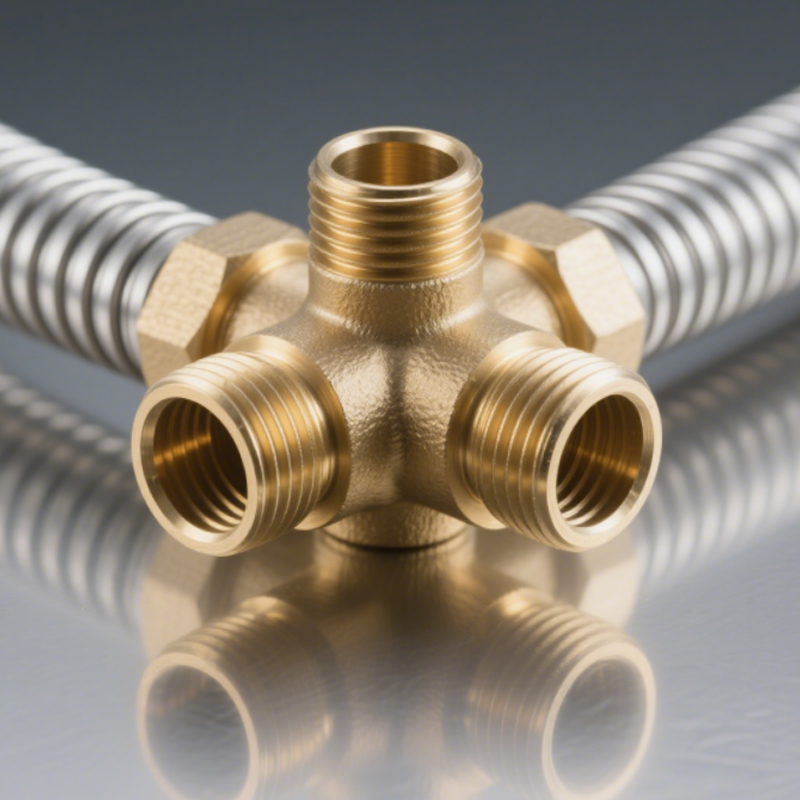
The end connection is where the gas connector meets the rest of the system. Even if the corrugated tube is excellent, a poor end fitting can compromise the entire product. Nut material, thread accuracy, sealing surface finish, and assembly strength must all be controlled. The DN25 stainless steel gas connector offers brass or carbon steel nuts to meet different installation and market needs.
Brass is commonly chosen for its corrosion resistance and good machinability. It can form precise threads and maintain stable behavior in many gas fitting applications. Carbon steel offers strong mechanical properties and can be finished or treated according to product requirements. Colored zinc fittings in yellow or black product variants also support both protection and visual differentiation.
Thread accuracy is essential because poor threading can make installation difficult or cause improper tightening. A professional production process includes dimensional inspection to confirm that threads and sealing surfaces meet required tolerances. Smooth, accurate contact surfaces support hard sealing performance and help reduce leak risk when the product is correctly installed.
Assembly quality also matters. The connection between the stainless steel body and fittings must be secure. Welding, forming, and mechanical joining processes need to be controlled so that the connector behaves as one integrated component rather than a collection of parts. Advanced equipment and trained operators help achieve this consistency.
Surface Finish and Color Options
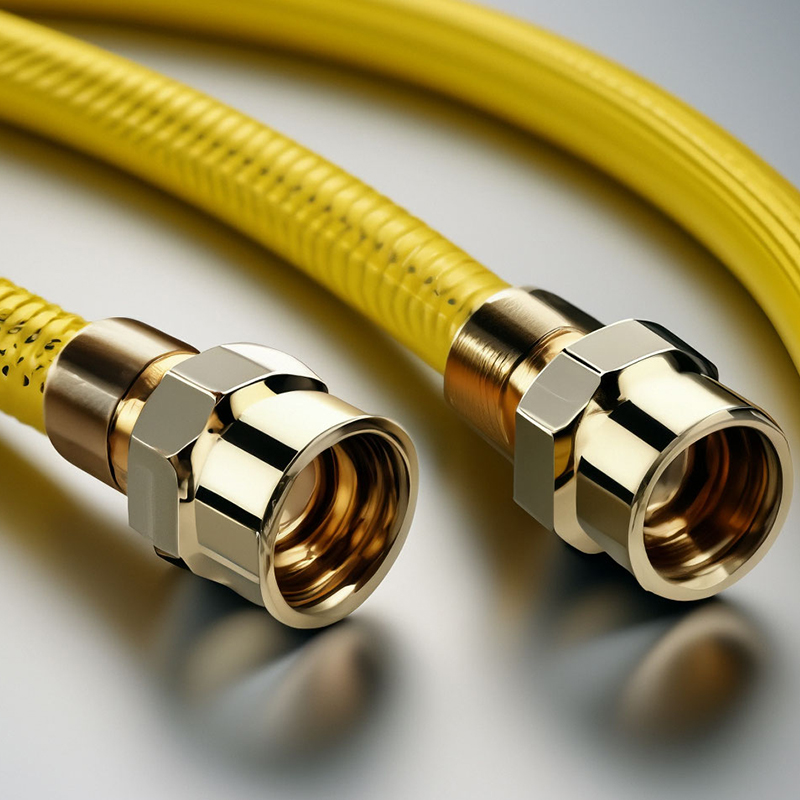
The connector is available in natural stainless steel, yellow, and black finishes with colored zinc fittings. These options allow the product to serve different markets and installation preferences. Natural stainless steel provides a clean metallic appearance and highlights the material itself. Yellow is commonly associated with gas identification in many markets, helping installers and users quickly recognize gas-related components. Black can be selected for applications where a darker visual appearance is preferred or where project specifications call for it.
Color and finish are not only aesthetic details. They can support organization, identification, and product differentiation. In warehouses, distributor inventories, and installation sites, visual differences can reduce confusion. A gas connector that is easy to identify can help streamline selection and installation workflows.
Colored zinc fittings add another functional layer by supporting fitting appearance and corrosion protection. The specific suitability of a finish depends on the environment and installation standards, but having finish options gives buyers flexibility. This is useful for distributors serving multiple regions or contractors working with varied project requirements.
Applications in Residential Gas Systems
In residential environments, gas connectors are often used for appliances such as gas stoves, ovens, water heaters, dryers, and heating equipment. The DN25 size may be selected where the flow requirement and system design call for a larger connector. Residential installations demand safety, clean appearance, ease of installation, and long-term reliability. Homeowners may not see the connector every day, but its performance directly affects household safety and comfort.
The stainless steel construction helps protect the connector in environments such as kitchens, utility rooms, basements, and equipment spaces. These areas may experience humidity, cleaning activity, or temperature change. A corrosion-resistant connector is therefore an advantage over low-grade alternatives.
The multiple length options are particularly useful in residential renovation. Existing pipe locations may not align perfectly with new appliances. A flexible connector can simplify replacement work and reduce the need for extensive pipe modification. Short lengths can keep installations neat behind compact appliances, while longer lengths can provide necessary reach in larger utility areas.
For residential users, product reliability must be paired with professional installation. Gas connectors should be installed according to applicable codes, manufacturer instructions, and local safety requirements. The connector should not be kinked, twisted, hidden improperly, or reused in ways that violate installation standards. A high-quality connector supports safety, but correct installation completes the safety system.
Applications in Commercial Gas Systems
Commercial environments place heavier demands on gas connectors. Restaurants, catering facilities, hotels, laundries, workshops, and service spaces often use gas equipment for long hours. Equipment may be moved for cleaning or maintenance, and connectors may be exposed to more frequent handling than in a typical household. Stainless steel construction and durable fittings become especially valuable in these settings.
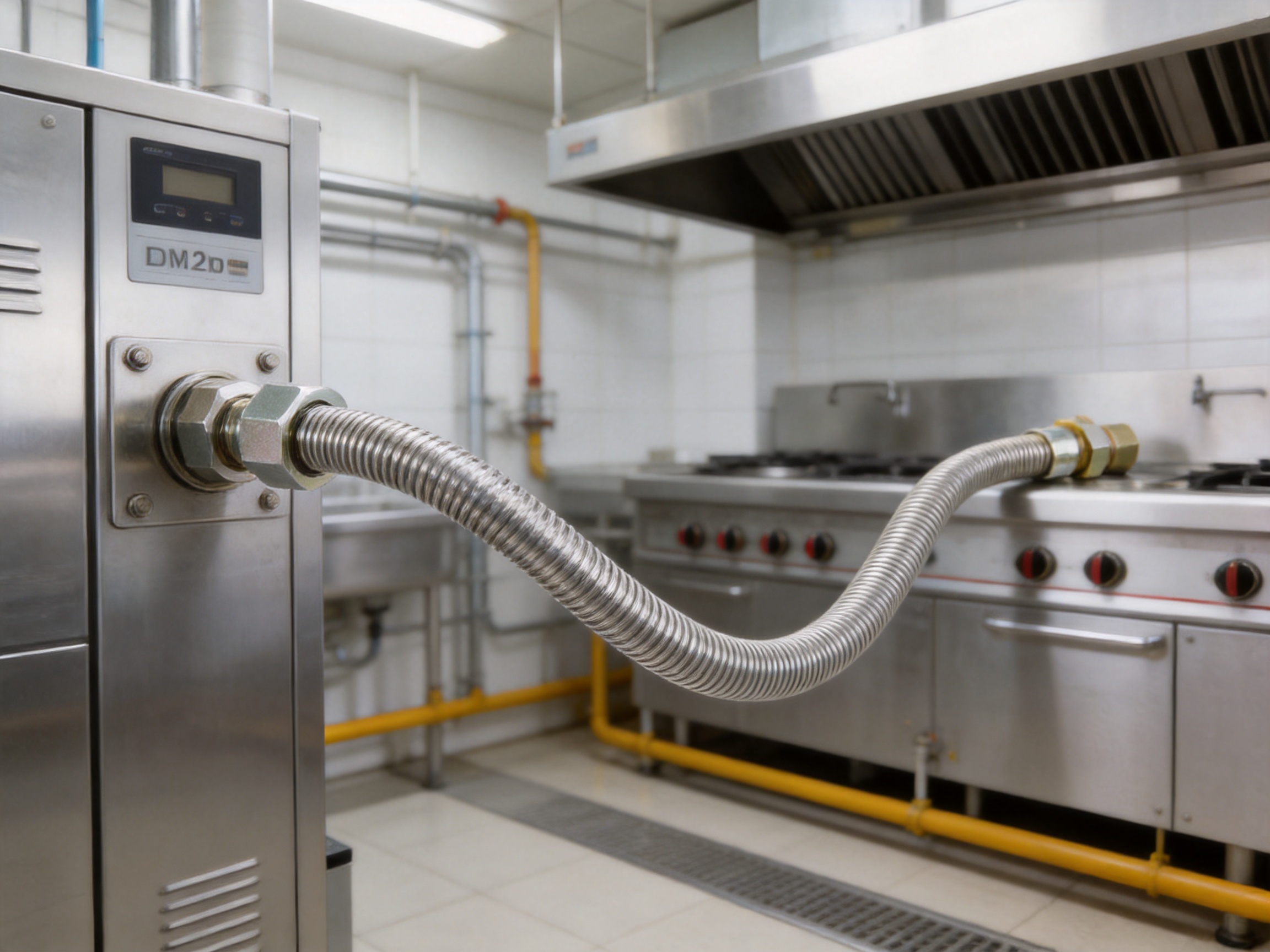
Commercial kitchens, for example, may include ovens, ranges, fryers, steamers, and other gas appliances. These installations often require connectors that can tolerate a busy operating environment. The DN25 stainless steel gas connector offers flexibility for equipment layout while maintaining a strong metallic structure. Yellow finish options can also support quick identification in complex utility areas.
In commercial service, downtime is costly. A failed connector can interrupt operations, create safety concerns, and require urgent maintenance. Choosing a connector produced through advanced manufacturing and inspection processes helps reduce the risk of premature failure. Buyers should consider total lifecycle value rather than initial price alone.
Distributors and contractors serving commercial customers benefit from a product line with multiple lengths and fitting options. Keeping several lengths in inventory allows fast response to installation needs. Instead of delaying a project because a required length is unavailable, a broad product range improves supply flexibility.
Applications in Industrial Gas Systems
Industrial gas systems may involve process equipment, heating units, laboratory support systems, fabrication operations, or specialized machinery. While each industrial environment has its own engineering requirements, flexible stainless steel connectors are often used where equipment movement, vibration isolation, thermal expansion, or installation alignment must be managed. The DN25 connector provides a practical option for systems requiring a moderate nominal diameter with stainless steel durability.
Industrial users often evaluate suppliers more strictly than residential markets. They may require documentation, consistency, batch traceability, quality system credentials, and reliable delivery. A manufacturer with ISO-certified systems, advanced equipment, and a full-process quality approach is better positioned to satisfy these expectations.
The connector’s 304 stainless steel body supports resistance to many industrial indoor environments. Its hard sealing design and configurable nut materials add installation flexibility. However, industrial applications should always be evaluated by qualified engineers to confirm compatibility with gas type, pressure, temperature, environment, vibration level, code requirements, and connection standards.
For industrial buyers, supplier capability is often as important as the component itself. A professional stainless steel bellows manufacturer can provide technical support, consistent production, and product development capability. This reduces procurement risk and supports long-term cooperation.
Quality Management from Design to After-Sales Support
The company behind this product has built a full-process quality management system covering raw material selection, structural design, manufacturing, performance testing, and after-sales support. This approach is especially important for gas connection products because quality failures can have serious consequences. Every stage must be controlled.
During design, engineers consider material behavior, corrugation profile, fitting compatibility, sealing structure, and installation requirements. During manufacturing, process parameters are controlled to maintain consistency. During testing, products are checked for defects, leakage, and dimensional accuracy as required by the production plan. During packaging, products are protected for transportation and storage. During after-sales support, customer feedback can be used to improve future production.
This closed-loop approach helps create stable quality over time. Some suppliers may produce acceptable samples but struggle with mass production consistency. A full-process quality management system is designed to prevent this problem by making consistency part of daily operations.
ISO9001 supports quality management discipline. ISO14001 demonstrates environmental management awareness. ISO45001 supports occupational health and safety management. Together, these systems indicate that manufacturing is not handled casually but within a structured management framework.
Safety Considerations and Installation Best Practices
A gas connector must always be installed with safety as the top priority. Even the best product can be compromised by incorrect installation. Installers should follow applicable local codes, gas system standards, and manufacturer instructions. Installation should be performed by qualified personnel familiar with gas piping and appliance connection practices.
The connector should be selected in the correct length. It should not be stretched tight between connection points. It should not be compressed into sharp bends or kinked. It should not be twisted during tightening. Proper tools should be used on the nuts, and sealing surfaces should be kept clean and undamaged. After installation, leak testing should be performed according to approved procedures before the system is placed into service.
The connector should also be protected from mechanical damage. It should not be placed where it can be crushed, stepped on, cut, overheated, or exposed to incompatible chemicals. If the installation environment includes unusual heat, corrosive substances, outdoor exposure, or vibration, professional evaluation is recommended.
Hard sealing connections require proper mating surfaces and correct tightening. Over-tightening can damage threads or sealing surfaces, while under-tightening may fail to seal. Installers should use appropriate torque practices and follow applicable guidance. When in doubt, the installation should be inspected by a qualified professional.
How to Select the Right Length
Length selection is one of the most practical decisions when choosing a gas connector. The product is available in 12-inch, 18-inch, 24-inch, 36-inch, 48-inch, 60-inch, and 72-inch versions. A short connector may be suitable when the appliance connection is close to the gas supply outlet and alignment is simple. Longer connectors may be needed when equipment must be moved for service, when routing requires gentle bends, or when connection points are farther apart.
The correct length should allow smooth, gradual bending without tension. The connector should not be used as a structural support or as a way to force misaligned equipment into position. It should provide enough flexibility for installation while avoiding excessive slack. Excessive length can create loops or areas vulnerable to damage. Insufficient length can create stress.
For distributors, stocking multiple lengths improves customer satisfaction. Contractors often encounter unexpected site conditions. Having several connector lengths available can prevent delays and help achieve professional installation results. This product family’s wide range is therefore a commercial advantage as well as a technical advantage.
Procurement Value for Distributors and Project Buyers
Distributors, wholesalers, and project buyers need products that are not only technically sound but also commercially practical. The DN25 stainless steel gas connector offers several procurement advantages. First, it belongs to a defined product family with multiple length options, making inventory planning easier. Second, it provides nut material choices, allowing different customer preferences to be served. Third, it offers finish options that support product differentiation and market identification.
From a supplier perspective, the manufacturer’s production scale and standardized workshop environment support stable delivery. Advanced equipment improves consistency, while certified management systems support reliable cooperation. For buyers who serve safety-critical markets, these supplier factors reduce risk.
Price is always a factor in procurement, but gas connector purchasing should not be reduced to price alone. A low-cost product may create hidden costs through installation difficulty, inconsistent quality, customer complaints, returns, or safety concerns. A connector made from 304 stainless steel with controlled manufacturing and inspection offers stronger long-term value.
Project buyers also benefit from the company’s wider product portfolio. In addition to gas connectors, the company produces plumbing pipes, water liners, metal hoses, and compensators. This means customers can potentially source multiple flexible connection solutions from one professional manufacturer, simplifying supplier management.
Environmental and Operational Responsibility
Modern manufacturing must consider not only product performance but also environmental and operational responsibility. The company’s ISO14001 certification and Green Factory recognition show attention to environmental management. In stainless steel product manufacturing, responsible processes can include efficient material use, waste management, energy awareness, and cleaner workshop practices.
Environmental responsibility can also align with product durability. A longer-lasting connector can reduce replacement frequency and material waste over time. Stainless steel is also a recyclable material, which supports broader sustainability goals when products eventually reach the end of their service life.
Operational responsibility includes worker safety and stable production systems. ISO45001 certification indicates attention to occupational health and safety management. A safe, well-managed factory is more likely to maintain consistent production and skilled workforce stability. For customers, this contributes indirectly to supply reliability.
Frequently Asked Questions
What is the DN25 stainless steel gas connector used for?
It is used for flexible gas connections in residential, commercial, and industrial gas systems. It can connect gas pipelines to appliances or equipment where flexibility, corrosion resistance, and secure sealing are required.
What material is the connector made from?
The connector body is made from 304 stainless steel. This material is widely used because it offers good corrosion resistance, formability, durability, and a clean metallic appearance.
What is the wall thickness of the connector?
The pipe wall thickness is 0.25 mm. This thickness supports flexibility while maintaining the structural characteristics required for gas connector applications.
What lengths are available?
The connector is available in 12-inch, 18-inch, 24-inch, 36-inch, 48-inch, 60-inch, and 72-inch lengths. This range helps installers choose a suitable connector for different installation spaces.
What nut materials are available?
The nuts can be made from brass or carbon steel. Brass provides corrosion resistance and precise machinability, while carbon steel provides strength and durability.
What color or finish options are offered?
The connector is available in natural stainless steel, yellow, and black versions. Yellow and black versions may include colored zinc fittings for appearance, identification, and fitting protection.
What type of sealing does the connector use?
The product uses a hard sealing form. When properly manufactured and correctly installed, hard sealing provides firm mechanical contact and reliable sealing performance.
How does this connector compare with ordinary low-cost connectors?
It offers several advantages, including 304 stainless steel material, multiple length options, brass or carbon steel nut choices, finish options, and manufacturing support from a company equipped with advanced welding, forming, testing, and inspection systems.
Can the connector be used in commercial kitchens?
It may be suitable for commercial gas equipment connections when selected and installed according to applicable standards, local codes, and project requirements. Qualified professionals should confirm compatibility before installation.
Why is advanced manufacturing important for gas connectors?
Gas connectors require consistent corrugation geometry, accurate fittings, reliable sealing surfaces, and leak-free construction. Advanced manufacturing equipment and inspection systems help reduce defects and improve product consistency.
Should the connector be installed by a professional?
Yes. Gas connectors should be installed by qualified personnel following local regulations, applicable codes, and manufacturer instructions. After installation, proper leak testing should be performed before use.
Conclusion
The DN25 stainless steel gas connector is a practical and dependable flexible connection solution for gas systems requiring durability, corrosion resistance, installation flexibility, and sealing reliability. Its 304 stainless steel body, 0.25 mm wall thickness, hard sealing structure, multiple length options, configurable nut materials, and finish choices make it suitable for a wide range of residential, commercial, and industrial applications.
Its advantages extend beyond basic specifications. The product is supported by a professional stainless steel bellows manufacturer with advanced equipment, standardized workshops, certified management systems, and a full-process quality management approach. Laser welding machines, CNC forming machines, COSMO equipment, eddy current flaw detectors, and automatic packaging systems contribute to consistent manufacturing quality. These strengths help distinguish the connector from ordinary market alternatives that may focus only on low price.
For installers, the connector offers flexible routing and practical length selection. For distributors, it provides a broad product range and configurable options. For project buyers, it offers the confidence of professional manufacturing and quality control. For end users, it supports safe and durable gas system performance when correctly selected and installed.
In gas connection systems, reliability is not optional. Every component must contribute to safe operation. By combining quality materials, thoughtful design, manufacturing strength, and practical configuration options, the DN25 stainless steel gas connector provides a strong choice for demanding gas connection needs.
References
International Organization for Standardization. ISO9001 Quality Management Systems: Requirements.
International Organization for Standardization. ISO14001 Environmental Management Systems: Requirements with Guidance for Use.
International Organization for Standardization. ISO45001 Occupational Health and Safety Management Systems: Requirements with Guidance for Use.
ASM International. Stainless Steels for Design Engineers.
American Society of Mechanical Engineers. Metallic Bellows and Flexible Hose Engineering References.
CSA Group. Standards and Certification Principles for Gas Appliance Connector Applications.
Industrial Press. Handbook of Stainless Steel Fabrication and Forming Practices.