



 English
  Español
  русский


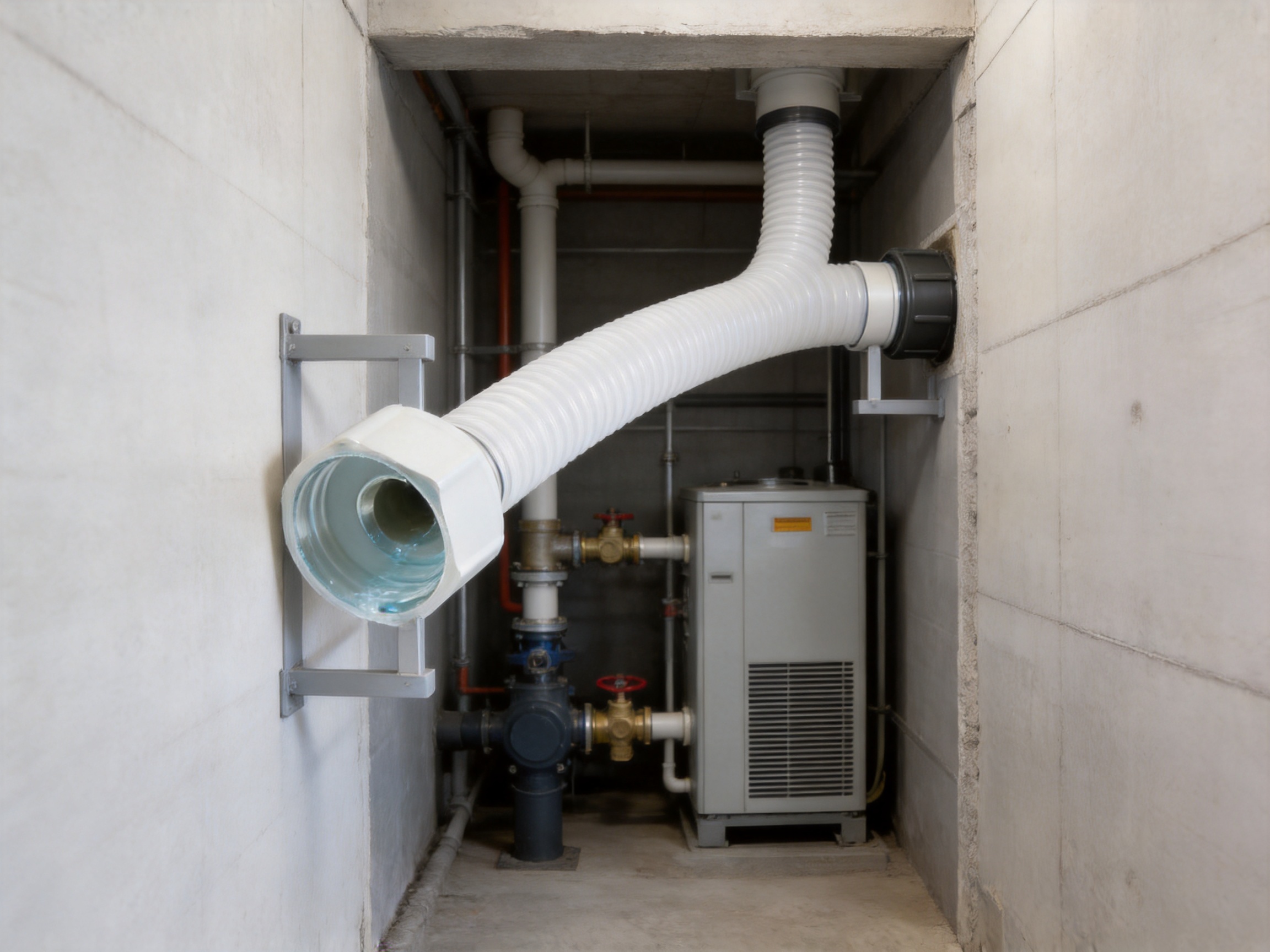
Modern plumbing systems require materials that combine flexibility, chemical resistance, reliable sealing, low weight, and long-term durability. Traditional rigid pipes can provide strength, but they may be difficult to transport, cut, route, and install in complex building layouts. Conventional smooth plastic pipes may be easy to process, yet they do not always provide the structural reinforcement or resistance to external pressure required in demanding applications. PE/PE corrugated flexible plumbing pipe addresses these requirements by combining a polyethylene material system with a corrugated structure that improves flexibility and ring stiffness.
Designed for use as a plumbing liner, inner pipe, inner tube, or water liner, PE/PE corrugated pipe offers an efficient solution for fluid conveyance and flexible connection systems. Its properties include good chemical stability, excellent electrical insulation, high toughness, low weight, corrosion resistance, a smooth inner wall, high flow capacity, and easy installation. The corrugated outer profile supports structural performance, while the inner polyethylene layer provides a clean and smooth passage for water or other compatible fluids.
This article examines the construction, material characteristics, manufacturing process, quality advantages, installation value, and potential applications of PE/PE corrugated flexible plumbing pipe. It also explains how an experienced bellows and flexible-pipe manufacturer supports product reliability through research and development, standardized production, testing, certification, and process control.
1. Understanding PE/PE Corrugated Flexible Plumbing Pipe
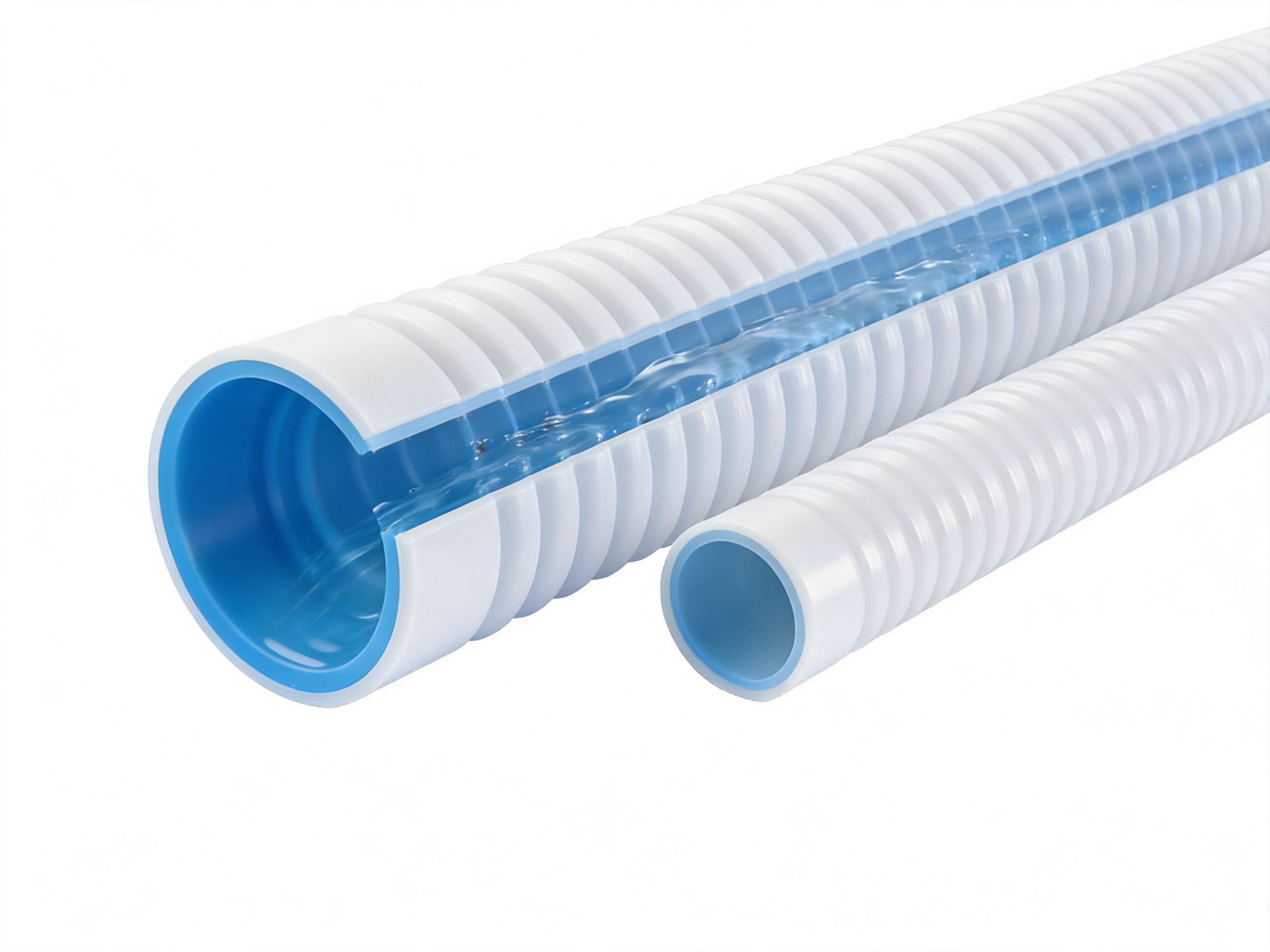
PE/PE corrugated flexible plumbing pipe is a multilayer or dual-structure polyethylene pipe designed to provide flexibility and mechanical support in plumbing and water-handling systems. The inner layer functions as the fluid-contact surface, while the corrugated outer structure improves resistance to external pressure and helps the pipe maintain its shape under practical installation conditions.
Polyethylene is widely used in piping because it offers a useful balance of toughness, chemical stability, processability, and cost efficiency. It does not easily corrode in the manner of many metallic materials, and it can be formed into pipes with different wall structures, diameters, and flexibility levels. When polyethylene is used in a corrugated configuration, the pipe can bend and adapt to routing requirements while still maintaining a higher level of structural support than a thin, unreinforced flexible tube.
The term “PE/PE” indicates that polyethylene is used in both the inner and outer parts of the pipe structure. This material compatibility can simplify manufacturing, support consistent thermal behavior, and reduce the risk of incompatibility between layers. Depending on the product design and application requirements, the inner and outer layers may be engineered with different functions, even when they are based on the same general polymer family.
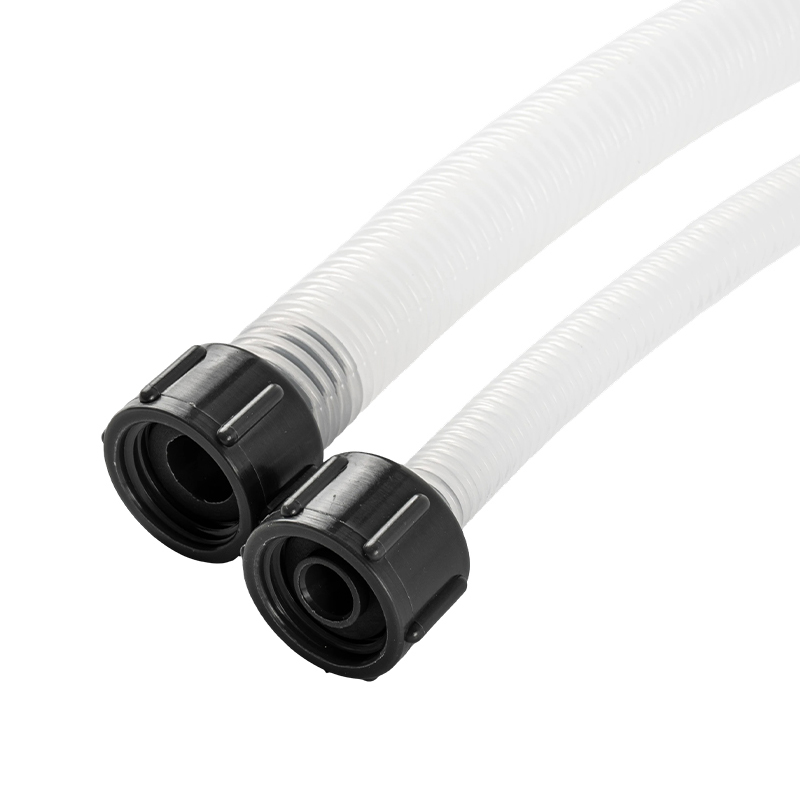
The inner wall is intended to be smooth. A smooth interior reduces resistance to flow, supports high flow capacity, and helps limit the accumulation of deposits. The outer wall is corrugated, creating a series of ribs and valleys along the pipe length. These corrugations increase flexibility and improve ring stiffness without requiring an excessively thick solid wall.
1.1 Structural principle
A corrugated pipe does not rely only on material thickness to resist external forces. Its profile distributes loads through the geometry of the ribs, allowing the pipe to achieve a practical combination of flexibility and compression resistance. This is particularly useful when a pipe must pass through narrow spaces, follow curved routes, or be installed around building components and equipment.
The structure also supports easier handling. A flexible pipe can often be coiled, moved, and positioned with less effort than a comparable rigid pipe. Fewer joints may be required in some installations, reducing the number of potential leakage points and simplifying the overall system design.
1.2 Functional role as an inner liner or inner pipe
In certain flexible connection assemblies, the PE/PE corrugated pipe may serve as an inner liner, inner tube, or water liner. In this role, it provides a controlled fluid passage within a larger protective or connection system. The liner can help isolate the conveyed medium from external components, support hygienic fluid handling where the material is appropriate, and improve the service performance of the finished assembly.
Its suitability for a particular fluid, temperature, pressure, and regulatory environment should always be confirmed through technical documentation and application-specific testing. The pipe’s general advantages are significant, but engineering selection must be based on actual operating conditions.
2. Key Material Advantages
The performance of PE/PE corrugated flexible plumbing pipe begins with the properties of polyethylene. The selected polymer, additives, processing conditions, and layer design all influence the final product. A well-controlled material system can provide dependable performance while maintaining reasonable manufacturing and installation costs.
2.1 Good chemical stability
Polyethylene generally provides good resistance to many common chemical substances. This property is valuable in plumbing environments where the pipe may come into contact with treated water, cleaning residues, mild chemicals, or other substances encountered during service and maintenance. Compared with many metallic materials, polyethylene is less vulnerable to conventional rust and corrosion mechanisms.
Chemical compatibility should still be evaluated before use. Strong oxidizing agents, unusual solvents, high concentrations of aggressive chemicals, or elevated temperatures may affect polymer performance. Responsible product selection requires reviewing the fluid composition and operating conditions rather than relying only on general material descriptions.
2.2 High toughness and impact resistance
High toughness enables the pipe to withstand handling, bending, and ordinary installation impacts without becoming excessively brittle. This is especially important during transportation and construction, when piping materials may be pulled, moved, cut, or routed through confined areas.
The corrugated geometry further supports practical handling by allowing the pipe to flex rather than resist every change in direction as a rigid component. When installed according to the recommended bending radius and connection method, the pipe can accommodate movement and reduce stress concentration at routing changes.
2.3 Corrosion resistance
Corrosion resistance is one of the principal advantages of polyethylene plumbing products. Metallic pipes can be affected by moisture, dissolved salts, electrochemical conditions, and other corrosion factors. A polyethylene-based pipe does not develop metallic rust, which can help preserve the inner passage and reduce the risk of corrosion-related leakage.
This advantage can be important in humid environments, water-handling equipment, building service systems, and locations where maintenance access is limited. The reduction of corrosion concerns may also contribute to lower lifecycle maintenance requirements when the pipe is correctly selected and installed.
2.4 Low weight
PE/PE corrugated pipe is lightweight compared with many metal alternatives. Lower weight can simplify loading, unloading, internal transportation, and positioning at the job site. It may also reduce the labor required for installation and decrease the need for heavy lifting equipment in smaller projects.
Weight reduction is not merely a convenience. It can influence project logistics, packaging efficiency, storage requirements, and worker safety. Lightweight products are easier to manage in overhead spaces, service shafts, equipment rooms, and renovation projects where access is restricted.
2.5 Excellent electrical insulation
Polyethylene provides excellent electrical insulation. Although plumbing pipe is primarily selected for fluid conveyance, electrical insulation can be an additional safety and system-integration benefit when piping is installed near electrical equipment or conductive structures. This characteristic helps distinguish polymeric piping from metallic piping in applications where electrical isolation is desirable.
Electrical insulation does not replace required grounding, bonding, or electrical safety procedures. Instead, it is a material property that can support appropriate system design and reduce unintended conductive paths.
2.6 Low cost and efficient processing
Polyethylene is comparatively economical and can be processed efficiently through extrusion and corrugation equipment. This helps manufacturers offer a product with a favorable balance between performance and cost. Lower material density, efficient forming, and reduced installation labor can contribute to overall project value.
Cost competitiveness should be evaluated over the entire lifecycle. A pipe with a reasonable purchase price, low installation effort, strong chemical resistance, and reduced maintenance needs may provide greater value than a product that is inexpensive initially but difficult to install or vulnerable to premature deterioration.
3. Performance Benefits of the Corrugated Design
The corrugated profile is central to the product’s performance. It is not simply an external visual feature; it is an engineered shape that affects flexibility, stiffness, load distribution, and installation behavior.
3.1 Balance between flexibility and ring stiffness
One of the main challenges in pipe design is achieving both flexibility and structural stability. A completely rigid pipe may resist external pressure but be difficult to route. A very soft tube may bend easily but collapse or deform under external loads. Corrugation creates a middle ground.
The ribs provide additional geometric support and improve ring stiffness. At the same time, the valleys between ribs allow the pipe to flex along its length. This balance makes the pipe suitable for installations that require changes in direction or adaptation to irregular spaces.
3.2 Resistance to external pressure
Strong resistance to external pressure is especially useful when the pipe is installed in protective conduits, wall spaces, floors, equipment assemblies, or other locations where surrounding components may exert force. The corrugated profile distributes external loads across the pipe structure and helps reduce the possibility of localized collapse.
Actual pressure resistance depends on diameter, wall dimensions, corrugation geometry, material formulation, temperature, installation support, and loading duration. Product specifications and test data should therefore be consulted for each project.
3.3 Smooth inner wall and high flow capacity
The smooth inner wall helps reduce frictional resistance to fluid movement. In a properly sized system, this can support efficient flow and help maintain predictable hydraulic performance. A smooth surface may also make the pipe less likely to retain sediment compared with a rough interior.
High flow capacity is influenced by more than surface smoothness. Internal diameter, fluid temperature, flow rate, pressure, pipe length, fittings, bends, and elevation changes must all be considered. Nevertheless, a smooth polyethylene inner wall provides a useful foundation for efficient fluid conveyance.
3.4 Excellent sealing performance
Sealing performance depends on the pipe, connectors, fittings, gaskets, dimensional accuracy, and installation technique. PE/PE corrugated pipe can support reliable sealing when used with compatible connection components and when the pipe end is correctly prepared.
A dependable seal reduces the risk of leakage, moisture damage, pressure loss, and contamination from external surroundings. It also supports cleaner system maintenance and helps protect nearby building materials and equipment.
3.5 Adaptability to complicated routes
Building service spaces are rarely perfectly straight. Pipes may need to pass around beams, cabinets, valves, heat sources, walls, or other utilities. The flexible form of corrugated pipe allows installers to follow practical routes without adding a fitting at every change in direction.
Fewer directional fittings can simplify installation and may reduce the number of joints. However, the pipe should not be bent beyond its recommended limits, twisted excessively, crushed, or forced into a sharply folded configuration. Correct installation remains essential to long-term performance.
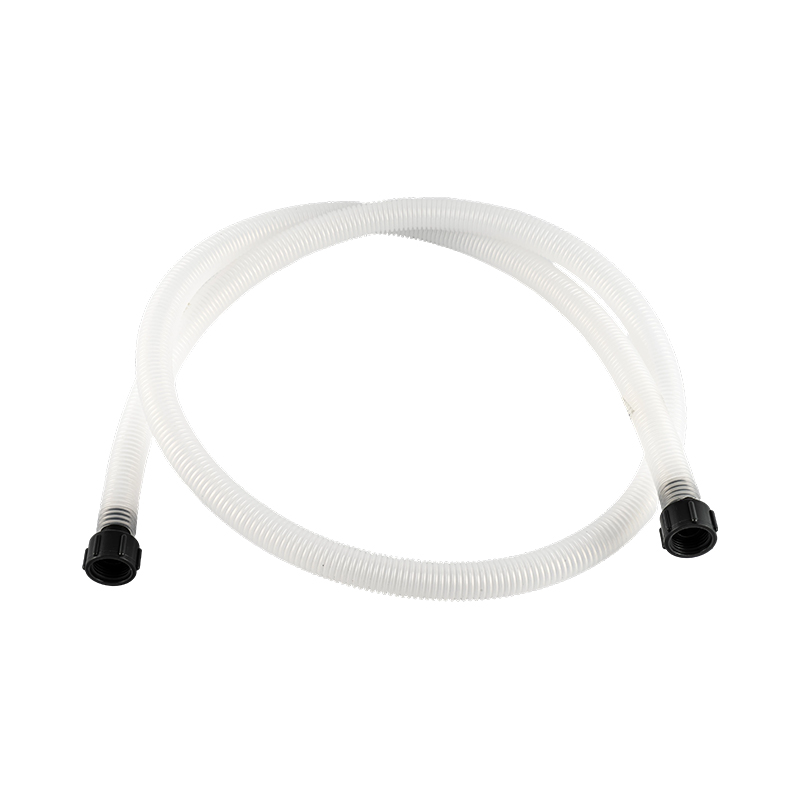
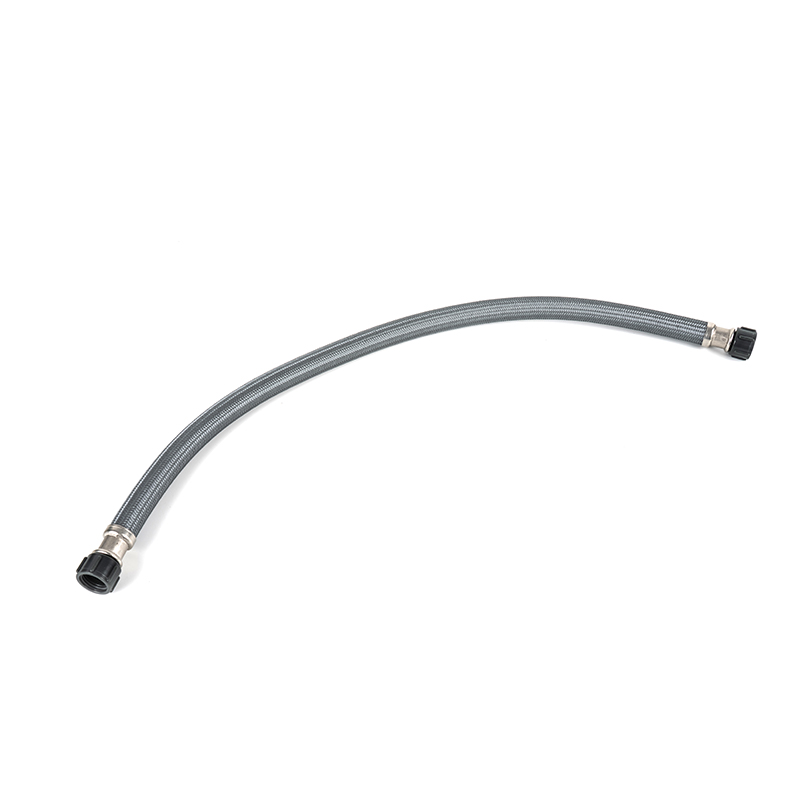
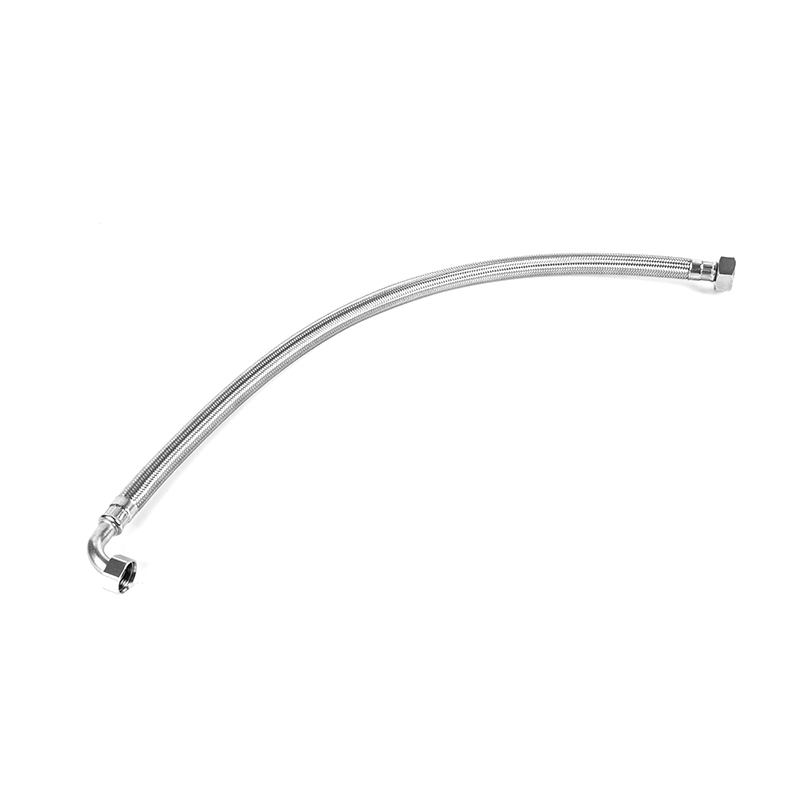
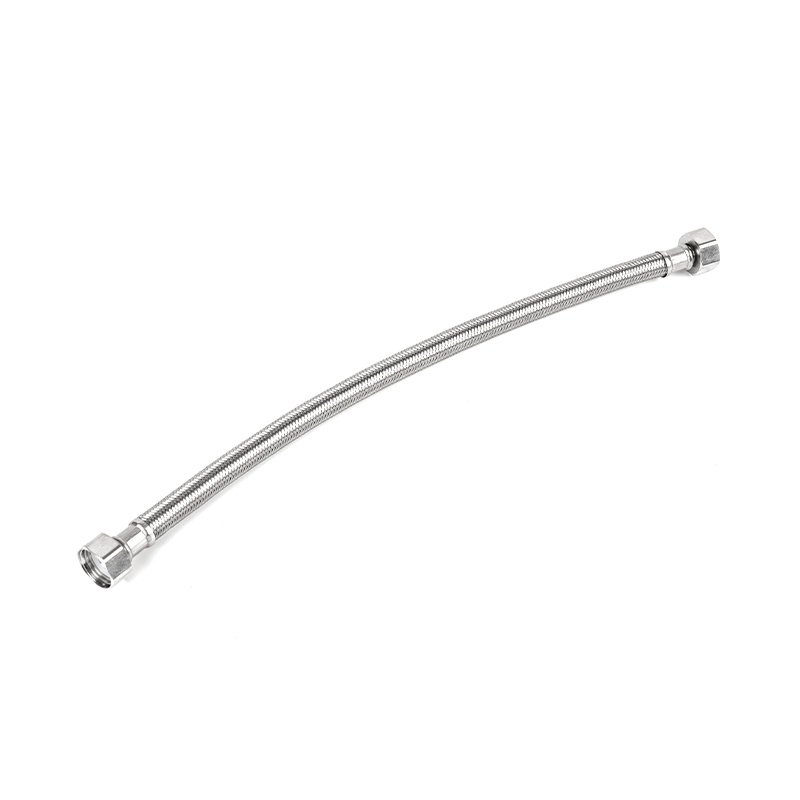
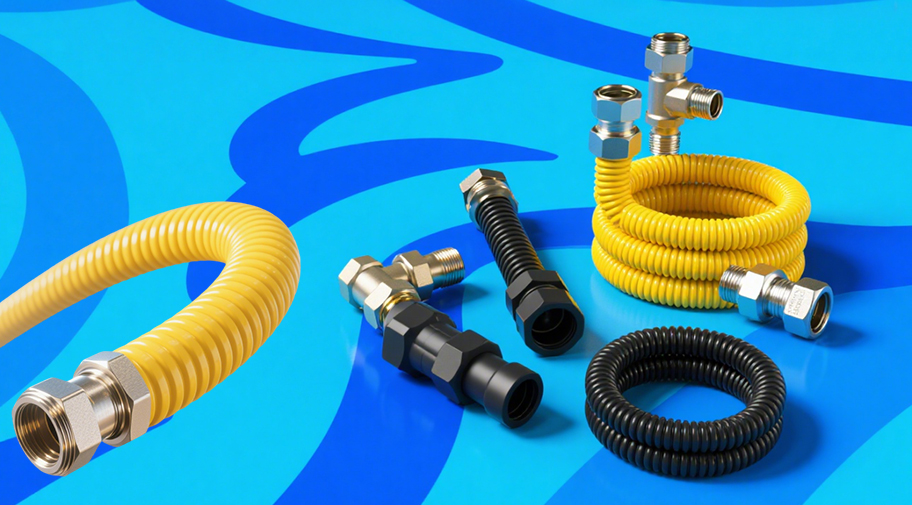
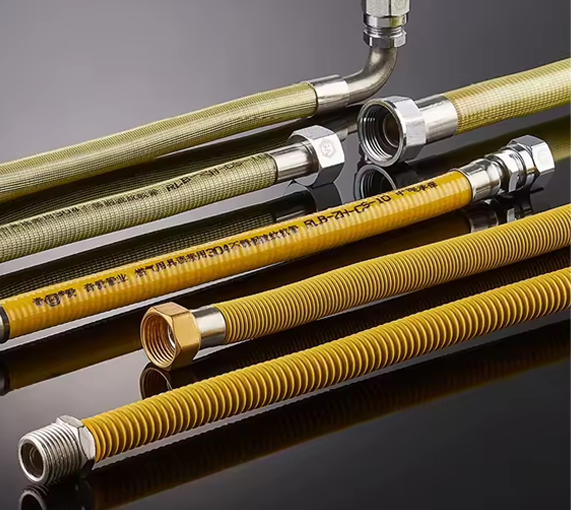
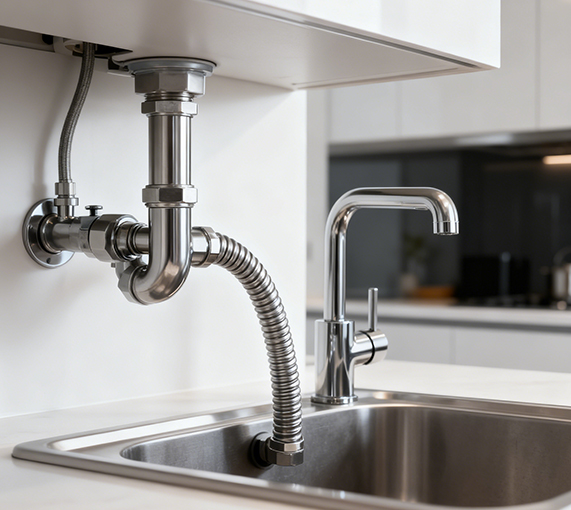
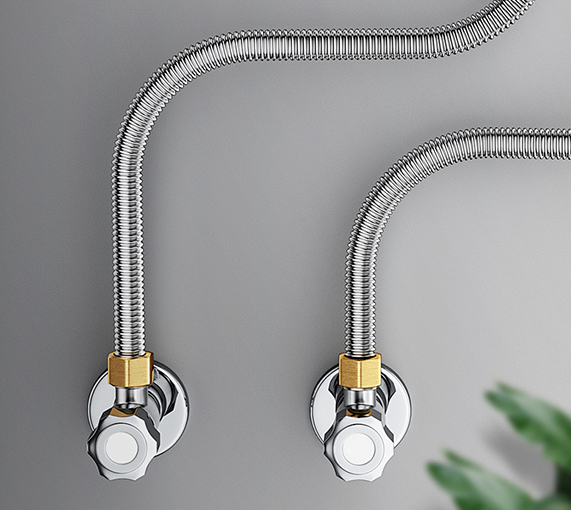
PE/PE corrugated flexible plumbing pipe
4. Comparison with Conventional Piping Materials
PE/PE corrugated flexible plumbing pipe competes with several categories of plumbing products, including rigid metal pipe, smooth solid-wall plastic pipe, and other flexible polymer tubes. Each material has a suitable application range, but the polyethylene corrugated design offers a distinctive combination of properties.
| Evaluation factor | PE/PE corrugated flexible pipe | Rigid metallic pipe | Smooth rigid plastic pipe | Basic flexible tube |
|---|---|---|---|---|
| Flexibility | High, supported by corrugated geometry | Low unless special fittings are used | Moderate to low | High, depending on wall design |
| Resistance to metallic corrosion | Excellent | Dependent on alloy and environment | Excellent | Generally excellent |
| Ring stiffness | Strong for a flexible product | Generally high | High, but product-dependent | May be limited |
| Weight | Low | High | Low to moderate | Low |
| Installation in confined spaces | Convenient | More difficult | Requires more directional fittings | Convenient |
| Inner-wall smoothness | Smooth | Varies with material and condition | Usually smooth | Varies by product |
| External pressure support | Improved by corrugation | Usually high | Product-dependent | May be lower without reinforcement |
| Material processing cost | Efficient and economical | Higher forming and finishing requirements | Efficient | Efficient but design-dependent |
4.1 Compared with metal pipe
Metal pipe is often selected for its strength, temperature resistance, and established use in industrial systems. However, it is heavier and may require threading, welding, brazing, or specialized tools. It can also be vulnerable to corrosion depending on the metal, water chemistry, and environment.
PE/PE corrugated pipe offers easier handling, corrosion resistance, electrical insulation, and greater routing flexibility. It can be especially attractive for plumbing liners, flexible water connections, and building service applications where the operating temperature and pressure are compatible with polyethylene.
Metal remains appropriate in high-temperature, high-pressure, or mechanically severe conditions that exceed the intended range of polymeric piping. The correct comparison is therefore application-specific rather than universally favoring one material.
4.2 Compared with smooth rigid plastic pipe
Smooth rigid plastic pipe can provide an excellent inner surface and good corrosion resistance, but it may require more elbows, couplings, and supports when the route changes frequently. PE/PE corrugated pipe retains a smooth inner passage while offering greater flexibility through the external profile.
The flexible design can shorten installation time in suitable applications and may reduce the amount of cutting and fitting. It is also useful where a long continuous section is preferred over multiple short rigid sections.
4.3 Compared with basic flexible tubing
Basic flexible tubing may bend easily but can lack ring stiffness and external-pressure resistance. If the tube is unsupported or exposed to compression, it may deform more readily. PE/PE corrugated pipe is designed to provide more structural support while retaining flexibility.
This combination is a major competitive advantage. The product is not simply soft and flexible; it is a formed structural pipe with a corrugated outer geometry and smooth inner liner.
5. Manufacturing Process and Engineering Control
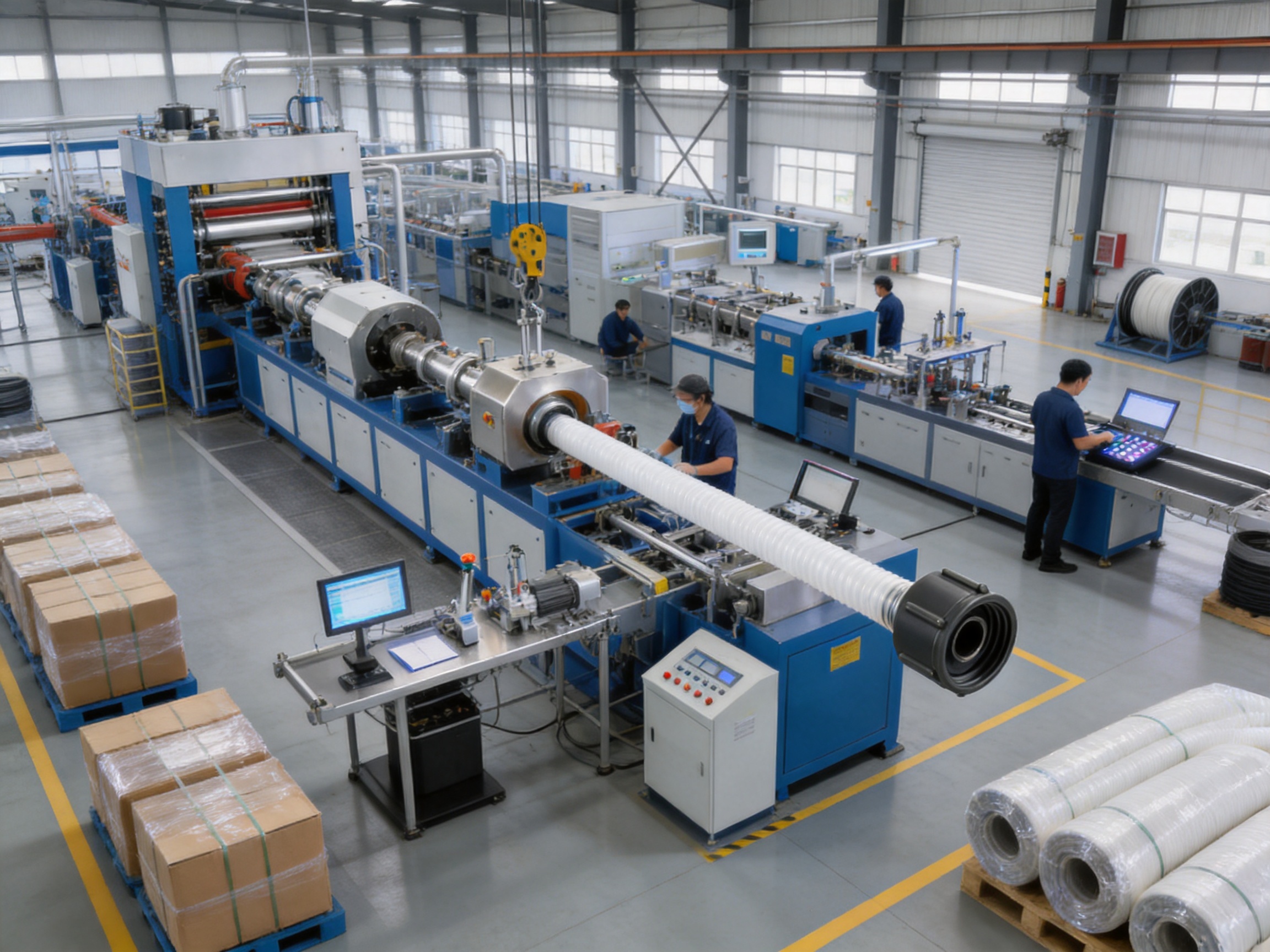
Product performance depends heavily on manufacturing consistency. A strong material concept can fail if the polymer is poorly controlled, dimensions vary excessively, welding or forming is inconsistent, or inspection is incomplete. Advanced manufacturing processes are therefore essential for producing reliable flexible plumbing pipe.
5.1 Raw material selection
Manufacturing begins with the selection and verification of polyethylene raw materials. Important considerations include melt flow behavior, density, toughness, environmental resistance, thermal stability, and compatibility with the intended application.
Material batches should be identified and controlled so that production personnel can trace each batch through processing and inspection. Proper storage protects resin from contamination, moisture-related issues, and accidental mixing with unsuitable materials or additives.
5.2 Controlled extrusion
Extrusion transforms the polyethylene material into a continuous tubular form. The resin is conveyed through a heated barrel, melted under controlled conditions, and pushed through a die that defines the initial pipe geometry. Temperature, pressure, screw speed, line speed, and cooling conditions must be coordinated.
Stable extrusion is important for achieving consistent wall thickness and dimensional accuracy. Excessive temperature may degrade the polymer, while insufficient melting may create nonuniformity. Uneven cooling can lead to distortion, residual stress, or variation in the finished shape.
5.3 Corrugation forming
After the initial tube is formed, the outer profile is shaped into corrugations. Corrugation equipment must maintain consistent pitch, depth, rib geometry, and alignment along the pipe length. These characteristics influence flexibility, ring stiffness, external-pressure resistance, and compatibility with connectors.
Automated forming equipment can improve repeatability and reduce variation between production batches. Process monitoring allows operators to identify deviations before a large quantity of product is completed.
5.4 Inner and outer layer integration
For a PE/PE structure, the inner and outer layers must be integrated securely. The interface should remain stable during bending, thermal changes, and ordinary service conditions. Proper melt control and forming synchronization help create a consistent composite structure.
Layer integration is evaluated through dimensional checks, visual inspection, mechanical tests, and other product-specific methods. A stable interface supports sealing reliability and reduces the chance of delamination or structural separation.
5.5 Cutting and finishing
Finished pipe may be supplied in continuous lengths or cut according to customer requirements. Cutting equipment must produce clean, square ends that can be inserted into compatible fittings or connection assemblies. Damaged, crushed, or irregular ends can compromise sealing performance and should be removed before installation.
Surface cleanliness is also important. The pipe should be protected from sharp objects, excessive heat, oils, and contaminants during finishing, packaging, and storage.
5.6 Inspection and testing
Quality control should cover raw materials, in-process dimensions, finished appearance, mechanical performance, sealing compatibility, and packaging. Depending on the intended application, tests may examine ring stiffness, external-pressure resistance, flexibility, dimensional stability, leakage resistance, and aging performance.
Testing equipment and inspection procedures should be calibrated and documented. Consistent records help manufacturers identify trends, improve process stability, and provide customers with greater confidence in product quality.
6. Advanced Manufacturing Strengths
A professional flexible-pipe manufacturer requires more than extrusion machinery. It needs engineering capability, process discipline, quality systems, testing resources, and the ability to connect product development with customer requirements.
6.1 Research and development capability
An experienced R&D team can evaluate material behavior, optimize corrugation geometry, improve sealing interfaces, and develop products for different installation conditions. Research may involve prototype design, finite-element analysis, laboratory testing, production trials, and field feedback.
Product development is most effective when designers understand both material science and practical installation. A pipe that performs well in a laboratory but is difficult to cut, connect, or route may not deliver sufficient value in the field. Engineering should therefore consider the complete system, including fittings, supports, packaging, and service conditions.
6.2 CNC forming equipment
Computer numerical control forming machines can provide accurate and repeatable shaping. This is valuable for components that require consistent geometry, controlled dimensions, and stable production tolerances. CNC equipment can also support efficient adjustment when developing new sizes or structures.
For flexible pipe and related bellows products, controlled forming helps maintain predictable behavior during bending and compression. Consistent geometry supports more reliable connector fit and easier assembly.
6.3 Laser welding technology
Laser welding machines provide concentrated energy and precise weld control for compatible components. In a broader flexible-connection manufacturing environment, laser welding can support clean, accurate, and repeatable joining of metal assemblies associated with plumbing, gas, heating, or industrial products.
The availability of laser welding capability demonstrates a manufacturer’s ability to manage advanced joining processes and integrate polymeric pipe products into more complex connection systems. Welding parameters, joint design, surface preparation, and inspection must all be controlled to achieve dependable results.
6.4 Eddy-current flaw detection
Eddy-current flaw detection is a non-destructive inspection technique used for identifying certain defects in conductive materials. In stainless steel bellows and metal hose manufacturing, it can help detect discontinuities that may not be visible during ordinary visual inspection.
This capability contributes to a broader quality culture. Although PE/PE corrugated pipe itself is non-conductive and may require different inspection methods, the presence of advanced flaw-detection resources indicates experience with demanding flexible-connection products and strict process evaluation.
6.5 COSMO and automated production equipment
Specialized COSMO equipment and automated packaging systems can improve manufacturing efficiency, repeatability, and product protection. Automation reduces unnecessary manual variation and helps ensure that finished products are counted, identified, packaged, and prepared consistently.
Packaging is part of product quality. A correctly manufactured pipe may be damaged if it is crushed, exposed to excessive heat, or contaminated during transport. Automated and standardized packaging helps preserve the pipe’s condition until installation.
6.6 Full-process quality management
A full-process quality system covers more than final inspection. It begins with supplier evaluation and raw material control, continues through design and production, and extends to testing, storage, delivery, technical support, and after-sales service.
This approach is particularly important for flexible piping because performance depends on interactions between material, geometry, fittings, installation, and operating conditions. Preventing problems at each stage is more effective than relying only on final product sorting.
7. Quality Systems and Responsible Manufacturing
The manufacturer described in the supplied company information operates standardized workshops and maintains ISO9001, ISO14001, and ISO45001 management system certifications. These certifications represent structured approaches to quality management, environmental management, and occupational health and safety.
ISO9001 supports documented processes, customer-focused quality objectives, corrective action, traceability, and continual improvement. For PE/PE corrugated pipe, this can support more consistent material control, production records, inspection, and customer communication.
ISO14001 reflects an organized approach to environmental management. Efficient material use, energy management, waste reduction, responsible handling of production residues, and environmental risk control are increasingly important in modern manufacturing.
ISO45001 addresses occupational health and safety. A safe factory protects employees while also supporting stable production. Clear procedures, equipment safeguards, training, emergency planning, and risk assessment help reduce workplace hazards.
The company is also described as a National High-tech Enterprise and Green Factory. These designations indicate an emphasis on technical development, manufacturing capability, and more responsible production practices. Such recognition does not replace product-specific testing, but it provides useful evidence of a structured industrial operation.
7.1 Standardized workshop environment
A standardized workshop helps control cleanliness, equipment layout, process flow, storage, and inspection activities. Organized production areas reduce the chance of material mix-ups and make it easier to identify abnormal conditions.
For pipe products, a controlled workshop also supports better protection of surfaces and ends. Proper storage and movement practices reduce scratches, deformation, and contamination before packaging.
7.2 Traceability and corrective action
Traceability allows a manufacturer to connect a finished product with its raw material batch, production line, date, inspection records, and packaging information. If a quality concern appears, traceability helps identify the affected scope and supports timely corrective action.
Corrective action should address the underlying cause rather than merely replacing defective products. Root-cause analysis may identify issues in material storage, temperature control, tooling, cooling, operator training, inspection frequency, or packaging.
8. Applications in Plumbing and Water Systems
PE/PE corrugated flexible plumbing pipe can be considered for a variety of applications where flexibility, corrosion resistance, low weight, and easy installation are important. The precise application range depends on product dimensions, pressure rating, temperature limits, connection design, and applicable standards.
8.1 Building plumbing
In building plumbing, flexible pipe can be useful for routing water lines through walls, floors, service cavities, and equipment spaces. Its ability to follow curved routes may reduce the number of elbows and simplify work around structural obstacles.
It may also be suitable for renovation projects, where existing walls and services limit the available installation path. Lightweight pipe can be moved through narrow access points more easily than heavy metallic alternatives.
8.2 Water liner applications
As a water liner or inner tube, the product can provide a smooth polyethylene passage inside a larger flexible or protective assembly. This structure can help separate the conveyed water from external components and support the design of a compact connection system.
For potable-water or hygiene-sensitive applications, users must confirm that the specific material formulation, manufacturing process, and product certification meet the relevant local requirements. General polyethylene properties should not be interpreted as automatic approval for every drinking-water application.
8.3 Heating and building service systems
Flexible polymeric liners may be used in selected building heating and service applications where temperature and pressure remain within the material’s design range. Their flexibility can simplify routing around boilers, manifolds, cabinets, and other equipment.
High-temperature service requires special attention. Polyethylene performance changes with temperature, and continuous exposure to elevated temperatures can affect pressure capability and service life. Engineers should use verified technical data when selecting the pipe for heating systems.
8.4 Equipment connections
Equipment rooms often contain pumps, valves, tanks, filters, heat exchangers, and control devices arranged in compact spaces. A flexible pipe or liner can help accommodate the connection layout and simplify replacement or maintenance work.
Where equipment creates vibration or movement, the pipe must be installed with suitable supports and connection components. Flexibility can help absorb limited movement, but it should not be treated as a substitute for proper vibration isolation or mechanical anchoring.
8.5 Industrial and HVAC-related uses
Industrial HVAC, building service, and process-support systems may benefit from corrosion-resistant flexible piping in compatible fluid conditions. The product can be considered for applications where fluid conveyance, compact routing, and resistance to external pressure are required.
Industrial users should evaluate chemical compatibility, pressure cycling, temperature, ultraviolet exposure, abrasion, cleaning procedures, and maintenance requirements. A technical review is recommended before committing the product to a critical process line.
9. Installation Recommendations
Correct installation is necessary to realize the advantages of PE/PE corrugated flexible plumbing pipe. Even a high-quality product can experience leakage or premature damage if it is sharply bent, crushed, contaminated, or connected with incompatible fittings.
9.1 Inspection before installation
Before installation, inspect the pipe for cuts, cracks, deep scratches, flattened sections, contamination, or other visible damage. Confirm the product size, length, and specification against the project requirements.
Check that fittings, seals, clamps, and connection accessories are compatible with the pipe dimensions and material. Components should be clean and free from particles that might affect sealing.
9.2 Routing and bending
Route the pipe along a smooth path and avoid unnecessary sharp turns. Respect the manufacturer’s recommended minimum bending radius. Excessive bending can create local stress, reduce the internal passage, or damage the corrugated structure.
Do not twist the pipe while connecting it. Torsional stress may interfere with sealing and can create long-term fatigue in the pipe or fittings. When the pipe changes direction, use gradual curves rather than forced folds.
9.3 Support and protection
Provide adequate support where required, particularly in vertical runs, near connections, and locations exposed to vibration or external loads. Avoid placing sharp edges, heavy objects, or abrasive surfaces directly against the pipe.
If the pipe passes through a wall, floor, or metal opening, use suitable protection against abrasion and concentrated pressure. The pipe should not be exposed to heat sources beyond its rated temperature range.
9.4 Connection and sealing
Cut the pipe cleanly and squarely when preparing an end for connection. Remove burrs, debris, or deformation that might interfere with insertion. Follow the fitting manufacturer’s instructions regarding insertion depth, gasket placement, clamping, and tightening.
After assembly, perform a pressure or leak test appropriate to the system. Inspect all connections before covering the pipe or placing the system into service. Early testing can identify problems while they are still easy to correct.
9.5 Storage and transportation
Store the pipe in a clean, dry location away from excessive ultraviolet exposure, open flames, solvents, and sharp objects. Avoid placing heavy loads on coils or lengths of pipe. During transportation, secure the product without applying crushing forces.
Correct storage helps preserve flexibility, surface condition, dimensional accuracy, and connector compatibility. Product labels and batch information should remain legible throughout storage and installation.
10. Selecting the Correct Product
Selection should begin with the service conditions rather than with price alone. The following factors should be reviewed before ordering or installing PE/PE corrugated flexible plumbing pipe.
10.1 Fluid characteristics
Identify the fluid, concentration, cleanliness requirement, and chemical composition. Water quality, treatment chemicals, cleaning agents, and process fluids can have different compatibility requirements.
10.2 Pressure and temperature
Determine working pressure, peak pressure, pressure cycling, operating temperature, and possible temperature excursions. Polymer performance is temperature-dependent, and a pressure rating at one temperature may not apply at another.
10.3 Dimensions and flow requirements
Internal diameter affects flow capacity, while outer diameter affects routing space and fitting selection. The required length, corrugation geometry, wall structure, and connection method should be confirmed before production or installation.
10.4 Environmental exposure
Consider ultraviolet radiation, humidity, outdoor exposure, abrasion, soil contact, vibration, and contact with other materials. Additional protection may be required in harsh environments.
10.5 Applicable standards
Projects may require compliance with national, regional, industry, building, plumbing, or customer-specific standards. Confirm the required testing, documentation, certifications, and labeling before placing an order.
11. Why Manufacturing Expertise Matters
Choosing a flexible plumbing pipe is also a choice of manufacturing capability. Dimensional consistency, material stability, clean processing, reliable sealing, and traceability directly influence project outcomes.
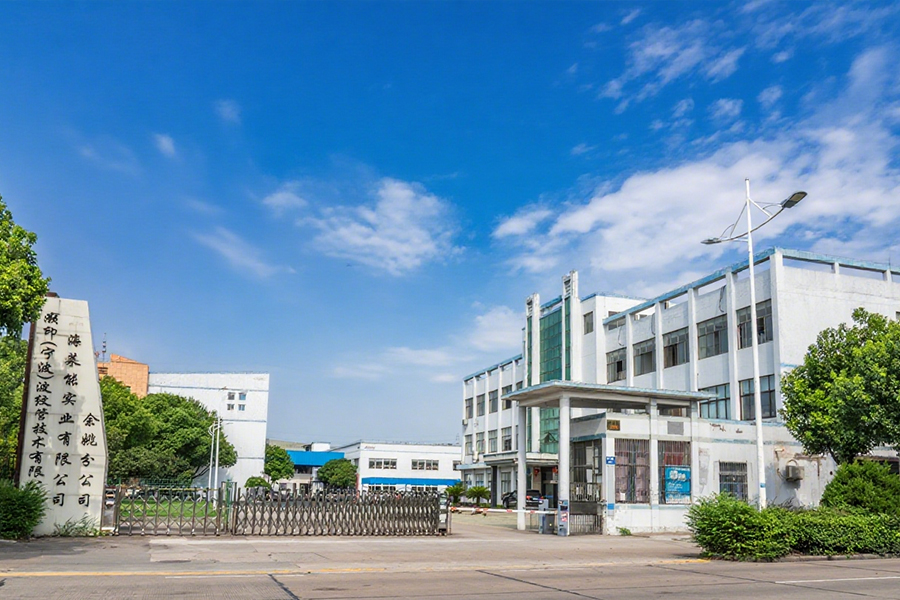
Haoyin (Ningbo) Bellows Technology Co., Ltd. specializes in the research, design, manufacturing, and sales of stainless steel bellows and flexible connection products. Its product scope includes gas connectors, plumbing pipes and water liners, metal hoses, and compensators. This broader product portfolio is relevant because flexible plumbing products often form part of complete connection assemblies rather than functioning as isolated components.
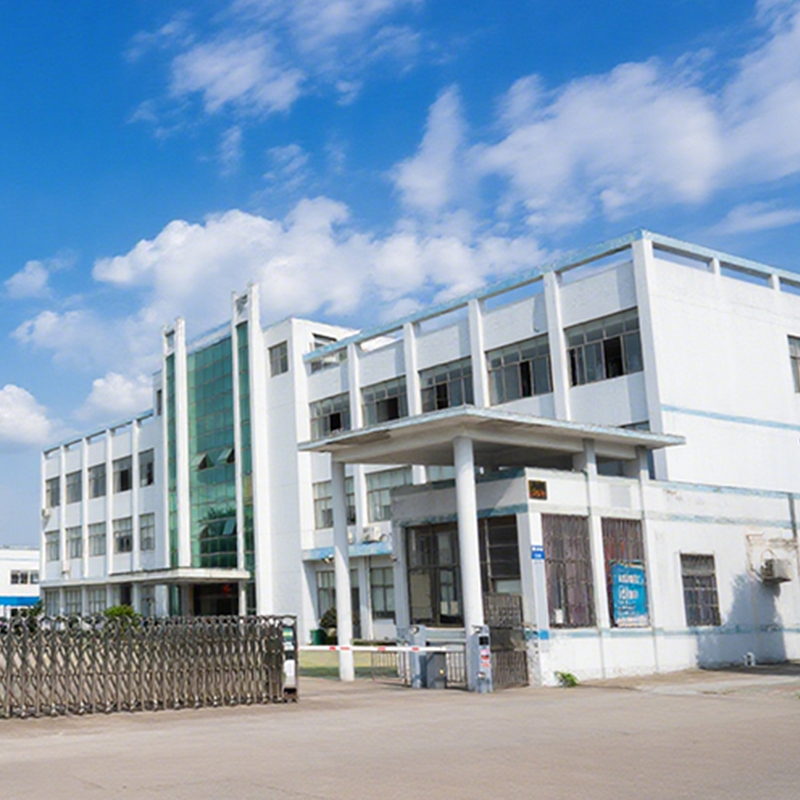
The company operates on a site covering approximately 35 mu, with around 18,000 square meters of standardized workshops. Its manufacturing resources include laser welding machines, CNC forming machines, COSMO equipment, eddy-current flaw detectors, and automatic packaging systems. These resources support the production of technically demanding flexible products and related assemblies.
The stated quality philosophy, “Striving for Excellence, Forging Quality,” reflects an emphasis on continuous improvement and controlled manufacturing. A full-process quality management system covers raw material selection, structural design, manufacturing, performance testing, and after-sales support.
For customers, this means that product value is supported not only by the basic properties of polyethylene but also by the manufacturer’s ability to control design, production, testing, and delivery. Reliable supply, technical communication, and responsive service are important advantages when flexible piping is used in commercial, industrial, or building projects.
11.1 Integrated product knowledge
A company experienced in bellows, metal hoses, compensators, gas connectors, and plumbing liners can evaluate flexibility from multiple perspectives. It can consider movement, pressure, vibration, sealing, welding, forming, and installation together.
This integrated understanding may help customers select a more suitable structure and avoid mismatches between the pipe, fittings, and overall connection assembly.
11.2 Support for customized requirements
Projects may require special lengths, dimensions, connection arrangements, packaging formats, or performance criteria. A manufacturer with engineering and production resources can review these requirements and determine whether a customized solution is practical.
Customization should be supported by design review and testing. It should not compromise traceability, material control, or quality documentation.
12. Sustainability and Lifecycle Considerations
PE/PE corrugated pipe can contribute to efficient construction through low weight, efficient processing, reduced installation effort, and corrosion resistance. These factors may reduce transportation burdens, labor requirements, and maintenance intervention over the product lifecycle.
The corrugated design can also achieve structural performance through geometry rather than simply increasing wall thickness. Efficient design may reduce material consumption while maintaining the required balance of flexibility and ring stiffness.
Environmental performance depends on the complete lifecycle, including raw material production, manufacturing energy, packaging, service life, replacement frequency, and end-of-life management. Products should be used within their design conditions to prevent early failure and unnecessary replacement.
An ISO14001 environmental management system and Green Factory recognition indicate that the manufacturer has established an organized framework for environmental management. Specific environmental benefits should nevertheless be evaluated using verified production data, project requirements, and applicable lifecycle methods.
13. Maintenance and Service Life
PE/PE corrugated flexible plumbing pipe is designed for long service life when properly selected and installed. Its corrosion resistance, toughness, smooth inner wall, and resistance to external pressure support durable performance in compatible environments.
Routine maintenance generally includes visual inspection of accessible sections, checking for unusual deformation, reviewing connection areas for leakage, and confirming that supports and protective measures remain effective. In concealed systems, pressure monitoring and periodic system testing may provide useful information.
Service life can be affected by temperature, pressure, chemical exposure, ultraviolet radiation, abrasion, mechanical loading, and installation quality. A pipe installed outside its rated conditions may not achieve the expected lifespan regardless of its original manufacturing quality.
Where a system is critical, operators should maintain records of installation date, product batch, pressure tests, maintenance activity, and any changes in operating conditions. This documentation supports future troubleshooting and replacement planning.
14. Practical Advantages for Contractors and System Designers
Contractors often value products that reduce installation complexity. The lightweight and flexible nature of PE/PE corrugated pipe can make it easier to move through a work site, route around obstacles, and position in restricted spaces.
System designers may value the combination of a smooth inner wall and corrugated outer structure. It allows them to consider flow performance and structural support together rather than selecting a soft tube that lacks external-pressure resistance or a rigid pipe that requires numerous fittings.
Procurement teams may also benefit from the product’s economical processing and broad application potential. A reliable manufacturer can support consistent supply, specification review, packaging requirements, and technical documentation.
Maintenance teams can benefit from corrosion resistance, accessible routing, and potentially fewer joints. Fewer connections do not eliminate all leakage risks, but reducing unnecessary joints can simplify inspection and reduce the number of components requiring service.
15. Frequently Asked Questions
Q1: What is PE/PE corrugated flexible plumbing pipe?
PE/PE corrugated flexible plumbing pipe is a polyethylene-based pipe with a smooth inner passage and a corrugated outer structure. The inner surface supports fluid flow, while the corrugated profile improves flexibility, ring stiffness, and resistance to external pressure.
Q2: What is the purpose of the corrugated outer layer?
The corrugated outer layer provides geometric reinforcement. It helps the pipe resist external loads while allowing it to bend along its length. This creates a balance between flexibility and structural stability.
Q3: Is the pipe resistant to corrosion?
Polyethylene is resistant to conventional metallic corrosion and does not rust like steel or iron. It remains necessary to verify chemical compatibility with the actual fluid and surrounding environment.
Q4: Does the smooth inner wall improve flow?
Yes. A smooth inner wall can reduce frictional resistance and support efficient flow. Actual flow capacity also depends on internal diameter, length, fittings, bends, pressure, temperature, and fluid characteristics.
Q5: Can it be used for drinking water?
It may be suitable for drinking-water applications when the specific product formulation, manufacturing process, and certifications comply with the applicable local requirements. Users should request project-specific documentation before use.
Q6: Is PE/PE corrugated pipe suitable for high-temperature water?
Suitability depends on the material grade, pressure, temperature, exposure duration, and product design. Polyethylene pressure capability changes with temperature, so technical data must be reviewed for high-temperature service.
Q7: How should the pipe be connected?
The pipe should be connected with compatible fittings, seals, clamps, or connection assemblies designed for its dimensions and structure. Ends should be cut cleanly and prepared according to the fitting manufacturer’s instructions.
Q8: Can the pipe replace all metal plumbing pipes?
No. It is a strong option for compatible plumbing and flexible connection applications, but metal may remain more suitable for very high temperatures, extreme pressures, severe mechanical loads, or fluids incompatible with polyethylene.
Q9: What are its main advantages over basic flexible tubing?
Compared with basic flexible tubing, the corrugated pipe can provide stronger ring stiffness and better resistance to external pressure while retaining flexibility. It also combines a smooth inner wall with a structurally supportive outer profile.
Q10: How does the manufacturer support product quality?
The manufacturer uses standardized workshops, research and development resources, advanced forming and welding equipment, inspection capabilities, automated packaging, and management systems including ISO9001, ISO14001, and ISO45001. These systems support process control and continual improvement.
Q11: Is the pipe easy to install?
Its low weight and flexibility can make installation easier, especially in confined or irregular spaces. Installers must still respect the minimum bending radius, avoid twisting and crushing, use compatible fittings, and conduct leak testing.
Q12: What information should be provided when requesting a quotation?
Customers should provide the intended fluid, working pressure, temperature, required internal and external dimensions, length, connection method, installation environment, applicable standards, and any special packaging or certification requirements.
16. Conclusion
PE/PE corrugated flexible plumbing pipe provides a practical combination of flexibility, ring stiffness, external-pressure resistance, low weight, corrosion resistance, chemical stability, electrical insulation, smooth inner-wall flow, and easy installation. Its corrugated structure helps overcome the limitations of both rigid pipe and unreinforced flexible tubing.
The product is particularly valuable where plumbing routes are complex, installation access is limited, corrosion resistance is important, or a lightweight and economical connection solution is required. It can serve as a plumbing pipe, water liner, inner pipe, or inner tube in compatible building, water-handling, heating, HVAC, equipment, and industrial applications.
Its performance depends on correct material selection, controlled extrusion, consistent corrugation forming, reliable layer integration, accurate cutting, compatible connections, and appropriate installation. For this reason, manufacturing capability is as important as the basic material specification.
Haoyin (Ningbo) Bellows Technology Co., Ltd. combines flexible-product expertise with standardized workshops, advanced manufacturing equipment, professional R&D resources, quality management certifications, testing capabilities, and automated packaging systems. This integrated approach supports the production of safe, efficient, and durable flexible connection solutions for plumbing and related fields.
For project success, customers should evaluate PE/PE corrugated pipe according to actual pressure, temperature, fluid, environmental, dimensional, and regulatory requirements. When properly selected and installed, it can provide a dependable, efficient, and cost-conscious alternative for modern flexible plumbing systems.
References
1. ISO 9001, Quality Management Systems—Requirements.
2. ISO 14001, Environmental Management Systems—Requirements with Guidance for Use.
3. ISO 45001, Occupational Health and Safety Management Systems—Requirements with Guidance for Use.
4. Plastics Pipe Institute, Handbook of Polyethylene Pipe.
5. International Organization for Standardization, Plastics—Determination of Ring Stiffness of Thermoplastics Pipes.
6. ASTM International, Standard Practices and Test Methods for Polyethylene Pipe and Tubing.
7. Engineering principles for thermoplastic pipe extrusion, corrugation forming, dimensional control, and pressure testing.
8. Manufacturer-provided product information for PE/PE corrugated flexible plumbing pipe, water liners, inner tubes, metal hoses, bellows, and compensators.