



 English
  Español
  русский


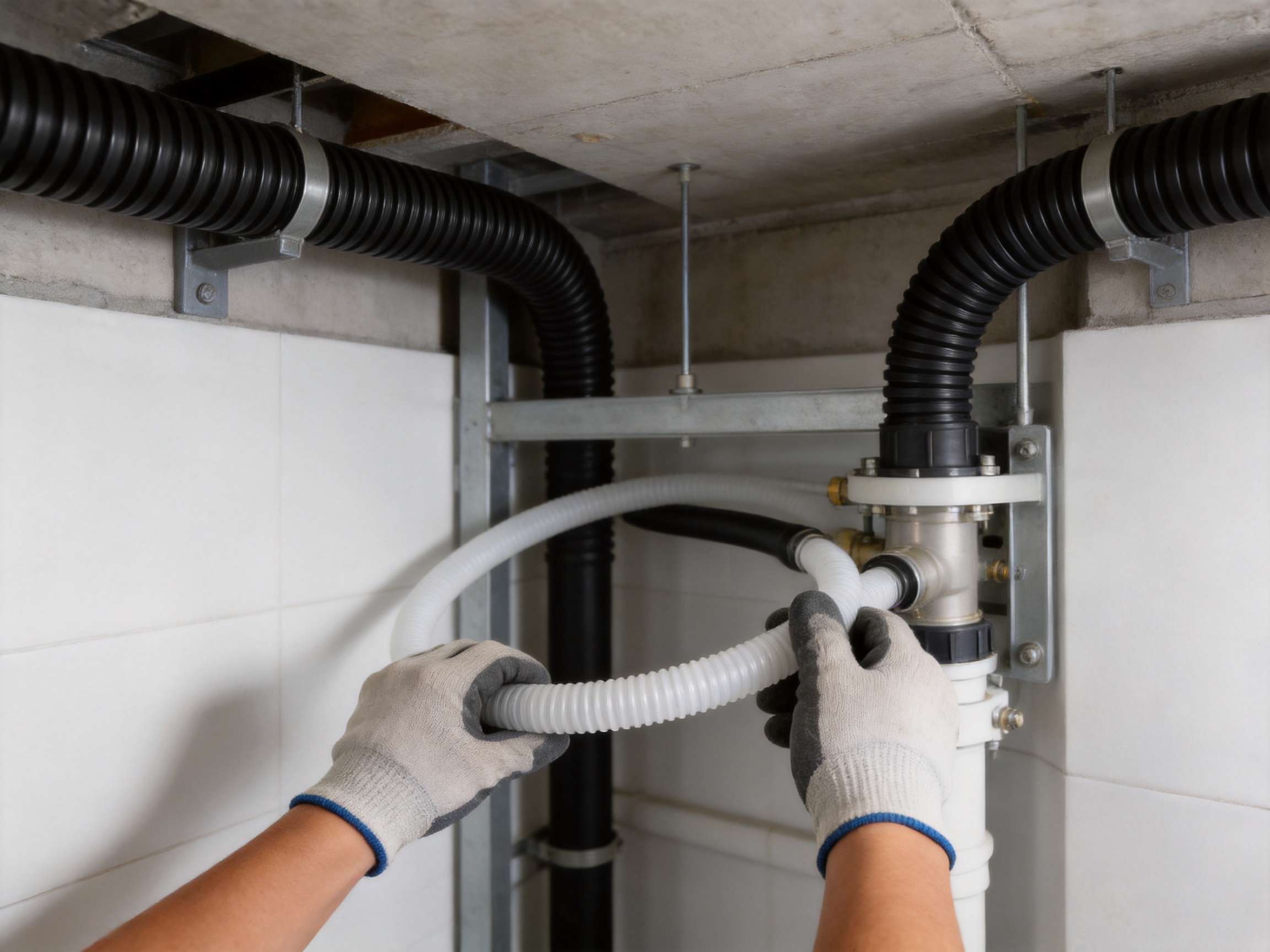
Modern plumbing, water distribution, gas support infrastructure, HVAC connections, and building service systems increasingly depend on flexible pipe solutions that can handle complex routing, long service life expectations, and demanding installation environments. Among these solutions, the PE/PE corrugated flexible plumbing pipe stands out as a practical inner liner, inner pipe, and inner tube option for water liner applications where corrosion resistance, lightweight handling, strong ring stiffness, and efficient flow performance matter. Designed with polyethylene material and a corrugated structure, this product combines the well-known chemical stability of PE with mechanical flexibility and external pressure resistance, making it suitable for plumbing pipe and water liner systems that require durability without unnecessary weight or installation complexity.
The PE/PE corrugated flexible plumbing pipe is engineered to support safe and efficient fluid conveyance in a wide range of environments. Its non-toxic and odorless character makes it appropriate for water-related uses, while its smooth inner wall promotes high flow capacity and helps reduce internal resistance. The corrugated exterior contributes ring stiffness and the ability to resist external pressure, giving the pipe a balanced structure: flexible enough for easier routing, yet strong enough to maintain performance under installation stress. In comparison with many conventional pipe options, this combination of flexibility, corrosion resistance, low cost, and long service life creates a compelling value proposition for contractors, distributors, and system designers.
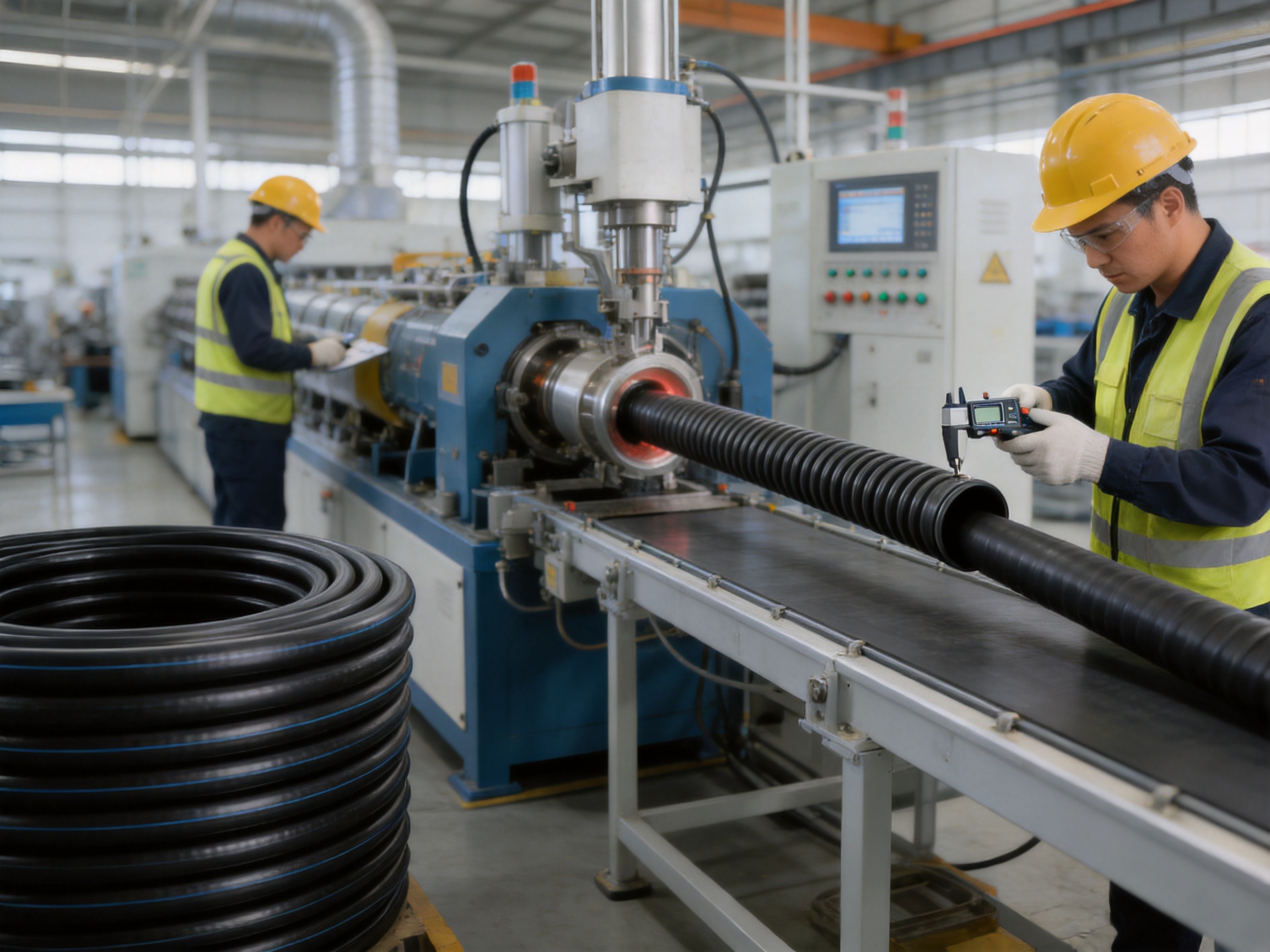
Haoyin (Ningbo) Bellows Technology Co., Ltd. brings this product into a broader portfolio of flexible connection solutions for gas connectors, plumbing pipes, water liners, metal hoses, and compensators. The company’s background in stainless steel bellows, precision forming, welding, inspection, and quality control provides an industrial foundation for manufacturing products that require reliability and consistency. With standardized workshops, advanced equipment, and management system certifications including ISO9001, ISO14001, and ISO45001, the company emphasizes process discipline from raw material selection to final packaging. For a flexible PE/PE corrugated plumbing pipe, this approach is particularly important because product reliability depends not only on material selection but also on dimensional consistency, structural integrity, surface quality, sealing performance, and stable production control.
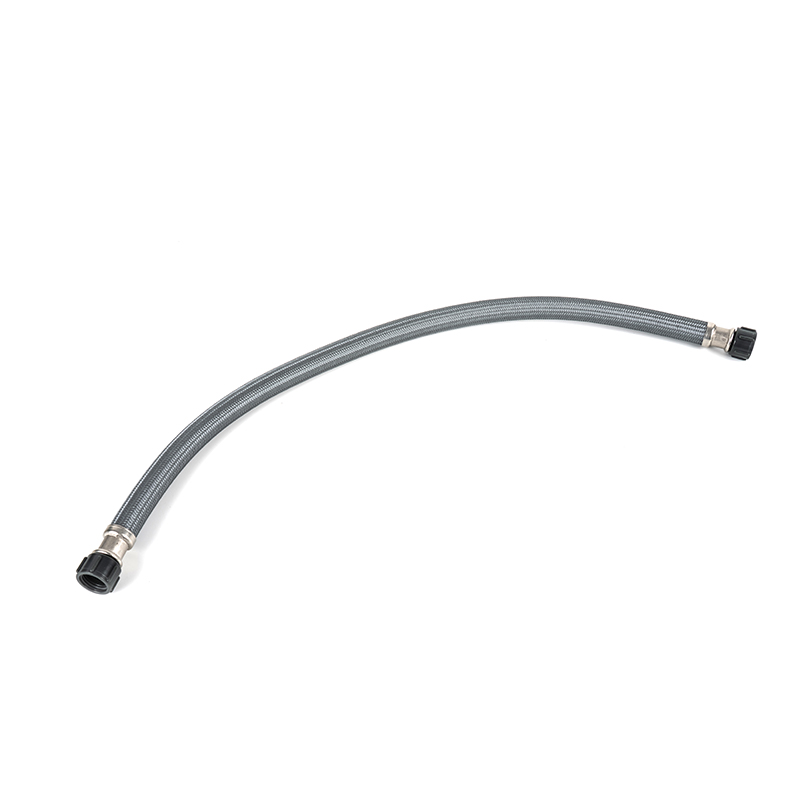
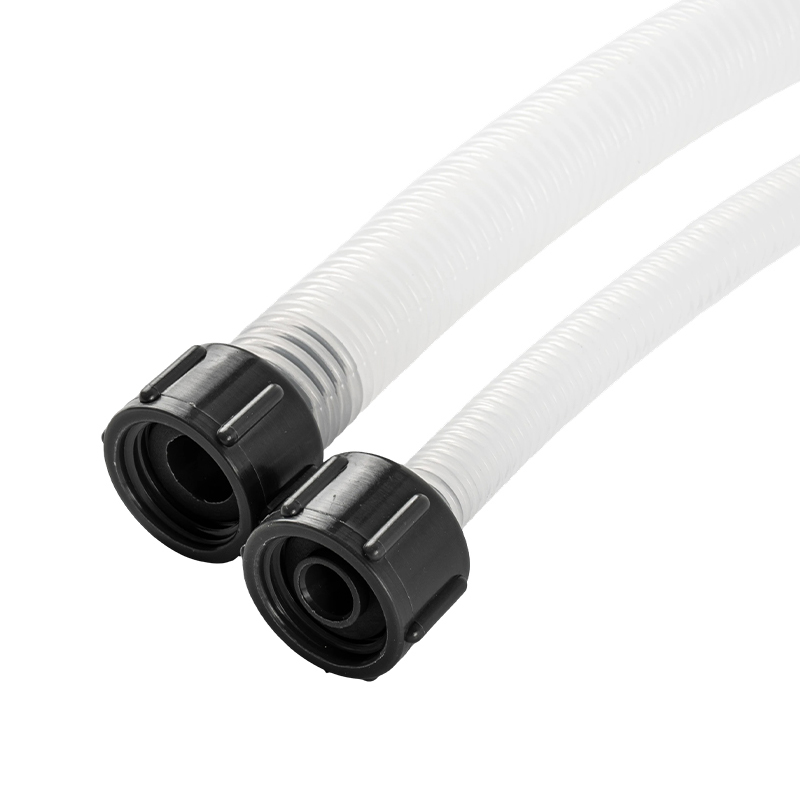
PE/PE corrugated flexible plumbing pipe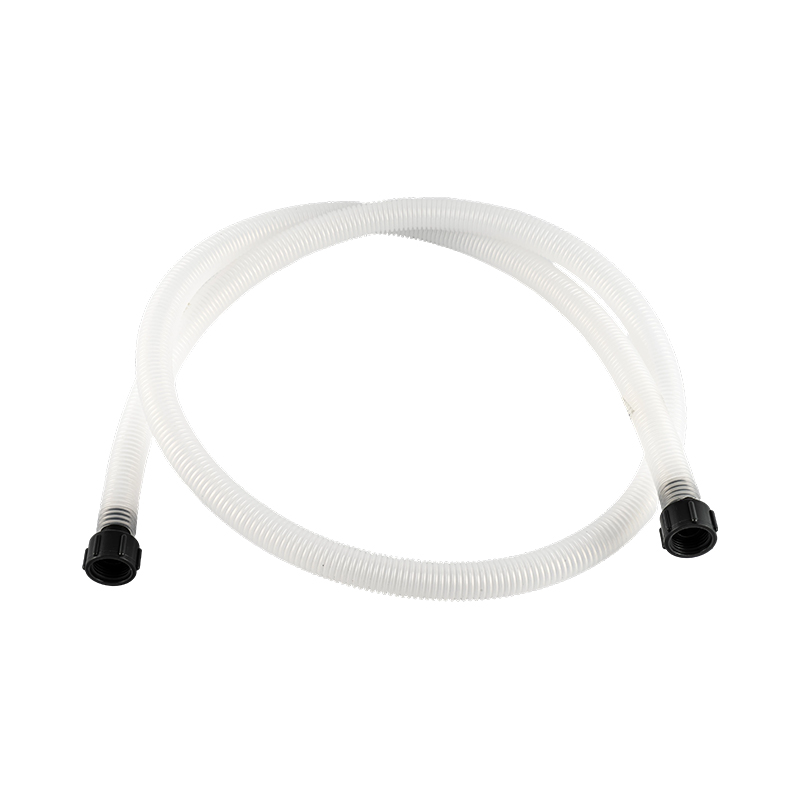
Product Overview: A Flexible Inner Pipe Designed for Practical Plumbing Needs
The PE/PE corrugated flexible plumbing pipe is a polyethylene-based corrugated pipe intended for use as an inner liner, inner pipe, or inner tube in plumbing and water liner systems. Polyethylene is widely valued for its chemical stability, corrosion resistance, low weight, and processing versatility. When formed into a corrugated flexible pipe structure, these material advantages are enhanced by mechanical design features that increase ring stiffness and improve resistance to external compression. The result is a pipe that can perform reliably in installations where rigid piping may be difficult to route and where ordinary flexible tubing may lack the stiffness or durability required for long-term use.
One of the defining features of this product is its PE/PE configuration. Using polyethylene as the primary material supports a balanced performance profile. It is non-toxic and odorless, which is an essential property for many water-related plumbing applications. It is also easy to process, allowing stable production and practical customization. From an installation perspective, the pipe’s light weight reduces handling difficulty and labor burden. From a system operation perspective, the smooth inner wall supports high flow capacity, while the corrugated structure contributes flexibility and resistance to external pressure.
In many plumbing applications, the installer must work around structural obstacles, fixed equipment, walls, corners, and existing utility layouts. Rigid pipes can require more fittings, elbows, and jointing operations, each of which adds cost, time, and potential leakage points. A flexible corrugated pipe can reduce the need for excessive fittings by allowing more adaptable routing. This can simplify installation and improve sealing reliability, especially when the pipe is integrated into a carefully designed connection system.
Unlike some low-grade flexible tubes that may prioritize softness at the expense of strength, this PE/PE corrugated flexible plumbing pipe is intended to deliver good flexibility while maintaining strong resistance to external pressure. This is a significant advantage in building service environments, where pipes may be installed behind panels, inside conduits, beneath floors, or in areas where they could experience compression, vibration, or construction-related contact. The corrugated profile helps distribute mechanical stress and improves ring stiffness compared with thin-walled soft tubing.
The pipe’s corrosion resistance is another central benefit. Metallic pipe systems can be highly durable in certain environments, but they may also require protective treatments, compatible water chemistry, or careful handling to avoid corrosion-related failure. PE does not rust, and its chemical stability helps it resist many substances encountered in plumbing and building systems. For water liner applications, this contributes to long service life and reduced maintenance risk.
Material Advantages of Polyethylene in Water Liner Applications
Polyethylene has become one of the most important engineering plastics in pipe manufacturing because it offers a useful combination of mechanical, chemical, and economic properties. For plumbing pipe and inner liner products, PE provides good chemical stability, excellent electrical insulation, low weight, toughness, and ease of processing. These properties make it suitable for products that need to be produced consistently, installed efficiently, and operated reliably over a long period.
Good chemical stability is especially valuable in plumbing and water liner applications because pipe materials can be exposed to varying water quality, cleaning agents, soil conditions, humidity, and building materials. A chemically stable pipe helps maintain performance without rapid degradation. PE’s resistance to corrosion also eliminates many problems associated with metal pipe oxidation, including rust staining, thinning walls, reduced flow, and premature replacement.
Excellent electrical insulation is another advantage, particularly in buildings where utilities are installed close to electrical systems or metal components. While plumbing design should always follow applicable codes and safety requirements, using a non-conductive material can provide additional isolation benefits compared with conductive metal piping. This property is also helpful in complex building environments where stray currents or galvanic corrosion can affect metallic systems.
Low weight is an important practical advantage. Installers must carry, cut, position, and connect piping under real jobsite conditions. Heavy pipe materials can increase labor intensity, require more support structures, and slow down work. The PE/PE corrugated flexible plumbing pipe is lightweight, allowing easier transport, easier positioning, and faster installation. This is particularly useful for large projects where pipe volume is high and installation efficiency directly affects project cost.
High toughness supports the pipe’s ability to tolerate handling stress. In real construction environments, pipes may be bent, moved, stacked, and installed under less-than-ideal conditions. A tough material helps reduce the risk of cracking or damage during normal handling. This does not mean the pipe should be abused or installed without proper technique, but it does mean the material offers a practical level of resilience.
Low cost is also a major reason PE products are popular. A high-performance piping solution must be economically viable, especially in construction, municipal, industrial, and renovation projects where budgets are carefully controlled. PE offers strong value by combining accessible material cost with reduced installation labor, corrosion resistance, and long service life. When lifecycle cost is considered, the benefits become even more meaningful: fewer corrosion issues, simpler handling, less installation complexity, and reduced maintenance requirements can all contribute to long-term savings.
Corrugated Structure: Flexibility with Ring Stiffness
The corrugated design is what distinguishes this product from ordinary smooth plastic tubing. Corrugation creates a series of ridges and valleys along the pipe wall. This geometry improves flexibility by allowing the pipe to bend more easily than a rigid smooth-wall pipe of similar material thickness. At the same time, the corrugated profile improves ring stiffness and resistance to external pressure. This balance is the reason corrugated pipes are commonly used in applications where both adaptability and strength are required.
Ring stiffness refers to the pipe’s ability to resist deformation when external loads press against it. In plumbing and water liner installations, external pressure may come from soil, concrete, walls, mechanical supports, adjacent equipment, or accidental impact during installation. A pipe with poor ring stiffness may flatten, kink, or lose flow area under compression. The corrugated structure helps reduce this risk by reinforcing the pipe profile. The ridges act like structural ribs, helping the pipe maintain its shape.
Flexibility is equally important. In many building systems, straight-line piping is rare. Pipes must route around corners, pass through limited spaces, and connect components that may not be perfectly aligned. A flexible corrugated pipe can adapt to these conditions more easily than rigid pipe. This can reduce the number of separate fittings required and may shorten installation time. Fewer fittings can also mean fewer joints, and fewer joints may reduce potential leakage points when the system is properly assembled.
The PE/PE corrugated flexible plumbing pipe is designed to deliver good flexibility without sacrificing structural support. This is a competitive advantage over very soft hoses that may collapse under pressure or kink sharply during installation. It also provides an advantage over rigid pipes that require more complex routing. For many applications, the best solution is not the stiffest pipe or the softest hose, but a pipe that combines controlled flexibility with reliable form stability.
The corrugated profile can also help absorb vibration and minor movement. Buildings and mechanical systems are not static. Pumps, HVAC equipment, thermal expansion, water hammer effects, and structural movement can introduce stress into pipe systems. Flexible pipe sections can help accommodate movement and reduce stress concentration, especially when combined with proper supports and installation design. This contributes to long service life and reliable sealing performance.
Smooth Inner Wall and High Flow Capacity
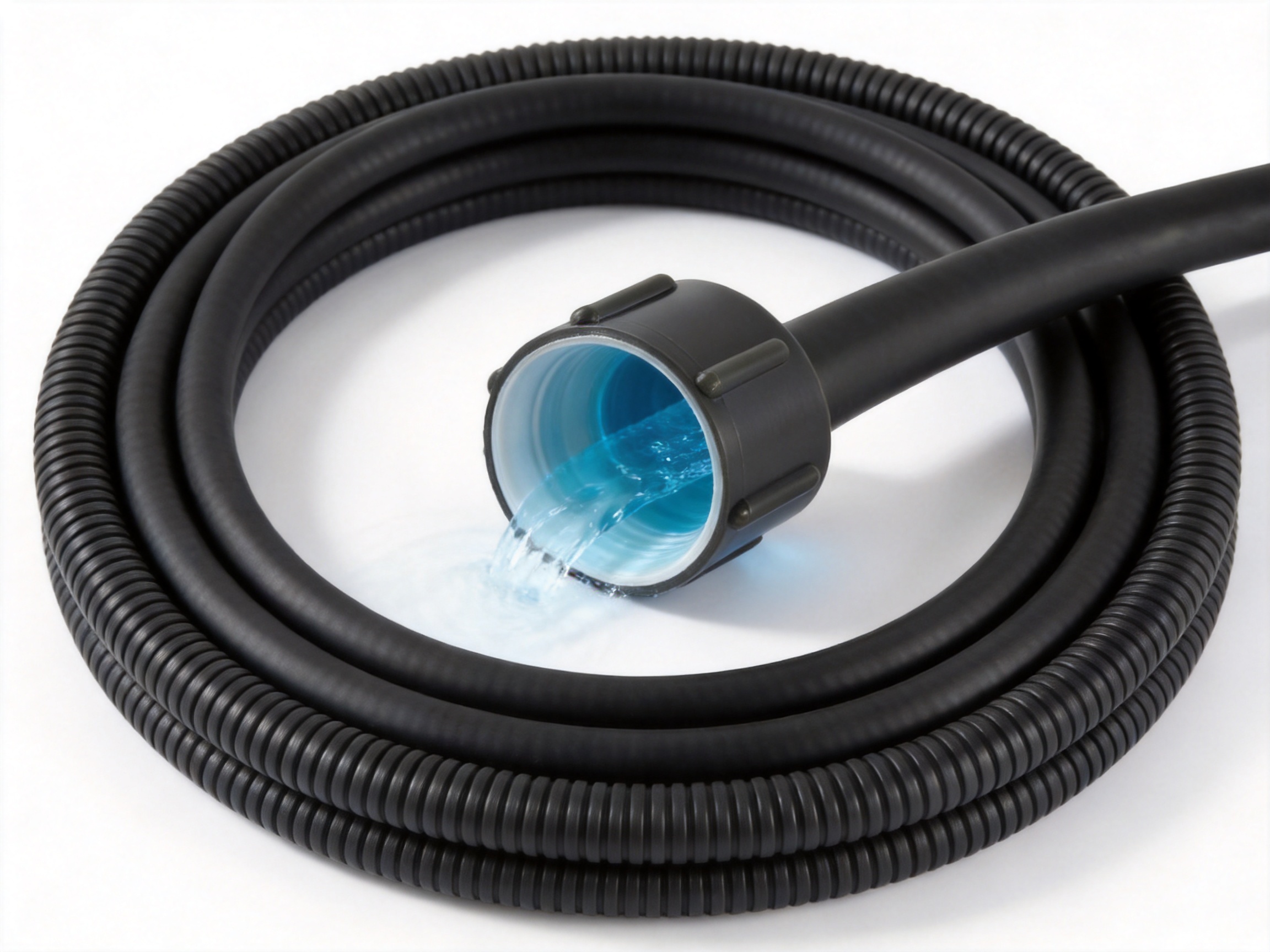
While the external corrugated profile improves flexibility and ring stiffness, the inner surface is designed to support efficient flow. A smooth inner wall is important because internal roughness can increase friction loss, reduce flow efficiency, and encourage deposits. In water liner and plumbing pipe applications, high flow capacity supports system performance and helps maintain stable delivery. The smoother the internal passage, the easier it is for water or other compatible fluids to move through the pipe with less resistance.
Compared with pipes that have rough internal surfaces, a smooth inner wall can help reduce energy loss. In pumped systems, lower friction can contribute to more efficient operation. In gravity or low-pressure systems, smoother flow paths can help maintain capacity and reduce the risk of stagnation. For installers and designers, this means the PE/PE corrugated flexible plumbing pipe can provide both routing flexibility and efficient conveyance.
The smooth inner wall also supports hygiene-related performance in appropriate water applications. Rough internal surfaces may trap particles more easily or allow buildup over time. A smoother internal surface is easier for flowing water to pass through and may reduce deposit accumulation, depending on water quality and operating conditions. Because the product is non-toxic and odorless, it is well aligned with applications where clean and stable water conveyance is important.
High flow capacity must be understood as part of a complete system design. Pipe diameter, length, pressure, fittings, bends, and fluid characteristics all affect actual flow. However, a pipe that combines a smooth inner wall with flexible routing can offer practical system-level advantages. By reducing unnecessary fittings and sharp transitions, flexible pipe routing may help maintain better overall flow compared with a rigid system that requires many elbows and connectors.
Sealing Performance and Installation Efficiency
Excellent sealing performance is one of the most important requirements for plumbing and water liner systems. Even a small leak can cause property damage, system inefficiency, contamination risk, or maintenance cost. The PE/PE corrugated flexible plumbing pipe is designed with easy installation and reliable sealing in mind. Its flexibility helps align connections more easily, reducing stress at joints. Its lightweight nature allows installers to position it accurately without excessive force. Its corrosion-resistant material helps maintain sealing integrity over time by avoiding rust-related deterioration at pipe surfaces.
Installation efficiency is a major competitive advantage. In construction projects, labor cost can be as significant as material cost. A pipe that is easy to handle, easy to route, and easy to connect can help reduce installation time. Flexible corrugated PE pipe can be supplied and installed with fewer complicated routing operations than rigid systems. Contractors benefit from faster progress, while end users benefit from a system that can be adapted to the actual building environment.
Because the pipe is lightweight, it is easier to transport to the work area and easier to lift or position in confined spaces. This can improve jobsite safety by reducing physical strain. It can also reduce the need for heavy support equipment in many applications. In renovation projects, where access is often limited, lightweight flexible pipe can be especially valuable.
The ability to reduce the number of fittings is another installation advantage. Every fitting requires time, materials, and careful sealing. In rigid systems, changes in direction often require elbows or couplings. A flexible corrugated pipe can sometimes bend through the required route without additional fittings, depending on bend radius and system requirements. Fewer joints can simplify inspection and reduce potential failure points.
However, proper installation remains essential. Flexibility should not be confused with unlimited bending. Installers should avoid excessive bending, crushing, twisting, or unsupported spans that may compromise performance. The pipe should be installed according to engineering requirements, applicable standards, and manufacturer guidance. When used correctly, its structural design and material properties provide a strong foundation for dependable performance.
Advantages Over Competing Pipe Options
The PE/PE corrugated flexible plumbing pipe competes with several other pipe types, including rigid plastic pipe, rubber hose, metal hose, and ordinary smooth flexible tubing. Each material has its place, but the PE/PE corrugated pipe offers a distinctive balance of performance and cost that makes it attractive for many water liner and plumbing applications.
Compared with rigid plastic pipes, the PE/PE corrugated flexible pipe offers better routing adaptability. Rigid pipes can be strong and efficient in straight runs, but they usually require more fittings when the installation path changes direction. In complex buildings or equipment layouts, this can increase installation time and cost. The corrugated flexible pipe can bend and adapt more easily, reducing the need for multiple fittings and making installation faster.
Compared with ordinary rubber hoses, PE/PE corrugated pipe typically offers better shape stability, stronger resistance to external pressure, and improved corrosion resistance. Rubber hoses may be flexible, but they can age, crack, soften, or deform depending on the environment and fluid exposure. PE’s chemical stability and toughness help support longer service life in suitable applications. The corrugated design further improves the pipe’s ability to resist crushing compared with many soft hoses.
Compared with metal pipes, the PE/PE corrugated pipe provides major advantages in weight and corrosion resistance. Metal pipe systems can be strong, but they are heavier, may require more labor, and may face corrosion challenges depending on water chemistry and environmental conditions. PE does not rust, and its light weight improves handling efficiency. For applications where extreme high temperature or high pressure is not required, PE/PE corrugated pipe may provide a more economical and practical solution.
Compared with low-cost flexible plastic tubing, the corrugated PE/PE pipe offers better external pressure resistance and ring stiffness. Some thin-walled tubes may be inexpensive but can kink, flatten, or fail under mechanical stress. The corrugated structure reinforces the pipe, improving durability while preserving flexibility. This makes it a more reliable choice when the pipe must be installed in real-world building environments rather than simple low-stress settings.
| Comparison Factor | PE/PE Corrugated Flexible Plumbing Pipe | Rigid Plastic Pipe | Rubber Hose | Metal Pipe or Hose |
|---|---|---|---|---|
| Flexibility | High flexibility with controlled structure | Low flexibility; needs fittings for turns | High flexibility but may lack shape stability | Moderate to low depending on design |
| External Pressure Resistance | Strong ring stiffness from corrugated profile | Good in rigid straight runs | May deform under compression | Strong but heavier |
| Corrosion Resistance | Excellent; does not rust | Good depending on plastic type | Variable depending on formulation | May require corrosion control |
| Installation Efficiency | Easy handling, fewer fittings, lightweight | More cutting and fittings required | Easy handling but may need careful support | Heavier and often more labor-intensive |
| Flow Performance | Smooth inner wall supports high flow capacity | Good when properly installed | Variable internal surface quality | Good but can be affected by corrosion or scale |
| Cost Efficiency | Low material cost and labor-saving potential | Moderate cost, higher fitting labor | Variable; replacement may be more frequent | Higher material and installation cost |
| Service Life | Long service life in suitable applications | Long when correctly selected | Can be affected by aging and environment | Long but dependent on corrosion conditions |
Applications in Plumbing, Water Liner, and Flexible Connection Systems
The PE/PE corrugated flexible plumbing pipe is suitable for use as an inner liner, inner pipe, or inner tube in water-related systems that require corrosion resistance, flexibility, and stable flow. Its properties make it relevant to residential plumbing, commercial building services, heating-related support systems, industrial HVAC auxiliary lines, equipment connection zones, and protective liner applications. In each case, the pipe’s value comes from its ability to combine easy installation with long-term material stability.
In residential and commercial plumbing, flexible routing can be a major advantage. Buildings often include tight wall cavities, ceiling spaces, utility shafts, and equipment rooms where rigid pipe installation is time-consuming. A flexible corrugated pipe can simplify routing and reduce fitting complexity. Its non-toxic and odorless nature supports water-related use, while the smooth inner wall helps maintain flow performance.
In water liner applications, the pipe can function as an internal passage or protective inner tube. Corrosion resistance is especially important in liner systems because hidden pipe sections are difficult to inspect and replace. A material that resists rust and chemical deterioration helps improve system reliability. The pipe’s long service life can reduce maintenance frequency and lifecycle cost.
In HVAC and heating-related building systems, flexible pipes may be used where movement, vibration, or space limitations exist. The product’s good flexibility can help accommodate equipment positioning and reduce stress at connection points. While the specific suitability depends on temperature, pressure, and fluid conditions, the pipe’s structural and material advantages make it a strong candidate for many moderate-duty support applications.
In industrial environments, plumbing and auxiliary water systems often require durable pipes that can be installed efficiently around machinery, platforms, and structural elements. The PE/PE corrugated flexible pipe’s light weight and corrosion resistance make it practical for such settings. Its electrical insulation may also be beneficial where non-conductive pipe materials are preferred.
Because Haoyin serves fields such as gas, plumbing, heating, healthcare, building heating, and industrial HVAC, the company understands the importance of flexible connection solutions in demanding environments. This experience supports product development and manufacturing discipline for corrugated pipe solutions that must perform consistently across applications.
Manufacturing Strength: From Raw Material Selection to Finished Pipe
A reliable flexible plumbing pipe depends on more than a good product concept. It requires controlled manufacturing, stable material quality, precise forming, careful inspection, and consistent packaging. Haoyin (Ningbo) Bellows Technology Co., Ltd. has built a full-process quality management system covering raw material selection, structural