



 English
  Español
  русский


Introduction
Modern plumbing systems require materials that can combine durability, flexibility, chemical resistance, easy installation, and long-term hydraulic performance. Traditional rigid pipes may offer structural strength, but they can be difficult to transport, cut, connect, and install in areas with complex routing requirements. PE/PE corrugated flexible plumbing pipe provides an alternative solution by combining a polyethylene-based construction with a corrugated outer structure designed to improve flexibility and resistance to external pressure.
This type of pipe is suitable for use as an inner liner, inner pipe, or inner tube in plumbing and water-related applications. Its smooth internal wall supports efficient water flow, while its corrugated structure improves mechanical performance and allows the pipe to follow curved or irregular installation paths. The result is a lightweight and adaptable piping component for residential, commercial, industrial, and equipment-related applications.
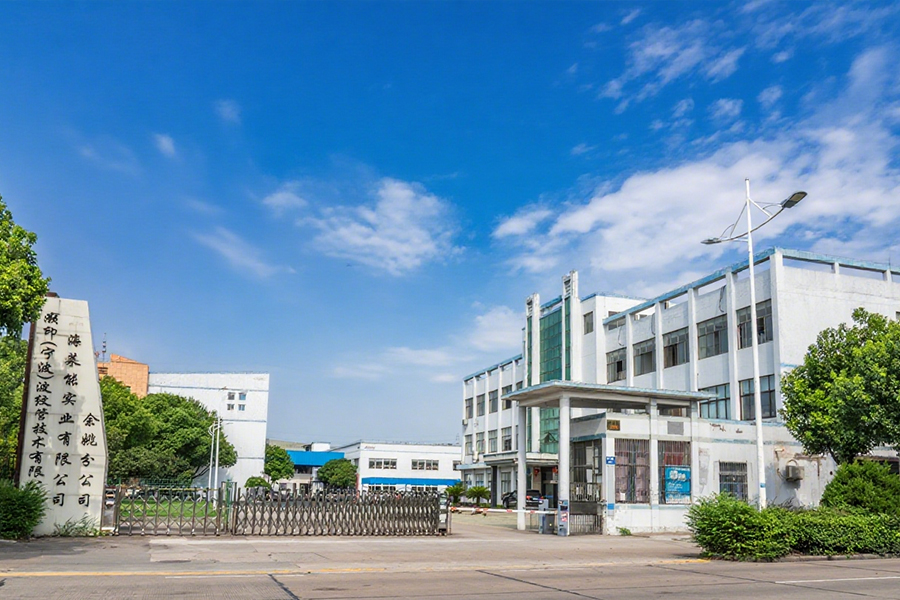
Haoyin (Ningbo) Bellows Technology Co., Ltd. develops and manufactures flexible connection products for gas, plumbing, heating, healthcare, building services, industrial HVAC, and other fields. Its product range includes gas connectors, plumbing pipes and water liners, metal hoses, and compensators. Within this product portfolio, the PE/PE corrugated flexible plumbing pipe demonstrates the company’s ability to combine material selection, structural design, manufacturing control, and quality management into a practical piping solution.
The following article examines the construction, performance, installation benefits, manufacturing process, quality controls, and application potential of PE/PE corrugated flexible plumbing pipe. It also explains how this product can provide practical advantages compared with conventional rigid alternatives and less carefully engineered flexible pipes.
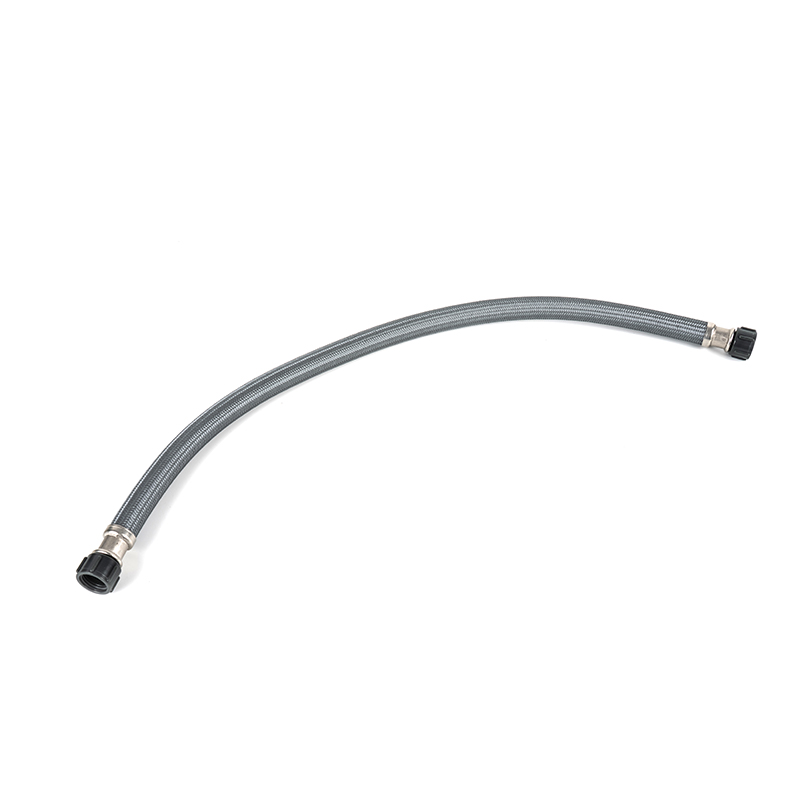
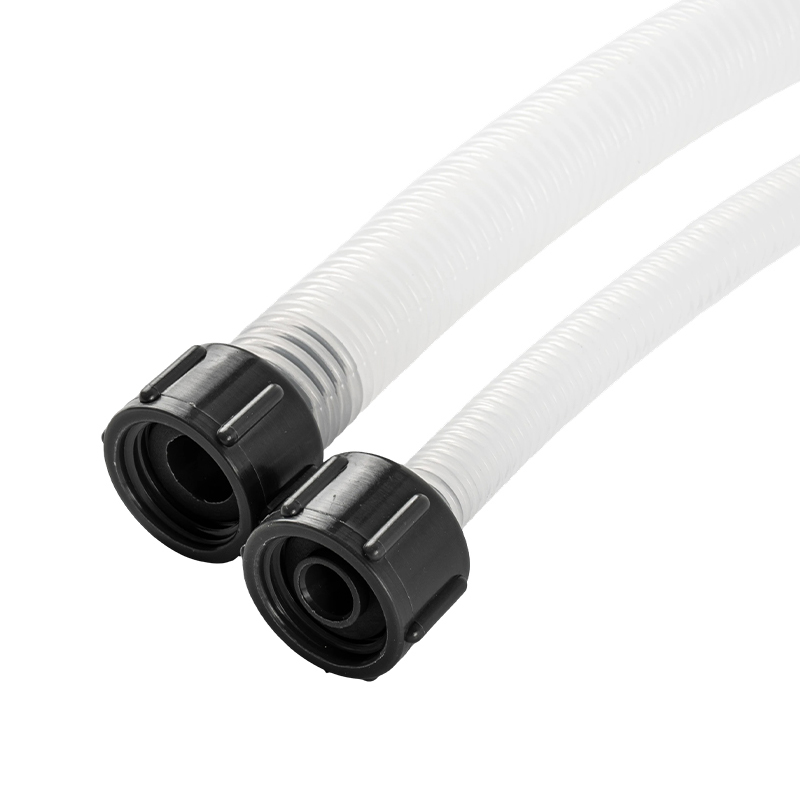
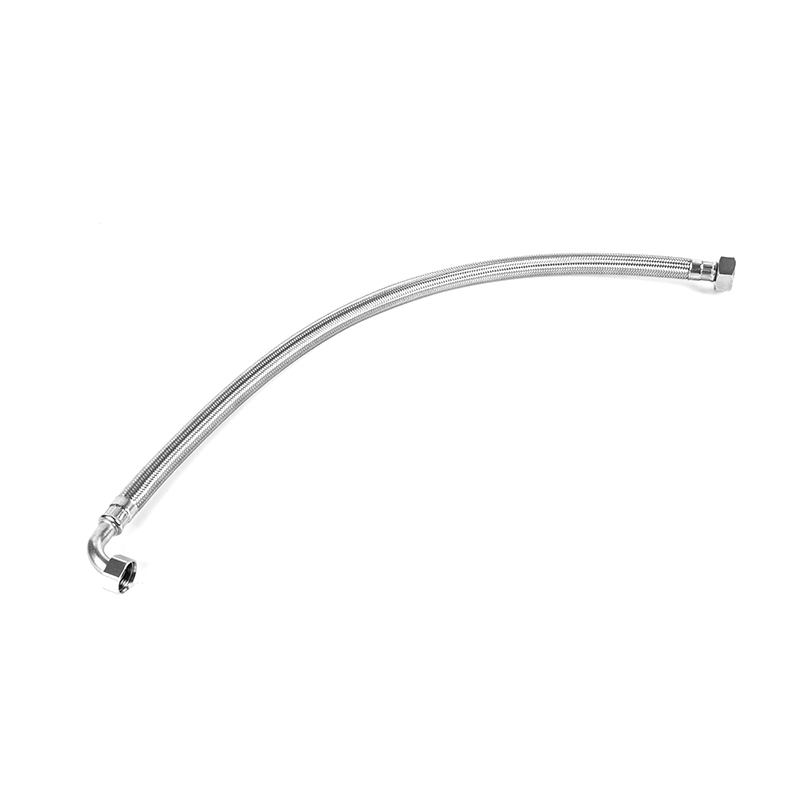
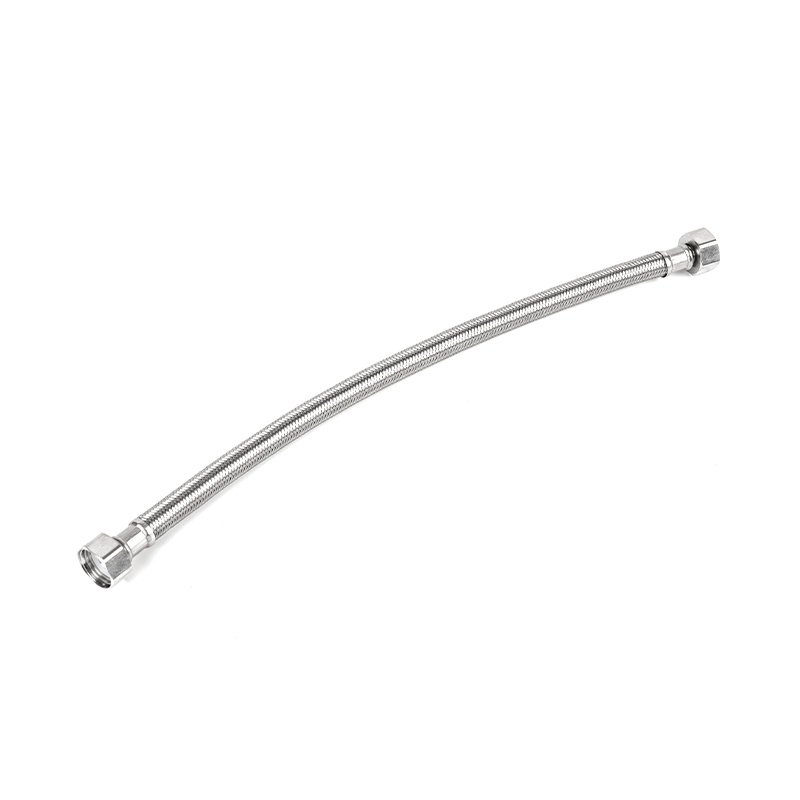
PE/PE corrugated flexible plumbing pipe
What Is PE/PE Corrugated Flexible Plumbing Pipe?
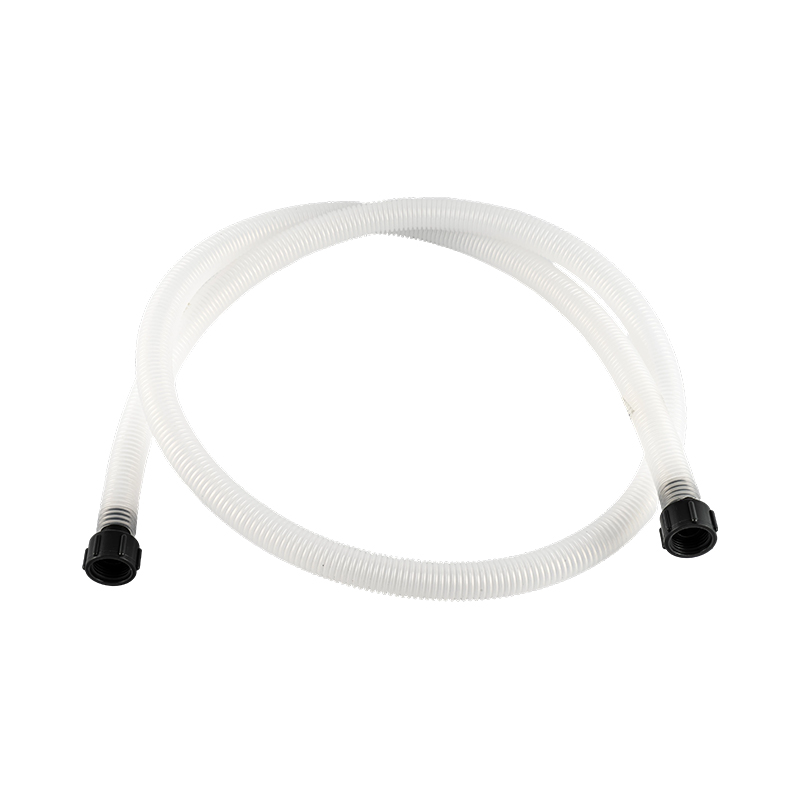
PE/PE corrugated flexible plumbing pipe is a polyethylene-based pipe designed with a corrugated profile. Polyethylene is a thermoplastic material known for its chemical stability, electrical insulation, low density, toughness, and resistance to corrosion. When formed into a corrugated structure, the pipe gains additional flexibility and improved resistance to external pressure without becoming excessively heavy.
The term “PE/PE” indicates that polyethylene is used as the primary material in the pipe construction. The exact structure may vary according to the intended application, but the design generally combines a functional inner passage with an external corrugated geometry. The inner surface is designed to remain smooth, allowing fluids to move with comparatively low resistance. The outer corrugations provide flexibility, structural support, and improved protection against deformation caused by surrounding conditions.
As an inner liner, the pipe can be used inside another protective or structural assembly. As an inner pipe or inner tube, it can serve as the main fluid-conveying passage in a plumbing system or equipment connection. Its flexible nature makes it particularly valuable when the route includes bends, offsets, vibration, or limited installation space.
Unlike a simple thin-wall plastic tube, a corrugated pipe is designed to use geometry as part of its performance. The ridges and valleys increase the pipe’s ability to withstand external loads while preserving a degree of flexibility. This can be useful in installations where the pipe may encounter movement, pressure from surrounding materials, or repeated handling during assembly.
Key Material Characteristics
Good Chemical Stability
Polyethylene has good resistance to many common chemicals and environmental influences. This characteristic helps the pipe maintain its functional properties when exposed to water, moisture, mild cleaning agents, and other substances commonly encountered in plumbing environments. Chemical stability can contribute to a longer service life and reduce the risk of premature deterioration caused by contact with unsuitable surroundings.
Material compatibility should always be evaluated according to the actual fluid, concentration, temperature, pressure, and operating conditions. Nevertheless, the chemical resistance of polyethylene gives this product an important advantage over materials that may be more vulnerable to corrosion or chemical attack.
High Toughness
High toughness allows the pipe to absorb handling stresses and resist cracking under normal installation conditions. This is especially valuable during transportation, cutting, routing, and connection. A pipe that can tolerate moderate impact and bending is less likely to be damaged before it is placed into service.
Toughness also supports reliability in applications where the pipe may experience movement or vibration. Rather than behaving like a brittle material, polyethylene can accommodate a degree of deformation while retaining its basic structural integrity.
Light Weight
One of the most practical advantages of PE/PE corrugated flexible plumbing pipe is its low weight. Compared with many metal pipes and some thick-wall rigid alternatives, polyethylene pipe is easier to carry, store, and position. Lower weight can reduce labor requirements, simplify handling in restricted areas, and decrease transportation costs.
For large projects, weight reduction can have a significant operational effect. Workers may be able to move longer sections more easily, while installation teams can spend less time preparing lifting equipment or support arrangements. This contributes to faster project progress and improved workplace convenience.
Corrosion Resistance
Unlike ferrous metal pipes, polyethylene does not rust. This makes it suitable for damp environments and applications where long-term exposure to water could create corrosion concerns. Corrosion resistance helps preserve the internal passage and reduces the likelihood of rust particles contaminating the conveyed fluid.
The absence of rust-related deterioration may also reduce maintenance requirements. While connections and surrounding components still require inspection, the pipe body itself is not subject to conventional metal rusting. This can be particularly useful in concealed plumbing, water liner, and equipment connection applications.
Electrical Insulation
Polyethylene provides excellent electrical insulation. Although the primary function of the product is fluid conveyance, electrical insulation can be beneficial where piping is installed near electrical systems, equipment housings, or conductive structures. This property provides an additional layer of material safety compared with conductive metallic pipe.
Electrical insulation does not replace proper electrical protection or grounding practices. Instead, it is an inherent material characteristic that may support safer system design in suitable applications.
Non-Toxic and Odorless Characteristics
Polyethylene is widely used in products where low odor and material cleanliness are important. The non-toxic and odorless characteristics described for this pipe make it appropriate for plumbing-related applications when the product is selected, manufactured, and installed according to the requirements of the intended service.
For water-related systems, the complete assembly must be evaluated. This includes the pipe material, fittings, seals, adhesives if used, and any protective layers. The use of a polyethylene pipe alone does not automatically establish suitability for every drinking-water or sanitary application, but its material profile provides a strong foundation for appropriate plumbing use.
Corrugated Structure and Functional Performance
The corrugated profile is central to the product’s performance. A smooth, rigid tube and a corrugated flexible pipe respond differently to external forces and installation movements. Corrugations create repeated structural sections that can flex along the length of the pipe while maintaining support around the fluid passage.
This design can improve resistance to external pressure. When the pipe is surrounded by other materials, placed within a protective channel, or routed through a confined area, the corrugated profile helps distribute loads along the pipe body. The resulting ring stiffness provides greater resistance to collapse or deformation than a comparable smooth tube with a similar material thickness.
The corrugated design also provides high flexibility. Installers can guide the pipe around corners and obstacles without requiring as many rigid elbows or additional fittings. Fewer fittings can simplify the system and reduce the number of potential leakage points. Flexible routing may also be beneficial when connecting equipment that is not perfectly aligned during installation.
Flexibility should not be confused with unlimited bending capability. Every pipe has a recommended minimum bending radius and allowable operating range. Excessive bending, sharp kinking, twisting, or localized compression may damage the pipe or restrict flow. Correct installation procedures are therefore essential to achieving the intended performance.
Hydraulic Benefits of a Smooth Inner Wall
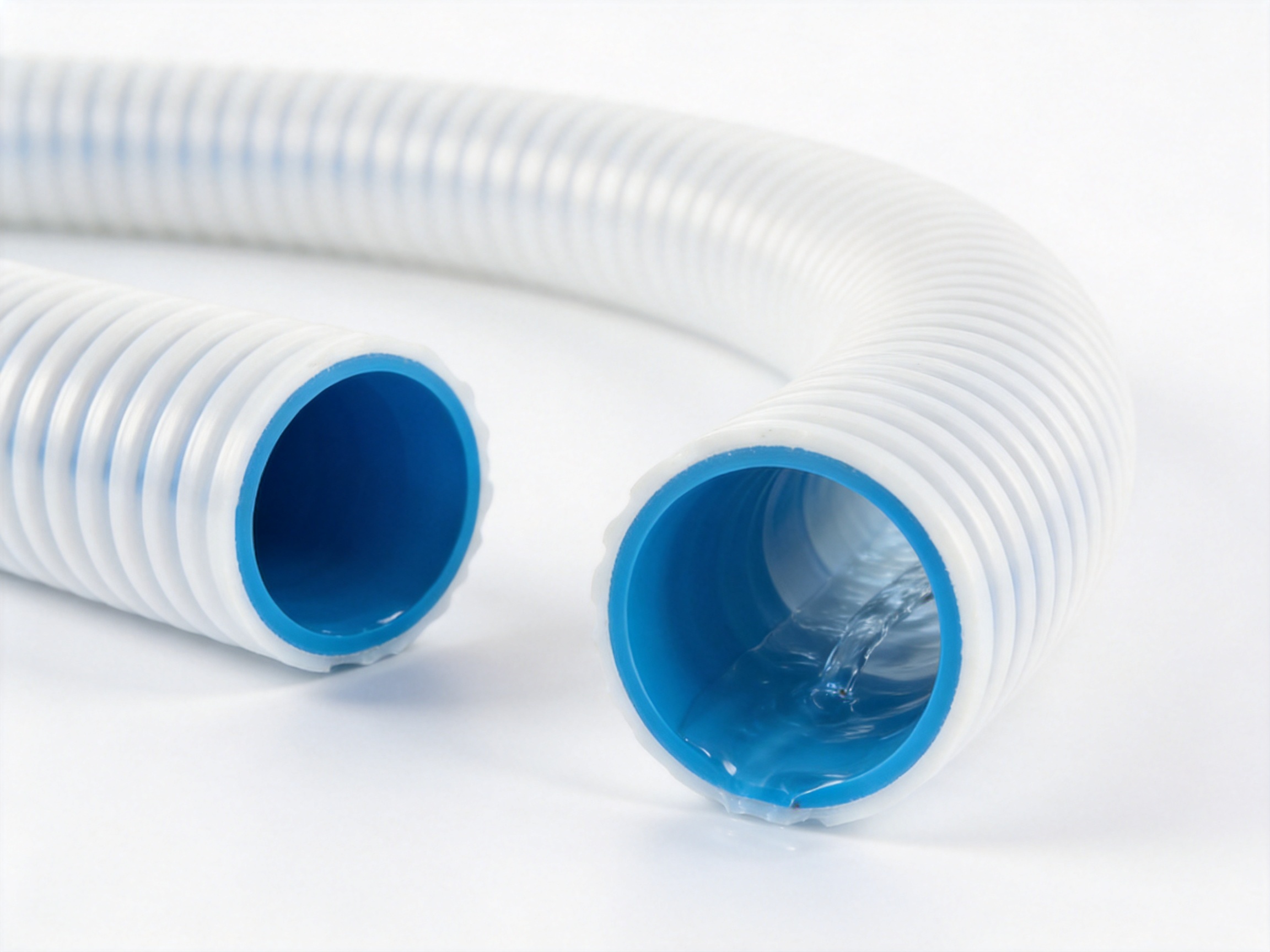
The inner wall of the PE/PE corrugated flexible plumbing pipe is designed to be smooth. A smooth fluid passage reduces friction compared with a rough or irregular internal surface. This supports a high flow capacity and helps maintain efficient movement of water or other compatible fluids through the system.
A smooth inner wall can also reduce the tendency for particles and deposits to remain attached to the pipe surface. The degree of deposit formation depends on the fluid quality, temperature, velocity, and operating conditions, but a smooth internal surface provides a favorable basis for maintaining flow performance over time.
Efficient flow can support smaller system pressure losses and improve the performance of connected equipment. In a properly designed installation, this may help reduce the energy required for pumping or allow the system to achieve its required flow rate with less resistance.
Flow capacity is influenced by more than the pipe’s internal surface. Diameter, length, bend radius, pressure, fluid viscosity, temperature, and fitting design all affect hydraulic performance. For this reason, engineers should select the appropriate size and configuration based on the complete system rather than relying on material properties alone.
Advantages Compared with Conventional Rigid Pipe
Faster and Simpler Installation
Rigid pipe systems often require careful measurement, cutting, threading, welding, solvent joining, or the installation of multiple elbows. Flexible PE/PE corrugated plumbing pipe can reduce the number of steps required to route a line. Its ability to bend around obstacles enables installers to create a practical path with fewer connection points.
Fewer joints can reduce assembly time and simplify inspection. It may also lower the chance of connection errors, especially in locations where access is limited. The pipe’s light weight further supports faster handling and positioning.
Reduced Dependence on Elbows and Adapters
Every elbow, adapter, and coupling introduces another component that must be selected, installed, and checked. Flexible pipe can often replace several directional fittings, although the exact design depends on the application. Reducing the number of fittings may reduce material cost, installation labor, and potential leakage locations.
This advantage is particularly relevant in equipment connections, concealed routes, renovation projects, and systems with irregular geometry. A flexible liner can adapt to the available space without requiring a large collection of rigid components.
Improved Resistance to External Pressure
A basic flexible tube may be easy to bend but may not have adequate resistance to external loading. The corrugated structure of this product is designed to provide strong resistance to external pressure and high ring stiffness. This helps balance flexibility with structural support.
The combination is important because a plumbing pipe must remain open under practical installation conditions. It should not become excessively flattened by surrounding materials, moderate contact, or normal handling. Properly selected corrugated geometry can provide a better balance than a very thin, non-corrugated tube.
Lower Risk of Corrosion-Related Maintenance
Metal pipes can require protection against rust, galvanic corrosion, or chemical attack depending on their environment. Polyethylene avoids conventional metal corrosion, making it attractive for humid areas, water-related systems, and locations where maintenance access is difficult.
Lower corrosion risk does not eliminate the need for inspection. Seals, fittings, supports, and external components may still age or become damaged. However, the pipe body itself offers a durable alternative to materials that are vulnerable to rust.
Greater Design Flexibility
Flexible pipe can be routed through narrow spaces, around structural features, and along non-linear paths. This design flexibility is useful in new construction as well as retrofit work. It can help installers adapt to existing building conditions without extensive demolition or reconstruction.
The product can also accommodate a certain amount of movement caused by vibration, thermal changes, or equipment operation. The allowable movement must be evaluated carefully, but the flexible construction generally provides more adaptability than a completely rigid line.
Comparison with Other Flexible Pipe Options
Not all flexible pipes offer the same balance of properties. Some flexible materials may have limited chemical resistance, low external-load capacity, or higher material cost. Certain metal hoses provide excellent temperature resistance and mechanical strength, but they may be heavier, more conductive, and more expensive for applications that do not require metallic construction.
PE/PE corrugated plumbing pipe is particularly attractive when low weight, corrosion resistance, flexibility, smooth flow, and cost efficiency are priorities. Its low cost can make it suitable for larger installations where the use of premium materials throughout the system would be unnecessary.
Metal hoses may be preferred for high-temperature service, high-pressure applications, or environments that demand metallic containment. Rubber hoses may be appropriate for specialized flexible connections, but their performance can depend strongly on the fluid, temperature, aging conditions, and reinforcement design. Rigid plastic pipes may provide good dimensional stability, but they generally require more fittings when the route is complex.
| Performance Factor | PE/PE Corrugated Flexible Plumbing Pipe | Rigid Metal Pipe | Basic Flexible Tube |
|---|---|---|---|
| Weight | Low and easy to handle | Usually higher | Very low, depending on construction |
| Flexibility | High, with corrugated structural support | Low unless fittings are added | Usually high, but may lack external-load strength |
| Corrosion Resistance | Excellent against conventional rusting | Depends on metal and protective treatment | Depends on polymer formulation |
| Inner Surface | Smooth and suitable for efficient flow | May change with corrosion or deposits | Varies by product |
| External Pressure Resistance | Strong due to corrugated geometry and ring stiffness | Generally strong, but heavier | May be limited |
| Installation Complexity | Low to moderate | Moderate to high | Low, depending on connections |
| Material Cost | Cost-efficient for suitable applications | Often higher | Varies considerably |
The table provides a general comparison rather than a substitute for engineering evaluation. Pressure rating, temperature limits, dimensional standards, connection systems, and fluid compatibility must be confirmed for every project.
Product Applications
Plumbing and Water Liner Systems
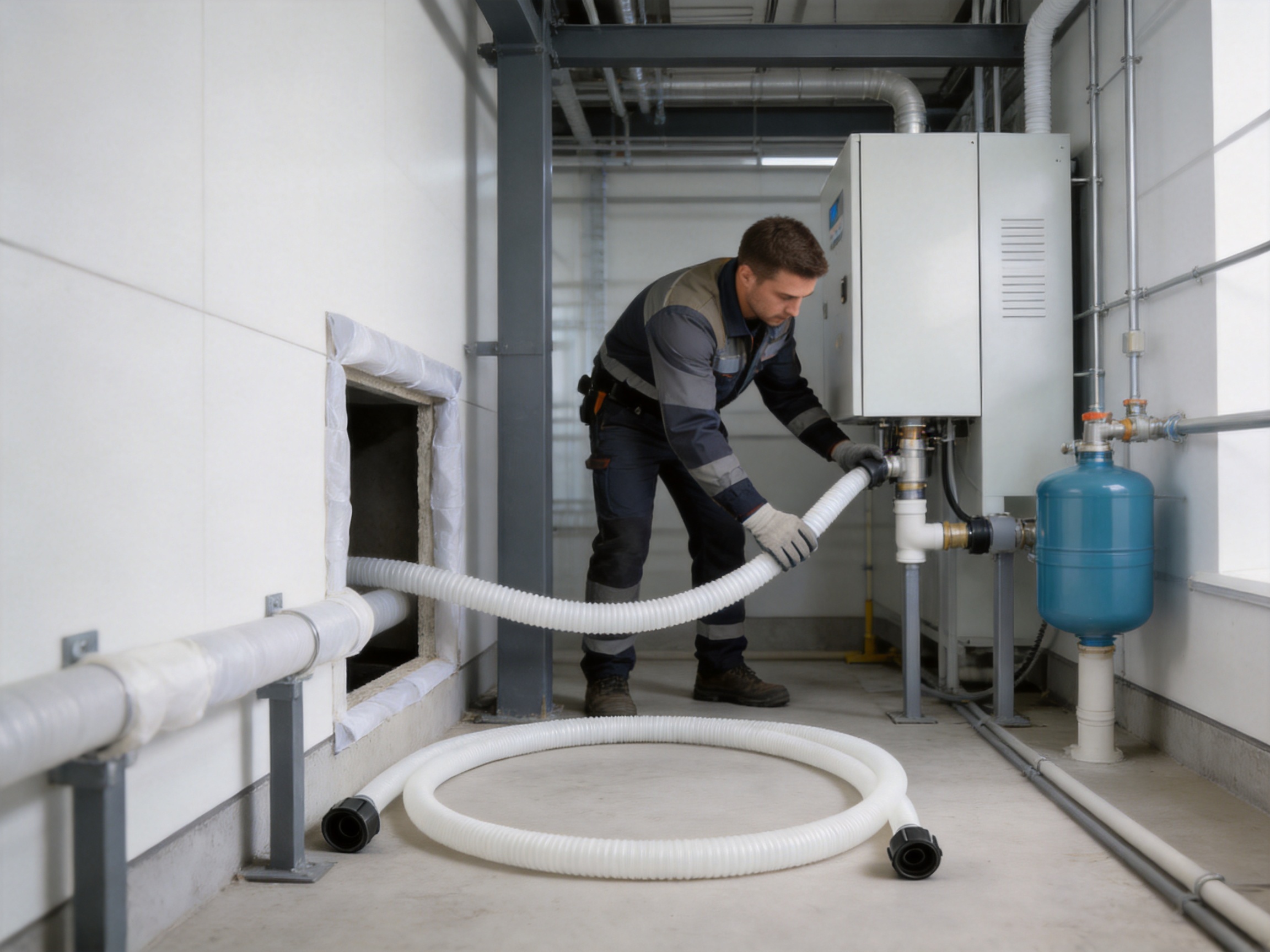
The primary application of this product is as a plumbing pipe, water liner, inner pipe, or inner tube. It can be used to convey compatible water or fluids through building systems, equipment assemblies, and protected routing channels. Its smooth inner wall supports flow, while its flexible construction helps simplify installation.
As a liner, it may be installed within a larger protective or structural pipe. This approach can provide a replaceable or functional internal passage while the surrounding assembly supplies additional protection. The correct liner configuration depends on the system design and the access requirements for maintenance.
Residential and Commercial Buildings
In residential and commercial construction, pipe routes often pass through walls, floors, cabinets, service cavities, and equipment spaces. The ability to bend and adapt can be valuable when space is limited or when multiple services must be coordinated.
The low weight of the pipe can support easier on-site handling. Its corrosion resistance is also useful in damp areas such as utility rooms, bathrooms, kitchens, mechanical spaces, and protected underground or concealed routes, provided that the installation complies with applicable requirements.
Heating and Building Service Connections
Flexible plumbing pipe can be considered for selected building service connections where the temperature, pressure, and fluid compatibility are within the product’s design range. Its flexibility can help connect equipment and accommodate minor alignment differences during installation.
Heating applications require particular attention to operating temperature. Polyethylene products should not be used outside their specified temperature limits. Where higher temperatures are expected, a suitable metal hose or another specialized material may be more appropriate.
Industrial Equipment and HVAC Systems
Industrial equipment and HVAC installations often contain vibration, confined spaces, and complex connection points. A flexible pipe can help isolate minor movement and simplify routing between components. The product may be used in selected water, drainage, process-support, or protective liner applications after the system designer confirms compatibility.
Industrial use requires a careful review of pressure cycles, chemical exposure, temperature changes, support spacing, and connection design. The corrugated pipe should be treated as one part of a complete engineered system rather than as a universal replacement for every type of industrial hose.
Healthcare and Specialized Facilities
Healthcare facilities place high demands on cleanliness, reliability, maintainability, and material control. Polyethylene’s low odor, non-toxic characteristics, smooth inner surface, and corrosion resistance may make it suitable for selected plumbing-related uses. However, healthcare applications often involve specific regulatory, hygienic, and validation requirements.
Before use in a healthcare facility, the complete product configuration should be reviewed, including fittings, seals, cleaning procedures, sterilization exposure, and fluid-contact requirements. The pipe’s advantages are valuable, but application approval must be based on the relevant standards and project specifications.
Manufacturing Process and Technical Strengths
Material Selection
Manufacturing performance begins with material selection. Polyethylene resin and any associated additives must be chosen according to the required flexibility, toughness, chemical resistance, dimensional stability, and service conditions. Consistent material quality is important because fluctuations in resin properties can influence extrusion behavior and final pipe performance.
A responsible manufacturing process includes incoming material inspection and controlled storage. Material identification, batch management, and traceability help ensure that the correct raw materials are used in production. These controls support stable product quality and make it easier to investigate any quality concern.
Extrusion and Profile Formation
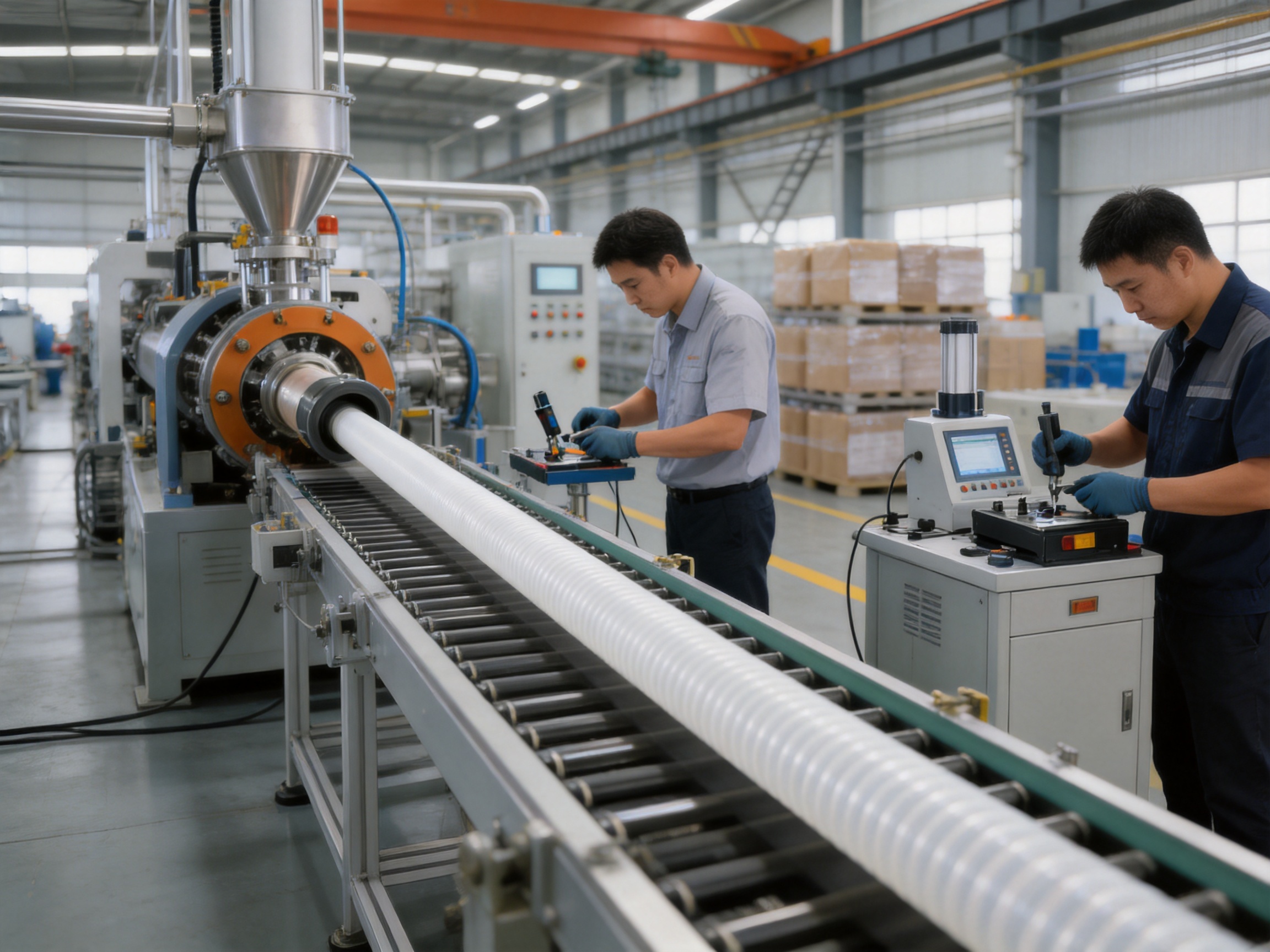
PE/PE pipe production generally involves controlled heating and extrusion of polyethylene through a forming tool. The material must be processed at suitable temperatures and speeds to achieve a stable wall structure. The forming equipment must maintain the required profile, dimensions, and surface quality throughout the production run.
For corrugated pipe, profile formation is especially important. The corrugation depth, pitch, wall distribution, and transition between ridges and valleys influence flexibility, ring stiffness, and resistance to external pressure. Consistent forming conditions help maintain uniform performance along the entire length of the product.
Cooling and sizing are also essential. If cooling is uneven or sizing is not properly controlled, the pipe may experience dimensional variation, ovality, surface defects, or internal stress. Modern production equipment and carefully defined process parameters help reduce these risks.
Structural Design and Engineering
Product development requires a balance between flexibility and mechanical strength. Deeper or more closely spaced corrugations may influence flexibility, while material thickness and profile geometry contribute to ring stiffness and pressure resistance. The design must also support a smooth inner passage and reliable connections.
Haoyin maintains a professional research and development team focused on flexible connection products and bellows technology. Engineering expertise allows the company to evaluate product structure, manufacturing feasibility, application requirements, and performance testing as connected parts of one development process.
Precision Equipment
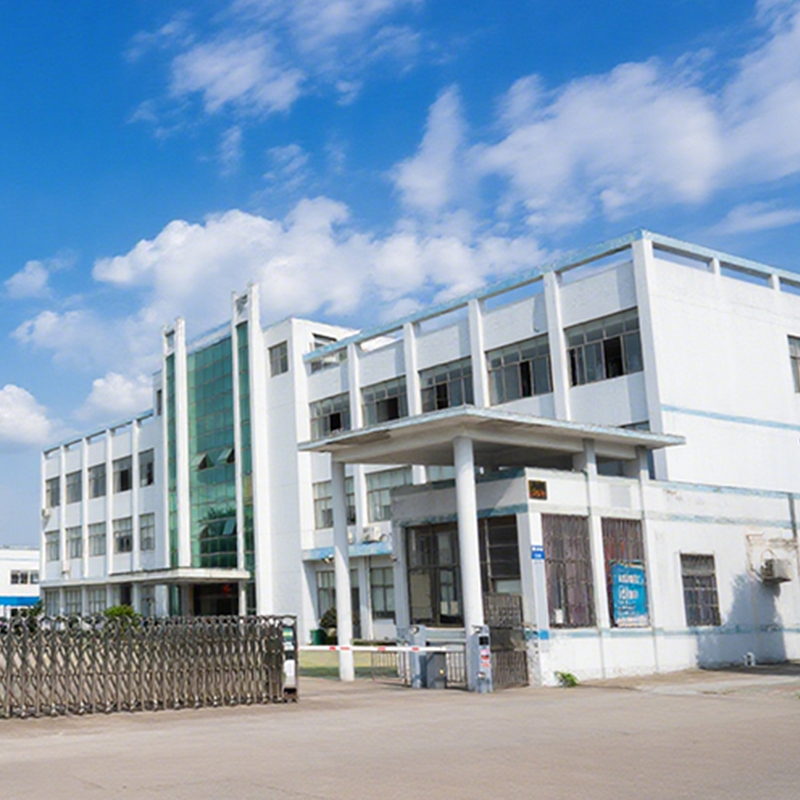
The company operates standardized workshops covering approximately 18,000 square meters within a facility occupying about 35 mu. Its manufacturing resources include laser welding machines, CNC forming machines, COSMO equipment, eddy current flaw detectors, and automatic packaging systems.
Although some of these technologies are particularly associated with stainless steel bellows, metal hoses, and compensators, they also demonstrate the company’s broader capability in precision forming, joining, inspection, and production automation. These capabilities support disciplined manufacturing across different product categories, including gas connectors, plumbing pipes, water liners, and flexible connection products.
CNC forming equipment supports repeatable shaping and controlled production. Automated packaging systems help protect finished products and improve consistency during storage and shipment. Eddy current flaw detection provides a non-destructive inspection method for suitable conductive components, while laser welding technology supports precise joining where metallic assemblies require controlled weld quality.
Process Control
Process control should cover every stage from raw material receipt to final shipment. Important controls may include material verification, extrusion temperature monitoring, line speed control, profile measurement, surface inspection, dimensional checking, pressure or leak testing, and packaging verification.
Consistent process control improves repeatability and reduces variation between production batches. It also helps manufacturers identify problems early, before defective products reach the final inspection stage. A stable process is especially important for flexible pipe because both material properties and geometric consistency affect performance.
Quality Management and Testing
Haoyin has obtained ISO9001, ISO14001, and ISO45001 management system certifications. ISO9001 supports a structured quality management approach. ISO14001 addresses environmental management, while ISO45001 focuses on occupational health and safety. Together, these systems reflect a broader commitment to controlled operations, responsible manufacturing, and workplace protection.
A quality management system is valuable because product reliability is not created by final inspection alone. It depends on documented procedures, trained personnel, equipment maintenance, supplier control, corrective action, and continual improvement. These elements help create a consistent production environment for both polymer and metal flexible products.
Testing requirements should reflect the pipe’s intended service. Typical evaluation areas may include external appearance, dimensions, flexibility, ring stiffness, resistance to external pressure, leak tightness, chemical compatibility, and long-term aging behavior. The appropriate tests depend on the product specification and the applicable national or international standards.
Performance testing should also consider connections. A pipe body may be strong and flexible, but a poorly designed or incorrectly installed fitting can become the weakest point in the assembly. For this reason, product evaluation should include the pipe, connector, seal, and installation method whenever possible.
Sealing and Connection Performance
Excellent sealing performance is one of the listed advantages of the PE/PE corrugated flexible plumbing pipe. Reliable sealing helps prevent leakage, protect surrounding structures, and maintain system efficiency. It is influenced by pipe dimensions, connector compatibility, sealing materials, insertion depth, clamping force, and installation accuracy.
Connection systems should be selected specifically for polyethylene pipe. The fitting should accommodate the pipe’s dimensions and flexibility without causing excessive compression, sharp deformation, or localized stress. Seals should be compatible with the conveyed fluid and expected temperature range.
Before commissioning, installers should inspect each connection and perform the required pressure or leak test. Testing should follow the applicable project specification and safety procedures. If a leak is found, the connection should be depressurized before adjustment or disassembly.
Good sealing performance also depends on preparation. The pipe end should be clean, square, and free from damage. Cutting tools should create a neat edge, and the pipe should not be forced into a fitting at an excessive angle. Proper support near connections can reduce strain and help maintain a stable seal over time.
Installation Recommendations
Planning the Route
Before installation, the route should be planned to avoid unnecessary tension, sharp bends, abrasion, and unsupported spans. Flexible pipe can simplify routing, but a planned path is still necessary. The pipe should have enough length to reach each connection without being stretched.
When the pipe passes through walls, panels, or metal openings, protective sleeves or edge protection may be required. Direct contact with sharp edges can gradually damage the outer corrugations or create stress concentrations.
Bending and Handling
The pipe should be bent gradually rather than folded or kinked. Installers should follow the recommended minimum bending radius. A bend that is too tight may restrict internal flow, deform the pipe, or place excessive stress on the connection.
During handling, the pipe should be protected from dragging over rough surfaces, impact from heavy objects, and contamination by oils or chemicals that are not compatible with polyethylene. Coils or lengths should be stored in a clean, dry location and protected from conditions that could cause deformation.
Support and Fixing
Support spacing should be selected according to pipe size, operating conditions, routing direction, and the recommendations of the project specification. Excessively long unsupported sections may sag or move more than intended. At the same time, rigidly clamping every section may restrict the flexibility that makes the product useful.
Supports should hold the pipe without cutting into or excessively compressing the corrugated surface. Where vibration or equipment movement is expected, the support arrangement should allow controlled movement while preventing abrasion and excessive displacement.
Inspection Before Commissioning
Before the system is placed into service, installers should check the pipe for visible damage, confirm that connections are fully seated, verify that support points are secure, and ensure that the route does not contain sharp kinks. The system should then be tested according to the relevant requirements.
Any flushing, cleaning, or disinfection procedure should be compatible with the pipe material and the complete assembly. Unapproved chemicals, excessive temperatures, or sudden pressure changes may damage the product or its seals.
Environmental and Lifecycle Benefits
The low weight of polyethylene pipe can reduce transportation energy and handling effort. Its corrosion resistance may extend service life in damp environments and reduce the need for replacement caused by rust. Longer service life can reduce material consumption and maintenance disruption over the life of a system.
The company’s ISO14001 environmental management certification indicates that environmental considerations are incorporated into its management approach. As a Green Factory, Haoyin emphasizes more responsible production practices and the efficient use of resources. Environmental performance should be evaluated across the entire lifecycle, including raw material production, manufacturing energy, transportation, service life, and end-of-life management.
Polyethylene is a thermoplastic material, and recycling options may exist where local collection and processing systems are available. Recycling suitability depends on the exact formulation, contamination level, and local infrastructure. Project owners should consult applicable waste-management requirements rather than assuming that every used pipe can be recycled in the same way.
Why Choose a Specialized Manufacturer?
Flexible piping products may appear simple, but reliable performance depends on material control, geometry, process stability, connection design, inspection, and technical support. A specialized manufacturer can address these elements as part of an integrated product-development and quality system.
Haoyin focuses on stainless steel bellows and flexible connection solutions, while also offering gas connectors, plumbing pipes and water liners, metal hoses, and compensators. This concentration gives the company experience with movement, pressure, sealing, forming, and connection challenges across several industries.
The company’s National High-tech Enterprise status reflects its focus on technical development and innovation. Its research and development team supports product improvement and application adaptation. This can be valuable for customers who require more than a standard catalog item and need assistance with dimensions, connection arrangements, routing, or performance requirements.
Advanced equipment is another important strength. Precision forming, laser welding, non-destructive inspection, automated packaging, and standardized workshops provide a production foundation for repeatability. These capabilities help the manufacturer serve demanding industries while maintaining consistent manufacturing procedures.
Full-process quality management extends from raw material selection and structural design through manufacturing, performance testing, and after-sales support. This approach helps ensure that customer service does not end when the product leaves the factory. Technical communication, installation guidance, product documentation, and response to field feedback are all important parts of a reliable supplier relationship.
Selection Considerations for Buyers
Buyers should begin by identifying the fluid, operating pressure, operating temperature, pipe size, required length, bending conditions, connection type, and installation environment. These details determine whether PE/PE corrugated flexible plumbing pipe is suitable for a specific application.
The buyer should also confirm whether the product will be exposed to sunlight, chemicals, soil loads, vibration, freezing conditions, or repeated movement. External protection may be necessary in areas where impact, ultraviolet radiation, or abrasion could affect long-term performance.
Documentation is another important consideration. Buyers may request product specifications, material information, test records, management system certifications, inspection procedures, and installation recommendations. Clear documentation supports project approval, traceability, and maintenance planning.
For larger or technically demanding projects, it is advisable to involve the manufacturer during the design stage. Early technical communication can help determine suitable pipe dimensions, connection systems, support arrangements, and testing procedures. It may also prevent the use of a flexible pipe in conditions better served by a high-temperature metal hose or another specialized product.
Q&A
What is the main purpose of PE/PE corrugated flexible plumbing pipe?
The pipe is designed to convey compatible water or fluids and to function as an inner liner, inner pipe, or inner tube. Its flexible corrugated structure supports easier routing, while its smooth inner wall promotes efficient flow.
What makes the pipe different from a smooth rigid plastic pipe?
The corrugated structure provides greater flexibility and strong resistance to external pressure. It can follow curved routes and reduce dependence on elbows and adapters, while still offering ring stiffness and structural support.
Is the pipe resistant to corrosion?
Yes. Polyethylene does not rust like ferrous metal. It provides good corrosion resistance in many plumbing environments, although compatibility with the specific fluid and surrounding chemicals must still be confirmed.
Can the pipe be used for hot water?
Use for hot water depends on the product’s specified temperature and pressure ratings. Polyethylene pipe should not be used beyond its approved service range. The manufacturer should be consulted before selecting it for elevated-temperature applications.
Does the corrugated exterior reduce internal flow?
The product is designed with a smooth inner wall, so the external corrugation does not necessarily create a rough internal passage. Hydraulic performance still depends on diameter, length, fittings, bends, fluid properties, and operating conditions.
Can the pipe replace all metal hoses?
No. PE/PE corrugated pipe is advantageous for suitable low-weight, corrosion-resistant, and flexible plumbing applications. Metal hoses may be more appropriate for high-temperature, high-pressure, or applications that require metallic construction.
How should the pipe be connected?
The pipe should be connected with fittings and seals specifically compatible with its material and dimensions. Pipe ends should be clean and correctly prepared, and all connections should be inspected and tested before commissioning.
Can the pipe be installed underground or inside walls?
It may be suitable for protected or concealed installation when the design, product specification, local codes, and environmental conditions permit it. Protection against sharp edges, excessive external loads, abrasion, and unauthorized bending should be provided.
What are the main installation precautions?
Installers should avoid kinks, sharp bends, excessive tension, unsupported spans, and contact with damaging edges or incompatible chemicals. The recommended bending radius, support spacing, connection method, and testing procedure should be followed.
What manufacturing capabilities support this product?
The manufacturer operates standardized workshops and uses advanced production and inspection equipment, including CNC forming machines, laser welding machines, COSMO equipment, eddy current flaw detectors, and automatic packaging systems. Its quality management approach covers material selection, design, manufacturing, testing, and after-sales support.
What certifications does the company hold?
Haoyin has obtained ISO9001, ISO14001, ISO45001, and other management system certifications. The company is also identified as a National High-tech Enterprise and Green Factory.
How can buyers obtain technical assistance?
Buyers can contact Haoyin (Ningbo) Bellows Technology Co., Ltd. to discuss product selection, dimensions, connection requirements, application conditions, testing, and delivery arrangements. Technical information should be confirmed before final purchase and installation.
Conclusion
PE/PE corrugated flexible plumbing pipe offers a practical combination of flexibility, low weight, chemical stability, corrosion resistance, high toughness, ring stiffness, external pressure resistance, and efficient flow performance. Its smooth inner wall supports high flow capacity, while the corrugated outer structure enables the pipe to adapt to complex routes without sacrificing structural support.
Compared with conventional rigid pipe, it can simplify installation, reduce the need for elbows and adapters, lower handling effort, and provide better adaptability in restricted spaces. Compared with a basic flexible tube, its corrugated geometry can offer stronger resistance to external pressure and improved dimensional stability.
The product’s performance is supported by the broader technical capabilities of Haoyin (Ningbo) Bellows Technology Co., Ltd. The company combines research and development, standardized workshops, advanced forming and inspection equipment, certified management systems, and full-process quality control. This combination helps create flexible connection products designed for dependable service in plumbing, heating, building services, healthcare, HVAC, gas, and industrial applications.
For the best results, PE/PE corrugated flexible plumbing pipe should be selected according to the actual fluid, pressure, temperature, routing, connection, and environmental requirements. With correct engineering, installation, and testing, it can provide a durable and efficient inner liner or flexible plumbing solution for a wide range of modern piping systems.
References
1. International Organization for Standardization. Quality Management Systems: Fundamentals and Vocabulary.
2. International Organization for Standardization. Quality Management Systems: Requirements.
3. International Organization for Standardization. Environmental Management Systems: Requirements with Guidance for Use.
4. International Organization for Standardization. Occupational Health and Safety Management Systems: Requirements with Guidance for Use.
5. Plastics Pipe Institute. Polyethylene Pipe Design and Installation Practices.
6. International Association of Plumbing and Mechanical Officials. Plumbing System Installation and Inspection Principles.
7. Manufacturer technical information for PE/PE corrugated flexible plumbing pipe, inner liners, and flexible connection products.
8. General engineering references on polyethylene material behavior, corrugated pipe geometry, ring stiffness, hydraulic flow, and polymer pipe installation.