



 English
  Español
  русский


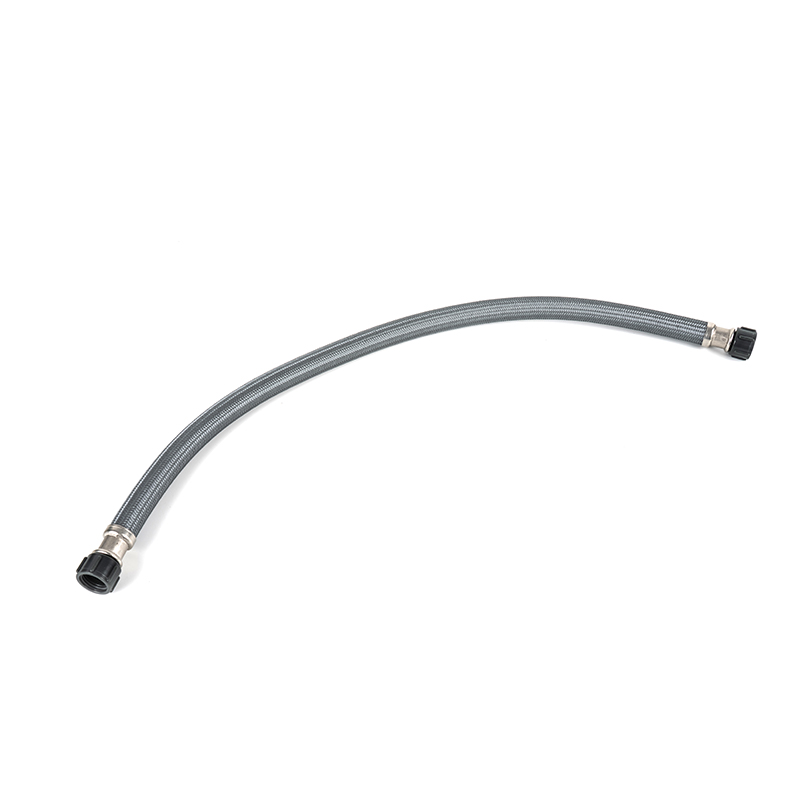
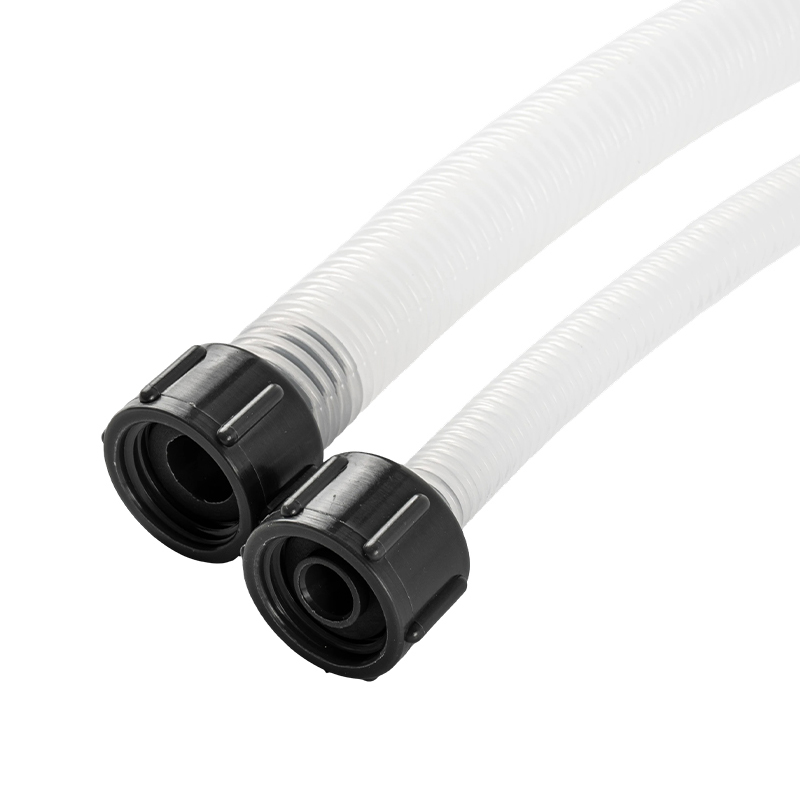
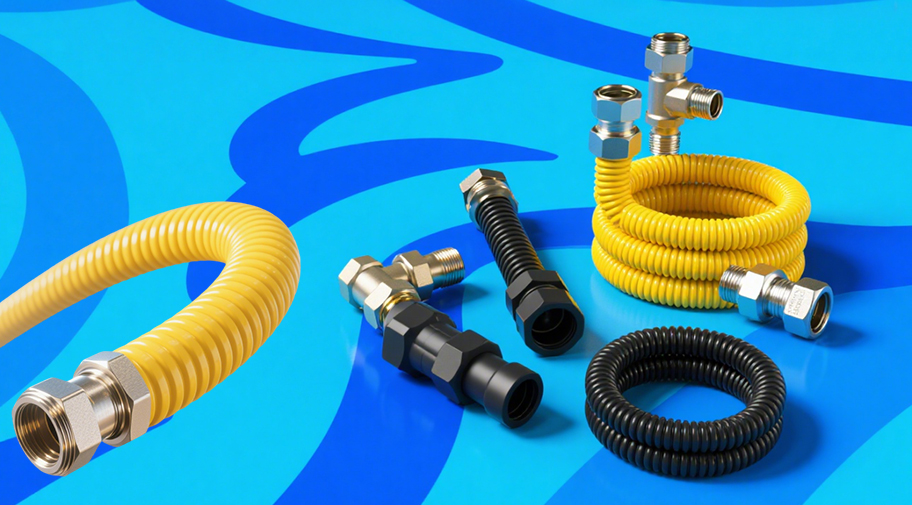
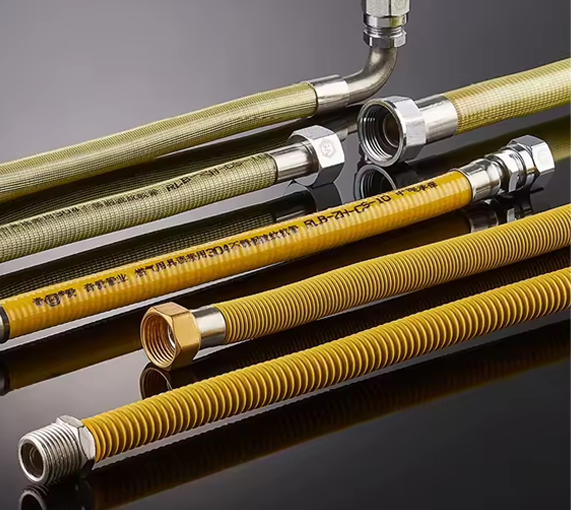
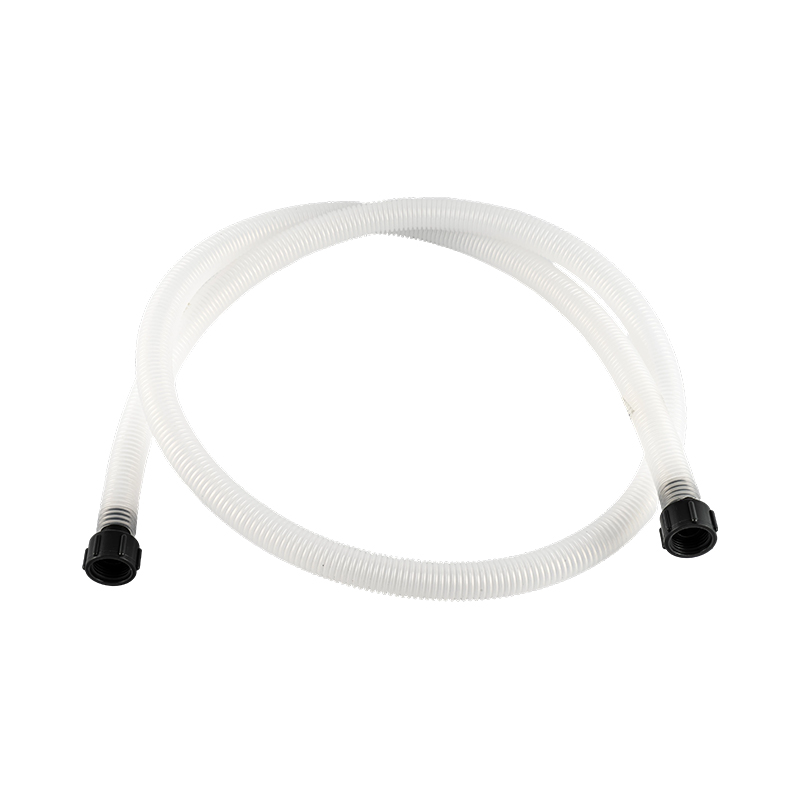
PE/PE corrugated flexible plumbing pipe is designed for applications that require a practical combination of flexibility, corrosion resistance, low weight, mechanical strength, and reliable fluid flow. Made primarily from polyethylene, this type of pipe uses a corrugated structure to provide improved flexibility and external load resistance while maintaining a smooth internal passage for water or other compatible fluids.
As plumbing systems become more complex, contractors, equipment manufacturers, and system designers increasingly need piping products that can adapt to confined spaces, irregular layouts, vibration, and movement. Traditional rigid pipes can be difficult to transport and install in these conditions. PE/PE corrugated flexible plumbing pipe offers a different approach. Its flexible structure can follow curved routes, reduce the need for numerous fittings, and simplify installation in residential, commercial, industrial, and equipment-related applications.
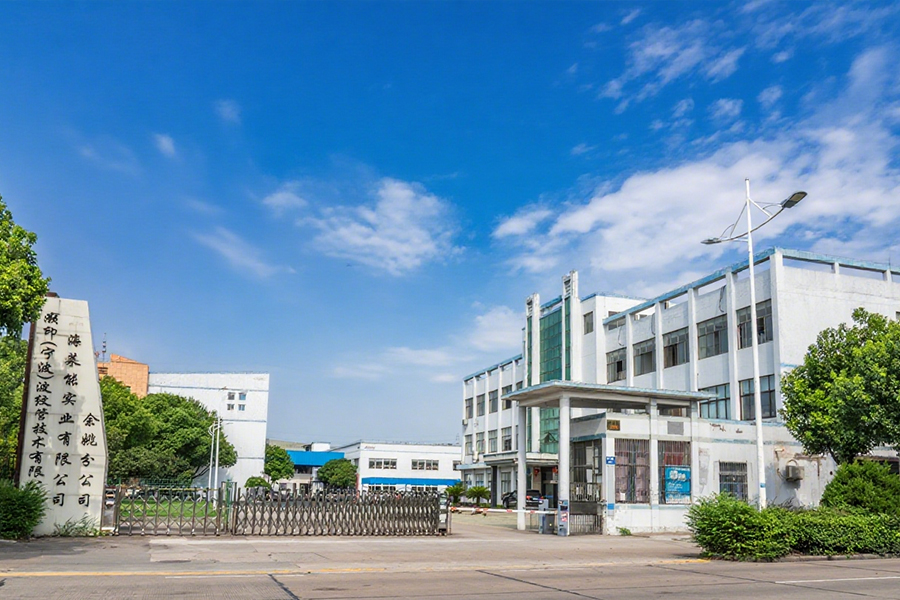
Haoyin (Ningbo) Bellows Technology Co., Ltd. develops and manufactures flexible piping and bellows-related products for gas, plumbing, heating, healthcare, building services, industrial HVAC, and other fields. Its product range includes gas connectors, plumbing pipes and water liners, metal hoses, and compensators. Supported by standardized workshops, quality management systems, specialized production equipment, and an experienced technical team, the company provides flexible connection solutions intended to combine performance, manufacturing consistency, and installation convenience.
Understanding PE/PE Corrugated Flexible Plumbing Pipe
PE/PE corrugated flexible plumbing pipe is a polyethylene-based pipe with a corrugated exterior profile. The corrugations create a series of controlled rings or waves along the outside of the pipe. This design allows the pipe to bend more easily than a comparable smooth-wall rigid pipe while also increasing its resistance to external compression and deformation.
The internal surface is generally designed to remain comparatively smooth. This is important because the internal flow path has a direct effect on hydraulic performance, pressure loss, cleanliness, and the ability of the pipe to convey water efficiently. A corrugated exterior does not necessarily mean that the inner wall is deeply corrugated. In many designs, the exterior provides structural flexibility while the inner passage remains smooth or sufficiently uniform for efficient flow.
The PE/PE designation indicates a polyethylene-based construction. Depending on the product design, the inner and outer layers may use compatible polyethylene materials selected for different performance requirements. The precise resin grade, layer arrangement, wall thickness, corrugation profile, temperature range, pressure rating, and connection method should always be confirmed through the manufacturer's technical documentation before a project begins.
Polyethylene is widely used in piping because it combines chemical stability, low density, electrical insulation, processability, and resistance to many common forms of corrosion. It does not rust like ferrous metal and does not require an internal coating to prevent ordinary oxidation. These characteristics make polyethylene attractive for water-related piping, protective liners, flexible connections, and applications where reduced weight is a major consideration.
Flexible Structure for Difficult Routing
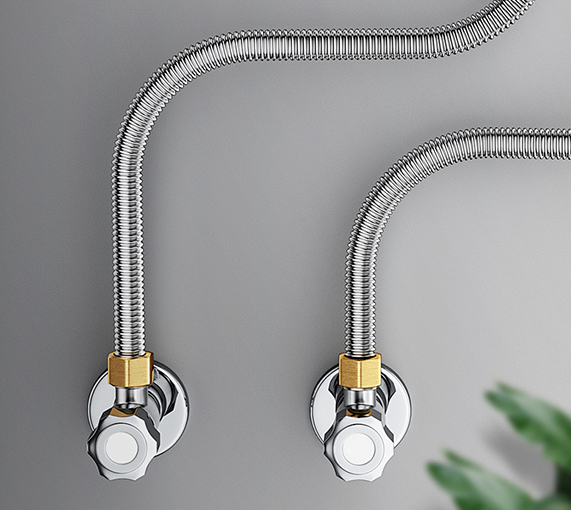
The corrugated profile enables the pipe to accommodate bends and changes in direction. This can be particularly useful when a plumbing route passes around structural elements, equipment, walls, columns, cabinets, or other obstacles. Flexible routing may reduce the number of elbows, adapters, and intermediate joints required in a system.
Fewer joints can provide several practical benefits. Installation may become faster, the number of potential leakage points may be reduced, and the finished system can have a cleaner arrangement. Fewer fittings can also reduce material handling and simplify maintenance access. However, the minimum bending radius and support requirements must be respected to avoid excessive deformation or stress concentration.
Corrugation and External Load Resistance
A corrugated profile can improve ring stiffness compared with a smooth pipe using a similar amount of material. The geometry distributes external forces across the pipe wall and helps the pipe resist flattening. This is valuable when the pipe may be exposed to soil pressure, contact with surrounding structures, moderate mechanical loading, or installation conditions where a completely rigid pipe would be difficult to protect.
Ring stiffness should not be confused with unlimited pressure capability. External load resistance and internal pressure performance are different design considerations. A pipe selected for a particular application must be evaluated according to its internal pressure, external loading, temperature, support spacing, installation method, and fluid characteristics.
Core Material Advantages of Polyethylene
The basic performance of PE/PE corrugated flexible plumbing pipe is closely related to the properties of polyethylene. Properly selected and processed polyethylene can provide a useful balance of flexibility, toughness, chemical resistance, and cost efficiency.
Good Chemical Stability
Polyethylene is resistant to many acids, alkalis, salts, and other chemicals encountered in ordinary plumbing and utility environments. This chemical stability helps the pipe maintain its functional properties when exposed to moisture, soil, cleaning agents, or compatible transported fluids.
Chemical compatibility must always be assessed individually. Concentration, temperature, exposure duration, pressure, and the type of chemical can affect performance. A material that is suitable for ordinary water service may not be suitable for aggressive chemicals, high-temperature fluids, or unusual process media. Project engineers should review the relevant chemical-resistance data before approving the pipe for specialized service.
Corrosion Resistance
Metal pipes may be affected by rust, galvanic corrosion, scaling, or internal degradation in certain water conditions. Polyethylene does not corrode in the same manner as steel, copper, or other metals. Its resistance to rust can be especially valuable in damp environments, buried installations, and applications where long-term exposure to moisture is expected.
Corrosion resistance can reduce the need for protective coatings and may help maintain the internal passage over time. It also supports lower maintenance requirements in installations where access is difficult. Nevertheless, the complete system may still include metal connectors, valves, clamps, or threaded components, and these components require their own corrosion-protection strategy.
Light Weight and Easy Handling
One of the most noticeable advantages of polyethylene pipe is its low density. Compared with many metal alternatives, PE/PE corrugated flexible plumbing pipe is easier to lift, carry, coil, position, and cut during installation. Reduced weight can lower labor requirements and make work safer in confined areas or locations where lifting equipment is limited.
Light weight also improves logistics. More pipe can often be moved with fewer handling operations, and storage can be simpler when the product is supplied in suitable coils or lengths. Lower transportation weight may contribute to reduced delivery costs, although actual packaging and shipping efficiency depend on product dimensions and order quantities.
High Toughness and Impact Resistance
Polyethylene has good toughness and can absorb a degree of impact without cracking as easily as some brittle materials. This characteristic is helpful during transportation, installation, and normal service. The pipe can tolerate ordinary handling challenges, provided it is not dragged over sharp surfaces, crushed under excessive loads, or exposed to conditions beyond its design limits.
Toughness is particularly useful in applications where vibration, minor ground movement, thermal movement, or repeated handling may occur. The flexible structure can accommodate a certain amount of movement rather than transferring every displacement directly to a rigid fitting or joint.
Electrical Insulation
Polyethylene is an excellent electrical insulator. While electrical insulation may not be the primary reason for selecting a plumbing pipe, it can be a useful secondary property in installations where piping passes near electrical equipment or where unwanted electrical continuity through the pipe must be avoided.
Electrical insulation does not eliminate the need to follow local electrical safety requirements. Conductive fittings, nearby metal systems, grounding arrangements, and the overall installation environment must still be evaluated by qualified personnel.
Low Cost and Material Efficiency
Polyethylene is widely available and can be processed efficiently using modern extrusion technology. Its relatively low material cost, combined with reduced installation labor and low handling weight, can make PE/PE corrugated flexible plumbing pipe an economical alternative to more rigid or heavier piping systems.
Cost advantages should be considered over the complete service life rather than only the purchase price. A flexible pipe that requires fewer fittings, installs more quickly, resists corrosion, and needs less maintenance may provide a lower total cost of ownership than a product with a lower initial price but greater installation complexity.
Flow Performance and Internal Surface Design
A pipe's ability to convey fluid depends on the internal diameter, internal surface condition, length, flow rate, temperature, fluid viscosity, pressure, and number of fittings. The smooth inner wall of PE/PE corrugated flexible plumbing pipe supports efficient flow by reducing unnecessary turbulence and friction compared with a deeply irregular internal surface.
A smooth inner wall can also help reduce areas where sediment or deposits may accumulate. This may support easier flushing and cleaning in suitable water systems. The actual cleanliness performance depends on water quality, installation practices, dead-leg design, connection geometry, and maintenance procedures.
High flow capacity does not mean that every pipe size can deliver any required flow rate. Designers must select the correct nominal diameter and confirm pressure-loss data. Pipe sizing should account for peak demand, simultaneous use, available pressure, elevation changes, pump characteristics, and local plumbing requirements.
Maintaining a Reliable Flow Path
During installation, the pipe should not be sharply kinked or compressed. A severe bend can reduce the effective internal diameter and increase local pressure loss. Proper supports and gentle routing help preserve the intended flow area.
Connections should also be aligned carefully. Misaligned fittings can create internal steps, turbulence, or localized restrictions. Where the pipe is used as an inner liner or water liner inside another assembly, the liner should be installed without folds, twisting, or excessive axial tension.
Advantages Compared with Conventional Rigid Alternatives
PE/PE corrugated flexible plumbing pipe competes with several categories of products, including rigid metal pipe, smooth plastic pipe, multilayer pipe, and other flexible hoses. The best choice depends on application requirements, but the polyethylene corrugated design offers several distinct advantages.
Compared with Rigid Metal Pipe
Rigid metal pipe is valued for strength, temperature capability, and established connection methods. However, it can be heavy, difficult to bend, vulnerable to corrosion in certain environments, and labor-intensive to install. Cutting, threading, welding, brazing, or forming metal pipe may require specialized tools and skilled labor.
PE/PE corrugated flexible plumbing pipe is lighter and easier to route. It can often be installed with fewer directional fittings, and it does not rust. The material also provides electrical insulation and good resistance to many chemicals. These advantages can be especially important in damp locations, concealed routes, retrofit work, and projects where installation time is limited.
Metal may still be preferred for high-temperature service, very high pressure, fire-exposed areas, or applications requiring substantial structural rigidity. The selection should therefore be based on the complete operating envelope rather than a simple material comparison.
Compared with Smooth Rigid Plastic Pipe
Smooth rigid plastic pipe can provide excellent flow and predictable dimensions, but it may require more elbows and fittings when a route includes multiple bends. It can also be more difficult to install around obstacles or in compact equipment assemblies.
The corrugated flexible design combines a smooth internal passage with a more adaptable external structure. This provides a useful balance between hydraulic efficiency and routing flexibility. Its ring stiffness can also offer better resistance to certain external loads than a thin smooth flexible tube.
Compared with General-Purpose Flexible Hose
Not every flexible hose is suitable for plumbing. Some hoses are intended only for temporary use, low-pressure service, or specific fluids. PE/PE corrugated flexible plumbing pipe is developed as a structured piping product with attention to wall design, ring stiffness, sealing performance, and installation requirements.
Its corrugated profile can provide more controlled mechanical behavior than an unreinforced soft hose. At the same time, the smooth inner wall can provide better flow behavior than a hose with an irregular or highly textured interior. The correct product must still be chosen according to pressure, temperature, fluid compatibility, and connection requirements.
| Performance factor | PE/PE corrugated flexible plumbing pipe | Rigid metal pipe | Smooth rigid plastic pipe | General-purpose flexible hose |
|---|---|---|---|---|
| Weight | Low | High | Low to moderate | Low |
| Routing flexibility | High | Low unless specially formed | Low to moderate | High |
| Corrosion resistance | High against ordinary corrosion | Depends on alloy and protection | Generally high | Depends on construction |
| External load resistance | Enhanced by corrugated structure | Generally high | Depends on wall design | Often limited |
| Internal flow surface | Smooth or comparatively smooth | Can change with corrosion or scale | Generally smooth | Depends on hose design |
| Installation effort | Low to moderate | Moderate to high | Moderate | Low to moderate |
| Electrical insulation | Excellent | Low | Generally excellent | Depends on material |
| Typical design priority | Flexible, durable plumbing routes | High strength or high-temperature systems | Rigid economical piping | Flexible short connections |
The comparison is general and does not replace application-specific engineering. Temperature, pressure, standards, fitting design, fire requirements, and installation conditions can change the appropriate material choice.
PE/PE corrugated flexible plumbing pipe
Applications of PE/PE Corrugated Flexible Plumbing Pipe
The pipe can be used in a variety of systems where flexibility, water compatibility, low weight, and resistance to environmental exposure are important. Its exact application depends on the approved specifications and applicable regulations.
Plumbing and Water Supply Systems
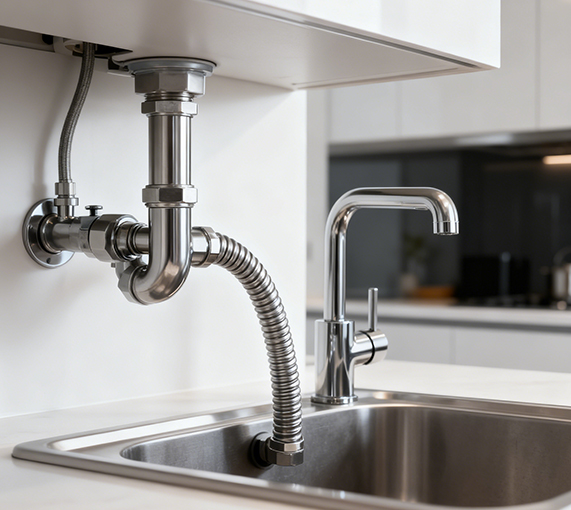
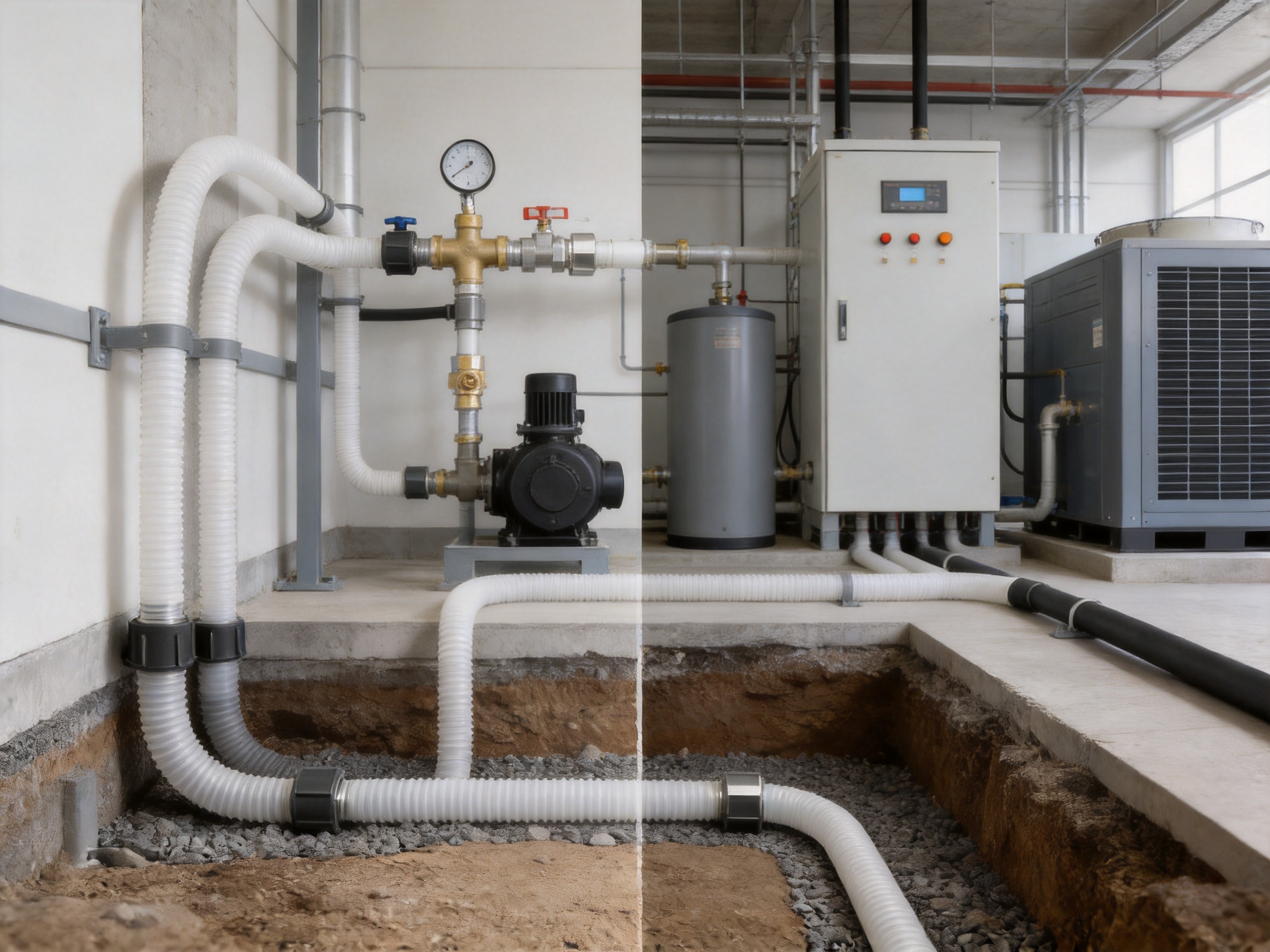
In plumbing systems, flexible polyethylene pipe can be used for water distribution routes, equipment connections, concealed piping, and sections that require a curved installation path. Its smooth inner surface supports efficient water movement, while its low weight can simplify work in buildings and service spaces.
Flexible routing can be useful in renovation projects where existing walls, floors, and structural features limit access. Instead of opening large areas to install multiple rigid fittings, an installer may be able to guide a flexible pipe through a more direct route, subject to local code and product approval.
Water Liners and Inner-Pipe Assemblies
As an inner liner or inner pipe, PE/PE corrugated plumbing pipe can provide a protected fluid passage inside a larger assembly. This arrangement may be used where the outer structure provides support, protection, insulation, or connection hardware while the polyethylene liner provides the internal flow path.
The liner must be compatible with the outer assembly and must be installed so that it does not twist, collapse, or pull away from its connection points. The design should also account for thermal expansion, movement, pressure pulses, and the possibility of replacement or inspection.
Building Heating and HVAC-Related Systems
Flexible piping can assist with connections around heating equipment, air-handling systems, pumps, valves, and other building-service components. It can absorb a degree of movement and simplify routing where equipment layouts change direction frequently.
For heating applications, the operating temperature and fluid chemistry are critical. Standard polyethylene products may not be suitable for every high-temperature heating circuit. Engineers should confirm the allowable temperature, pressure, oxygen permeation requirements, and compatibility with glycol or other additives before use.
Healthcare and Specialized Facilities
Healthcare buildings and specialized facilities often contain dense mechanical systems with limited installation space. Flexible plumbing components can make it easier to route services around equipment and maintain an organized layout.
In these environments, material cleanliness, disinfection procedures, fluid compatibility, connection integrity, and regulatory approvals are especially important. The pipe should only be used in healthcare-related fluid services when it meets the applicable project and regulatory requirements.
Industrial Equipment and Process Support
Industrial equipment frequently requires flexible connections to accommodate vibration, movement, service access, and modular construction. PE/PE corrugated flexible plumbing pipe may be suitable for compatible low- or moderate-temperature water and utility services where chemical resistance and ease of installation are valued.
Industrial users should evaluate exposure to oils, solvents, elevated temperatures, ultraviolet radiation, mechanical abrasion, and pressure surges. A product suitable for clean water may not be suitable for a process fluid or a harsh outdoor environment without additional protection.
Manufacturing Process and Quality Strengths
Product performance depends not only on the selected polymer but also on the consistency of the manufacturing process. Wall thickness, corrugation geometry, layer bonding, surface finish, dimensional accuracy, and connection quality must be controlled throughout production.
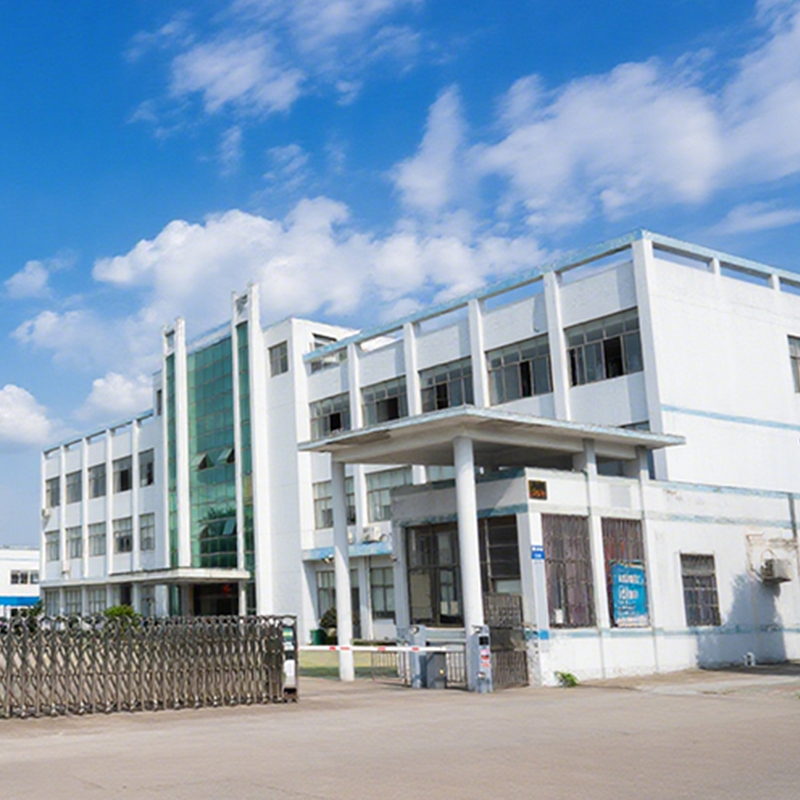
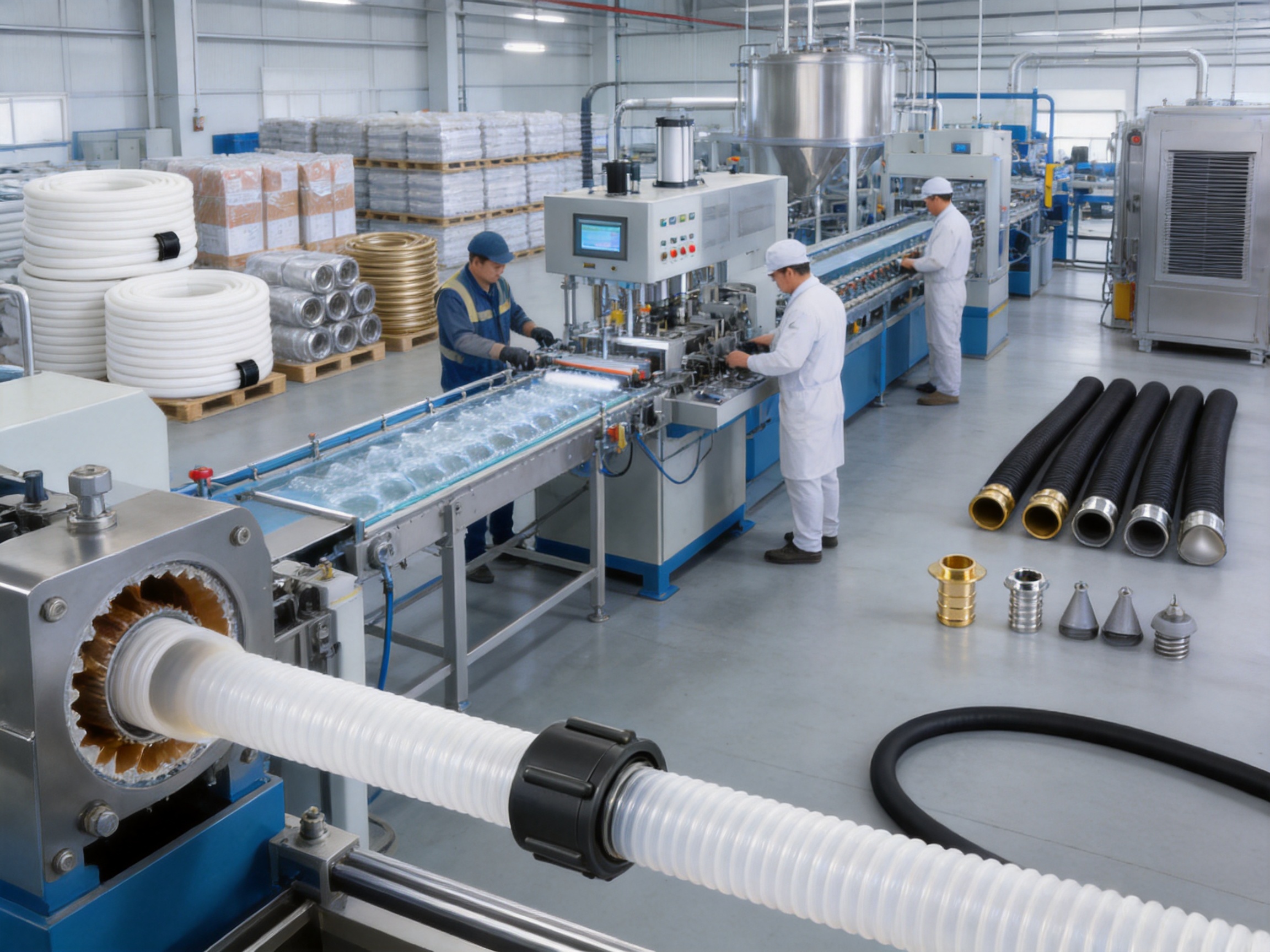
Haoyin (Ningbo) Bellows Technology Co., Ltd. operates standardized workshops covering approximately 18,000 square meters on a site of about 35 mu. The company combines product research and development, structural design, manufacturing, performance testing, packaging, and after-sales support within a full-process quality management approach.
Material Selection and Preparation
Consistent material selection is the foundation of reliable polyethylene pipe production. Resin grade, melt characteristics, colorant, stabilizer package, and any approved additives must be controlled according to the intended application. Incoming material inspection can help verify identification, appearance, and basic processing suitability before production begins.
Proper storage is also important. Polyethylene materials should be protected from contamination, moisture-related processing issues, excessive heat, and unintended mixing. Traceability from incoming materials to finished products supports more effective quality investigation and production control.
Extrusion and Layer Formation
Polyethylene pipe is commonly formed through extrusion. In this process, the polymer is heated, homogenized, and pushed through a die to create the required tubular shape. For a PE/PE construction, the production process must maintain consistent layer formation and bonding while controlling the dimensions of the inner and outer surfaces.
Temperature, pressure, extrusion speed, cooling conditions, and material flow must be balanced carefully. Excessive variation can affect wall thickness, surface quality, flexibility, or long-term performance. Automated or closely monitored process controls can improve repeatability from one production run to another.
Corrugation Forming
The corrugation process creates the external ring profile that gives the pipe its flexibility and ring stiffness. The pitch, depth, radius, and consistency of the corrugations influence bending behavior and resistance to external loads.
A well-controlled corrugation process helps prevent thin areas, irregular waves, local flattening, or excessive residual stress. The finished pipe should retain a stable profile after cooling and should not show defects that could interfere with installation or sealing.
Cooling and Dimensional Stabilization
After forming, the pipe must be cooled in a controlled manner. Cooling affects dimensional stability, surface quality, and the final shape of the corrugations. Uneven cooling can produce ovality, distortion, or variation in the internal flow passage.
Dimensional checks may include outside diameter, inside diameter, wall thickness, corrugation dimensions, length, and ovality. The appropriate inspection frequency depends on the production plan and product specifications. Consistent monitoring helps identify process drift before large quantities of product are affected.
Cutting, End Preparation, and Packaging
Finished pipe may be supplied in coils or straight lengths depending on its size, application, and customer requirements. Cutting must preserve clean, square ends for reliable connection. End preparation should avoid crushing, cracking, contamination, or deformation.
Packaging systems protect the product during handling, transportation, and storage. Haoyin uses automatic packaging systems as part of its manufacturing capabilities. Effective packaging can reduce damage, improve order identification, and support more efficient warehouse management.
Testing and Quality Management
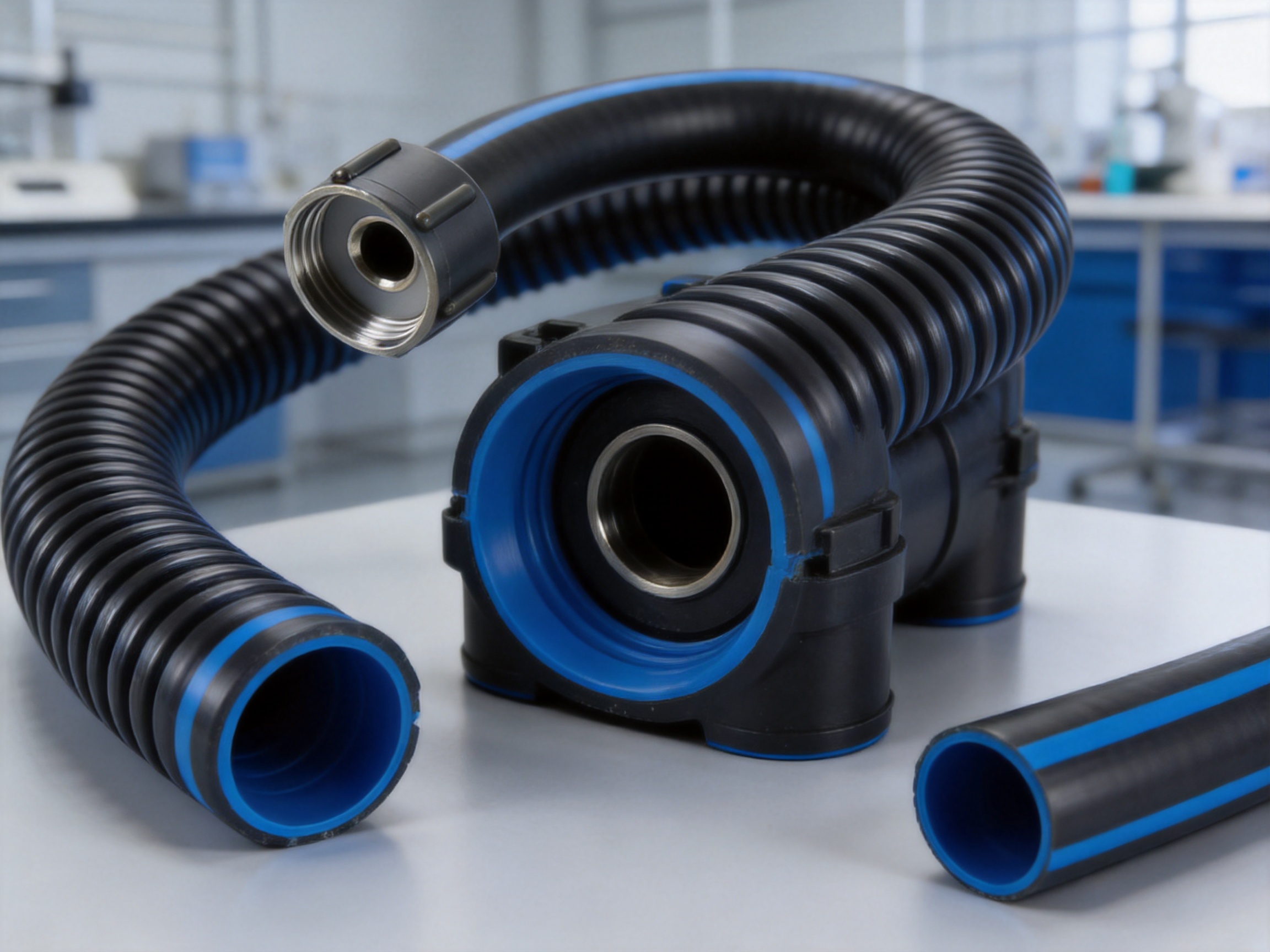
A reliable flexible plumbing pipe requires more than visual inspection. Quality control should cover raw materials, in-process dimensions, finished appearance, mechanical behavior, sealing performance, and application-specific requirements.
Dimensional Inspection
Dimensional accuracy is important for both flow performance and connection compatibility. Inspection may include inner diameter, outer diameter, wall thickness, corrugation profile, length, and end condition. Consistent dimensions make it easier for installers to match the pipe with fittings and connection assemblies.
Pressure and Leakage Evaluation
Pressure testing can help verify the integrity of the pipe and its connections. Depending on the product design, testing may evaluate hydrostatic pressure resistance, short-term pressure performance, leakage, or pressure cycling.
Testing should reflect the intended service conditions. A pipe may pass a short-term pressure test but still require additional evaluation for long-term pressure, temperature effects, surge, or repeated movement. Installation assemblies should be tested as complete systems whenever possible because fittings and seals can influence actual performance.
Flexibility and Bending Evaluation
Because flexibility is a core advantage of the product, bending performance should be considered during product development and quality verification. Testing may examine the minimum recommended bending radius, resistance to repeated bending, recovery after bending, and the effect of bending on internal flow area.
Installers should never assume that a flexible pipe can be bent without limitation. Exceeding the recommended radius can cause localized flattening, stress concentration, or connection movement. Proper routing practices protect both the pipe and the attached equipment.
Ring Stiffness and External Load Testing
Ring stiffness indicates how well a corrugated pipe resists external deformation. Testing may involve controlled compression or load application to assess the pipe's response under specified conditions.
Actual field performance depends on support spacing, soil conditions, bedding, backfill, surrounding structures, temperature, and installation quality. Laboratory ring stiffness results should therefore be interpreted together with the installation environment.
Material and Chemical Verification
Material verification helps ensure that the selected polyethylene is consistent with the intended application. Depending on the project, testing may examine density, melt flow behavior, tensile properties, elongation, impact response, thermal behavior, or chemical compatibility.
For specialized fluid services, the project team should request appropriate technical data and confirmation from the manufacturer. This is particularly important where the pipe will contact disinfectants, glycol solutions, process chemicals, oils, or unusual fluids.
Management System Certifications
Haoyin has obtained ISO9001, ISO14001, ISO45001, and other management system certifications. ISO9001 relates to quality management, ISO14001 to environmental management, and ISO45001 to occupational health and safety management. These systems support organized procedures for production control, documentation, environmental responsibility, and workplace safety.
Management system certification does not automatically mean that every product is approved for every application. Customers should still review product-specific standards, test reports, certificates, drawings, and declarations relevant to their project.
Advanced Equipment and Technical Capabilities
Manufacturing consistency is supported by appropriate equipment and skilled personnel. Haoyin's facilities include laser welding machines, CNC forming machines, COSMO equipment, eddy current flaw detectors, and automatic packaging systems. These capabilities are particularly relevant to a company that produces flexible connectors, bellows, metal hoses, compensators, and related piping products.
Laser Welding Technology
Laser welding can provide precise, concentrated heat input and controlled weld geometry. It is useful for producing accurate metal components and connection assemblies where repeatability and clean welds are important. Although PE/PE corrugated pipe itself is polymer-based, the broader equipment capability supports the manufacture of compatible metal fittings, connectors, assemblies, and other flexible piping products.
CNC Forming Equipment
CNC forming machines provide controlled shaping of components according to programmed parameters. Repeatable forming is valuable for bellows, metal hoses, compensators, and connection parts that must maintain consistent dimensions and mechanical behavior.
For customers purchasing complete flexible piping assemblies, this integrated metal-forming capability can help improve coordination between the flexible pipe, connector, support, and sealing components.
Eddy Current Flaw Detection
Eddy current flaw detection is a non-destructive inspection technique commonly used for conductive metal components. It can identify certain surface or near-surface discontinuities without damaging the inspected part. This capability supports quality assurance for metal hose components, bellows, welded assemblies, and related products.
Integrated Product Development
A manufacturer with experience in both polymer-based plumbing products and metal flexible connection technology can evaluate the complete assembly rather than treating the pipe as an isolated component. This integrated perspective is useful when a project requires flexible liners, metal connectors, compensators, protective sleeves, or customized interfaces.
Haoyin's professional R&D team supports research, design, manufacturing, testing, and product improvement. Such a structure can help customers address application-specific requirements, including dimensional adaptation, connection design, packaging, and installation conditions.
Installation Guidance
Correct installation is essential to obtain the intended performance of PE/PE corrugated flexible plumbing pipe. The following principles provide general guidance, but the manufacturer's instructions, local plumbing codes, and project specifications take priority.
Inspecting the Product Before Installation
Before installation, inspect the pipe for cuts, punctures, deep scratches, crushed sections, excessive ovality, contamination, or damaged ends. Any product with visible damage should be isolated and evaluated before use.
Check the product identification, size, length, pressure rating, and intended service. Confirm that the pipe is compatible with the fluid and operating temperature. Do not install a product simply because its dimensions appear suitable.
Planning the Route
Plan the route before cutting the pipe. Use the natural flexibility of the corrugated structure to create smooth bends rather than forcing abrupt changes in direction. Avoid unnecessary crossings, contact with sharp edges, and areas exposed to uncontrolled mechanical abrasion.
Allow sufficient length for connection, thermal movement, maintenance, and equipment vibration. Avoid installing the pipe under permanent tension. A flexible pipe should not be used to pull two misaligned components together unless the product is specifically designed for that function.
Respecting the Bending Radius
Every flexible pipe has a minimum recommended bending radius. Bending below this limit can reduce the internal flow area, damage the wall, or transfer excessive force to the fittings. The bending radius may vary with pipe size, temperature, pressure, and whether the pipe is being bent during installation or held in a permanent position.
Use gradual curves and provide support where needed. Do not use sharp tools, clamps, or temporary restraints that could cut into the corrugations. If a route requires a sharper turn than the product allows, use an appropriate fitting or redesign the route.
Making Connections
Connection methods depend on the pipe design and may include mechanical fittings, compression fittings, specialized liner connections, clamps, or other approved systems. The pipe end should be cut cleanly and inserted to the required depth. Sealing surfaces must be clean and free from dirt, oil, burrs, or deformation.
Do not substitute unapproved fittings or sealants. A fitting designed for a smooth-wall pipe may not properly engage with a corrugated exterior. Similarly, excessive tightening can damage the pipe or deform the sealing area, while insufficient tightening can cause leakage or pullout.
Supporting and Protecting the Pipe
Support spacing depends on pipe size, temperature, orientation, fluid weight, and installation conditions. Horizontal runs may require more support than short vertical connections. Supports should distribute load without creating sharp pressure points.
Where the pipe passes through walls, floors, frames, or equipment panels, use suitable sleeves or protective devices. Protect the pipe from direct contact with rough concrete, sharp metal edges, hot surfaces, solvents, and ultraviolet exposure when the product is not rated for prolonged outdoor exposure.
Testing the Completed System
After installation, inspect all connections and perform the required pressure or leakage test. Test conditions should follow the product instructions and applicable regulations. If a leak is discovered, depressurize the system before attempting repair.
Do not attempt to repair serious damage by wrapping the pipe with tape or applying an unapproved coating. Replace damaged sections using compatible components and approved connection methods.
Service Life and Maintenance Considerations
Polyethylene pipe can provide a long service life when it is correctly selected, installed, and operated. Long-term performance depends on pressure, temperature, chemical exposure, ultraviolet radiation, mechanical loading, movement, and installation quality.
Temperature Management
Temperature influences the strength, flexibility, pressure capacity, and dimensional behavior of polyethylene. As temperature increases, the allowable pressure may decrease. Thermal expansion and contraction may also cause movement in long runs or restrained assemblies.
Designers should use temperature-adjusted pressure data where applicable. The pipe should not be placed near boilers, steam lines, exhaust systems, or other hot surfaces unless suitable protection and product approval are available.
Ultraviolet and Outdoor Exposure
Extended exposure to direct sunlight can affect some polyethylene products if they are not adequately stabilized or protected. For outdoor installation, confirm whether the pipe is suitable for ultraviolet exposure. Protective conduit, insulation, shielding, or burial may be required.
Preventing Abrasion and Mechanical Damage
Flexibility does not make the pipe immune to abrasion. Repeated rubbing against a support, vibrating machine, sharp edge, or rough surface can gradually damage the outer wall. Inspect vulnerable areas during commissioning and scheduled maintenance.
Periodic Inspection
Accessible installations should be checked for leakage, unusual deformation, discoloration, movement, loose fittings, and contact with damaging substances. Buried or concealed installations should be documented carefully so that future maintenance teams understand the route and connection locations.
Why Manufacturer Capability Matters
Customers often compare plumbing pipes primarily by material and price. However, manufacturing capability can have a major influence on real-world performance. A pipe with an attractive material description may still perform poorly if its wall thickness varies, corrugations are inconsistent, end dimensions are inaccurate, or connections are not properly matched.
A manufacturer with an established R&D function, standardized production environment, inspection equipment, and documented management systems is better positioned to control these variables. It can also provide more effective technical support when customers need help with selection, installation, or custom configuration.
Haoyin's focus on stainless steel bellows and flexible connection solutions complements its plumbing and water-liner products. The company serves gas, plumbing, heating, healthcare, building heating, industrial HVAC, and related fields. This cross-application experience helps it understand the practical requirements of flexible systems, including movement, sealing, vibration, pressure, routing, and connection reliability.
The company's stated quality philosophy, “Striving for Excellence, Forging Quality,” is reflected in its emphasis on raw material selection, structural design, manufacturing, performance testing, packaging, and after-sales service. A full-process approach is valuable because quality cannot be created by final inspection alone. It must be built into design, process control, equipment maintenance, worker training, and documentation.
Customization and Project Support
Different projects may require different pipe lengths, diameters, connection arrangements, packaging methods, or installation configurations. A flexible plumbing pipe manufacturer should be able to discuss the operating conditions before recommending a product.
Important project information includes the transported medium, nominal and peak pressure, operating and ambient temperature, required flow rate, installation environment, bending requirements, exposure to chemicals or sunlight, connection type, expected movement, and applicable standards.
Customers may also need product drawings, dimensional tolerances, material information, test data, packaging details, inspection records, or samples. Early communication can prevent the common problem of selecting a pipe based only on nominal size while overlooking temperature, pressure, or fitting compatibility.
For larger projects, production scheduling and traceability may be important. A structured manufacturer can coordinate material procurement, production batches, inspection, packaging, and delivery documentation. This supports more predictable project execution and helps customers manage quality records.
Environmental and Safety Benefits
PE/PE corrugated flexible plumbing pipe offers several environmental and workplace advantages. Its low weight can reduce transportation energy and manual handling demands. Its corrosion resistance may extend service life and reduce replacement frequency. Efficient installation can also reduce waste from cutting, fitting, and coating operations.
Polyethylene processing should still be managed responsibly. Production facilities need appropriate controls for energy use, scrap recovery, emissions, waste handling, and worker safety. Haoyin's ISO14001 and ISO45001 certifications indicate the presence of formal environmental and occupational health and safety management systems.
Environmental claims should be evaluated in relation to the complete life cycle. Product durability, repairability, recyclability, packaging, transportation, and end-of-life handling all influence the overall environmental profile.
Selection Checklist for Buyers and Engineers
Before purchasing PE/PE corrugated flexible plumbing pipe, buyers should confirm the following points:
1. Confirm the fluid to be transported and review chemical compatibility.
2. Confirm the normal pressure, maximum pressure, pressure surges, and test pressure.
3. Confirm the normal, minimum, and maximum operating temperatures.
4. Select the correct nominal diameter based on flow requirements and pressure loss.
5. Check the minimum bending radius and expected movement.
6. Review ring stiffness and external load requirements.
7. Confirm whether the pipe will be buried, concealed, exposed, supported, or placed inside an outer assembly.
8. Select compatible fittings and sealing components.
9. Confirm resistance to ultraviolet radiation, abrasion, solvents, and nearby heat sources.
10. Request relevant product drawings, test reports, certifications, and installation instructions.
11. Establish inspection, packaging, labeling, and traceability requirements for the order.
12. Confirm compliance with applicable national, regional, project, and industry standards.
Frequently Asked Questions
What is PE/PE corrugated flexible plumbing pipe?
It is a polyethylene-based flexible pipe with a corrugated exterior structure. The corrugations improve bending flexibility and external load resistance, while the inner passage is designed to remain smooth or comparatively smooth for efficient fluid flow.
What are the main benefits of this pipe?
The main benefits include good chemical stability, corrosion resistance, high toughness, low weight, easy processing, flexible routing, ring stiffness, resistance to external pressure, smooth inner-wall performance, easy installation, and long service potential when properly selected and installed.
Is it suitable for drinking water?
It may be suitable for drinking-water service only when the specific product, raw materials, fittings, and manufacturing process comply with the relevant potable-water requirements. Customers should request product-specific approval or certification rather than relying on the general term “polyethylene.”
Can it replace metal pipe in every application?
No. PE/PE corrugated flexible plumbing pipe is advantageous in many low- and moderate-temperature plumbing and utility applications, but metal may be more appropriate for very high temperatures, extreme pressures, fire-exposed locations, or services requiring high structural rigidity. Application conditions must determine the selection.
Does a corrugated exterior reduce flow performance?
The exterior corrugation does not automatically reduce flow performance. The internal wall is designed to provide a smooth or comparatively smooth flow path. However, fittings, bends, incorrect installation, reduced internal diameter, and contamination can still increase pressure loss.
How should the pipe be bent?
The pipe should be bent gradually and within the manufacturer's recommended minimum bending radius. Sharp kinks, crushing, twisting, and forced alignment should be avoided. If the route requires a tighter turn, use a suitable fitting or revise the layout.
How are the ends connected?
Connection methods depend on the pipe and assembly design. Approved mechanical fittings, compression fittings, clamps, liner connections, or other specified systems may be used. The end must be clean, square, undamaged, and inserted to the required depth.
Can it be buried underground?
It may be used in underground installations when the product's ring stiffness, pressure capability, temperature range, and installation instructions are suitable. Bedding, backfill, external loads, traffic loading, groundwater, and local regulations must be considered.
How long will the pipe last?
Service life depends on temperature, pressure, fluid chemistry, ultraviolet exposure, mechanical loading, installation quality, and maintenance. A general service-life statement should not replace product-specific design data and an assessment of actual operating conditions.
What quality systems support production?
Haoyin has obtained ISO9001, ISO14001, ISO45001, and other management system certifications. The company also uses specialized equipment and a full-process quality approach covering material selection, design, manufacturing, testing, packaging, and after-sales support.
What information should be provided when requesting a quotation?
Provide the required size, length, fluid, pressure, temperature, flow rate, installation environment, bending requirements, connection type, standards, packaging needs, delivery schedule, and any required certifications or inspection documentation.
Conclusion
PE/PE corrugated flexible plumbing pipe provides a practical solution for plumbing, water-liner, equipment connection, heating, and compatible utility applications. Its polyethylene construction combines chemical stability, corrosion resistance, electrical insulation, toughness, low cost, and low weight. The corrugated exterior improves flexibility and ring stiffness, while the smooth inner wall supports efficient flow and straightforward system design.
Compared with rigid metal pipe, the product can reduce weight, corrosion concerns, and installation complexity. Compared with smooth rigid plastic pipe, it can offer more adaptable routing and better performance in confined spaces. Compared with general-purpose flexible hose, its structured profile and intended plumbing application provide more controlled mechanical behavior.
The value of the product is strengthened by manufacturing discipline. Haoyin (Ningbo) Bellows Technology Co., Ltd. combines R&D, standardized workshops, quality management certifications, specialized forming and inspection equipment, automatic packaging, and experience in flexible connection products. This integrated capability supports consistent production and enables the company to develop flexible solutions for different plumbing, heating, HVAC, healthcare, and industrial requirements.
For successful application, product selection must be based on actual service conditions. Pressure, temperature, fluid compatibility, bending radius, external loads, connection design, ultraviolet exposure, and installation practices all require attention. When these factors are properly evaluated, PE/PE corrugated flexible plumbing pipe can provide an efficient, durable, and economical alternative for modern piping systems.
References
1. ISO 9001, Quality Management Systems — Requirements.
2. ISO 14001, Environmental Management Systems — Requirements with Guidance for Use.
3. ISO 45001, Occupational Health and Safety Management Systems — Requirements with Guidance for Use.
4. General technical literature on polyethylene pipe materials, extrusion processing, and corrugated pipe design.
5. General engineering guidance on hydraulic pipe sizing, pressure loss, pipe support, and flexible-pipe installation.
6. Manufacturer-provided product information for PE/PE corrugated flexible plumbing pipe, water liners, metal hoses, bellows, and compensators.
7. Manufacturer-provided information regarding material selection, manufacturing equipment, quality control, testing, packaging, and application support.