




 English
  Español
  русский


Flexible plumbing systems depend on more than the quality of the hose, liner, or corrugated tube itself. Every connection point must transfer pressure, maintain alignment, resist corrosion, and remain secure during years of operation. The stainless steel nut used with a flexible plumbing connector is therefore a small but essential component. Its dimensions, material quality, thread accuracy, surface condition, and compatibility with the connector assembly all influence the reliability of the complete piping system.
A well-designed stainless steel nut helps create a dependable connection between a flexible plumbing pipe, water liner, valve, fitting, or fixed piping interface. It supports tightening torque, keeps the sealing components correctly positioned, and reduces the risk of loosening caused by vibration, pressure fluctuations, thermal cycling, or installation movement. In applications involving drinking water, heating systems, healthcare facilities, food processing, and industrial HVAC, the nut must also meet demanding requirements for hygiene, durability, and environmental resistance.
The flexible plumbing connector stainless steel nut described in this article is intended for connection systems where long service life, corrosion resistance, mechanical strength, and stable performance are important. Its stainless steel construction offers advantages over ordinary carbon steel, low-grade plated fasteners, and unsuitable nonmetallic alternatives. When manufactured with accurate forming, controlled threading, careful inspection, and appropriate surface treatment, the nut can become an important part of a safe and efficient flexible connection solution.
1. The Role of a Stainless Steel Nut in a Flexible Plumbing Connector
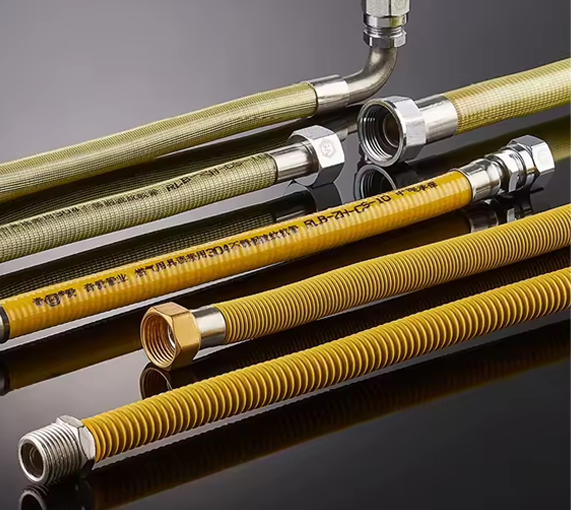
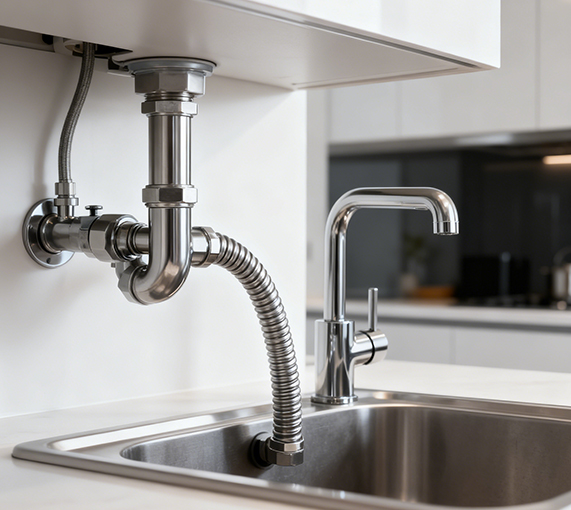
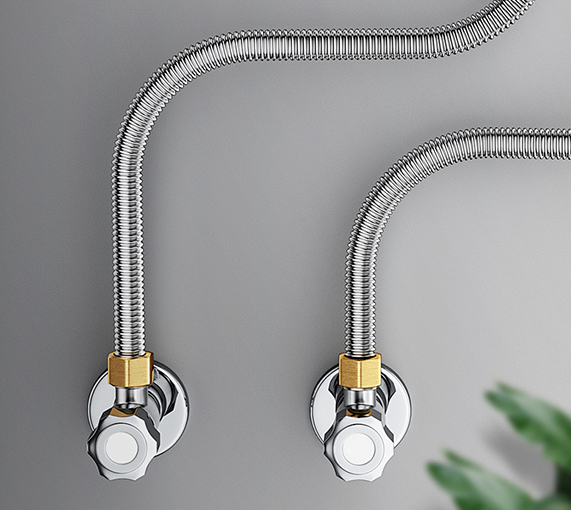
A flexible plumbing connector is designed to accommodate movement, vibration, installation tolerances, and changes in the position of connected equipment. It may be used to connect water supply lines, plumbing fixtures, heating equipment, sanitary systems, pumps, boilers, water heaters, or industrial piping. The flexible section absorbs movement, while the end fittings create a connection to the surrounding system.
The stainless steel nut is normally installed at the fitting or connection end. Depending on the structure, it may engage with a male thread, compress a sealing element, secure a hose end, or hold a connector assembly against a mating surface. The nut must apply the correct clamping force without damaging the thread or deforming the fitting.
Although a nut is a relatively small component, it performs several functions at the same time. It provides mechanical retention, transfers torque, maintains the position of the connector, and supports the sealing system. It may also be exposed to water, condensation, cleaning chemicals, salt, outdoor humidity, temperature changes, and contact with dissimilar metals. These conditions make material selection and manufacturing accuracy especially important.
In a flexible system, the nut may also experience repeated minor movement. A rigid pipe connection typically remains in a fixed position, but a flexible connector can undergo small changes caused by equipment vibration, water hammer, thermal expansion, building movement, or maintenance activity. A poorly made nut may loosen, gall, crack, strip, or corrode under these conditions. A properly manufactured stainless steel nut is designed to provide a more stable connection throughout the service life of the assembly.
2. Why Stainless Steel Is Preferred for Plumbing Connector Nuts
Stainless steel is widely selected for plumbing connector nuts because it combines corrosion resistance, strength, durability, and cleanliness. Unlike ordinary carbon steel, stainless steel forms a protective passive layer on its surface. This layer helps reduce the rate of corrosion when the material is exposed to moisture and many common atmospheric or chemical conditions.
The corrosion resistance of stainless steel is valuable in residential, commercial, industrial, and outdoor plumbing systems. Water, humid air, condensation, cleaning agents, weak acids, alkaline substances, salts, and other media can gradually damage ordinary metal fasteners. Corrosion may reduce the thread profile, weaken the nut, stain adjacent components, and make future maintenance difficult. Stainless steel significantly reduces these risks when the selected grade is appropriate for the environment.
Stainless steel also provides a favorable strength-to-size relationship. A compact nut can withstand tightening torque and service loads without excessive deformation. High hardness and mechanical strength help protect the internal thread from stripping during installation. They also help the nut maintain its shape when the connection is exposed to pressure changes, vibration, or repeated maintenance.
Another important advantage is temperature stability. Plumbing and heating systems may operate in cold environments, warm water conditions, or elevated-temperature applications. Stainless steel maintains useful mechanical properties across a broad temperature range. It does not melt under normal plumbing service conditions, and it is less likely than some plastics to become brittle in low temperatures or soften under heat.
Stainless steel is also suitable for applications where cleanliness is essential. Its relatively smooth surface is easy to clean and sanitize. It does not readily absorb contaminants, and it can be used in systems where hygiene is a primary consideration, provided that the complete assembly, material grade, and applicable compliance requirements are properly evaluated.
2.1 Corrosion Resistance
Corrosion resistance is one of the most visible differences between stainless steel nuts and conventional plated steel nuts. Plated fasteners depend heavily on the integrity of their coating. If the coating is scratched, worn, or damaged during installation, the underlying metal may become exposed. Stainless steel, by contrast, obtains much of its corrosion resistance from the composition of the material itself.
This does not mean that every stainless steel grade performs identically in every environment. Chloride-rich atmospheres, marine conditions, strong chemicals, and high-temperature moisture may require a more suitable grade or additional design precautions. Nevertheless, stainless steel generally offers a stronger long-term foundation than ordinary unprotected steel and many low-cost plated alternatives.
2.2 Mechanical Strength
A connector nut must resist the torque applied by an installer. It must also withstand the load created when the connector is pressurized or when external movement is transferred into the fitting. High-strength stainless steel helps prevent thread deformation, cracking, and permanent distortion.
Mechanical strength is especially important when the nut is installed in a confined location. Installers may need to use a wrench or other tool to achieve the required tightening force. If the nut has poor dimensional accuracy or insufficient hardness, the corners may round off, the internal thread may deform, or the nut may become difficult to remove during maintenance.
2.3 Temperature Resistance
Flexible plumbing connectors may be used with cold water, hot water, heating circuits, or equipment that produces temperature fluctuations. Stainless steel remains stable in conditions where many polymeric materials may lose stiffness or where low-grade metals may experience accelerated corrosion.
Temperature resistance also supports long-term reliability. Repeated heating and cooling can cause expansion and contraction of the connected components. A stable stainless steel nut helps maintain the mechanical integrity of the connection during these cycles. The connector design must still account for the thermal expansion of the entire assembly, but the nut itself should not become a weak point.
2.4 Hygienic and Non-Toxic Characteristics
Stainless steel is widely used in food-processing equipment, medical equipment, laboratory systems, commercial kitchens, and clean water installations. Its cleanable surface and resistance to many cleaning procedures make it suitable for environments where contamination control is important.
For drinking water or medical applications, the complete product must meet the relevant local requirements. Material selection, lubricants, surface treatments, sealing materials, production cleanliness, and packaging can all influence compliance. A stainless steel nut provides an appropriate material base, but responsible product selection requires reviewing the full assembly rather than evaluating the nut in isolation.
2.5 Recyclability and Sustainability
Stainless steel is a recyclable engineering material. At the end of its service life, it can be recovered and reused in new metal products. This supports resource efficiency and reduces the need for continuous consumption of virgin raw materials.
Long service life is another sustainability advantage. A durable nut that remains functional for many years reduces replacement frequency, maintenance waste, transportation requirements, and the risk of premature failure. In a complete plumbing system, reliable components can also help prevent leaks and the associated waste of water, energy, and building materials.
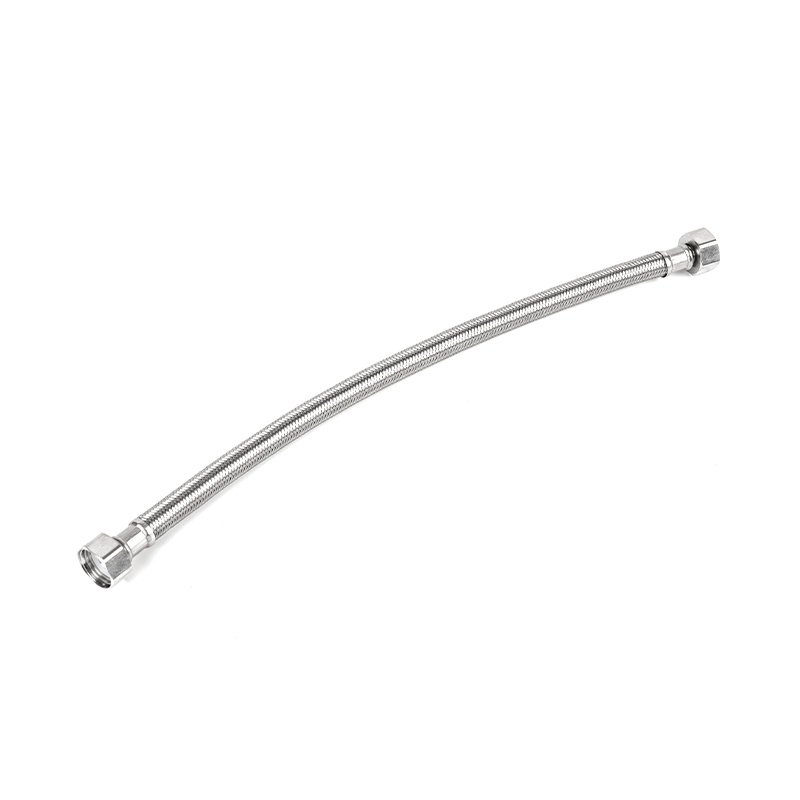
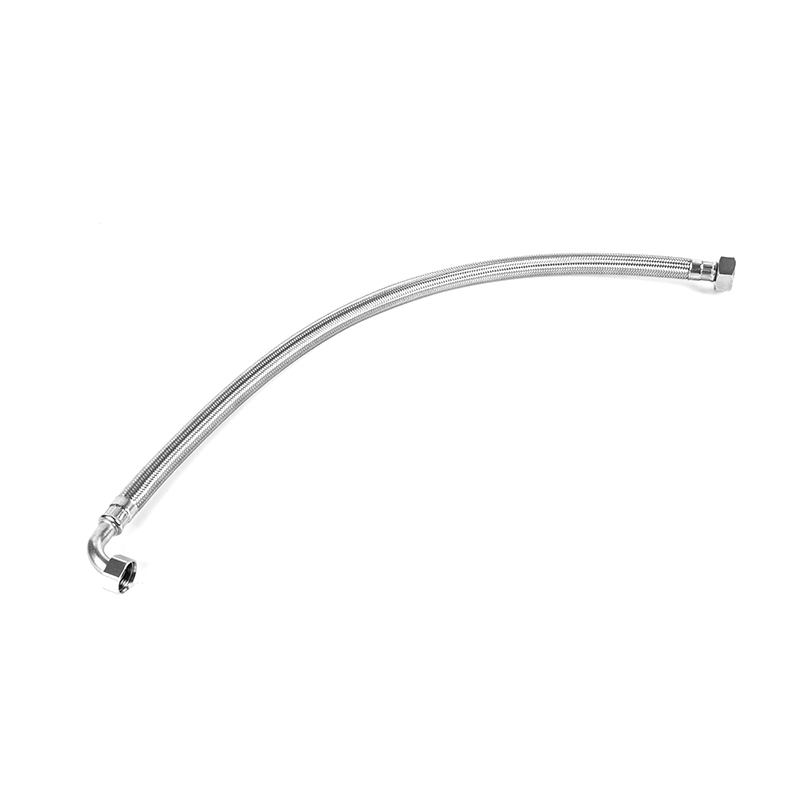
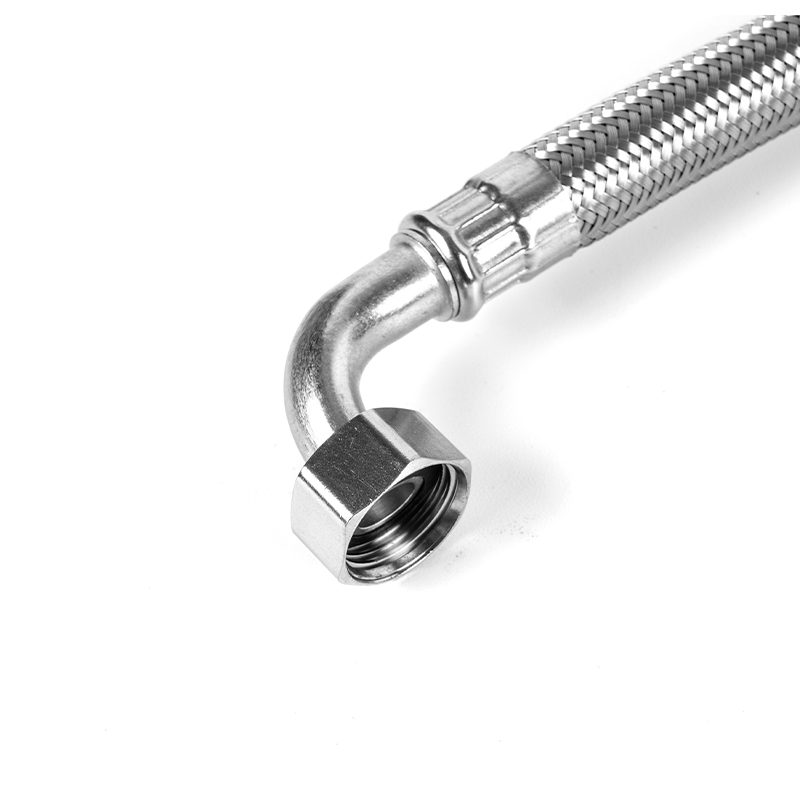
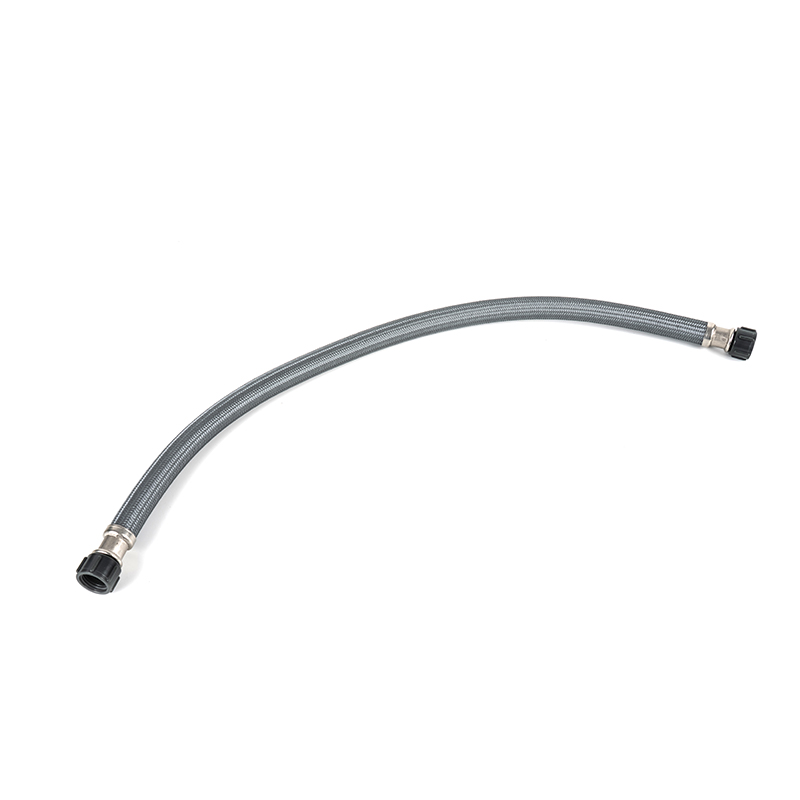
Flexible Plumbing Connector Stainless Steel Nut
3. Product Design Features
The stainless steel nut for flexible plumbing connectors is designed around the practical requirements of connection assembly. Its shape must provide sufficient wrench engagement, its internal thread must mate accurately with the corresponding fitting, and its geometry must support the sealing method used by the connector.
Depending on the product configuration, the nut may be produced in different nominal sizes, thread forms, outside diameters, lengths, and surface finishes. The correct selection depends on the connector body, mating fitting, pressure rating, application temperature, installation method, and applicable regional standards.
3.1 Accurate Internal Thread
The internal thread is one of the most important features of the nut. A thread that is too loose may produce movement, leakage, or inadequate clamping force. A thread that is too tight may cause installation difficulty, galling, or damage to the mating fitting. Accurate thread production helps the nut engage smoothly while maintaining a secure connection.
Thread accuracy also improves interchangeability. In professional plumbing work, installers often need to connect components from different production batches or replace a connector during maintenance. Consistent thread dimensions reduce installation delays and help ensure that replacement components fit as expected.
3.2 Strong Wrenching Geometry
The external shape of the nut must provide a reliable surface for a wrench or installation tool. Clearly formed flats reduce the chance of slipping and help the installer apply controlled torque. Adequate corner strength also reduces the risk of rounding or deformation.
Good wrenching geometry is particularly important when the nut is installed near a wall, cabinet, appliance, or other restricted area. A predictable external profile allows the installer to work efficiently while reducing the possibility of damage to the nut or nearby components.
3.3 Compatibility with Sealing Systems
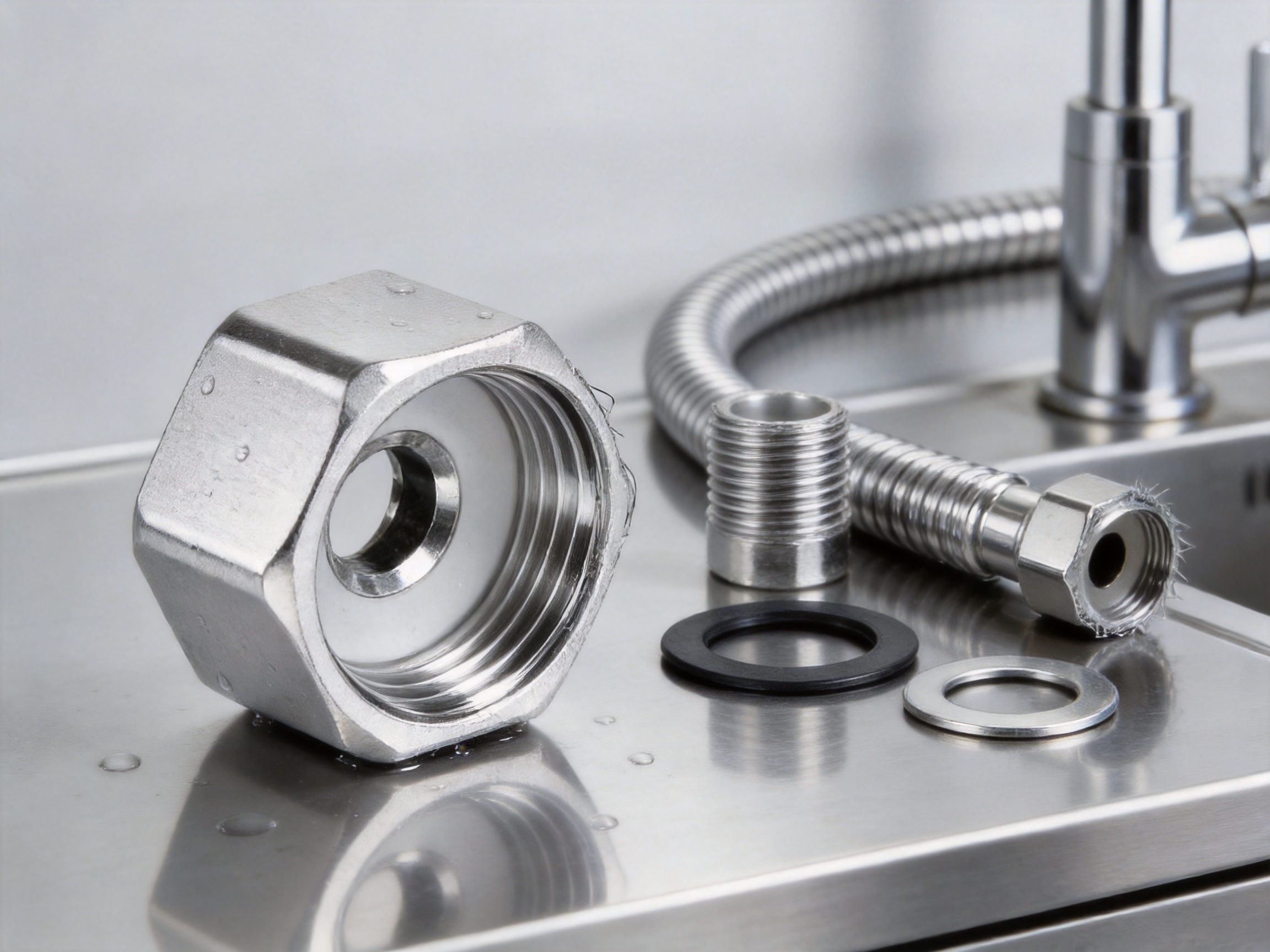
A nut may be used with a gasket, O-ring, washer, compression element, or other sealing component. The nut itself is not always the primary sealing surface, but its position and clamping force influence the performance of the seal. If the nut is too short, too deep, or dimensionally inconsistent, the sealing element may not be compressed correctly.
For this reason, the nut should be evaluated as part of a complete connector assembly. The fitting, hose, liner, gasket, washer, and nut must be dimensionally compatible. Proper assembly instructions should identify the correct tightening method and should avoid excessive torque, which may damage the sealing component or distort the connector.
3.4 Smooth and Controlled Surface Finish
A controlled surface finish improves appearance, cleanability, and resistance to contamination. It may also reduce the likelihood of sharp edges that could damage a hose, gasket, installer’s gloves, or nearby equipment.
The required finish depends on the application. A general plumbing installation may require a clean, corrosion-resistant finish, while a food or healthcare application may require more stringent surface control and cleaning procedures. Consistency is important because uneven finishing can create areas where moisture, dirt, or chemical residue remains trapped.
4. Manufacturing Process and Quality Control
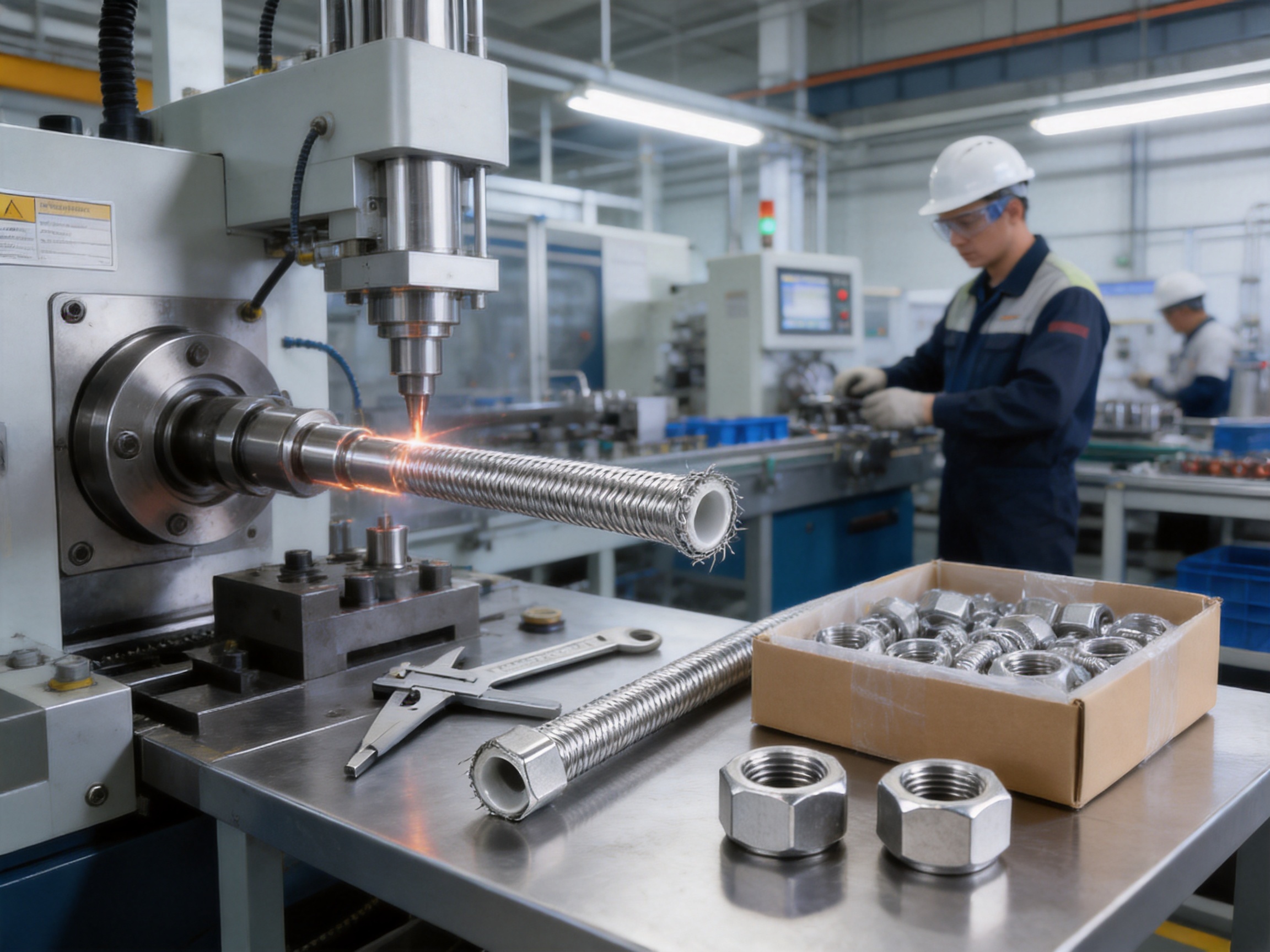
The performance of a stainless steel nut depends heavily on the manufacturing process. Material quality alone cannot compensate for poor forming, inaccurate threading, contamination, or inadequate inspection. A professional manufacturer therefore needs a controlled process from raw material selection through final packaging.
4.1 Raw Material Selection
Production begins with the selection of suitable stainless steel raw material. The grade must be chosen according to the intended environment, required strength, temperature range, corrosion exposure, and application standards. Material documentation and traceability help verify that the correct input material has been used.
Raw material control may include inspection of chemical composition, mechanical properties, dimensions, surface condition, and batch identification. Maintaining traceability allows the manufacturer to investigate quality concerns and supports consistent production across different orders.
4.2 Precision Forming
Stainless steel nuts may be produced through controlled forming, machining, or a combination of processes. Forming can improve production efficiency and create a strong, consistent body. Machining may be used to refine dimensions, create accurate threads, or meet specialized geometry requirements.
Modern manufacturing equipment, including CNC forming machines, supports repeatable production. Computer-controlled equipment can maintain critical dimensions and reduce variation between individual components. Stable tooling and scheduled tool maintenance are also important because worn tools can affect the nut’s shape, thread quality, and surface finish.
4.3 Thread Production
Threading is carried out using methods selected for the material, size, and design of the nut. The process must control pitch, major and minor dimensions, thread depth, concentricity, and surface quality. Thread inspection may be performed with gauges or other measurement tools to confirm that the finished nut mates correctly with the specified fitting.
Thread quality is not determined only by whether the nut can be assembled once. A reliable thread should support repeated installation and removal without severe galling, stripping, or deformation. It should also distribute load consistently across the engaged thread surfaces.
4.4 Laser Welding and Connector Assembly Capability
For manufacturers that produce complete flexible connectors and bellows assemblies, laser welding capability is a significant strength. Laser welding can provide precise, localized heat input and controlled weld geometry. This is valuable when joining thin stainless steel components or producing hygienic assemblies with limited distortion.
Although the nut may be manufactured separately, its performance is connected to the quality of the overall connector. A manufacturer that controls both the nut and the flexible assembly can better manage dimensional compatibility, sealing interfaces, welding quality, and final testing.
4.5 Inspection and Testing
Quality control should cover more than visual inspection. Dimensional checks verify outside diameter, thickness, height, wrench flats, and thread features. Material verification confirms the selected stainless steel grade. Surface inspection identifies burrs, scratches, contamination, or forming defects.
For complete flexible plumbing connectors, pressure testing and leak testing are essential. Other possible evaluations include tensile testing, torque testing, temperature cycling, vibration testing, salt-spray evaluation, and corrosion assessment. The actual test plan should correspond to the product design and intended application.
Eddy current flaw detection can be used in suitable manufacturing processes to identify certain discontinuities in metal components or tubing. This type of non-destructive testing can help detect defects that may not be visible during ordinary inspection. When combined with process records and final quality checks, it supports a more comprehensive quality management system.
4.6 Automatic Packaging
Packaging protects the nut from contamination, moisture, impact, and mixing with components of different sizes. Automatic packaging systems can improve counting accuracy, labeling consistency, and production efficiency. Clear identification helps distributors and installers select the correct product and reduces the likelihood of installation errors.
For hygienic applications, packaging is especially important. Clean components should remain protected between final inspection and installation. Packaging materials and handling methods should be selected to prevent the introduction of dirt, oil, metal particles, or other contaminants.
5. Advantages Over Conventional Competitor Products
When comparing stainless steel connector nuts with competing products, buyers should consider the total cost and performance of the connection rather than only the initial purchase price. A low-cost nut may appear attractive, but premature corrosion, damaged threads, difficult installation, or leakage can create much higher costs during the service life of the system.
5.1 Advantage Over Ordinary Carbon Steel Nuts
Carbon steel nuts may provide adequate strength in dry indoor environments, but plumbing systems are frequently exposed to moisture. Once protective coatings are damaged, carbon steel can rust rapidly. Rust may increase friction, make removal difficult, weaken the thread, and stain surrounding surfaces.
Stainless steel offers a more durable option for wet and humid conditions. It reduces the risk of rust-related maintenance and helps preserve the appearance and function of the connection. This advantage is particularly important in exposed plumbing, outdoor installations, kitchens, bathrooms, utility rooms, and mechanical spaces with condensation.
5.2 Advantage Over Low-Quality Plated Fasteners
Plated fasteners depend on the quality, thickness, and continuity of the coating. Tool marks, installation scratches, poor storage, or chemical exposure can compromise the coating. Stainless steel provides inherent corrosion resistance that is not based solely on an external layer.
In addition, a stainless steel nut maintains a consistent appearance and can be easier to clean. This makes it more suitable for visible installations and environments where sanitation or professional presentation matters.
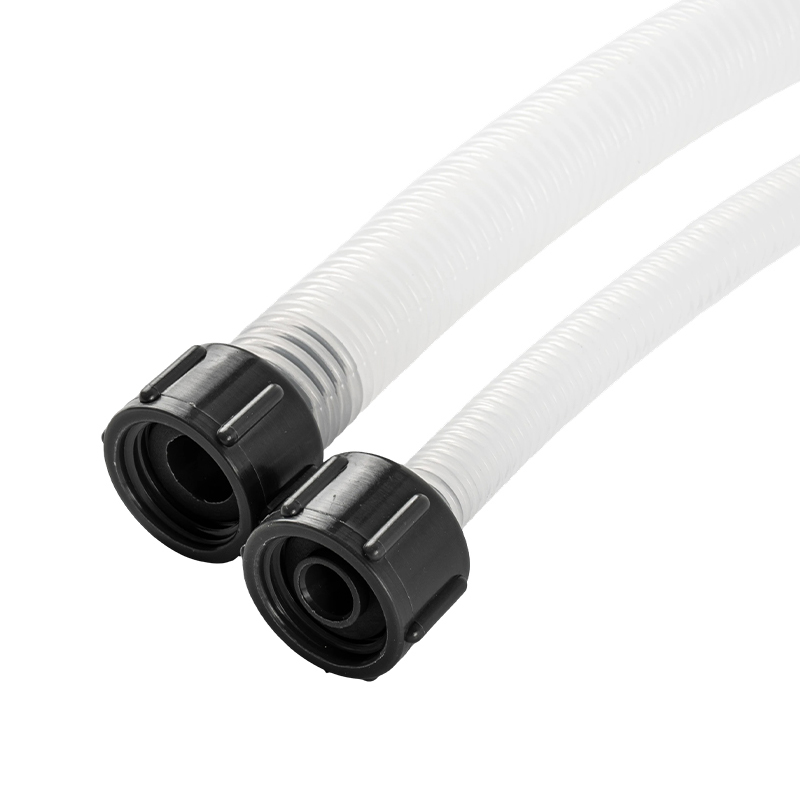
5.3 Advantage Over Plastic Nuts
Plastic nuts can be lightweight and inexpensive, but they may have limitations in torque resistance, temperature stability, impact strength, and long-term dimensional stability. Some plastics can become brittle in cold conditions or soften under heat. Others may creep gradually under continuous load, reducing clamping force.
Stainless steel provides higher mechanical strength and better resistance to deformation. It is therefore more suitable when the connection must withstand repeated tool tightening, vibration, pressure fluctuation, or elevated temperature. Plastic components may still be appropriate for selected applications, but they must be evaluated carefully against the mechanical and environmental requirements.
5.4 Advantage Through Integrated Manufacturing
A manufacturer with expertise in stainless steel bellows, flexible connectors, plumbing pipes, water liners, metal hoses, and compensators can understand the relationship between the nut and the complete connection. This integrated capability may improve product matching, engineering support, quality consistency, and customization.
Instead of treating the nut as an isolated commodity, an integrated manufacturer can evaluate the connector assembly, sealing structure, hose movement, welding points, pressure conditions, and installation requirements together. This approach can help reduce incompatibility problems and improve the reliability of the final system.
5.5 Advantage in Difficult Environments
Stainless steel is a strong choice for environments involving humidity, temperature variation, cleaning, vibration, and outdoor exposure. It is also appropriate for many applications where appearance and hygiene are important. These characteristics create a broad range of uses across construction, plumbing, healthcare, food service, heating, and industrial equipment.
| Evaluation Factor | Stainless Steel Connector Nut | Ordinary Carbon Steel Nut | Plastic Nut |
|---|---|---|---|
| Resistance to water and humidity | High when the suitable grade is selected | Limited without effective coating protection | Generally good, depending on the polymer |
| Mechanical strength | High and suitable for controlled tightening torque | High, but vulnerable to corrosion | Lower than metal in many designs |
| Temperature stability | Strong performance across common plumbing conditions | Generally good, with corrosion considerations | Varies significantly by polymer type |
| Hygienic cleanability | Good with a suitable finish and clean handling | May develop rust and surface contamination | Depends on surface condition and material compliance |
| Resistance to thread stripping | High when properly manufactured and installed | Generally high when corrosion-free | More sensitive to over-tightening |
| Recyclability | Highly recyclable | Recyclable, although corrosion may affect recovery | Depends on polymer type and recycling system |
| Typical service-life potential | Long in suitable environments | Variable and highly environment-dependent | Variable and application-dependent |
6. Applications Across Plumbing and Flexible Piping Systems
The stainless steel nut can support many types of flexible connection systems. The exact application depends on its dimensions, thread specification, material grade, and assembly design.
6.1 Residential Water Connections
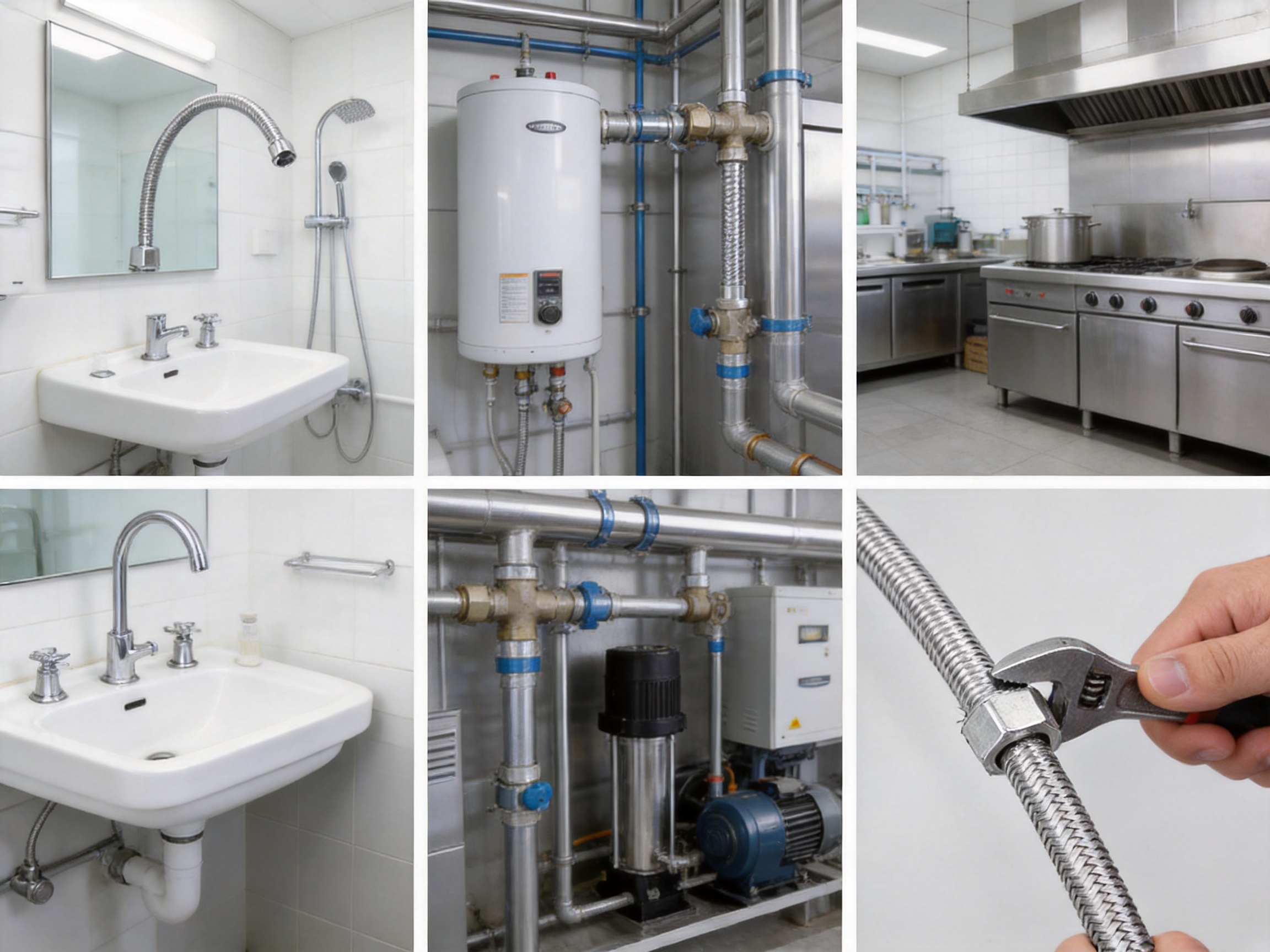
In residential plumbing, flexible connectors are commonly used for faucets, toilets, water heaters, filtration units, dishwashers, washing machines, and other fixtures. These locations may experience repeated maintenance, limited access, moisture, and occasional condensation.
A corrosion-resistant nut helps preserve the connection in bathrooms, kitchens, utility rooms, and other wet areas. Its strong thread and wrenching surfaces support installation while its stainless steel construction helps reduce the risk of rust during the service life of the fixture.
6.2 Commercial Plumbing
Commercial buildings often contain extensive plumbing networks with many connection points. Maintenance teams need components that are identifiable, durable, and easy to service. Stainless steel nuts can be used in water supply systems, sanitary installations, public facilities, hotels, restaurants, offices, and retail buildings.
Because commercial systems may remain in service for long periods and may be difficult to shut down, component reliability is particularly important. A durable nut helps reduce the risk of small connection failures that could interrupt operations or damage interior finishes.
6.3 Heating and Building Services
Heating systems experience thermal cycling and may transmit vibration from pumps, boilers, and other equipment. Flexible connectors help isolate vibration and accommodate movement. The stainless steel nut must remain secure as temperatures rise and fall.
Applications may include building heating, radiator connections, boiler systems, heat-pump equipment, circulation pumps, and industrial HVAC systems. The complete connector should be selected according to pressure, temperature, fluid type, and movement requirements.
6.4 Healthcare and Medical Facilities
Healthcare environments require careful attention to cleanliness, reliability, and maintenance. Stainless steel components are widely used because they can be cleaned, inspected, and maintained more easily than corroded or porous alternatives.
For medical gas, purified water, or specialized healthcare applications, the connector must meet the relevant technical and regulatory requirements. The stainless steel nut may be part of a broader assembly that requires specific cleaning, passivation, packaging, and traceability procedures.
6.5 Food Processing and Catering
Food-processing areas, commercial kitchens, beverage facilities, and catering equipment often combine moisture, cleaning chemicals, temperature variation, and strict hygiene requirements. Stainless steel is well suited to these conditions when the correct grade and surface finish are selected.
The nut should be designed and installed so that it does not create unnecessary dirt traps or sharp edges. It should be kept clean and protected from contamination during storage and assembly. The complete connector should be evaluated for compatibility with the fluids and cleaning procedures used at the site.
6.6 Industrial HVAC and Equipment Connections
Industrial HVAC systems may require flexible connectors to reduce vibration and accommodate equipment movement. Fans, pumps, compressors, air-handling units, heat exchangers, and other machinery can generate continuous mechanical activity.
A high-strength stainless steel nut supports the connection between the flexible element and fixed piping. Its resistance to corrosion and temperature variation can improve performance in mechanical rooms, factories, warehouses, and outdoor equipment areas.
6.7 Outdoor and Harsh Environments
Outdoor installations are exposed to rain, humidity, ultraviolet radiation, temperature changes, airborne contaminants, and sometimes salt. Stainless steel offers an important advantage in these environments, although the exact grade and design must be selected according to the severity of exposure.
Good installation practice remains essential. The nut should not be exposed to unnecessary galvanic interaction with incompatible metals, trapped corrosive residues, or excessive mechanical stress. Correct storage and cleaning can further protect the connection.
7. Selection Guide for Buyers and Engineers
Selecting a stainless steel nut requires more than choosing a nominal size. The nut must match the connector and the system in which it will operate. Buyers should provide complete application information to the manufacturer or supplier.
7.1 Confirm the Thread Specification
Thread form, nominal diameter, pitch, and tolerance must match the mating fitting. Regional plumbing systems may use different thread standards. A nut that appears similar may not be compatible if the thread angle, pitch, or sealing method differs.
Buyers should identify whether the connection uses a parallel thread, tapered thread, metric thread, or another recognized specification. The nut and fitting should be treated as a matched system whenever possible.
7.2 Select the Appropriate Stainless Steel Grade
The material grade should reflect the environment. General indoor water applications may have different requirements from coastal locations, chemical-processing environments, food facilities, or high-temperature systems. The manufacturer should be able to recommend a suitable grade based on fluid composition, temperature, humidity, and exposure conditions.
7.3 Review Pressure and Temperature Requirements
The nut is only one part of the pressure boundary. The flexible hose, liner, bellows, fitting, welding, gasket, and connection design all contribute to the pressure rating. Buyers should review the rated working pressure, test pressure, operating temperature, and any pressure fluctuations expected during service.
Water hammer, pump start-up, thermal expansion, and rapid valve operation can produce temporary loads higher than normal operating conditions. The connector assembly should be selected with these factors in mind.
7.4 Consider Installation Space
The available space affects the required nut profile and installation method. A compact area may require a particular wrench size or a specific connector orientation. The installer should have sufficient access to tighten the nut without damaging the hose or applying side loads to the fitting.
7.5 Evaluate Sealing Components
The gasket, washer, O-ring, or compression component must be compatible with the fluid and temperature. It must also fit the nut and connector dimensions. A high-quality nut cannot compensate for a damaged, incorrectly sized, or chemically incompatible seal.
7.6 Request Quality Documentation
For important projects, buyers may request material certificates, dimensional inspection records, pressure-test records, quality-system information, and product traceability. Documentation requirements should be agreed before production, particularly for healthcare, food, industrial, and large construction projects.
8. Installation and Maintenance Recommendations
Proper installation is essential to achieving the benefits of a stainless steel connector nut. Even a precisely manufactured component can fail if it is cross-threaded, over-tightened, contaminated, or used with an incompatible fitting.
8.1 Inspect Before Installation
Before installation, check the nut, fitting, thread, gasket, and connector for visible damage. Remove dirt, metal chips, packaging residue, and other contaminants. Confirm that the nut size and thread match the mating component.
8.2 Start the Thread by Hand
The nut should be started by hand to confirm proper alignment. If it does not engage smoothly, stop and inspect the thread. Forcing a misaligned nut with a wrench can cross-thread the connection and permanently damage both components.
8.3 Apply Controlled Torque
Use the tightening method recommended for the connector design. Excessive torque can strip the thread, deform the gasket, damage the hose end, or place unnecessary stress on the fitting. Insufficient torque may allow leakage or movement.
When a wrench is used, hold the mating fitting as necessary to avoid transferring twisting force into the flexible hose. The flexible section should not be twisted during installation. A twisted hose may experience premature fatigue or reduced flow performance.
8.4 Check for Leakage
After installation, pressurize the system gradually and inspect the connection. Look for visible leakage, unusual movement, or signs of misalignment. If a leak occurs, depressurize the system before making adjustments. Do not simply continue tightening without identifying the cause.
8.5 Maintain Clean Conditions
In hygienic applications, protect the nut and connector from dirt during storage and installation. Use clean tools and follow the site’s sanitation procedures. Avoid exposing stainless steel parts to substances that may cause contamination or localized corrosion.
8.6 Inspect During Service
Periodic inspection should check for corrosion, thread damage, leakage, vibration, movement, discoloration, and contact with incompatible materials. Flexible connectors should also be checked for kinks, abrasion, excessive bending, or signs of fatigue.
If a nut has been severely damaged or the connector has experienced a major overload, replacement is generally safer than attempting to restore the component. Maintenance personnel should follow the equipment manufacturer’s service recommendations.
9. Manufacturing Strengths and Company Capabilities
Haoyin (Ningbo) Bellows Technology Co., Ltd. specializes in the research, development, design, manufacturing, and sale of stainless steel bellows and flexible connection products. Its product range includes gas connectors, plumbing pipes and water liners, metal hoses, and compensators. This product focus provides relevant experience in the design of flexible piping systems and their associated connection components.
The company operates standardized workshops covering approximately 18,000 square meters within an area of about 35 mu. This production environment supports organized manufacturing, process control, storage, inspection, and packaging. A structured facility is important for maintaining material flow, reducing cross-contamination risks, and coordinating multiple production stages.
Its management systems include ISO9001, ISO14001, and ISO45001 certifications. These systems relate to quality management, environmental management, and occupational health and safety. Together, they indicate an organized approach to production control, environmental responsibility, workplace safety, documentation, and continual improvement.
The company is also identified as a National High-tech Enterprise and Green Factory. These designations reflect an emphasis on technical development, efficient production, environmental management, and innovation. For customers purchasing stainless steel connector components, this type of organizational capability can support more consistent quality and more reliable project communication.
Advanced equipment includes laser welding machines, CNC forming machines, COSMO equipment, eddy current flaw detectors, and automatic packaging systems. Each type of equipment contributes to a different part of the manufacturing chain.
Laser welding machines support accurate joining of stainless steel components and controlled weld quality.
CNC forming machines improve repeatability and dimensional control during component production.
COSMO equipment supports specialized manufacturing and testing processes used in flexible metal products.
Eddy current flaw detectors provide non-destructive inspection capability for suitable metal components.
Automatic packaging systems improve counting, labeling, handling, and protection of finished products.
The company’s full-process quality management philosophy covers raw material selection, structural design, manufacturing, performance testing, and after-sales support. This is important because the quality of a connector nut is affected by every stage. A dimensionally accurate nut made from unsuitable material is not a successful product. Similarly, a good raw material can still produce an unreliable result if the forming, threading, inspection, or packaging is poorly controlled.
Its professional research and development team can support product improvement and application-specific design. Flexible plumbing systems often vary according to market requirements, connection standards, installation space, pressure, temperature, and sealing structure. Engineering support helps customers select or develop a connector configuration that is better suited to actual service conditions.
10. Customization and Project Support
Different plumbing markets require different connection standards and component dimensions. A manufacturer with flexible engineering and production capabilities can help address requirements involving thread specifications, nut dimensions, materials, surface finishes, packaging, labeling, and complete connector assemblies.
Customization should begin with clear technical information. Customers should provide drawings, samples, thread details, operating conditions, expected order quantities, and applicable standards. The manufacturer can then review the design, identify production considerations, and confirm whether tooling or process adjustments are required.
For larger projects, it may be useful to establish approval samples before mass production. Sample evaluation can confirm fit, thread engagement, wrench access, sealing performance, surface appearance, and compatibility with the flexible connector. It can also reduce the risk of discovering dimensional problems after delivery.
Packaging and identification can also be adapted for distributors and project contractors. Proper labels may include size, material, batch information, production date, application category, or customer part number. Consistent identification simplifies inventory management and helps installers select the correct component at the job site.
11. Sustainability and Responsible Production
Environmental performance is increasingly important in the plumbing and construction industries. Stainless steel supports sustainability through recyclability and long service life, while responsible manufacturing can reduce waste and improve resource efficiency.
Environmental management systems help manufacturers identify energy use, material waste, emissions, wastewater, packaging consumption, and other production impacts. Process optimization can reduce scrap and improve material utilization. Automated equipment may also improve repeatability, which reduces the number of rejected components.
A durable connector nut contributes to sustainability beyond the factory. When a connection remains secure and corrosion-resistant, the system is less likely to require premature replacement. Avoiding leaks can conserve water and reduce damage to buildings, equipment, insulation, and interior finishes.
Responsible product selection should therefore consider service life, maintenance requirements, recyclability, packaging, and total operating impact. The lowest initial price is not always the most economical or environmentally responsible option.
12. Frequently Asked Questions
12.1 What is a flexible plumbing connector stainless steel nut?
It is a stainless steel fastening component designed for use with flexible plumbing connectors, water liners, flexible pipes, metal hoses, or related connection assemblies. It engages with a mating fitting and helps secure the connector while supporting the sealing structure.
12.2 Why use stainless steel instead of ordinary steel?
Stainless steel provides better resistance to water, humidity, corrosion, many cleaning substances, and outdoor exposure. It also offers high mechanical strength, temperature stability, hygienic cleanability, and recyclability. Ordinary steel may require a protective coating that can be damaged during installation or service.
12.3 Can the nut be used in drinking water systems?
It may be suitable for drinking water applications when the material grade, surface condition, sealing components, manufacturing process, and complete connector assembly meet the requirements of the intended market. Buyers should confirm the relevant local regulations and product documentation before use.
12.4 Can the same nut be used with every flexible plumbing connector?
No. The nut must match the connector’s thread, dimensions, sealing structure, pressure requirements, and installation method. A nut that looks similar may not be mechanically or dimensionally compatible with another connector.
12.5 Does stainless steel completely eliminate corrosion?
No material is immune to every corrosive environment. Stainless steel greatly improves corrosion resistance, but performance depends on the selected grade, chloride exposure, chemical contact, temperature, surface condition, and installation environment. Proper material selection and maintenance remain important.
12.6 How can thread damage be prevented?
Confirm the correct thread specification, clean the mating parts, start the nut by hand, maintain alignment, and apply controlled torque. Never force a nut that does not engage smoothly. Avoid excessive tightening and prevent the flexible hose from twisting during installation.
12.7 Is the nut suitable for heating systems?
It can be used in heating applications when the nut, connector, gasket, and complete assembly are rated for the required temperature and pressure. Thermal cycling, vibration, and expansion should be considered during product selection.
12.8 What quality tests may be relevant?
Relevant checks can include material verification, dimensional inspection, thread gauging, visual inspection, surface evaluation, torque testing, pressure testing, leak testing, temperature cycling, vibration testing, and non-destructive inspection such as eddy current testing where appropriate.
12.9 Can customized sizes or specifications be produced?
Customized products may be possible depending on the design, material, tooling, quantity, and production requirements. Customers should provide drawings, samples, thread information, operating conditions, and applicable standards for technical review.
12.10 How should the nut be stored?
Store it in a clean, dry environment away from corrosive chemicals, excessive humidity, impact, and contamination. Keep different sizes and materials clearly separated. Retain original protective packaging until the component is ready for installation.
12.11 What makes an integrated manufacturer valuable?
An integrated manufacturer understands the relationship between the nut, fitting, flexible hose, bellows, welding, sealing system, and final application. This can improve dimensional compatibility, engineering support, quality control, customization, and after-sales service.
13. Conclusion
A stainless steel nut is a small component with a major influence on flexible plumbing connector performance. It must provide secure thread engagement, reliable tightening, dimensional compatibility, resistance to corrosion, and stable performance through pressure and temperature changes. Stainless steel offers strong advantages over ordinary carbon steel, vulnerable coatings, and many low-strength plastic alternatives.
The best results come from combining suitable material selection with accurate manufacturing and disciplined installation. Controlled forming, precise threading, advanced welding capability, non-destructive inspection, pressure testing, and protected packaging all contribute to a dependable product. Quality management systems and professional engineering support further strengthen the connection between product design and real-world application.
With experience in stainless steel bellows, gas connectors, plumbing pipes, water liners, metal hoses, and compensators, Haoyin (Ningbo) Bellows Technology Co., Ltd. provides flexible connection solutions for plumbing, heating, healthcare, building services, industrial HVAC, and other fields. Its standardized manufacturing facilities, research and development resources, advanced equipment, and full-process quality management approach support the production of durable stainless steel connection components.
For buyers, engineers, distributors, and installers, the correct approach is to evaluate the nut as part of the complete flexible connector assembly. Confirm the thread, material, pressure, temperature, sealing method, installation space, and applicable standards. When these factors are properly matched, a stainless steel connector nut can contribute to safer connections, longer service life, lower maintenance requirements, and more sustainable plumbing systems.
References
1. General principles of stainless steel corrosion resistance and passive-layer formation in engineering applications.
2. General guidance on threaded fastener design, torque control, and thread engagement.
3. Quality management principles for manufacturing organizations, including process control, traceability, inspection, and continual improvement.
4. Environmental management principles for industrial manufacturing and sustainable material use.
5. Occupational health and safety management principles for machinery, workshops, and production facilities.
6. General practices for pressure testing and leak testing of flexible piping and plumbing connector assemblies.
7. General engineering guidance for stainless steel selection in water, heating, food-service, healthcare, and outdoor environments.
8. General principles of non-destructive testing, including eddy current inspection of suitable metal components.