



 English
 Español
 русский



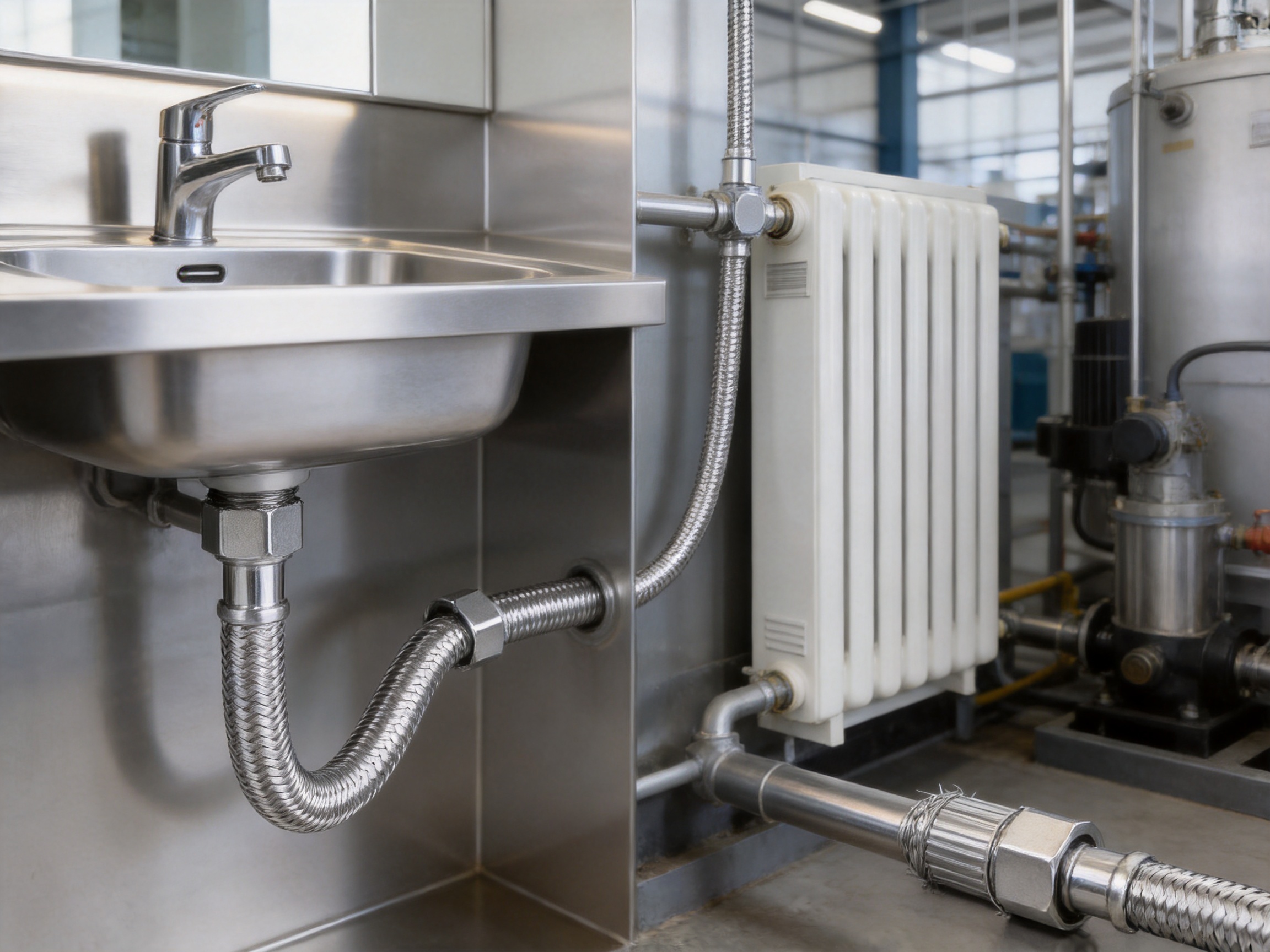
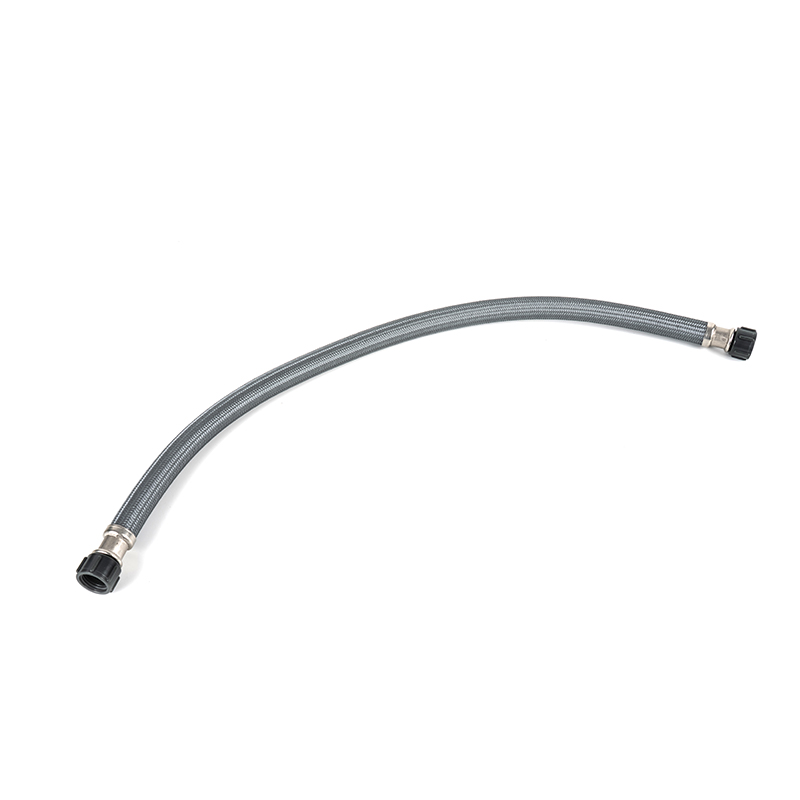
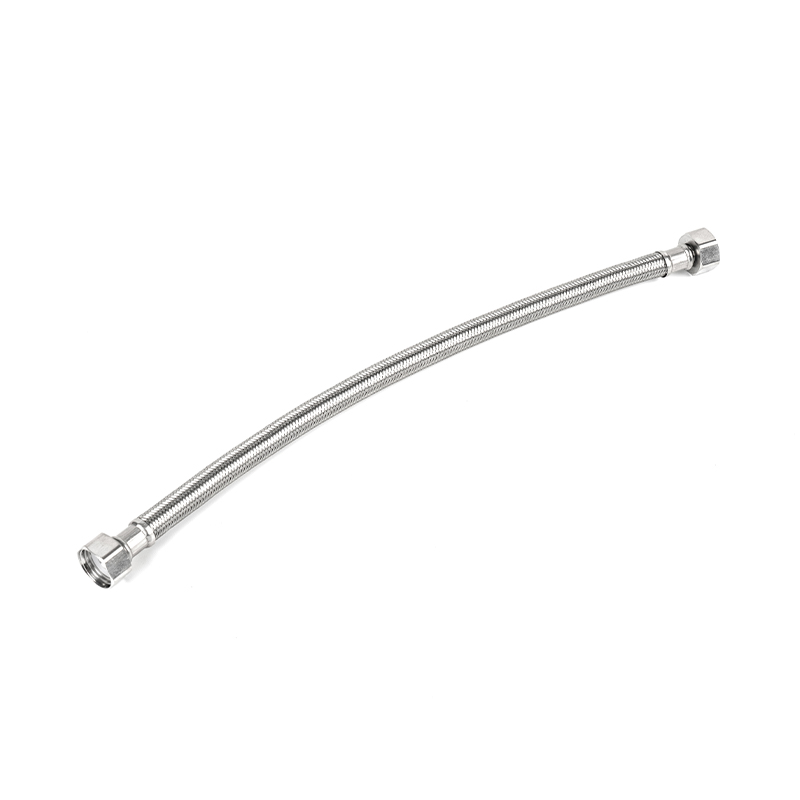
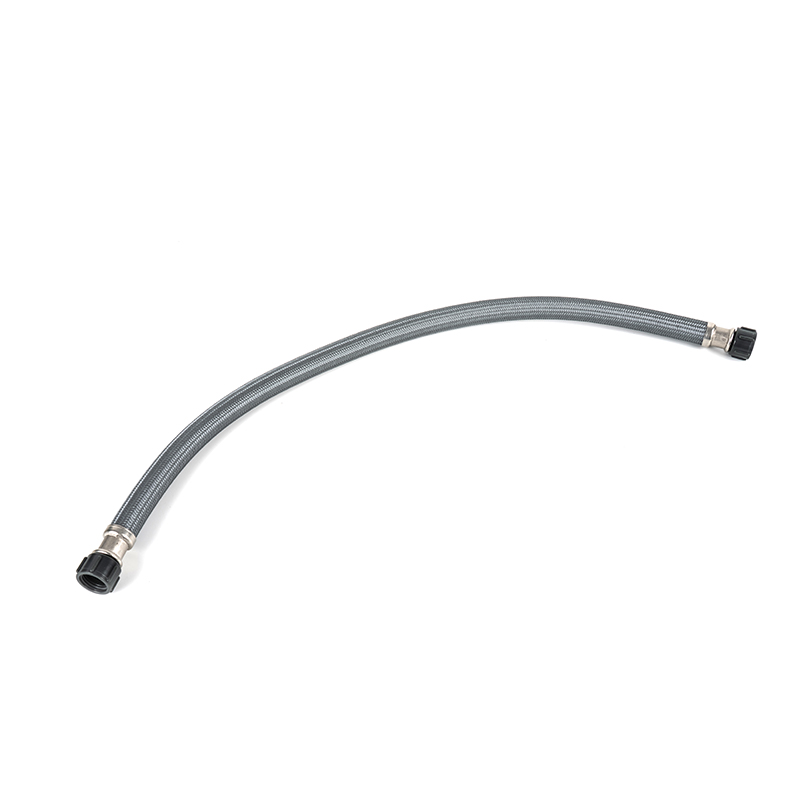
Flexible plumbing systems depend on more than a tube alone. A hose or liner must withstand pressure, movement, vibration, temperature changes, installation stress, and long-term contact with water or other media. The outer braid plays a critical role in this system because it reinforces the flexible inner tube and helps preserve the assembly’s shape and mechanical integrity. Flexible plumbing outer braid stainless steel wires are designed for this purpose, combining strength, corrosion resistance, hygienic performance, processability, and recyclability in one dependable material solution.
Used in flexible plumbing pipes, water liners, gas connectors, metal hoses, heating connections, and compensators, stainless steel braid wire helps create products that are safer and more durable than unreinforced flexible tubes. It protects the inner tube from excessive expansion, external impact, abrasion, and deformation while allowing the finished hose to retain a useful degree of flexibility. This balance between reinforcement and movement makes stainless steel braid an important component in residential, commercial, industrial, healthcare, and building-service applications.
The stainless steel outer braid wires described in this article are produced for demanding flexible connection applications. Their performance is supported by strong raw material characteristics, controlled forming and weaving processes, quality inspection, and a manufacturing system focused on consistent product reliability. The result is a reinforcement material suitable for manufacturers seeking stable production, long service life, and dependable performance in changing operating environments.
Understanding the Function of an Outer Braid
A flexible hose generally contains several functional layers. The inner tube or liner provides the fluid passage and must be compatible with the conveyed medium. The outer braid surrounds the tube and provides reinforcement. Depending on the application, additional layers may include protective coatings, fittings, sleeves, insulation, or an external cover. Although the braid may appear simple, its design and material quality have a direct effect on the safety and service life of the complete assembly.
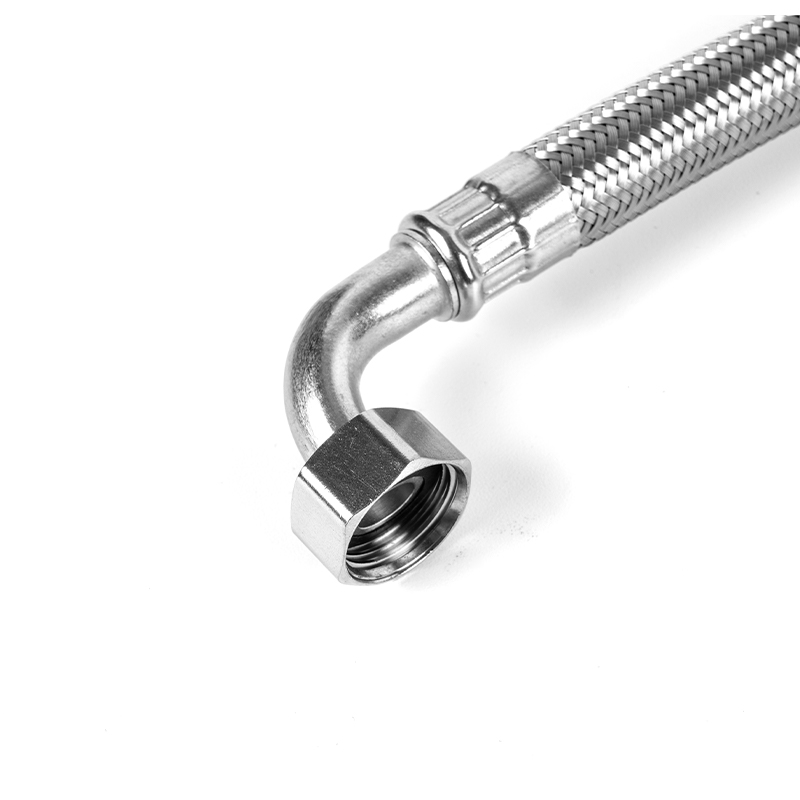
The main purpose of a stainless steel outer braid is to control the behavior of the inner flexible tube. When internal pressure increases, an unsupported tube may expand radially. Excessive expansion can shorten the service life of the liner, weaken connection points, and change the flow characteristics of the assembly. The braid distributes pressure-related forces around the circumference and limits uncontrolled expansion. At the same time, it allows the hose to bend within its designed range.
The braid also helps protect the inner tube against external forces. During installation, a hose may be pulled, bent, twisted, or placed near other components. In service, it may be exposed to vibration, equipment movement, accidental contact, or rubbing. Stainless steel wires provide a tough external reinforcement layer that reduces the effect of these stresses and helps the flexible assembly maintain its original structure.
For plumbing and water liner applications, the outer braid must perform reliably in the presence of moisture. Ordinary materials can rust, weaken, or become difficult to clean when exposed to water and humid environments. Stainless steel is selected because it offers strong resistance to corrosion and can maintain its mechanical properties over a long operating period when properly specified and processed.
Material Characteristics of Stainless Steel Braid Wire
High Mechanical Strength
Stainless steel braid wires offer high tensile strength and hardness. These properties allow the wire to resist pulling forces, deformation, and mechanical damage during weaving, assembly, transportation, installation, and operation. High strength is particularly valuable in flexible hoses that must withstand internal pressure, repeated bending, and movement caused by equipment vibration or thermal expansion.
The strength of the braid is not determined by the wire alone. It also depends on wire diameter, braid angle, number of carriers, weaving density, and the interaction between the braid and the inner tube. High-quality wire provides a stable foundation for these design variables. When the wire has consistent dimensions and mechanical properties, hose manufacturers can achieve more predictable braid coverage and performance from one production batch to another.
Resistance to Wear and Deformation
Flexible connections are frequently exposed to mechanical movement. A hose may be bent repeatedly, routed around equipment, or installed in a restricted space. The outer braid must resist abrasion and retain its shape during these movements. Stainless steel’s hardness and structural stability help reduce premature wear and deformation.
Wear resistance is also important when hoses are installed close to brackets, pipes, machinery, or building structures. The braid can experience contact during operation, especially where vibration causes small repeated movements. A durable stainless steel wire reduces the likelihood that the reinforcement will become damaged before the expected service life of the hose.
Corrosion Resistance
Stainless steel is valued for its resistance to corrosion from water, air, acids, alkalis, salts, and other media. This property is essential in plumbing and water-related applications, where the external surface may be exposed to condensation, splashing, humidity, cleaning agents, or accidental chemical contact.
Corrosion resistance helps preserve both appearance and function. A corroded braid may lose cross-sectional strength, develop rough surfaces, stain nearby components, or become difficult to inspect. By contrast, a properly selected and processed stainless steel braid can maintain its structural condition for a longer period and support more reliable hose operation.
Actual corrosion performance depends on the stainless steel grade, environmental conditions, surface condition, temperature, contact with dissimilar metals, and exposure duration. For this reason, manufacturers should select the appropriate material specification for each application. The value of a professional stainless steel wire supplier lies not only in producing wire, but also in supporting suitable material selection and process control.
Performance Across High and Low Temperatures
Flexible plumbing and metal hose assemblies may be installed in environments that experience significant temperature changes. Building heating systems, industrial HVAC equipment, hot-water systems, cold-water lines, and outdoor installations can all expose the braid to high or low temperatures.
Stainless steel retains useful mechanical properties across a broad temperature range. It resists melting in high-temperature environments and is less likely to become brittle under low-temperature conditions than many alternative reinforcement materials. This helps the braid continue to control the inner tube when the assembly is exposed to thermal cycling, heating, cooling, or temperature-related expansion and contraction.
Temperature resistance also supports safer installation and maintenance. A material that remains stable during normal operating changes is less likely to crack, lose tension, or experience sudden deformation. The complete hose must still be designed for the required temperature and pressure conditions, but a stable outer braid provides an important margin of reliability.
Hygienic and Non-Toxic Performance
Water liners and plumbing hoses may be used in environments where cleanliness is important. Stainless steel has a smooth, cleanable surface and does not provide the same kind of favorable environment for bacterial growth as some porous or poorly finished materials. Its hygienic properties make it suitable for applications involving potable water, food-related equipment, healthcare facilities, and other installations where contamination control is important.
The supplied product description identifies the stainless steel wire as hygienic and non-toxic and notes compliance with food and medical-grade expectations. Specific application approval should always be confirmed according to the selected grade, finished assembly, applicable regulations, and customer requirements. Nevertheless, the combination of cleanability, chemical stability, and corrosion resistance makes stainless steel an attractive reinforcement material for demanding sanitary applications.
Good Weldability and Processability
Stainless steel braid wires can be processed through welding, weaving, bending, and other manufacturing methods. This versatility allows hose producers to use the wire in different braid structures and assembly designs. The wire can be formed into reinforcement layers, combined with fittings, or integrated into specialized flexible connection products.
Good processability also supports production efficiency. A wire that feeds consistently into weaving equipment can reduce interruptions, uneven tension, and material waste. Stable welding and forming characteristics can help manufacturers produce stronger and more uniform assemblies. These benefits are particularly important for customers purchasing wire for continuous or high-volume production.
Environmental and Recycling Benefits
Stainless steel is a durable and recyclable material. Its long service life reduces the need for frequent replacement, while its recoverable metal value supports recycling at the end of its useful life. The product information identifies the material as 100% recyclable, making it compatible with environmental protection objectives and circular-material strategies.
Recyclability does not replace the importance of efficient manufacturing, but it adds value throughout the product life cycle. A durable braid can reduce maintenance-related waste, and recovered stainless steel can be used as a resource for future production. For equipment manufacturers and project owners with sustainability targets, this is an important advantage over reinforcement materials that are difficult to recover or have limited service life.
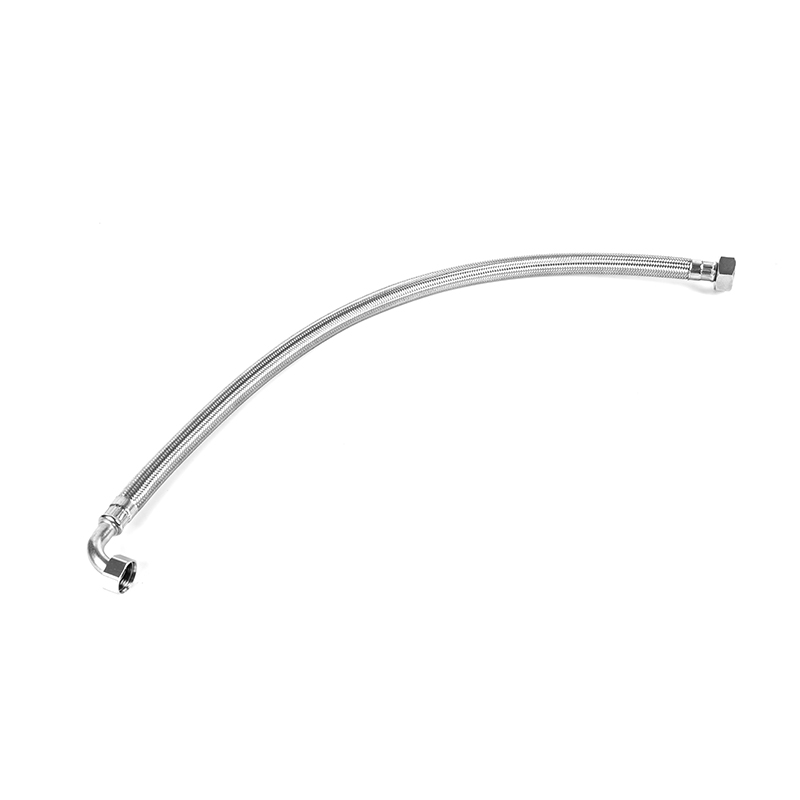
Flexible Plumbing Outer Braid Stainless Steel Wires
Advantages Compared with Alternative Reinforcement Materials
Compared with Unreinforced Flexible Tubes
An unreinforced flexible tube may be lightweight and inexpensive, but it generally offers less resistance to pressure-related expansion, external impact, and installation stress. Without a protective reinforcement layer, the inner tube can be more vulnerable to kinking, crushing, abrasion, and excessive movement.
A stainless steel outer braid adds mechanical support while preserving flexibility. It helps the hose retain a controlled profile and provides greater resistance to common installation and operating conditions. This makes braided construction particularly valuable where a hose must be flexible but cannot be treated as a lightly loaded tube.
Compared with Plastic Braid Materials
Plastic reinforcement can provide low weight and chemical resistance in selected applications. However, plastics may soften at elevated temperatures, become brittle at low temperatures, creep under long-term stress, or suffer from ultraviolet and mechanical degradation depending on their formulation and environment.
Stainless steel offers a stronger and more temperature-stable alternative. It is less vulnerable to melting, embrittlement, and long-term deformation in demanding service conditions. It also provides a more robust surface against abrasion and accidental contact. For hot-water, heating, industrial, or high-movement applications, the mechanical stability of stainless steel can provide a significant service-life advantage.
Compared with Carbon Steel Wire
Carbon steel can offer high strength, but it is more vulnerable to rust when exposed to moisture, condensation, water, salts, and chemical contaminants. Protective coatings may improve corrosion resistance, but coating damage can expose the underlying steel and create a maintenance concern.
Stainless steel provides corrosion resistance as an inherent material characteristic rather than relying solely on an external coating. This is especially useful in plumbing, water liner, sanitary, and humid environments. A stainless steel braid can remain cleaner in appearance and more stable in function, reducing the risk that corrosion will undermine the reinforcement.
Compared with Lower-Grade or Inconsistently Processed Wire
Not all stainless steel wire products provide the same performance. Variations in diameter, tensile strength, surface quality, hardness, or cleanliness can affect the final braid. Inconsistent wire may cause uneven weaving tension, broken strands, weak sections, or unstable hose dimensions.
The advantage of professionally manufactured wire is process consistency. Controlled raw material selection, forming, inspection, and packaging help customers receive a product that behaves predictably during their own production. This reduces adjustment time, material waste, and the risk of quality problems in the finished hose.
Applications in Plumbing and Flexible Connection Systems
Plumbing Pipes and Water Liners
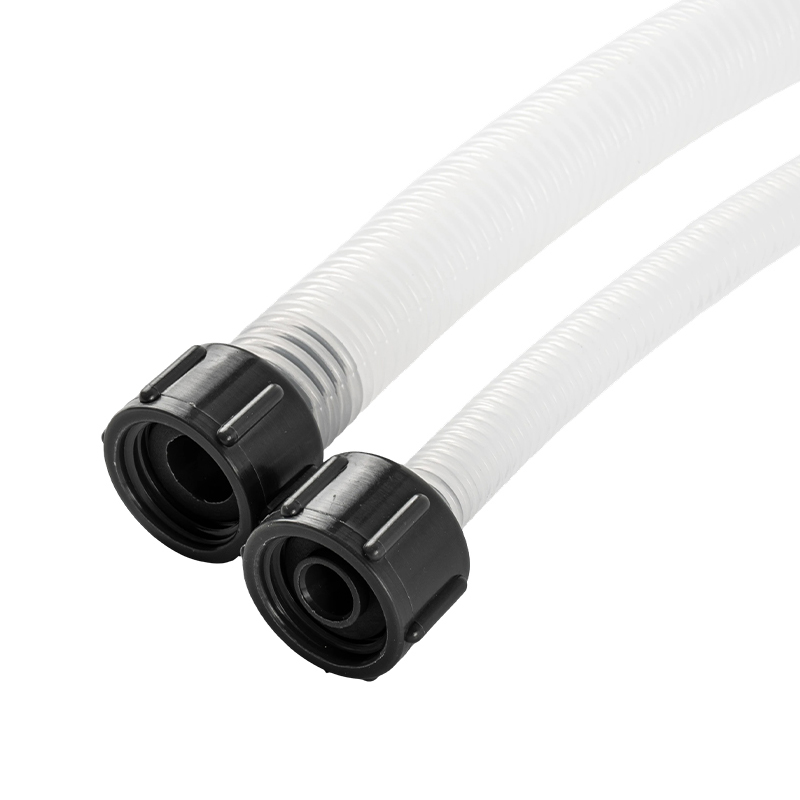
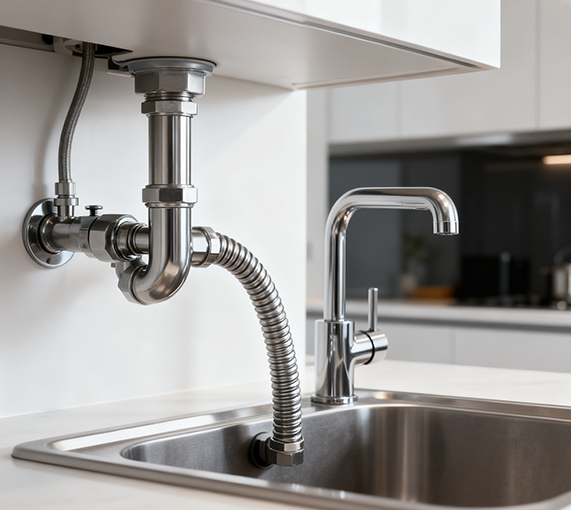
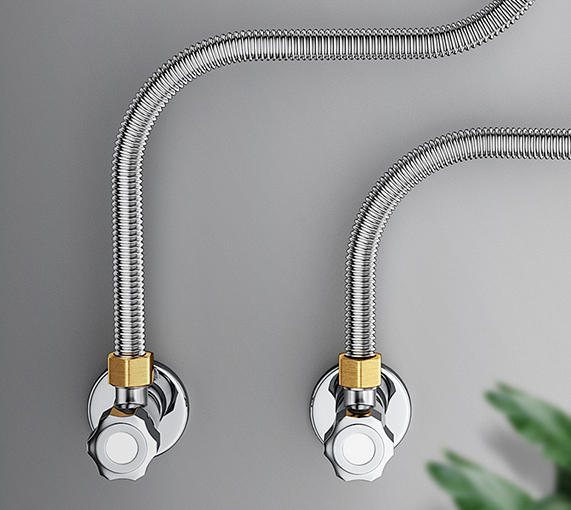
Flexible water liners are used where rigid piping would make installation difficult or where equipment requires a movable connection. Examples include connections to sanitary fixtures, water treatment equipment, pumps, tanks, heaters, and building-service systems. A stainless steel outer braid helps protect the inner liner and provides resistance to pressure and handling stress.
In residential and commercial plumbing, the braid also contributes to a professional finished appearance. Its metallic surface is easy to inspect and can integrate with common fitting and connector designs. For concealed installations, its long-term corrosion resistance helps reduce the risk of hidden degradation, although every installation must still follow applicable plumbing codes and pressure requirements.
Gas Connectors
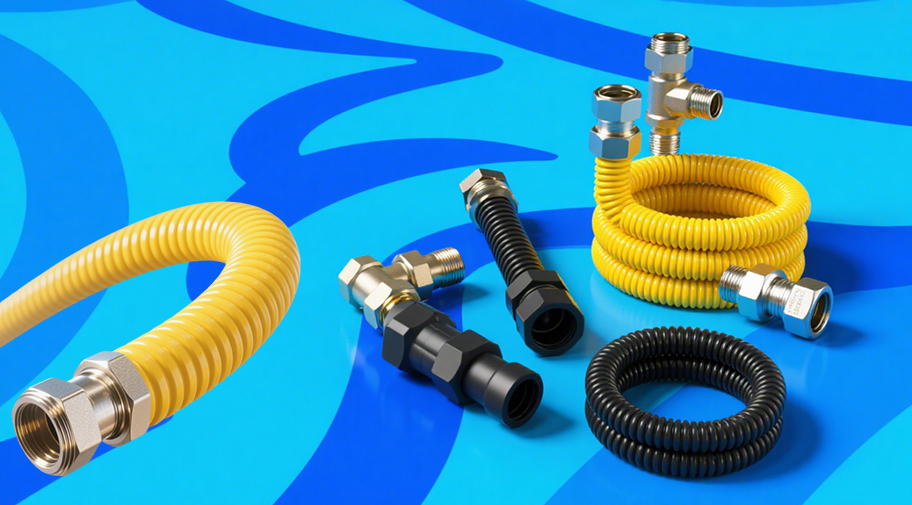
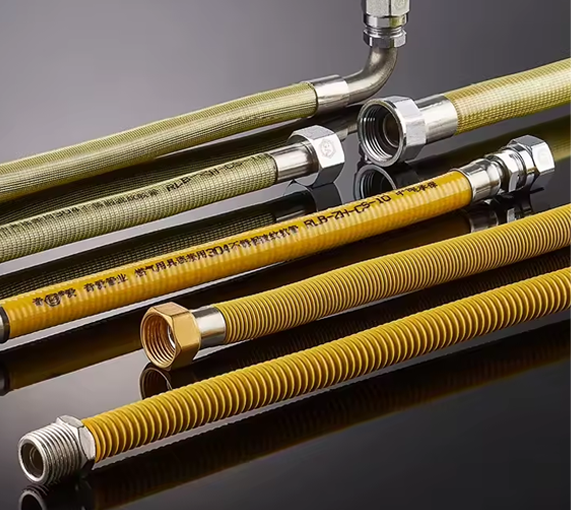
Gas connectors require reliable flexibility, mechanical reinforcement, and appropriate resistance to environmental conditions. A stainless steel braid can help protect the inner tube against external damage and support a stable connection when the appliance or equipment experiences limited movement.
Gas service requires strict product design, testing, certification, installation, and inspection. Stainless steel wire is one component of the complete connector and does not by itself establish suitability for a particular gas application. The finished connector must be engineered and approved according to the relevant standards and operating conditions.
Metal Hoses
Metal hoses are used for conveying fluids, gases, steam, and other media in industrial, commercial, and building-service applications. They may be required to absorb vibration, compensate for misalignment, accommodate thermal movement, or simplify installation in confined spaces.
In these systems, the outer braid works with the corrugated metal tube or other flexible core. It helps control pressure-induced movement and strengthens the hose while allowing the corrugations to flex. The wire must therefore be compatible with the hose’s forming, bending, pressure, and temperature requirements.
Compensators and Expansion Connections
Compensators are designed to absorb thermal expansion, vibration, displacement, or installation tolerances in piping systems. They are often exposed to repeated movement and changing mechanical loads. A durable stainless steel braid can provide the reinforcement needed to maintain controlled movement and protect the flexible element.
For these applications, design details such as braid angle, wire size, layer arrangement, and end connection must be carefully matched to the expected displacement and pressure. A stable wire supply gives engineers a dependable basis for designing and manufacturing the complete compensator.
Heating and HVAC Systems
Heating and HVAC systems often experience temperature cycling and equipment vibration. Flexible connections are used at boilers, pumps, air-handling equipment, heat exchangers, fan units, and other components. The stainless steel outer braid supports the flexible tube while helping the assembly withstand changing temperatures and repeated movement.
The braid’s temperature stability and corrosion resistance are particularly useful in mechanical rooms, plant areas, and building-service spaces where condensation, heat, and maintenance activity may occur together. It can help extend the service life of the connection and reduce the likelihood of premature replacement.
Healthcare and Sanitary Installations
Healthcare, laboratory, food-service, and sanitary installations place strong emphasis on cleanability, corrosion resistance, and material stability. Stainless steel braid wire is suited to these requirements when it is used in a complete product that satisfies the necessary hygiene and regulatory specifications.
The material’s non-porous metallic surface can be cleaned more readily than many rough or absorbent alternatives. Its resistance to water and cleaning agents also supports repeated maintenance routines. However, the finished hose should be designed without unnecessary contamination traps, and the complete assembly should be evaluated rather than judging the braid alone.
Manufacturing Process and Quality Control
Raw Material Selection
Manufacturing begins with the selection of suitable stainless steel raw material. The material must be compatible with the intended mechanical, thermal, corrosion, and processing requirements. Important considerations include chemical composition, wire diameter, tensile performance, surface condition, and compatibility with downstream weaving or forming operations.
Consistent raw material selection helps stabilize every later process. If the incoming material varies significantly, it may affect drawing behavior, wire strength, braid tension, weldability, and final product performance. A professional manufacturer therefore treats material qualification as a central part of quality management rather than as a simple purchasing activity.
Wire Drawing and Dimensional Control
Wire drawing reduces the raw material to the required diameter while improving dimensional uniformity. The process must be controlled carefully to prevent surface damage, excessive work hardening, dimensional variation, or residual stress that could interfere with later processing.
Accurate wire dimensions are especially important in braid production. Even small variations can influence coverage, tension, flexibility, and the fit between adjacent strands. Controlled drawing and inspection help ensure that the wire reaches the weaving process with a stable and usable profile.
Surface Treatment and Cleanliness
The wire surface must be clean and suitable for weaving, welding, and assembly. Contaminants, scratches, scale, or residues can reduce appearance and may affect corrosion performance or process stability. Appropriate surface preparation and handling help preserve the natural advantages of stainless steel.
Clean wire is also important for sanitary applications. A controlled surface helps prevent unnecessary contamination from entering the manufacturing process and supports the production of hoses and liners intended for clean-water or hygiene-sensitive environments.
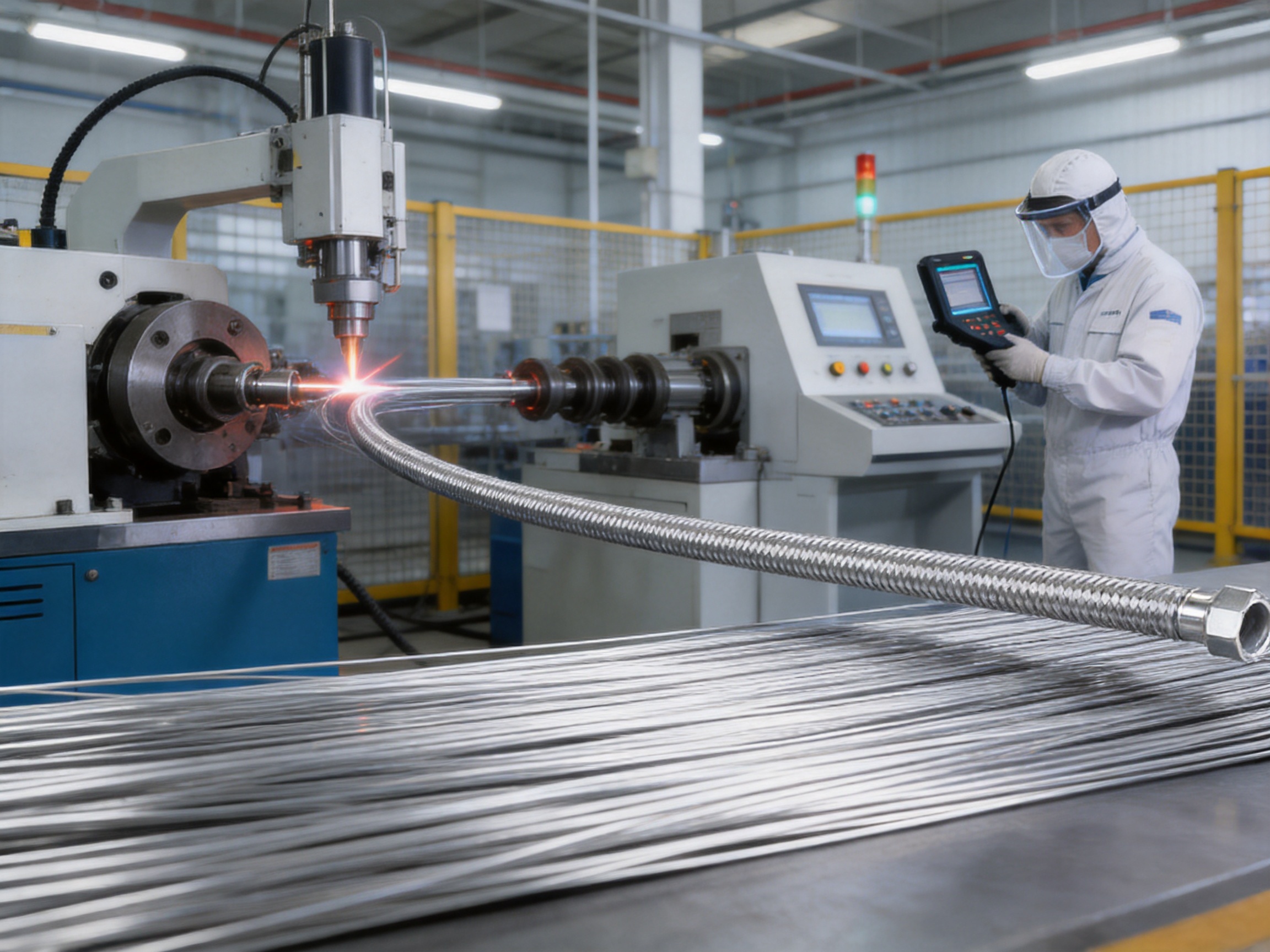
Laser Welding and Precision Joining
Laser welding is among the advanced manufacturing capabilities used in modern stainless steel bellows and flexible connection production. Laser welding provides concentrated energy and precise control, making it suitable for creating clean, accurate joints with limited heat-affected areas when correctly applied.
In flexible connection manufacturing, welding quality can affect leak resistance, fatigue performance, dimensional accuracy, and appearance. The use of controlled laser equipment supports repeatable production and helps manufacturers meet demanding requirements for thin metal components and precision assemblies.
CNC Forming and Automated Shaping
CNC forming machines enable accurate shaping of metal components according to programmed dimensions and production parameters. Controlled forming is important for corrugated tubes, bellows, fittings, and other parts that must achieve consistent geometry across many production cycles.
When the braid is combined with a formed metal hose or bellows, dimensional compatibility between the reinforcement and the core is essential. Precision forming helps reduce assembly variation and supports reliable performance under pressure and repeated movement.
Weaving and Braid Formation
The wire is woven into a braid using a controlled arrangement of strands. Braid construction determines how the reinforcement responds to pressure, bending, axial movement, and external forces. Factors such as braid angle, strand count, wire diameter, and coverage must be selected according to the finished product’s requirements.
A stable weaving process keeps strand tension balanced and limits defects such as gaps, loose wires, broken strands, uneven coverage, or excessive stiffness. Properly controlled braid formation supports a consistent balance between flexibility and reinforcement. This is one of the areas where high-quality wire and advanced equipment work together to create a reliable result.
Performance Testing and Inspection
Testing is necessary to confirm that the material and finished components meet technical expectations. Depending on the product and application, inspection may include dimensional checks, visual examination, tensile testing, hardness testing, corrosion-related assessment, pressure testing, leak testing, and fatigue or flexibility evaluation.
The company’s manufacturing capabilities include COSMO equipment and eddy current flaw detectors. Eddy current inspection can help identify certain surface and near-surface discontinuities without damaging the material. Non-destructive inspection is valuable because it supports process verification while allowing the inspected component to continue through production when accepted.
Automatic packaging systems provide another quality benefit. Proper packaging protects the wire and finished products from contamination, moisture, tangling, impact, and handling damage. Good packaging is not merely a shipping convenience; it helps preserve the condition achieved during manufacturing.
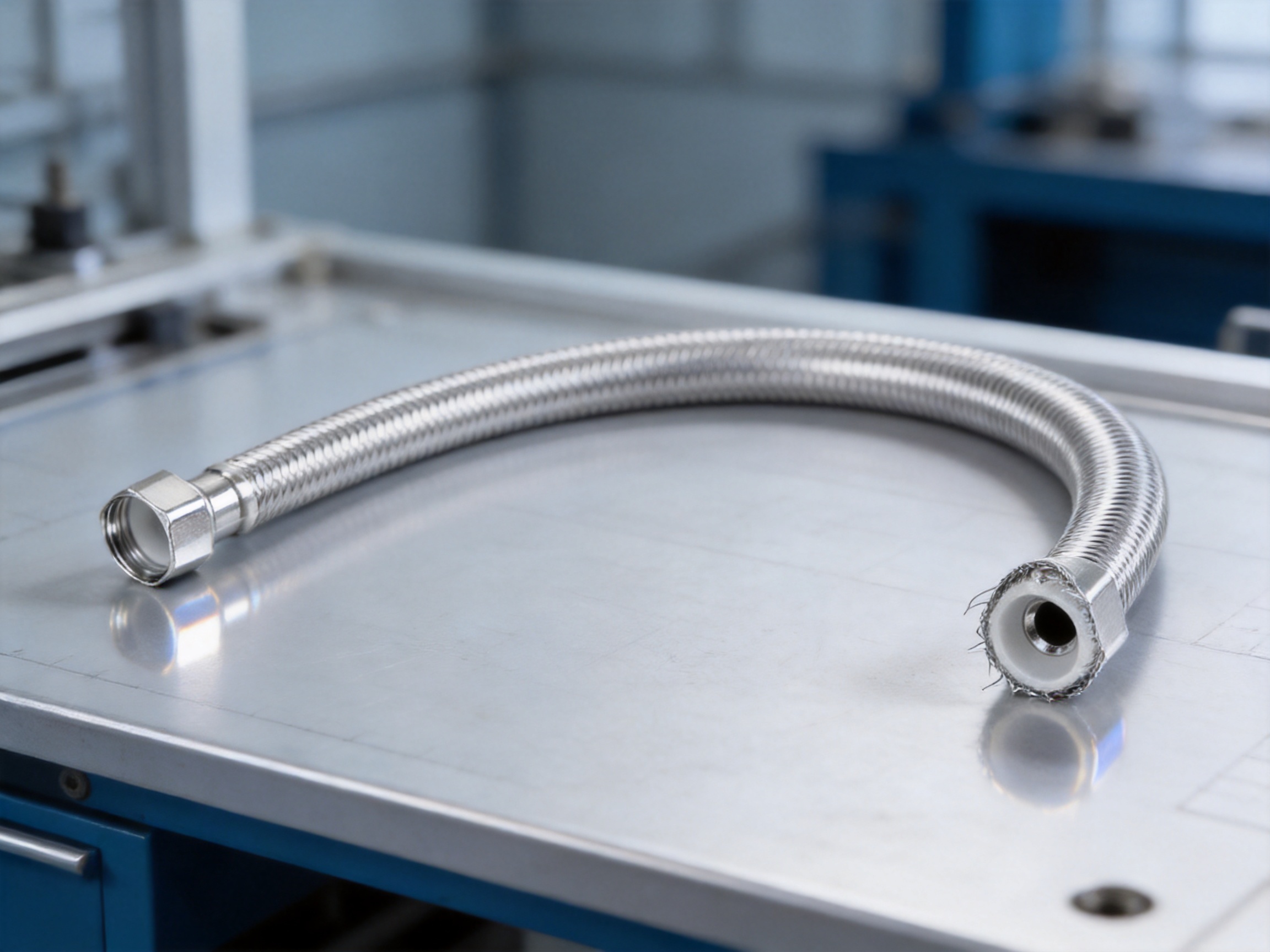
Integrated Manufacturing Strengths
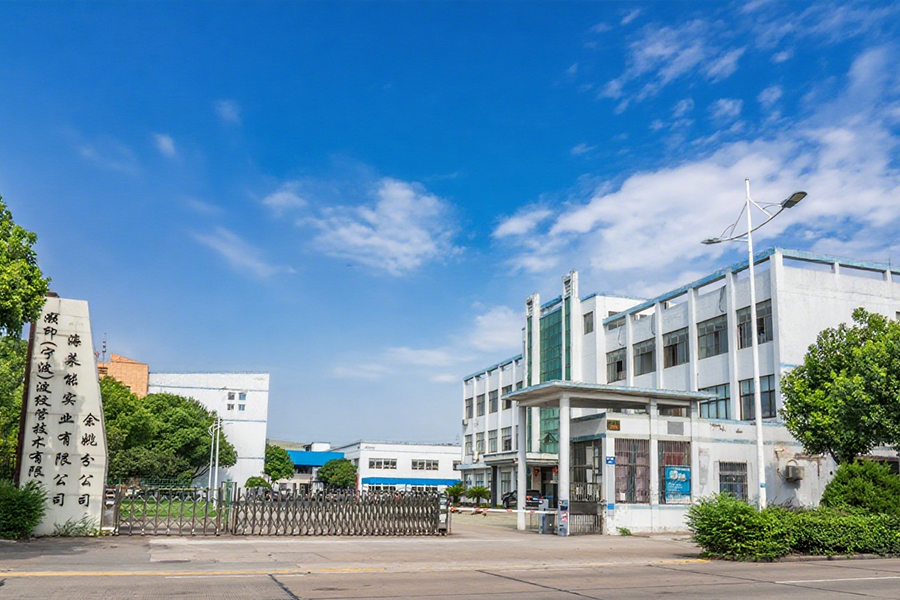
The company behind the product specializes in the research, development, design, manufacturing, and sales of stainless steel bellows and flexible connection products. This integrated capability is valuable because the manufacturer understands how stainless steel wire performs not only as a raw material, but also as part of complete gas connectors, plumbing pipes, water liners, metal hoses, and compensators.
Experience across the product chain allows design, material, forming, welding, braiding, testing, and packaging decisions to be considered together. Customers can therefore discuss the intended application with a supplier that understands the relationship between wire properties and finished assembly performance.
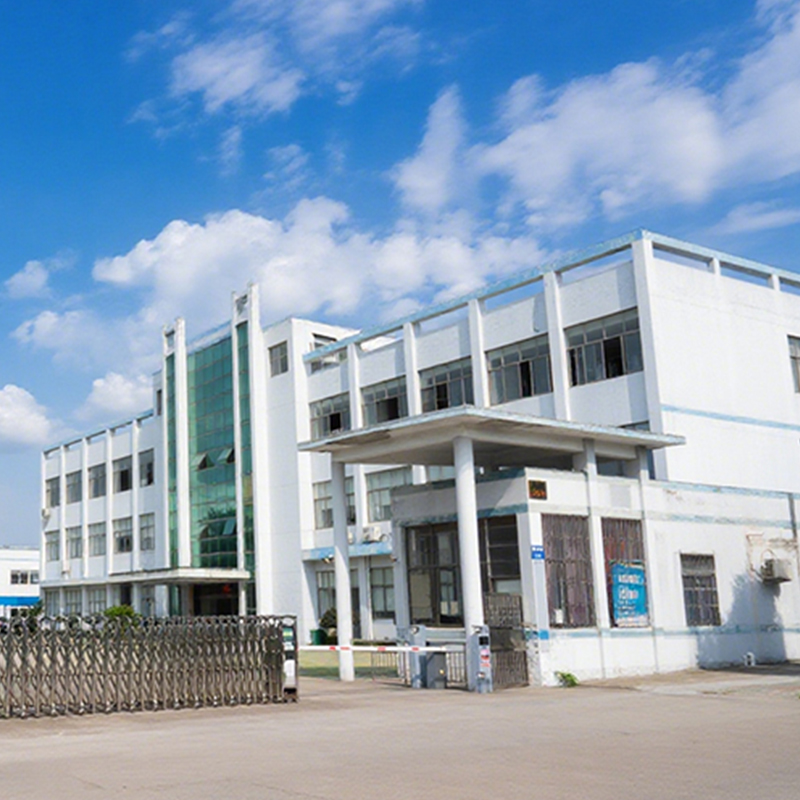
The manufacturing site covers approximately 35 mu and includes around 18,000 square meters of standardized workshops. A standardized workshop environment supports orderly production flow, equipment organization, process separation, material traceability, and controlled working conditions. These factors are particularly important for metal products that require consistent dimensions and clean surfaces.
The company has obtained ISO9001, ISO14001, and ISO45001 management system certifications. ISO9001 relates to quality management, ISO14001 addresses environmental management, and ISO45001 focuses on occupational health and safety. Together, these systems indicate a structured approach to quality, environmental responsibility, and safe operations.
As a National High-tech Enterprise and Green Factory, the company emphasizes technical development and environmental performance. Its stated operating philosophy, “Striving for Excellence, Forging Quality,” reflects an approach based on continuous improvement rather than short-term production alone. This is relevant to buyers who need a stable long-term supply partner instead of a basic commodity source.
The company also maintains a professional research and development team. R&D capability supports the development of product structures, material solutions, production methods, and application-specific designs. Flexible connection products often need to meet different pressure, temperature, movement, installation, and regulatory requirements. A capable technical team can help convert these requirements into practical product specifications.
Quality Management from Material to Delivery
A reliable stainless steel braid wire requires quality control at every stage. Incoming material should be verified before production. Processing parameters should be controlled during drawing, forming, welding, and weaving. In-process inspection should identify defects before they become part of a finished assembly. Final testing should confirm that the product meets the agreed requirements.
Traceability is another important element. Records related to raw materials, production batches, inspection results, and packaging help manufacturers investigate issues and maintain consistent supply. For customers producing safety-related or regulated hose assemblies, traceability can support internal quality procedures and customer documentation.
Environmental management also contributes to responsible production. Efficient use of metal, reduction of scrap, appropriate handling of process materials, and recycling of stainless steel can reduce the environmental impact of manufacturing. A certified environmental management system provides a framework for identifying and controlling these aspects.
Worker safety supports production stability as well. Wire drawing, welding, weaving, forming, and inspection involve machinery and moving components. A structured occupational health and safety system helps reduce risks, improve training, and maintain a more dependable operating environment.
Performance Factors for Product Selection
Before selecting stainless steel braid wire, customers should identify the operating conditions of the finished hose or flexible connector. These conditions include the conveyed medium, working pressure, peak pressure, temperature range, required bending radius, vibration level, expected service life, installation environment, and applicable standards.
The stainless steel grade should be selected according to corrosion exposure and hygiene requirements. Water quality, chloride concentration, cleaning chemicals, humidity, and contact with other metals may influence the appropriate material choice. For specialized applications, the manufacturer should review the complete operating environment rather than relying on a general material description.
Wire diameter and braid construction should be matched to the pressure and flexibility requirements. A heavier braid may provide greater reinforcement, but excessive reinforcement can reduce flexibility or increase assembly weight. A lighter braid may improve movement but may not provide sufficient pressure control. The correct balance depends on the finished product design.
Surface quality is also important. The wire should be free from damaging defects that could create weak points, interfere with weaving, or accelerate corrosion. Customers should establish acceptance criteria for appearance, dimensions, mechanical performance, and packaging condition.
Compatibility with downstream equipment should not be overlooked. Wire must run correctly through the customer’s braiding machines and should be suitable for the required welding, crimping, bending, and fitting processes. Consistent manufacturing tolerances can reduce equipment adjustments and improve production efficiency.
Technical Comparison Table
| Performance Factor | Stainless Steel Outer Braid Wire | Unreinforced Flexible Tube | Plastic Reinforcement | Carbon Steel Wire |
|---|---|---|---|---|
| Mechanical reinforcement | High tensile strength and hardness | Limited | Moderate, depending on formulation | High |
| Corrosion resistance | Strong resistance to water, air, salts, and many chemicals | Depends on tube material | Often good, but application-specific | More vulnerable to rust without protection |
| Temperature stability | Suitable for demanding high and low temperature conditions | Depends on polymer type | May soften or embrittle | Generally good, but corrosion may increase |
| Wear resistance | High when correctly specified and processed | Lower external protection | Moderate to high, depending on material | High but vulnerable to rust |
| Hygienic performance | Cleanable metallic surface | Depends on liner material and surface | Depends on polymer and additives | May require coating or additional protection |
| Processability | Suitable for weaving, bending, welding, and forming | Easy to process but lacks reinforcement | Generally easy to process | Suitable for forming but may need corrosion protection |
| Recyclability | Fully recyclable as stainless steel | Depends on polymer type | Varies and may be limited | Recyclable, but corrosion can affect recovery and handling |
| Typical value | Long service life and reliable reinforcement | Low initial complexity | Low weight and selected chemical advantages | Strength with greater corrosion concerns |
Installation and Service Considerations
Even a high-quality braid wire must be used correctly in the finished assembly. The hose should not be bent below its specified minimum radius, twisted during installation, or forced into alignment through excessive lateral loading. Sharp bends can concentrate stress in the braid and inner tube, reducing service life.
The hose should also be protected from unnecessary abrasion and contact with sharp edges. Stainless steel braid offers strong wear resistance, but it is not indestructible. Routing should allow adequate clearance from moving equipment and should avoid continuous rubbing against rough surfaces.
Connections should be assembled with compatible fittings and appropriate tightening procedures. Excessive tightening can damage the liner or fitting, while insufficient tightening can create leakage. The braid should not be used as a substitute for a proper support, clamp, or strain-relief component when those elements are required by the system design.
Inspection should include checks for broken wires, severe flattening, corrosion staining, fitting damage, leakage, unusual kinks, and changes in hose shape. Early detection can prevent a minor condition from becoming a system failure. In high-consequence applications, inspection intervals should be established according to operating conditions and applicable regulations.
Why Manufacturing Expertise Matters to Buyers
Buying stainless steel wire for flexible plumbing products is not simply a matter of selecting a metal with a suitable name. The buyer also needs confidence in dimensional stability, mechanical consistency, surface quality, production capacity, technical support, and delivery reliability.
A manufacturer with experience in stainless steel bellows and flexible connection systems understands how wire properties affect the finished product. This practical knowledge can help customers choose braid specifications that work with their equipment and product design. It can also support troubleshooting when a customer experiences uneven braid coverage, broken strands, excessive stiffness, or assembly difficulties.
Advanced equipment improves repeatability, but equipment must be supported by trained personnel and disciplined process management. Laser welding, CNC forming, COSMO equipment, eddy current inspection, and automatic packaging provide a strong technical foundation. Their value is realized when they are integrated into a complete quality system with documented procedures and continuous monitoring.
Production scale is another advantage. Standardized workshops and dedicated manufacturing resources can support both regular orders and application-specific requirements. Customers may benefit from more consistent lead times, clearer communication, and the ability to develop related products through one supplier.
Application Development and Customization
Flexible connection products are often designed for a particular combination of pressure, temperature, movement, medium, and installation space. A standard braid may be suitable for many applications, but specialized systems may require changes to wire size, braid density, layer arrangement, surface finish, or assembly method.
Application development begins with a clear understanding of the customer’s needs. Useful information includes hose dimensions, operating pressure, test pressure, temperature range, fluid type, movement frequency, bending radius, end fittings, expected life, installation orientation, and regulatory requirements. With this information, the manufacturer can evaluate the most appropriate material and construction.
Customization may involve the braid itself or the complete flexible connection. For example, a customer may require a particular outer diameter, a specific flexibility level, a reinforced section near the fitting, or compatibility with an existing production line. Integrated design and manufacturing experience makes it easier to evaluate these requirements together.
Prototype testing is valuable before large-scale production. Sample assemblies can be evaluated for fit, flexibility, pressure resistance, leakage, appearance, and installation behavior. Feedback from prototype testing can then be used to refine the braid structure or complete hose design.
Economic Value over the Product Life Cycle
The lowest initial material price does not always produce the lowest total cost. A reinforcement material that corrodes quickly, breaks during assembly, or causes inconsistent hose quality can create costs through scrap, warranty claims, field replacements, maintenance, and production downtime.
Stainless steel outer braid wire can provide economic value through durability and process consistency. Its high strength reduces the likelihood of mechanical damage, while corrosion resistance supports longer service life in humid and water-contact environments. Stable dimensions and surface quality can also improve manufacturing yield.
Longer service life is especially valuable where replacing a flexible connection requires system shutdown, access to difficult locations, or specialized labor. In commercial buildings, industrial facilities, healthcare sites, and heating systems, avoided downtime may be more important than the initial price difference between reinforcement materials.
Recyclability adds another life-cycle benefit. At the end of service, stainless steel can enter established metal recycling channels. This helps reduce disposal burdens and supports responsible material management.
Q&A
What is the purpose of stainless steel outer braid wire?
Its primary purpose is to reinforce a flexible inner tube. The braid helps control radial expansion under pressure, protects the liner from external damage, improves resistance to deformation, and allows the finished hose to remain flexible within its intended operating range.
Can stainless steel braid wire be used for water liners?
Yes. Stainless steel braid wire is widely suited to flexible plumbing pipes and water liners because it provides mechanical strength, corrosion resistance, cleanability, and resistance to temperature changes. The complete liner assembly must still be designed and approved for the intended water quality, pressure, temperature, and regulatory requirements.
Is the wire suitable for gas connectors?
It can be used as a reinforcement component in gas connectors when the complete product is engineered, tested, and certified for the intended gas service. The braid alone does not determine gas-connecter approval. The inner tube, fittings, welding, assembly, testing, and installation requirements must all be evaluated.
What makes stainless steel better than carbon steel in humid applications?
Stainless steel generally provides stronger resistance to rust and corrosion from water, humidity, salts, and many common environmental contaminants. Carbon steel may require coatings or other protective measures, and damage to those protections can expose the steel to corrosion.
Can the wire withstand high and low temperatures?
Stainless steel maintains useful mechanical properties across both high and low temperature environments and resists melting or embrittlement under conditions that may affect some alternative reinforcement materials. The allowable temperature must be confirmed for the selected grade and the complete hose assembly.
Is stainless steel braid wire hygienic?
Stainless steel provides a cleanable, non-porous metallic surface and is widely used in sanitary, food-related, medical, and water-service applications. The final hygiene performance depends on the grade, surface condition, assembly design, cleaning procedure, and applicable standards.
Can the wire be welded and woven?
Yes. The product is designed for processing methods that include welding, weaving, bending, and other forming operations. Processing parameters should be matched to the wire specification and the equipment used by the customer.
How does braid density affect hose performance?
Braid density influences pressure control, flexibility, coverage, weight, and resistance to external forces. A denser braid may provide greater reinforcement but can reduce flexibility if excessive. The appropriate density should be selected according to the hose diameter, pressure, movement, and application requirements.
What inspection methods may be used during production?
Inspection may include dimensional measurement, visual examination, tensile and hardness testing, pressure and leak testing, and non-destructive methods. Eddy current flaw detection can help identify certain surface or near-surface discontinuities without damaging the material.
What information should a buyer provide when requesting a quotation?
The buyer should provide the intended application, stainless steel grade if known, wire diameter, quantity, required braid structure, working and test pressure, temperature range, conveyed medium, corrosion environment, packaging needs, delivery schedule, and any applicable standards or customer specifications.
Does the manufacturer provide complete flexible connection products?
The company specializes in stainless steel bellows and related flexible connection solutions, including gas connectors, plumbing pipes and water liners, metal hoses, and compensators. This product range allows customers to discuss wire reinforcement together with complete assembly requirements.
How does automatic packaging help product quality?
Automatic packaging can improve consistency and protect the product from tangling, impact, contamination, and moisture during storage and transport. It helps preserve the wire or finished assembly in the condition achieved during manufacturing.
Conclusion
Flexible plumbing outer braid stainless steel wires provide a strong and durable reinforcement solution for water liners, plumbing pipes, gas connectors, metal hoses, compensators, heating systems, HVAC equipment, and other flexible connection products. Their combination of high tensile strength, hardness, wear resistance, corrosion resistance, temperature stability, hygienic performance, processability, and recyclability gives them a broad advantage over less durable reinforcement alternatives.
The value of the product is strengthened by the manufacturing capabilities behind it. Controlled raw material selection, precise forming, laser welding, CNC processing, weaving, COSMO equipment, eddy current flaw detection, performance testing, and automatic packaging support stable and repeatable production. ISO9001, ISO14001, and ISO45001 management systems further demonstrate an organized approach to quality, environmental responsibility, and workplace safety.
For buyers, the most important benefit is not simply the use of stainless steel. It is the combination of appropriate material selection, reliable processing, application knowledge, and complete quality management. When these elements are integrated, stainless steel outer braid wire can help produce flexible connections that operate safely, withstand demanding environments, and deliver dependable service over the long term.
Manufacturers selecting reinforcement wire should evaluate the complete application, including pressure, temperature, medium, movement, installation conditions, regulatory expectations, and expected service life. With the correct specification and a qualified manufacturing partner, stainless steel braid can provide a practical and high-value foundation for safe, efficient, and durable flexible plumbing and industrial connection systems.
References
1. Stainless Steel Wire and Wire Products: General Principles of Material Selection, Mechanical Properties, and Processing.
2. Quality Management Systems: Requirements for Manufacturing and Product Traceability.
3. Environmental Management Systems: Principles for Resource Efficiency, Waste Reduction, and Continuous Improvement.
4. Occupational Health and Safety Management Systems: Manufacturing Risk Control and Safe Equipment Operation.
5. Flexible Metallic Hose Design: Considerations for Pressure, Temperature, Bending, Vibration, and Fatigue.
6. Plumbing and Water Connection Engineering: Material Compatibility, Installation Practice, and Service Inspection.
7. Non-Destructive Testing of Metallic Components: Eddy Current Inspection Principles and Applications.
8. Stainless Steel in Hygienic and Sanitary Applications: Cleanability, Corrosion Resistance, and Surface Control.