




 English
 Español
 русский



Flexible plumbing connectors depend on more than the quality of the hose or corrugated tube itself. The nut is a small component, but it has a direct influence on connection security, installation efficiency, sealing performance, service life, and the overall reliability of a piping system. A properly designed stainless steel nut provides the mechanical strength needed to secure a connector while helping the complete assembly withstand water exposure, temperature variation, vibration, pressure fluctuations, and demanding installation conditions.
The flexible plumbing connector stainless steel nut described in this article is developed for connection systems used in plumbing, water supply, heating, gas-related assemblies, metal hoses, and other fluid-handling applications. Its material characteristics combine corrosion resistance, high strength, hardness, temperature stability, hygiene, and recyclability. These properties make it a practical alternative to ordinary carbon steel, low-grade plated fasteners, and less durable materials that may deteriorate when exposed to moisture, chemicals, outdoor conditions, or repeated mechanical loading.
Beyond the material itself, product reliability depends on manufacturing discipline. Accurate forming, controlled threading, appropriate raw material selection, inspection, testing, and traceable quality management are essential for producing a nut that performs consistently in real installations. Haoyin (Ningbo) Bellows Technology Co., Ltd. applies an integrated manufacturing approach supported by standardized workshops, professional research and development capabilities, automated equipment, and quality management systems. The company’s experience in stainless steel bellows, gas connectors, plumbing pipes, water liners, metal hoses, and compensators allows it to understand the complete connection assembly rather than treating the nut as an isolated component.
1. The Role of a Stainless Steel Nut in a Flexible Plumbing Connector
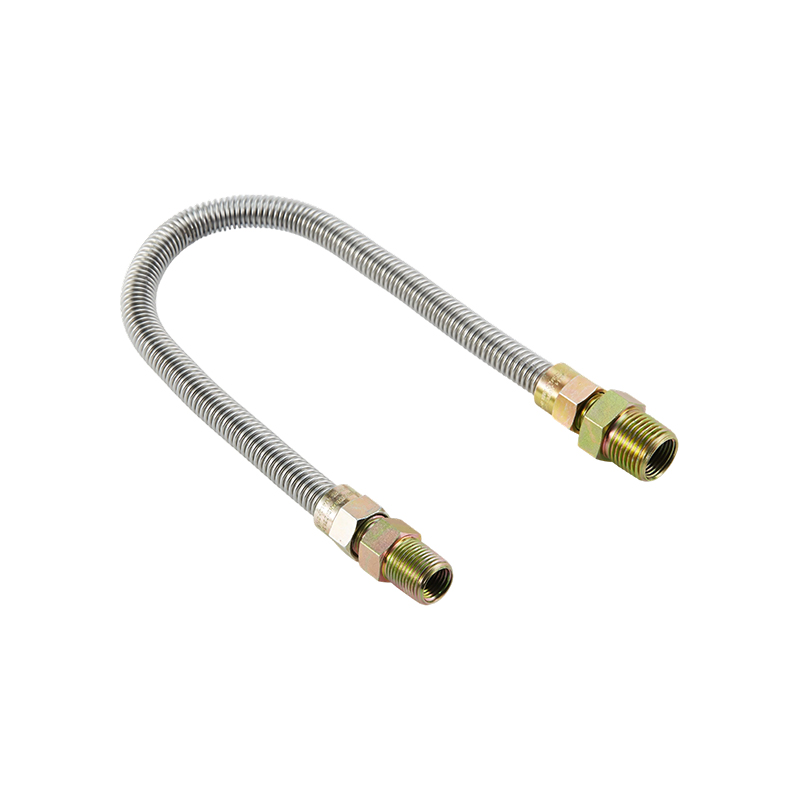
A flexible plumbing connector is designed to join two fixed points while accommodating movement, installation tolerance, vibration, thermal expansion, or changes in alignment. The connector may include a flexible stainless steel tube, corrugated section, braided layer, threaded ends, sealing surfaces, and fastening components. Within this assembly, the nut transfers tightening force to the connection interface and helps maintain the required mechanical engagement.
The nut must perform several functions at the same time. It must engage accurately with the corresponding thread, withstand tightening torque, resist deformation, maintain dimensional stability, and remain secure throughout the service life of the connection. If the nut is too soft, its threads may strip. If it is poorly formed, it may bind or cross-thread. If the material is vulnerable to corrosion, the component may become difficult to remove or lose structural integrity. If its dimensions are inconsistent, the nut may not apply uniform pressure to the sealing element.
For this reason, a connector nut should be evaluated as a precision load-bearing component. Its performance affects installation quality and long-term maintenance. A high-quality stainless steel nut supports a more dependable connection by preserving thread geometry and resisting environmental deterioration. It also complements stainless steel tubes and fittings, reducing the risk of premature failure caused by incompatible or significantly weaker materials.
In plumbing systems, connection components may be exposed to potable water, condensation, cleaning agents, humid air, salts, and occasional chemical contaminants. In heating applications, they may experience repeated heating and cooling cycles. In outdoor installations, they may be exposed to rain, ultraviolet radiation indirectly through surrounding materials, airborne pollutants, and seasonal temperature changes. A material with broad corrosion resistance and stable mechanical properties is therefore valuable across a wide range of operating conditions.
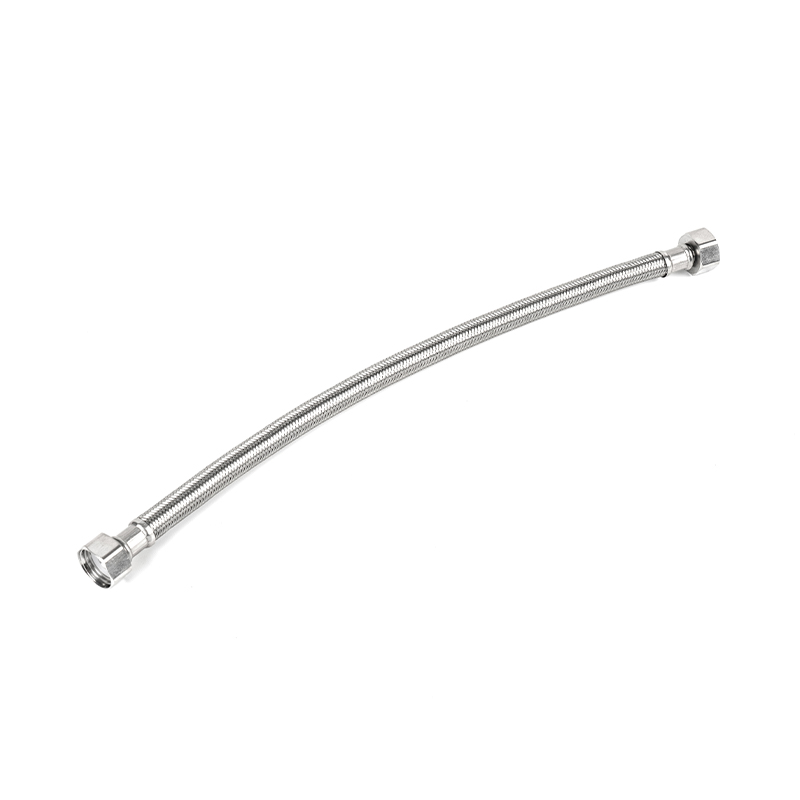
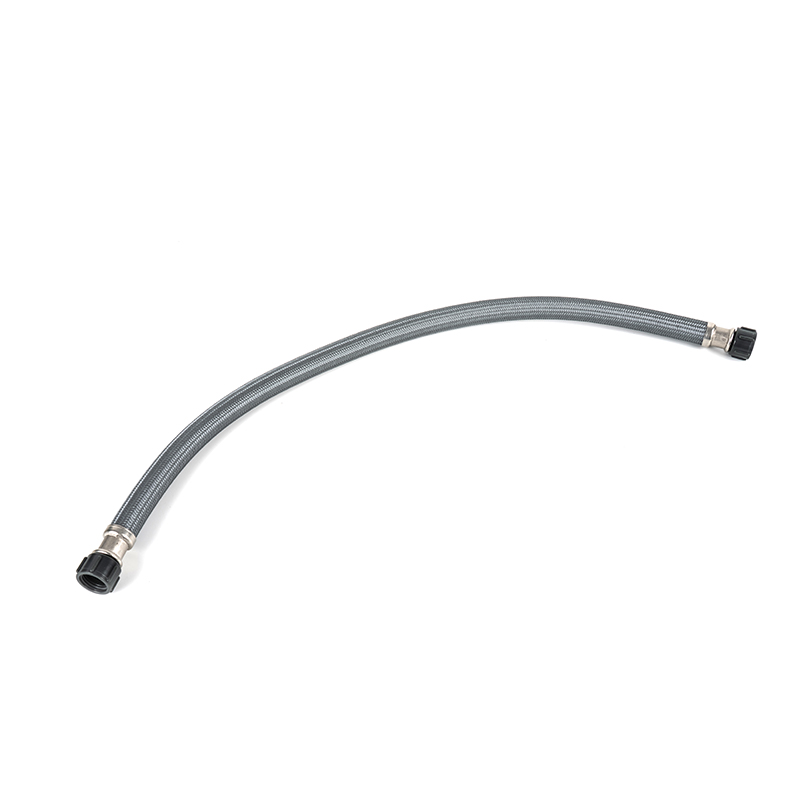
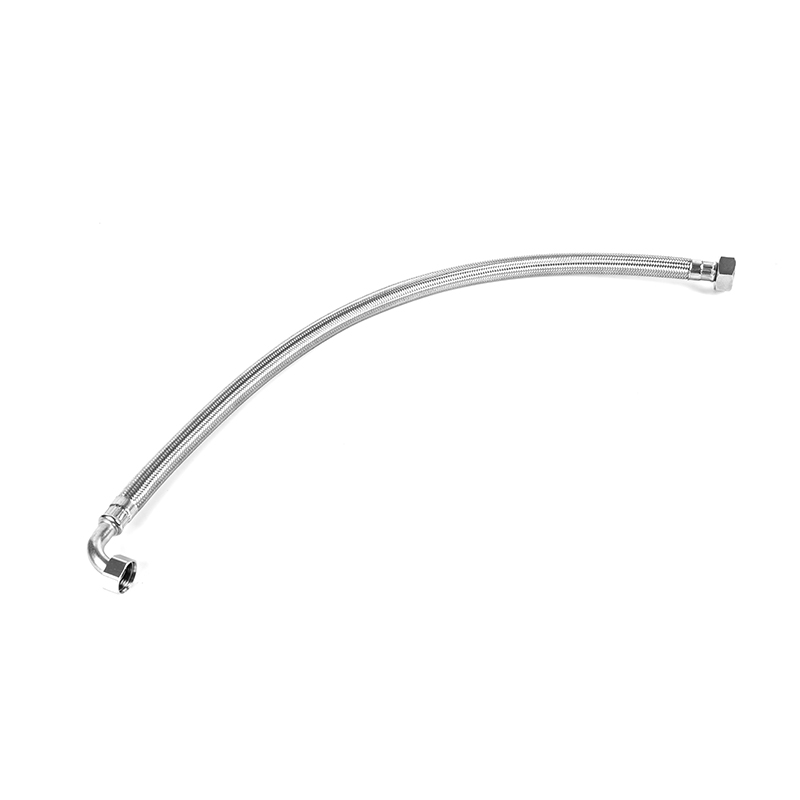
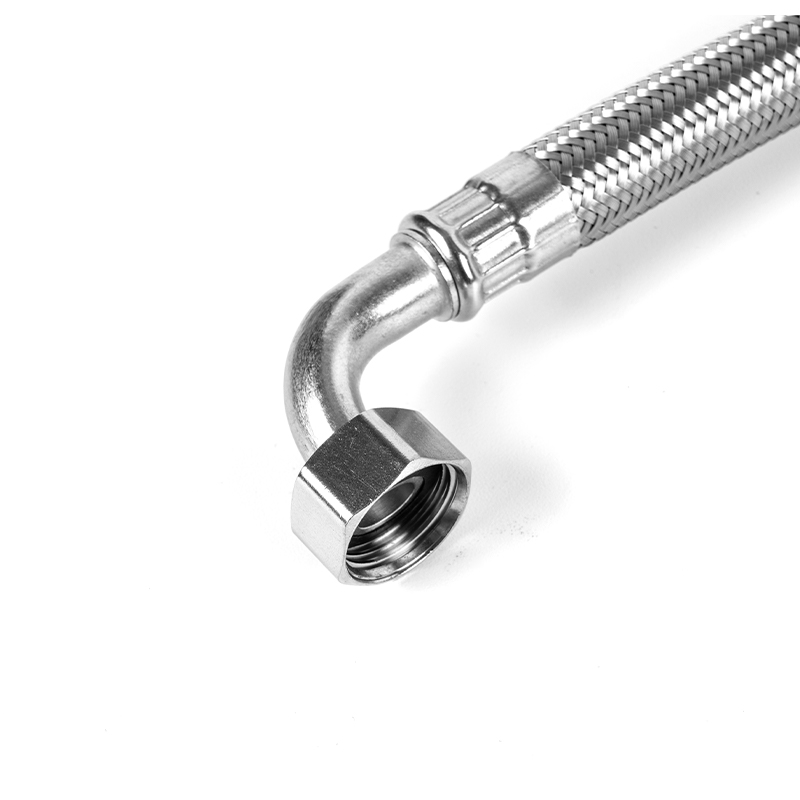
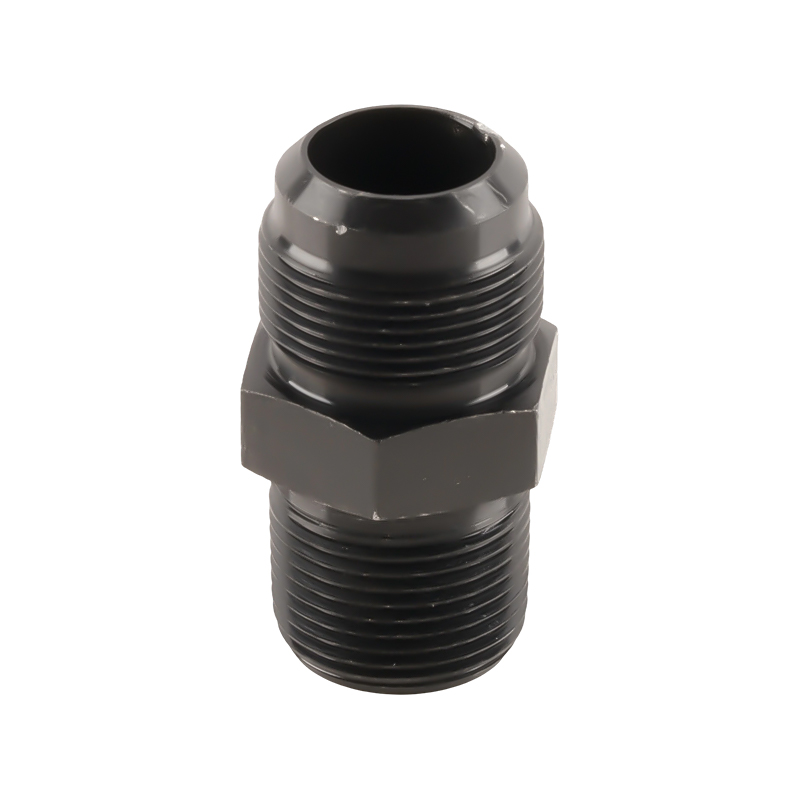
Flexible Plumbing Connector Stainless Steel Nut
2. Material Advantages of Stainless Steel
2.1 Excellent Corrosion Resistance
The most recognizable advantage of a stainless steel nut is its resistance to corrosion. Stainless steel forms a passive protective layer on its surface that helps shield the underlying metal from many common corrosive influences. This makes it more suitable than untreated carbon steel for applications involving water, humid air, condensation, and outdoor exposure.
The product is capable of resisting corrosion from water, air, acids, alkalis, salts, and various other media. The exact performance of any stainless steel component depends on the selected grade, surface condition, exposure concentration, temperature, and installation environment. Nevertheless, stainless steel provides a strong material foundation for flexible plumbing connector assemblies where moisture and chemical exposure are unavoidable.
Corrosion resistance offers several practical benefits. It helps preserve the external appearance of the nut, reduces the formation of rust products around threads, and supports continued serviceability during maintenance. A fastener that remains clean and structurally stable is easier to inspect, loosen, retighten, or replace when necessary. In contrast, a low-quality plated fastener may gradually lose its protective coating, allowing corrosion to develop beneath the surface and around the threaded area.
Corrosion resistance is especially important when different metals are used in the same assembly. Material selection should consider galvanic compatibility, water chemistry, and the possibility of prolonged contact between dissimilar metals. A stainless steel nut used with an appropriately selected connector and fitting can help create a durable connection system with reduced maintenance requirements.
2.2 High Strength and Hardness
A connector nut is exposed to both installation torque and service loads. During installation, the tool applies rotational force to tighten the nut. During service, the connection may experience tensile loading, vibration, pressure-related movement, thermal expansion, and occasional impact. High mechanical strength allows the nut to withstand these forces without cracking, splitting, or permanently deforming.
The high strength and hardness of stainless steel help resist thread stripping and deformation. This is important because threads are the primary load-transfer feature between the nut and the mating component. Damaged threads may prevent the nut from reaching the correct position, reduce clamping force, or create a path for leakage if the sealing interface is not compressed evenly.
Hardness also improves resistance to wear during repeated assembly and disassembly. Although a plumbing connector is not normally removed frequently, service access, renovation, equipment replacement, and maintenance may require the connection to be opened. A durable nut is more likely to retain functional thread geometry after appropriate installation and removal procedures.
Strength should not be considered separately from manufacturing accuracy. A strong material cannot compensate for poorly formed threads, excessive burrs, inconsistent wall thickness, or incorrect dimensions. The combination of suitable stainless steel, controlled forming, precision machining where required, and inspection produces a more dependable result than material selection alone.
2.3 Stability Under High and Low Temperatures
Flexible connectors may operate in environments that experience significant temperature variation. Hot water, heating systems, industrial service conditions, winter exposure, and rapid changes between operating and ambient temperatures can place stress on connection components. A suitable stainless steel nut maintains useful mechanical properties across high- and low-temperature conditions.
The material does not present the same type of melting risk associated with low-temperature plastics, nor does it become excessively brittle under ordinary low-temperature service conditions. Its dimensional and mechanical stability supports reliable fastening where temperature changes could otherwise affect connection tightness or component integrity.
Repeated thermal cycling can cause connected materials to expand and contract at different rates. A nut with stable properties helps the assembly tolerate these changes. It does not eliminate the need for proper design, sealing, torque control, or compatibility assessment, but it provides a robust foundation for systems that must operate through changing temperatures.
For heating, hot-water, and industrial HVAC applications, temperature resistance also supports longer inspection intervals and reduces the risk that the fastening component will become a weak point in the overall assembly.
2.4 Hygienic and Non-Toxic Characteristics
Stainless steel is widely used in environments where cleanliness is important. Its relatively smooth, non-porous surface is easy to clean, and it does not provide an ideal environment for bacterial growth when properly maintained. These characteristics make the nut suitable for plumbing connections associated with potable water, food-processing equipment, healthcare facilities, laboratories, and medical equipment.
The product is described as compliant with food and medical-grade requirements. In practical applications, the specific compliance status should be verified against the selected material grade, applicable regulations, surface treatment, cleaning method, and complete assembly design. Even so, stainless steel is an appropriate material choice where hygiene, cleanability, and resistance to contamination are essential considerations.
A hygienic connection component should also be manufactured in a controlled environment. Clean raw materials, suitable production procedures, effective removal of manufacturing residues, and appropriate packaging all contribute to product cleanliness. The company’s process-oriented quality approach helps address these requirements from material selection through final delivery.
2.5 Environmental Benefits and Recyclability
Stainless steel is a recyclable engineering material. At the end of a product’s useful life, it can be recovered and reused as a source of metal for new products. This supports resource conservation and helps reduce the environmental impact associated with disposing of non-recyclable or difficult-to-separate materials.
The product is identified as 100% recyclable. For sustainability to be achieved in practice, the connector should be separated and processed through an appropriate recycling system. Long service life is another important environmental advantage. A component that lasts longer can reduce the frequency of replacement, transportation, packaging, and maintenance-related waste.
The company’s Green Factory status and environmental management focus further demonstrate an emphasis on responsible production. Environmental performance is not limited to the final material; it also includes energy management, waste reduction, process efficiency, chemical control, packaging, and responsible factory operations.
3. Advantages Compared with Conventional Connector Nuts
Flexible plumbing systems are often installed in locations where access is limited and replacement work is inconvenient. A failure involving a small nut can require the shutdown of a water supply, removal of surrounding panels, disruption of building operations, or replacement of a larger connector assembly. Selecting a durable nut at the beginning of the project can therefore reduce total ownership costs.
Compared with ordinary untreated carbon steel, stainless steel offers substantially better resistance to moisture and rust. Carbon steel may be strong, but without suitable protection it can corrode rapidly in plumbing environments. Rust can affect thread engagement, complicate disassembly, stain adjacent surfaces, and eventually reduce the effective cross-section of the component.
Compared with low-grade zinc-plated fasteners, stainless steel offers more stable long-term protection when the coating is scratched, worn, or exposed to persistent condensation. Plated components may perform well in moderate conditions, but their durability can be reduced when the protective layer is damaged or when salts and chemicals are present.
Compared with plastic nuts, stainless steel provides greater resistance to torque, tensile loading, impact, heat, and thread wear. Plastic may be appropriate for selected low-load applications, but metal is generally preferred when the connection must tolerate high mechanical stress, repeated thermal cycling, or demanding service conditions.
Compared with poorly controlled stainless steel products, a precision-manufactured nut offers advantages in thread accuracy, consistency, surface quality, and dimensional repeatability. The difference between a reliable component and an unreliable one is often found in process control rather than in the word “stainless” alone. Stainless steel grade, forming method, tooling condition, inspection standards, and packaging all influence actual performance.
| Evaluation Factor | Stainless Steel Nut | Ordinary Carbon Steel Nut | Plastic Nut | Typical Practical Benefit |
|---|---|---|---|---|
| Resistance to water and humidity | Excellent when the material and environment are properly matched | Limited without protective coating | Generally good, but material-specific | Improved durability in plumbing environments |
| Resistance to thread deformation | High strength and hardness | Moderate to high, depending on grade | Lower under high torque or load | More reliable fastening and service access |
| Temperature stability | Suitable for broad temperature variation | Generally stable but corrosion may increase | Depends strongly on polymer type | Better support for hot-water and heating applications |
| Hygiene and cleanability | Easy to clean and suitable for hygienic systems | May develop rust or surface contamination | Depends on formulation and surface condition | Useful for food, healthcare, and potable-water environments |
| Recyclability | Fully recyclable as a metal material | Recyclable, but corrosion and coatings may complicate recovery | Depends on polymer type and recycling stream | Supports circular material management |
| Long-term maintenance | Low when correctly specified and installed | Potentially higher in wet or corrosive environments | May require careful torque and replacement control | Lower risk of premature connection deterioration |
The table provides a general comparison rather than a substitute for engineering evaluation. The correct solution depends on pressure, temperature, fluid chemistry, thread standard, sealing method, installation torque, and applicable regulations. However, the comparison illustrates why stainless steel is widely selected for durable flexible connection systems.
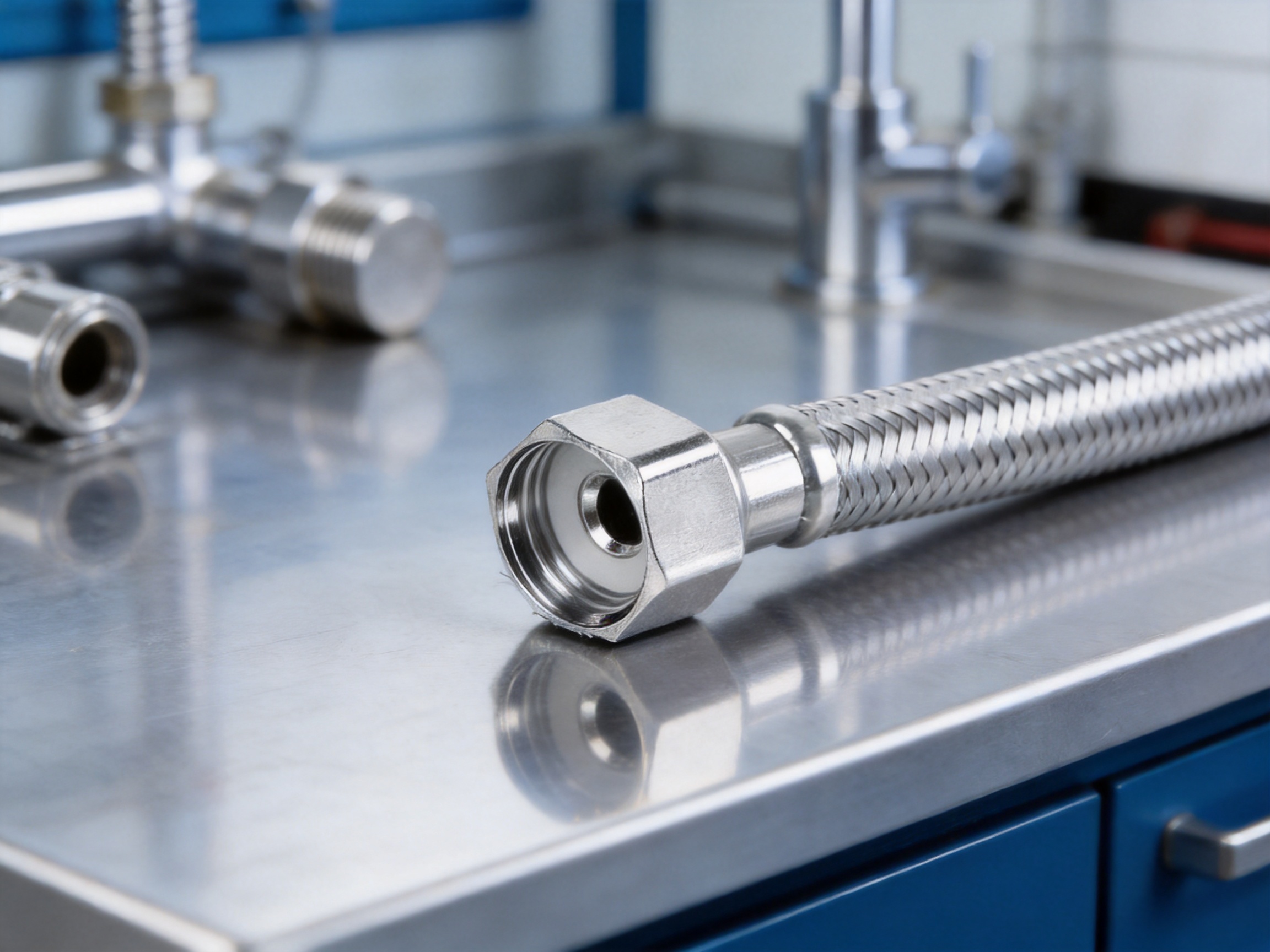
4. Applications of the Flexible Plumbing Connector Stainless Steel Nut
4.1 Plumbing and Water Supply
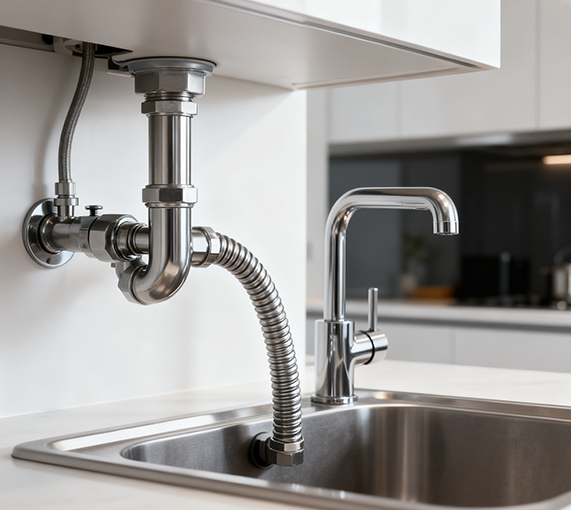
In residential, commercial, and institutional plumbing, flexible connectors are used beneath sinks, near water heaters, around washbasins, in utility rooms, and at equipment connection points. These locations may be exposed to condensation, cleaning products, accidental splashing, and repeated maintenance. A corrosion-resistant nut helps preserve the integrity of the connection over time.
The nut can be incorporated into flexible plumbing pipe and water liner assemblies where a secure connection is required between a flexible tube and a fixed threaded outlet. Its high strength supports installation in confined spaces where the connector may need to be positioned precisely and tightened with controlled force.
4.2 Heating and Building Services
Heating systems experience thermal expansion, contraction, vibration from pumps, and repeated operating cycles. Flexible connectors are often used to reduce vibration transmission, accommodate alignment differences, or simplify equipment installation. Stainless steel fastening components support these systems by maintaining mechanical stability as temperature changes.
Building heating applications may include boilers, radiators, heat exchangers, circulation equipment, and distribution units. The nut should be selected together with compatible seals, tubes, fittings, and thread specifications. Correct assembly is essential because a high-quality nut cannot correct an incompatible sealing surface or an incorrectly selected gasket.
4.3 Industrial HVAC and Mechanical Equipment
Industrial HVAC systems can involve equipment vibration, confined installation areas, fluctuating temperatures, and occasional exposure to cleaning chemicals or treated water. Flexible metal hoses and connectors help isolate movement and simplify service connections. The stainless steel nut contributes to mechanical security and corrosion resistance in these demanding settings.
Applications may include air-handling equipment, pumps, compressors, chillers, heat recovery units, and process-support systems. In every case, the connection should be evaluated according to the medium, pressure, temperature, vibration level, and required service life.
4.4 Gas Connector Assemblies
Gas connectors require careful attention to safety, sealing, material compatibility, and regulatory requirements. A stainless steel nut may be used as part of a suitable gas connector assembly, provided the complete product is designed, tested, and approved for the intended gas service. Gas applications should never rely on the material description of an individual component alone.
The company’s experience in gas connectors and stainless steel bellows supports a system-level understanding of flexible connections. This is valuable because gas connector performance depends on the relationship between the tube, braid, fittings, nut, sealing method, and installation procedure.
4.5 Food Processing and Healthcare Equipment
Food-processing machinery and healthcare equipment require components that are cleanable, corrosion-resistant, and suitable for controlled environments. Stainless steel nuts are beneficial in these applications because they can withstand frequent cleaning and sterilization procedures when the selected grade and design are appropriate.
In such systems, surface finish, crevice control, drainage, material traceability, and cleaning compatibility may be as important as basic mechanical strength. The nut should therefore be specified as part of a complete hygienic connection design.
5. Advanced Manufacturing Processes
5.1 Raw Material Selection and Incoming Inspection
Reliable manufacturing begins with suitable raw material. Stainless steel coils, bars, sheets, or other feedstock must be selected according to the required mechanical properties, corrosion resistance, forming behavior, and application environment. Material documentation and incoming inspection help confirm that the supplied material corresponds to the intended specification.
Incoming inspection may include visual checks, dimensional verification, surface assessment, hardness testing, chemical composition review, and documentation control. The purpose is to prevent unsuitable material from entering production and to maintain consistency between batches.
For a connector nut, material uniformity is important because the component must respond predictably during forming, threading, tightening, and service. Variations in hardness or surface condition can affect tool wear, thread quality, dimensional stability, and final appearance.
5.2 Precision Forming and CNC Processing
Nut production requires controlled shaping of stainless steel into a component with accurate external geometry and internal threads. Depending on the design, manufacturing may involve cold forming, machining, stamping, drilling, tapping, turning, or a combination of processes. CNC equipment helps control tool movement, dimensional accuracy, repeatability, and production efficiency.
Advanced CNC forming machines are part of the company’s manufacturing capabilities. CNC-based processing allows production parameters to be adjusted for different sizes and designs while maintaining repeatable quality. Tooling condition, feed rate, cutting parameters, lubrication, and inspection frequency must be managed carefully because stainless steel can work-harden and place significant demands on tooling.
Precision processing is particularly important for the threaded portion of the nut. The thread must be formed or machined to the correct profile, pitch, diameter, and engagement length. Excessive burrs, rough surfaces, or inconsistent thread dimensions can increase installation torque and reduce the reliability of the joint.
5.3 Integration with Bellows and Flexible Connector Production
Haoyin specializes in stainless steel bellows and flexible connection products. Its product range includes gas connectors, plumbing pipes and water liners, metal hoses, and compensators. This integrated product knowledge is a meaningful advantage because the nut can be developed with the complete connector structure in mind.
A connector nut should match the end fitting, tube geometry, sealing interface, and intended installation method. A company that manufactures related components can better understand how forces move through the assembly and how different parts interact under pressure, vibration, and thermal movement.
Stainless steel bellows and corrugated tubes require precise forming to achieve the intended flexibility and pressure performance. Laser welding, CNC forming, and other specialized equipment support the production of these assemblies. When fastening components are developed alongside flexible tubes and fittings, opportunities increase for improved compatibility, standardized interfaces, and more consistent final assembly.
5.4 Laser Welding and Joining Technology
Laser welding provides concentrated heat input and precise control of the welding zone. In stainless steel flexible connection manufacturing, controlled welding can support clean joints, reduced distortion, and consistent production results. The exact welding method depends on the component design, material thickness, joint configuration, and required performance.
Although the nut itself may not always be laser welded, its performance is influenced by the quality of the connector end to which it is attached. A strong nut paired with an improperly joined fitting would not create a reliable assembly. For this reason, welding quality, joint inspection, and assembly compatibility are essential parts of the broader production system.
5.5 Surface Treatment, Cleaning, and Protection
Stainless steel components should be protected from contamination during processing, storage, and transportation. Manufacturing residues, metal particles, lubricants, and handling marks can affect appearance and, in certain applications, hygiene or corrosion behavior. Appropriate cleaning and packaging help preserve product quality until installation.
Surface treatment requirements vary by application. Standard plumbing use may require a clean and smooth functional surface, while food, healthcare, and high-hygiene applications may require more specific surface-finish controls. Product documentation should identify the applicable requirements and any limitations associated with the selected finish.
5.6 Automated Packaging and Traceability
Automatic packaging systems can improve consistency, reduce handling damage, and support efficient order fulfillment. Packaging should protect threaded surfaces from impact, prevent contamination, and keep product identification legible. Correct labeling is especially important when several sizes or thread types are supplied to the same customer.
Traceability supports quality management by connecting finished products with production batches, raw materials, inspection records, and shipment information. In the event of a technical question or field issue, traceability allows the manufacturer and customer to investigate the relevant production history more effectively.
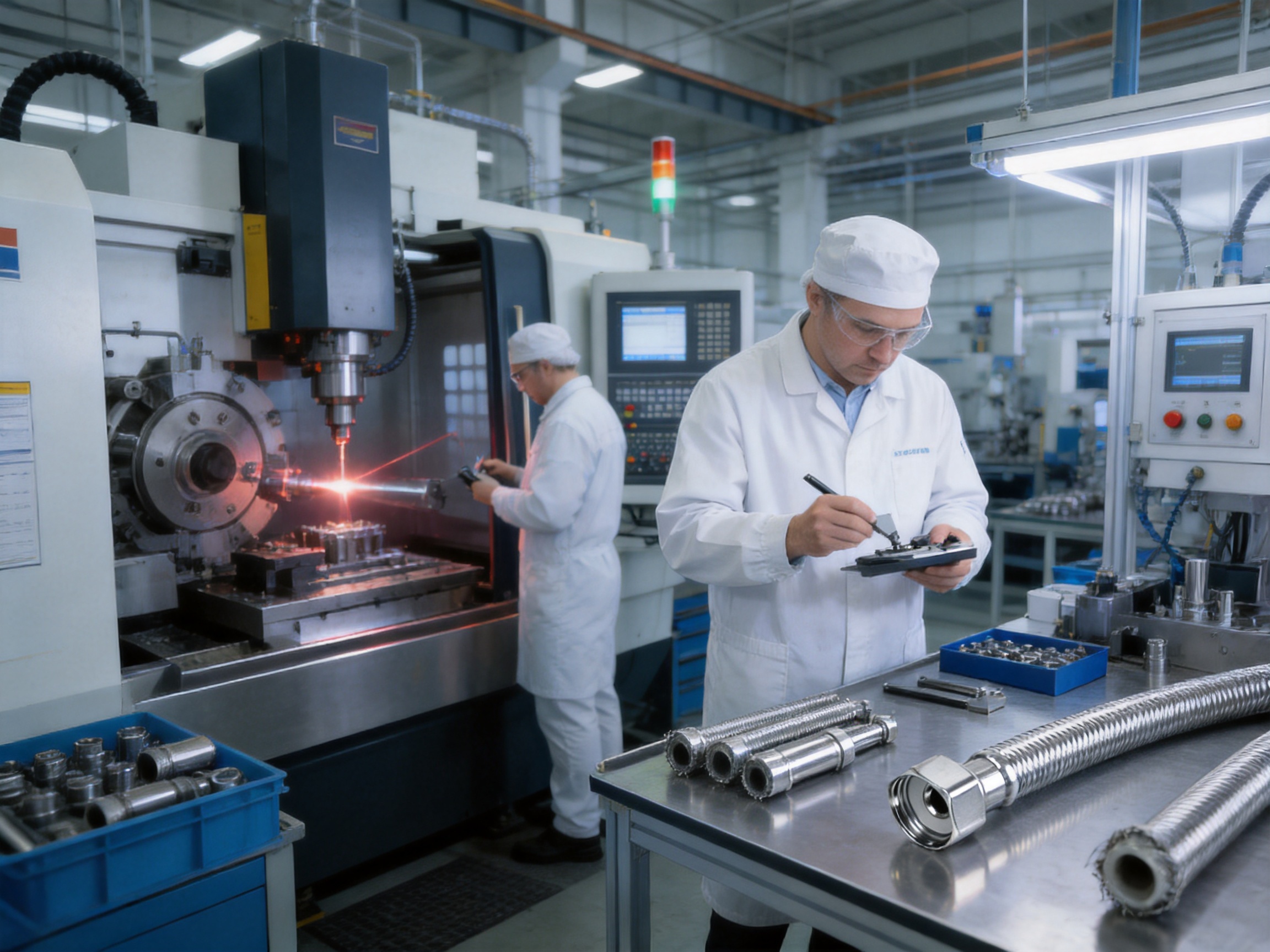
6. Quality Management and Testing Strengths
Haoyin has obtained ISO9001, ISO14001, ISO45001, and other management system certifications. These certifications represent structured approaches to quality, environmental management, and occupational health and safety. Certification does not replace product-specific testing, but it demonstrates that the company has established formal systems for process control, documentation, responsibility assignment, and continual improvement.
6.1 Dimensional Inspection
Dimensional inspection verifies that the nut conforms to the required drawings or specifications. Important characteristics may include outside diameter, inside diameter, thickness, thread dimensions, flatness, concentricity, and overall height. Accurate dimensions promote compatibility with mating parts and support consistent sealing and tightening behavior.
6.2 Thread Inspection
Thread inspection is one of the most important checks for a connector nut. Gauges or other measurement tools can be used to confirm the functional fit of internal threads. Inspection should identify cross-threading risks, incomplete thread profiles, burrs, excessive roughness, and dimensional variation.
Good thread quality helps the installer achieve smooth engagement without unnecessary force. It also reduces the risk of damaging the mating component. A thread that engages consistently contributes to more predictable tightening and more uniform compression of the sealing element.
6.3 Mechanical and Torque Evaluation
Mechanical testing may evaluate resistance to tensile force, deformation, cracking, or thread failure. Torque evaluation helps establish the relationship between tightening force and connection performance. The correct torque depends on the thread design, material pairing, seal type, lubrication, and application requirements.
Excessive torque can damage threads, distort a seal, or deform a fitting. Insufficient torque can allow leakage or loosening. The nut should therefore be installed according to technical instructions rather than tightened solely by feel.
6.4 Corrosion and Environmental Evaluation
Corrosion evaluation can help assess how the material and surface condition respond to relevant environmental exposure. Laboratory tests may include humidity, salt-containing atmospheres, chemical contact, or other application-specific conditions. Test selection should reflect the actual service environment as closely as possible.
Because corrosion behavior depends on the complete system, the nut, fitting, tube, seal, and surrounding materials should be considered together. Installation practices such as avoiding contamination with carbon steel particles and preventing trapped moisture can also affect long-term performance.
6.5 Leak and Pressure Testing of Complete Assemblies
A nut should not be judged independently from the connector assembly. Leak testing and pressure testing of the complete product help verify that the tube, fitting, sealing component, and fastening system work together. Testing may include hydrostatic pressure, pneumatic pressure, vacuum, cyclic pressure, or other methods selected according to the product application.
The company’s use of specialized inspection equipment, including eddy current flaw detection equipment, supports the evaluation of stainless steel components and assemblies. Eddy current inspection can help identify certain surface or near-surface discontinuities without damaging the part. The appropriate inspection method depends on material, geometry, production volume, and risk assessment.
7. Research and Development Capabilities
A strong product supplier should be able to respond to changing installation requirements, different connection standards, and application-specific performance goals. Haoyin maintains a professional R&D team focused on stainless steel bellows and flexible connection technology. Research and development activities may involve product structure, forming methods, joining techniques, material selection, testing, and production optimization.
R&D is particularly important for connector nuts because customers may require different thread standards, dimensions, installation methods, surface finishes, packaging formats, or assembly configurations. A capable technical team can evaluate these requirements and determine whether an existing design is suitable or whether a customized solution is needed.
Product development should consider the full life cycle of the connection. Design teams need to evaluate ease of assembly, tool access, sealing reliability, resistance to vibration, maintenance, disassembly, material compatibility, and end-of-life recyclability. This broader perspective helps prevent designs that perform well in a laboratory but create problems during installation or service.
The company’s combination of R&D and manufacturing equipment allows development feedback to move efficiently between design, prototype, testing, and production. This can shorten the path from a customer requirement to a practical and repeatable product solution.
8. Installation and Application Guidance
8.1 Confirm Compatibility Before Installation
Before installation, confirm the nut’s size, thread standard, mating fitting, sealing method, material grade, and intended service medium. Do not force a nut onto a fitting with a different thread type or pitch. Thread compatibility is necessary for safe and effective assembly.
The connector should also be checked for damage, contamination, dents, distorted threads, and missing sealing components. Products that have been dropped or stored improperly should be inspected before use.
8.2 Protect the Threads
Threads should be kept clean and protected from impact. Avoid dragging the nut across rough surfaces or placing it where metal particles can enter the internal thread. Contaminants can increase friction, interfere with accurate tightening, and damage the mating thread.
When tools are used, select a tool that fits the nut correctly. Pliers or adjustable tools that grip the corners improperly may mark or deform the component. A suitable wrench helps distribute force and reduce the risk of installation damage.
8.3 Use Correct Tightening Procedures
Follow the connector manufacturer’s tightening instructions. The correct procedure depends on whether the joint uses a gasket, ferrule, cone, flare, compression surface, or another sealing design. Thread sealant should only be used when specified; applying an unsuitable sealant may interfere with the sealing surface or contaminate the system.
Overtightening is a common installation error. Excessive torque may strip threads, crush a gasket, distort a fitting, or place unnecessary stress on the flexible tube. Insufficient tightening may result in leakage or loosening. Controlled installation produces more consistent outcomes than applying force until the component appears tight.
8.4 Avoid Side Loading and Excessive Bending
The nut is intended to secure the connector, not to compensate for severe misalignment or excessive bending. The flexible tube should be routed without sharp kinks, twisting, or unnecessary side loading. The connection should be aligned before tightening so that the nut is not forced into position against a misaligned fitting.
Proper support and routing reduce vibration and mechanical stress. In systems with movement, the flexible section should be allowed to perform its intended function without being stretched beyond its design limits.
8.5 Inspect After Installation
After installation, inspect the connection for visible damage, correct alignment, and signs of leakage. Pressure testing should be performed according to the system requirements. In critical applications, inspect the connection again after the system reaches operating temperature and pressure.
Routine maintenance should include checking for corrosion, unusual vibration, moisture accumulation, thread damage, and changes in connector position. A stainless steel nut reduces maintenance risk, but regular inspection remains important for any pressurized or fluid-handling system.
9. Customization and Supply Support
Different markets and projects may require different connection dimensions, thread standards, material grades, packaging quantities, labeling systems, or assembly configurations. A manufacturer with flexible production capabilities can support customers by reviewing drawings, samples, application conditions, and performance requirements.
Technical communication should include the operating medium, pressure, temperature range, vibration level, installation environment, expected service life, applicable standards, and required documentation. This information enables the manufacturer to recommend a suitable nut and complete connector configuration.
Customization may involve modifying external dimensions, thread specifications, surface requirements, packaging, or integration with a particular flexible tube and fitting. Any change should be validated through design review and testing. The objective is not simply to produce a different shape, but to maintain reliable mechanical and sealing performance after modification.
Haoyin’s standardized workshops, professional technical team, automated equipment, and complete quality system provide a foundation for both regular production and customized development. Its manufacturing focus on bellows and flexible connection products also supports coordinated supply for customers seeking more than an individual nut.
10. Why Manufacturing Capability Matters to Buyers
Purchasing a connector nut only by price can create hidden costs. An inexpensive component may have inconsistent threads, poor surface quality, unclear material information, weak packaging, or limited technical support. These issues can increase assembly time, cause leakage, result in installation damage, and create warranty or maintenance problems.
Manufacturing capability gives buyers greater confidence that the product is made through a controlled and repeatable process. It also improves the supplier’s ability to respond to quality questions, technical changes, and delivery requirements. A manufacturer with its own production systems can investigate problems more effectively than a supplier that only resells unverified components.
Haoyin operates standardized workshops covering approximately 18,000 square meters within an area of 35 mu. Its equipment includes laser welding machines, CNC forming machines, COSMO equipment, eddy current flaw detectors, and automatic packaging systems. These resources support a production model that combines specialized manufacturing, inspection, and process efficiency.
The company’s recognition as a National High-tech Enterprise and Green Factory reflects its emphasis on technical development and responsible production. Its stated philosophy of “Striving for Excellence, Forging Quality” is supported by a full-process quality management system covering raw materials, structural design, manufacturing, performance testing, and after-sales support.
11. Frequently Asked Questions
Q1: What is the main purpose of a flexible plumbing connector stainless steel nut?
The nut secures a flexible connector to a compatible fitting and helps transfer tightening force to the sealing interface. It also supports the mechanical integrity of the connection during pressure, vibration, temperature changes, and normal service conditions.
Q2: Why is stainless steel preferred for plumbing connector nuts?
Stainless steel offers strong corrosion resistance, high mechanical strength, thread durability, temperature stability, hygiene, and recyclability. These properties make it suitable for wet, outdoor, heating, industrial, food, healthcare, and other demanding environments.
Q3: Can this nut be used for potable water systems?
It can be considered for potable-water applications when the selected material grade, surface condition, complete connector assembly, and regulatory documentation meet the requirements of the project. Buyers should confirm application-specific compliance before installation.
Q4: Is the nut suitable for gas connections?
It may be used as part of a properly designed and approved gas connector assembly. Gas applications require complete-system certification, correct sealing, material compatibility, and compliance with applicable regulations. An individual nut should not be evaluated separately from the certified connector.
Q5: Does stainless steel prevent all corrosion?
No material is immune to every environment. Stainless steel provides excellent corrosion resistance, but performance depends on the grade, temperature, chemical concentration, surface condition, contamination, and installation practice. The material should be selected according to the actual service environment.
Q6: Can the nut withstand high and low temperatures?
Stainless steel maintains useful mechanical properties across a broad temperature range and is suitable for many hot-water, heating, outdoor, and low-temperature applications. The full connector, including seals and flexible tubing, must also be rated for the operating conditions.
Q7: How does the product resist thread stripping?
Its high strength and hardness help preserve thread geometry under appropriate installation torque and service loading. Correct thread compatibility, proper tool use, clean surfaces, and controlled tightening are still necessary to prevent damage.
Q8: Is the product recyclable?
Yes. Stainless steel is a recyclable metal, and the product is described as 100% recyclable. Recycling should be conducted through an appropriate metal recovery system at the end of service life.
Q9: What manufacturing technologies support product quality?
The company uses technologies and equipment including CNC forming, laser welding, specialized COSMO equipment, eddy current flaw detection, and automatic packaging. These capabilities support forming accuracy, joining quality, defect detection, production consistency, and product protection.
Q10: What information should a buyer provide when requesting a quotation?
Useful information includes the required quantity, nut dimensions, thread standard, mating connector, material requirements, operating medium, pressure, temperature, installation environment, surface finish, packaging needs, applicable standards, and any drawings or samples.
Q11: How should the nut be installed?
Confirm thread compatibility, inspect the parts, align the connector, protect the threads, use the correct wrench, and apply the specified tightening procedure. Avoid overtightening, side loading, twisting, and forcing a mismatched thread.
Q12: Why should the nut be purchased from a specialized flexible-connector manufacturer?
A specialized manufacturer understands how the nut interacts with bellows, corrugated tubes, fittings, seals, and complete connection assemblies. This can improve compatibility, technical support, quality consistency, and the ability to develop customized solutions.
12. Conclusion
The flexible plumbing connector stainless steel nut is a compact but important component for reliable fluid-handling systems. Its excellent resistance to water, air, acids, alkalis, salts, and other media helps it perform in wet and harsh environments. High strength and hardness support resistance to thread stripping, torque-related damage, and deformation. Stable mechanical properties across high and low temperatures make it appropriate for plumbing, heating, HVAC, outdoor, and industrial applications. Hygienic characteristics support use in food, healthcare, medical, and potable-water environments, while recyclability contributes to responsible material management.
The product’s advantages are strengthened by controlled manufacturing. Raw material inspection, CNC forming, accurate thread production, laser welding for related assemblies, specialized testing, eddy current flaw detection, automated packaging, and formal quality management all contribute to a consistent result. The company’s R&D team, standardized workshops, advanced equipment, certifications, and experience with stainless steel bellows and flexible connectors provide additional support for customers seeking dependable connection solutions.
For buyers, the most important consideration is not simply whether a nut is made from stainless steel. The complete evaluation should include material suitability, dimensions, thread accuracy, corrosion environment, temperature, mechanical loading, sealing method, assembly procedure, testing, traceability, and supplier capability. When these factors are addressed together, the stainless steel nut can provide a durable, hygienic, serviceable, and cost-effective fastening solution for modern flexible plumbing and piping systems.
References
1. General principles of stainless steel material selection for corrosion-resistant plumbing and mechanical components.
2. Quality management principles for manufacturing organizations, including process control, traceability, inspection, and continual improvement.
3. Environmental management principles for industrial manufacturing and recyclable metal product production.
4. Occupational health and safety management principles for engineering and manufacturing facilities.
5. General engineering guidance for threaded fasteners, torque control, thread engagement, and mechanical connection design.
6. General practices for pressure testing, leak testing, and inspection of flexible metal hose and plumbing connector assemblies.
7. Hygienic design considerations for stainless steel components used in food, healthcare, potable-water, and medical equipment applications.
8. Product and company information supplied for the flexible plumbing connector stainless steel nut and related stainless steel bellows products.