




 English
 Español
 русский



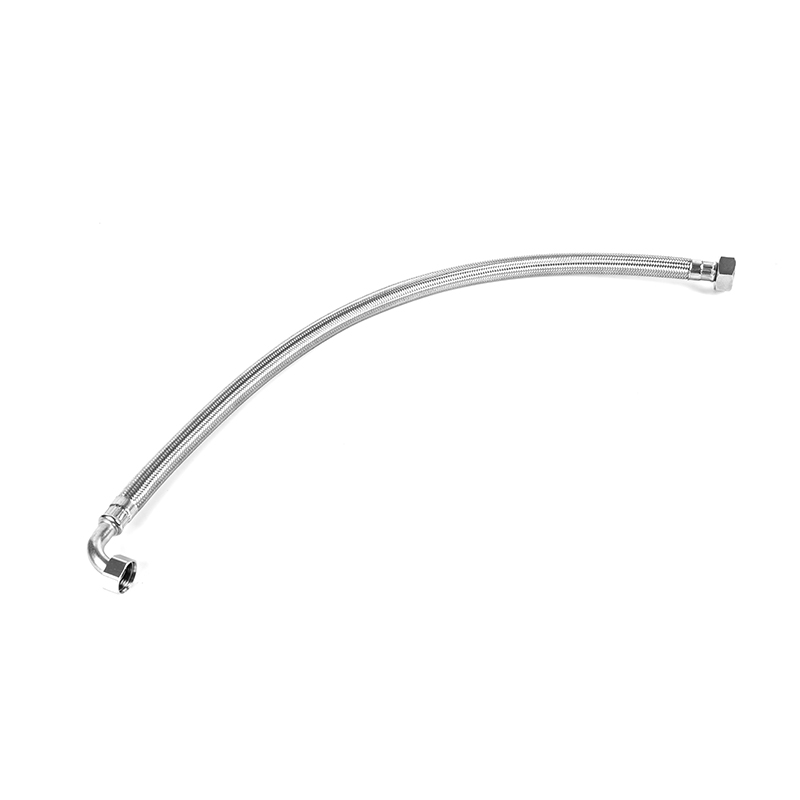
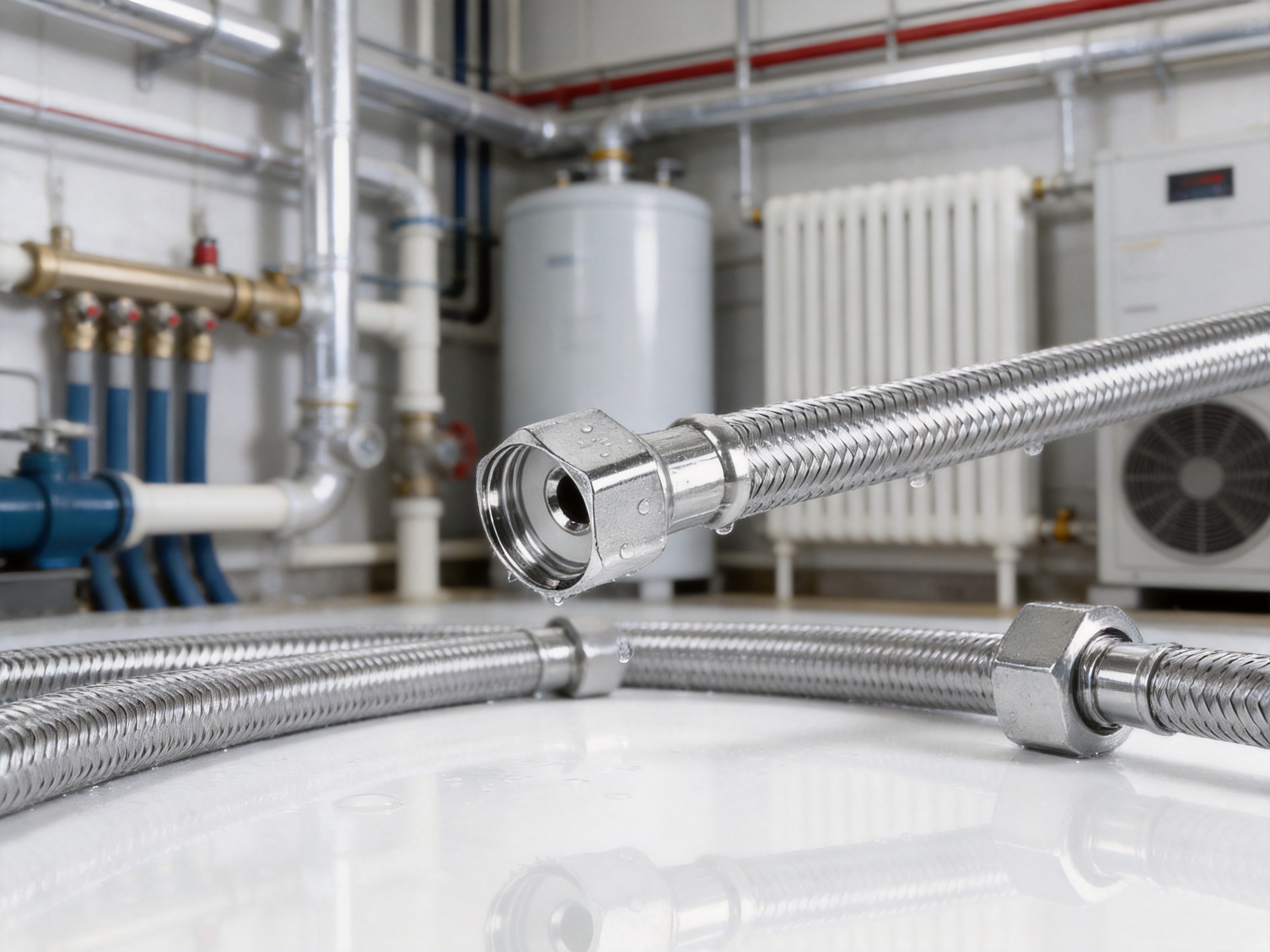
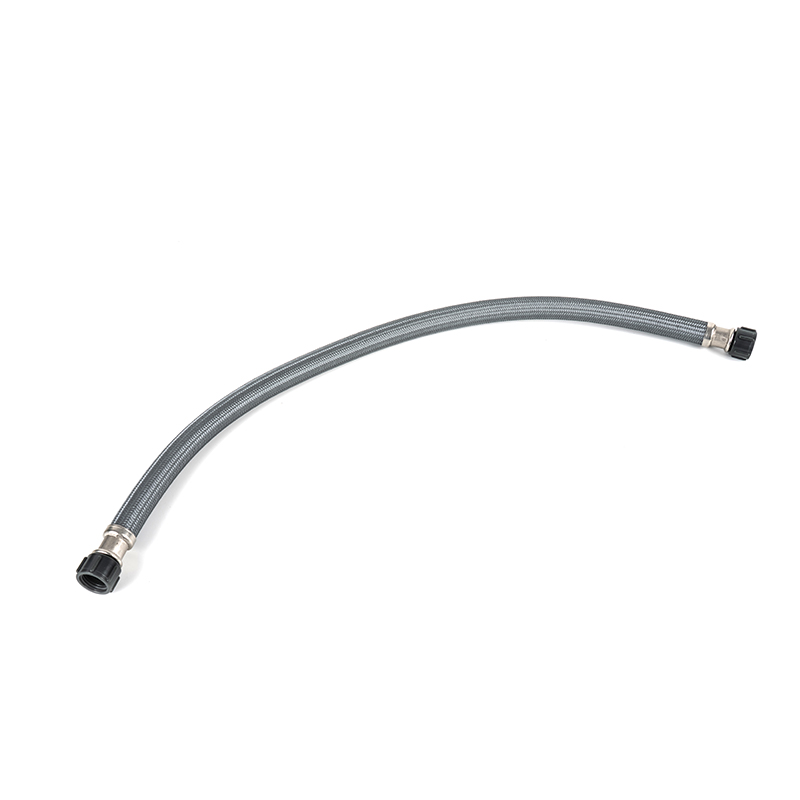
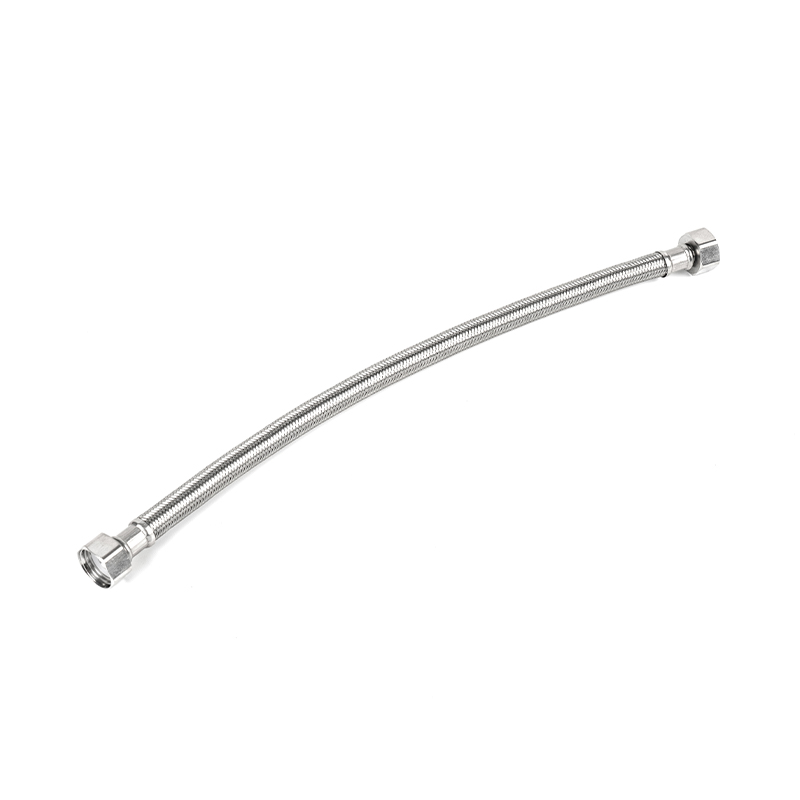
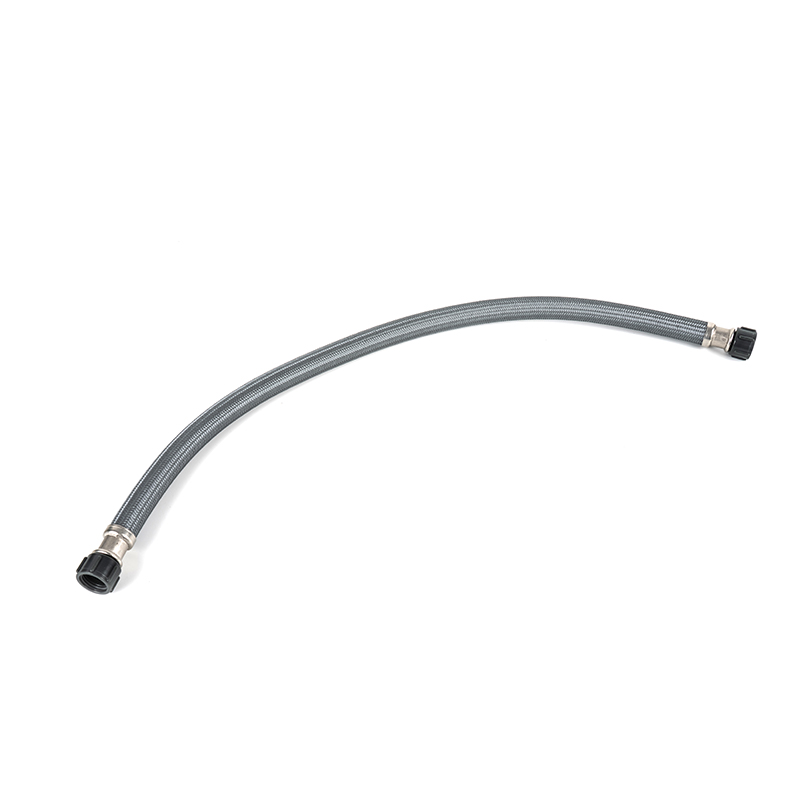
Flexible stainless steel outer braid wires are essential components in many modern connection systems. They reinforce flexible plumbing pipes, gas connectors, water liners, metal hoses, and compensators, helping these products withstand pressure, movement, vibration, temperature changes, and demanding environmental conditions. Although the braid may appear simple from the outside, its material quality, wire consistency, weaving accuracy, and compatibility with the inner hose have a direct influence on the safety and service life of the complete assembly.
High-quality stainless steel braid wire provides a strong protective layer around a flexible tube. It helps control expansion, limits excessive deformation, improves pressure resistance, and protects the inner liner from external mechanical damage. In plumbing, heating, gas, healthcare, building services, and industrial HVAC systems, a reliable outer braid is therefore more than a supplementary accessory. It is a functional engineering element that contributes to the performance of the entire flexible connection.
The stainless steel wires described in this article are developed for outer-braid applications. They combine mechanical strength, corrosion resistance, temperature stability, hygiene, processability, and recyclability. These characteristics make them suitable for manufacturers that require dependable raw materials for woven reinforcement structures and for distributors seeking flexible connection products with long-term performance.
Understanding the Role of an Outer Stainless Steel Braid
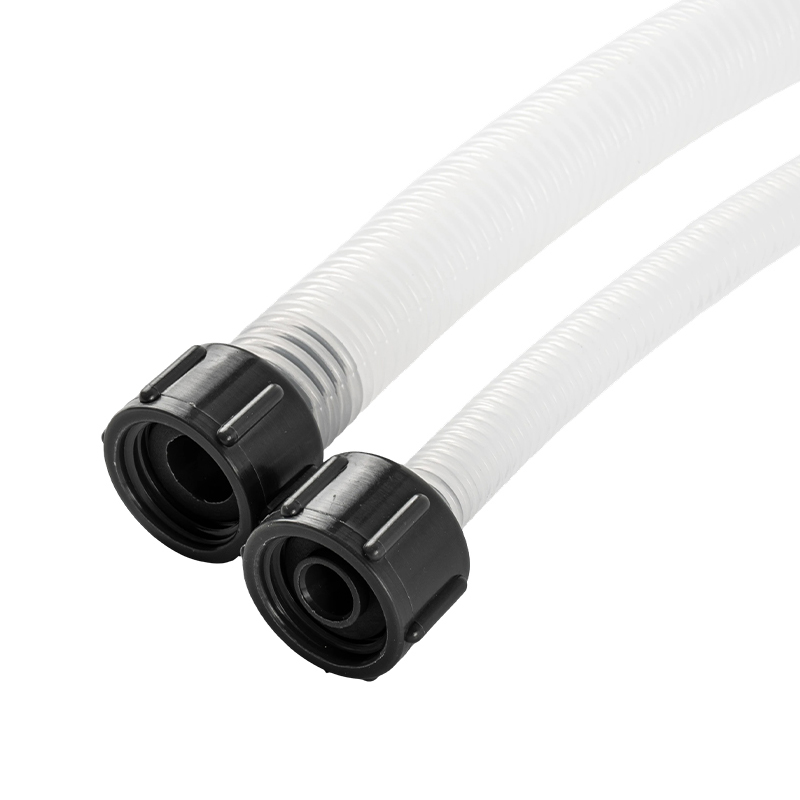
A flexible hose is commonly made from several layers. Depending on the application, it may contain an inner tube or liner, one or more reinforcement layers, an outer braid, end fittings, and protective coatings or sleeves. The inner tube provides the fluid passage, while the outer braid supports the structure and helps maintain a stable shape when the assembly is pressurized or bent.
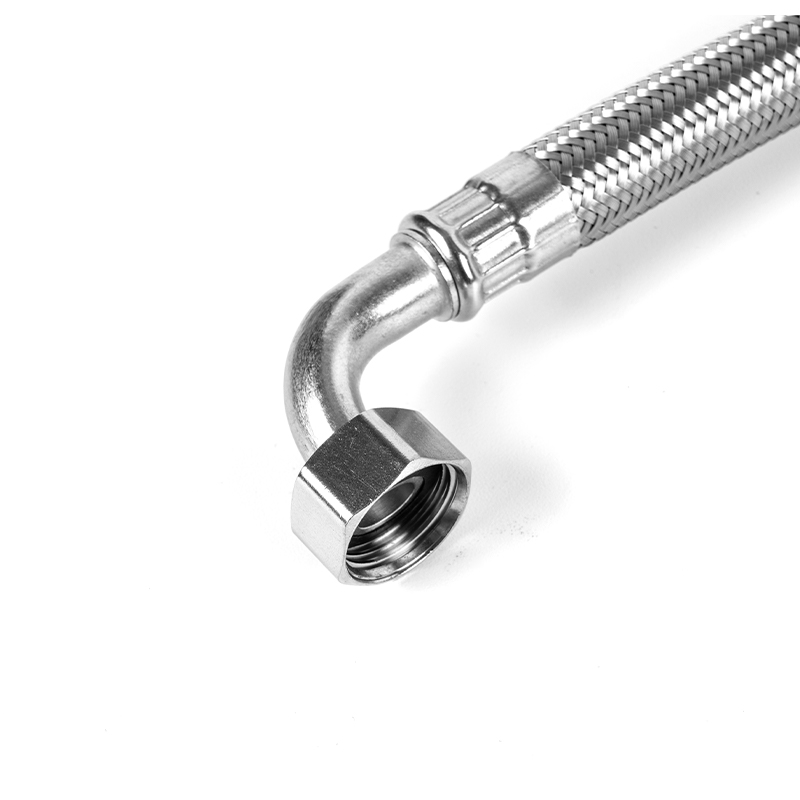
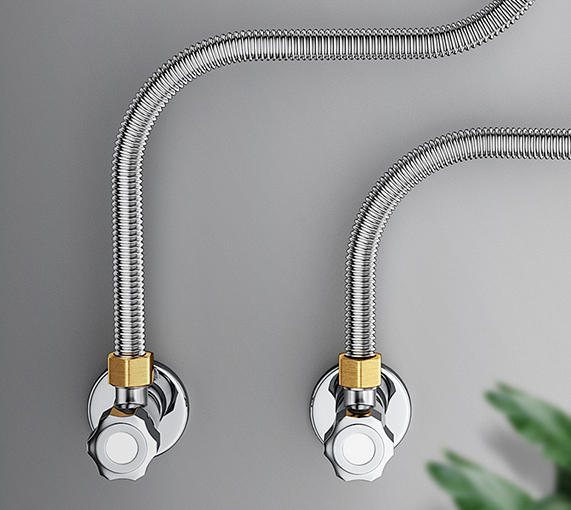
Stainless steel braid wires are woven around the flexible tube at a controlled angle. The resulting braid distributes force across many individual wires rather than allowing pressure or movement to concentrate in one area. When the hose experiences internal pressure, the braid helps resist radial expansion. When the hose is bent, the interlaced structure allows controlled flexibility while reducing the risk of kinking, buckling, or permanent deformation.
The outer braid also provides protection against abrasion, impact, and accidental contact with surrounding equipment. In exposed plumbing installations, the braid can shield the flexible tube from tools, brackets, vibration, and movement caused by thermal expansion. In industrial environments, it can help protect the inner hose from routine mechanical wear and handling damage.
The performance of an outer braid depends on more than the nominal grade of stainless steel. Wire diameter, tensile strength, surface finish, hardness, roundness, elongation, winding quality, and weaving compatibility all influence the final result. A wire that is strong but difficult to weave may produce an irregular braid. A wire with good corrosion resistance but inconsistent diameter may create weak spots or uneven coverage. For this reason, professional production must control both material properties and manufacturing precision.
Material Characteristics of Flexible Stainless Steel Braid Wires
Excellent Mechanical Strength
The primary purpose of an outer braid is reinforcement, so tensile strength is one of its most important characteristics. Stainless steel wires used for braiding must tolerate the tension created during weaving, assembly, pressure testing, installation, and service. They also need sufficient hardness to resist scratching, wear, and localized deformation.
Strong braid wire enables manufacturers to produce a compact and stable woven layer without excessive wire breakage. During use, the finished braid can better control the dimensions of the hose and reduce unwanted expansion under pressure. High tensile strength is particularly valuable in flexible connections that experience pulsating pressure, repeated movement, or frequent thermal cycling.
Mechanical strength also contributes to handling reliability. Flexible hoses are often moved, positioned, and connected in confined spaces. A robust stainless steel braid is less likely to be damaged during installation, provided that the product is bent within its recommended limits. Compared with weaker metallic or polymeric reinforcement materials, stainless steel wire provides a durable balance of strength and flexibility.
Superior Corrosion Resistance
Plumbing and connection systems are exposed to moisture, condensation, cleaning agents, salts, atmospheric pollutants, and sometimes acidic or alkaline media. Stainless steel is selected for outer braid applications because it offers strong resistance to many common corrosive conditions. The material can withstand exposure to water and humid air while maintaining its structural integrity and appearance.
Corrosion resistance is especially important when the braid is installed in kitchens, bathrooms, water-treatment areas, mechanical rooms, hospitals, commercial buildings, and outdoor or semi-outdoor environments. A corroded braid may lose cross-sectional area, become brittle, stain surrounding surfaces, or reduce the safety margin of the complete hose. High-quality stainless steel wire helps avoid these problems and supports a longer maintenance interval.
The exact corrosion performance depends on the stainless steel grade, surface condition, surrounding environment, temperature, and chemical concentration. Correct material selection is therefore essential. Professional manufacturers can recommend suitable stainless steel wire according to the intended fluid, installation location, cleaning regime, and expected service life.
Resistance to High and Low Temperatures
Flexible connectors may operate in hot water, heating systems, chilled-water systems, refrigeration equipment, or environments with significant seasonal temperature changes. The outer braid must remain stable across the expected temperature range and should not melt, soften, or become excessively brittle.
Stainless steel wire retains useful mechanical properties in both high- and low-temperature conditions. It is not affected in the same manner as many plastics, which may soften at elevated temperatures or lose impact resistance in cold environments. This makes stainless steel braid suitable for heating, plumbing, HVAC, and industrial applications where temperature stability is necessary.
Temperature resistance is also important during manufacturing. Braid wire may be exposed to heat during welding, forming, sterilization, or other downstream processes. A stable material helps reduce distortion and supports consistent performance after assembly.
Hygienic and Non-Toxic Performance
Stainless steel is widely used in applications where cleanliness and hygiene are important. Its smooth surface is relatively easy to clean, and it does not support bacterial growth in the same way as porous materials. These characteristics make stainless steel braid wires suitable for water-related systems, healthcare facilities, food-processing environments, and other installations where material hygiene matters.
The braid normally remains outside the fluid path, but its condition can still influence the cleanliness and safety of the complete assembly. A corrosion-resistant, stable outer layer is less likely to shed loose particles, produce rust stains, or contaminate adjacent components. When combined with an appropriate inner liner and properly finished fittings, stainless steel reinforcement supports a hygienic connection solution.
Manufacturers should still follow applicable requirements for cleaning, surface treatment, material traceability, and product testing. Hygienic performance is not determined by material selection alone; it also depends on production conditions, assembly practices, packaging, storage, and installation.
Good Weldability and Processability
Outer braid wires must be compatible with the manufacturing methods used by hose producers. Stainless steel wire can be processed through weaving, bending, cutting, forming, and, where applicable, welding. Consistent processing behavior helps manufacturers maintain a stable production speed and reduce reject rates.
Good weldability is useful when braid components, hose ends, or supporting structures require permanent joining. The wire should respond predictably to the selected welding process without excessive cracking, distortion, or surface damage. Good bending performance is equally important because braid wire must follow the contour of the flexible tube during production and must tolerate controlled movement during service.
Processability also affects the appearance and usability of the finished product. Uniform wire surfaces and stable dimensions support an even braid pattern, consistent coverage, and clean integration with end fittings or protective sleeves.
Eco-Friendly and Recyclable Material
Stainless steel is a recyclable engineering material. At the end of its service life, it can be recovered and reused through established metal recycling systems. This characteristic supports resource efficiency and helps reduce the environmental impact associated with disposable or difficult-to-recycle reinforcement materials.
Recyclability is increasingly important for construction projects, infrastructure upgrades, commercial buildings, and industrial procurement programs. Buyers are seeking products that combine long service life with responsible material use. Because durable stainless steel braid can reduce replacement frequency and can be recycled after use, it supports a more sustainable product life cycle.
Advantages Compared with Alternative Outer Reinforcement Materials
Flexible connection manufacturers can choose from several reinforcement options, including polymer fibers, galvanized steel wire, carbon steel wire, and stainless steel wire. Each material has a suitable application range, but stainless steel offers a strong combination of durability, cleanliness, corrosion resistance, and temperature stability.
| Performance factor | Stainless steel outer braid wire | Polymer reinforcement | Galvanized or ordinary steel wire |
|---|---|---|---|
| Corrosion resistance | High resistance in many water, humid, and industrial environments | Generally resistant to rust but may degrade under heat, chemicals, or ultraviolet exposure | Dependent on coating condition; corrosion may increase after coating damage |
| Mechanical strength | High tensile strength and strong resistance to deformation | Lower stiffness and strength in many high-load applications | Good initial strength, but long-term corrosion can reduce performance |
| Temperature stability | Suitable for a broad range of hot and cold service conditions | Depends strongly on polymer type and temperature limits | Generally stable, but surface protection may deteriorate with heat |
| Hygiene and cleanability | Smooth, cleanable, and suitable for hygiene-sensitive applications | Depends on material formulation and surface condition | Rust or coating damage may complicate cleaning |
| Service life | Long service potential with appropriate grade selection and installation | May be shortened by aging, ultraviolet exposure, or thermal cycling | Can be reduced by corrosion and coating failure |
| Recyclability | Highly recyclable as a metal material | Recycling depends on polymer type and local facilities | Recyclable, although coatings and corrosion require processing |
Compared with polymer reinforcement, stainless steel braid generally provides greater resistance to mechanical damage, high temperature, pressure-related expansion, and installation stress. Polymer materials may be lighter and economical in selected low-load applications, but they can be more sensitive to aging, heat, ultraviolet radiation, and chemical exposure.
Compared with galvanized or ordinary steel wire, stainless steel offers stronger protection against corrosion, particularly where the braid may be scratched, exposed to condensation, or subjected to repeated cleaning. Galvanized coatings can provide useful protection, but once the coating is damaged, the underlying steel may corrode. Stainless steel obtains much of its corrosion resistance from the material itself rather than relying only on an external coating.
These advantages do not mean that every application requires the same stainless steel specification. The correct selection should consider pressure, temperature, fluid, installation environment, movement, required flexibility, and relevant standards. However, where long-term reliability and environmental resistance are priorities, stainless steel braid wire is often the more dependable choice.
Applications Across Plumbing, Gas, Heating, and Industry
Plumbing Pipes and Water Liners
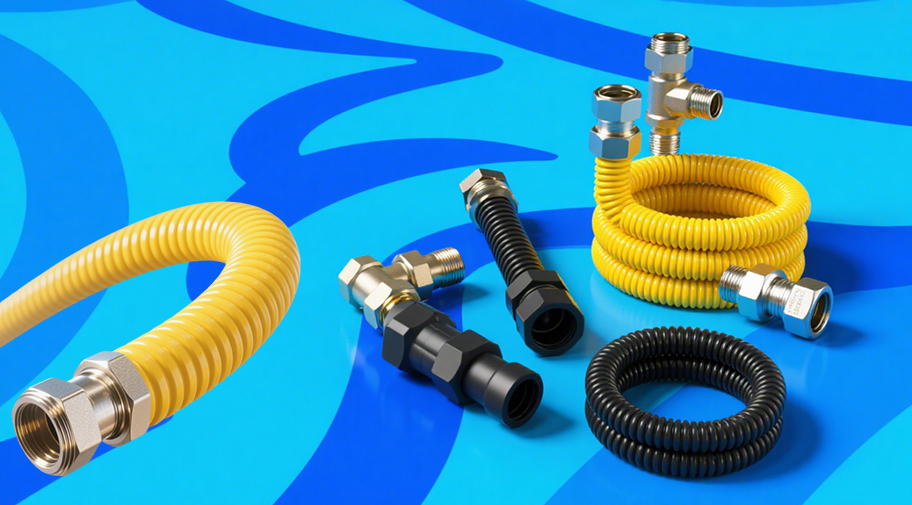
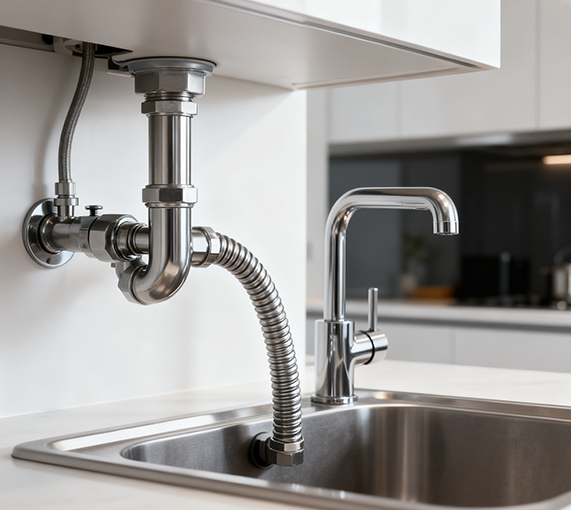
Flexible plumbing pipes and water liners must accommodate alignment differences, installation movement, vibration, and thermal expansion. A stainless steel outer braid helps protect the inner tube and provides reinforcement against pressure-related deformation. It is suitable for connections near water heaters, pumps, sanitary fixtures, manifolds, and building service equipment.
In residential and commercial plumbing, the braid may be exposed to moisture, cleaning products, and accidental contact with tools. Stainless steel provides a clean appearance and reliable resistance to common wet-environment conditions. The flexible structure also supports faster installation than rigid pipework in areas where access is limited or where small alignment changes are expected.
Gas Connectors
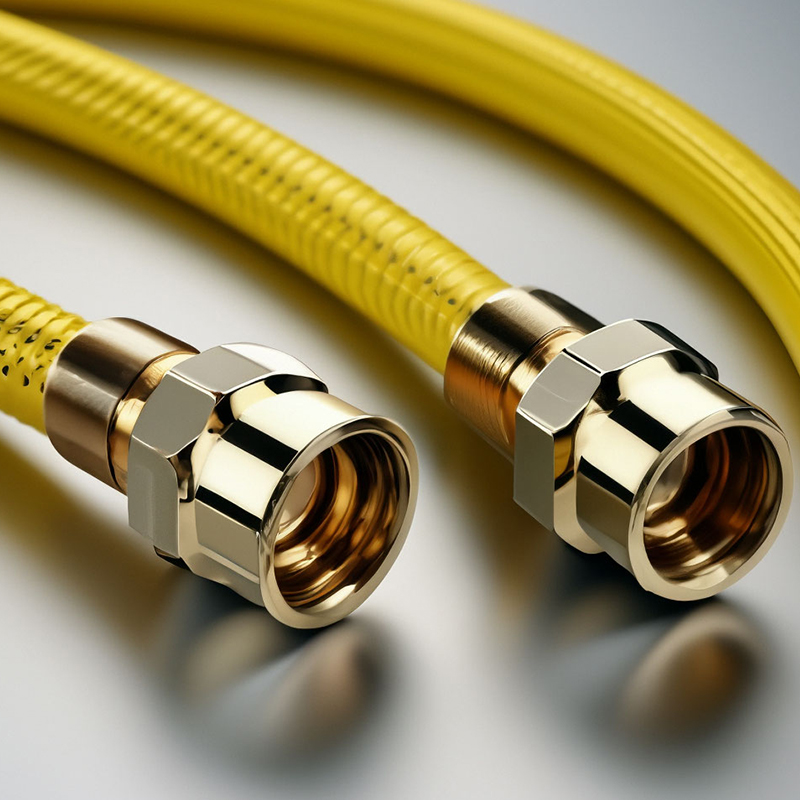
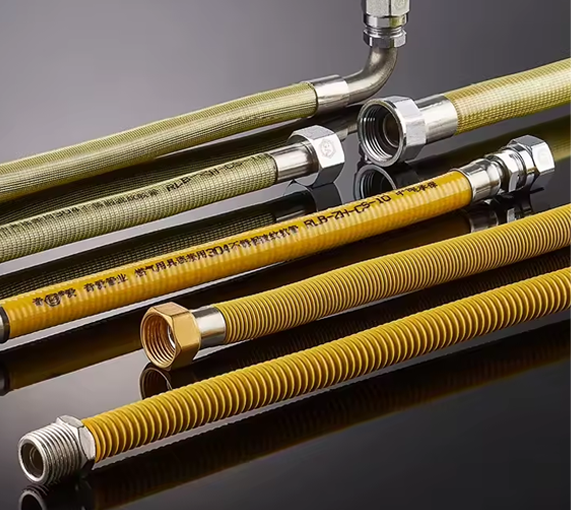
Gas connectors require careful design, reliable sealing, suitable materials, and appropriate testing. The outer braid can provide mechanical protection and help maintain the shape of the flexible connector. It may also reduce the risk of damage caused by bending, vibration, or contact with nearby surfaces.
For gas applications, the complete connector must be engineered and tested according to the applicable national or regional requirements. The stainless steel braid is one part of the system and must be correctly matched with the inner tube, fittings, end connections, and installation instructions. Material traceability and production quality are particularly important in safety-critical applications.
Heating and Building HVAC Systems
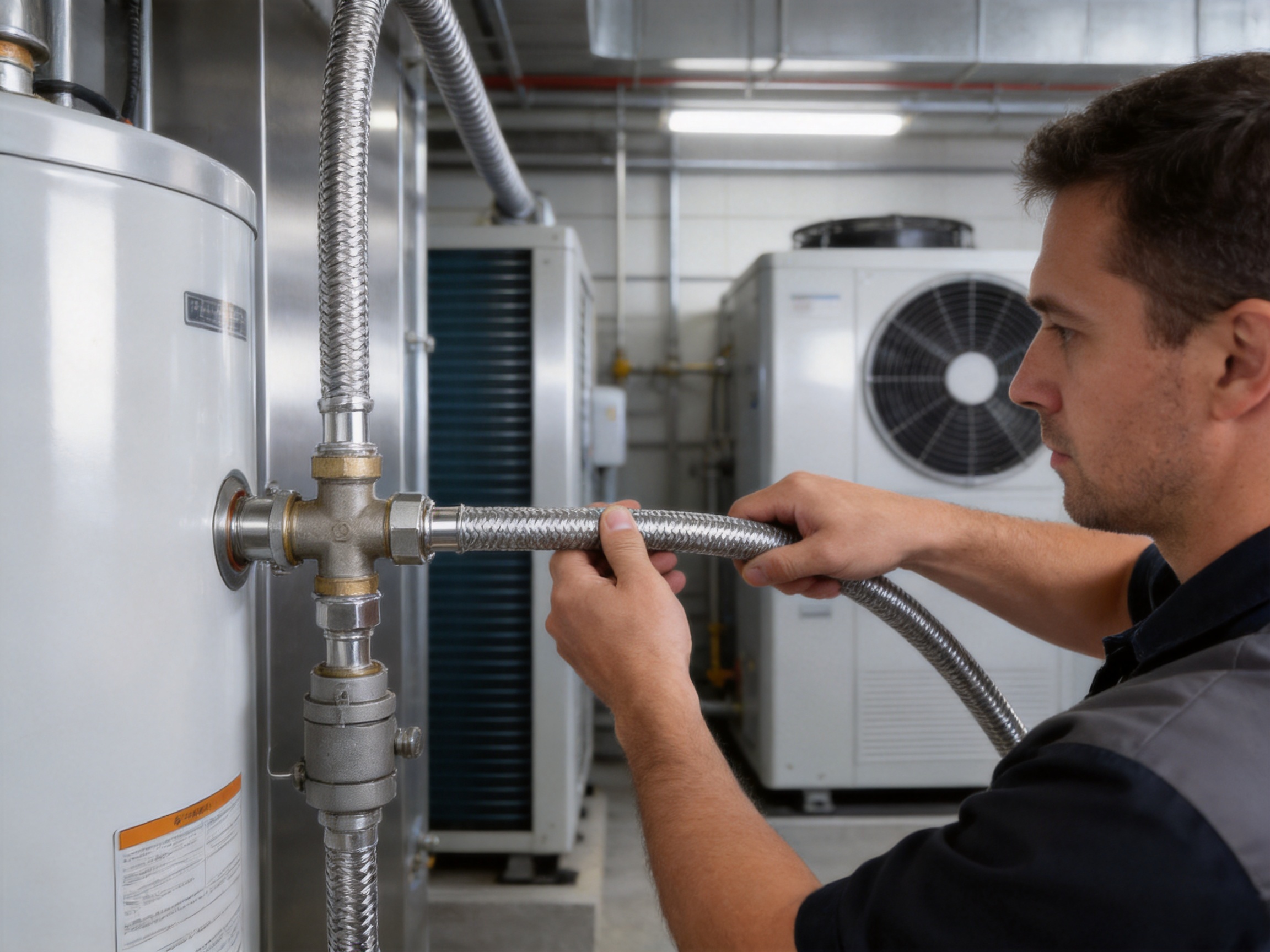
Heating and HVAC systems often experience temperature fluctuation, pump vibration, pressure variation, and frequent equipment start-up and shutdown cycles. Flexible stainless steel-braided connections can accommodate controlled movement between boilers, pumps, heat exchangers, air-handling equipment, and fixed piping.
The temperature resistance of stainless steel is valuable in hot-water circulation and heating applications. Its corrosion resistance is also beneficial in mechanical rooms where condensation and changing humidity may be present. A properly designed flexible connection can simplify maintenance by allowing equipment to be disconnected or repositioned without dismantling large sections of rigid pipe.
Metal Hoses
Metal hoses commonly use a flexible corrugated tube together with an outer braid. The corrugated tube provides flexibility, while the braid controls pressure-related expansion and contributes to mechanical protection. Consistent stainless steel braid wire is essential for maintaining a uniform structure around the corrugated tube.
Metal hoses may be used for water, steam, gas, air, chemicals, heat-transfer media, and industrial process fluids. The appropriate stainless steel grade and construction must be selected according to the medium and service conditions. The braid design may vary in wire diameter, number of carriers, braid angle, and layer arrangement depending on pressure and flexibility requirements.
Compensators and Expansion Connections
Compensators are designed to absorb thermal expansion, vibration, equipment movement, or installation displacement in piping systems. Stainless steel braid wires can be used in flexible compensator structures to help control movement and support the pressure-bearing elements.
In these applications, the wire must combine high strength with adequate flexibility and fatigue resistance. Inconsistent wire quality can cause uneven load distribution or premature wear in areas where the compensator moves repeatedly. Reliable material supply and controlled weaving are therefore essential for long-term performance.
Healthcare and Clean-Service Installations
Healthcare facilities and clean-service environments require materials that can be maintained, cleaned, and inspected effectively. Stainless steel braid is suitable for many connection assemblies used around water, heating, medical support systems, and building services. Its cleanable surface and corrosion resistance support the hygiene objectives of these installations.
Where sterilization, disinfectants, or aggressive cleaning agents are used, the full assembly should be evaluated for chemical compatibility. Stainless steel wire selection, surface condition, and fitting materials should be coordinated with the facility’s maintenance procedures.
Manufacturing Process and Quality Control
The quality of a stainless steel outer braid begins with raw material control. Wire rod or wire feedstock must be selected according to the required grade, diameter, mechanical properties, surface condition, and downstream processing method. Material certificates and incoming inspection procedures help verify that the supplied material is consistent with the production specification.
Wire Drawing and Dimensional Control
Wire drawing reduces the material to the required diameter and improves dimensional consistency. During this process, the wire passes through controlled dies, and the reduction schedule must be managed to achieve the desired strength, surface quality, and flexibility. Excessive deformation or improper lubrication can affect the wire surface and make later weaving more difficult.
Dimensional control is important because even small variations in wire diameter can influence braid density, weight, flexibility, and load distribution. Professional production checks diameter, ovality, surface defects, tensile strength, hardness, and elongation at defined stages. These checks reduce the risk of producing braid with weak or irregular areas.
Surface Treatment and Cleaning
The wire surface must be clean and suitable for weaving. Residues from drawing, handling, or processing can affect appearance, welding, and corrosion performance. Appropriate cleaning and surface treatment help create a consistent finish and improve compatibility with downstream equipment.
For hygiene-sensitive applications, clean production conditions and suitable packaging are particularly important. The finished wire should be protected from contamination, excessive humidity, and mechanical damage during storage and transportation.
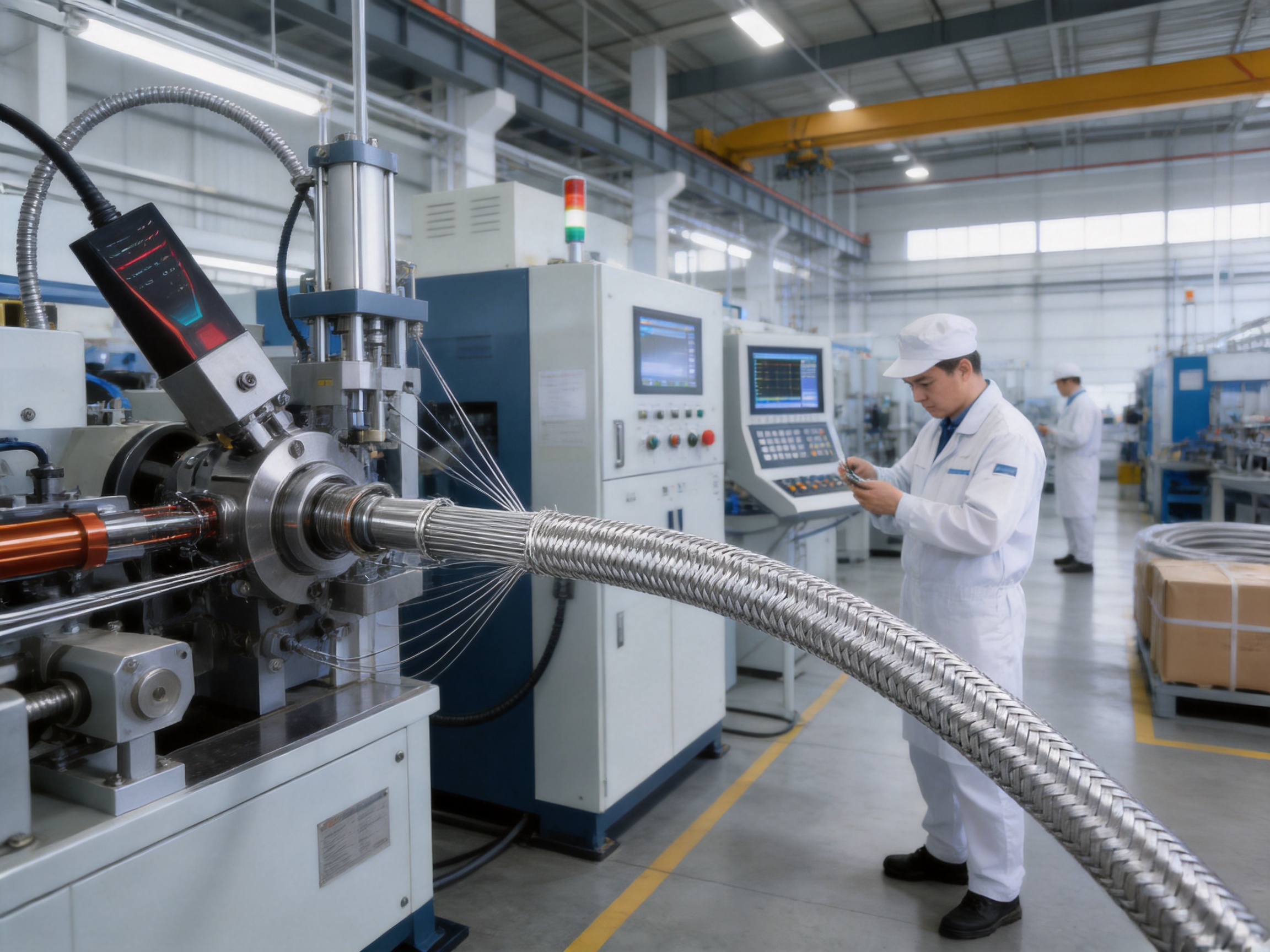
Precision Weaving
Weaving converts individual stainless steel wires into a stable outer-braid structure. The braid machine must control wire tension, carrier movement, braid angle, coverage, and take-up speed. If tension is too high, the braid may become excessively rigid or the wire may break. If tension is too low, the braid may be loose, uneven, or unable to provide adequate reinforcement.
A consistent braid pattern helps ensure that loads are distributed evenly around the hose. It also creates a professional appearance and supports reliable fitting assembly. Advanced weaving equipment can maintain repeatable production parameters across long lengths and different product specifications.
Manufacturers may adjust the number of wires, carrier configuration, braid density, and wire diameter to meet different pressure and flexibility requirements. A compact braid can provide strong reinforcement, while a more open braid may improve flexibility or reduce weight. The correct design must be determined through engineering evaluation and performance testing.
Laser Welding and Precision Forming
Modern manufacturing facilities may use laser welding for components that require accurate, low-distortion joining. Laser welding can produce concentrated heat input and precise weld locations, which is useful for stainless steel assemblies and end-connection structures. Proper parameter control is necessary to avoid incomplete fusion, excessive penetration, discoloration, or distortion.
CNC forming equipment can create repeatable shapes and profiles for corrugated tubes, fittings, supports, and related parts. Computer-controlled forming improves consistency between batches and reduces dependence on manual adjustment. When coordinated with controlled braid production, it supports a more stable complete hose assembly.
Inspection and Non-Destructive Testing
Inspection should cover both raw materials and finished products. Visual inspection can identify scratches, broken wires, loose sections, irregular coverage, discoloration, and surface contamination. Dimensional inspection verifies braid diameter, length, and fit around the intended inner tube.
Performance testing may include tensile testing, pressure testing, leak testing, bending tests, burst tests, fatigue tests, corrosion evaluation, and temperature exposure. The exact test program depends on the product type and intended application. Eddy current flaw detection and other non-destructive inspection methods can help identify hidden discontinuities without damaging the material.
Testing equipment and procedures should be calibrated and documented. Production records, batch identification, inspection results, and corrective-action procedures support traceability and continuous improvement. This is particularly important for gas connectors, medical installations, industrial equipment, and other applications where failure could create significant consequences.
Automatic Packaging
Automatic packaging systems help protect finished stainless steel wires and braid products from contamination, tangling, impact, and moisture during transportation. Consistent packaging also improves warehouse handling and supports accurate product identification.
Packaging should clearly identify wire specification, size, batch information, length or weight, production date, and any relevant handling instructions. Suitable packaging prevents the wire from being bent beyond its allowable radius or damaged by contact with incompatible materials.
Manufacturing Strengths of the Supplier
Haoyin (Ningbo) Bellows Technology Co., Ltd. is a professional enterprise specializing in the research, development, design, manufacturing, and sales of stainless steel bellows and related flexible connection products. Its product range includes gas connectors, plumbing pipes and water liners, metal hoses, and compensators.
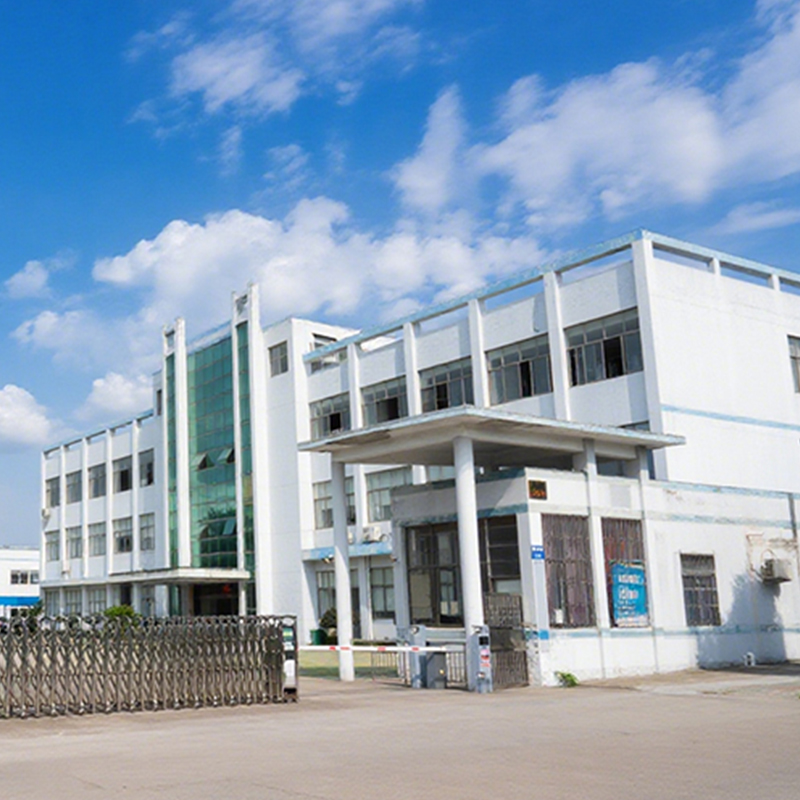
The company operates standardized workshops covering approximately 18,000 square meters on a site of about 35 mu. This production scale supports organized material flow, specialized equipment deployment, process separation, and systematic quality management. A structured manufacturing environment is valuable for products that require close control of wire, tube, welding, forming, weaving, inspection, and packaging operations.
The company has obtained ISO9001, ISO14001, ISO45001, and other management system certifications. These certifications reflect structured approaches to quality management, environmental management, and occupational health and safety. Certification alone does not replace product testing or engineering judgment, but it provides a framework for documented procedures, responsibility assignment, internal review, and continuous improvement.
As a National High-tech Enterprise and Green Factory, the company emphasizes technical development and environmental responsibility. Its stated quality philosophy, “Striving for Excellence, Forging Quality,” is reflected in a full-process management approach covering raw material selection, structural design, manufacturing, performance testing, and after-sales support.
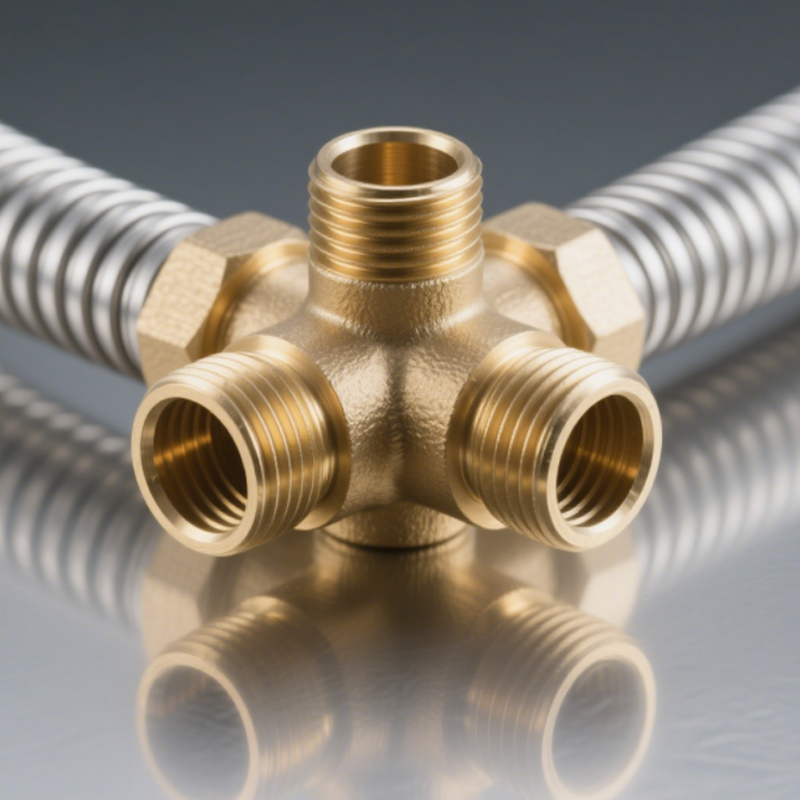
The company’s equipment includes laser welding machines, CNC forming machines, COSMO equipment, eddy current flaw detectors, and automatic packaging systems. These technologies support more accurate forming, stable welding, non-destructive inspection, and efficient product handling. The combination of equipment and experienced personnel enables the supplier to develop flexible connection products for different fluid, pressure, temperature, and installation requirements.
A professional R&D team also allows the company to move beyond standard production. Customers may require customized braid dimensions, special connection lengths, different end fittings, unique packaging, or product adaptations for a specific installation. Engineering support helps evaluate these requirements and convert them into manufacturable specifications.
Why Process Control Matters to Customers
For a hose or connector manufacturer, buying stainless steel braid wire is not simply a matter of selecting a low-cost metal product. The wire becomes part of a pressure-bearing and movement-tolerant assembly. Its performance influences production efficiency, finished-product appearance, testing results, and field reliability.
Consistent wire diameter reduces machine adjustment and helps maintain a stable braid pattern. Reliable tensile strength reduces breakage during weaving. Controlled surface quality improves appearance and reduces the risk of scratches or premature corrosion. Stable mechanical properties make it easier to define production parameters and repeat successful results across multiple batches.
Supplier consistency also helps customers manage inventory. When each delivery meets the same technical requirements, manufacturers can avoid unnecessary machine changes and reduce the need for extensive incoming requalification. Batch traceability allows issues to be investigated quickly if a production deviation occurs.
Technical communication is equally important. A capable supplier should be able to discuss application conditions, braid structure, wire specification, packaging, testing, and delivery requirements. This cooperation can help prevent material mismatches, especially when a new hose design or demanding service environment is involved.
Selection Guide for Stainless Steel Outer Braid Wire
Define the Application
Begin by identifying whether the braid will be used for a plumbing pipe, water liner, gas connector, metal hose, compensator, heating connection, or industrial assembly. Each application may require a different balance of strength, flexibility, temperature resistance, and corrosion performance.
Evaluate Service Conditions
Important service conditions include working pressure, maximum and minimum temperature, fluid type, chemical exposure, vibration, movement frequency, installation location, and expected service life. Outdoor, coastal, industrial, and chemically exposed environments may require more careful corrosion evaluation than ordinary indoor plumbing installations.
Choose the Wire Diameter and Braid Structure
Wire diameter, number of carriers, braid angle, and coverage determine the balance between flexibility and reinforcement. A larger wire or denser braid may improve strength but can reduce flexibility. A lighter braid may be easier to bend but may not provide enough pressure control. The design should be confirmed through testing rather than selected only by appearance.
Confirm Compatibility with the Inner Tube
The braid must fit the outer diameter and surface characteristics of the inner tube. Excessive clearance can produce movement between layers, while an overly tight braid may restrict flexibility or damage the tube. Compatibility with fittings, ferrules, sleeves, and welding processes should also be checked before mass production.
Review Quality and Documentation
Customers should request suitable technical documentation, material information, inspection records, and test data. Depending on the application, documentation may include chemical composition, mechanical properties, dimensional tolerances, batch traceability, corrosion-related information, and relevant certification.
Installation and Handling Considerations
Even a high-quality stainless steel braid can be damaged by improper installation. Flexible connectors should not be twisted during assembly, used as a substitute for rigid support, or bent below the recommended minimum radius. The hose should be aligned naturally, with fittings tightened according to the manufacturer’s instructions.
Tools should not grip or crush the braid unless the design specifically permits it. Sharp edges, abrasive surfaces, excessive clamping force, and repeated uncontrolled movement can damage the wires. Where the hose passes near other equipment, sufficient clearance should be maintained to avoid rubbing.
After installation, the assembly should be inspected for kinks, loose braid sections, damaged wires, fitting misalignment, and signs of leakage. In systems with pressure or temperature cycling, periodic inspection can identify installation-related problems before they become serious.
Storage before installation should be dry and clean. Coils or lengths of braid wire should be protected from impact, moisture, chemical contamination, and unnecessary bending. Correct labeling prevents mixing of grades, diameters, and batches.
Maintenance and Long-Term Reliability
Stainless steel braid is designed for durability, but the finished connector still requires suitable maintenance. Inspection intervals should reflect the application’s pressure, temperature, vibration, accessibility, and safety requirements. Areas near fittings and support points deserve particular attention because stress and movement may concentrate there.
Signs requiring evaluation include broken wires, severe discoloration, pitting, deep abrasion, deformation, kinking, corrosion deposits, fitting movement, and leakage. Surface dirt can usually be removed using a suitable cleaning method, but aggressive chemicals should not be used without confirming compatibility with the stainless steel grade and the complete assembly.
Where a hose has experienced excessive movement, fire, chemical exposure, pressure overload, or visible mechanical damage, replacement may be safer than continued use. A strong braid improves the safety margin, but no flexible connector should be expected to operate outside its design conditions.
Quality, Sustainability, and Total Cost of Ownership
Product price is only one part of the cost associated with a flexible connection. Installation time, maintenance, leakage risk, replacement frequency, downtime, and disposal should also be considered. A stainless steel braid with reliable mechanical and corrosion performance may provide a lower total cost over the complete service life than a cheaper reinforcement that requires frequent replacement.
Long service life reduces material consumption and the labor required for replacement. Recyclability adds value at the end of the product life cycle. Environmental management systems and efficient manufacturing processes can further reduce waste, energy use, and production-related environmental impact.
For project owners and contractors, these benefits can support lifecycle planning and sustainability objectives. For hose manufacturers, consistent braid wire can reduce production scrap, improve output stability, and limit warranty-related costs.
Quality Assurance from Development to Delivery
A dependable stainless steel braid product is created through cooperation among material engineers, production technicians, quality personnel, equipment specialists, and customer-service teams. Product development begins with understanding the required application and continues through material selection, prototype production, testing, process validation, and serial manufacturing.
During production, process parameters should be monitored rather than checked only after completion. Preventive control can identify tension changes, tooling wear, diameter drift, equipment vibration, or surface defects before a large batch is affected. Corrective actions should be documented and reviewed for effectiveness.
Before shipment, finished products should be inspected, packaged, labeled, and released according to established procedures. A complete quality system gives customers greater confidence that each batch will perform consistently in their own production line.
Frequently Asked Questions
What are flexible stainless steel outer braid wires?
They are stainless steel wires designed to be woven around a flexible tube or hose. The finished braid reinforces the inner tube, limits pressure-related expansion, provides mechanical protection, and helps the hose maintain a stable shape during bending and service.
Are these wires used inside the fluid passage?
They are normally used as an external reinforcement layer rather than as the inner fluid-contact surface. The inner tube or liner provides the passage for water, gas, air, or another medium. The complete product design determines whether the braid has any direct contact with the conveyed material.
Why is stainless steel preferred for outer braiding?
Stainless steel combines high tensile strength, corrosion resistance, temperature stability, cleanability, processability, and recyclability. This combination is difficult to achieve with a single alternative material, particularly in wet, hot, hygienic, or mechanically demanding environments.
Can stainless steel braid wire be used for gas connectors?
It can be used in gas connector assemblies when the wire, inner tube, fittings, and complete product are designed and tested for the intended gas application. Gas products must comply with applicable regulations and installation requirements. The braid is one component of a certified or qualified connection system.
What factors determine the correct wire diameter?
The required wire diameter depends on pressure, hose diameter, braid construction, flexibility, temperature, movement, and the desired safety margin. A larger wire may improve reinforcement, while a smaller wire may provide greater flexibility. Engineering evaluation and testing should determine the final specification.
Does a denser braid always provide better performance?
Not necessarily. A denser braid can improve coverage and pressure control, but it may increase stiffness and reduce flexibility. The best braid is one that matches the pressure, movement, installation, and fatigue requirements of the application.
How does the braid protect a flexible hose?
It distributes loads around the hose, limits radial expansion, and reduces exposure to abrasion, impact, and accidental contact. It also helps the flexible tube maintain its shape when bent or subjected to vibration.
What testing should be considered?
Depending on the application, testing may include dimensional inspection, tensile testing, visual inspection, pressure testing, leak testing, burst testing, bending or fatigue testing, temperature exposure, corrosion evaluation, and non-destructive inspection. The testing program should reflect the final product and its intended service conditions.
Can the wire be welded and formed?
Stainless steel wire generally offers good weldability and processability when the correct grade and parameters are selected. It can be woven, bent, formed, cut, and used in suitable welding operations. Welding procedures should be validated to control heat input, distortion, and surface condition.
How should stainless steel braid products be stored?
They should be kept clean, dry, protected from impact, and separated from incompatible chemicals or materials. Coils and lengths should not be crushed or bent unnecessarily. Product labels and batch information should remain visible throughout storage and handling.
What makes an experienced supplier valuable?
An experienced supplier can support material selection, braid design, process development, testing, traceability, packaging, and after-sales service. Advanced equipment and documented quality systems also help maintain consistency across different production batches.
Can products be customized?
Customization may include wire diameter, braid density, length, hose structure, fittings, packaging, and testing requirements. The feasibility of customization depends on the application and should be confirmed through technical review and sample evaluation.
Conclusion
Flexible stainless steel outer braid wires are critical reinforcement materials for modern gas connectors, plumbing pipes, water liners, metal hoses, compensators, heating connections, and industrial flexible assemblies. Their value comes from the combination of high mechanical strength, corrosion resistance, high- and low-temperature stability, hygienic performance, good processability, and recyclability.
Compared with polymer reinforcement or ordinary coated steel wire, stainless steel offers a more balanced solution for applications where long service life, cleanability, environmental resistance, and structural reliability are important. Its performance depends on correct material selection, controlled wire production, accurate weaving, suitable testing, and proper installation.
Haoyin (Ningbo) Bellows Technology Co., Ltd. combines R&D capability, standardized workshops, advanced forming and welding equipment, non-destructive inspection, automatic packaging, and full-process quality management to support the development and manufacture of flexible connection products. Its experience across gas connectors, plumbing pipes and water liners, metal hoses, and compensators enables it to address different engineering requirements with practical and durable solutions.
For buyers and hose manufacturers, selecting a qualified stainless steel braid supplier is an investment in the reliability of the complete connection system. When material quality, manufacturing precision, testing, traceability, and technical support are managed together, flexible stainless steel outer braid wires can provide stable performance in demanding plumbing, building, healthcare, heating, HVAC, and industrial environments.
References
1. International Organization for Standardization. Quality Management Systems—Requirements, ISO 9001.
2. International Organization for Standardization. Environmental Management Systems—Requirements with Guidance for Use, ISO 14001.
3. International Organization for Standardization. Occupational Health and Safety Management Systems—Requirements with Guidance for Use, ISO 45001.
4. American Society for Testing and Materials. Standard Specifications and Test Methods for Stainless Steel Wire and Related Products.
5. American Society of Mechanical Engineers. Materials and Design Guidance for Flexible Metallic Hose and Piping Components.
6. European Committee for Standardization. Requirements for Flexible Connections, Metallic Hoses, and Plumbing Components.
7. The Nickel Institute. Technical Guidance on Stainless Steel Selection, Corrosion Resistance, and Applications.
8. Haoyin (Ningbo) Bellows Technology Co., Ltd. Product and Manufacturing Information for Stainless Steel Bellows, Flexible Connectors, Metal Hoses, and Compensators.
9. Engineering reference literature on stainless steel forming, wire drawing, braid construction, welding, non-destructive inspection, and pressure-system testing.
Flexible Plumbing Outer Braid Stainless Steel Wires