




 English
 Español
 русский



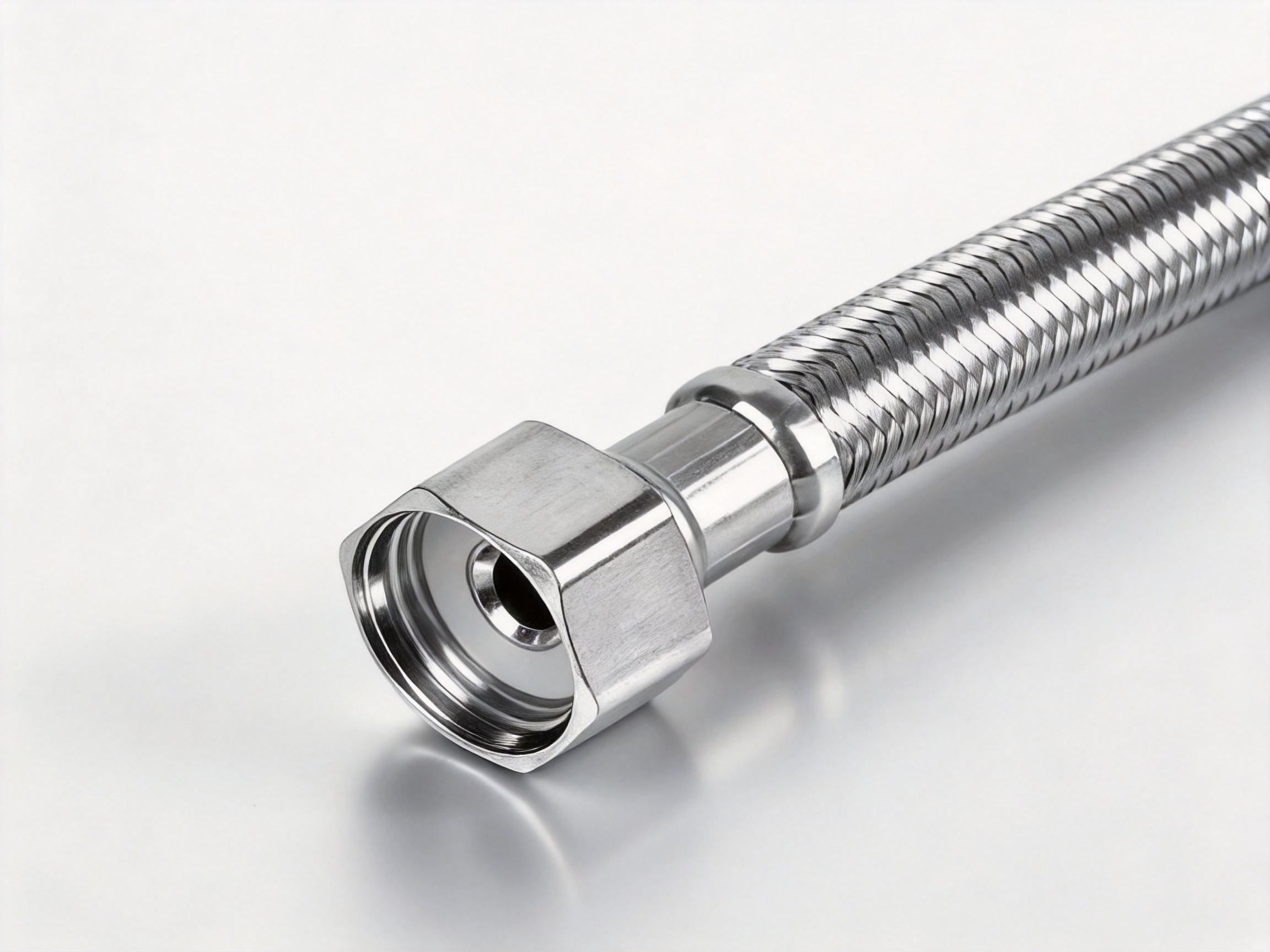
Reliable fastening is one of the most important factors in the performance of a plumbing connection. Even when a flexible hose, corrugated tube, or connector has been designed to withstand pressure, temperature changes, and movement, the complete assembly can only perform properly when its connection hardware is accurately manufactured and suitably selected. The stainless steel nut used with a flexible plumbing connector is therefore more than a simple fastening component. It is a critical part of the connection system, helping maintain mechanical stability, sealing performance, service safety, and long-term reliability.
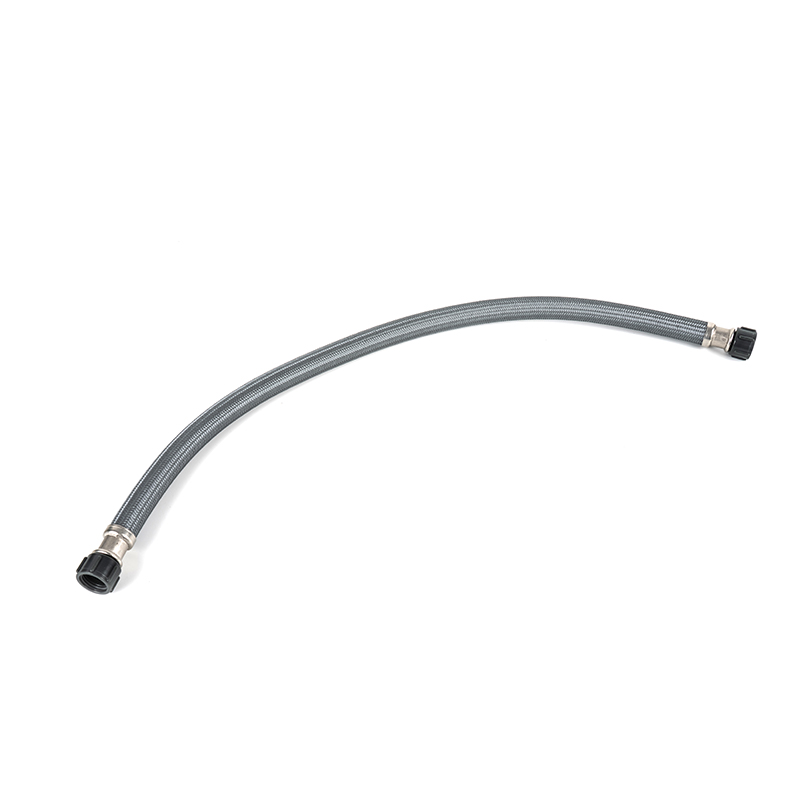
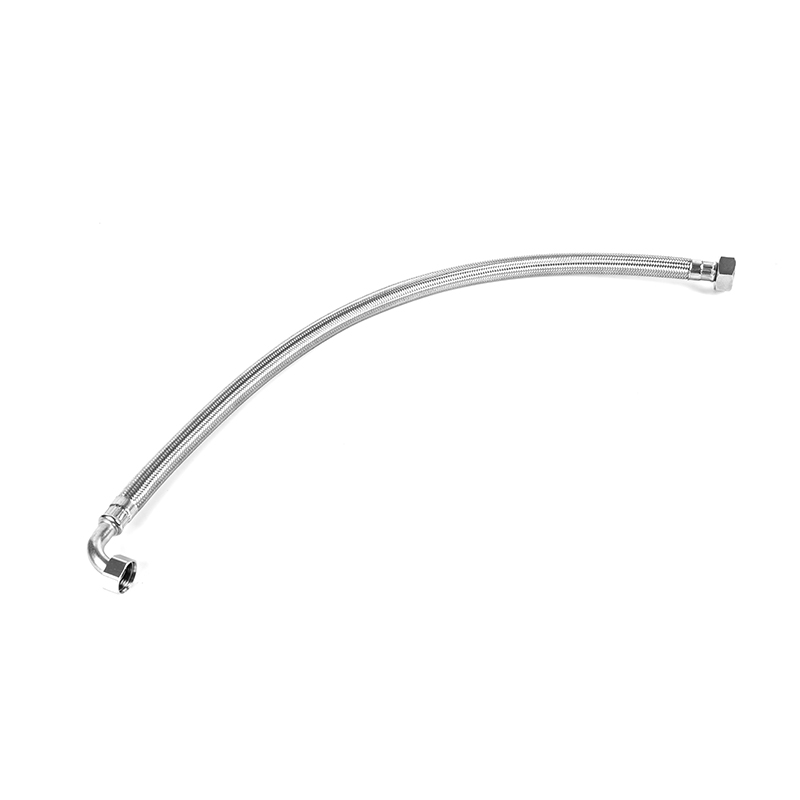
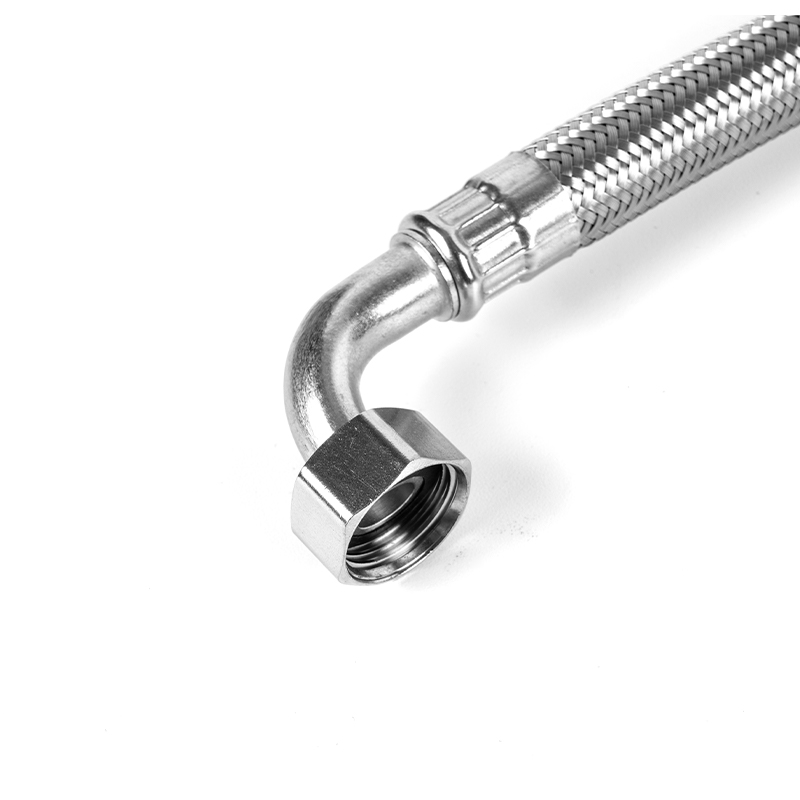
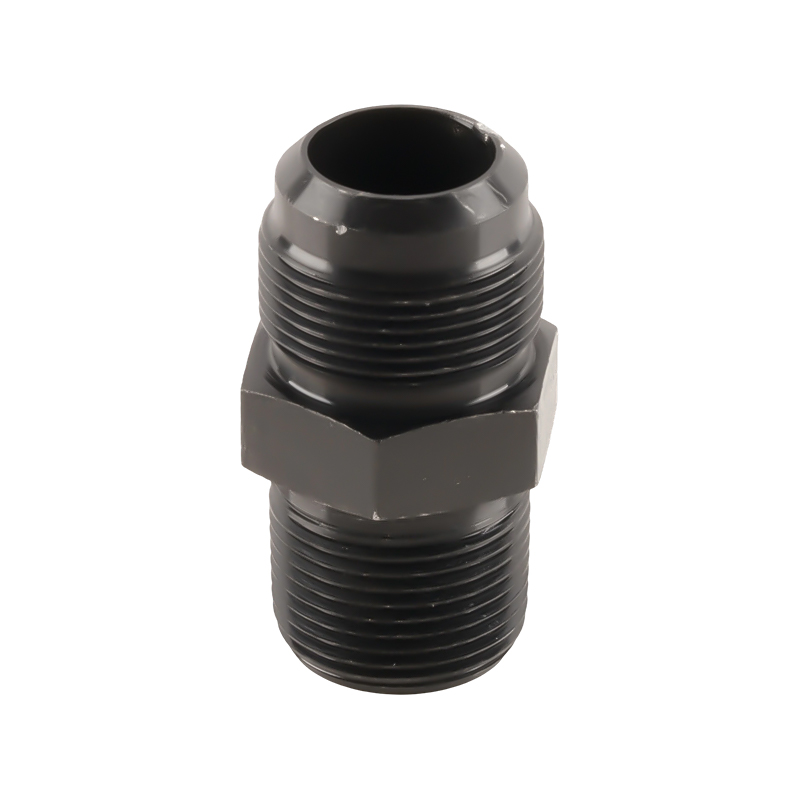
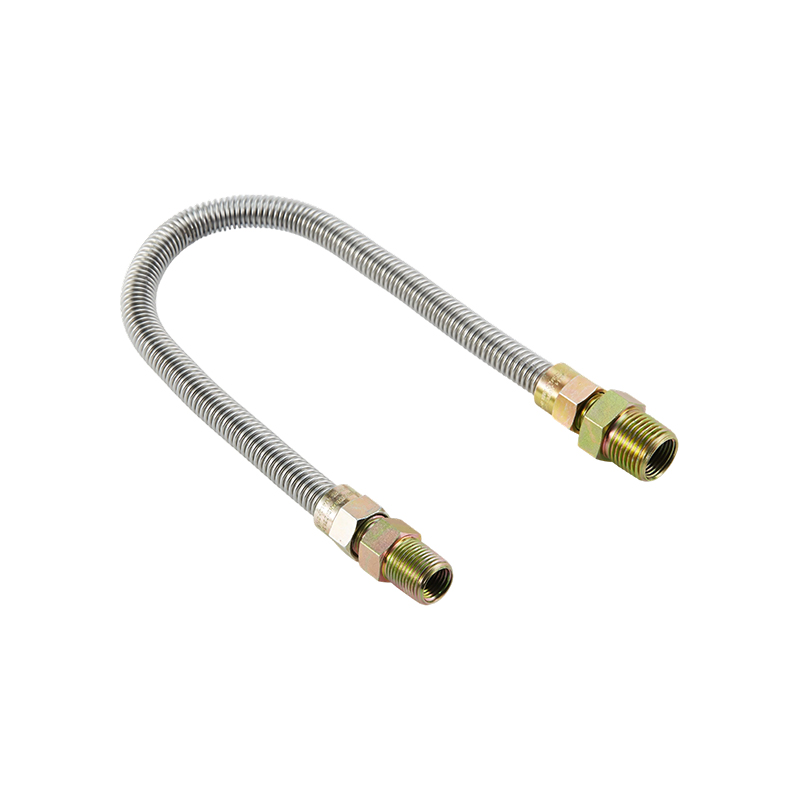
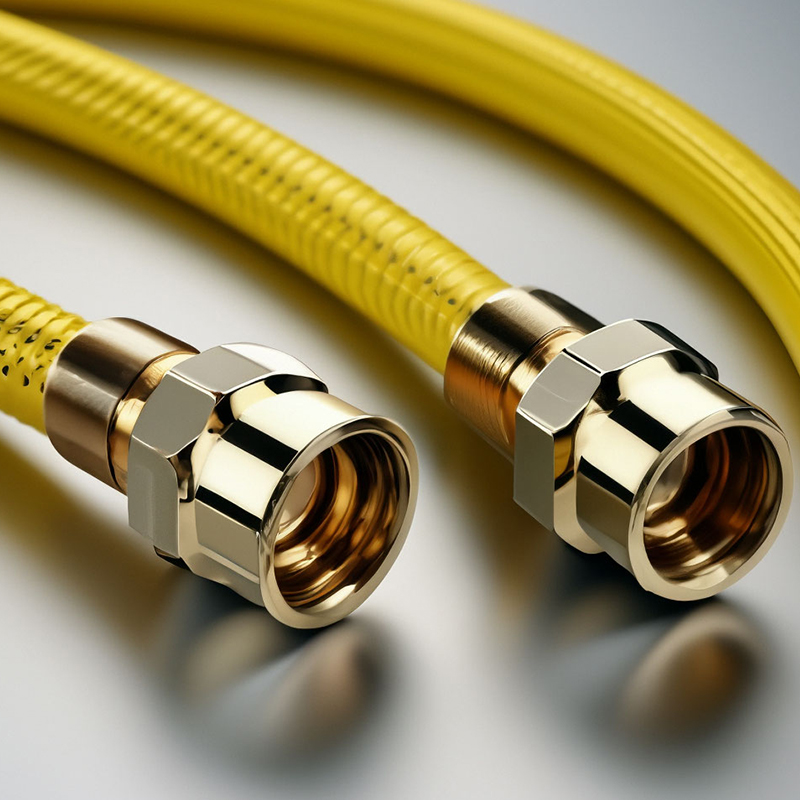
The flexible plumbing connector stainless steel nut described in this article is designed for use with plumbing pipes, water liners, flexible connectors, metal hoses, and related piping assemblies. Manufactured from corrosion-resistant stainless steel, it combines mechanical strength, dimensional stability, hygiene, and resistance to demanding environmental conditions. It is suitable for applications in residential plumbing, commercial buildings, heating systems, industrial HVAC, healthcare facilities, food-processing environments, and other locations where dependable pipe connections are required.
Compared with ordinary carbon steel nuts, low-grade plated fasteners, or poorly controlled cast components, a properly manufactured stainless steel nut can provide a significantly longer useful life. Its ability to resist corrosion from water, air, acids, alkalis, salts, and other media makes it particularly valuable in humid, outdoor, chemically exposed, and sanitation-sensitive applications. At the same time, its high strength and hardness help resist thread stripping, deformation, and damage caused by installation torque.
This article examines the product’s construction, functional benefits, application areas, manufacturing process, quality-control philosophy, and selection considerations. It also explains how an experienced stainless steel bellows and flexible connection manufacturer can add value through material control, precision forming, welding technology, inspection systems, and complete production management.
1. Understanding the Role of a Stainless Steel Connector Nut
A connector nut is used to secure a fitting, hose, liner, tube, or pipe component to a mating threaded connection. Depending on the design of the assembly, the nut may compress a sealing element, hold a connector end in position, transfer axial forces, or maintain the alignment of a flexible connection. In all cases, the nut must provide stable mechanical engagement without damaging the mating threads or losing clamping force during service.
Flexible plumbing systems have special requirements. Unlike rigid piping, a flexible connector may experience vibration, thermal expansion, contraction, installation movement, equipment displacement, or pressure fluctuations. The nut must therefore remain secure while the connected components move slightly. It must also work effectively in the presence of moisture and condensation, which are common around water pipes, heating equipment, air-conditioning systems, and plumbing fixtures.
The connection hardware must be compatible with the rest of the assembly. A nut with poor dimensional accuracy may not seat evenly. A thread with rough machining may cut into the mating component or make installation difficult. A material with inadequate corrosion resistance may develop rust or surface deterioration, eventually affecting the connection. For this reason, product quality depends on more than material appearance. It depends on the combined performance of the raw material, forming process, thread accuracy, surface condition, inspection procedure, and application design.
The flexible plumbing connector stainless steel nut is intended to support this complete-system approach. It is not simply selected because stainless steel looks clean or modern. It is selected because stainless steel can provide a valuable combination of strength, corrosion resistance, hygiene, temperature resistance, service longevity, and recyclability.
2. Main Product Advantages
2.1 Excellent Corrosion Resistance
Corrosion resistance is one of the most important advantages of stainless steel fastening components. Plumbing connections are regularly exposed to water, humidity, condensation, cleaning agents, atmospheric oxygen, and sometimes dissolved salts or chemical residues. Outdoor installations may also face rain, airborne pollutants, and changing weather conditions. In these environments, ordinary untreated steel can oxidize quickly, while low-quality coatings may scratch, wear, or deteriorate over time.
Stainless steel forms a naturally protective passive oxide film on its surface. When the surface is properly manufactured and maintained, this film helps protect the underlying metal from many common corrosive influences. The result is a nut that is better suited to wet environments, exposed installations, and service conditions where periodic maintenance is difficult.
For plumbing applications, corrosion resistance has several practical benefits. It helps preserve thread integrity, supports stable tightening torque, minimizes visible rust staining, and reduces the chance that the nut will become difficult to remove during maintenance. In a flexible connector assembly, preserving the thread and seating surfaces is especially important because these areas contribute directly to the stability and sealing performance of the connection.
Stainless steel is also valuable in areas where different environmental conditions may occur during the same service period. A building may experience dry indoor conditions during one season and high humidity or condensation during another. Heating and cooling equipment may generate repeated temperature cycles. A connector located near a sink, boiler, water heater, pump, or air-conditioning system may be exposed to both moisture and elevated temperature. A corrosion-resistant nut provides a stronger defense against this changing environment than many conventional alternatives.
2.2 High Strength and Hardness
A connector nut must withstand more than the static force created during installation. It may also experience tensile loading, vibration, pressure-related movement, thermal expansion, and repeated maintenance cycles. High mechanical strength helps the nut resist deformation under these conditions.
High hardness contributes to thread durability. During installation, the internal thread of the nut engages with the external thread of the fitting or connector. If the material is too soft, the thread may deform, flatten, or strip when tightening force is applied. If the nut is poorly formed or has uneven hardness, it may not distribute the load evenly across the thread. A properly manufactured stainless steel nut provides a more reliable engagement surface and is better suited to high-strength fastening applications.
Strength must be balanced with manufacturing accuracy. Excessive hardness without suitable forming control can make a component difficult to produce or more vulnerable to cracking. The manufacturing process must therefore be designed to produce a stable combination of material properties, thread quality, surface finish, and dimensional precision. Careful raw-material selection and controlled production help achieve this balance.
In practical use, strong and dimensionally stable threads make installation more predictable. The installer can apply the recommended torque with less concern about premature thread damage. The nut is also more capable of maintaining its shape when subjected to vibration or mechanical loading. This is especially beneficial in plumbing systems connected to pumps, compressors, heating equipment, or other sources of movement.
2.3 Resistance to High and Low Temperatures
Plumbing and flexible connection systems may operate across a broad temperature range. Cold water systems can be exposed to low ambient temperatures, while hot-water lines, heating systems, and industrial equipment may operate at substantially higher temperatures. Outdoor installations may face rapid temperature changes, including freezing conditions and solar heating.
Stainless steel maintains useful mechanical properties in both high- and low-temperature environments. Unlike some polymeric components, it does not melt under ordinary plumbing service conditions. It also avoids the severe embrittlement or loss of load-bearing capability that may affect unsuitable materials at low temperatures. This makes it a dependable choice for connection hardware used near hot-water equipment, heating systems, and cold outdoor environments.
Temperature resistance also supports long-term dimensional stability. Repeated expansion and contraction can place stress on a connection. A stainless steel nut with appropriate design and manufacturing quality can continue to hold the assembly securely through these cycles. When combined with a compatible sealing element and properly designed connector, it can contribute to a stable connection over a long operating period.
2.4 Hygienic and Non-Toxic Characteristics
Stainless steel is widely used in environments where cleanliness and hygiene are important. Its smooth, cleanable surface does not easily retain dirt when properly finished, and it does not require a deteriorating paint or organic coating to provide its basic corrosion resistance. These characteristics make stainless steel suitable for water-related applications, food-processing equipment, medical equipment, and other sanitation-sensitive installations.
A hygienic nut can help reduce concerns about surface contamination, flaking coatings, and corrosion products entering the surrounding environment. In food and healthcare applications, the connection hardware must be selected as part of a broader hygienic design. Surface condition, cleanability, material compatibility, and maintenance procedures all matter. Stainless steel provides a strong foundation for meeting these requirements when the grade, finish, and manufacturing process are appropriate for the application.
The material is also suitable for cleaning and sterilization procedures used in many professional environments. This does not mean that every stainless steel product is automatically suitable for every chemical cleaning process. The actual compatibility depends on the stainless steel grade, chemical concentration, temperature, exposure time, and system design. Nevertheless, stainless steel is generally a preferred engineering material where repeated cleaning and good surface durability are required.
2.5 Eco-Friendly and Recyclable Material
Stainless steel is a recyclable engineering material. At the end of a product’s useful life, it can be recovered and used as a raw material for future metal products. This supports resource efficiency and can reduce the need for completely new raw materials.
Long service life is another environmental advantage. A nut that remains functional for many years is less likely to require frequent replacement. Fewer replacements can reduce material consumption, packaging requirements, transportation activity, and maintenance waste. Durability therefore supports sustainability not only through recyclability but also through reduced lifecycle replacement.
For construction companies, equipment manufacturers, and building owners, the environmental value of stainless steel can be considered alongside operational reliability. A durable connection can support longer maintenance intervals and help reduce premature system disruption. When the product is manufactured within a well-managed production system, material efficiency and process control can further support responsible manufacturing.
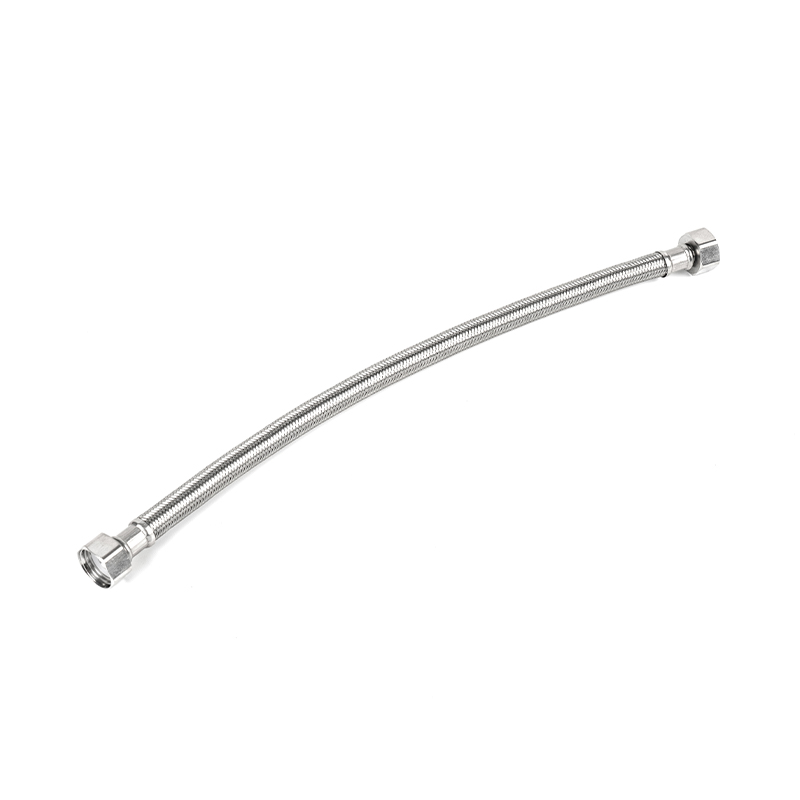
Flexible Plumbing Connector Stainless Steel Nut
3. Advantages Over Conventional Connector Nuts
The performance of a connector nut should be evaluated against the conditions in which it will operate. A low initial purchase price does not necessarily represent the lowest overall cost. If a nut corrodes rapidly, damages threads, requires early replacement, or causes a connection to be taken out of service, its lifecycle cost may become much higher than the original purchase price.
3.1 Compared with Ordinary Carbon Steel Nuts
Carbon steel can provide good mechanical strength, but unprotected carbon steel is vulnerable to rust in wet environments. Plated carbon steel may offer temporary protection, yet its performance depends on coating quality and the condition of the coating during installation and service. Scratches, cut edges, thread damage, and prolonged moisture exposure can create pathways for corrosion.
Stainless steel provides corrosion resistance as an inherent material characteristic rather than relying entirely on an external coating. This is particularly valuable in threaded components, where installation can produce surface contact and minor wear. Stainless steel can maintain a cleaner appearance and more stable thread condition in many plumbing environments.
3.2 Compared with Low-Quality Plated Components
Some low-cost fasteners use surface plating to imitate the appearance of stainless steel. While plating can be useful in certain applications, it is not equivalent to a solid stainless steel component. If the coating becomes damaged, the base metal may be exposed. Over time, corrosion can spread beneath the coating or affect the thread.
A solid stainless steel nut avoids dependence on a thin decorative layer for its primary corrosion resistance. The result is a more consistent material solution, particularly for applications involving water, condensation, cleaning, or outdoor exposure.
3.3 Compared with Polymer Nuts
Polymer nuts can be lightweight and useful in selected applications, but they may have limitations related to temperature, mechanical loading, creep, ultraviolet exposure, chemical compatibility, and long-term dimensional stability. A stainless steel nut is generally more appropriate where high clamping force, temperature resistance, thread durability, and mechanical robustness are priorities.
Metal and polymer components may both have a place in a complete plumbing system. The correct selection depends on the design requirements. However, for demanding connector assemblies, stainless steel offers a strong combination of properties that many polymers cannot match simultaneously.
3.4 Compared with Inaccurately Manufactured Metal Nuts
Material alone cannot guarantee product quality. An inaccurately formed or poorly machined stainless steel nut may still create installation and service problems. Thread pitch, internal diameter, seating geometry, flatness, burr control, and overall dimensional tolerance all influence performance.
A professionally manufactured product has an advantage because its quality is supported by controlled processes rather than material selection alone. Raw-material verification, precision forming, controlled machining, inspection, and packaging work together to create a more reliable component.
4. Application Areas
4.1 Residential Plumbing
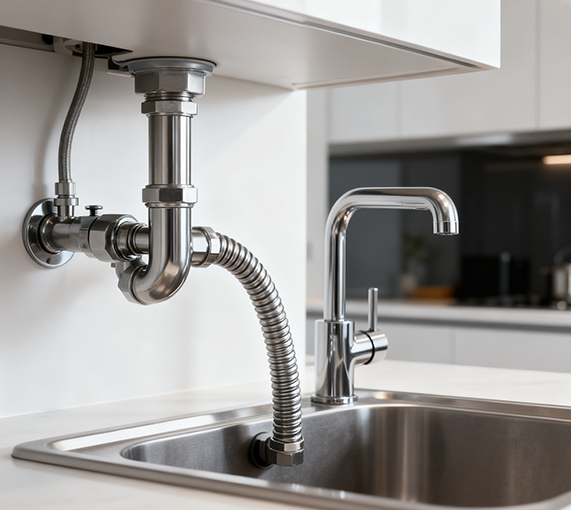
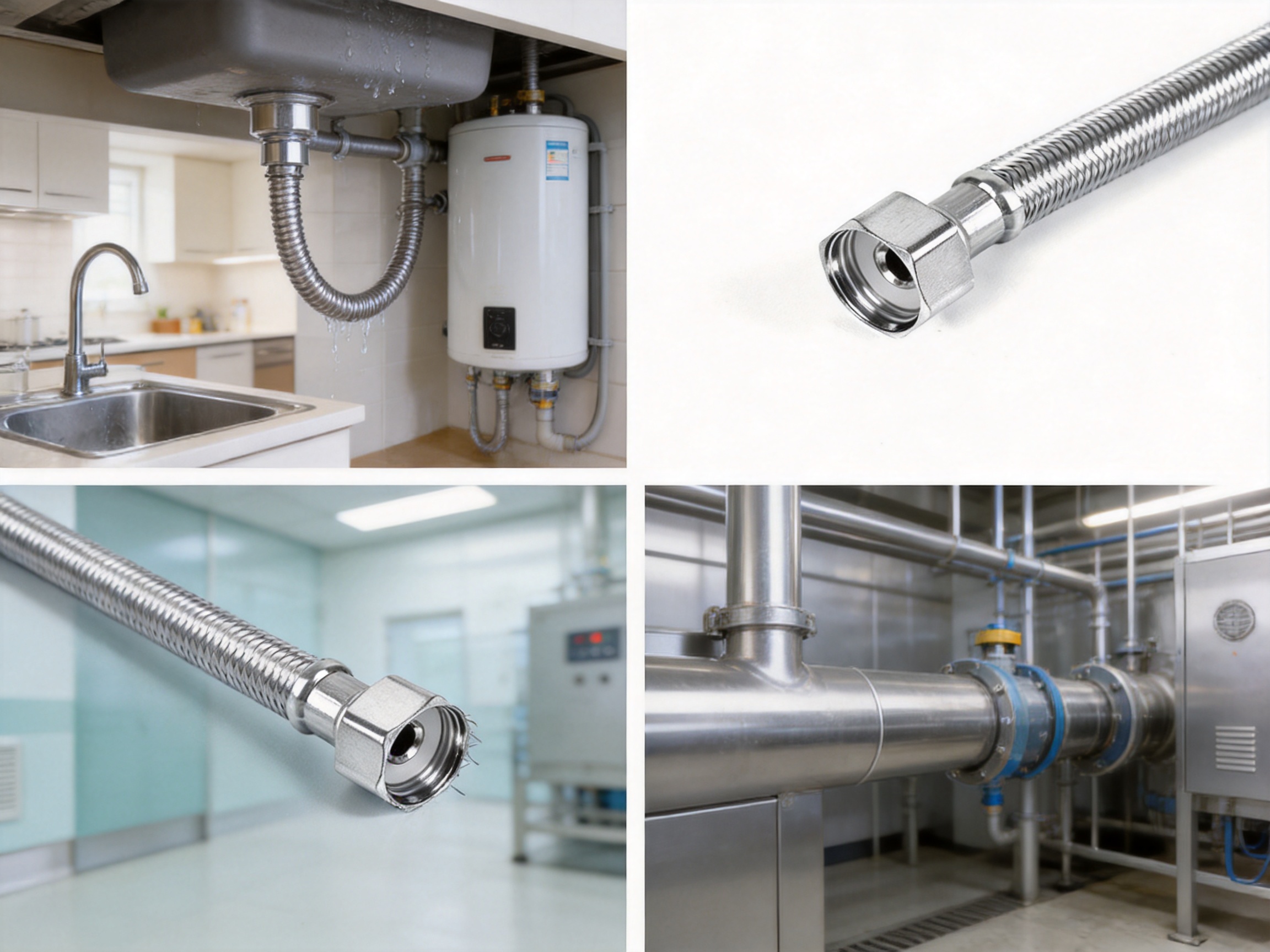
Residential plumbing systems include water supply lines, faucet connections, toilet connections, water heaters, washing machines, dishwashers, and flexible connections beneath sinks. These locations often contain moisture, limited installation space, and a need for easy future maintenance.
A stainless steel connector nut can support reliable installation in these applications. Its corrosion resistance helps maintain a clean appearance and reduces the risk of rust-related seizure. Its strength helps protect the threaded connection during tightening, while its temperature resistance supports hot- and cold-water applications.
4.2 Commercial and Public Buildings
Commercial buildings, hotels, hospitals, schools, shopping centers, and office complexes usually contain extensive plumbing networks. Maintenance access may be limited, and the cost of service interruption can be significant. Components with longer service potential can help reduce unexpected repairs.
Stainless steel nuts are suitable for flexible connectors in water distribution, heating, sanitary systems, air-conditioning equipment, and building services. In public buildings, their clean appearance and resistance to corrosion can also support better long-term presentation and maintenance conditions.
4.3 Heating and HVAC Systems
Heating and HVAC equipment can expose connection components to temperature fluctuations, vibration, condensation, and pressure changes. Flexible metal hoses and bellows may be used to absorb movement, reduce vibration transmission, or compensate for installation tolerances. The connector nut must remain mechanically stable while the flexible section performs its function.
The high- and low-temperature resistance of stainless steel makes it a practical choice for these environments. When the nut is correctly matched with the hose, fitting, gasket, and operating pressure, it can help create a robust connection assembly.
4.4 Healthcare and Medical Facilities
Healthcare facilities require reliable water, heating, ventilation, and equipment connections. Cleanability, corrosion resistance, and material stability are particularly important in these locations. Stainless steel is widely valued for its hygienic surface and resistance to many cleaning environments.
Application suitability should always be confirmed according to the specific medical or healthcare requirement. In critical systems, designers must consider material grade, pressure rating, temperature, sterilization method, sealing design, and applicable standards. The stainless steel nut can serve as a dependable fastening component within a properly engineered assembly.
4.5 Food and Beverage Equipment
Food-processing environments may involve frequent washing, humidity, sanitation chemicals, and strict cleanliness requirements. A stainless steel nut can support hygienic equipment design by offering a durable, cleanable, corrosion-resistant surface.
The product’s suitability depends on the actual stainless steel grade and the sanitation conditions. Even so, stainless steel is generally preferred over materials that can rust, flake, absorb contaminants, or degrade under repeated cleaning. Its recyclability and long service life further support responsible equipment design.
4.6 Outdoor and Harsh Environments
Outdoor plumbing, agricultural water systems, utility equipment, and building service installations are exposed to rain, humidity, temperature changes, and airborne contaminants. Coastal or salt-affected areas can be especially demanding.
A corrosion-resistant stainless steel nut provides a stronger solution than many ordinary fasteners. However, designers should evaluate the specific environmental exposure and choose a suitable stainless steel grade and maintenance approach. Proper installation is also important because trapped moisture, contamination, and contact with incompatible metals can influence corrosion performance.
5. Manufacturing Process and Engineering Strengths
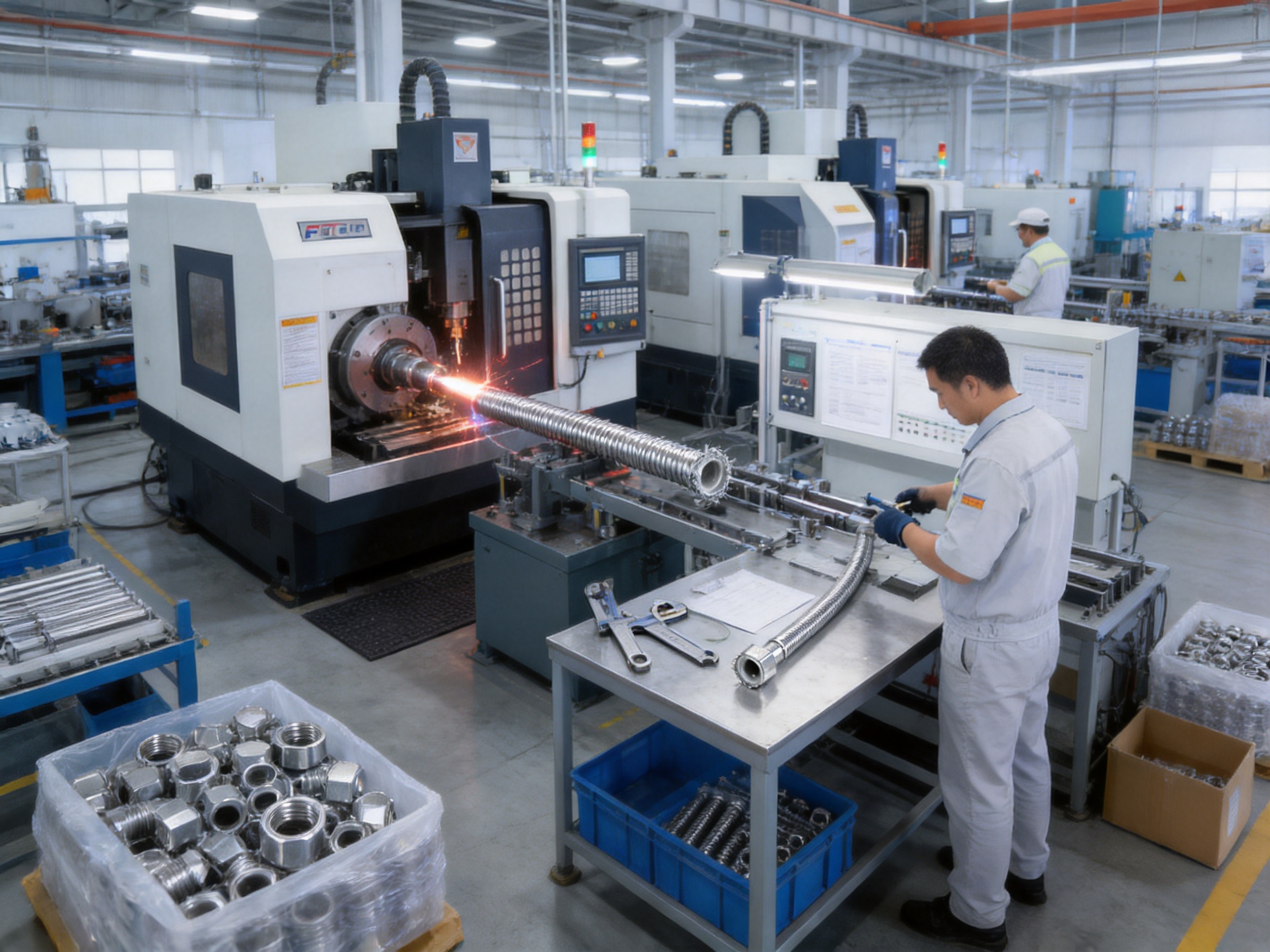
The quality of a stainless steel connector nut begins with a controlled manufacturing process. A reliable manufacturer must manage the product from material selection through final packaging. This approach is especially important when the nut is used as part of a flexible connector, metal hose, bellows, or compensator assembly, because the fastening component must be compatible with the dimensional and performance requirements of the complete system.
5.1 Raw-Material Selection and Verification
The first stage is the selection of suitable stainless steel raw material. Material selection should consider corrosion exposure, mechanical loading, temperature, forming requirements, thread performance, and the intended application. The raw material must be consistent enough to support stable forming and machining.
Incoming material control may include verification of material certificates, dimensions, surface condition, chemical composition, and mechanical properties. Proper identification and traceability help reduce the risk of mixing different materials or using unsuitable stock in a demanding application.
Material control also supports production consistency. If raw material varies significantly in hardness, thickness, or surface quality, forming results and thread performance can become inconsistent. A professional manufacturing system therefore treats material verification as a foundation rather than an optional inspection step.
5.2 Precision Forming and Machining
Connector nuts may be produced through a combination of forming, turning, drilling, tapping, milling, or other controlled machining processes, depending on the design. The objective is to produce accurate dimensions, clean thread profiles, stable seating surfaces, and a uniform external form.
CNC equipment can help maintain repeatable dimensional accuracy across production batches. Computer-controlled machining reduces variation and supports consistent production of internal threads, external profiles, grooves, flats, and other required features. For products used in large quantities or in assemblies with tight compatibility requirements, repeatability is a major advantage.
Precision machining must also address burrs and sharp edges. Uncontrolled burrs can interfere with assembly, damage seals, create handling hazards, or introduce contamination into a clean system. Suitable deburring and finishing operations help produce a smoother, safer, and more functional component.
5.3 Welding and Connection Technology
Although the nut itself may be a machined or formed component, its performance is often evaluated together with welded connector assemblies, corrugated tubes, bellows, or metal hoses. Welding quality is therefore an important part of a manufacturer’s technical capability.
Laser welding can provide concentrated heat input and precise control when joining stainless steel components. Properly controlled welding can help reduce distortion, maintain joint consistency, and support the integrity of flexible connection products. The exact welding method depends on material thickness, joint design, product geometry, production volume, and applicable technical requirements.
Welding equipment must be supported by correct parameter control, fixture accuracy, operator competence, and inspection. A technically advanced machine is valuable only when integrated into a complete process-management system.
5.4 Corrugated Tube and Bellows Manufacturing Experience
A company specializing in stainless steel bellows and flexible connection products understands that connection hardware must function within a dynamic assembly. Corrugated tubes, bellows, and metal hoses may be required to absorb vibration, compensate for displacement, manage thermal expansion, or simplify installation.
Experience with these products helps the manufacturer evaluate how the nut interacts with hose ends, fittings, gaskets, sleeves, and other components. This system-level knowledge can improve product compatibility and support the development of connection solutions for gas, plumbing, heating, healthcare, building services, and industrial HVAC applications.
Manufacturing capability in bellows and flexible products also requires careful attention to forming accuracy, weld integrity, pressure performance, fatigue behavior, and dimensional control. These disciplines strengthen the manufacturer’s ability to produce dependable stainless steel connection components.
5.5 Automated Inspection and Testing
Quality control should cover more than final visual inspection. Depending on product design and application, inspection may include dimensional measurement, thread gauges, surface examination, material verification, leak testing, pressure testing, weld inspection, and functional assembly checks.
Eddy current flaw detection can be used as part of a broader inspection strategy for identifying certain discontinuities in suitable conductive materials. It is particularly valuable in manufacturers that produce tubes, bellows, and welded metal components. Other inspection tools may be selected according to the geometry and risk profile of the product.
Automatic packaging systems can also contribute to quality by reducing handling damage, protecting finished surfaces, and improving batch identification. Clean and organized packaging is important for stainless steel components because it helps prevent scratches, contamination, and confusion between product specifications.
5.6 Full-Process Quality Management
A strong quality system covers design, procurement, production, inspection, storage, delivery, and after-sales support. Management-system certifications such as ISO 9001, ISO 14001, and ISO 45001 reflect structured attention to quality, environmental management, and occupational health and safety.
Certification alone does not replace product testing or engineering judgment. Its value comes from the procedures, records, responsibilities, corrective actions, and continual-improvement activities that support consistent manufacturing. A manufacturer with a full-process quality approach is better positioned to identify problems early and prevent repeated defects.
For customers, this means that product reliability is supported by a repeatable system rather than depending solely on individual workers or final inspection. It also supports more effective communication for customized dimensions, special materials, application requirements, and production documentation.
6. Manufacturing Infrastructure and Technical Resources
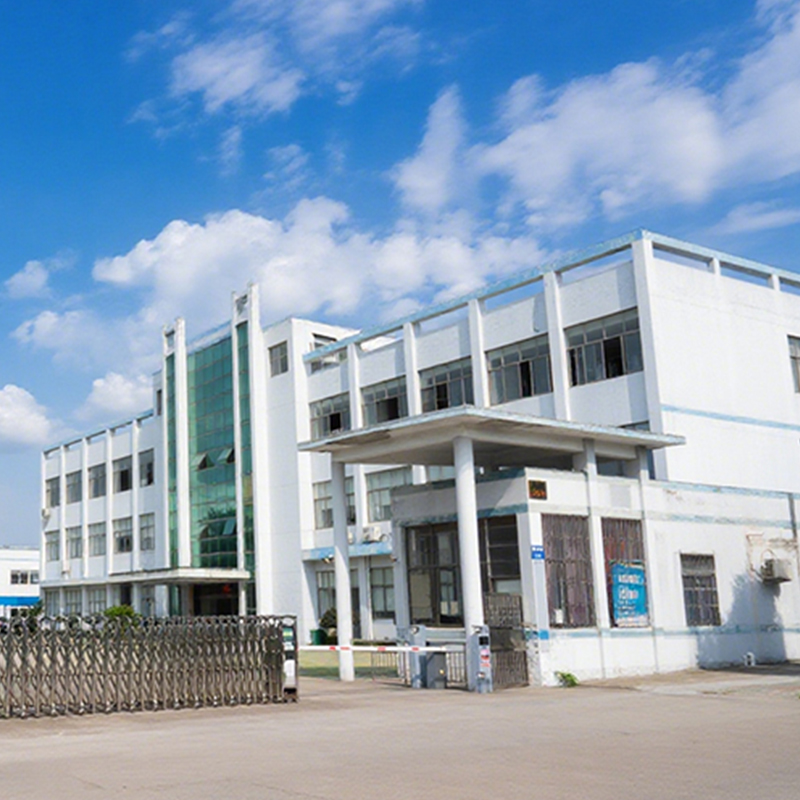
The manufacturer described in the supplied company information operates standardized workshops covering approximately 18,000 square meters within a larger site of about 35 mu. This scale provides space for organized production, equipment installation, raw-material management, inspection, assembly, and finished-goods storage.
Advanced equipment includes laser welding machines, CNC forming machines, COSMO equipment, eddy current flaw detectors, and automatic packaging systems. Each type of equipment contributes to a different part of the product-development and manufacturing process.
6.1 Laser Welding Machines
Laser welding machines support precise joining of stainless steel components. Their concentrated energy can help control heat input and produce consistent welds when suitable parameters and fixtures are used. This is important for bellows, corrugated tubes, connector assemblies, and other products in which distortion or inconsistent weld geometry could affect performance.
6.2 CNC Forming Machines
CNC forming machines support repeatable shaping and dimensional control. Flexible connection products often require precise geometry because corrugation, end forming, and connector dimensions influence movement, fit, and pressure behavior. CNC control helps reduce variation between production units.
6.3 COSMO Equipment
Specialized COSMO equipment can support production or testing tasks within a controlled manufacturing line. The value of such equipment depends on its application in the production process, calibration, operator training, and integration with inspection procedures. Advanced equipment contributes most effectively when it is managed as part of a complete quality system.
6.4 Eddy Current Flaw Detection
Eddy current inspection provides a non-destructive method for examining suitable conductive metal products. It can help identify certain surface or near-surface discontinuities that may not be visible during ordinary visual inspection. For stainless steel tubes and related components, this technology can add an additional layer of process confidence.
6.5 Automatic Packaging Systems
Automatic packaging helps improve consistency and reduce the possibility of handling damage. It can also support product identification and orderly shipment preparation. Correct packaging is particularly useful for threaded stainless steel parts, because damaged threads or scratched sealing surfaces can reduce installation quality even when the underlying material is sound.
7. Design and Selection Considerations
Selecting a stainless steel connector nut should begin with the complete application rather than the nut alone. Buyers, engineers, and installers should consider the connector type, thread specification, pressure, temperature, fluid, vibration, installation environment, maintenance requirements, and applicable standards.
7.1 Thread Compatibility
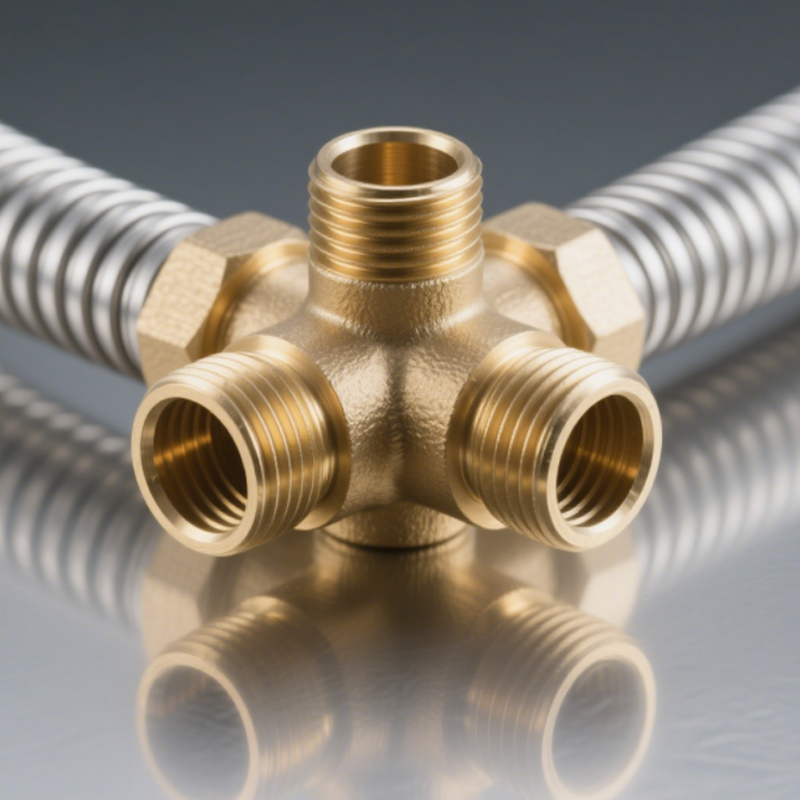
The nut must match the mating thread in nominal size, pitch, thread form, and tolerance. Metric, British Standard Pipe, National Pipe Thread, and other thread systems are not automatically interchangeable. Even when two threads appear similar, differences in pitch, angle, or sealing method can create leakage or mechanical damage.
Thread compatibility should be verified using drawings, specifications, calibrated gauges, or approved samples. Forced installation should be avoided. If a nut does not engage smoothly by hand for the initial turns, the connection should be examined rather than tightened with excessive force.
7.2 Material Compatibility
The stainless steel grade should be selected according to the fluid and environment. Water quality, chloride content, cleaning chemicals, temperature, and exposure to salt can all influence corrosion behavior. Contact between dissimilar metals should also be considered because galvanic effects may occur under certain wet conditions.
In many general plumbing applications, stainless steel provides excellent performance. More demanding environments may require a particular grade, surface finish, isolation washer, or additional corrosion-control measure. The correct choice should be based on engineering evaluation rather than appearance alone.
7.3 Sealing Method
A nut may form part of a compression seal, gasketed connection, flare connection, or another mechanical sealing arrangement. The sealing method determines the required seating geometry and tightening procedure. A nut should not be evaluated separately from its gasket, ferrule, fitting, or hose end.
Over-tightening can damage a gasket, deform a tube, or strip a thread. Under-tightening can allow leakage or movement. Installers should follow the connection manufacturer’s recommended torque or assembly procedure whenever available.
7.4 Pressure and Temperature
The operating pressure and temperature of the complete assembly must be considered. The nut may be mechanically strong, but the pressure rating of the hose, tube, weld, fitting, gasket, or other component may be lower. The assembly rating is normally governed by its weakest relevant component and by the specific design conditions.
Temperature can influence sealing materials, thermal expansion, viscosity, and corrosion behavior. Applications involving hot water, steam, heating fluids, refrigeration, or freezing conditions require careful review of all materials in contact with the operating medium.
7.5 Installation Space and Maintenance
A compact nut may be preferred in confined spaces, while a larger hexagonal profile may make tool access easier. The design should allow correct tightening without damaging adjacent components. It should also permit future inspection or replacement where maintenance is expected.
Stainless steel’s corrosion resistance can help preserve serviceability, but installation practices remain important. Threads should be clean, mating parts should be aligned, and tools should be suitable for the component. Cross-threading is one of the most common causes of connection damage and cannot be solved by material selection alone.
8. Installation and Maintenance Recommendations
Before installation, inspect the nut, mating thread, sealing components, and connector end. Check for burrs, dents, dirt, deformation, or visible damage. Confirm that the thread specifications are compatible and that the sealing element is the correct type and size.
Align the connector and mating component carefully. Start the nut by hand to prevent cross-threading. The nut should rotate smoothly for the first several turns. If resistance occurs immediately, stop and inspect the alignment and thread condition.
Use the recommended wrench size and tightening method. Excessive torque can distort the nut, damage the thread, compress the sealing element excessively, or transfer unwanted stress to the flexible hose. If a torque specification is available, use a calibrated torque tool where practical.
After installation, inspect the connection for leakage and verify that the flexible hose is not twisted, sharply bent, or subjected to unsupported weight. A flexible connector should be installed in a way that allows it to perform its intended movement without being forced beyond its design limits.
During maintenance, check for corrosion staining, thread damage, leakage, vibration-related loosening, and changes in hose condition. Stainless steel reduces corrosion risk but does not eliminate the need for inspection. Exposure to aggressive chemicals, salt deposits, trapped moisture, or dissimilar-metal contact may still require attention.
Cleaning should use methods compatible with the stainless steel grade and the surrounding assembly. Avoid practices that introduce iron contamination, such as using tools or brushes previously used on carbon steel without proper cleaning. After cleaning, remove chemical residues and allow the surface to dry where appropriate.
9. Why Manufacturer Capability Matters
When a stainless steel nut is purchased as part of a flexible plumbing solution, the manufacturer’s broader technical capability can be as important as the individual component. A company experienced in stainless steel bellows, gas connectors, plumbing pipes, water liners, metal hoses, and compensators understands the interaction between fastening, flexibility, pressure, movement, and sealing.
Such experience supports more effective technical communication. Customers may require special dimensions, particular thread forms, customized connector ends, application-specific materials, or integration with an existing hose assembly. A manufacturer with research and development capability can review the requirements systematically rather than treating the nut as an isolated commodity.
A professional R&D team can also contribute to design optimization. It may evaluate material selection, forming geometry, welding arrangement, installation method, fatigue considerations, and testing requirements. This can be valuable for OEM customers, engineering contractors, building-service companies, and distributors serving multiple markets.
Production scale and standardized workshops can improve delivery coordination and batch consistency. At the same time, quality certifications and documented processes support customer confidence when products are used in regulated or technically demanding projects.
10. Sustainability and Lifecycle Value
Sustainability should be evaluated over the entire product lifecycle. A stainless steel nut may have a higher initial material cost than a basic plated fastener, but its corrosion resistance and long service potential can reduce replacement frequency. The practical environmental impact of a product is influenced by manufacturing, transportation, installation, maintenance, replacement, and end-of-life recovery.
Durable connection hardware can help prevent premature repairs. A failed connection may require water shutdown, labor, replacement parts, disposal, and possibly damage restoration. By supporting reliable system operation, a high-quality nut can contribute to lower lifecycle disruption.
Stainless steel’s recyclability further supports circular material use. The metal can be recovered from discarded equipment and reintroduced into manufacturing. Responsible manufacturing also includes environmental management, efficient use of resources, safe working conditions, and reduction of production waste. These goals align with structured environmental and occupational safety management systems.
11. Technical Comparison Table
| Evaluation Factor | Stainless Steel Connector Nut | Ordinary Carbon Steel Nut | Low-Quality Plated Nut | Polymer Nut |
|---|---|---|---|---|
| Resistance to water and humidity | Generally excellent, subject to grade and environment | Limited without effective protection | Dependent on coating integrity | Often good, but material-specific |
| Thread strength | High when correctly manufactured | Can be high | Depends mainly on base metal | Usually lower than metal |
| Temperature performance | Suitable for broad service conditions | Generally good, but corrosion may increase | May be affected by coating deterioration | Depends strongly on polymer type |
| Hygiene and cleanability | Very suitable for cleanable applications | May produce rust or require coating | Coating damage can reduce suitability | Depends on surface and chemical resistance |
| Resistance to deformation | High with suitable design and hardness | Generally high | Determined by base metal | More susceptible to creep in some conditions |
| Outdoor service potential | Strong option when grade is suitable | Requires protection and maintenance | Protection may decline with time | May require UV and temperature evaluation |
| Recyclability | Excellent | Excellent | Recyclable, with coating considerations | Material-dependent |
| Lifecycle reliability | High when correctly specified | Variable in wet environments | Variable according to coating quality | Application-dependent |
12. Quality Assurance from Design to Delivery
Quality assurance begins before production. Product drawings should define the thread, dimensions, material, surface requirements, tolerances, and inspection points. If the nut is part of a flexible connector assembly, the drawing should also identify the related hose, fitting, gasket, or welded component requirements.
During production, process parameters should be controlled and recorded where appropriate. Operators should understand the critical features of the product, including thread protection, burr removal, seating-surface condition, and correct use of inspection tools.
Inspection results should be traceable to the production batch. This helps identify trends, investigate nonconformities, and support customer communication. When a problem occurs, corrective action should address the underlying cause instead of only sorting the affected products.
Final packaging and shipment should preserve product quality. Thread protectors, suitable wrapping, clean cartons, batch labels, and orderly packing can prevent damage during transportation. Clear identification helps customers store and install the correct components.
After delivery, technical support remains important. Customers may need help confirming thread specifications, selecting a compatible connector, understanding installation procedures, or evaluating a special operating environment. A manufacturer with strong application knowledge can provide more useful support than a supplier focused only on shipment quantity.
13. Frequently Asked Questions
13.1 What is a flexible plumbing connector stainless steel nut?
It is a stainless steel fastening component used to secure or connect a flexible plumbing connector, water liner, hose, pipe fitting, or related assembly. Depending on the design, it may retain a connector end, compress a sealing component, or maintain the mechanical stability of a threaded connection.
13.2 Why is stainless steel preferred for plumbing connector nuts?
Stainless steel is preferred because it combines corrosion resistance, mechanical strength, thread durability, temperature resistance, hygiene, and recyclability. These properties make it suitable for wet, outdoor, high-temperature, cleanable, and long-service applications.
13.3 Can this type of nut be used outdoors?
It can be suitable for outdoor use when the stainless steel grade, thread design, sealing system, and environmental exposure are properly evaluated. Coastal areas, high-chloride conditions, and aggressive chemicals may require special material selection and maintenance practices.
13.4 Is a stainless steel nut suitable for hot-water systems?
Stainless steel generally performs well in hot-water and heating applications because it retains useful mechanical properties across a broad temperature range. The complete assembly must still be checked, including the hose, gasket, fitting, weld, and pressure rating.
13.5 Does stainless steel eliminate corrosion completely?
No material should be considered completely immune to corrosion in every environment. Stainless steel provides strong corrosion resistance, but grade selection, surface condition, chloride exposure, chemical cleaning, trapped moisture, and contact with dissimilar metals can affect performance.
13.6 How can thread damage be prevented during installation?
Use matching thread specifications, clean both mating parts, align the components, start the nut by hand, and avoid forcing a resistant thread. Tighten with the recommended tool and torque. Cross-threading and excessive torque should be avoided.
13.7 Is the nut suitable for food or medical equipment?
Stainless steel is widely used in food and medical environments because it is hygienic, cleanable, and resistant to many common forms of contamination. The actual product suitability depends on the stainless steel grade, finish, cleaning chemicals, sterilization process, applicable regulations, and complete equipment design.
13.8 What manufacturing technologies support product consistency?
Material verification, CNC forming and machining, controlled welding, dimensional inspection, non-destructive testing, thread gauging, surface inspection, and automatic packaging can all support consistency. The strongest results come from integrating these technologies into a documented quality-management system.
13.9 Can customized nuts or connector assemblies be produced?
Customized dimensions, thread types, connector ends, materials, and packaging may be possible depending on the manufacturer’s engineering and production capabilities. Customers should provide drawings, application conditions, required standards, operating pressure, temperature, and expected quantity for technical evaluation.
13.10 How should the correct nut be selected?
Confirm the thread standard and size, stainless steel grade, operating pressure, temperature, fluid, sealing method, installation space, environmental exposure, and maintenance requirements. The nut should be selected together with the connector and sealing components rather than as an isolated item.
14. Conclusion
The flexible plumbing connector stainless steel nut is a small component with a major role in connection reliability. Its performance influences thread integrity, clamping force, sealing stability, serviceability, and the long-term safety of the complete piping assembly.
Its main advantages include excellent corrosion resistance, high strength and hardness, resistance to high and low temperatures, hygienic and non-toxic characteristics, and complete recyclability. These properties make it a strong choice for residential plumbing, commercial buildings, heating systems, industrial HVAC, healthcare facilities, food equipment, and outdoor installations.
The product’s value is further strengthened when it is manufactured by a company with expertise in stainless steel bellows, flexible connectors, gas connectors, plumbing pipes, water liners, metal hoses, and compensators. Advanced laser welding, CNC forming, specialized production equipment, eddy current flaw detection, automatic packaging, and full-process quality management can support stable and dependable product performance.
For buyers and engineers, the most important principle is to evaluate the nut as part of a complete connection system. Thread compatibility, material grade, sealing method, pressure, temperature, installation technique, and environmental exposure must all be considered. When these factors are properly matched, a high-quality stainless steel connector nut can provide a durable, hygienic, and cost-effective fastening solution for demanding flexible plumbing applications.
References
1. General principles of stainless steel corrosion resistance and passive-film behavior in water and atmospheric environments.
2. Engineering guidance for threaded fasteners, torque control, thread engagement, and mechanical joint design.
3. Principles of hygienic equipment design for food-processing, healthcare, and cleanable industrial applications.
4. Quality management principles for manufacturing process control, inspection, traceability, and continual improvement.
5. Environmental management and lifecycle considerations for recyclable metal products.
6. Technical guidance for flexible metal hoses, corrugated tubes, bellows, compensators, and vibration-absorbing piping connections.