

 English
 Español
 русский


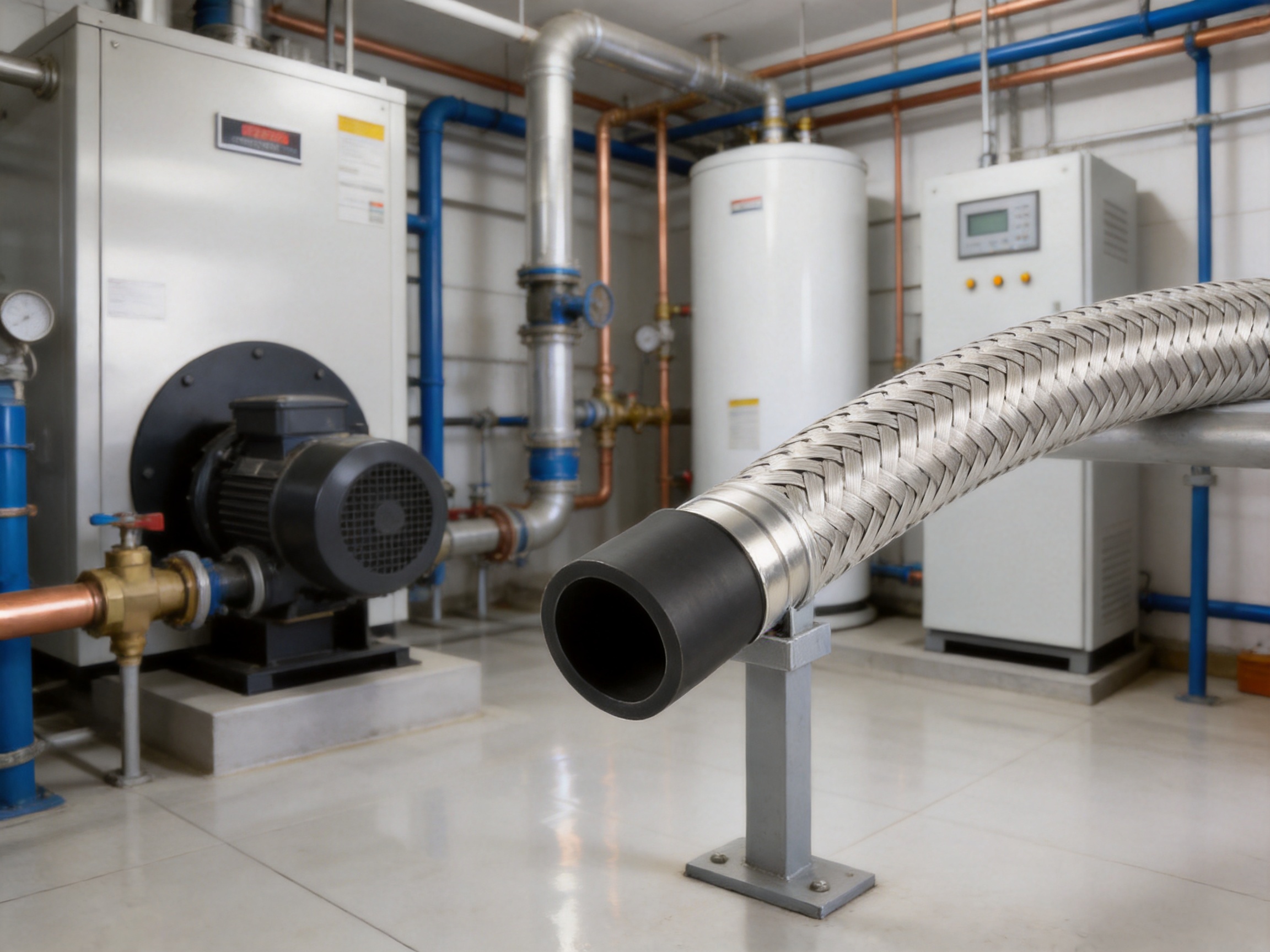
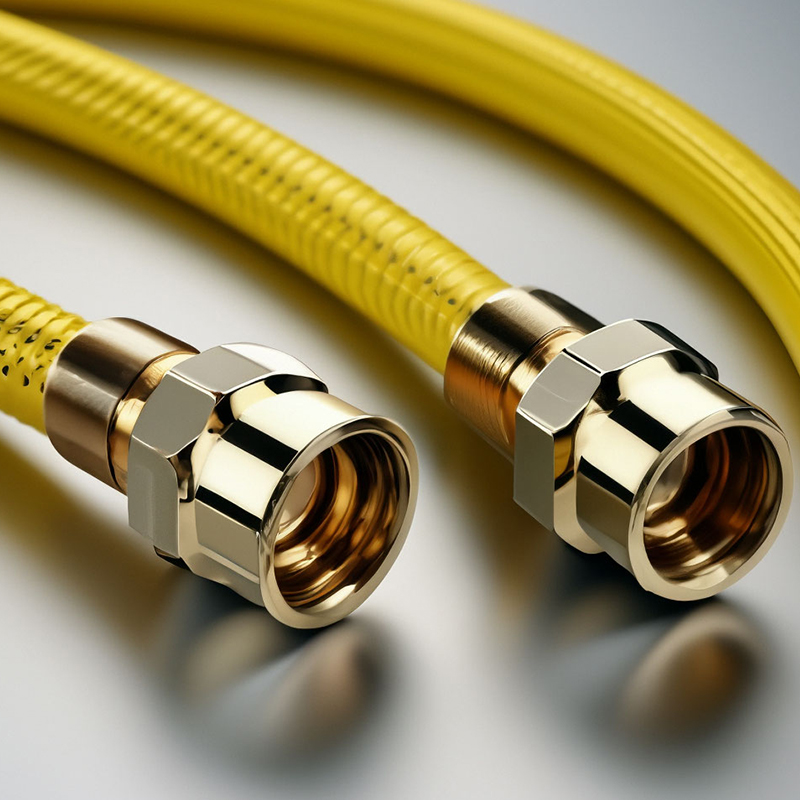
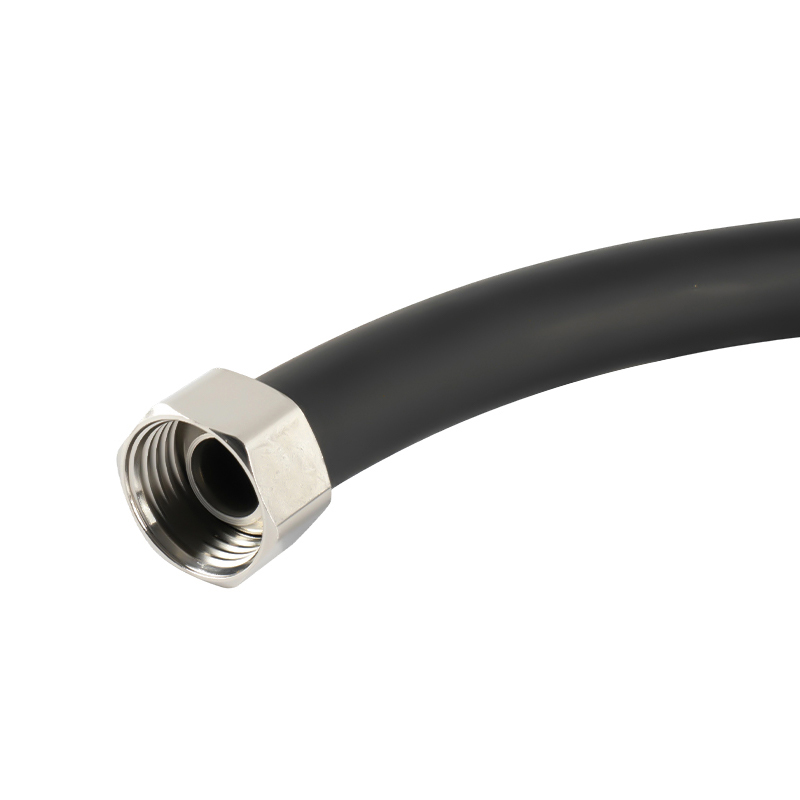
EPDM plumbing pipe is a flexible inner liner designed to transport water and other compatible fluids in plumbing, heating, building services, and selected industrial applications. Made from ethylene-propylene-diene monomer rubber, commonly known as EPDM, this type of pipe combines weather resistance, ozone resistance, aging resistance, and strong resistance to water and hot moisture. These properties make it a practical choice for systems that require a dependable sealing layer, controlled flexibility, and long-term resistance to environmental exposure.
In a complete flexible plumbing assembly, the inner pipe is only one part of a larger engineered product. It may work together with a stainless steel braid, a corrugated metal structure, end fittings, protective coverings, and a connection system. The liner must therefore offer more than basic fluid transport. It must remain stable when exposed to moisture, temperature changes, movement, pressure fluctuations, and installation stress. Its dimensional consistency and compatibility with the other components directly influence the service performance of the finished assembly.
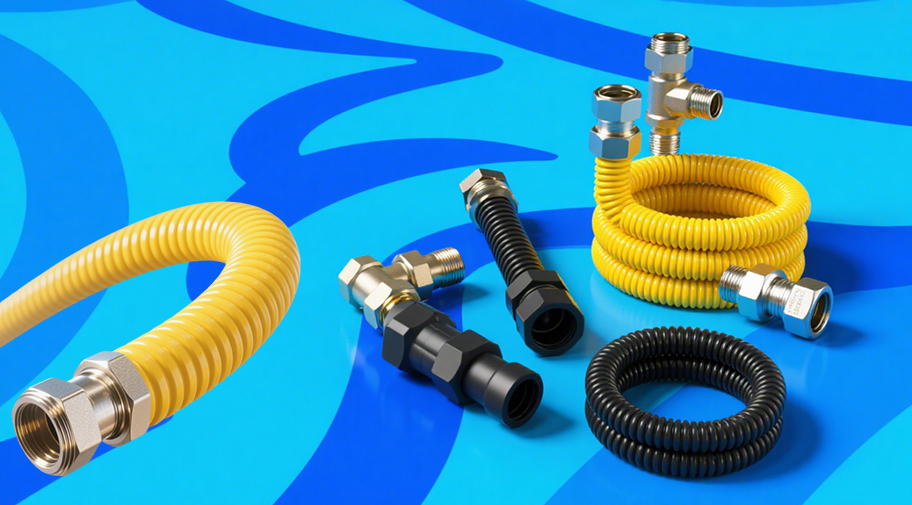
Haoyin (Ningbo) Bellows Technology Co., Ltd. develops and manufactures flexible connection products for gas, plumbing, heating, healthcare, building heating, industrial HVAC, and related fields. Its product range includes gas connectors, plumbing pipes and water liners, metal hoses, and compensators. Within this product family, EPDM plumbing pipe provides a resilient inner sealing and fluid-contact layer for applications in which water resistance, weather durability, and flexible installation are important.
What Is an EPDM Plumbing Pipe?
EPDM plumbing pipe is a tube produced from ethylene-propylene-diene monomer rubber. EPDM is a synthetic elastomer formulated for demanding outdoor, water, and heat-related environments. Its molecular structure gives it excellent resistance to ozone, weathering, oxidation, and aging compared with many general-purpose rubber materials.
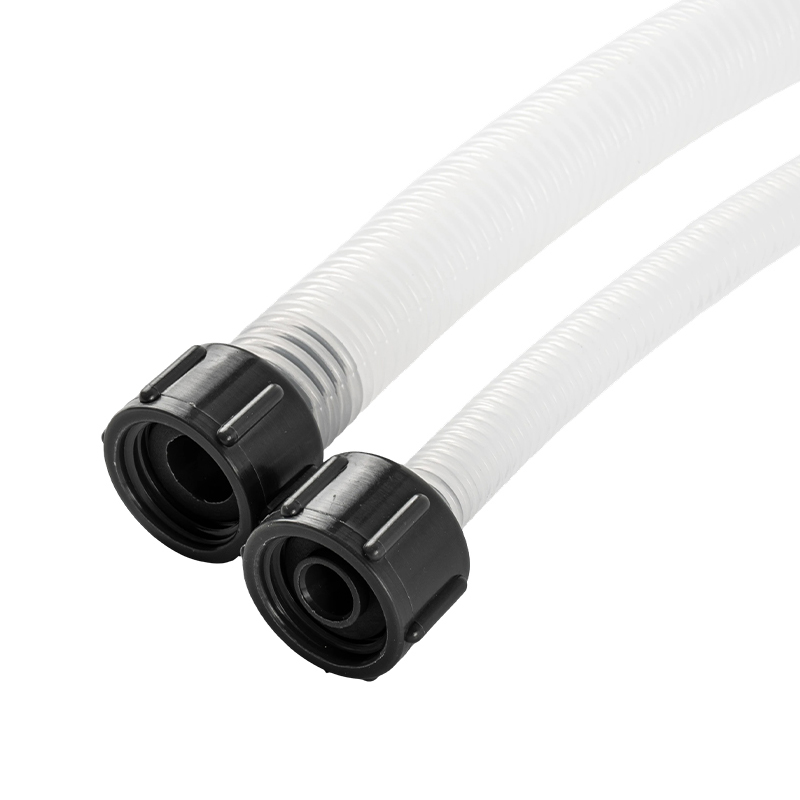
The pipe can serve as an inner liner, inner tube, or water liner in a flexible hose or connector assembly. Its primary purpose is to create a continuous fluid-contact surface while allowing the complete assembly to bend, absorb movement, and accommodate installation tolerances. Depending on the final design, an EPDM liner may be covered by braided stainless steel, a corrugated metal tube, textile reinforcement, or another protective layer.
Unlike a rigid metal pipe, an EPDM liner can flex around equipment, wall penetrations, valves, pumps, boilers, water heaters, and other connection points. Unlike some unreinforced plastic tubing, it can be integrated into a reinforced flexible assembly that provides additional mechanical protection and pressure capability. The correct construction depends on operating temperature, pressure, fluid type, movement, connection method, and applicable technical requirements.
The term “EPDM plumbing pipe” does not describe one universal specification. Wall thickness, internal diameter, reinforcement, hardness, compound formulation, connection design, and production tolerances may vary according to the intended use. For that reason, buyers should evaluate the complete product configuration rather than selecting a liner only by material name.
Key Material Properties of EPDM
Resistance to Water and Hot Moisture
EPDM is widely selected for water-related applications because it performs well in contact with water and hot moisture. This characteristic is especially useful in plumbing, heating, hot-water circulation, and building service installations where the liner may encounter prolonged moisture exposure or elevated water temperatures.
Water resistance helps the liner maintain its sealing function and physical integrity during long periods of service. The material is less likely to suffer rapid deterioration from ordinary water exposure than elastomers that are not designed for wet environments. In systems involving hot water, the compound and the complete assembly must still be selected according to the actual temperature range, pressure, duty cycle, and applicable standards.
Weather Resistance
Plumbing connections may be installed in plant rooms, service shafts, roof areas, utility rooms, garages, exterior equipment zones, or partially exposed locations. Weather resistance helps an EPDM liner withstand changing environmental conditions, including sunlight, humidity, temperature variation, and atmospheric exposure.
This property can reduce the risk of premature surface degradation when the product is used in a suitable outdoor or semi-outdoor environment. Weather resistance is particularly valuable for flexible connectors that may remain accessible for many years and must continue to tolerate movement and vibration after installation.
Ozone Resistance
Ozone can accelerate cracking and embrittlement in some rubber materials, especially when they are exposed to outdoor air, electrical equipment, industrial environments, or long-term atmospheric conditions. EPDM is known for strong ozone resistance. This helps protect the liner from the fine surface cracks that may develop in less suitable elastomers.
Ozone resistance contributes to service reliability because a liner that remains flexible and intact is better able to maintain contact with fittings and withstand movement. It also supports a longer replacement interval when the product is correctly selected and installed.
Aging Resistance
Aging resistance refers to the ability of a material to retain useful properties over time. In a plumbing assembly, long-term aging can be influenced by heat, oxygen, ozone, moisture, pressure cycling, mechanical movement, and contact with incompatible fluids. EPDM’s resistance to weathering, ozone, and water supports stable long-term performance in suitable service conditions.
Aging resistance does not eliminate the need for inspection. Every flexible connector should be installed according to technical instructions and checked for abnormal swelling, cracking, abrasion, leakage, corrosion of metallic parts, or other signs of service stress. Proper selection and system maintenance remain essential regardless of the elastomer used.
Why EPDM Is Used as an Inner Liner
The inner liner is the first material to contact the transported fluid. It must provide a continuous passage and maintain a reliable interface with the end fittings. At the same time, it should support the flexibility required for routing and movement. EPDM is useful in this role because it combines elastomeric flexibility with resistance to common water-system exposures.
A flexible liner can compensate for small installation variations that would be difficult to manage with rigid pipe. It can also reduce the need for multiple elbows or complicated alignment procedures. When used with suitable reinforcement, the assembly can provide a controlled connection between two fixed points while helping accommodate vibration, thermal expansion, equipment movement, and minor displacement.
The liner may also improve the overall sealing behavior of the assembly. Rubber can conform to a properly designed fitting surface, allowing the connection to maintain contact as the system experiences moderate movement or temperature variation. The result depends on the fitting geometry, clamping method, material compatibility, and manufacturing accuracy of the complete connector.
Advantages Compared with Competing Liner Materials
Compared with General-Purpose Rubber
General-purpose rubber may be adequate for limited applications, but it may not provide the same level of weather, ozone, and aging resistance as EPDM. In water and outdoor environments, a less suitable compound can harden, crack, swell, or lose elasticity more quickly. EPDM is therefore advantageous when the application requires extended exposure to moisture and atmospheric conditions.
The benefit is not simply a longer material specification on paper. A liner that retains flexibility and surface integrity is more likely to preserve sealing contact and resist movement-related damage. This can reduce the risk of early leakage and unplanned replacement when compared with a material chosen primarily for low initial cost.
Compared with Some Thermoplastic Tubes
Thermoplastic tubes can offer low weight, chemical resistance, and convenient processing. However, their performance depends strongly on the specific polymer and operating temperature. Some thermoplastics can become less flexible at low temperatures, soften at elevated temperatures, or experience stress cracking under particular chemical and mechanical conditions.
EPDM provides a useful balance of flexibility, water resistance, and environmental durability for many plumbing applications. It is especially attractive where the liner must remain elastic over a broad range of ordinary service conditions. A direct comparison should always consider the exact polymer grade, not only the general material category.
Compared with Silicone Rubber
Silicone rubber is valued for its wide temperature capability and flexibility. In some specialized applications, it may be the preferred material. However, the appropriate liner depends on fluid compatibility, abrasion requirements, pressure conditions, mechanical reinforcement, and cost targets. EPDM can be a more practical option for water and hot-moisture applications where outstanding ozone and weather resistance are important and the service conditions fall within the EPDM compound’s design range.
Compared with PVC-Based Tubing
PVC tubing can be economical and easy to process, but its flexibility and temperature performance vary with formulation and plasticizer content. In demanding environments, exposure to heat, sunlight, movement, or aging can affect its behavior. EPDM generally offers a more resilient elastomeric structure for flexible water connections that must tolerate repeated bending or vibration.
Compared with an Unlined Metal Tube
Metal tubes provide strength and temperature capability, but rigid metal components may transmit vibration and require accurate alignment. A metal tube may also need additional sealing components at each connection point. An EPDM-lined flexible assembly can provide a compliant fluid-contact surface and greater installation flexibility while an external metallic layer supplies mechanical reinforcement or protection.
The most effective solution is often not a choice between rubber and metal but a combination of materials. EPDM can perform the fluid-contact function while stainless steel or another reinforcement controls pressure, protects the liner, and supports the required mechanical performance.
EPDM Plumbing Pipe
Product Construction and Flexible Connection Performance
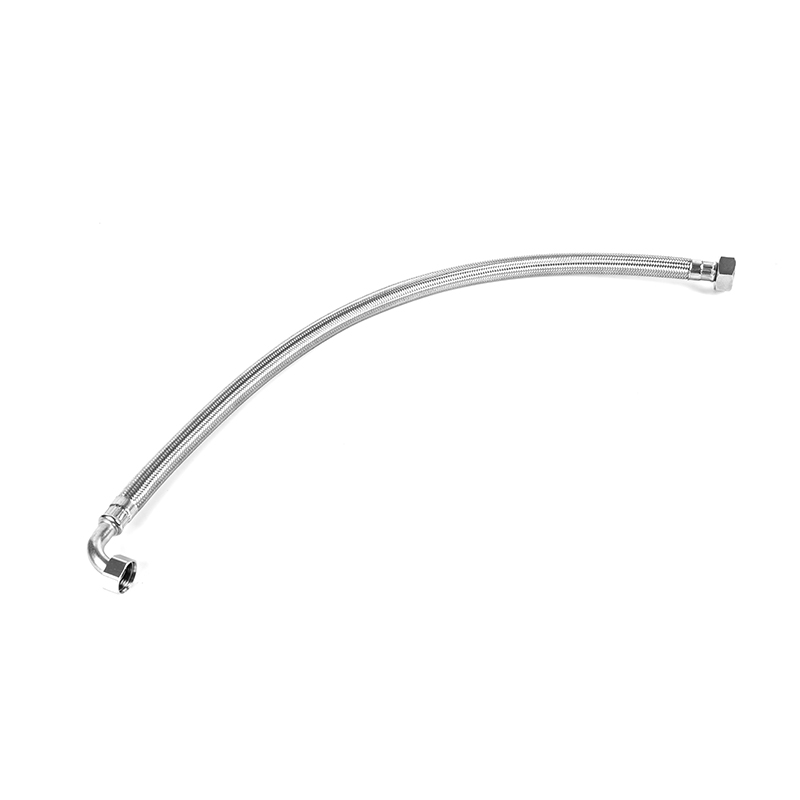
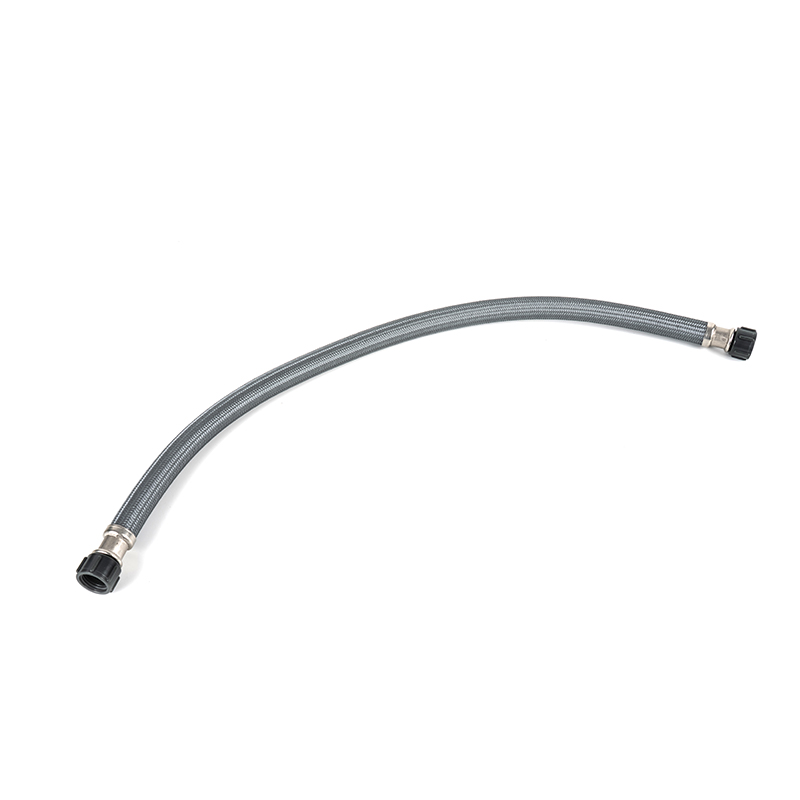
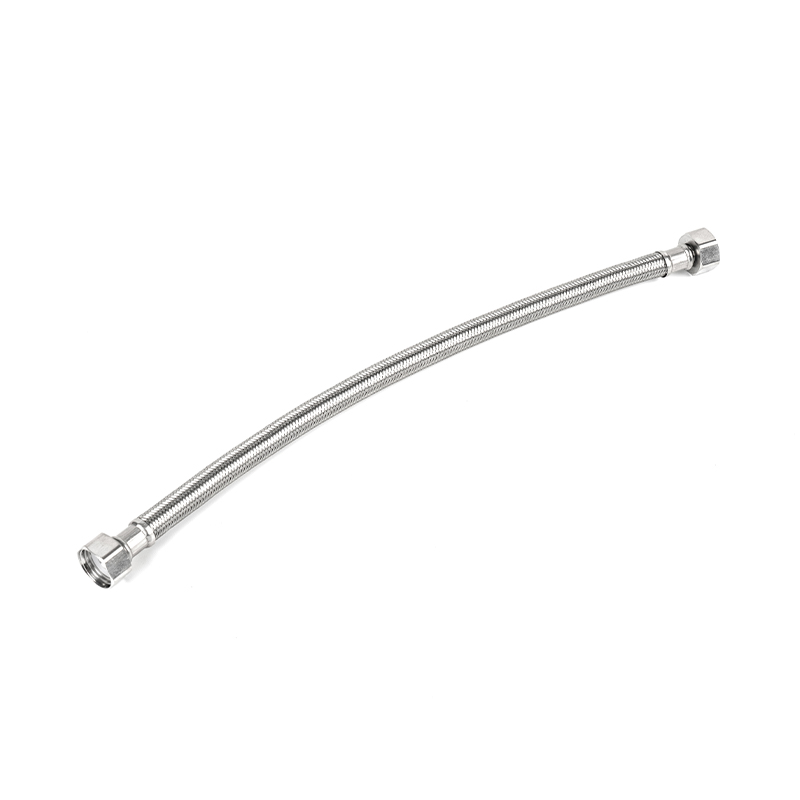
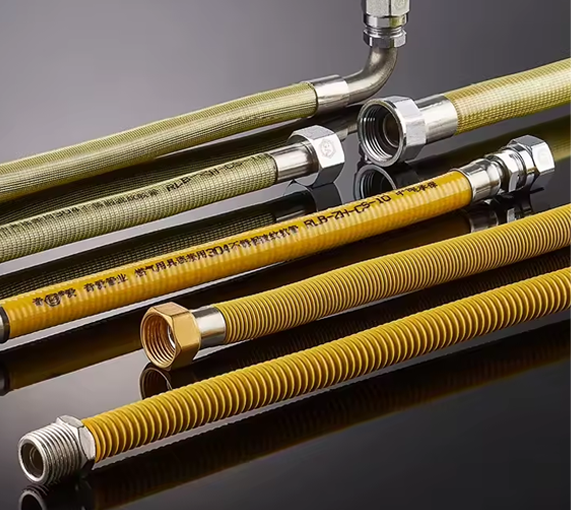
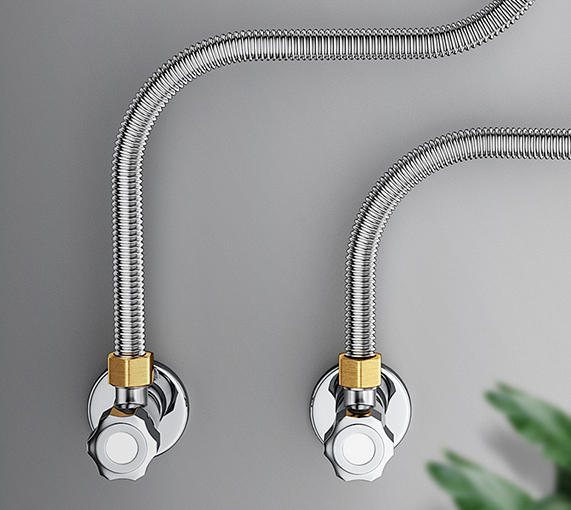
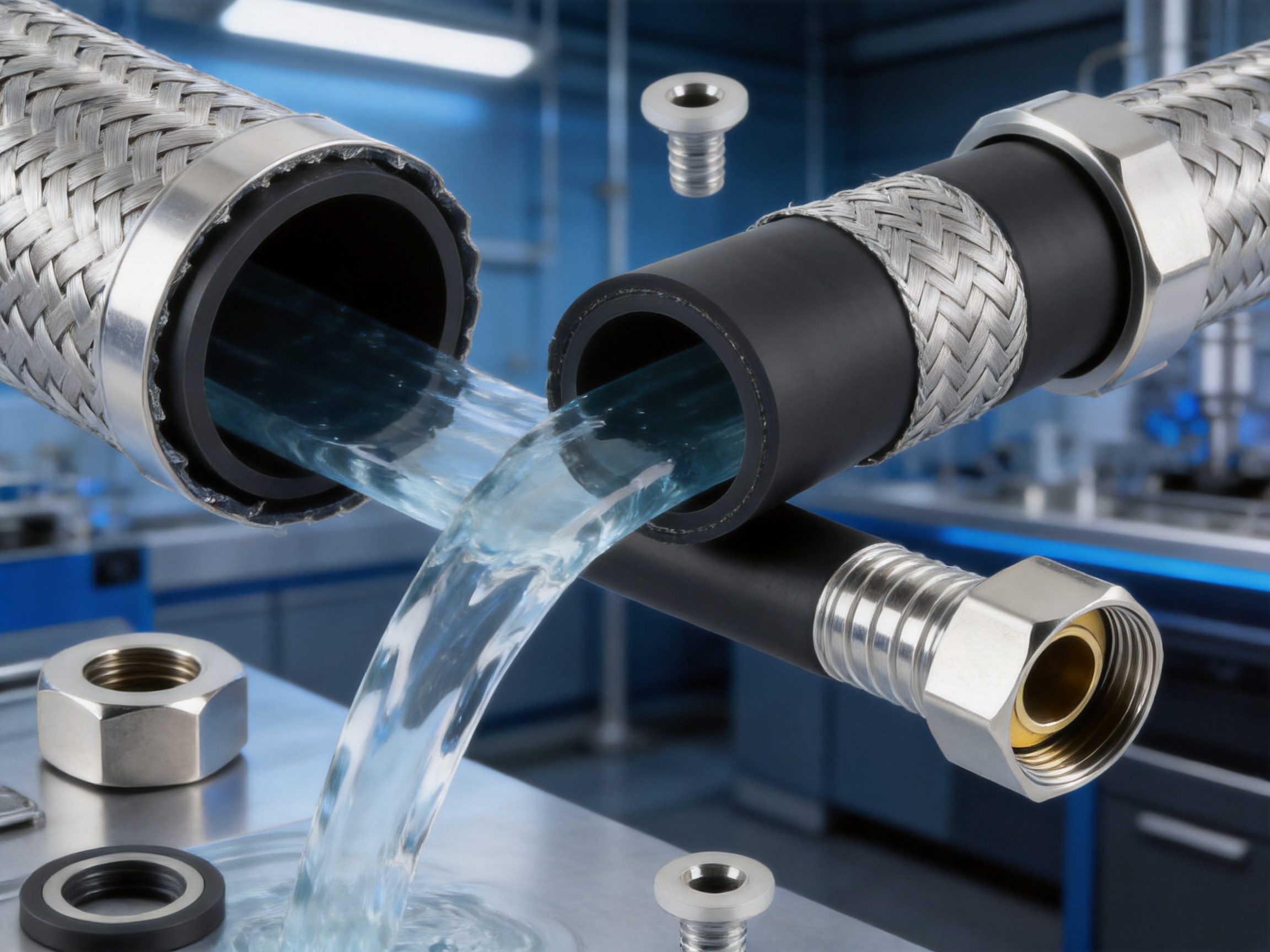
An EPDM plumbing pipe may be supplied as a standalone liner or incorporated into a finished flexible pipe assembly. In a reinforced configuration, the assembly can include the following functional layers:
1. The EPDM inner liner forms the fluid passage and provides water-resistant sealing contact.
2. A reinforcement layer, such as stainless steel braid or another structured covering, helps control expansion and protects the liner from external damage.
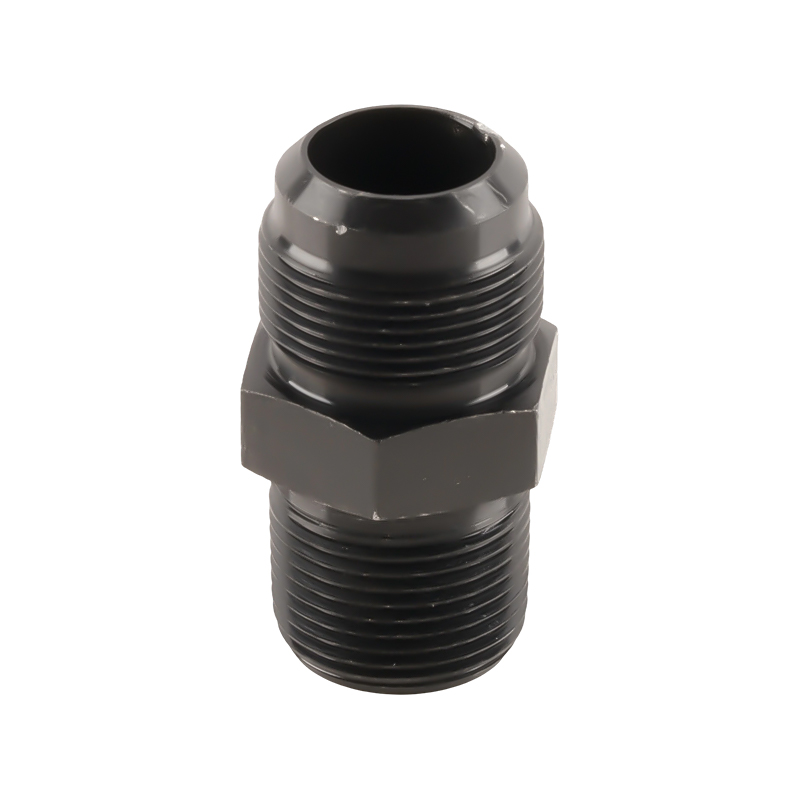
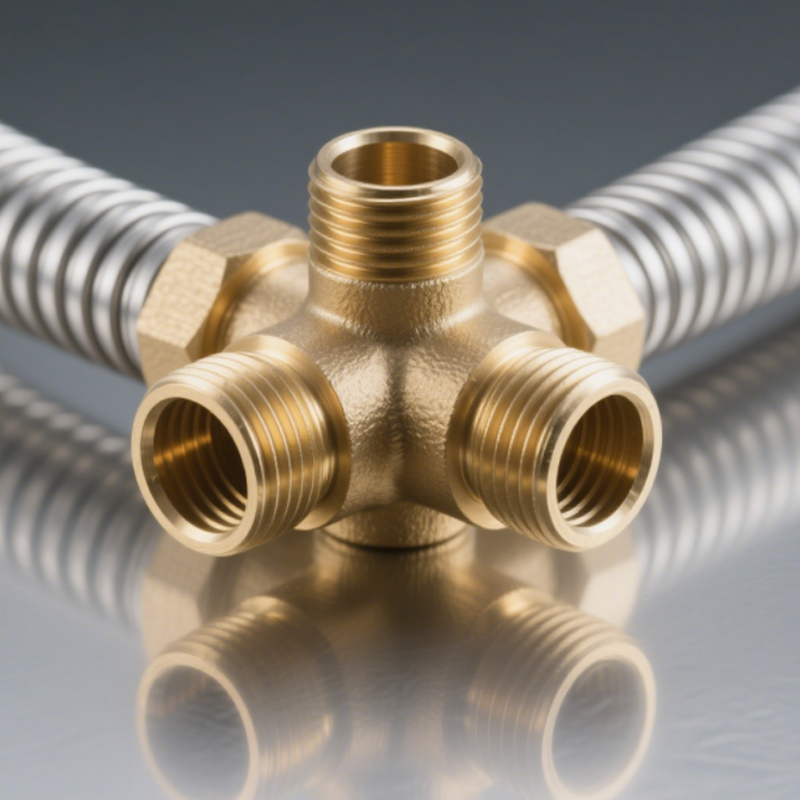
3. End fittings connect the flexible pipe to valves, manifolds, pumps, boilers, water heaters, sanitary equipment, or fixed pipework.
4. Sealing elements and crimped or formed connection zones establish the final pressure boundary.
5. An optional protective layer may improve resistance to abrasion, contamination, or installation contact.
Each layer must be compatible with the others. A strong liner cannot compensate for a poorly designed fitting. Similarly, an excellent metallic braid cannot correct a liner that has inconsistent dimensions or inadequate material properties. Reliable performance is achieved through coordinated design, controlled processing, accurate assembly, and final inspection.
Flexibility and Installation Convenience
Flexibility is one of the principal reasons to use an EPDM plumbing pipe in a connector. The installer can route the pipe through confined spaces and connect equipment that is not perfectly aligned. This may reduce installation time and simplify maintenance access.
Flexible connection also helps isolate equipment from the rigid pipe network. Pumps, heating units, compressors, and other mechanical devices can produce vibration. A suitable flexible assembly can absorb a portion of that movement, reducing the direct transfer of vibration to the surrounding pipework. The amount of isolation depends on assembly length, support conditions, routing, reinforcement, and operating frequency.
Thermal Movement Accommodation
Water and heating systems experience temperature changes. Rigid materials expand and contract, and connected equipment may move slightly as it heats and cools. A properly designed flexible liner and connector can accommodate limited movement and reduce stress at the connection points.
Designers should not treat flexibility as permission to install the pipe under excessive tension, twisting, or sharp bending. The product should be routed with an appropriate bend radius and sufficient allowance for movement. A flexible pipe performs best when it is allowed to flex naturally rather than being forced to compensate for poor alignment.
Sealing and Leak Prevention
Leak prevention depends on the entire pressure boundary. EPDM contributes by providing an elastic inner surface that can work with fittings and sealing components. Consistent liner dimensions are important because variations in internal diameter, wall thickness, or roundness can affect insertion depth, crimping, compression, and final sealing.
Manufacturing controls should therefore address material preparation, tube forming, dimensions, surface condition, cutting, fitting assembly, and testing. A professional manufacturer must consider the relationship between the liner and the connection hardware rather than evaluating the rubber tube in isolation.
Manufacturing Strengths and Process Control
The performance of an EPDM plumbing pipe is influenced by the quality of the compound, the stability of the forming process, the accuracy of assembly, and the effectiveness of inspection. Haoyin (Ningbo) Bellows Technology Co., Ltd. operates as a professional enterprise specializing in the research and development, design, manufacturing, and sales of stainless steel bellows and flexible connection products.
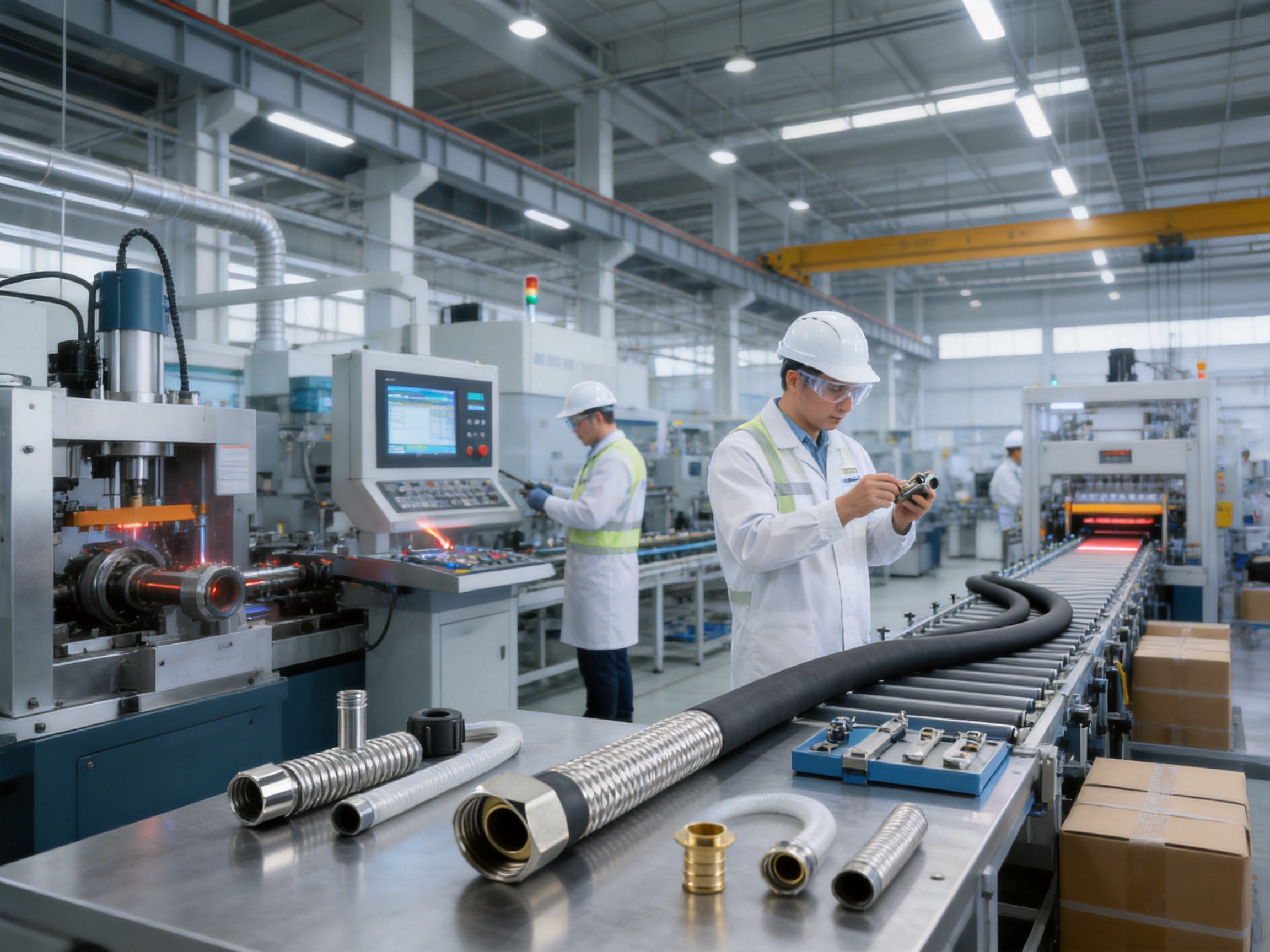
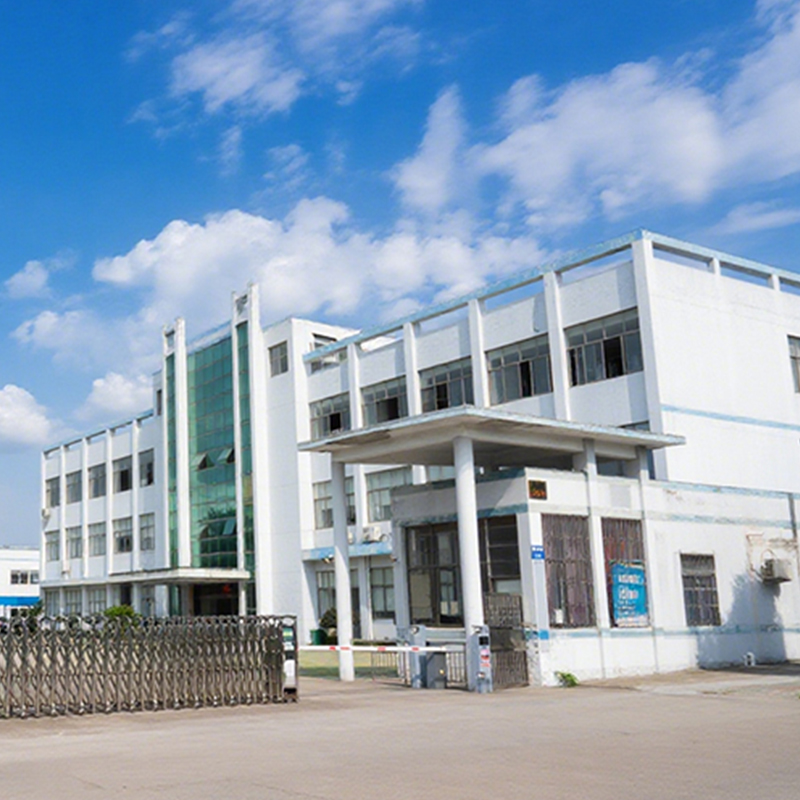
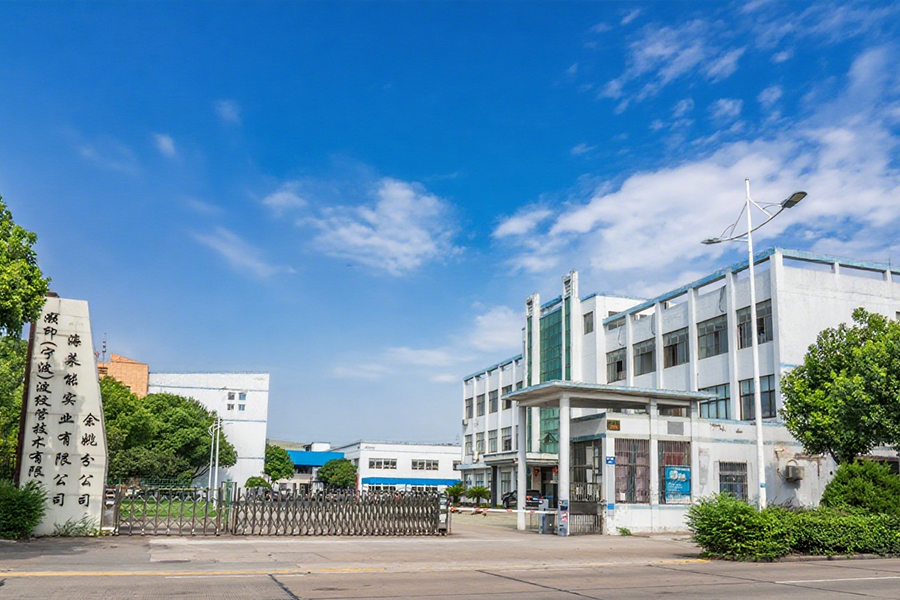
The company has a standardized production area covering approximately 18,000 square meters within a site of about 35 mu. This manufacturing foundation supports organized production, equipment placement, material flow, quality control, assembly, testing, and packaging. A structured facility is important for products that combine elastomeric liners, formed metal components, fittings, and welded or mechanically assembled sections.
Research and Development Capability
Product development begins with understanding the application. A plumbing connector may need to satisfy requirements for diameter, flexibility, working pressure, temperature, connection style, bend radius, corrosion resistance, installation space, and expected service life. The liner compound and the external construction must be developed as a coordinated system.
Haoyin maintains a professional research and development team supporting product design and technical improvement. R&D work can include structural design, material selection, process optimization, prototype evaluation, production feasibility, and performance verification. This integrated approach helps convert application requirements into manufacturable products rather than relying on a one-size-fits-all construction.
Laser Welding
Laser welding equipment is among the advanced manufacturing resources used by the company. Laser welding can provide concentrated heat input and precise joining for suitable stainless steel components. In bellows and flexible connector production, controlled welding is important because the joint must maintain structural integrity without unnecessarily distorting thin metal sections.
A stable welding process can support consistent joint quality, repeatable dimensions, and a clean production appearance. The exact welding parameters depend on material grade, thickness, geometry, joint design, and product specification. Process control, operator competence, equipment maintenance, and inspection remain essential to achieving reliable results.
CNC Forming Machines
CNC forming machines support the accurate shaping of corrugated and formed metal components. Computer-controlled forming can improve repeatability from one production batch to another and help maintain the designed profile of a bellows or corrugated tube.
Consistent forming is important for movement capacity, flexibility, pressure behavior, and connection geometry. When a metal component works with an EPDM liner, dimensional stability also helps maintain the intended relationship between the internal tube and the external reinforcement. CNC processing can therefore contribute to both product consistency and assembly efficiency.
Automated and Specialized Inspection Equipment
The company also uses COSMO equipment and eddy current flaw detectors as part of its manufacturing resources. Eddy current inspection is associated with the detection of certain surface and near-surface discontinuities in conductive materials. In metal hose and bellows production, specialized inspection can support the identification of defects that may not be visible during a basic visual check.
Inspection technology is most effective when integrated into a broader quality system. Material traceability, process records, dimensional checks, visual inspection, leak testing, pressure testing, and final product review may all contribute to a complete evaluation. The appropriate inspection plan depends on the product construction and customer requirements.
Automatic Packaging Systems
Automatic packaging systems help standardize packing operations and reduce the possibility of handling inconsistencies. Proper packaging protects the liner, fittings, metal braid, and finished surfaces during storage and transportation. It also supports clearer product identification and more efficient order processing.
Packaging is not merely a logistical step. Flexible connectors should be protected from sharp objects, excessive compression, contamination, ultraviolet exposure when relevant, and improper bending during shipment. Controlled packaging helps ensure that a product leaving the factory reaches the installation site in the condition intended by the design team.
Quality Management and Certifications
Haoyin has obtained ISO9001, ISO14001, and ISO45001 management system certifications. These certifications represent structured approaches to quality management, environmental management, and occupational health and safety management. They do not replace product-specific technical verification, but they demonstrate the company’s commitment to organized and documented business processes.
ISO9001 supports a systematic focus on customer requirements, process control, corrective action, continual improvement, and consistency. For EPDM plumbing pipes and related connectors, this type of quality framework can help control purchasing, production, inspection, nonconformity handling, customer communication, and records.
ISO14001 reflects attention to environmental management. Manufacturing processes involve energy use, materials, packaging, cleaning, waste, and emissions considerations. An environmental management framework encourages companies to identify impacts and improve resource management over time.
ISO45001 focuses on occupational health and safety. A safe manufacturing environment is essential in facilities that use welding equipment, forming machines, inspection systems, cutting tools, and automated packaging systems. Strong safety management supports stable operations and responsible production.
The company is also identified as a National High-tech Enterprise and Green Factory. These designations align with its investment in technology, organized manufacturing, environmental responsibility, and continuous improvement. For customers, such qualifications can provide additional confidence that the supplier has established operational capabilities beyond simple product trading.
Application Areas for EPDM Plumbing Pipe
Building Water Systems
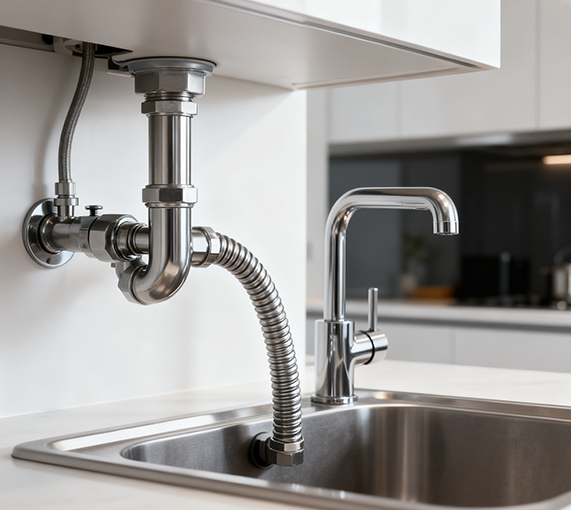
EPDM plumbing pipes can be used in flexible connections for building water systems when the material, temperature, pressure, and fitting configuration are suitable. Typical connection points may include water heaters, pumps, storage equipment, valves, manifolds, and fixed distribution piping.
The flexible form can simplify routing in equipment rooms and reduce the need for precise rigid-pipe alignment. It can also be useful where equipment must be removed or serviced periodically. Before installation, the designer should verify that the product is approved or suitable for the intended water type and regulatory environment.
Heating and Hot-Water Equipment
Heating systems often involve elevated temperatures, circulation pumps, thermal expansion, and vibration. An EPDM liner designed for appropriate service conditions can provide a flexible connection between heating equipment and the surrounding pipe network.
Applications may include boiler connections, circulation loops, heat exchangers, radiant heating equipment, and building heating assemblies. The product selection must account for continuous temperature, peak temperature, pressure, glycol or additive content, and the frequency of thermal cycling.
Industrial HVAC
Industrial HVAC installations often contain fans, pumps, chillers, air-handling units, cooling systems, and vibration-producing equipment. Flexible plumbing and water connections can help accommodate movement and reduce stress on rigid pipework.
In these environments, the liner material must be evaluated against the actual circulating fluid. Water-based systems may contain corrosion inhibitors, glycol, cleaning agents, or other additives. A material that performs well with ordinary water may require additional review when the chemical composition changes.
Healthcare and Service Equipment
Healthcare facilities require reliable water and equipment connections, with particular attention to hygiene, maintenance, documentation, and installation quality. EPDM plumbing pipe may be considered for suitable equipment connections when its compound, surface condition, and finished assembly meet the project’s requirements.
Product selection should include a review of applicable hygiene, potable-water, temperature, pressure, cleaning, and disinfection requirements. The general name “EPDM” alone is not sufficient to confirm compliance with a particular healthcare or drinking-water standard.
Mechanical Equipment Connections
Flexible connectors are often installed near pumps, compressors, heating units, and other equipment that can create vibration or movement. The EPDM liner provides the fluid passage while the complete assembly absorbs selected mechanical effects.
Correct support is important. The flexible pipe should not be used as a substitute for pipe hangers, anchors, guides, or structural support. A well-designed installation controls movement and allows the connector to perform within its intended range.
Technical Selection Considerations
Fluid Compatibility
EPDM is well suited to many water and hot-moisture applications, but fluid compatibility must be confirmed for each project. The evaluation should consider potable water, treated water, deionized water, glycol mixtures, cleaning solutions, disinfectants, and any special additives.
Customers should provide the manufacturer with the fluid name, concentration, operating temperature, pressure, and expected exposure time. This information helps determine whether the selected EPDM compound and complete assembly are suitable.
Temperature Range
Temperature affects flexibility, pressure capacity, aging rate, and sealing performance. The actual system may experience normal operating temperature, startup temperature, shutdown temperature, and occasional peak conditions. A product suitable for cold-water service may not be appropriate for continuous hot-water circulation.
Temperature ratings should be based on the complete assembly rather than the liner alone. Fittings, reinforcement, seals, adhesives, and joining methods may have different limits. The lowest-rated component commonly determines the safe application range.
Pressure and Pressure Cycling
Working pressure, surge pressure, vacuum conditions, and pressure cycling should be considered during selection. A flexible liner may be reinforced to control expansion, but performance depends on braid coverage, metal structure, fitting attachment, and assembly length.
Pressure testing should be performed according to the relevant product specification and project requirements. Installers should avoid using a flexible connector beyond its rated pressure or exposing it to sudden surges that were not included in the design.
Diameter and Flow Requirements
Internal diameter affects flow rate, pressure loss, and connection compatibility. A liner that is too small may create unnecessary resistance, while an oversized connection may be difficult to install or may not seal correctly with the selected fitting.
Designers should calculate flow requirements and verify the actual internal passage after assembly. Fitting geometry, crimping, and bending can influence the effective flow area. Dimensional control during manufacturing helps maintain predictable product performance.
Bend Radius and Movement
Every flexible pipe has a recommended minimum bend radius. Bending below that limit can deform the liner, damage reinforcement, stress the fittings, or reduce service life. Twisting is also harmful because torsional stress can be transmitted to the liner and connection zones.
The installer should route the pipe without sharp bends, loops that create kinks, or excessive tension. Where repeated movement is expected, the designer should evaluate movement amplitude, frequency, direction, and cycle count. A connector selected for static misalignment may not be suitable for continuous dynamic movement.
Fitting and Connection Type
Connection options may include threaded ends, compression arrangements, flanges, crimped fittings, welded interfaces, or custom assemblies. The fitting must match the pipe system, sealing method, installation tools, and required inspection procedure.
Connection accuracy is a key manufacturing consideration. The liner should be positioned correctly, and the fitting should be attached with controlled dimensions. A reliable production process reduces variation and supports repeatable installation results.
Installation and Maintenance Guidance
Before installation, inspect the EPDM plumbing pipe for cuts, abrasions, deformation, contamination, exposed reinforcement, damaged threads, or other defects. Confirm that the product identification and size match the project requirement.
Keep the liner and connection surfaces clean. Dirt, metal particles, oils, or foreign materials can interfere with sealing and may contaminate the water system. Do not drag the pipe across sharp edges or use tools that can damage the elastomeric surface.
Install the connector without twisting. If the fitting requires a specific tightening torque or installation tool, follow the technical instructions. Excessive tightening can damage threads, seals, or fitting bodies, while insufficient tightening can result in leakage.
Provide adequate support for adjacent rigid pipework. The flexible connector should not carry the weight of unsupported pipes, valves, or equipment unless the product has been specifically designed for that load. Avoid installing the pipe in continuous contact with abrasive surfaces.
After installation, perform the required leakage and pressure checks before placing the system into normal operation. Observe the connector during initial operation for abnormal movement, vibration, noise, or leakage. Periodic inspection should be included in the maintenance program, especially in high-temperature, outdoor, industrial, or vibration-prone locations.
How the Product Supports Total Cost Efficiency
The purchase price of a plumbing liner is only one part of total cost. Installation time, access requirements, maintenance, replacement frequency, leakage risk, equipment downtime, and inventory management also influence the economic value of a flexible connection.
EPDM plumbing pipe can contribute to cost efficiency by simplifying routing and reducing the need for complex rigid alignment. Its weather, ozone, water, and aging resistance can support longer service in suitable environments. A consistent manufacturing process can reduce assembly problems and improve installation productivity.
Flexible connection products can also reduce indirect costs associated with vibration and thermal movement. By accommodating controlled movement, they may help protect rigid pipework, fittings, and connected equipment from excessive stress. The result depends on correct design, not simply on choosing a flexible material.
A supplier with integrated R&D, manufacturing, inspection, and after-sales support can also reduce communication costs. Customers can discuss liner selection, metallic reinforcement, connection geometry, product testing, packaging, and application requirements with one technical organization rather than coordinating unrelated vendors.
Customization and Project Support
Different plumbing and heating projects require different dimensions, fitting types, lengths, reinforcement structures, and performance targets. A manufacturer with design and production capabilities can evaluate custom requirements more effectively than a supplier limited to standard catalog products.
Customization may involve internal diameter, wall thickness, overall length, connection style, bend capability, braid or bellows structure, surface treatment, marking, packaging, and inspection documentation. Any customization should be reviewed against production feasibility and the intended operating conditions.
Haoyin’s experience across gas connectors, plumbing pipes and water liners, metal hoses, and compensators supports a broader understanding of flexible connection engineering. This product coverage is useful when a project contains multiple connection types or requires coordinated solutions for plumbing, heating, HVAC, and industrial equipment.
Technical discussions should include drawings, performance requirements, fluid information, installation orientation, environmental exposure, expected movement, testing needs, and applicable standards. Clear information at the design stage reduces the risk of selecting an unsuitable construction.
Frequently Asked Questions
What does EPDM stand for?
EPDM stands for ethylene-propylene-diene monomer. It is a synthetic rubber known for resistance to weathering, ozone, aging, water, and hot moisture.
Can an EPDM plumbing pipe be used for hot water?
It can be suitable for hot-water applications when the specific EPDM compound and complete assembly are rated for the actual temperature, pressure, fluid chemistry, and operating cycle. Buyers should verify the manufacturer’s technical data before use.
Is EPDM suitable for outdoor plumbing connections?
EPDM is often selected for outdoor or partially exposed applications because of its weather and ozone resistance. The complete connector should still be protected from sharp abrasion, excessive ultraviolet exposure when required, improper bending, and unsupported loads.
Can EPDM be used with drinking water?
Potentially, but the specific compound and finished product must meet the applicable potable-water requirements. General EPDM material properties do not automatically confirm drinking-water compliance.
How does an EPDM liner work with stainless steel?
The EPDM liner provides the fluid-contact passage and elastic sealing surface, while stainless steel reinforcement or a corrugated metallic layer can provide mechanical protection, controlled flexibility, and additional pressure support. The two materials must be designed and assembled as a compatible system.
What are the main advantages of EPDM over ordinary rubber?
EPDM generally offers better resistance to weather, ozone, water, hot moisture, and long-term aging than many general-purpose rubber compounds. This makes it a strong choice for flexible plumbing connections exposed to moisture and environmental conditions.
Does flexibility mean the pipe can be bent in any direction?
No. The pipe must be installed within its recommended bend radius and without twisting, kinking, or excessive tension. The allowable movement depends on the complete assembly and its intended application.
Can EPDM plumbing pipe replace rigid pipe completely?
It is normally used for flexible connections rather than as a universal replacement for an entire rigid piping network. The final design must consider pressure, support, flow, fire requirements, movement, regulations, and connection standards.
What should be checked before ordering?
Important information includes internal diameter, overall length, end fittings, working pressure, temperature, fluid type, movement, installation environment, bend radius, testing requirements, and relevant standards. Providing complete information helps the manufacturer recommend an appropriate construction.
What manufacturing equipment supports product quality?
Haoyin uses resources including laser welding machines, CNC forming machines, COSMO equipment, eddy current flaw detectors, and automatic packaging systems. These resources support forming, joining, inspection, and controlled handling of flexible connection products.
Which management certifications does the company have?
The company has obtained ISO9001, ISO14001, and ISO45001 management system certifications. It is also identified as a National High-tech Enterprise and Green Factory.
Where can technical inquiries be directed?
Technical and commercial inquiries can be directed to Haoyin (Ningbo) Bellows Technology Co., Ltd. by telephone at +86-574-62166708 or by email at [email protected]. Additional telephone contacts include +86-18616887802 and +86-18621030888.
Conclusion
EPDM plumbing pipe is a dependable inner liner option for flexible water, heating, and building service connections. Its resistance to weather, ozone, aging, water, and hot moisture gives it important advantages over less specialized rubber and certain competing liner materials. When combined with suitable reinforcement and accurately assembled fittings, it can provide a flexible, durable, and installation-friendly connection solution.
The best performance comes from treating the liner as part of a complete engineered assembly. Fluid compatibility, temperature, pressure, movement, bend radius, fittings, testing, and maintenance must all be considered. Manufacturing precision is equally important because liner quality, metal forming, welding, inspection, and packaging collectively influence finished-product reliability.
Haoyin (Ningbo) Bellows Technology Co., Ltd. combines product development, standardized manufacturing, advanced equipment, management certifications, and experience across flexible connection categories. Its EPDM plumbing pipe and related water liner solutions are positioned for customers seeking safe, efficient, and durable connections in plumbing, heating, healthcare, HVAC, and industrial applications.
References
1. Haoyin (Ningbo) Bellows Technology Co., Ltd., company profile and product information for EPDM plumbing pipe, water liners, metal hoses, bellows, and compensators.
2. Haoyin (Ningbo) Bellows Technology Co., Ltd., manufacturing and equipment information covering laser welding, CNC forming, COSMO equipment, eddy current flaw detection, and automatic packaging.
3. International Organization for Standardization, ISO 9001 quality management system principles and requirements.
4. International Organization for Standardization, ISO 14001 environmental management system principles and requirements.
5. International Organization for Standardization, ISO 45001 occupational health and safety management system principles and requirements.
6. General technical literature on ethylene-propylene-diene monomer elastomers, including resistance to ozone, weathering, water, hot moisture, and aging.
7. General engineering guidance for flexible hose installation, including bend-radius control, prevention of twisting, support of adjacent pipework, pressure testing, and periodic inspection.
8. General materials-engineering references concerning elastomer selection, fluid compatibility, temperature exposure, pressure cycling, and flexible connection design.