

 English
  Español
  русский

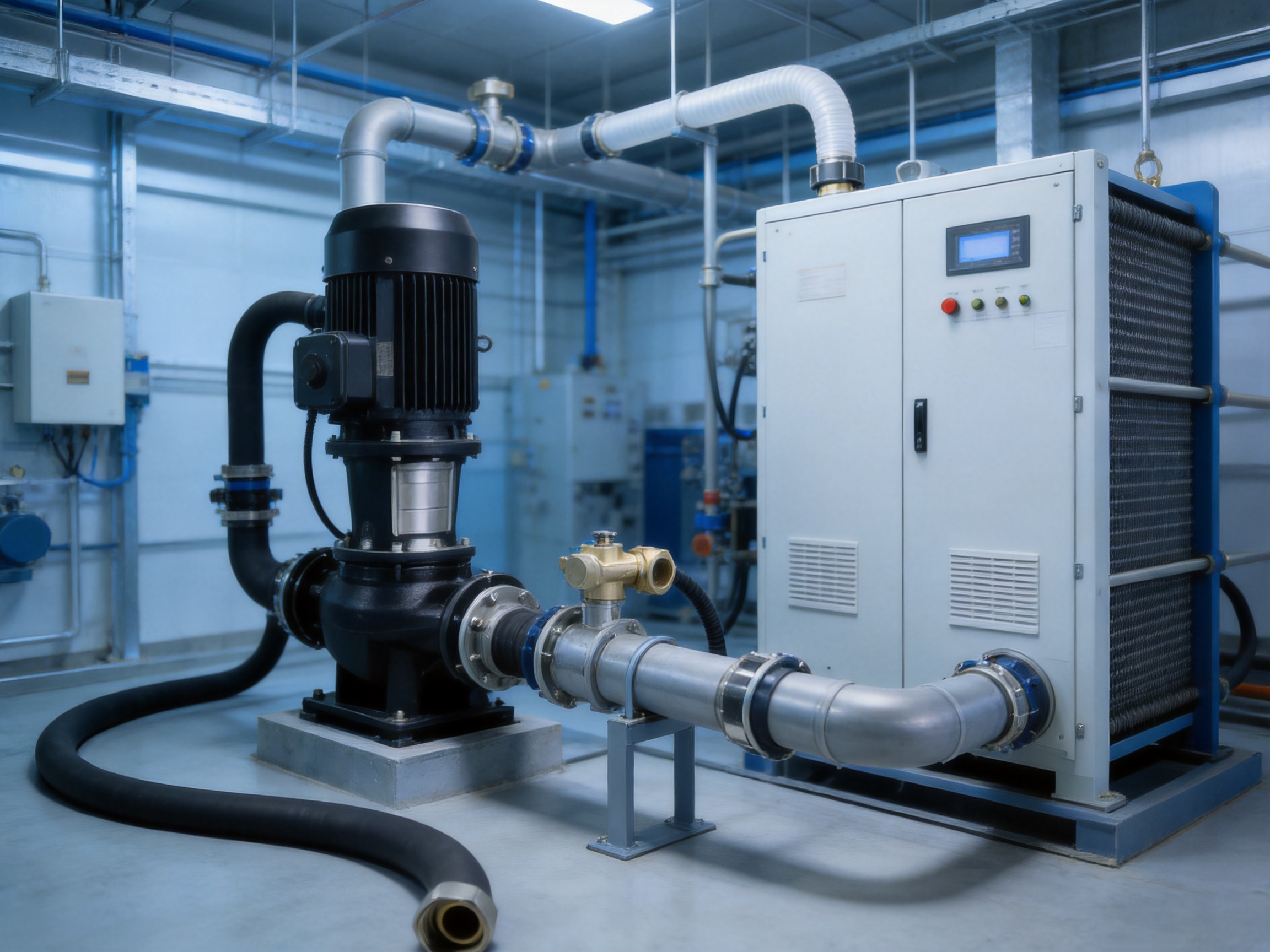
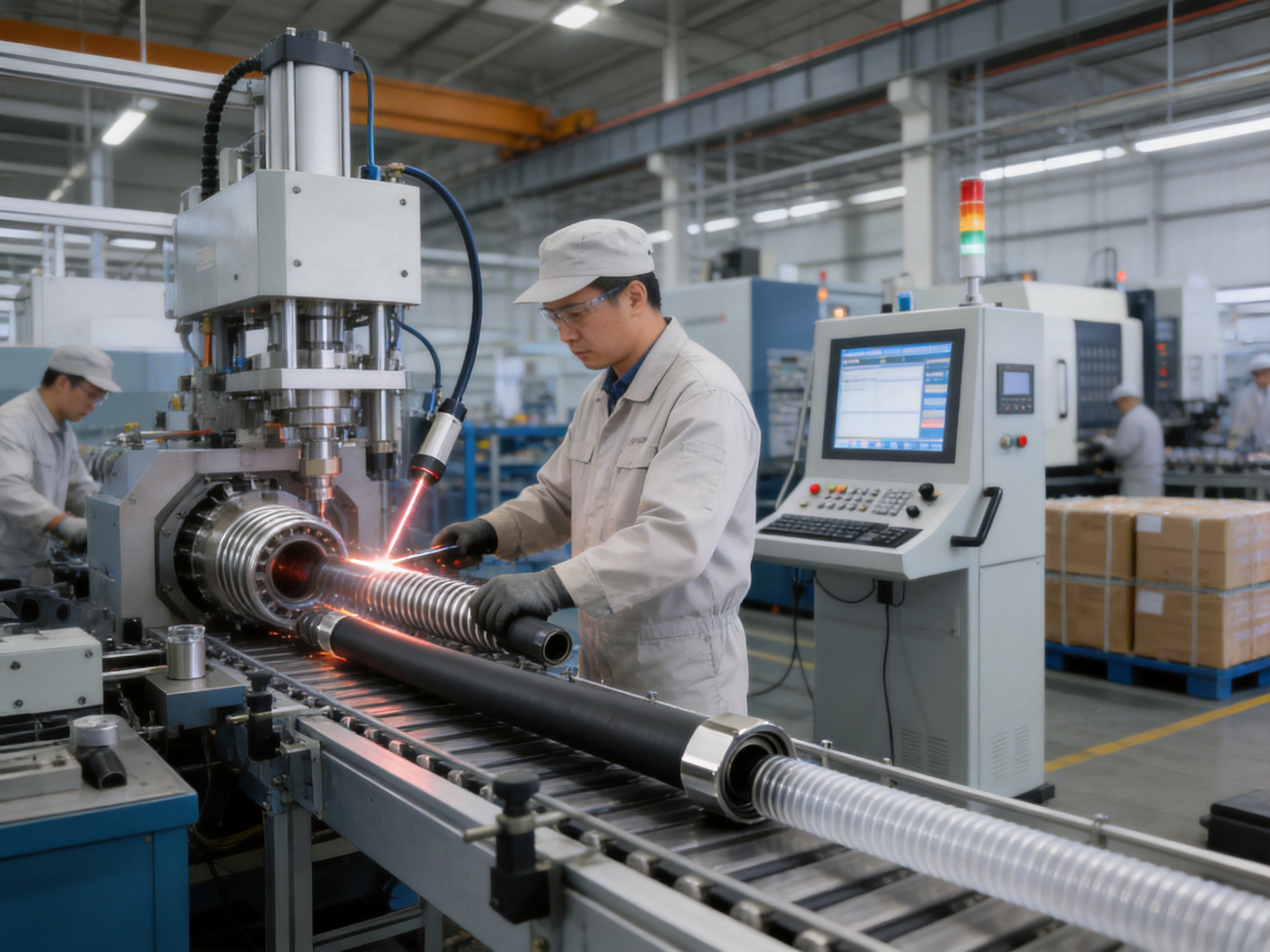
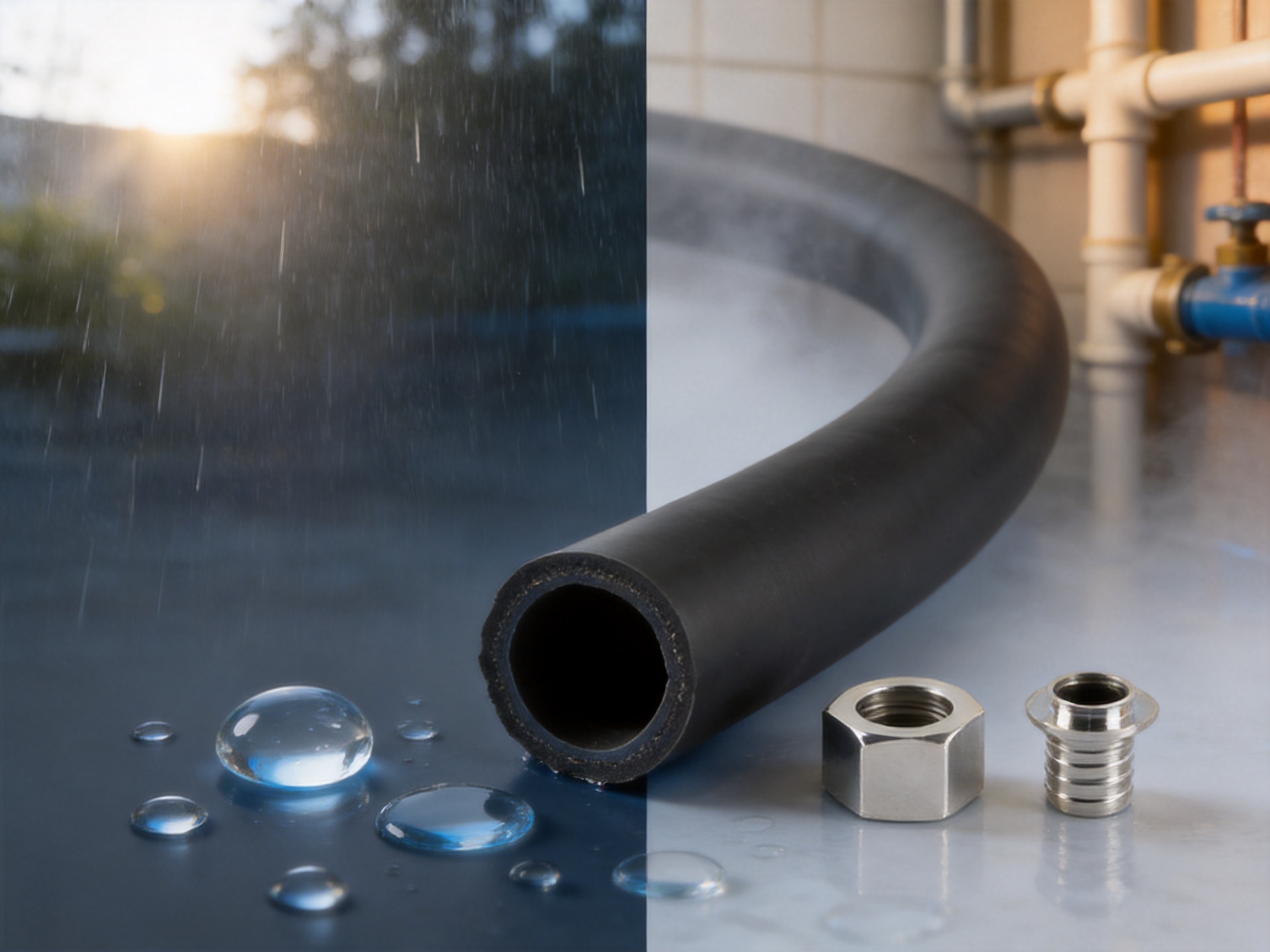
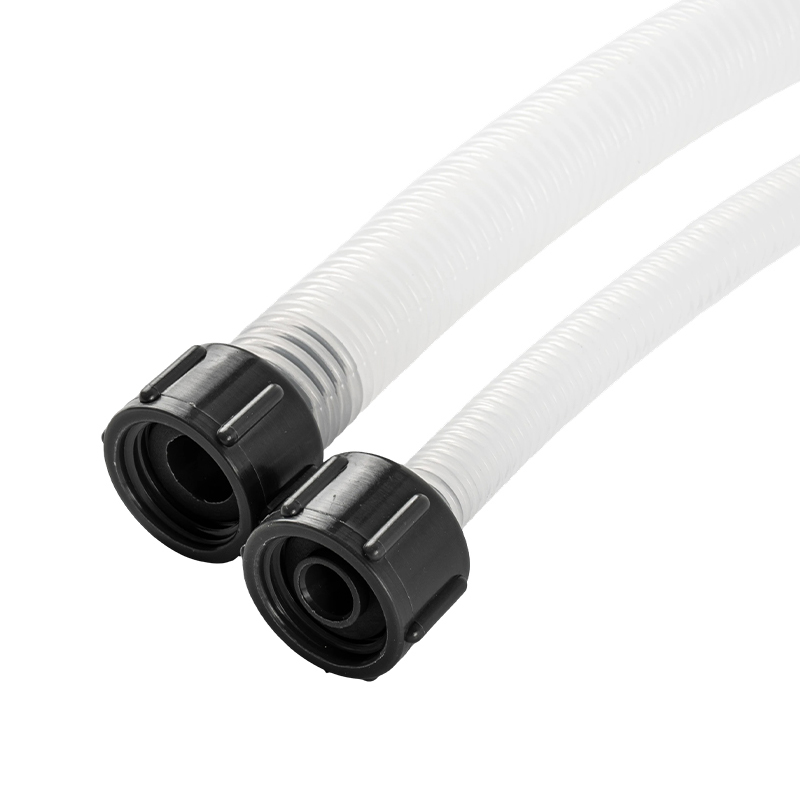
EPDM plumbing pipe is a flexible rubber inner liner designed for water-carrying and plumbing connection applications where resistance to weather, ozone, aging, water, and hot moisture is essential. Made from ethylene-propylene-diene monomer rubber, commonly known as EPDM, this type of inner pipe combines flexibility with dependable environmental resistance. It is particularly suitable for plumbing assemblies, water liners, flexible connection systems, heating-related applications, and other installations that require a resilient non-metallic flow path.
Modern plumbing systems must accommodate movement, vibration, thermal expansion, installation tolerances, and changing environmental conditions. A rigid pipe may provide a stable flow path, but it can transmit vibration, require precise alignment, and become vulnerable to stress when connected equipment moves. An EPDM plumbing pipe helps address these limitations by providing a flexible and durable inner liner that can be incorporated into a broader hose or connector assembly.
The performance of an EPDM plumbing pipe depends not only on the rubber compound but also on material preparation, forming, dimensional control, bonding, assembly, inspection, and testing. A professional manufacturer with experience in flexible connection systems can therefore offer advantages beyond the basic material itself. Consistent production processes, carefully controlled raw materials, advanced forming equipment, comprehensive inspection, and disciplined quality management all contribute to the service reliability of the finished product.
What Is an EPDM Plumbing Pipe?
An EPDM plumbing pipe is an inner liner or inner tube manufactured from ethylene-propylene-diene monomer rubber. EPDM is a synthetic elastomer developed for applications that demand strong resistance to weathering and moisture-related deterioration. Its molecular structure gives it a useful combination of flexibility, elasticity, and resistance to water, hot moisture, ozone, and outdoor aging.
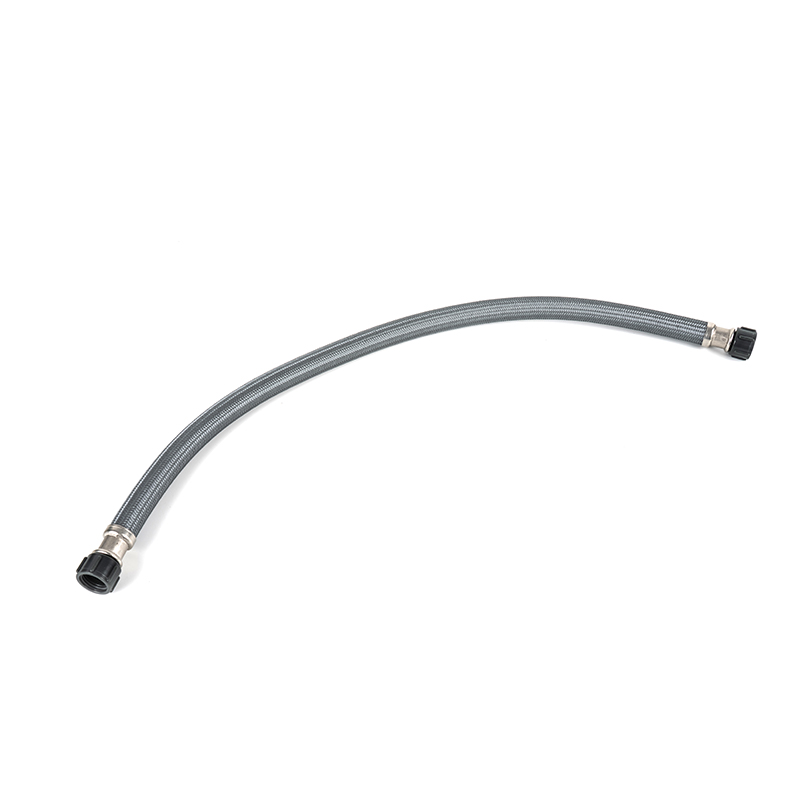
In a flexible plumbing assembly, the EPDM liner forms the internal passage through which water or another compatible fluid flows. Depending on the final design, the liner may be combined with external reinforcement, metal components, fittings, clamps, or other protective layers. The liner is responsible for maintaining a continuous flow path while the outer structure provides mechanical support, pressure resistance, connection security, or protection from the surrounding environment.
The product can be used as a standalone flexible pipe in suitable low-stress conditions or as an inner component of a more complex water connection. The precise design should always be selected according to fluid type, operating temperature, pressure, movement, installation environment, and connection method.
Why EPDM Is Selected for Plumbing Applications
Different elastomers have different strengths. Some are selected for oil resistance, some for high-temperature chemical service, and others for flexibility or abrasion resistance. EPDM is especially valuable in water-related applications because it offers a strong balance of moisture resistance, weather resistance, aging stability, and elastic performance.
EPDM performs well when exposed to rain, humidity, sunlight, ozone, and changing outdoor conditions. These characteristics make it a practical choice for plumbing systems installed in mechanical rooms, utility areas, building service spaces, equipment rooms, exterior connection zones, and other environments where the material may encounter moisture and atmospheric exposure.
Its resistance to hot moisture is also important in water and heating-related applications. Repeated exposure to warm or humid conditions can accelerate the deterioration of unsuitable rubber materials. EPDM is designed to maintain useful flexibility and sealing performance in environments where water and elevated moisture are persistent parts of the operating cycle.
Weather Resistance
Weather resistance refers to a material’s ability to retain its properties after exposure to environmental factors such as sunlight, temperature changes, humidity, and precipitation. EPDM is widely recognized for its resistance to outdoor aging. When properly formulated and processed, it can remain flexible and functional for longer periods than many less suitable rubber materials exposed to the same conditions.
This advantage is relevant to plumbing products because not every installation is completely enclosed. Pipes and flexible connectors may pass through service openings, equipment areas, plant rooms, rooftop service zones, external utility spaces, or partially exposed construction areas. An inner liner with strong weather resistance reduces the risk that environmental exposure will quickly cause cracking, hardening, or loss of elasticity.
Ozone Resistance
Ozone can attack certain elastomers and cause surface cracking, particularly when the material is stretched or exposed to air for extended periods. EPDM has strong ozone resistance compared with many general-purpose rubber compounds. This property supports longer service life in installations where the pipe or connector is exposed to atmospheric conditions or where ventilation allows continuous contact with ozone-containing air.
Ozone resistance is not merely an outdoor advantage. Mechanical equipment rooms, electrical areas, treatment facilities, and industrial environments may contain conditions that accelerate elastomer aging. Selecting a material with inherent ozone resistance can improve durability and reduce the likelihood of premature surface deterioration.
Resistance to Aging
Aging resistance refers to the ability of a material to preserve its mechanical and sealing properties over time. A plumbing liner must remain sufficiently flexible to accommodate movement and maintain contact at connection points. If the rubber becomes brittle, excessively hard, or permanently deformed, the assembly may lose its ability to absorb movement or maintain a reliable seal.
EPDM’s resistance to aging makes it suitable for products intended for long-term service. However, service life is influenced by many variables, including temperature, pressure, fluid chemistry, mechanical stress, installation quality, and exposure to incompatible substances. Material selection should therefore be combined with correct design and appropriate operating limits.
Resistance to Water and Hot Moisture
Water resistance is one of the most important reasons to use EPDM in plumbing and water liner products. The compound is designed to perform in contact with water and humid environments while maintaining its basic elasticity and structural integrity. Its resistance to hot moisture further supports use in warm-water and heating-related systems when the product has been engineered for the specified temperature range.
It is important to distinguish water compatibility from universal chemical compatibility. EPDM is not automatically suitable for every fluid, oil, solvent, or chemical mixture. Applications involving hydrocarbons, petroleum-based oils, aggressive chemicals, or unusual additives should be evaluated separately. A professional supplier should review the actual medium and operating conditions before confirming suitability.
Product Advantages Compared with Less Suitable Alternatives
The most meaningful comparison is not that EPDM is superior for every possible application, but that it provides a particularly appropriate performance profile for water-oriented flexible connection systems. Its advantages become clear when it is compared with materials that have weaker resistance to weathering, moisture, ozone, or long-term environmental exposure.
| Performance consideration | EPDM plumbing pipe | Potential limitation of less suitable materials |
|---|---|---|
| Water exposure | Designed for reliable performance in water-related applications | Some materials may swell, soften, or lose mechanical properties in prolonged moisture exposure |
| Hot moisture | Offers useful resistance to warm and humid operating conditions | Some general-purpose elastomers may age more rapidly under heat and moisture cycles |
| Ozone exposure | Strong resistance to ozone-related surface deterioration | Ozone-sensitive materials may develop cracking when exposed to air and strain |
| Outdoor weathering | Suitable for environments involving weather and atmospheric exposure | Some plastics and rubbers may become brittle, chalked, or weakened under ultraviolet and temperature changes |
| Flexibility | Provides an elastic flow path that can accommodate movement | Rigid pipes require precise alignment and may transmit vibration or installation stress |
| Application focus | Well matched to plumbing, water liners, and heating-related flexible connections | Materials optimized for oil or chemical service may not provide the same water-oriented balance |
EPDM Compared with Rigid Metal Pipe
Rigid metal pipe offers strength and dimensional stability, but it does not naturally absorb movement or vibration. Every connection must be accurately aligned, and thermal expansion may transfer significant stress to fittings and equipment. An EPDM inner liner can provide a more compliant flow path, helping separate the fluid connection from equipment vibration and small positional changes.
Flexible rubber liners are also easier to route around limited spaces in many installation situations. Their ability to bend can reduce the need for numerous rigid elbows or complicated alignment procedures. This does not mean that EPDM replaces metal in every pressure or temperature application. Instead, it complements metal systems by providing flexibility where a rigid flow path would create unnecessary stress.
EPDM Compared with General-Purpose Rubber
General-purpose rubber may be economical for basic indoor applications, but it may not offer the same resistance to ozone, sunlight, moisture, and long-term aging. If a plumbing liner is installed in a damp, warm, ventilated, or partially exposed environment, the difference in compound selection can become significant over time.
EPDM is selected because its properties align with the environmental demands of water systems. A higher-quality material choice can help reduce maintenance frequency, premature replacement, and the risk of failures associated with surface cracking or loss of elasticity.
EPDM Compared with Less Weather-Resistant Plastics
Some plastic tubing products provide excellent chemical resistance or low cost, but may have limitations related to flexibility, impact resistance, low-temperature behavior, or long-term ultraviolet exposure. EPDM offers a resilient rubber structure that can absorb movement and resist many common outdoor aging factors.
Actual performance depends on the specific plastic, operating temperature, pressure, and installation design. The appropriate choice should be based on the complete service requirement rather than on a single material characteristic. EPDM is especially attractive where a flexible, water-compatible, environmentally resistant liner is required.
Functional Role of the Inner Liner
The inner liner is one of the most important components in a flexible plumbing product. It directly contacts the conveyed fluid and must maintain a stable internal passage during bending, movement, pressure changes, and temperature cycles. A well-designed liner also supports the sealing system at the ends of the assembly.
In a connector or hose assembly, the liner works together with the outer structure. The liner provides fluid compatibility and flexibility, while external layers may provide mechanical reinforcement, protection, and connection stability. When these components are properly matched, the final product can deliver reliable performance without sacrificing installation convenience.
The liner’s dimensions must be controlled carefully. Excessive variation in wall thickness, internal diameter, or roundness can affect flow, assembly fit, sealing, and pressure behavior. Consistent dimensions are particularly important when the EPDM pipe is assembled with metal fittings, clamps, sleeves, or other precision components.
Flexibility and Movement Absorption
Plumbing equipment often generates vibration. Pumps, valves, boilers, heat exchangers, compressors, and other mechanical devices may produce continuous or intermittent movement. A flexible EPDM liner can absorb a portion of this movement and reduce the direct transmission of vibration through the piping system.
The amount of movement that can be accommodated depends on the complete assembly design. Bending radius, length, reinforcement, end fittings, pressure, temperature, and installation orientation all influence performance. The liner should never be forced into a bend tighter than the recommended radius, and it should not be used as a substitute for proper support or expansion planning.
Sealing Support
EPDM’s elasticity allows it to conform to sealing surfaces when properly compressed. This can support reliable connections in suitable plumbing assemblies. However, sealing depends on more than rubber softness. End geometry, surface finish, compression, clamp force, fitting design, dimensional accuracy, and assembly technique are equally important.
A professional manufacturing process helps ensure that the liner ends are prepared consistently and that the final assembly meets the intended connection requirements. Clean surfaces, controlled tolerances, and appropriate inspection reduce the risk of leakage caused by assembly variation.
Applications of EPDM Plumbing Pipe
EPDM plumbing pipe can be used in a variety of water and flexible connection applications. The exact use depends on the product configuration and technical specification, but common application areas include plumbing systems, water liners, heating connections, building services, equipment connections, and industrial HVAC installations.
Building Plumbing Systems
In residential, commercial, and public buildings, flexible water connections can simplify installation around fixtures, service equipment, and confined spaces. EPDM liners are useful where a pipe must accommodate minor movement or connect components that are not perfectly aligned.
Building service systems may also experience regular temperature changes, humidity, vibration, and maintenance activity. A flexible liner can support easier installation and help reduce stress at connection points. For long-term reliability, the product must be selected according to the water temperature, pressure, connection type, and applicable building requirements.
Heating and Hot-Water Connections
Heating systems often combine warm water, temperature cycling, pumps, valves, and equipment vibration. EPDM’s resistance to hot moisture makes it a suitable material candidate for many warm-water connection applications. The actual temperature rating must be confirmed for the specific compound and design.
In heating installations, the liner should be routed without twisting, excessive bending, or contact with sharp edges. The assembly should also be supported so that its weight and movement are not transferred improperly to the connection points.
Industrial HVAC Systems
Industrial HVAC installations frequently require flexible connections between stationary piping and equipment that vibrates or moves slightly during operation. EPDM plumbing pipe can serve as an inner fluid path in a flexible assembly that helps isolate vibration and simplify equipment connection.
HVAC environments may include changing temperatures, condensation, mechanical vibration, and limited access. A flexible, weather-resistant inner liner can contribute to system maintainability, particularly when combined with suitable external reinforcement and carefully designed fittings.
Healthcare and Service Facilities
Healthcare and service facilities require dependable plumbing infrastructure and orderly maintenance practices. Flexible water connection products may be used around equipment, utility systems, and building services where installation access and vibration control are important.
Material selection in these environments should consider hygiene requirements, cleaning agents, fluid quality, temperature, pressure, and relevant regulatory standards. The EPDM product should be evaluated against the complete application specification rather than selected solely because it is flexible.
Equipment and Utility Connections
Water-using equipment may require a flexible connection to simplify installation and permit service access. Equipment rooms can also present challenging conditions, including humidity, heat, vibration, and restricted space. An EPDM liner can help provide a durable connection where these conditions are within the product’s intended service range.
Advanced Manufacturing and Quality Control
The quality of an EPDM plumbing pipe is determined by the entire manufacturing chain. A technically suitable rubber compound cannot compensate for poor dimensional control, inconsistent forming, contamination, weak connections, or inadequate final inspection. Professional production therefore requires coordinated control from raw material selection to packaging.
Haoyin (Ningbo) Bellows Technology Co., Ltd. specializes in the research, development, design, manufacture, and sale of stainless steel bellows and flexible connection products. Its product range includes gas connectors, plumbing pipes and water liners, metal hoses, and compensators. This product focus gives the company experience in designing and manufacturing flexible connection systems rather than treating the EPDM liner as an isolated rubber component.
Raw Material Selection
Manufacturing begins with the selection and verification of suitable raw materials. For EPDM plumbing pipe, the rubber compound must be formulated for the intended balance of flexibility, water resistance, weather resistance, ozone resistance, aging resistance, and hot-moisture performance.
Raw material control may include supplier qualification, incoming inspection, batch identification, storage management, and traceability. Proper storage is also important because heat, contamination, humidity, and prolonged exposure to unsuitable conditions can affect material consistency before processing begins.
A controlled material system allows production personnel to identify the source and batch of the compound used in a product. Traceability supports quality investigation, process improvement, and more reliable after-sales service.
Compound Preparation and Processing
EPDM rubber must be processed under controlled conditions to achieve consistent physical properties. Mixing, plasticizing, additive dispersion, and curing preparation all influence the final performance of the liner. Inadequate dispersion can create weak areas, while excessive processing can affect elasticity or curing behavior.
A disciplined process records important parameters and uses defined operating procedures. Consistent mixing conditions help ensure that one production batch performs similarly to the next. This consistency is particularly important for products used in assemblies where dimensional and sealing performance must remain stable.
Forming and Dimensional Control
The liner-forming process determines the pipe’s internal diameter, external diameter, wall thickness, surface quality, and overall geometry. Production equipment must be adjusted and maintained to keep these dimensions within the required tolerances.
Dimensional inspection may include measurements of diameter, wall thickness, length, roundness, and end condition. Control of these characteristics improves assembly compatibility and helps prevent problems such as uneven compression, flow restriction, poor fitting engagement, or leakage at the connection.
Consistent forming also helps the product maintain predictable flexibility. A liner with uneven wall thickness may bend irregularly or experience localized stress. Precise production reduces this risk and supports more uniform behavior throughout the length of the pipe.
Integration with Metal Components
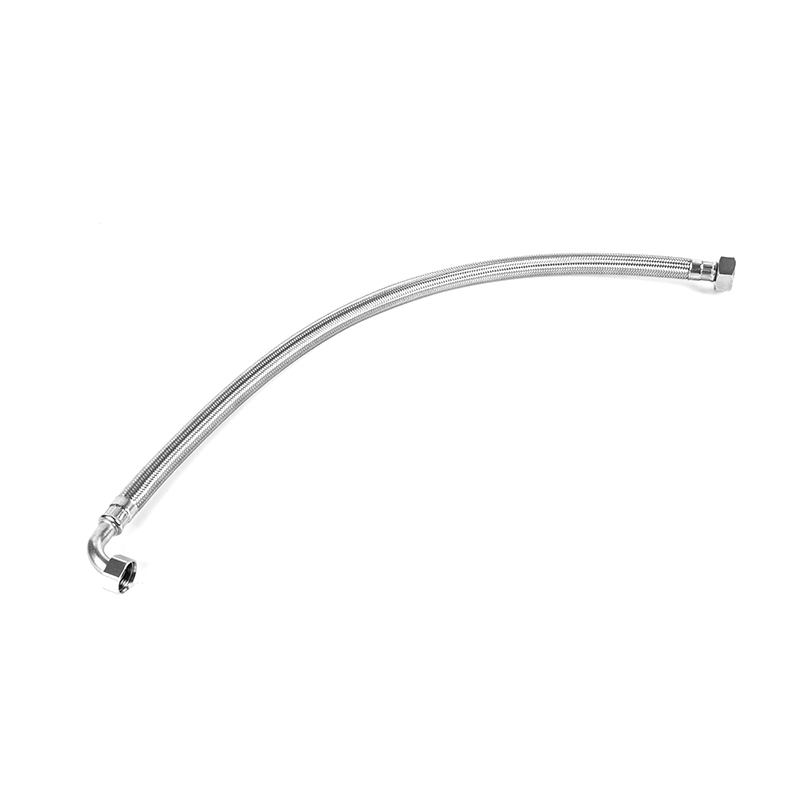
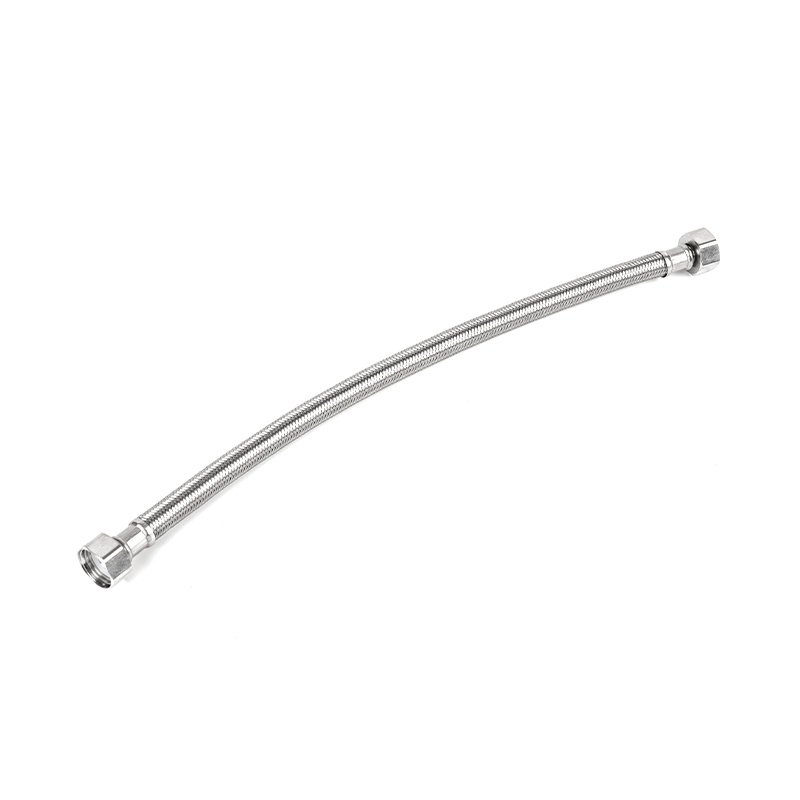
Flexible plumbing products are often integrated with metal components, especially in systems involving stainless steel bellows, braided hoses, end fittings, connectors, or compensators. The company’s experience with stainless steel bellows and metal hose manufacturing is relevant because successful assemblies require the rubber liner and metal structure to work together as one system.
Laser welding machines can support precise and repeatable welding of metal components. CNC forming machines can help produce accurate geometries for bellows and other formed parts. When these technologies are combined with controlled EPDM liner production, the manufacturer can create flexible assemblies with coordinated dimensions and connection features.
The interface between the liner and metal component must be designed carefully. Differences in thermal expansion, compression, surface finish, and mechanical stiffness can affect the final assembly. Engineering review and process validation help ensure that the components function together under the expected operating conditions.
Automated and Specialized Equipment
Advanced manufacturing equipment improves repeatability and process control. The company uses equipment such as laser welding machines, CNC forming machines, COSMO equipment, eddy current flaw detectors, and automatic packaging systems. Each type of equipment contributes to a different part of the manufacturing and quality process.
Laser welding can produce controlled, localized welds with high repeatability when correctly configured. CNC forming equipment supports accurate production of shaped metal components. Eddy current flaw detection can help identify certain discontinuities in conductive metal parts without damaging them. Automatic packaging systems improve consistency, cleanliness, and handling efficiency during the final stage.
Specialized equipment does not replace engineering judgment or inspection personnel. Its value comes from being integrated into a documented production system with trained operators, preventive maintenance, calibration, process verification, and clearly defined acceptance criteria.
Inspection and Performance Testing
A dependable EPDM plumbing pipe should be inspected at multiple stages. Incoming material inspection confirms that raw materials meet requirements. In-process inspection identifies dimensional or forming issues before they affect large quantities. Final inspection verifies that the finished product meets appearance, size, connection, and packaging criteria.
Depending on the product design and customer requirements, testing may include visual inspection, dimensional measurement, pressure testing, leakage testing, flexibility evaluation, tensile or elongation testing, hardness measurement, aging assessment, and material compatibility review. The appropriate test plan should reflect the intended application.
For assemblies containing metal parts, non-destructive testing methods may be used to examine weld quality or identify possible flaws. Eddy current inspection is one example of a technique that can support metal component quality control. The final objective is to verify that both the liner and the complete assembly are suitable for service.
Quality Management and Manufacturing Strengths
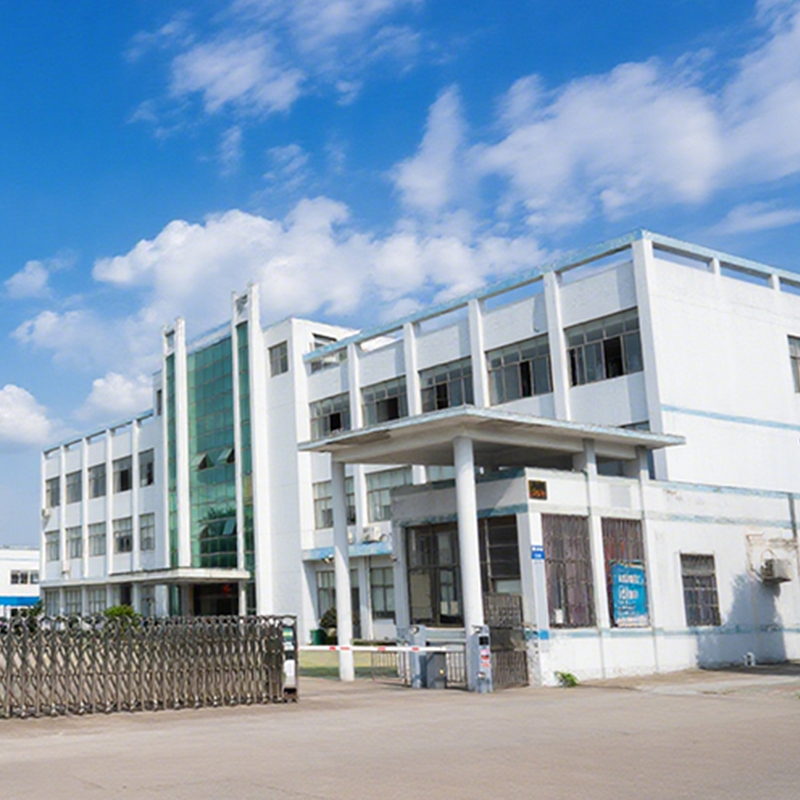
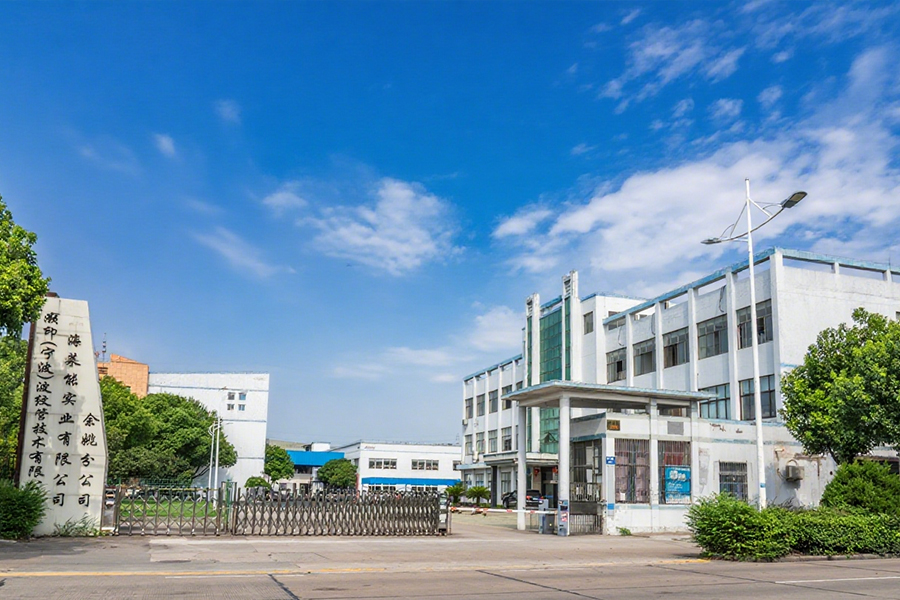
Haoyin (Ningbo) Bellows Technology Co., Ltd. operates standardized workshops covering approximately 18,000 square meters on an area of about 35 mu. The company has obtained ISO9001, ISO14001, ISO45001, and other management system certifications. These certifications indicate a structured approach to quality management, environmental management, and occupational health and safety.
For customers purchasing flexible plumbing products, a formal management system offers several practical advantages. It encourages documented procedures, defined responsibilities, corrective action, supplier management, training, internal audits, and continuous improvement. These controls help reduce dependence on individual operators and create a more repeatable production environment.
The company is also identified as a National High-tech Enterprise and Green Factory. These qualifications reflect an emphasis on technical development, manufacturing capability, and environmental responsibility. In the context of EPDM plumbing pipe production, this can support investment in process improvement, equipment modernization, energy management, waste reduction, and systematic product development.
Research and Development Capability
Flexible connection products must be designed around actual operating conditions. A professional research and development team can evaluate material behavior, structure, movement, connection geometry, manufacturing feasibility, and testing requirements before a product enters mass production.
For EPDM plumbing pipe, development work may include compound selection, wall-thickness optimization, bend-radius analysis, fitting compatibility, pressure evaluation, temperature assessment, and aging considerations. The goal is to balance flexibility, durability, manufacturability, and cost without compromising the intended function.
R&D capability is also important when customers require customized dimensions, special end configurations, alternative reinforcement structures, or integration with existing equipment. A manufacturer familiar with both rubber liners and metal flexible components can evaluate the entire connection rather than focusing on only one part.
Full-Process Quality Management
A full-process quality management system covers raw material selection, structural design, manufacturing, performance testing, and after-sales support. This approach is stronger than inspecting only the finished product because it addresses quality at the point where problems are created.
Design reviews help prevent unsuitable structures. Supplier controls reduce material variation. Process monitoring limits manufacturing deviations. Testing verifies performance. After-sales support provides feedback from actual use and helps the manufacturer improve future production. Together, these activities create a continuous quality cycle.
Environmental and Safety Responsibility
Environmental and occupational safety management are increasingly important in modern manufacturing. ISO14001 and ISO45001 management systems support structured control of environmental impacts and workplace risks. Responsible manufacturing includes appropriate chemical handling, equipment safeguards, worker training, waste control, energy awareness, and emergency planning.
These practices benefit customers indirectly by supporting stable operations and reducing disruptions. They also demonstrate that product quality is connected to responsible manufacturing behavior. A factory that manages its processes carefully is better positioned to provide consistent products and reliable technical support.
Installation and Application Considerations
Correct installation is essential to achieving the expected performance of an EPDM plumbing pipe. Even a high-quality liner can fail prematurely if it is twisted, stretched, sharply bent, crushed, exposed to incompatible chemicals, or operated beyond its pressure and temperature limits.
Confirming Compatibility
Before installation, confirm the compatibility of the liner with the conveyed fluid. EPDM is well suited to many water and hot-water applications, but it should not be assumed to resist every oil, fuel, solvent, or chemical compound. The fluid composition, concentration, temperature, pressure, and cleaning procedure should all be reviewed.
Where water contains unusual additives or treatment chemicals, the supplier should be consulted. Compatibility evaluation is particularly important in industrial systems, laboratories, process equipment, and facilities using disinfectants or specialty fluids.
Preventing Twisting
A flexible pipe should be installed without torsional twisting. Twisting can place uneven stress on the liner and reinforcement, reduce the effective bend capability, and increase strain at the fittings. The connection should be aligned before tightening, and tools should be applied to the intended fitting surfaces rather than to the flexible body.
Respecting Bend Radius
Every flexible pipe has a minimum recommended bend radius. Bending below that limit may flatten the internal passage, create localized stress, or reduce the service life of the assembly. The pipe should be routed in a natural curve and should not be forced against corners, sharp edges, or nearby hot surfaces.
Providing Adequate Support
Flexible connections are not generally intended to carry the weight of a complete piping system. Adjacent pipes, valves, and equipment should be supported independently. Proper support prevents excessive loading at the end connections and allows the EPDM liner to perform its intended movement-absorbing function.
Inspecting During Service
Routine inspection should look for surface cracking, unusual swelling, abrasion, leakage, deformation, loose fittings, and contact with incompatible materials. Inspection frequency should reflect the operating environment and the importance of the connection. Any product showing significant deterioration should be removed from service and evaluated by qualified personnel.
How to Select the Correct EPDM Plumbing Pipe
Selection should begin with the application rather than with the nominal pipe size alone. A complete specification helps ensure that the chosen product is suitable for real operating conditions.
| Selection factor | Questions to evaluate | Why it matters |
|---|---|---|
| Fluid medium | Is the system carrying potable water, service water, hot water, treated water, or another fluid? | Determines material compatibility and regulatory requirements |
| Temperature | What are the normal, minimum, maximum, and cycling temperatures? | Influences elasticity, aging, and allowable service range |
| Pressure | What are the working, peak, and surge pressures? | Determines the required liner and assembly pressure capability |
| Movement | Will the connection experience vibration, bending, expansion, or equipment movement? | Guides length, reinforcement, bend radius, and connection design |
| Environment | Will the pipe encounter sunlight, ozone, humidity, chemicals, abrasion, or heat? | Helps confirm resistance to external conditions |
| Connection method | Which fittings, clamps, sleeves, or threaded components will be used? | Ensures dimensional and sealing compatibility |
| Compliance | Are there requirements for drinking water, building codes, testing, or documentation? | Supports legal, safety, and customer acceptance requirements |
Customers should provide accurate operating information to the manufacturer. A product designed for ordinary water service may not be suitable for high-pressure industrial circulation, concentrated chemical treatment, steam, fuel, or severe mechanical movement. Transparent communication during selection reduces the risk of incorrect application.
Why Manufacturer Capability Matters
Buying an EPDM plumbing pipe is not only a material purchase. It is a decision about product consistency, technical support, production reliability, and long-term supply capability. A manufacturer with experience in flexible connectors can assist with dimensions, end configurations, assembly requirements, test methods, packaging, and application evaluation.
Haoyin combines product development, manufacturing, testing, and after-sales support within one organization. Its specialization in stainless steel bellows, gas connectors, plumbing pipes and water liners, metal hoses, and compensators provides a broad technical foundation for flexible connection products.
This integrated capability can be valuable when the required product includes both an EPDM liner and metal components. The manufacturer can evaluate how the liner interacts with the outer structure, how the assembly accommodates movement, and how production tolerances influence final performance.
Equipment such as laser welding machines, CNC forming machines, COSMO equipment, eddy current flaw detectors, and automatic packaging systems supports a production environment focused on repeatability and technical control. Combined with standardized workshops and certified management systems, these capabilities can help provide stable quality for domestic and international customers.
Maintenance and Service-Life Management
Maintenance requirements vary according to temperature, pressure, movement, fluid, and environment. A properly selected EPDM plumbing pipe can offer long-term service, but no flexible product should be considered maintenance-free. Regular inspection helps identify deterioration before it becomes a serious system problem.
Operators should monitor for leaks, surface changes, unexpected movement, vibration, and changes in system performance. A pipe that has become unusually stiff, swollen, cracked, or abraded should be investigated. The cause may involve incorrect fluid compatibility, excessive temperature, mechanical overload, poor support, or an installation problem.
Replacement intervals should not be based solely on calendar age. Service history and actual condition are important. However, critical systems may benefit from planned replacement schedules, especially where failure would cause significant equipment damage, water loss, production interruption, or safety risk.
When replacing an assembly, the new product should match the required dimensions, pressure capability, temperature range, connection design, and fluid compatibility. Reusing damaged fittings or installing a different liner without checking compatibility can create avoidable risks.
Sustainability and Lifecycle Value
A durable plumbing component can contribute to lifecycle value by reducing premature replacement, maintenance labor, water loss, and installation disruption. EPDM’s resistance to weathering, ozone, aging, water, and hot moisture supports this objective when the product is correctly selected and installed.
Manufacturing responsibility also affects lifecycle value. Environmental management systems encourage better control of energy use, waste, emissions, and production resources. Automatic packaging and process improvements may reduce handling variation and material waste while improving delivery consistency.
Sustainability should be evaluated across the complete product lifecycle. The most appropriate material is the one that meets the application requirements, performs reliably, can be manufactured responsibly, and remains serviceable for the intended period. Product durability and responsible production are complementary goals.
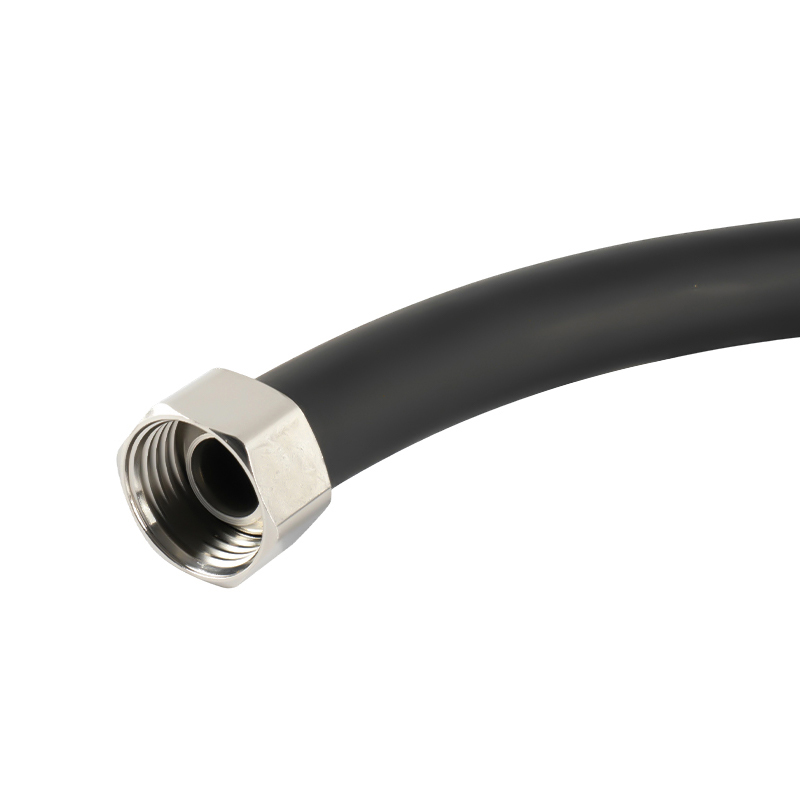
EPDM Plumbing Pipe
Technical Support and Customer Service
Technical support is important when a product will be integrated into a larger plumbing, heating, HVAC, or industrial system. Customers may need assistance with liner material, dimensions, fitting arrangements, pressure requirements, temperature ranges, bend radius, packaging, or inspection documentation.
A professional manufacturer should be able to review application information and identify whether the standard product is appropriate or whether customization is required. Clear technical communication at the beginning of a project can prevent delays and reduce the possibility of selecting an unsuitable product.
After-sales support is also part of product quality. Feedback from installation and operation can reveal opportunities for design improvement, process adjustment, or better documentation. A company that maintains communication after delivery is better positioned to support repeat orders and long-term customer relationships.
For product inquiries, customers may contact the manufacturer by telephone at +86-574-62166708 or +86-18616887802, or by email at [email protected]. The manufacturing address is No. 25 Gubei Road, Simen Town, Yuyao, Ningbo City, Zhejiang Province, China.
Frequently Asked Questions
What does EPDM stand for?
EPDM stands for ethylene-propylene-diene monomer. It is a synthetic rubber known for resistance to weathering, ozone, aging, water, and hot moisture.
What is the main function of an EPDM plumbing pipe?
Its main function is to provide a flexible inner flow path for water or another compatible fluid. It may be used as an inner liner or inner tube within a larger flexible plumbing or connection assembly.
Why is EPDM suitable for water applications?
EPDM offers strong resistance to water and humid conditions while maintaining useful flexibility. It also resists ozone, weathering, and aging, which are important properties for plumbing products installed in damp, warm, outdoor, or partially exposed environments.
Can EPDM plumbing pipe be used for every chemical fluid?
No. EPDM is suitable for many water-related applications, but it is not universally compatible with all oils, fuels, solvents, or chemicals. The exact fluid, concentration, temperature, and operating conditions must be reviewed before selection.
Can an EPDM liner replace a rigid metal pipe?
It can replace or complement rigid pipe in applications where flexibility, vibration absorption, or easier routing is required and where the pressure and temperature are within the product’s design range. It is not automatically a replacement for every metal piping application.
Does EPDM resist outdoor weather?
Yes. EPDM is widely selected for its resistance to weathering, ozone, and aging. This makes it suitable for many damp or partially exposed environments, although the complete assembly should still be protected from excessive abrasion, sharp edges, and unsuitable heat sources.
Is EPDM suitable for hot water?
EPDM can be suitable for hot-water and heating-related applications when the specific compound and product design are rated for the operating temperature. The normal temperature, maximum temperature, pressure, and cycling conditions should be confirmed before use.
What manufacturing factors influence EPDM pipe quality?
Important factors include raw material selection, compound preparation, forming accuracy, wall-thickness consistency, curing control, end preparation, assembly quality, dimensional inspection, pressure or leakage testing, and final packaging.
Why are metal forming and welding capabilities useful for an EPDM liner manufacturer?
Many flexible plumbing products combine an elastomeric liner with metal fittings, bellows, braided structures, or other components. Metal forming and welding capabilities help the manufacturer control the complete assembly and improve compatibility between the liner and the surrounding structure.
How should an EPDM plumbing pipe be installed?
It should be installed without twisting, excessive stretching, sharp bending, crushing, or contact with abrasive edges. The recommended bend radius should be respected, adjacent piping should be independently supported, and fittings should be tightened according to the correct assembly procedure.
How can the service life of an EPDM plumbing pipe be extended?
Use the product within its specified pressure and temperature range, confirm fluid compatibility, avoid torsional stress, provide proper support, prevent abrasion, and inspect the assembly regularly for leaks, cracking, deformation, or other signs of deterioration.
What certifications does the manufacturer hold?
The company has obtained ISO9001, ISO14001, ISO45001, and other management system certifications. These systems relate to quality management, environmental management, and occupational health and safety.
Does the company manufacture products other than EPDM plumbing pipes?
Yes. Its product range includes gas connectors, plumbing pipes and water liners, metal hoses, compensators, and stainless steel bellows-related flexible connection products.
Can customized products be discussed?
Customization may be evaluated according to the required dimensions, connection method, operating conditions, assembly structure, and applicable technical standards. Customers should provide complete application information so the manufacturer can assess feasibility.
Conclusion
EPDM plumbing pipe is a practical solution for water-oriented flexible connection systems that require resistance to weather, ozone, aging, water, and hot moisture. Its elastic structure allows it to serve as a dependable inner liner while helping flexible assemblies accommodate movement, vibration, installation tolerances, and thermal changes.
Compared with rigid pipes or less weather-resistant elastomers, EPDM offers a balanced performance profile for many plumbing, water liner, heating, building service, healthcare, and industrial HVAC applications. Its advantages are strongest when the fluid, temperature, pressure, movement, and environmental conditions are properly matched to the product design.
Product quality depends on more than the rubber compound. Controlled raw materials, accurate forming, coordinated metal assembly, advanced equipment, inspection, performance testing, and certified management systems all contribute to reliable results. Haoyin (Ningbo) Bellows Technology Co., Ltd. combines R&D, manufacturing, testing, and customer support with experience in gas connectors, plumbing pipes, water liners, metal hoses, compensators, and stainless steel bellows.
For customers seeking a durable inner liner and a dependable flexible connection partner, the most important considerations are application compatibility, dimensional consistency, manufacturing discipline, technical support, and lifecycle reliability. When these factors are addressed together, EPDM plumbing pipe can contribute to safer, more efficient, and more durable water and fluid connection systems.
References
1. ASTM International. Standard Practices and Test Methods for Rubber and Elastomeric Materials.
2. International Organization for Standardization. ISO 9001, Quality Management Systems—Requirements.
3. International Organization for Standardization. ISO 14001, Environmental Management Systems—Requirements with Guidance for Use.
4. International Organization for Standardization. ISO 45001, Occupational Health and Safety Management Systems—Requirements with Guidance for Use.
5. International Organization for Standardization. Technical guidance on rubber products, elastomer testing, and material characterization.
6. Engineering references on ethylene-propylene-diene monomer rubber, including weathering, ozone resistance, water compatibility, and thermal aging behavior.
7. Manufacturer technical information concerning EPDM plumbing pipes, water liners, flexible connectors, metal hoses, bellows, and compensators.
8. General plumbing and HVAC engineering practice concerning flexible connection installation, support, bend radius, vibration control, and pressure testing.