



 English
 Español
 русский



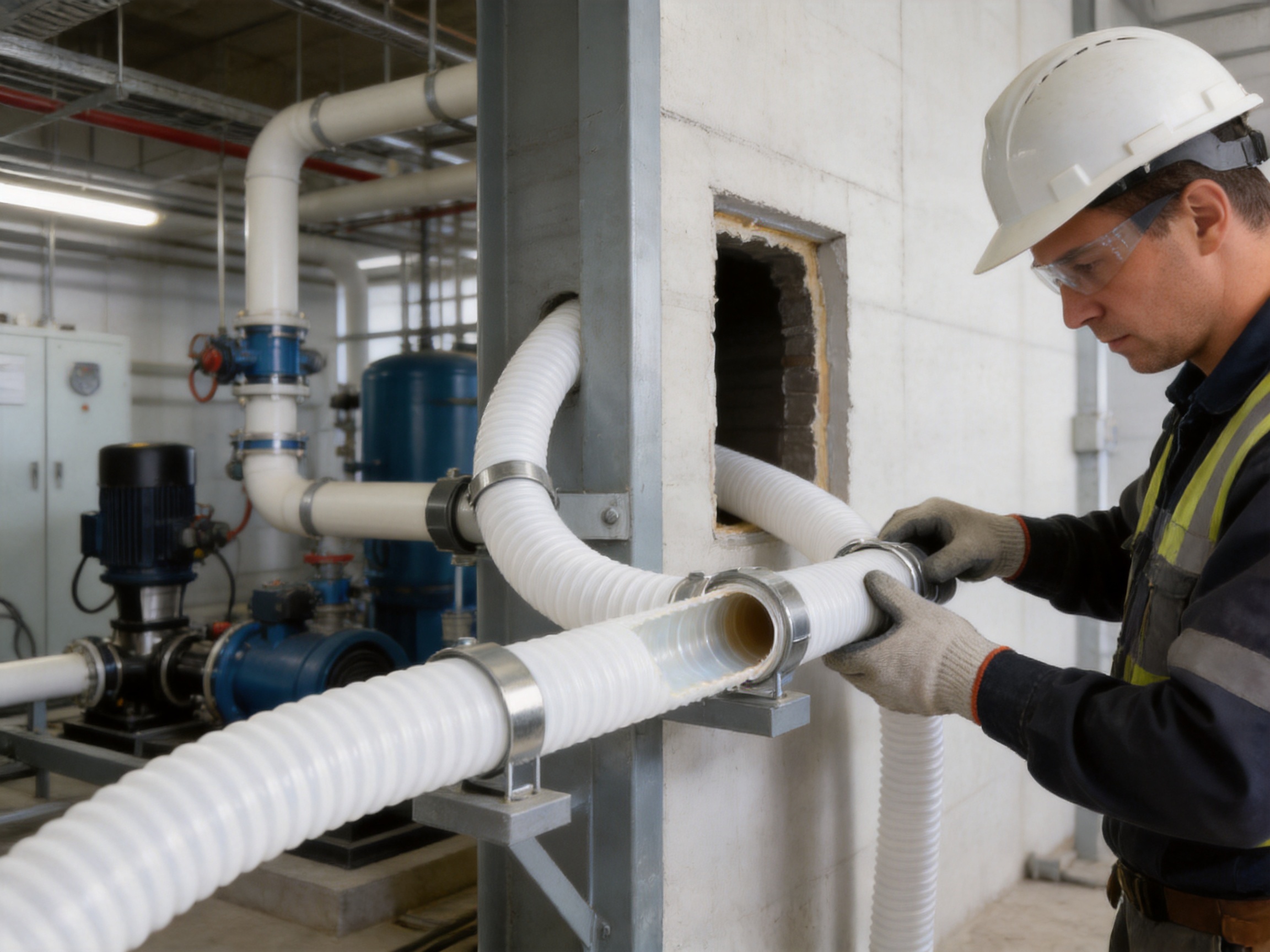
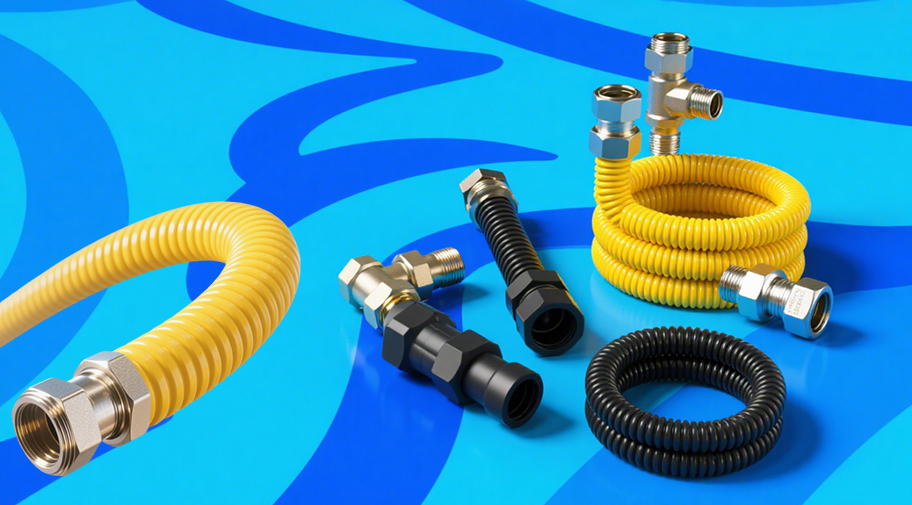
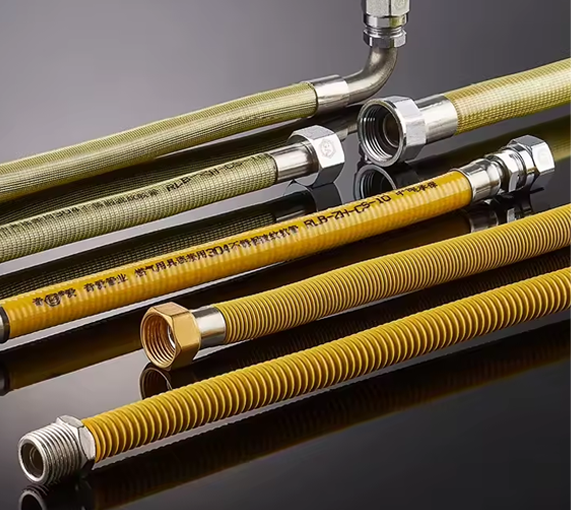
PE/PE corrugated flexible plumbing pipe is a lightweight, corrosion-resistant, and highly adaptable piping solution designed for modern plumbing, water conveyance, protective lining, and flexible connection applications. Manufactured from polyethylene materials and formed with a corrugated structure, this type of pipe combines the chemical stability of PE with the mechanical flexibility and external pressure resistance provided by its profile. It is suitable for projects that require dependable flow performance, easy installation, long service life, and reliable sealing.
As plumbing systems become more complex, contractors and system designers increasingly need pipe materials that can accommodate movement, uneven installation conditions, vibration, temperature variation, and demanding site environments. Traditional rigid pipes can perform well in stable installations, but they may require numerous fittings, careful alignment, and additional labor where routing is difficult. PE/PE corrugated flexible plumbing pipe offers a practical alternative by allowing easier bending and positioning while maintaining strong structural performance.
This article explains the construction, properties, advantages, applications, quality considerations, and manufacturing process of PE/PE corrugated flexible plumbing pipe. It also examines how a specialized manufacturer with experience in bellows, flexible piping, and metal connection systems can contribute to consistent product quality and dependable project support.
What Is PE/PE Corrugated Flexible Plumbing Pipe?
PE/PE corrugated flexible plumbing pipe is a polyethylene-based pipe with a corrugated outer profile. The product category may also be described as a polyethylene corrugated pipe, flexible plumbing liner, inner pipe, inner tube, or water liner, depending on the intended system and market terminology. The pipe is designed to provide a combination of flexibility, low weight, chemical resistance, and mechanical strength.
The “PE/PE” designation generally indicates that polyethylene is used for both the inner and outer material layers or that the pipe is constructed primarily from compatible polyethylene layers. The inner surface is designed to support efficient fluid movement, while the corrugated external structure improves flexibility and resistance to external loading. Depending on the product configuration and application, the pipe may be used as a standalone conveyance pipe, an internal liner, or a flexible water-carrying component inside another assembly.
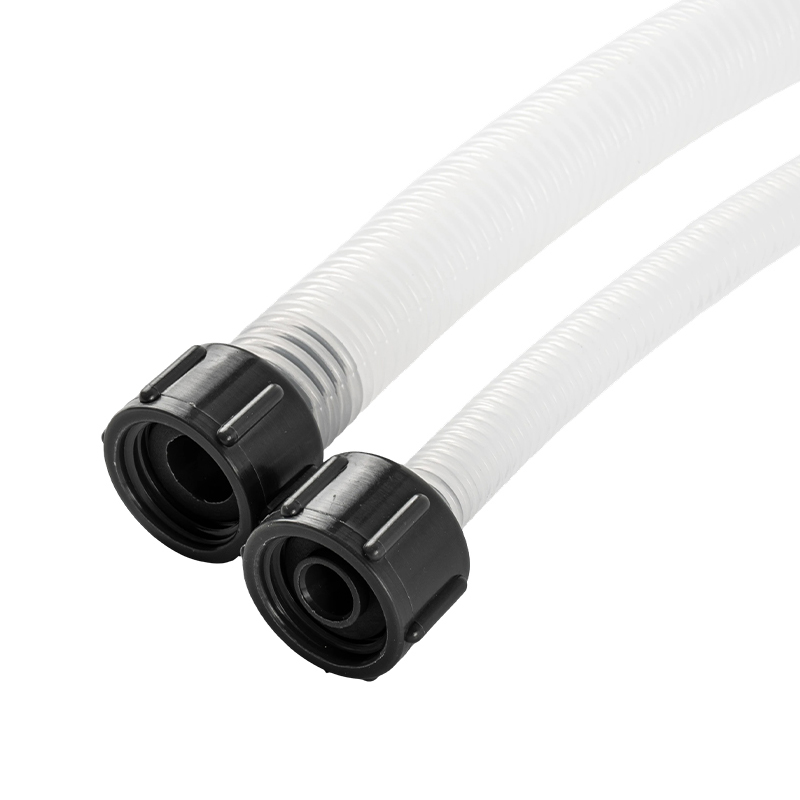
Unlike a smooth-wall rigid pipe, a corrugated flexible pipe has a series of formed ribs or waves along its exterior. These corrugations allow the pipe to bend more readily and help distribute external forces over the pipe structure. The inner passage can remain comparatively smooth, supporting good flow capacity and reducing the tendency for deposits to accumulate during normal service.
The design is particularly useful in plumbing and water-related installations where routing conditions are not perfectly straight. It can also be used in systems that experience limited movement, vibration, or thermal expansion. Its low mass and convenient handling make it attractive for both new construction and maintenance projects.
Core Material Characteristics of Polyethylene
Polyethylene is widely used in piping because it provides a useful balance of durability, processability, chemical resistance, and cost efficiency. Its molecular structure gives it good resistance to many common chemicals, moisture, and corrosion mechanisms that can affect metallic piping. For plumbing applications, this can help maintain product integrity in environments where water quality, cleaning agents, salts, or mild chemical exposure are concerns.
Polyethylene is also an electrical insulator. This characteristic can be valuable in installations where the pipe must avoid electrical conductivity or where the piping system is located near electrical equipment. Although the pipe should always be installed according to the requirements of the complete system, its insulating nature provides an inherent advantage over conductive metallic materials in certain applications.
The material is lightweight compared with steel and many other rigid piping materials. Lower weight reduces handling effort, transportation requirements, and the need for heavy lifting equipment. It may also make installation more efficient in confined spaces, overhead areas, renovation projects, and locations where access is limited.
Another important characteristic is toughness. Polyethylene can withstand a degree of impact and deformation without fracturing as easily as some brittle materials. This toughness is useful during transportation, storage, handling, and installation. It also supports performance in service environments where moderate movement or localized loading may occur.
PE is easy to process using controlled extrusion and forming technologies. Consistent processing conditions can produce stable dimensions, uniform wall structure, accurate corrugation, and a smooth internal surface. The quality of the finished pipe depends on material selection, temperature control, forming accuracy, cooling, inspection, and packaging discipline.
How the Corrugated Structure Improves Performance
The corrugated profile is central to the pipe’s performance. A smooth, rigid pipe may resist deformation effectively, but it generally requires more force to bend. A corrugated pipe can accommodate bending along its length, allowing installers to route it around obstacles and reduce the number of directional fittings.
Corrugation can also improve ring stiffness. Ring stiffness describes the ability of a pipe to resist deformation caused by external forces. The formed ribs increase the geometric efficiency of the outer wall, helping the pipe maintain its shape when exposed to soil pressure, contact pressure, or other external loads appropriate to its design and installation conditions.
A properly designed corrugated structure can distribute external pressure more effectively than a thin, unsupported smooth wall. This does not mean that every corrugated pipe is suitable for every buried or pressurized application. The actual suitability depends on wall dimensions, material grade, temperature, installation method, pressure conditions, support, and applicable technical standards. Nevertheless, the structural profile provides an important advantage where flexibility and external resistance must be balanced.
The corrugated design can also help accommodate thermal movement and minor structural displacement. When a system expands, contracts, vibrates, or shifts slightly, a flexible pipe may absorb part of the movement rather than transferring all of it to rigid connections. This can reduce stress concentration at fittings and connection points when the product is correctly selected and installed.
Because the internal flow path can remain smooth, the external corrugations do not necessarily create a corresponding rough internal passage. A smooth inner wall supports efficient flow, easier flushing, and reduced opportunities for sediment to remain attached to the pipe surface. The inner surface is especially important in water-related systems, where hygiene, flow stability, and cleaning performance are key considerations.
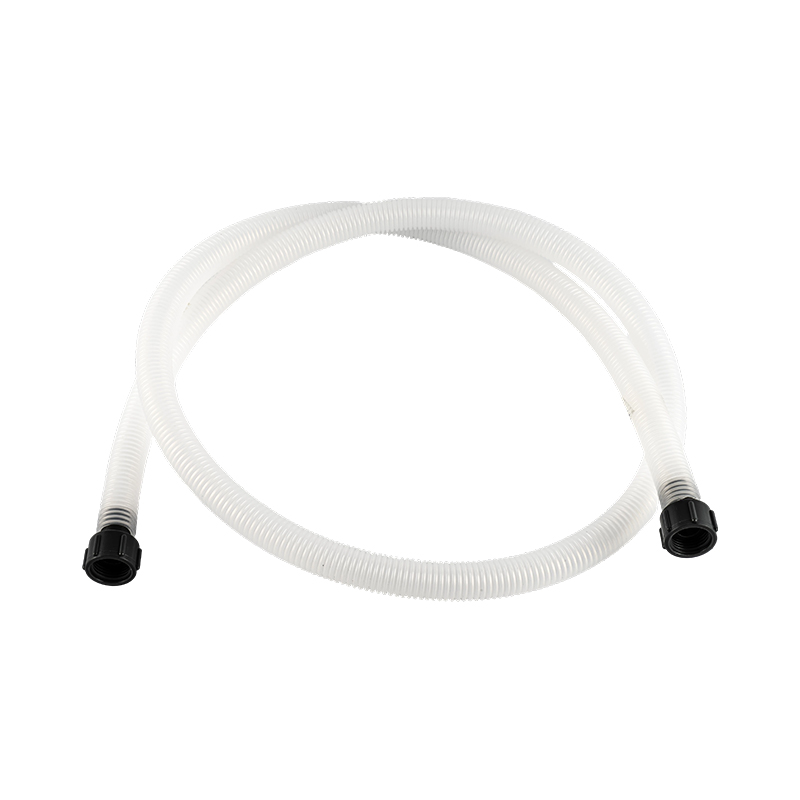
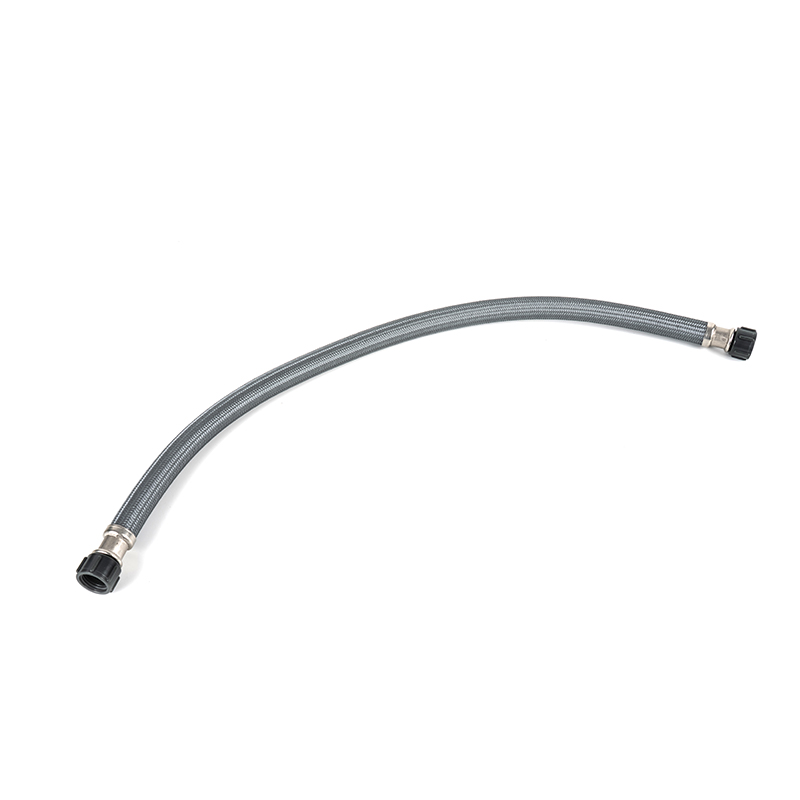
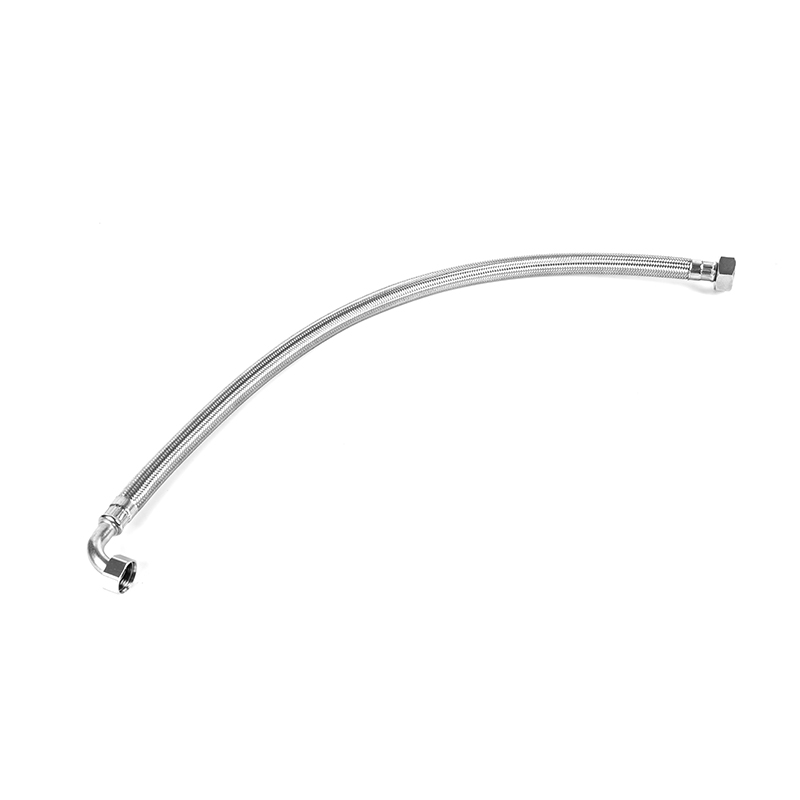
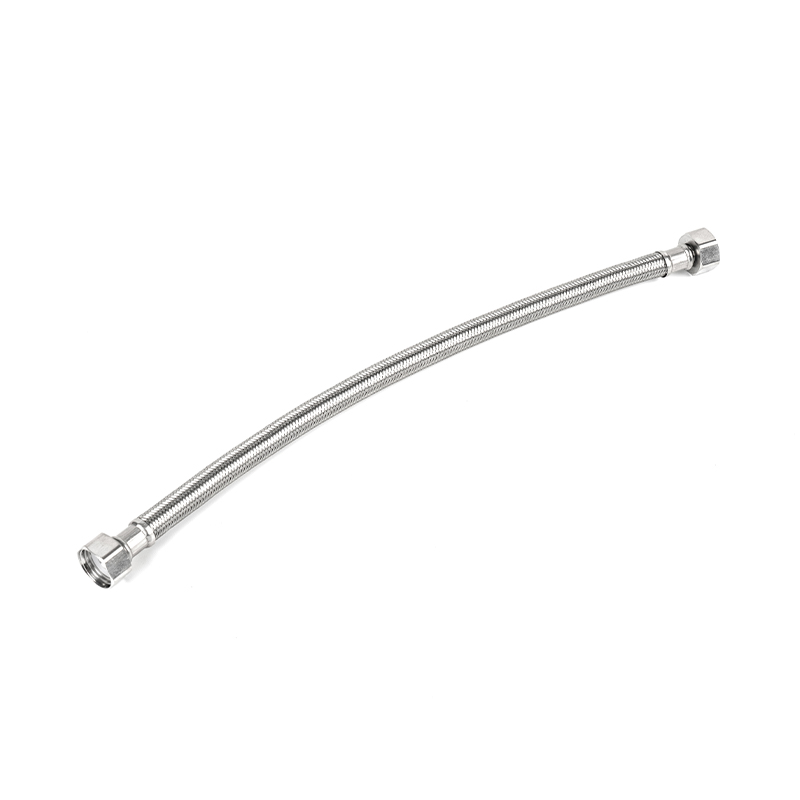
PE/PE corrugated flexible plumbing pipe
Principal Advantages Compared with Conventional Alternatives
Flexibility and Easier Routing
The most visible advantage of PE/PE corrugated flexible plumbing pipe is its ability to bend and adapt to installation paths. This can simplify routing around structural members, equipment, corners, and other obstacles. In many cases, the installer can reduce the number of elbows and intermediate joints required to complete the route.
Fewer joints can provide several benefits. They may reduce installation time, lower fitting costs, simplify inspection, and decrease the number of potential leakage points. A simpler route can also make future maintenance easier because the system contains fewer connection areas that require access or testing.
Low Weight and Efficient Handling
PE/PE corrugated pipe is considerably lighter than many metal pipe alternatives. Workers can often carry, position, and cut the pipe with less effort. Reduced handling weight may improve productivity and decrease the need for cranes, hoists, or large installation teams.
Lightweight construction also helps reduce transportation costs and storage demands. More product can be handled in a smaller logistics operation, subject to the specific packaging and length configuration. For contractors working on remote or difficult-to-access sites, this advantage can be particularly significant.
Corrosion Resistance
Metallic pipes can be vulnerable to corrosion when exposed to moisture, oxygen, salts, aggressive water chemistry, or incompatible environments. PE does not rust, and its resistance to many common corrosive agents gives it a strong advantage in wet service conditions.
Corrosion resistance can help preserve wall integrity and reduce maintenance requirements over the service life of the system. It can also prevent rust-related discoloration of water and avoid the accumulation of corrosion products inside the pipe. However, product selection should still account for the exact fluid, temperature, pressure, and chemical concentration involved.
Good Chemical Stability
Polyethylene provides good chemical stability in a wide range of ordinary plumbing environments. This makes the pipe suitable for applications where the material may encounter treated water, cleaning residues, salts, or other mild chemical influences. The actual chemical compatibility must be verified for concentrated chemicals, elevated temperatures, and special fluids.
Good chemical stability is especially valuable in industrial plumbing, equipment connections, building service systems, and applications where replacing a damaged pipe would be difficult. Stable materials can help reduce unexpected deterioration and support predictable maintenance planning.
High Toughness and Impact Resistance
The toughness of polyethylene helps the pipe tolerate ordinary handling and moderate mechanical impact. During delivery and installation, this can reduce the risk of damage caused by knocks, bending, or contact with surrounding structures. Its flexibility also helps prevent brittle cracking under conditions that might be more demanding for rigid or fragile materials.
Proper handling remains essential. Excessive kinking, sharp objects, uncontrolled heating, or operation outside the intended pressure and temperature range can damage any flexible pipe. The benefit of toughness is greatest when combined with correct installation procedures and appropriate support.
Excellent Electrical Insulation
PE is naturally nonconductive. In applications near electrical systems, this can help reduce concerns associated with conductive metallic piping. The pipe should not be treated as an electrical safety device, and the complete installation must follow all relevant electrical and plumbing requirements. Nevertheless, its insulating material characteristics can be a useful design consideration.
High Flow Capacity
The smooth inner wall of PE/PE corrugated flexible plumbing pipe supports efficient fluid movement. A smooth internal surface can reduce friction compared with rough or internally corroded pipe and may help maintain stable flow performance over time.
High flow capacity depends on internal diameter, pipe length, operating pressure, fluid characteristics, temperature, fittings, bends, and system layout. The pipe’s flexible nature makes it possible to create efficient routes, but sharp bends and excessive deformation should be avoided because they can reduce the effective flow area.
Long Service Life
Resistance to corrosion, moisture, and ordinary chemical exposure contributes to a long potential service life. The pipe does not depend on a surface coating to prevent rust, which can simplify long-term maintenance. Its durability is also supported by its toughness and resistance to external pressure within the appropriate design conditions.
Service life is never determined by material alone. Pressure cycling, operating temperature, ultraviolet exposure, installation quality, fluid compatibility, and mechanical support all affect performance. A reliable manufacturer should provide product information that allows designers and installers to evaluate these conditions properly.
Cost Efficiency
PE/PE corrugated flexible pipe can offer cost advantages through lower material weight, easier transportation, faster installation, fewer fittings, and reduced maintenance. The total project cost should be evaluated rather than only the initial purchase price. A pipe that takes less labor to install and has fewer connection points may provide a better lifecycle value than a cheaper but more difficult alternative.
Comparison with Common Pipe Materials
Every pipe material has appropriate uses, and PE/PE corrugated flexible plumbing pipe should be selected according to system requirements rather than treated as a universal replacement. Its advantages are most evident where flexibility, corrosion resistance, low weight, and installation efficiency are important.
| Comparison Factor | PE/PE Corrugated Flexible Pipe | Rigid Metal Pipe | Rigid Plastic Pipe | Typical Practical Benefit |
|---|---|---|---|---|
| Weight | Low | High | Low to medium | Easier handling and transportation |
| Flexibility | High | Low unless specially formed | Usually low to medium | More adaptable routing and fewer fittings |
| Corrosion resistance | High | Dependent on alloy or coating | Generally high | Reduced rust-related maintenance |
| External pressure resistance | Supported by corrugated geometry | Often high | Dependent on design | Better structural adaptation in suitable conditions |
| Electrical conductivity | Nonconductive | Conductive | Usually nonconductive | Useful near electrical equipment |
| Installation labor | Often reduced | Often higher | Moderate | Shorter installation time |
| Resistance to impact and deformation | Good toughness | Strong but may dent or corrode | Varies by polymer | Improved handling tolerance |
| Internal flow surface | Smooth | May corrode or scale | Usually smooth | Efficient fluid conveyance |
| Connection requirements | Can be simplified by flexible routing | Often requires more fittings | Depends on system | Fewer potential leakage points |
Compared with stainless steel or other metal hoses, PE/PE pipe offers lower weight, strong corrosion resistance, and electrical insulation. Metal hoses may be preferred where high temperature, high pressure, fire resistance, or exceptional mechanical strength is required. The correct choice depends on the complete operating environment.
Compared with rigid plastic pipes, the corrugated PE design generally provides greater routing flexibility and can better accommodate movement. Rigid plastics may provide excellent dimensional stability and pressure performance in their intended applications, but they can require more elbows and fittings when the installation path is complicated.
Compared with conventional rigid metal plumbing, PE/PE pipe avoids rust and may require less labor. Metal remains advantageous in applications demanding high temperature resistance, extreme pressure capability, or specific fire and code classifications. A professional selection process should compare the actual requirements instead of relying on material preference alone.
Applications in Plumbing and Water Systems
Water Liners and Inner Pipes
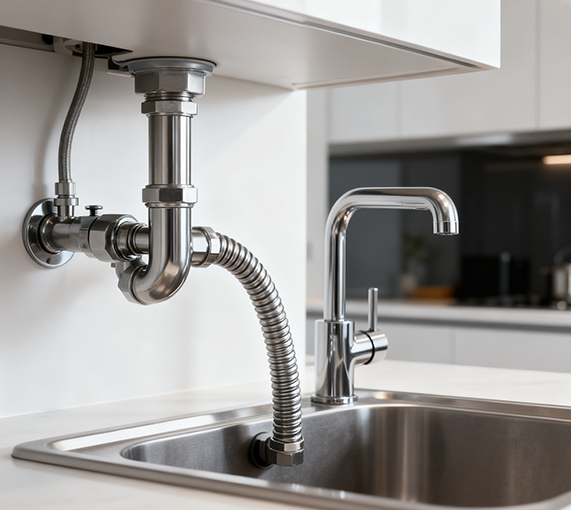
One important application is use as a water liner or inner pipe. The flexible pipe can be positioned within a larger assembly or used as an internal conveyance component where a smooth, corrosion-resistant fluid path is required. Its low weight and flexibility make it suitable for assemblies that must be routed through restricted spaces.
As an inner liner, the pipe can help separate the conveyed water from surrounding structural or protective components. This arrangement may support easier replacement, maintenance, or integration with other flexible connection products. The complete assembly must be designed so that the liner is supported correctly and is not exposed to loads beyond its intended function.
Building Plumbing
In residential, commercial, and public buildings, flexible PE plumbing pipe can be used in selected water distribution, service connection, and renovation applications. Its ability to follow practical routes may reduce the need to open large sections of walls, floors, or ceilings during certain installation tasks.
Building projects often contain tight spaces and numerous obstacles. Flexible routing can simplify connection to equipment, fixtures, water distribution points, and service areas. The pipe may also be helpful where vibration isolation or limited movement accommodation is necessary, provided that the operating conditions are within the product’s design range.
Heating and HVAC-Related Systems
Heating and HVAC installations frequently include vibration, thermal cycling, equipment movement, and complicated routing. A flexible pipe or liner can help accommodate some of these conditions. It may be used in appropriate low-temperature or moderate-temperature plumbing sections, equipment connections, or auxiliary water systems.
Temperature suitability must always be confirmed before use. Polyethylene products have defined operating limits, and high-temperature applications may require metal hoses, stainless steel bellows, or other specialized materials. Flexible PE pipe should be chosen for conditions where its thermal performance is appropriate.
Industrial Equipment Connections
Industrial machinery often requires connections that can be installed around frames, supports, pumps, tanks, or moving components. A flexible pipe can simplify equipment integration and may reduce the mechanical stress associated with rigid alignment.
Industrial use requires careful review of fluid compatibility, pressure, temperature, vibration, movement, and cleaning procedures. A qualified supplier can help identify whether PE/PE corrugated pipe, a metal hose, a compensator, or another product category is the best solution.
Protective and Service Routing
The corrugated form can also be useful where a flexible protective or service route is needed. Depending on the specific product design, the pipe may protect or guide an internal line, provide a flexible passage, or support a customized plumbing assembly. The intended function should be clearly defined because a liner, pressure pipe, and protective conduit may have different performance requirements.
Manufacturing Process and Quality Control
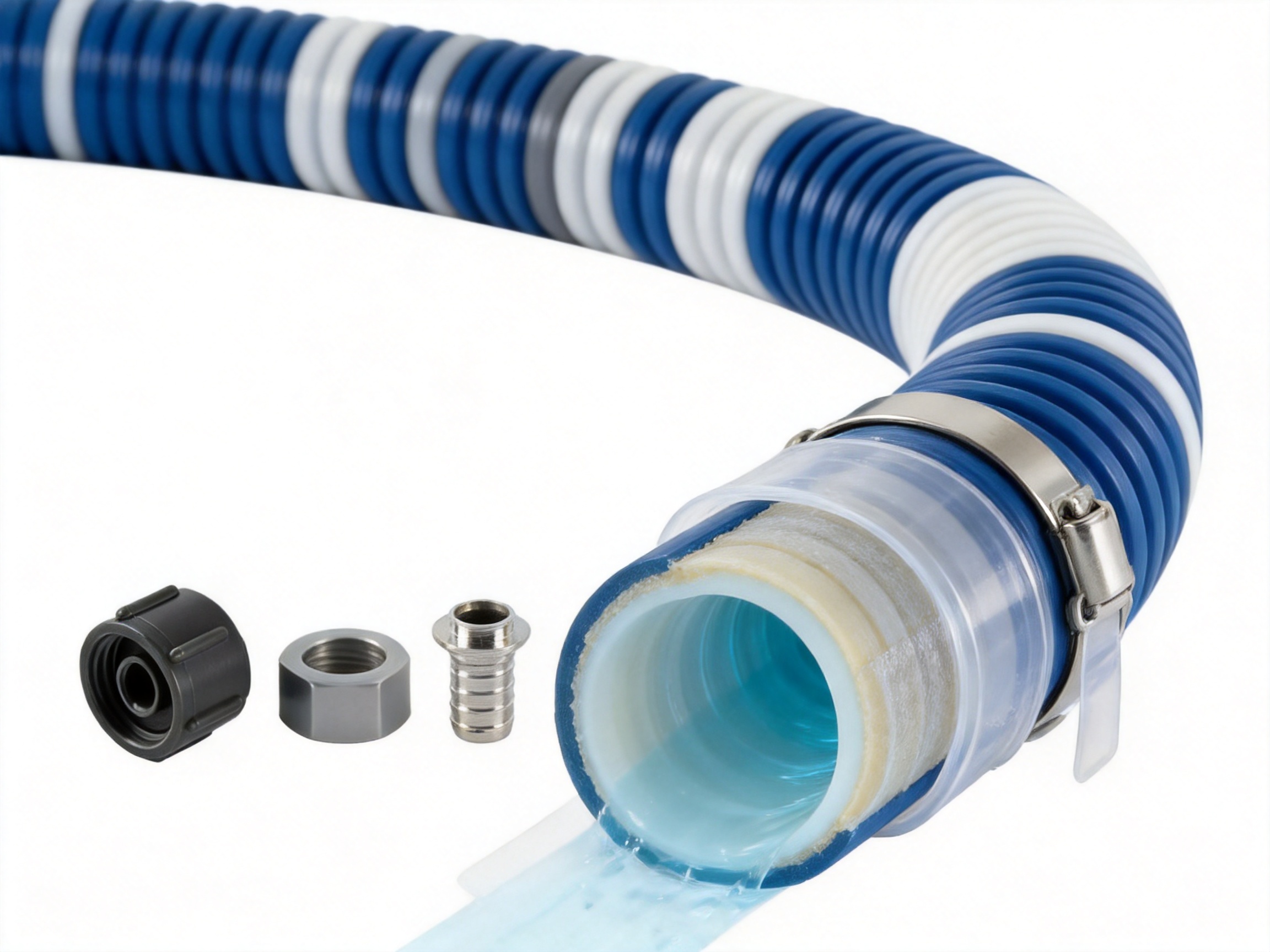
Product performance depends heavily on manufacturing consistency. PE/PE corrugated flexible plumbing pipe must maintain suitable material quality, wall structure, corrugation geometry, internal smoothness, and dimensional accuracy. A manufacturer with structured process control can reduce variation between production batches and support more predictable installation results.
Material Selection
The manufacturing process begins with the selection and verification of polyethylene raw materials. Material choice influences toughness, flexibility, chemical resistance, processability, and long-term stability. Raw materials should be managed through controlled purchasing, supplier qualification, incoming inspection, and traceability procedures.
Good material control helps prevent problems such as inconsistent melt behavior, weak areas, excessive brittleness, poor surface appearance, or unstable dimensions. A professional production system should be capable of connecting finished products to relevant material and process records when required.
Extrusion and Layer Formation
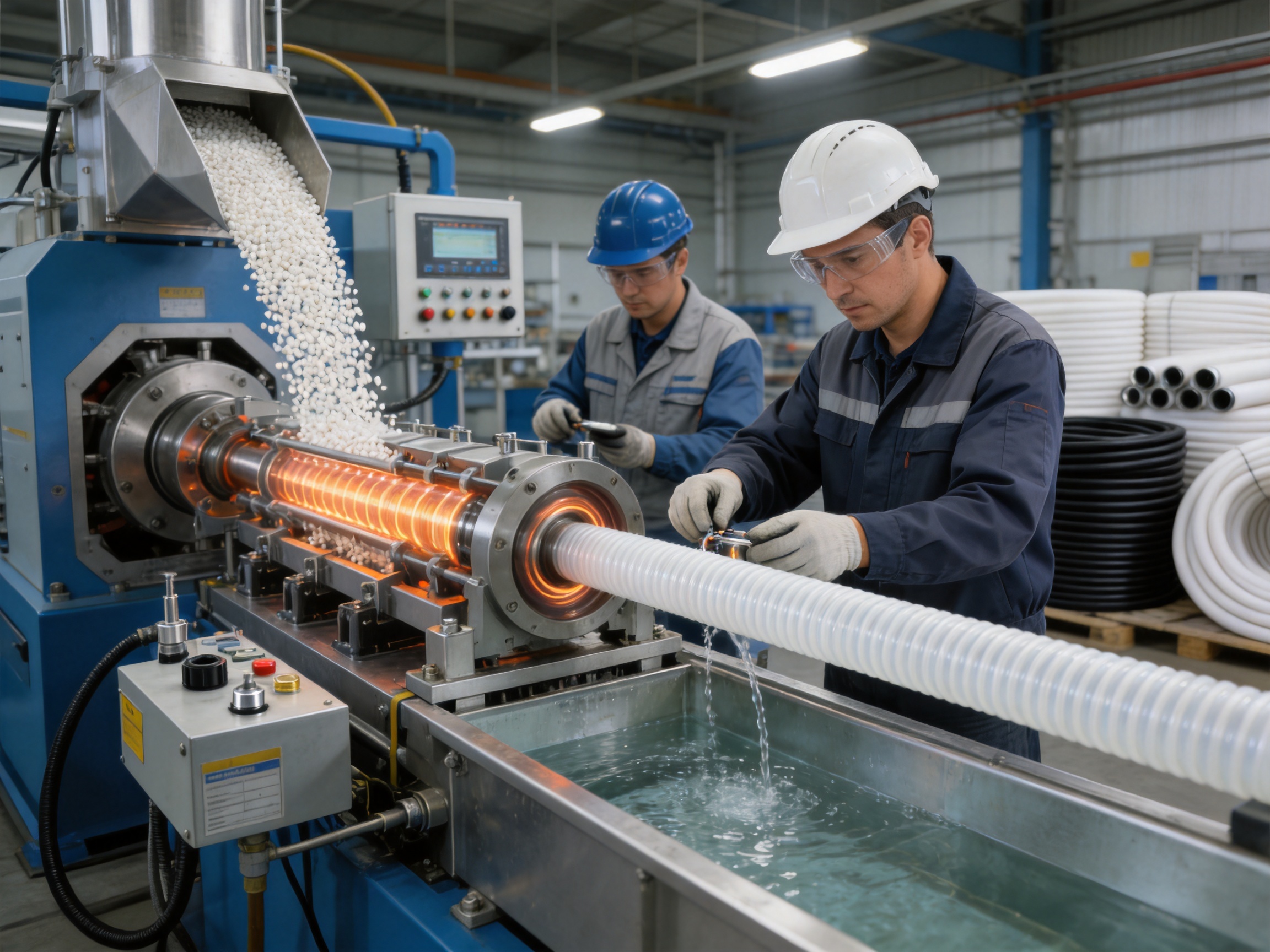
Polyethylene pipe is commonly manufactured through extrusion. During extrusion, the polymer is heated to a controlled processing condition and pushed through a die that forms the pipe profile. For PE/PE products, the process may involve one or more compatible material layers, depending on the design.
Temperature, pressure, extrusion speed, material flow, and cooling must be controlled carefully. If these parameters fluctuate, the pipe may experience wall thickness variation, dimensional instability, surface defects, or inconsistent mechanical performance. Automated or monitored equipment helps improve repeatability.
Corrugation Forming
After the initial pipe shape is created, a forming system produces the external corrugated profile. Corrugation pitch, depth, shape, and alignment affect flexibility, ring stiffness, and external pressure resistance. The forming process must maintain stable geometry along the full production length.
Accurate corrugation is important because irregular ribs can create uneven bending behavior or localized stress. Consistent geometry also improves compatibility with fittings, clamps, sleeves, protective components, and packaging systems.
Cooling and Sizing
Controlled cooling stabilizes the polymer after forming. Cooling conditions affect final dimensions, surface quality, and residual stress. Sizing equipment may be used to help maintain the required diameter and profile while the material transitions from a molten or softened state to its final solid form.
Insufficiently controlled cooling can contribute to distortion, ovality, or unstable dimensions. A disciplined production line monitors cooling conditions and checks product geometry at suitable stages of the process.
Cutting, End Preparation, and Packaging
Finished pipe may be supplied in coils, straight lengths, or customized configurations, depending on the application. Cutting must produce clean ends that are suitable for connection, insertion, assembly, or further processing. End condition is especially important when the pipe is used as an inner liner or integrated into a flexible plumbing assembly.
Packaging protects the pipe during transport and storage. Flexible products should be secured without creating permanent kinks, crushing, or excessive compression. Clear labeling can identify product type, size, production information, and handling requirements.
Inspection and Testing
Quality control should cover both appearance and performance. Typical inspection areas may include outer and inner dimensions, corrugation profile, wall consistency, flexibility, ring stiffness, external pressure resistance, sealing performance, and material appearance. The exact tests depend on the product design, intended application, and applicable standards.
Inspection equipment may include dimensional gauges, pressure testing devices, leak-testing systems, visual inspection stations, and specialized non-destructive testing equipment. Although some of these technologies are more commonly associated with metal bellows and connectors, a manufacturer with broad flexible piping capabilities can apply a strong quality culture across different product lines.
Advanced Manufacturing Capabilities
Haoyin (Ningbo) Bellows Technology Co., Ltd. specializes in the research and development, design, manufacturing, and sales of stainless steel bellows and flexible connection products. Its product portfolio includes gas connectors, plumbing pipes and water liners, metal hoses, and compensators. This product range gives the company experience in multiple forms of flexible connection technology and in the practical requirements of gas, plumbing, heating, healthcare, building heating, and industrial HVAC systems.
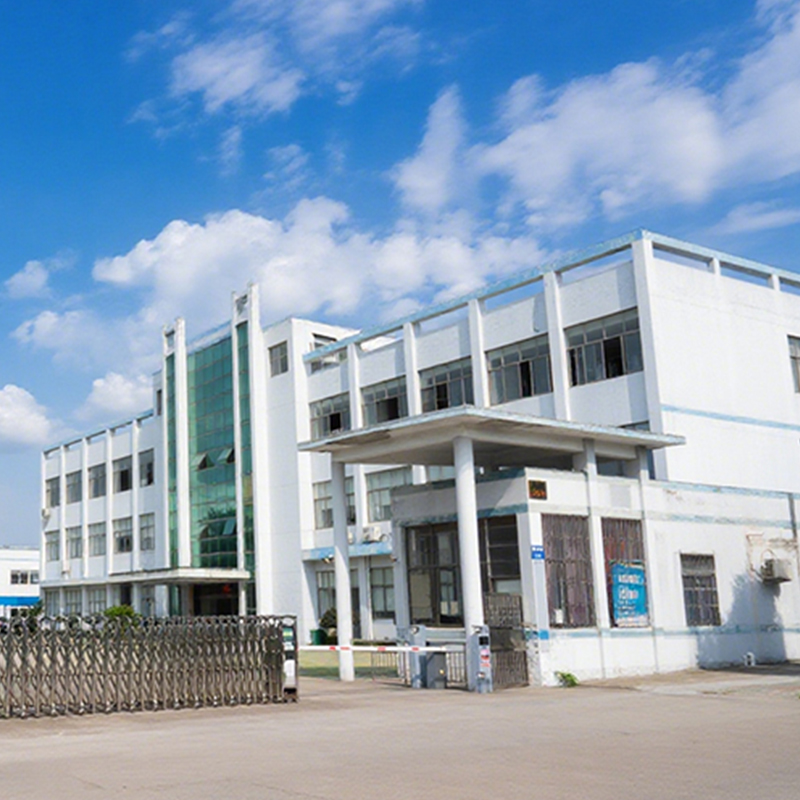
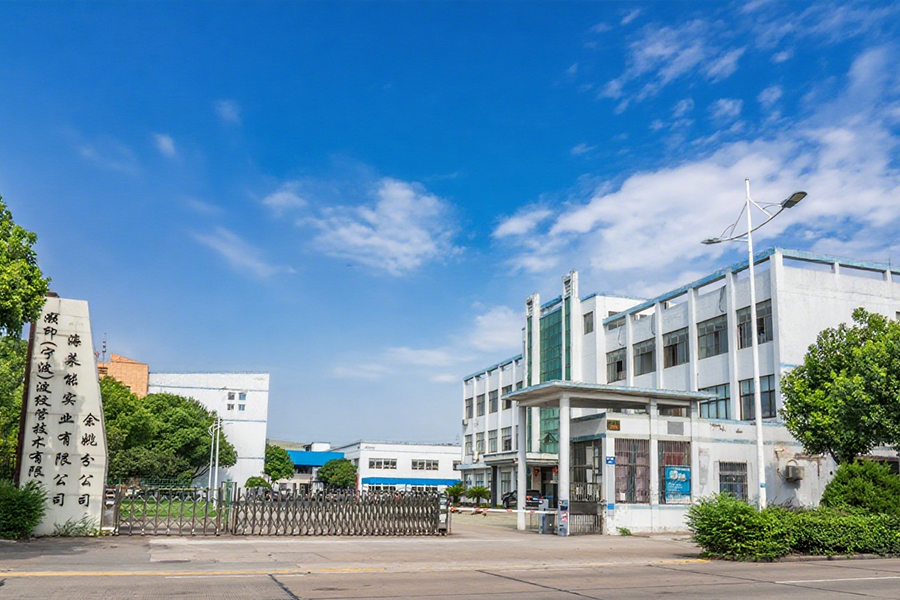
The company operates standardized workshops covering approximately 18,000 square meters within a site of about 35 mu. A structured manufacturing environment provides space for production lines, inspection areas, material handling, assembly, testing, and packaging. Organized facilities can help separate production stages and maintain better control over workflow, cleanliness, traceability, and final inspection.
Reported equipment includes laser welding machines, CNC forming machines, COSMO equipment, eddy current flaw detectors, and automatic packaging systems. These technologies support different stages of flexible product manufacturing. Laser welding can provide controlled and repeatable weld quality for applicable metal components. CNC forming equipment supports accurate shaping and repeatable geometries. Eddy current inspection can assist in identifying certain surface or material discontinuities without damaging the product.
Automatic packaging systems can improve consistency in final packing and reduce handling variation. Reliable packaging is important because flexible pipes and connectors can be damaged by improper bundling, sharp contact, contamination, or excessive compression during shipment.
The company has obtained ISO9001, ISO14001, and ISO45001 management system certifications. ISO9001 relates to quality management, ISO14001 to environmental management, and ISO45001 to occupational health and safety management. These systems indicate a formal approach to process documentation, risk control, environmental responsibility, worker safety, corrective action, and continual improvement.
Haoyin also identifies itself as a National High-tech Enterprise and Green Factory. These designations reflect a focus on technical development, manufacturing capability, resource management, and environmental performance. For customers, the value of such systems lies not only in certification labels but also in the discipline they bring to product development, production records, inspection, and customer support.
Research and Development Strength
A professional R&D team can support product improvement in several ways. It can evaluate new materials, refine corrugation profiles, improve connection designs, develop application-specific sizes, and address installation challenges reported by customers. R&D also helps a manufacturer respond to changes in plumbing standards, building systems, energy equipment, and industrial requirements.
For flexible plumbing products, development work may involve balancing several properties that can compete with one another. Greater flexibility may affect stiffness, while increased wall thickness may influence bending behavior and material consumption. A suitable design must provide practical flexibility without sacrificing required structural performance.
Design engineering should also consider sealing. A pipe that is mechanically strong but difficult to connect may not provide a reliable field solution. Product development therefore needs to consider end preparation, fitting compatibility, installation tools, tolerances, and inspection requirements in addition to the pipe body itself.
Full-Process Quality Management
The company describes a quality management system covering raw material selection, structural design, manufacturing, performance testing, and after-sales support. This full-process approach is important because quality cannot be created through final inspection alone.
Raw materials must be suitable before processing begins. The design must match the intended pressure, temperature, flexibility, and installation conditions. Manufacturing must produce the design consistently. Testing must verify important performance characteristics. After-sales support must help customers apply the product correctly and address technical questions.
When these stages are connected, the manufacturer can learn from field feedback and use that information to improve future designs and processes. This creates a more reliable product development cycle and helps ensure that the pipe is not evaluated only as an isolated component but as part of a complete connection solution.
Sealing Performance and Connection Reliability
Excellent sealing performance is one of the listed properties of PE/PE corrugated flexible plumbing pipe. In practical use, sealing depends on the pipe material, end geometry, fittings, gaskets, clamps, insertion depth, surface condition, and installation technique. A high-quality pipe must be compatible with a connection system that maintains a stable seal during normal pressure, movement, and temperature variation.
Flexible products can reduce the number of joints, but every remaining joint must be installed carefully. The pipe end should be clean, properly cut, and free from damage. Fittings should match the pipe size and construction. Sealing components should be compatible with the conveyed fluid and operating temperature.
Installers should avoid twisting the pipe during connection. Excessive torsion can place stress on the fitting and may affect seal stability. The pipe should also be supported so that its weight or movement does not place a continuous side load on the connection.
Testing after installation is recommended. Depending on the system, testing may include visual inspection, pressure testing, leak testing, flushing, and flow verification. Any testing procedure should follow project specifications and applicable regulations.
Installation Recommendations
Before installation, inspect the pipe for cuts, punctures, crushing, severe flattening, contamination, or other visible damage. Confirm the product size, length, and intended application. Store it on a clean surface away from sharp objects, excessive heat, and conditions that could create permanent deformation.
Plan the route before positioning the pipe. Although the product is flexible, it should not be bent below its permitted minimum bending radius. Avoid sharp kinks because a kink can restrict flow, concentrate stress, and compromise long-term performance.
Use suitable supports and clamps where needed. Supports should hold the pipe without crushing the corrugations or creating localized pressure points. The support spacing depends on the pipe size, fluid weight, temperature, orientation, and installation configuration.
Protect the pipe from sharp edges, abrasive surfaces, and direct contact with components that may damage the outer profile. Where the pipe passes through a wall, panel, or structural opening, a protective sleeve or edge treatment may be required.
When cutting the pipe, use an appropriate tool that produces a clean and square end. Remove loose particles before connection. Follow the fitting manufacturer’s instructions for insertion depth, clamping, gasket placement, or other connection requirements.
After installation, inspect the complete route for excessive bending, unsupported sections, twisting, compression, and contact with hot surfaces. Conduct the required leak or pressure test before placing the system into service.
Selection Factors for Buyers and Engineers
Choosing the correct PE/PE corrugated flexible plumbing pipe requires more than selecting a nominal diameter. Buyers and engineers should review the complete application and provide the manufacturer with accurate operating information.
| Selection Factor | Questions to Review | Why It Matters |
|---|---|---|
| Fluid | What liquid will be conveyed? | Determines chemical compatibility and hygiene requirements. |
| Temperature | What are the normal and maximum temperatures? | Affects material strength, flexibility, and service life. |
| Pressure | What are working, surge, and test pressures? | Determines whether the pipe and connections are suitable. |
| Diameter | What internal flow area is required? | Influences flow rate and pressure loss. |
| Bending route | What is the tightest planned bend? | Confirms that the pipe can be installed without kinking. |
| External loads | Will the pipe be buried, clamped, or exposed to compression? | Determines ring stiffness and support requirements. |
| Connection method | Which fittings, seals, or assemblies will be used? | Ensures leak-resistant installation. |
| Environment | Will the product be exposed to sunlight, chemicals, vibration, or abrasion? | Supports correct material and protection selection. |
| Regulatory requirements | What standards apply to the project? | Helps confirm approval, testing, and documentation needs. |
| Delivery format | Are coils, straight lengths, or customized sections required? | Improves transport, storage, and installation planning. |
For large projects, customers should request technical drawings, material information, recommended installation practices, test documentation, and any available compliance records. A reliable supplier should be able to clarify the intended use and identify limitations rather than simply provide a generic product.
Why Manufacturer Experience Matters
Flexible plumbing products are part of a broader connection system. A manufacturer that also produces stainless steel bellows, metal hoses, compensators, and gas connectors understands the importance of movement, sealing, vibration, pressure, and installation compatibility. This knowledge can be valuable when a project includes several types of flexible connection components.
Cross-category manufacturing experience can also help the supplier recommend an appropriate solution. For example, a PE liner may be suitable for a moderate-temperature water application, while a stainless steel hose or compensator may be more appropriate for a high-temperature, high-pressure, or heavily vibrating section. A manufacturer with several product categories can evaluate the application more comprehensively.
Technical support is especially important for custom lengths, special connection arrangements, nonstandard routing, or integrated assemblies. The ability to discuss the system with engineering and production personnel can shorten development time and reduce the risk of ordering a product that does not fit the actual installation.
Consistent manufacturing capacity is also important for repeat orders. Commercial building programs, equipment manufacturers, and plumbing contractors may require stable product dimensions and packaging across multiple batches. A documented quality system, modern equipment, and traceable production process can support this consistency.
Environmental and Operational Considerations
PE/PE corrugated flexible pipe can contribute to efficient resource use because it is lightweight and can reduce the number of fittings required in certain installations. Lower weight may reduce transportation energy, while simplified installation may reduce labor and equipment use. Corrosion resistance can also reduce replacement frequency and maintenance materials.
The environmental performance of a piping product should be evaluated across its complete lifecycle. Raw material production, manufacturing energy, transportation, service life, maintenance, and end-of-life handling all contribute to the overall impact. Proper design and long service can improve lifecycle efficiency.
Haoyin’s ISO14001 environmental management certification and Green Factory designation indicate that environmental management is incorporated into its organizational approach. Responsible manufacturing may include energy control, waste reduction, process optimization, environmental monitoring, and improved resource utilization.
Customers should also consider whether the product can be recovered or recycled in their local waste management system. Polyethylene products should be separated from incompatible materials where practical, and disposal should follow local regulations. Avoiding unnecessary replacement through correct selection and installation is one of the most effective ways to reduce waste.
Maintenance and Service-Life Management
PE/PE corrugated flexible plumbing pipe generally requires limited routine maintenance, but periodic inspection is still recommended. Examine accessible sections for abrasion, unusual deformation, leakage, discoloration, chemical attack, or damage from nearby equipment.
Check connections, clamps, and supports during scheduled maintenance. A connection that becomes loose or a support that shifts may place additional stress on the pipe. Early correction can prevent more serious damage.
Monitor operating conditions where possible. Unexpected pressure surges, temperature increases, chemical changes, or excessive vibration may reduce service life even if the original installation was suitable. If the service conditions change, consult the manufacturer before continuing operation.
Cleaning procedures should be compatible with polyethylene. Avoid chemicals, solvents, or temperatures that have not been confirmed as suitable. For drinking-water-related applications, follow all applicable hygiene, flushing, and disinfection requirements.
Frequently Asked Questions
What is the main benefit of PE/PE corrugated flexible plumbing pipe?
The main benefit is the combination of flexibility, low weight, corrosion resistance, smooth internal flow, and structural support from the corrugated outer profile. This combination can simplify installation while providing reliable performance in suitable plumbing and water applications.
Is corrugated PE pipe suitable for every water system?
No. Suitability depends on fluid type, pressure, temperature, diameter, external loads, connection method, and applicable regulations. The manufacturer’s technical information and the project requirements should be reviewed before selection.
Does the corrugated outer wall reduce flow?
The corrugations are formed on the exterior, while the inner wall can remain smooth. Therefore, the outer profile does not automatically create a rough internal flow path. Actual flow performance depends on the internal diameter, bends, fittings, pressure, and pipe condition.
Can the pipe replace metal hose in every application?
No. PE/PE pipe is advantageous in many water and plumbing applications, but metal hose may be more suitable for high temperatures, high pressures, fire-related requirements, or severe mechanical conditions. The material must be selected according to the complete operating environment.
Can PE/PE corrugated pipe be buried?
Some corrugated PE products may be suitable for buried installation, but this depends on the design, ring stiffness, soil conditions, burial depth, external loads, temperature, and installation method. Do not bury the product without confirming its technical suitability and following the recommended installation procedure.
How does the pipe resist external pressure?
The corrugated geometry increases the structural efficiency of the outer wall and can improve ring stiffness. Performance also depends on material properties, wall dimensions, corrugation design, support, and installation conditions.
Is polyethylene resistant to corrosion?
Polyethylene does not rust and generally provides good resistance to moisture and many common chemical environments. Compatibility should still be checked for concentrated chemicals, elevated temperatures, and unusual fluids.
How should the pipe be stored?
Store it on a clean, stable surface away from sharp objects, excessive heat, damaging chemicals, and conditions that could create permanent deformation. Do not compress, crush, or sharply kink the pipe during storage.
How can leakage be prevented?
Use compatible fittings and seals, cut the pipe cleanly, maintain the correct insertion depth, avoid twisting, support the pipe correctly, and perform the required pressure or leak test after installation. Connection quality is as important as pipe quality.
What information should be provided when requesting a quotation?
Provide the fluid, operating and test pressures, temperature range, required diameter, lengths, bending conditions, connection type, installation environment, quantity, delivery format, and applicable standards. Detailed information allows the manufacturer to recommend a more accurate configuration.
What manufacturing advantages can an experienced supplier provide?
An experienced supplier can provide controlled material selection, repeatable forming, reliable dimensional inspection, performance testing, suitable packaging, technical support, and better coordination between product design and actual installation requirements.
Does certification guarantee that a product is suitable?
Certification supports confidence in the manufacturer’s management systems, but it does not replace application-specific selection. The product still needs to match the required pressure, temperature, fluid, dimensions, connection method, and regulatory conditions.
Conclusion
PE/PE corrugated flexible plumbing pipe is a practical solution for water liners, inner pipes, flexible plumbing routes, and selected connection applications. Its principal strengths include good chemical stability, excellent electrical insulation, easy processing, high toughness, low weight, corrosion resistance, strong external pressure resistance, smooth internal flow, and easy installation.
The corrugated exterior improves flexibility and ring stiffness, allowing the pipe to adapt to difficult routes while maintaining useful structural performance. Compared with many rigid alternatives, it can reduce handling effort, installation labor, fitting requirements, and corrosion-related maintenance. Its smooth internal wall supports high flow capacity, while its polyethylene construction provides a cost-effective and durable material option.
Performance depends on correct design and installation. Buyers should evaluate pressure, temperature, fluid compatibility, bending radius, external loading, support, connections, and regulatory requirements. The pipe should be treated as part of a complete plumbing system rather than as an isolated component.
Haoyin (Ningbo) Bellows Technology Co., Ltd. brings together product development, flexible connection manufacturing, standardized workshops, advanced forming and inspection equipment, formal management certifications, and experience across gas connectors, plumbing pipes, water liners, metal hoses, and compensators. Its full-process quality approach supports consistent production from raw material selection through structural design, manufacturing, testing, packaging, and after-sales service.
For projects seeking a lightweight, flexible, corrosion-resistant, and installation-friendly plumbing pipe, PE/PE corrugated flexible pipe deserves careful consideration. With correct product selection and professional manufacturing support, it can provide an efficient and durable solution for a wide range of modern water and plumbing systems.
References
1. International Organization for Standardization, Quality Management Systems: Fundamentals and Vocabulary.
2. International Organization for Standardization, Quality Management Systems: Requirements.
3. International Organization for Standardization, Environmental Management Systems: Requirements with Guidance for Use.
4. International Organization for Standardization, Occupational Health and Safety Management Systems: Requirements with Guidance for Use.
5. Plastics piping systems technical literature covering polyethylene material behavior, extrusion processing, dimensional control, and pressure performance.
6. Engineering guidance on flexible piping, corrugated pipe geometry, ring stiffness, external pressure resistance, and installation support.
7. Manufacturer-provided product information for PE/PE corrugated flexible plumbing pipe, water liners, inner pipes, metal hoses, and compensators.
8. General plumbing engineering references covering fluid flow, connection design, sealing performance, pressure testing, and maintenance planning.