




 English
 Español
 русский



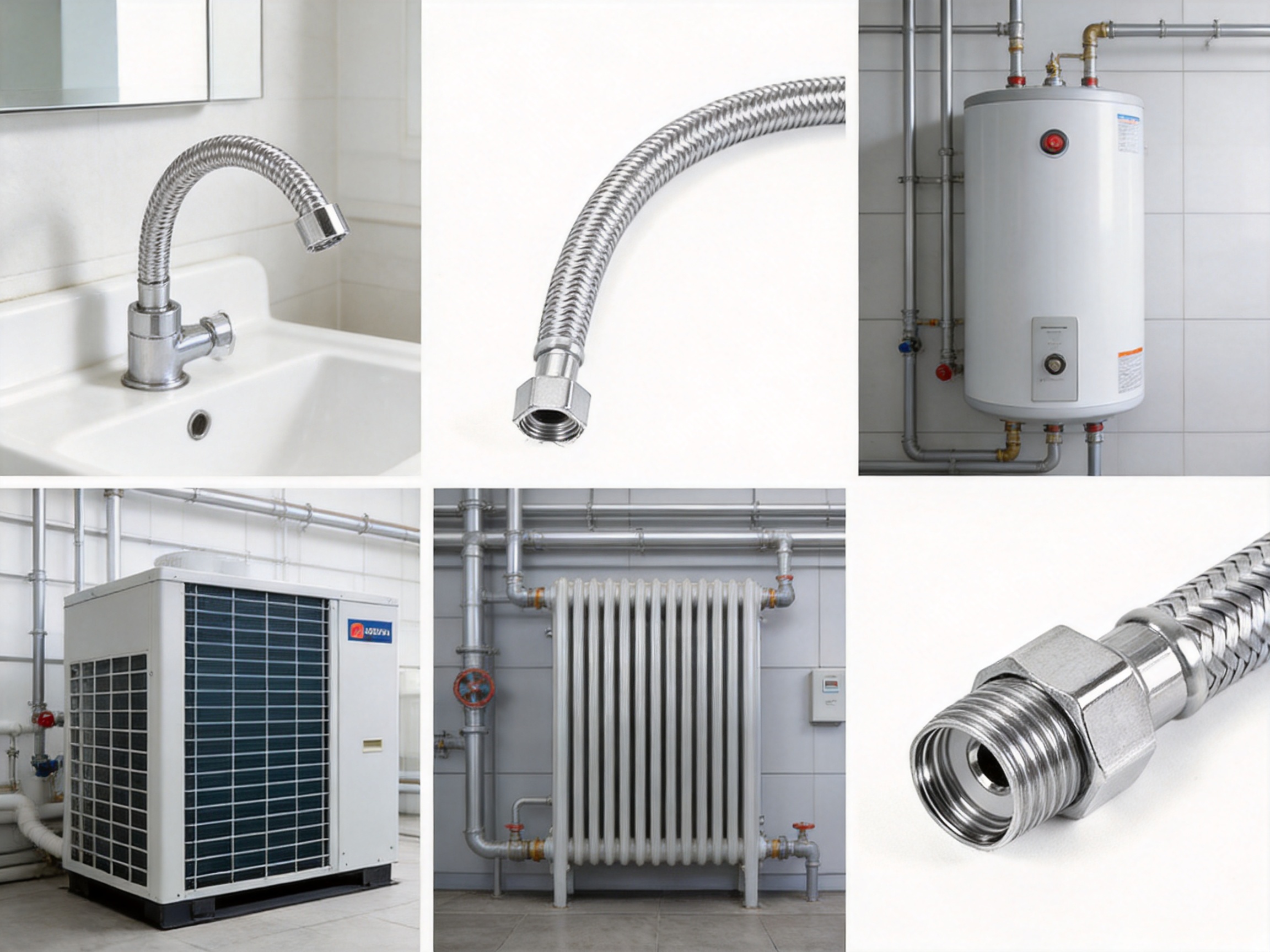
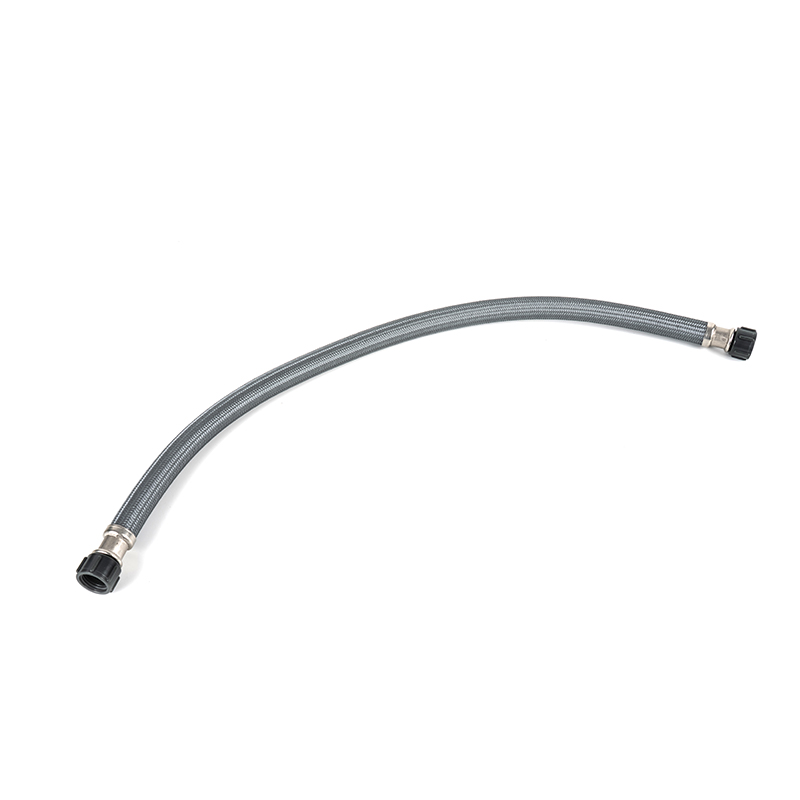
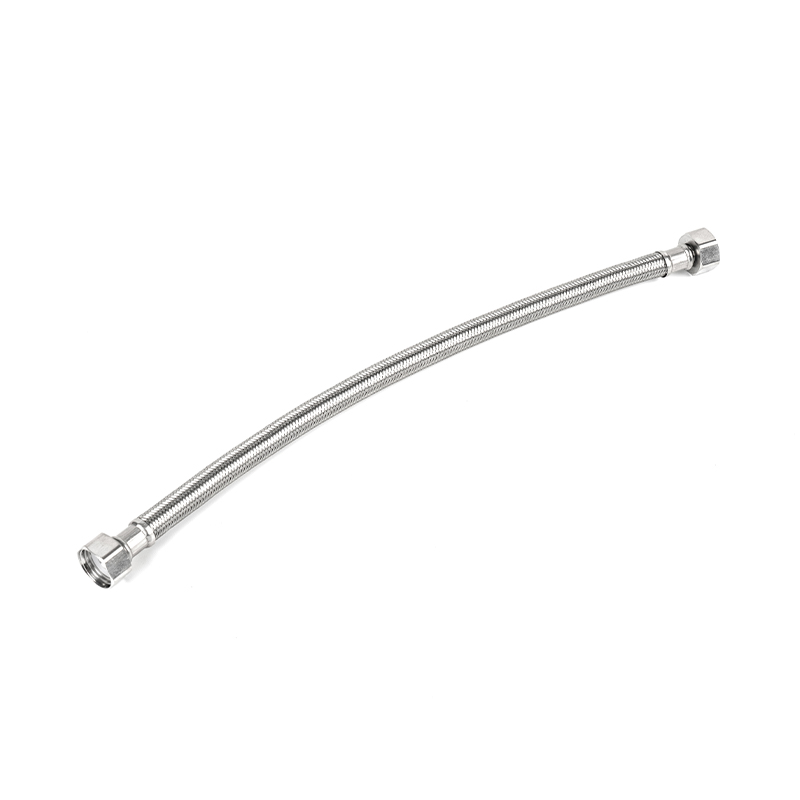
Flexible plumbing systems depend on more than the quality of their inner tube. The outer reinforcement must also withstand pressure, movement, vibration, temperature changes, moisture, and long-term exposure to demanding environments. Flexible Plumbing Outer Braid Stainless Steel Wires are designed to provide this critical layer of protection. Manufactured from corrosion-resistant stainless steel and processed into strong, flexible wire suitable for braided hose construction, these wires help improve the reliability, service life, and safety of plumbing pipes, water liners, metal hoses, and related flexible connection products.
In modern building services, household plumbing, water supply systems, heating installations, industrial HVAC equipment, and specialized fluid-transfer applications, the outer braid plays an essential structural role. It helps restrain the inner tube, distributes mechanical loads, limits excessive expansion, and protects the assembly from external damage. A well-designed stainless steel wire braid can also maintain flexibility while delivering a high level of tensile strength and resistance to corrosion.
This article examines the construction, performance, applications, manufacturing process, and purchasing considerations associated with flexible plumbing outer braid stainless steel wires. It also explains why high-quality stainless steel wire can offer important advantages over lower-grade metal wire, coated steel, or poorly controlled braided reinforcement products.
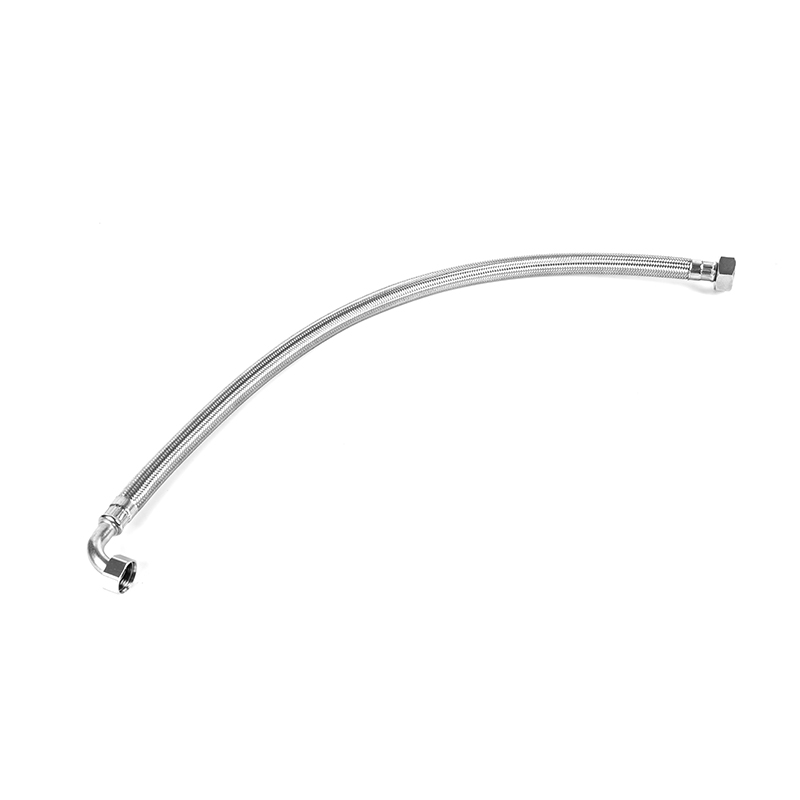
Flexible Plumbing Outer Braid Stainless Steel Wires
What Are Flexible Plumbing Outer Braid Stainless Steel Wires?
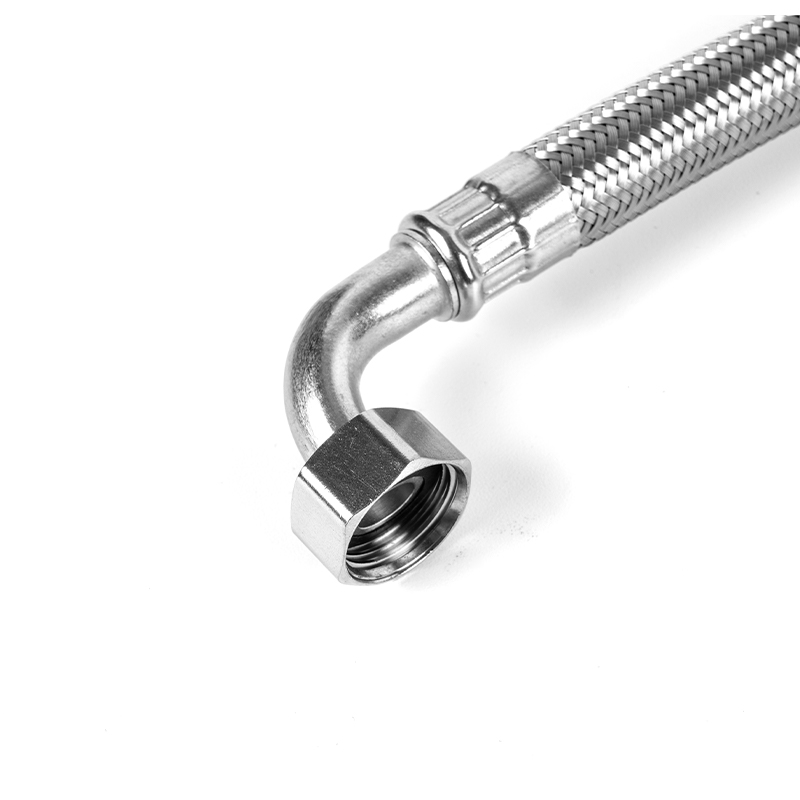
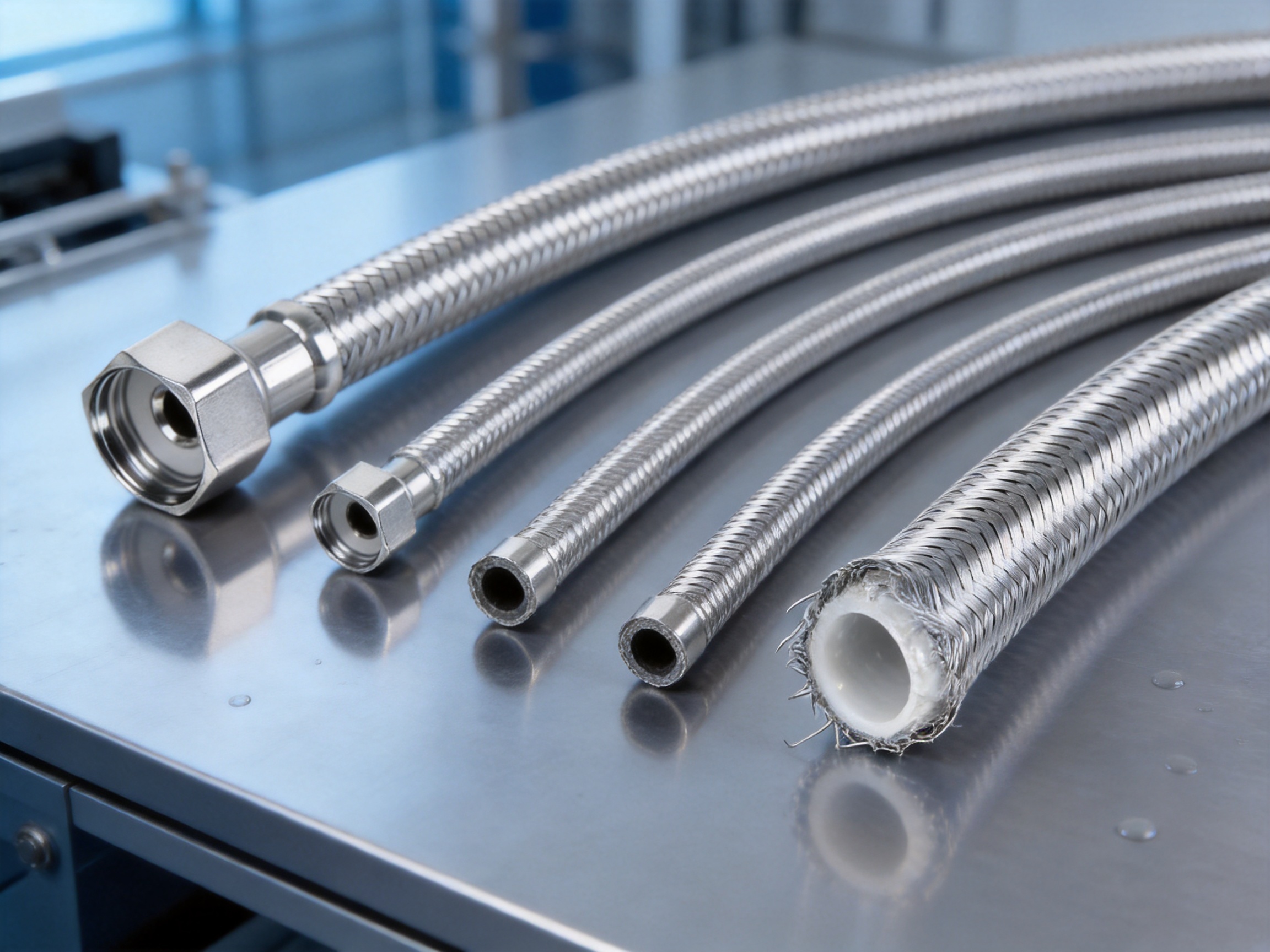
Flexible Plumbing Outer Braid Stainless Steel Wires are precision-processed stainless steel wires used to manufacture the braided outer layer of flexible plumbing hoses and related connection products. The wires are woven or braided around an inner tube, liner, or corrugated metal hose to create a reinforced structure. Depending on the application, the braid may be produced in different wire diameters, braid angles, densities, and layer configurations.
The outer braid is not normally intended to transport water or other media directly. Instead, it functions as a reinforcement and protective layer. The inner tube provides the primary flow path, while the stainless steel braid helps control pressure-related expansion and supports the assembly during installation and operation. In some product designs, the braid also protects the inner tube from abrasion, accidental impact, bending stress, and environmental exposure.
Stainless steel is particularly suitable for this role because it combines strength, flexibility, corrosion resistance, temperature stability, and processability. The wire can be drawn, formed, woven, bent, and welded according to the design requirements of the finished hose assembly. Its performance remains stable across a wide range of operating conditions, making it suitable for both everyday plumbing products and more demanding industrial systems.
How the Outer Braid Works
When a flexible hose is pressurized, the internal fluid can create radial expansion and longitudinal forces. Without suitable reinforcement, the hose may swell, elongate, deform, or suffer premature fatigue. The stainless steel braid helps restrain these forces. The interwoven wires distribute the load across the circumference and length of the assembly rather than allowing stress to concentrate in one location.
The braid also affects the bending behavior of the hose. A properly designed braid allows the hose to bend within its intended radius while reducing the possibility of kinking or uncontrolled deformation. The result is a flexible connection that can accommodate equipment movement, installation misalignment, thermal expansion, vibration, and limited changes in position.
Because the braid is formed from numerous individual wires, it can provide a useful balance between flexibility and structural reinforcement. The wires move slightly relative to one another during bending, while the complete braid continues to support the inner tube. This is one reason braided stainless steel reinforcement is widely used in compact plumbing connectors and flexible water lines.
Core Performance Advantages
Excellent Mechanical Strength
One of the most important advantages of stainless steel braid wire is its high tensile strength. The wire must withstand the forces produced during braiding, hose assembly, installation, pressure cycling, bending, and long-term service. High tensile strength helps the completed braid resist stretching, tearing, and structural failure.
Stainless steel also offers a useful level of hardness and wear resistance. During installation, flexible hoses may rub against brackets, fittings, cabinets, supports, or nearby components. A durable outer braid helps protect the inner tube from these conditions. It can also withstand repeated movement more effectively than a weak or poorly processed reinforcement material.
The mechanical strength of the braid depends on several factors, including wire grade, wire diameter, tensile properties, braid density, wire surface quality, and manufacturing consistency. High-quality wire should have stable dimensions and uniform mechanical performance so that each strand contributes evenly to the finished structure.
Superior Corrosion Resistance
Plumbing products are regularly exposed to water, humid air, condensation, cleaning agents, salts, and other potentially corrosive substances. In some applications, the external environment may also contain acids, alkalis, industrial chemicals, or airborne contaminants. Stainless steel provides strong resistance against many of these conditions.
Compared with ordinary carbon steel wire, stainless steel wire is much less likely to develop red rust when exposed to moisture. Compared with some coated metal wires, it does not depend entirely on a surface coating to maintain protection. If a coating is scratched or damaged, coated steel may become vulnerable at the exposed area. Stainless steel obtains much of its corrosion resistance from the alloy itself and the passive protective film that forms on its surface.
Corrosion resistance is especially valuable for plumbing connectors installed beneath sinks, behind appliances, in bathrooms, near heating systems, or inside damp service spaces. It helps preserve the appearance and mechanical integrity of the braid throughout the product’s service life.
The exact resistance level depends on the stainless steel grade, surface finish, environmental conditions, and contact with other metals. Product selection should therefore consider water chemistry, chloride exposure, cleaning chemicals, temperature, and installation conditions rather than relying on the general term “stainless steel” alone.
Resistance to High and Low Temperatures
Flexible plumbing assemblies may be used with cold water, hot water, heating fluids, or temperature-changing environments. The outer braid must remain stable when exposed to these conditions. Stainless steel maintains useful mechanical properties across a broad temperature range and is resistant to melting, severe softening, and embrittlement under normal plumbing and industrial service conditions.
In high-temperature applications, the braid helps maintain structural support around the inner tube. In low-temperature environments, it remains more reliable than materials that become brittle or lose flexibility. Temperature resistance is also beneficial where pipes experience frequent cycling between hot and cold conditions, because repeated thermal expansion and contraction can create stress in the assembly.
Although stainless steel wire is highly temperature-resistant, the complete hose assembly is limited by the least temperature-resistant component. The inner liner, sealing materials, gaskets, fittings, and connection method must all be evaluated together. The braid provides valuable reinforcement, but it cannot compensate for an inner tube or seal that is unsuitable for the operating temperature.
Flexibility and Fatigue Resistance
A flexible connector must bend during installation and may continue to experience movement during operation. Stainless steel outer braid wires are suitable for this purpose because individual strands can be woven into a structure that bends without losing all of its reinforcement capability.
Flexibility is influenced by wire diameter and braid construction. Finer wires generally allow smoother bending, while larger wires may provide greater individual strength. The appropriate balance depends on the hose size, pressure requirements, minimum bend radius, and expected movement. A well-engineered product uses wire and braid specifications that support the intended application rather than simply maximizing wire strength.
Repeated bending can cause fatigue if the braid is poorly designed or manufactured. Consistent wire dimensions, controlled braiding tension, smooth surfaces, and correct assembly practices help reduce local stress concentrations. The finished product should be capable of handling normal installation movement without excessive wire distortion, broken strands, or uneven loading.
Hygienic and Non-Toxic Characteristics
Stainless steel is widely used in environments where cleanliness and material hygiene are important. Its smooth surface is relatively easy to clean, and it does not provide the same porous environment as some organic materials. When the correct stainless steel grade and manufacturing controls are used, the material can support applications involving potable water, food-related equipment, healthcare facilities, and other hygiene-sensitive systems.
The supplied product specifications identify the wires as hygienic and non-toxic and state that they comply with food and medical-grade requirements. For a specific project, the buyer should confirm the exact material grade, testing documentation, surface treatment, and regulatory approvals required in the destination market. Compliance may apply to the wire, the finished hose, or the complete assembly, and these are not always identical.
Clean manufacturing is also important. Wire should be protected from oil contamination, metal particles, excessive residue, and unsuitable packaging materials. Controlled handling and inspection help preserve the cleanliness of the material before it is incorporated into a finished plumbing product.
Good Weldability and Processability
Stainless steel wire can be processed using several manufacturing methods, including drawing, weaving, bending, forming, and welding. This versatility allows manufacturers to produce braid structures for different hose sizes and technical requirements.
Good processability supports efficient production and helps maintain design flexibility. Wire can be selected and prepared for automatic braiding equipment, while finished braided sections can be integrated into hose assemblies using suitable joining and forming processes. Where welding is required, the stainless steel grade, surface cleanliness, heat input, and process parameters must be carefully controlled to maintain joint quality and corrosion resistance.
Stable processability also reduces production variation. If wire diameter or hardness changes significantly from one batch to another, the braiding machine may require repeated adjustment. Inconsistent wire can lead to loose areas, broken strands, uneven coverage, or dimensional problems. A reliable manufacturer therefore treats wire consistency as a key part of product quality.
Environmental and Recyclable Benefits
Stainless steel is a durable and recyclable engineering material. Its long service life reduces the need for frequent replacement, while its scrap value and established recycling channels support material recovery at the end of the product lifecycle. The supplied specifications identify the product as 100 percent recyclable.
Recyclability is only one part of environmental performance. A responsible assessment should also consider the product’s durability, manufacturing efficiency, packaging, transportation, maintenance requirements, and ability to prevent leakage or premature system failure. A strong braid that extends the useful life of a flexible connection can reduce the material and labor associated with replacement.
Advantages Over Competing Reinforcement Materials
Compared with Ordinary Carbon Steel Wire
Carbon steel wire can provide adequate strength at a low initial cost, but it is more vulnerable to corrosion in wet or humid environments. Once corrosion begins, the wire may lose cross-sectional area and mechanical strength. Rust can also stain surrounding surfaces and create an unattractive appearance in visible plumbing installations.
Stainless steel outer braid wire offers a more durable solution where moisture exposure is continuous or unavoidable. Its corrosion resistance helps preserve both appearance and structural performance. The higher material cost may be offset by lower maintenance needs, reduced replacement frequency, and improved long-term reliability.
Compared with Galvanized or Coated Wire
Galvanized and coated wires use a protective surface layer to delay corrosion. These products can be useful in certain environments, but their performance depends on coating thickness, uniformity, adhesion, and resistance to abrasion. Cutting, bending, braiding, or handling can damage the coating. Once the base metal becomes exposed, localized corrosion may develop.
Stainless steel wire provides corrosion resistance throughout the wire material rather than relying solely on an external coating. This makes it particularly attractive for flexible products that are repeatedly bent or handled. The appropriate choice still depends on the application, but stainless steel generally offers a stronger long-term solution for plumbing environments.
Compared with Plastic or Fiber Reinforcement
Plastic and fiber reinforcement may be lightweight and economical, but they can have limitations involving temperature, abrasion, aging, chemical compatibility, and mechanical strength. Some polymeric materials soften at elevated temperatures or lose flexibility after prolonged exposure to ultraviolet light, chemicals, or thermal cycling.
Stainless steel wire offers superior resistance to heat, physical wear, and many corrosive environments. It also provides a more rigid and dependable pressure restraint. For applications where compact dimensions and high mechanical performance are important, stainless steel braid is often a preferred choice.
Compared with Lower-Quality Stainless Steel Wire
Not every stainless steel wire product delivers the same performance. Differences in alloy composition, tensile strength, surface finish, diameter tolerance, cleanliness, and production control can affect the quality of the final braid. Low-quality wire may have rough surfaces, inconsistent dimensions, excessive brittleness, or inadequate corrosion resistance.
Premium stainless steel wire should be supported by material traceability, controlled production, dimensional inspection, and appropriate testing. The difference may not be obvious at the time of installation, but it can become significant after months or years of pressure cycling, vibration, moisture exposure, and repeated movement.
Manufacturing Process and Quality Control
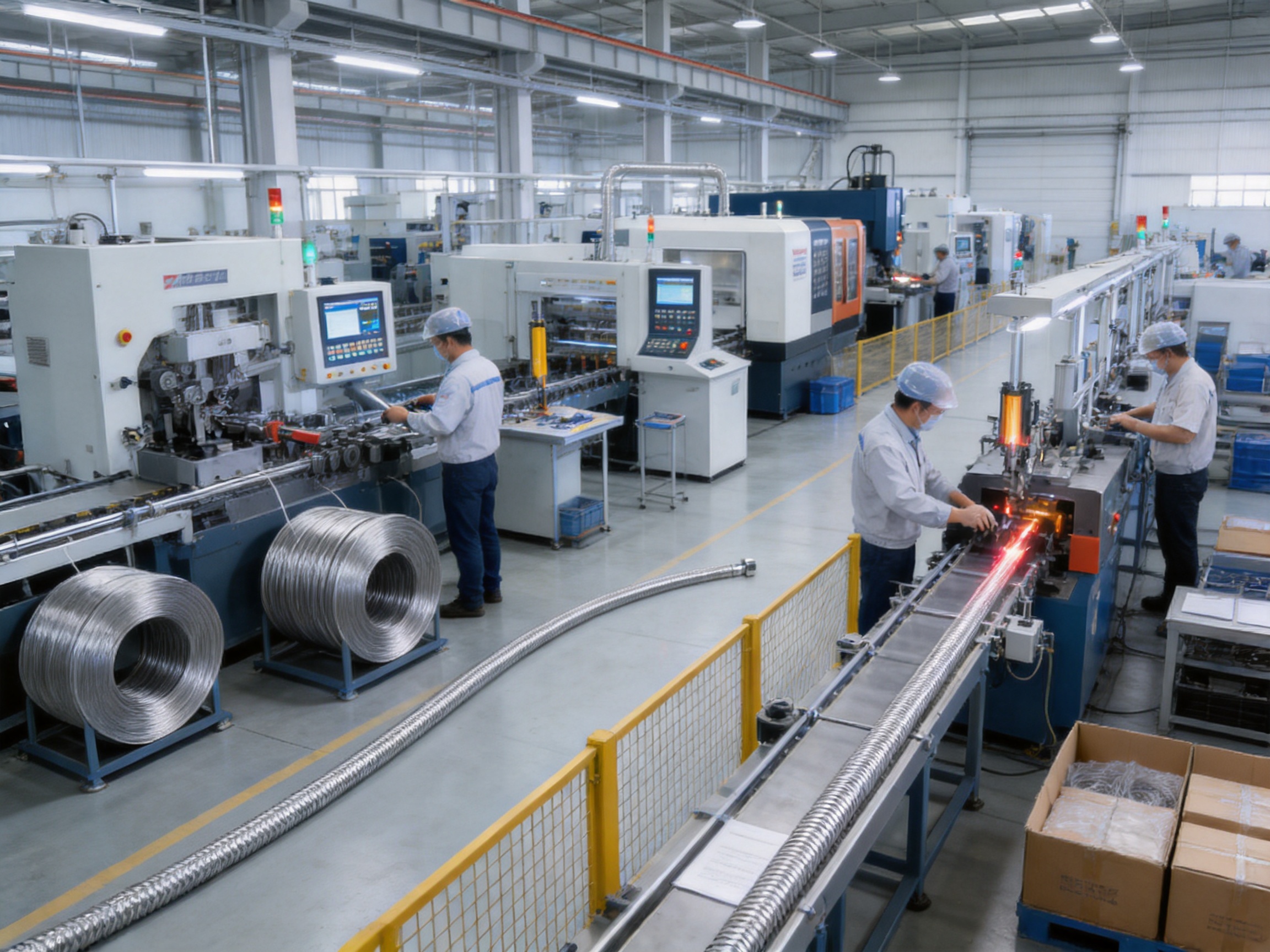
The performance of a flexible plumbing outer braid begins with the manufacturing process used to produce the wire. A reliable process must control raw materials, forming operations, heat treatment where applicable, surface condition, dimensional accuracy, and final inspection. These controls are especially important because small variations in wire can be multiplied across thousands of strands in a braided hose.
Raw Material Selection
Production begins with the selection of stainless steel raw material suitable for the intended application. The alloy grade should be chosen according to required tensile performance, corrosion resistance, weldability, temperature range, and regulatory considerations.
Incoming material may be checked for chemical composition, surface condition, dimensions, and documentation. Traceability allows the manufacturer to connect finished wire with its original material batch. This is valuable for quality investigations, customer documentation, and consistent production planning.
Wire Drawing and Dimensional Control
Wire drawing reduces the cross-sectional size of stainless steel material while improving dimensional precision and producing the desired mechanical properties. The process must be carefully controlled to prevent surface damage, excessive work hardening, cracking, or variations in diameter.
Diameter consistency is critical for braiding. If one wire is thicker or thinner than others, the braid may have uneven density and irregular load distribution. Precision drawing, suitable tooling, controlled lubrication, and intermediate inspection help maintain a stable wire profile.
Dimensional inspection may include measurements of wire diameter, ovality, straightness, surface condition, and length. These checks help ensure that the material performs consistently on automatic braiding equipment and in subsequent assembly operations.
Surface Treatment and Cleaning
The wire surface must be clean and suitable for processing. Residues from drawing, handling, or storage can affect braiding, welding, appearance, and corrosion resistance. Appropriate cleaning and surface treatment help remove unwanted contaminants and create a stable surface for later operations.
Surface quality is especially important for products used in plumbing, water, healthcare, and hygiene-sensitive environments. The manufacturer should control oils, particles, discoloration, sharp defects, and other contaminants. Packaging should also protect the wire from moisture and mechanical damage during storage and transportation.
Braiding and Forming
Once the wire meets the required specifications, it can be supplied to hose manufacturers or used in an integrated production process. Braiding machines arrange individual wires into an interwoven outer structure. The machine settings determine braid angle, coverage, density, tension, and overall diameter.
Balanced tension is essential. Excessive tension can make the braid too rigid, reduce flexibility, or overstress the wires. Insufficient tension can create loose sections, poor coverage, and inadequate reinforcement. Automated equipment helps maintain repeatability, while skilled technicians monitor the process and make adjustments when required.
After braiding, the assembly may undergo forming, cutting, end preparation, fitting attachment, welding, crimping, or other operations. Each step must preserve the integrity of the wire and avoid sharp edges that could damage the inner tube or create an installation hazard.
Laser Welding and Precision Equipment
Haoyin (Ningbo) Bellows Technology Co., Ltd. identifies laser welding machines and CNC forming machines among its advanced manufacturing equipment. Laser welding can provide concentrated, accurately controlled heat input and narrow weld zones when properly applied. This is useful for stainless steel components requiring clean, precise, and repeatable joints.
CNC forming equipment supports accurate shaping and repeatable production of metal components. Computer-controlled forming can help reduce variation between batches and maintain consistent geometry for bellows, flexible connectors, and related assemblies. The combination of automated machinery and process expertise can improve both productivity and dimensional reliability.
The company also identifies COSMO equipment, eddy current flaw detectors, and automatic packaging systems as part of its manufacturing resources. Eddy current inspection can help detect certain surface and near-surface discontinuities in conductive metal products. Automatic packaging can reduce handling variation and protect finished products against contamination or damage before shipment.
Inspection and Performance Testing
Quality control should continue after the wire and braid have been manufactured. Depending on the product design, testing may include tensile testing, dimensional inspection, pressure testing, leak testing, bend testing, fatigue evaluation, corrosion assessment, weld inspection, and visual examination.
Testing requirements should be aligned with the intended application and applicable standards. A water connector for domestic use may require a different validation program from a compensator used in an industrial heating system. The manufacturer’s ability to adapt inspection and documentation to the customer’s technical requirements is an important purchasing advantage.
A full-process quality system is more effective than relying only on final inspection. Incoming materials, production parameters, equipment condition, operator procedures, intermediate dimensions, and final product performance should all be managed. This approach helps identify problems before they become finished-product defects.
Manufacturing Strengths and Company Capabilities
Haoyin (Ningbo) Bellows Technology Co., Ltd. specializes in the research and development, design, manufacturing, and sales of stainless steel bellows and flexible connection products. Its product scope includes gas connectors, plumbing pipes and water liners, metal hoses, and compensators. This product coverage gives the company experience across multiple types of flexible metal applications.
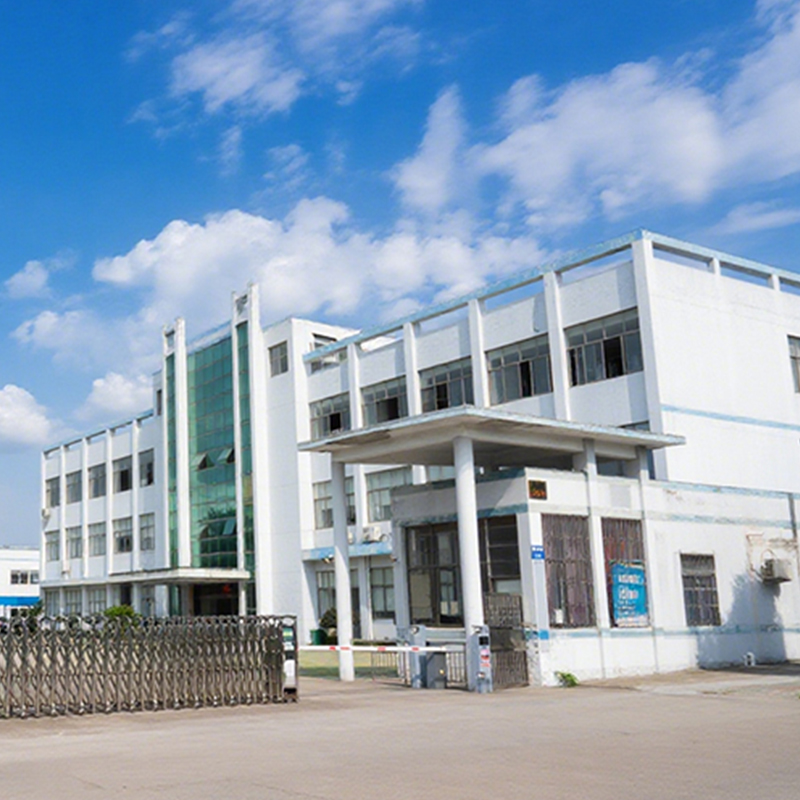
The company reports a facility covering approximately 35 mu, with 18,000 square meters of standardized workshops. A standardized production environment supports organized material flow, equipment management, cleanliness, process control, and employee safety. Adequate production space also allows specialized operations, inspection areas, storage, and packaging to be managed more effectively.
Haoyin states that it has obtained ISO9001, ISO14001, and ISO45001 management system certifications. ISO9001 relates to quality management, ISO14001 concerns environmental management, and ISO45001 addresses occupational health and safety. Together, these systems indicate a structured approach to product quality, environmental responsibility, and workplace risk management.
The company also identifies itself as a National High-tech Enterprise and Green Factory. These designations reflect an emphasis on technical development, manufacturing capability, environmental management, and industrial modernization. For customers, the practical value lies in the company’s ability to combine product development with controlled production and documented management systems.
Its stated quality philosophy, “Striving for Excellence, Forging Quality,” is supported by a full-process management approach covering raw material selection, structural design, manufacturing, performance testing, and after-sales support. This broad approach is important for flexible plumbing products because the performance of the final assembly depends on many connected stages rather than one isolated operation.
A professional research and development team can help adapt stainless steel wire and braid designs to different applications. Customers may require changes in wire diameter, braid density, hose size, connection method, pressure rating, temperature range, or external appearance. Technical support during the design stage can reduce the risk of selecting a product that is strong but unsuitable for the intended installation.
Applications of Flexible Plumbing Outer Braid Stainless Steel Wires
Domestic Water Connectors
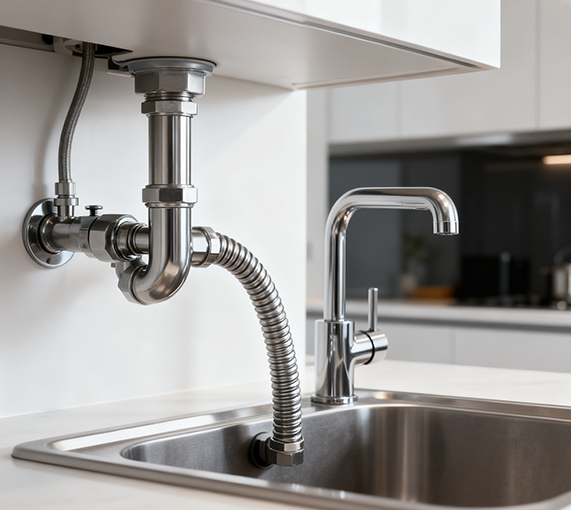
Braided stainless steel reinforcement is widely used in flexible connectors for faucets, toilets, water heaters, dishwashers, washing machines, and other household equipment. These products must fit into confined spaces, tolerate installation bending, and resist constant exposure to moisture.
The stainless steel braid helps protect the inner water liner and provides a durable external surface. It also offers a clean, professional appearance in installations where the connector remains visible. Properly selected wire and braid construction can support dependable operation over many years.
Plumbing Pipes and Water Liners
Flexible plumbing pipes and water liners use the braid to reinforce a flexible inner tube. The braid helps control expansion under water pressure and protects the liner during handling and installation. Such products can simplify connections where rigid pipe would be difficult to align.
The application may involve potable water, domestic hot water, building services, or equipment connections. The specific inner tube and fittings must be matched to the water chemistry, temperature, pressure, and regulatory requirements of the project.
Heating Systems
Heating installations often experience temperature changes, thermal expansion, vibration from pumps, and movement between connected equipment. Flexible metal connections can help absorb small alignment differences and reduce stress transferred to rigid pipework.
Stainless steel braid wire is suitable for these applications because it maintains mechanical stability across hot and cold cycles. However, the complete assembly must be evaluated for operating temperature, fluid compatibility, pressure, insulation, and connection design.
Industrial HVAC Systems
Industrial HVAC equipment can generate vibration and movement during operation. Flexible connectors with stainless steel reinforcement may be installed near pumps, compressors, fans, heat exchangers, chillers, and other equipment to reduce mechanical stress in connected pipework.
The braid must be designed for the expected pressure, movement pattern, vibration frequency, and environmental exposure. In demanding HVAC applications, engineers should consider fatigue life, support arrangement, installation geometry, and the possibility of external abrasion or chemical exposure.
Healthcare and Hygiene-Sensitive Facilities
Healthcare facilities, laboratories, commercial kitchens, and food-related installations may require materials that are easy to clean and resistant to corrosion. Stainless steel outer braid wire can support these requirements when the correct grade, finish, and complete assembly approvals are used.
Cleanability and material hygiene should be considered together with hose routing, fitting design, drainage, inspection access, and maintenance procedures. A high-quality braid cannot eliminate contamination risks caused by poor system design or improper cleaning.
Metal Hoses and Compensators
Metal hoses and compensators are used to manage movement, vibration, thermal expansion, and alignment differences in industrial piping systems. Stainless steel braid provides pressure reinforcement around corrugated metal hose and helps improve resistance to mechanical loads.
Compensators may be required to withstand repeated movement over a long service period. The braid design, corrugation geometry, material grade, assembly method, and installation conditions must be selected as an integrated system. Accurate manufacturing and performance testing are particularly important for these applications.
How to Select the Correct Stainless Steel Braid Wire
Material Grade
The stainless steel grade should be selected according to corrosion exposure, temperature, pressure, weldability, hygiene requirements, and applicable standards. Common stainless steel families differ in alloy composition and performance. The best grade for ordinary indoor water service may not be the best choice for high-chloride environments or specialized industrial fluids.
Buyers should request material certificates and confirm whether the grade is suitable for the complete application. If the product will contact potable water indirectly through the hose assembly, the relevant local approval requirements should also be reviewed.
Wire Diameter
Wire diameter affects tensile strength, flexibility, braid density, weight, and manufacturing behavior. Larger wire may provide higher individual strand strength but can reduce flexibility. Smaller wire may produce a smoother and more flexible braid but may require a greater number of strands or a different braid configuration to achieve the required reinforcement.
Wire diameter should be selected based on hose dimensions, pressure rating, minimum bend radius, expected movement, and production equipment. It should not be chosen solely by comparing nominal strength values.
Braid Density and Construction
Braid density determines how much of the inner tube is covered and how loads are distributed. A dense braid may provide stronger restraint and better protection, while a more open braid may offer greater flexibility or lower weight. The correct arrangement depends on the intended service conditions.
Single-braid and multi-braid constructions may be used for different pressure and movement requirements. Engineers should evaluate the complete construction, including wire count, braid angle, layer arrangement, end termination, and compatibility with fittings.
Pressure and Temperature Requirements
The required working pressure, test pressure, pressure pulses, vacuum conditions, and temperature range should be clearly established before selecting the braid. The outer reinforcement contributes to pressure performance, but the rating belongs to the complete hose assembly rather than to the wire alone.
Pressure cycling is often more demanding than a single static pressure test. If the hose will experience frequent starts and stops, pump pulsation, water hammer, or mechanical movement, the design should include suitable fatigue and cyclic testing.
Environmental Exposure
Consider the installation location and all substances that may contact the braid. These may include fresh water, salt water, condensation, detergents, disinfectants, industrial chemicals, oils, acidic vapors, alkaline cleaners, and airborne salts.
External exposure can be more severe than the fluid inside the hose. A connector installed near the coast, in a commercial kitchen, or in a chemical processing area may need a higher level of corrosion resistance than one installed in a dry indoor room.
Compliance and Documentation
Ask for relevant technical documentation, including material certificates, dimensional specifications, pressure ratings, test reports, quality certificates, and packaging information. For regulated applications, confirm whether the complete finished hose has the required approvals rather than assuming that approval of the raw wire automatically covers the assembly.
Traceability is also valuable for large projects. Batch identification can help coordinate production, installation, maintenance, and future replacement. A manufacturer with structured quality management should be able to explain how materials and finished products are identified and controlled.
Installation and Maintenance Considerations
Even a high-quality stainless steel braid can fail prematurely if the finished hose is installed incorrectly. The connector should be routed without twisting, excessive bending, sharp kinks, crushing, or contact with abrasive edges. The minimum bend radius specified for the complete assembly should be respected.
Connections should be tightened according to the fitting manufacturer’s instructions. Over-tightening may damage threads, gaskets, or the hose end, while under-tightening may result in leakage. Tools should be applied to the designated fitting surfaces rather than directly to the braided body.
The hose should not be used as a support for heavy equipment or subjected to continuous tensile loading unless specifically designed for that purpose. It should also be protected from unnecessary contact with sharp objects, welding sparks, extreme heat sources, and incompatible chemicals.
Periodic inspection can identify corrosion staining, broken wires, braid distortion, kinks, fitting movement, leakage, or unusual swelling. Any connector showing significant mechanical damage or leakage should be replaced according to the maintenance policy for the system.
Where dissimilar metals are connected in a wet environment, engineers should consider galvanic corrosion. Suitable fittings, isolation methods, water chemistry controls, and installation practices may be necessary to preserve long-term performance.
Why Process Control Matters to Product Reliability
The advantages of stainless steel wire are fully realized only when the material is processed correctly. A corrosion-resistant alloy with poor surface quality may not perform as expected. High-strength wire with inconsistent diameter may create an uneven braid. A well-designed braid made with unstable tension may have weak areas. Product reliability therefore depends on the interaction between material selection, equipment, process parameters, inspection, and technical design.
Manufacturers with advanced equipment and full-process quality management are better positioned to control these variables. Laser welding, CNC forming, eddy current inspection, automated packaging, and standardized workshops can all contribute to repeatability when integrated into a disciplined production system.
Haoyin’s focus on stainless steel bellows and flexible connection solutions provides relevant experience for products that must combine movement capability with mechanical reliability. Its range across gas connectors, plumbing pipes, water liners, metal hoses, and compensators also supports application-specific product development.
For purchasers, the key question is not simply whether a wire is made from stainless steel. The more important questions include whether the wire grade is appropriate, whether dimensions are controlled, whether surface quality is consistent, whether the braid design matches the pressure and movement requirements, and whether the manufacturer can provide reliable documentation and support.
Quality, Sustainability, and Long-Term Value
Long-term value includes more than the initial purchase price. A flexible plumbing component that resists corrosion, maintains its shape, and remains reliable under repeated use may reduce emergency repairs, water damage, downtime, and replacement labor. These benefits are especially important in commercial buildings, industrial plants, hospitals, hotels, and other facilities where a small plumbing failure can cause significant disruption.
Stainless steel also supports sustainability through durability and recyclability. A longer service life means fewer replacement materials and less waste. At the end of service, stainless steel can enter established recycling systems rather than being treated as a disposable material.
Environmental management during production is another consideration. The company’s stated ISO14001 certification and Green Factory status indicate an organizational focus on environmental management. Buyers seeking sustainable supply chains may also request information about energy use, waste reduction, packaging, material recovery, and manufacturing emissions.
Occupational safety is relevant as well. Stainless steel wire production and metal forming involve machinery, sharp edges, drawing operations, welding, and material handling. A structured ISO45001 occupational health and safety system can support safer production practices and more consistent operational control.
Q&A: Flexible Plumbing Outer Braid Stainless Steel Wires
What is the main function of the stainless steel outer braid?
The main function is to reinforce and protect the flexible inner tube or liner. The braid helps resist pressure-related expansion, supports the assembly during bending and movement, and protects the inner tube from external abrasion and mechanical damage.
Are these wires used directly to carry water?
Normally, no. The outer braid is generally a reinforcement layer rather than the primary flow path. The inner liner or tube carries the water or other medium, while the stainless steel braid provides mechanical support and external protection.
Why is stainless steel preferred for plumbing braid reinforcement?
Stainless steel combines high tensile strength, hardness, corrosion resistance, temperature stability, flexibility, weldability, and recyclability. These properties make it more suitable for wet and demanding environments than many ordinary steel, coated metal, plastic, or fiber alternatives.
Can the wire be used for hot-water systems?
It can be suitable for hot-water and heating applications when the stainless steel grade, braid construction, inner liner, seals, and fittings are all rated for the required temperature. The temperature rating must be confirmed for the complete hose assembly.
Is the product suitable for potable water?
Stainless steel is widely used in potable-water applications, and the supplied specifications identify the product as hygienic and non-toxic. However, potable-water compliance depends on the exact material grade, surface condition, complete hose construction, and regulations in the destination market. Required approvals should be confirmed before use.
How does stainless steel compare with galvanized wire?
Stainless steel generally provides more durable corrosion resistance because its protection is inherent in the alloy rather than dependent only on a coating. Galvanized wire can be effective in suitable conditions, but coating damage caused by bending, abrasion, or processing may expose the underlying steel.
Does a stronger wire always make a better braid?
No. The best braid requires a balance between strength, flexibility, diameter, density, bend radius, and fatigue performance. A wire that is unnecessarily large or rigid may reduce flexibility and increase installation difficulty. The correct design should match the service requirements.
What production equipment supports product quality?
The manufacturer identifies laser welding machines, CNC forming machines, COSMO equipment, eddy current flaw detectors, and automatic packaging systems. These resources support precision forming, controlled joining, defect detection, and consistent protection of finished products.
What certifications does the manufacturer report?
Haoyin (Ningbo) Bellows Technology Co., Ltd. reports ISO9001, ISO14001, and ISO45001 management system certifications. The company also identifies itself as a National High-tech Enterprise and Green Factory. Buyers should request current certification documents and confirm their scope when required.
What information should be provided when requesting a quotation?
Useful information includes application, hose or liner size, required wire diameter, braid construction, operating pressure, test pressure, temperature range, fluid type, external environment, fitting design, quantity, standards, packaging requirements, and delivery destination. Detailed information allows the manufacturer to recommend a more suitable configuration.
How can the service life of a braided connector be extended?
Install it without twisting, kinking, excessive tension, or sharp bending. Avoid abrasion, incompatible chemicals, excessive heat, and use as a structural support. Inspect the assembly periodically for broken wires, leakage, corrosion, distortion, or fitting damage, and replace it when its condition no longer meets service requirements.
Conclusion
Flexible Plumbing Outer Braid Stainless Steel Wires provide the mechanical reinforcement and environmental protection required by modern flexible plumbing and metal hose systems. Their combination of tensile strength, wear resistance, corrosion resistance, temperature stability, hygiene, processability, and recyclability makes them a strong alternative to ordinary steel wire, vulnerable coatings, and less durable reinforcement materials.
The most reliable results come from treating the wire as part of a complete engineered assembly. Material grade, wire diameter, braid density, inner liner, fittings, pressure rating, temperature range, installation method, and maintenance plan must work together. Consistent raw materials, precision drawing, controlled braiding, accurate forming, suitable welding, flaw detection, and final performance testing are all important to long-term service.
Haoyin (Ningbo) Bellows Technology Co., Ltd. combines stainless steel bellows expertise with manufacturing capabilities for gas connectors, plumbing pipes, water liners, metal hoses, and compensators. Its standardized workshops, reported ISO management systems, research and development resources, and advanced equipment support the production of flexible connection solutions for domestic, commercial, healthcare, heating, HVAC, and industrial applications.
For buyers seeking safe, efficient, and durable flexible connection components, high-quality stainless steel outer braid wire offers a practical foundation. When supported by appropriate engineering, controlled manufacturing, traceable quality, and correct installation, it can help improve system reliability and reduce the risks associated with corrosion, pressure, vibration, movement, and premature hose failure.
References
1. Stainless Steel Wire and Wire Products: General Principles of Material Selection, Forming, Surface Quality, and Mechanical Performance.
2. Quality Management Systems: Principles for Process Control, Traceability, Inspection, Corrective Action, and Continuous Improvement.
3. Environmental Management Systems: Guidance on Resource Efficiency, Waste Reduction, Material Recovery, and Sustainable Manufacturing.
4. Occupational Health and Safety Management Systems: Practices for Safe Metal Processing, Welding, Forming, Inspection, and Material Handling.
5. Flexible Hose and Metal Hose Engineering: Considerations for Pressure Reinforcement, Bending, Fatigue, Vibration, Thermal Expansion, and Installation.
6. Stainless Steel in Plumbing and Water-Service Applications: Corrosion Resistance, Hygiene, Compatibility, Surface Condition, and Lifecycle Performance.
7. Manufacturer-provided technical information for Flexible Plumbing Outer Braid Stainless Steel Wires and stainless steel flexible connection products.