




 English
  Español
  русский


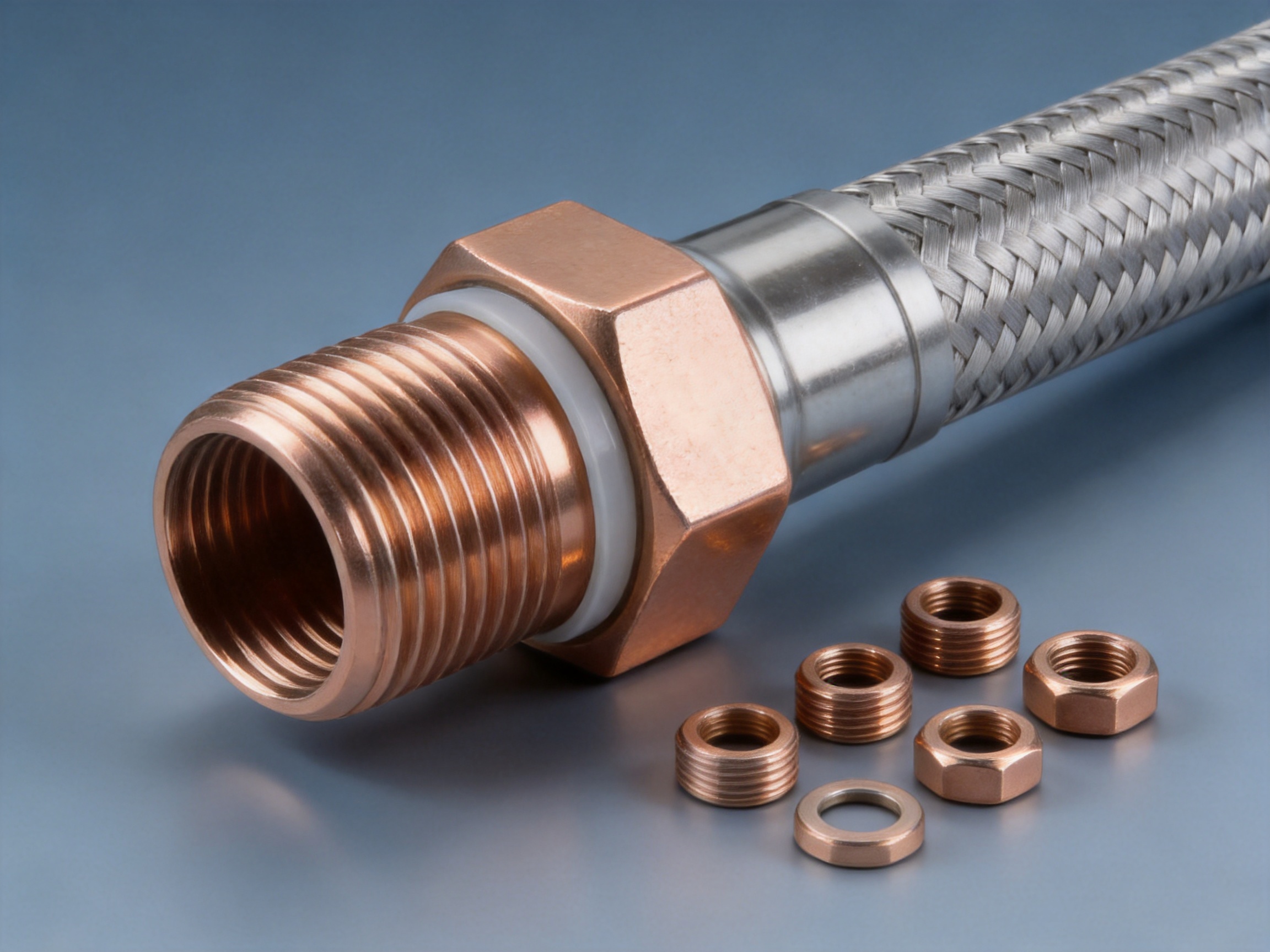
A flexible plumbing connector is only as reliable as the connection system that joins it to the surrounding pipework. Within that system, the nut is a small component with a major responsibility. It must transfer tightening force, maintain alignment, support sealing performance, resist corrosion, and remain stable through repeated temperature and pressure changes. A copper nut designed for flexible plumbing connectors offers a combination of conductivity, corrosion resistance, hygiene, non-magnetic behavior, and dependable mechanical service that makes it suitable for residential, commercial, industrial, heating, and water-related applications.
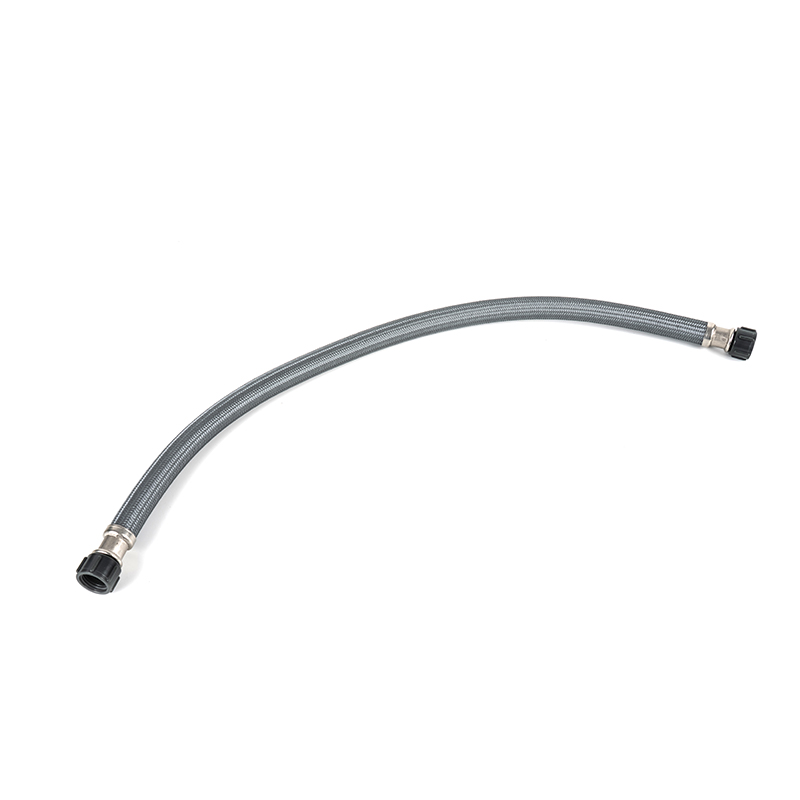
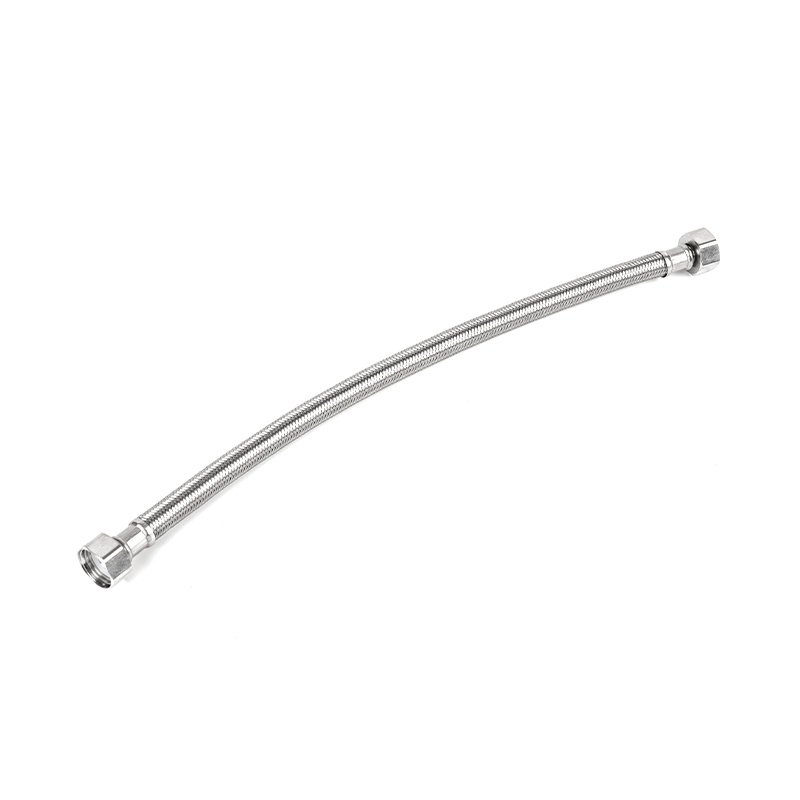
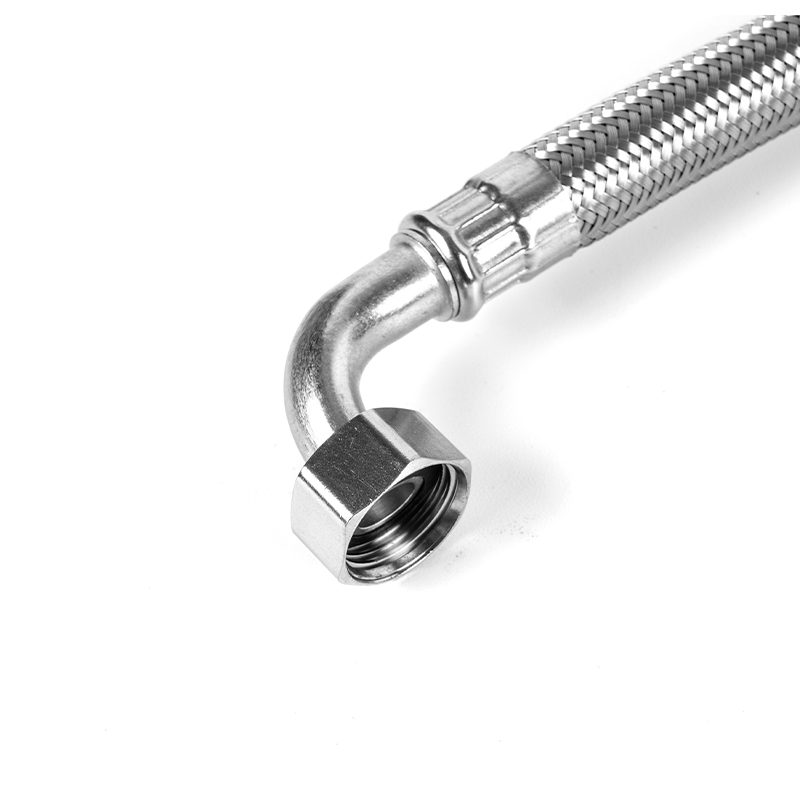
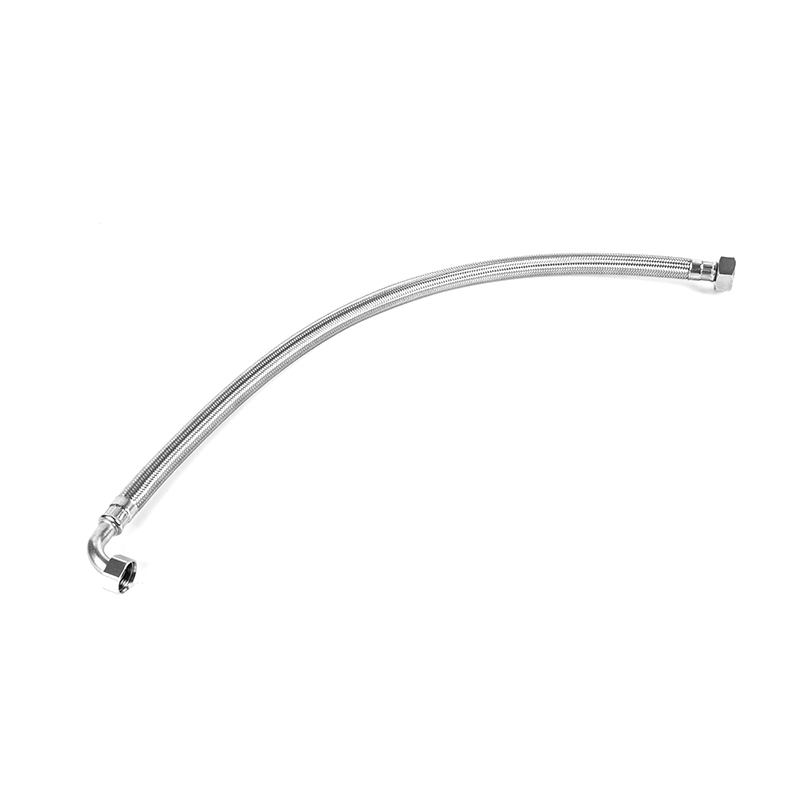
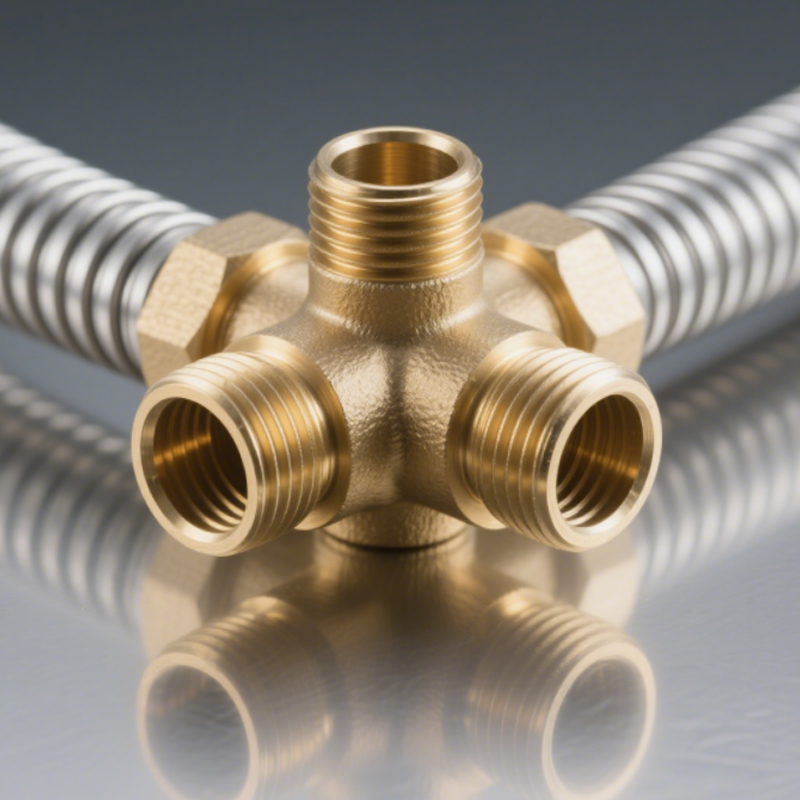
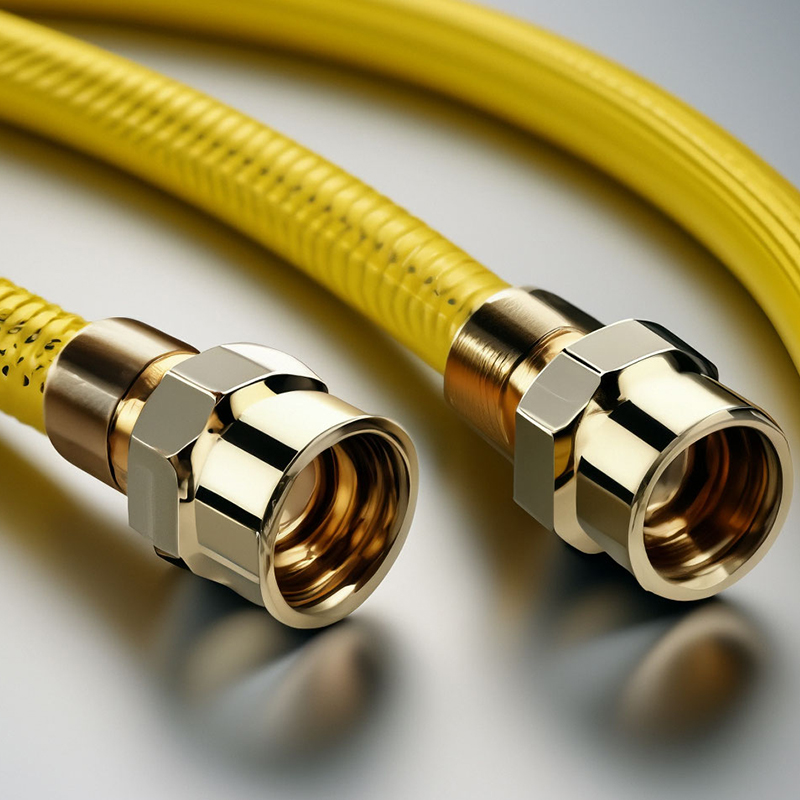
The Flexible Plumbing Connector Copper Nut is developed for use with flexible plumbing assemblies, water liners, metal hoses, and related connection systems. Its copper construction allows it to work effectively in environments where contact with moisture, temperature variation, and long-term service are unavoidable. When properly matched with the connector body, gasket, insert, and pipe thread, the nut helps create a stable and serviceable connection.
This article examines the product’s material advantages, functional design, application value, manufacturing process, quality control system, and comparison with competing nut materials. It also explains how an experienced bellows and flexible-connection manufacturer can improve product consistency through advanced equipment, process control, inspection, and technical support.
1. Product Overview
The Flexible Plumbing Connector Copper Nut is a threaded fastening component used to secure flexible connector assemblies to plumbing fixtures, valves, adapters, manifolds, water heaters, heating equipment, and other piping components. In a typical assembly, the nut works together with a flexible tube or liner, a fitting, a sealing washer or gasket, and one or more threaded connection parts.
The nut applies controlled axial force when tightened. This force brings the mating components together and helps compress the sealing element. The result is a mechanical connection that can withstand normal operating pressure while accommodating limited movement, vibration, and installation adjustment. The exact performance depends on the complete assembly, including thread accuracy, sealing design, tube construction, gasket material, installation torque, and operating conditions.
Copper is selected for this type of nut because it provides a balanced combination of functional properties. It is electrically and thermally conductive, naturally resistant to many atmospheric conditions, non-magnetic, and capable of providing a durable threaded connection when correctly designed and manufactured. Copper also has natural antibacterial characteristics associated with copper ions, which can be advantageous in applications where cleanliness and hygiene are important considerations.
The product is particularly relevant to flexible plumbing systems because these systems are often installed in confined spaces. A connector may need to be bent gently, positioned around obstacles, or adjusted during installation. The nut must therefore provide dependable engagement without creating unnecessary installation difficulty. Correct geometry and smooth thread formation are essential to ensure that the nut turns consistently and reaches the required seating position without cross-threading or excessive friction.
Core Product Characteristics
The product is designed around several fundamental requirements:
• Reliable threaded engagement with compatible fittings and connector components.
• Effective load transfer during tightening and operation.
• Compatibility with flexible plumbing connectors, water liners, metal hoses, and selected piping assemblies.
• Resistance to moisture and ordinary atmospheric exposure.
• Good dimensional consistency for repeatable assembly.
• A smooth, clean surface that supports handling and installation.
• Suitability for applications requiring non-magnetic metal components.
• Potential use in hygiene-sensitive environments when the complete system is appropriately specified and maintained.
• Compatibility with customized sizes, thread standards, surface requirements, and assembly configurations subject to technical confirmation.
Because a nut cannot be evaluated independently from the connection assembly, users should confirm thread type, nominal size, pressure range, temperature range, fluid compatibility, gasket material, and installation requirements before placing an order.
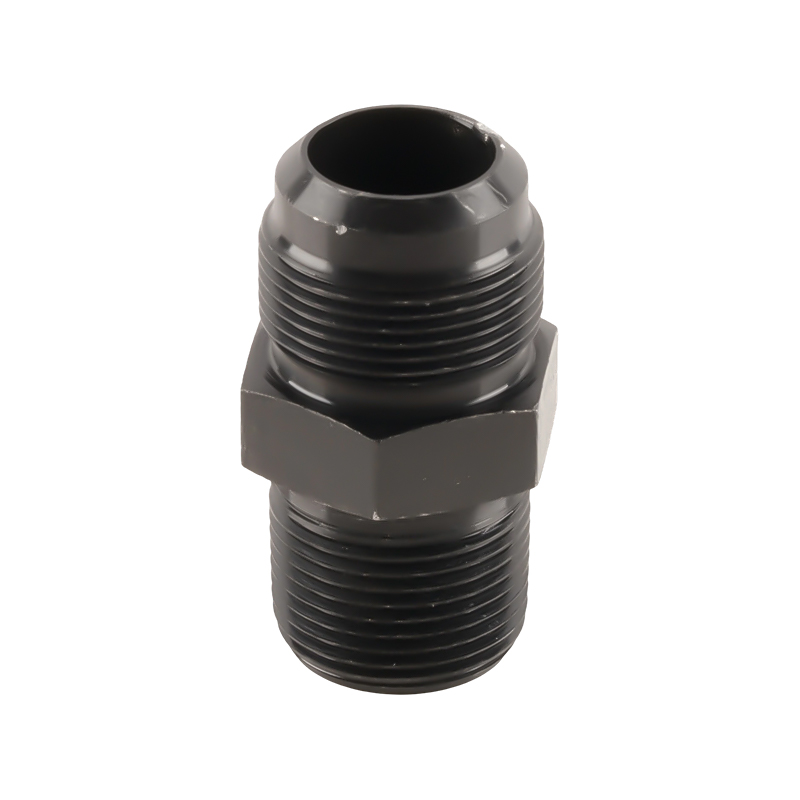
Flexible Plumbing Connector Copper Nut
2. Why the Copper Nut Matters in a Flexible Connection
Flexible connectors are commonly used where rigid pipe cannot easily accommodate movement or where installation convenience is important. They may connect water fixtures, sanitary equipment, heating units, pumps, boilers, tanks, valves, and other equipment. Although the flexible tube absorbs or accommodates a degree of movement, the end connection remains a concentrated load area. The nut is one of the parts that controls how this load is distributed.
A poorly manufactured nut can cause several problems. Inaccurate threads may lead to difficult installation or cross-threading. A rough internal surface may damage a mating thread. Incorrect dimensions may prevent complete gasket compression. Excessive clearance may create instability, while insufficient clearance may cause binding. Weak material or poor forming may result in deformation when the installer applies tightening force.
A well-designed copper nut helps avoid these issues by maintaining a controlled relationship between the internal thread, external profile, seating surface, and connector assembly. The design must consider how the nut is gripped with a wrench, how force is transmitted through the fitting, and how the sealing element is compressed. It must also account for the practical conditions of installation, including limited access, repeated servicing, and potential exposure to water or humid air.
The nut should not be regarded as merely a standard fastener. In plumbing applications, it is part of a pressure-retaining and sealing system. Its performance depends on precision, material selection, and compatibility. This is why a manufacturer with experience in flexible connectors and stainless steel bellows can provide added value: it understands the relationship between the nut and the entire flexible assembly rather than treating the nut as an isolated commodity component.
Connection Stability
Connection stability is influenced by the nut’s thread profile, pitch accuracy, concentricity, contact surface, and material condition. When the nut is tightened, the applied torque must be converted into useful clamping force. If the thread is inconsistent, a large portion of the torque may be lost to friction or may be concentrated at a small contact area. This can reduce sealing reliability and increase the possibility of damage.
Consistent manufacturing helps produce predictable assembly behavior. Nuts from the same production batch should have similar dimensions and similar tightening characteristics. This is especially valuable for distributors, installers, equipment manufacturers, and projects that require large quantities of interchangeable parts.
Sealing Support
In many flexible plumbing assemblies, a gasket, washer, cone, or formed sealing surface provides the primary fluid seal. The copper nut supports this sealing function by holding the mating parts together. A nut with a properly controlled seating surface can distribute force more evenly and reduce the risk of uneven gasket compression.
The seal itself must be selected according to the application. Water, heated water, gas, chemicals, and other fluids may require different gasket compounds and connection designs. The copper nut is therefore one element within a system that must be validated as a whole. Correct tightening is equally important. Over-tightening may deform a gasket, damage threads, or distort a fitting, while under-tightening may permit leakage.
3. Material Advantages of Copper
Copper remains a widely used engineering material for connection components because it provides an effective combination of physical, chemical, and processing properties. Its advantages are particularly relevant to plumbing and flexible connector applications, where moisture, temperature variation, and reliable assembly are common requirements.
Excellent Electrical and Thermal Conductivity
Copper has excellent electrical and thermal conductivity. While electrical conductivity is not the primary requirement for a plumbing nut, it can be valuable in equipment where electrical bonding, grounding continuity, or electromagnetic behavior must be considered. The conductive nature of copper may also help reduce the accumulation of static electrical potential in certain assemblies, subject to the design of the complete system.
Thermal conductivity is useful in heating equipment and hot-water installations. Copper can transfer heat efficiently through the connection area, helping reduce localized thermal differences. In applications involving heating units, heat exchangers, boilers, radiant systems, and hot-water equipment, thermal behavior may influence component expansion and the long-term stability of the connection.
The high thermal conductivity of copper does not eliminate the need to consider thermal expansion. All connected materials expand and contract according to their own coefficients and operating temperatures. Engineers should evaluate the complete assembly and ensure that flexible movement, gasket selection, and connection design are suitable for the expected service conditions.
Corrosion Resistance
Copper provides good resistance to atmospheric corrosion and can perform effectively in many humid environments. This is important because plumbing connectors are frequently installed under sinks, behind equipment, in utility rooms, near heating systems, or in locations where condensation may occur.
Copper is also associated with good resistance in many water-related and marine environments. However, corrosion performance depends on water chemistry, temperature, flow velocity, dissolved oxygen, galvanic contact, and the presence of chemicals. Certain water compositions may be aggressive to copper or may promote galvanic corrosion when copper is directly connected to dissimilar metals. Appropriate material pairing, isolation methods, and system design should therefore be considered.
Compared with ordinary carbon steel, copper generally offers stronger resistance to rusting in damp service. Unlike unprotected steel, it does not develop the same type of red iron oxide corrosion. Compared with some plated materials, copper also avoids reliance on a thin surface coating for basic corrosion protection, although surface treatments may still be used when required by a specific application.
Antibacterial Properties
Copper ions have natural bactericidal and bacteriostatic effects under suitable conditions. This property has made copper and copper alloys attractive for selected applications involving hygiene and frequent human contact. In plumbing environments, copper components may provide an additional material advantage where cleanliness is a significant consideration.
It is important to define this benefit accurately. The antibacterial characteristics of copper do not replace water treatment, cleaning, disinfection, filtration, or compliance with applicable potable-water requirements. The hygienic performance of a connector depends on the entire fluid-contact system, including the flexible tube, gasket, fitting, internal surfaces, water quality, and maintenance conditions.
Non-Magnetic Performance
Copper is non-magnetic and will not normally become magnetized in the way ferromagnetic materials can. This may be important in precision instruments, electronic equipment, laboratory systems, medical-related equipment, and installations where magnetic interference must be minimized.
Although a plumbing connector is not always part of an electromagnetic control system, the use of non-magnetic components can simplify material selection in specialized environments. It may also help avoid unintended interaction with sensors, magnetic devices, or sensitive instruments.
Wear and Handling Characteristics
Copper is relatively soft compared with many steels. This characteristic can be advantageous because it allows the material to conform more readily to mating surfaces and can reduce the likelihood of damaging a compatible fitting when correct installation methods are followed. It can also make the nut easier to machine, form, and customize.
At the same time, copper’s softness means that correct tightening practices are essential. Excessive torque, damaged tools, cross-threading, or repeated installation and removal can deform the nut or its threads. The product should therefore be used with compatible fittings and installed according to the recommended procedure.
4. Comparison with Alternative Nut Materials
Purchasers often compare copper nuts with brass, stainless steel, carbon steel, plated steel, and engineering plastics. The right material depends on the application, but copper has several competitive advantages when conductivity, non-magnetic behavior, thermal response, and atmospheric corrosion resistance are important.
| Material | Potential Advantages | Important Considerations | Typical Selection Logic |
|---|---|---|---|
| Copper | Excellent thermal and electrical conductivity, non-magnetic behavior, good atmospheric corrosion resistance, natural hygienic characteristics | Relatively soft; water chemistry and galvanic compatibility must be evaluated | Suitable when conductivity, hygiene, thermal transfer, and corrosion resistance are valued |
| Brass | Good machinability, practical strength, broad availability, commonly used in plumbing fittings | Alloy composition matters; dezincification and regulatory requirements may need consideration | Suitable for many general plumbing applications when the specific alloy is approved |
| Stainless Steel | High strength, strong appearance retention, good resistance in many aggressive environments | May be more expensive; thread galling and magnetic behavior vary by grade | Suitable for demanding mechanical or corrosive conditions where strength is prioritized |
| Carbon Steel | High strength and economical raw material cost | Requires coating or protection in wet environments; vulnerable to rust if protection fails | Suitable where moisture exposure is controlled or a protective system is specified |
| Plated Steel | Can combine steel strength with a lower-cost protective surface | Corrosion protection depends on coating integrity; scratches and wear may expose steel | Suitable for selected cost-sensitive applications with controlled exposure |
| Engineering Plastic | Lightweight, electrically insulating, resistant to some chemicals | Lower temperature capability and different long-term mechanical behavior | Suitable when low weight, insulation, or chemical compatibility is more important than metal strength |
The most important comparison is not simply the material price per nut. A low-cost part may create higher total costs if it causes installation delays, leakage, corrosion-related replacement, inconsistent assembly, or warranty claims. A copper nut can provide value through reliable service, easy identification, thermal performance, and compatibility with specific plumbing designs.
Compared with stainless steel, copper may be preferable where non-magnetic behavior and conductivity are priorities. Stainless steel may be preferable where higher mechanical strength or severe chemical resistance is required. Compared with carbon steel, copper generally offers better resistance to ordinary humid conditions without depending on a coating. Compared with plastic, copper offers a metallic connection with better heat resistance and dimensional stability in many applications.
Material selection should always consider the fluid, temperature, pressure, environment, installation method, and applicable standards. The manufacturer can assist customers in confirming whether the selected copper nut is suitable for a particular assembly.
5. Applications
Residential Plumbing
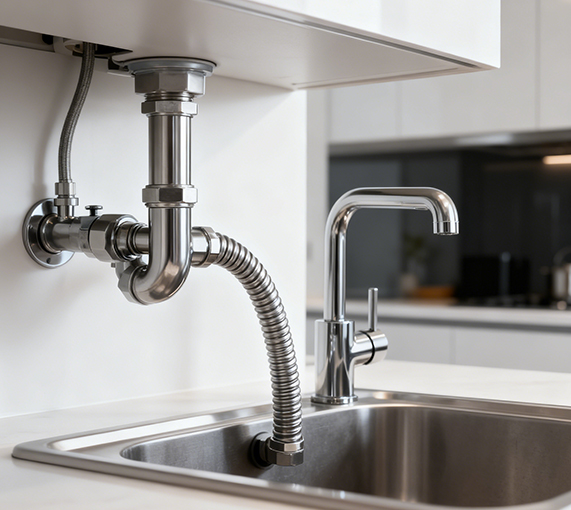
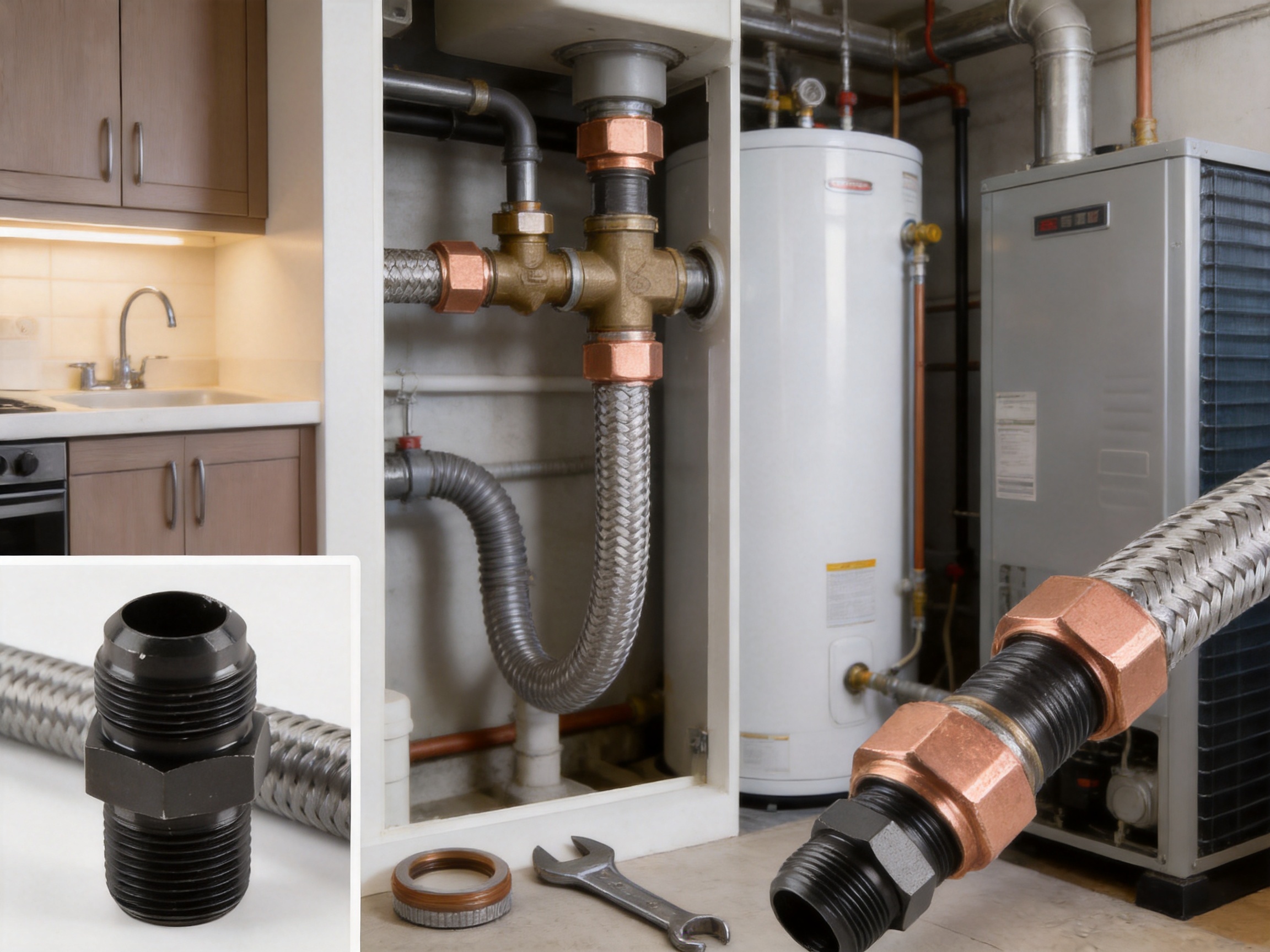
Flexible plumbing connectors are widely used beneath sinks, at toilets, near water heaters, and around household appliances. The connector allows easier installation than a rigid pipe arrangement and can accommodate minor alignment differences between the supply pipe and fixture.
A copper nut can support these installations by providing a durable threaded connection with a clean metallic appearance. Its corrosion resistance is useful in cabinets, bathrooms, kitchens, laundry rooms, and utility areas where intermittent moisture may be present. Installers should ensure that the nut size and thread standard match the valve, fitting, and flexible connector.
Commercial Buildings
Commercial plumbing systems often include many repeated connections. Hotels, offices, schools, hospitals, retail buildings, and public facilities require consistent components that can be installed efficiently and maintained over time. Dimensional uniformity is particularly important when contractors work with large quantities of connectors.
The copper nut can be applied to selected water supply, heating, sanitary, and equipment connection systems. In commercial projects, purchasers may also require traceability, inspection documentation, production consistency, packaging control, and technical support. These needs favor manufacturers with an established quality management structure.
Heating and Hot-Water Equipment
Heating systems involve repeated thermal cycles. Components may experience expansion during operation and contraction after shutdown. Flexible connectors are often used to join equipment that may vibrate or move slightly relative to fixed pipework. Copper’s thermal conductivity and corrosion resistance can be advantageous in these environments, provided that temperature limits and fluid compatibility are properly evaluated.
Applications may include water heaters, boilers, heating manifolds, pumps, radiators, heat-exchange equipment, and building heating systems. The complete connector must be selected for the operating temperature, pressure, fluid, and movement conditions.
Industrial HVAC
Industrial heating, ventilation, and air-conditioning systems may require flexible connections to reduce vibration transmission, accommodate equipment movement, or simplify assembly. Metal hoses and compensators are often used in these systems, while copper nuts may appear in associated plumbing or equipment interfaces.
The manufacturer’s broader experience with bellows, metal hoses, and compensators is valuable in such projects because the connection component must be considered alongside vibration, thermal expansion, pressure pulsation, and installation constraints.
Healthcare and Hygiene-Sensitive Areas
Healthcare facilities and hygiene-sensitive environments require careful control of materials, cleanliness, water quality, and maintenance procedures. Copper’s natural antibacterial properties may be viewed as an advantage in selected designs, although the entire system must satisfy the relevant technical and regulatory requirements.
In these applications, attention should be given to internal cleanliness, packaging, handling, gasket compatibility, surface condition, and prevention of contamination during installation. A component with suitable material characteristics cannot compensate for poor system hygiene or improper installation.
Marine and Humid Environments
Good resistance to atmospheric and seawater-related corrosion makes copper attractive for selected marine or coastal applications. However, marine environments can be highly aggressive, and direct contact between dissimilar metals may create galvanic corrosion. The use of insulating washers, compatible fittings, protective design measures, and regular inspection may be necessary.
Before use in marine service, the project engineer should confirm the exact water exposure, salinity, temperature, mechanical load, and required service life. A manufacturer can provide material and configuration recommendations based on the actual operating conditions.
6. Manufacturing Process
The quality of a copper nut is established through the entire production process rather than by final inspection alone. Material selection, drawing review, forming or machining, thread production, cleaning, inspection, assembly, packaging, and traceability all contribute to final performance.
Raw Material Selection
Production begins with the selection of copper material that matches the required application and manufacturing method. Chemical composition, physical condition, dimensional accuracy, surface quality, and supplier documentation should be reviewed before the material enters production.
Raw material control is important because inconsistent material may influence machinability, forming behavior, strength, surface finish, and long-term corrosion performance. A structured incoming inspection process helps ensure that only approved material is used.
Engineering and Design Review
Before manufacturing, technical personnel review drawings, samples, specifications, thread requirements, tolerance limits, and assembly relationships. The nut must be designed to work with the corresponding connector body and mating fitting.
Design review may include evaluation of:
• Internal thread type, pitch, diameter, and engagement length.
• External wrenching geometry and access requirements.
• Nut wall thickness and resistance to deformation.
• Contact surface and gasket compression behavior.
• Compatibility with the flexible tube, liner, fitting, or insert.
• Surface finish and deburring requirements.
• Packaging, identification, and customer-specific requirements.
When the nut is part of a new connector assembly, prototype testing may be used to confirm installation behavior, sealing performance, pressure resistance, temperature response, and compatibility with the intended equipment.
Precision Forming and Machining
Copper components may be produced through a combination of forming, cutting, turning, drilling, tapping, and other controlled operations, depending on the design. The selected process should balance dimensional accuracy, production efficiency, material utilization, surface quality, and repeatability.
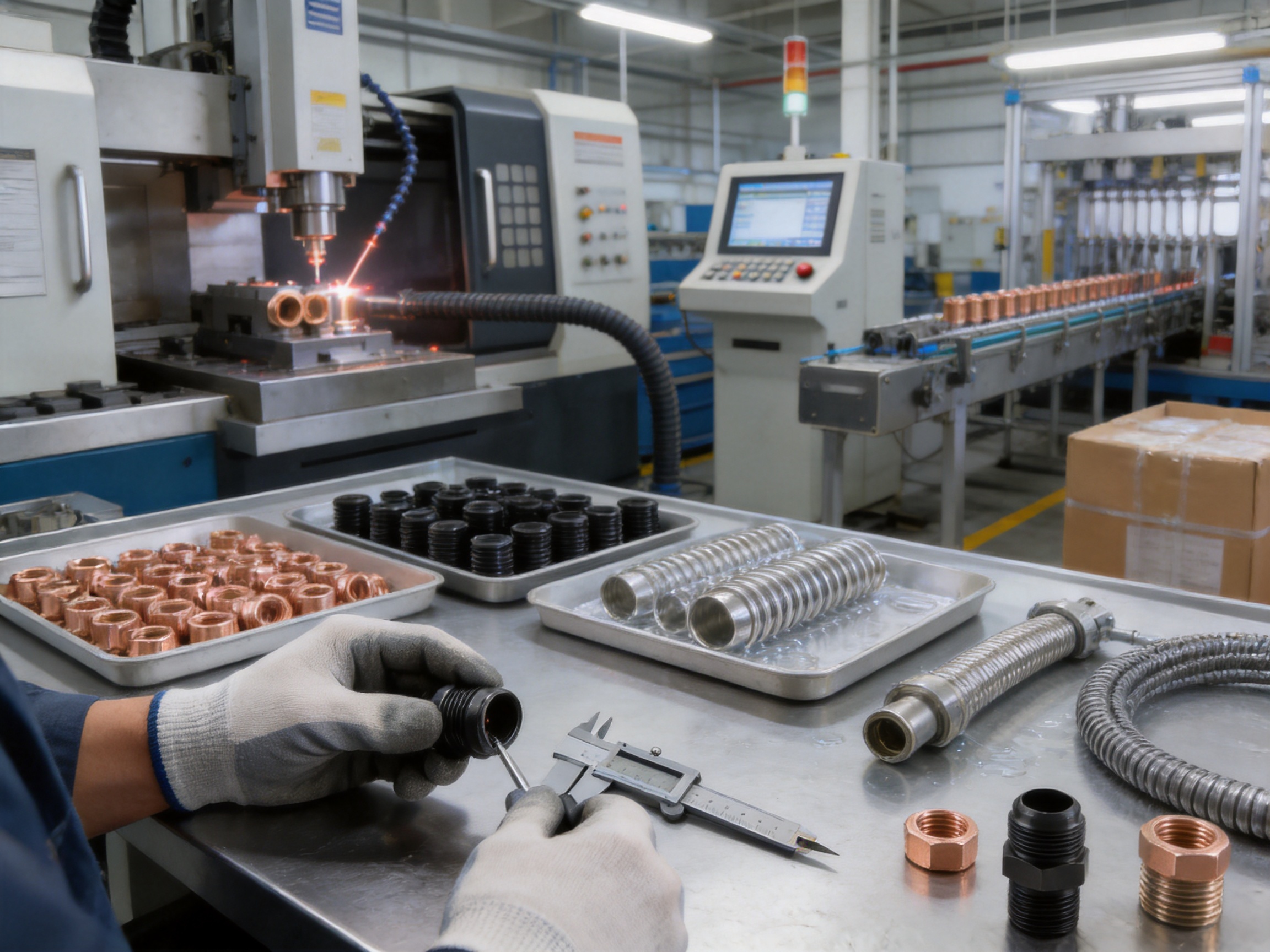
Modern CNC equipment supports accurate production of critical features. CNC machining can control internal dimensions, external profiles, shoulder geometry, and thread-related surfaces. Automated or semi-automated operations can also reduce variation caused by manual handling.
For flexible connector assemblies, the company operates advanced manufacturing equipment including CNC forming machines. This type of equipment supports controlled shaping and repeatable production of connector-related components. The use of specialized machinery helps maintain consistency across different product models and order quantities.
Thread Processing
Thread quality is one of the most important characteristics of a copper nut. The thread must be formed or machined according to the approved specification, with controlled pitch, diameter, profile, and surface condition.
Thread inspection may involve calibrated gauges, visual examination, dimensional measurement, and trial assembly with approved mating components. The nut should turn smoothly without excessive looseness or binding. Burrs, chips, damaged crests, and incomplete thread sections must be removed or rejected according to the quality standard.
Deburring and Cleaning
After machining or forming, edges and internal features may require deburring. Sharp edges can damage gaskets, injure installers, interfere with assembly, or create stress concentrations. Controlled deburring improves handling and helps protect mating components.
Cleaning is also important. Metal chips, oil residue, dust, and processing contamination should be removed before inspection and packaging. Clean components are easier to inspect and safer to introduce into plumbing or equipment assemblies.
Integration with Flexible Connector Production
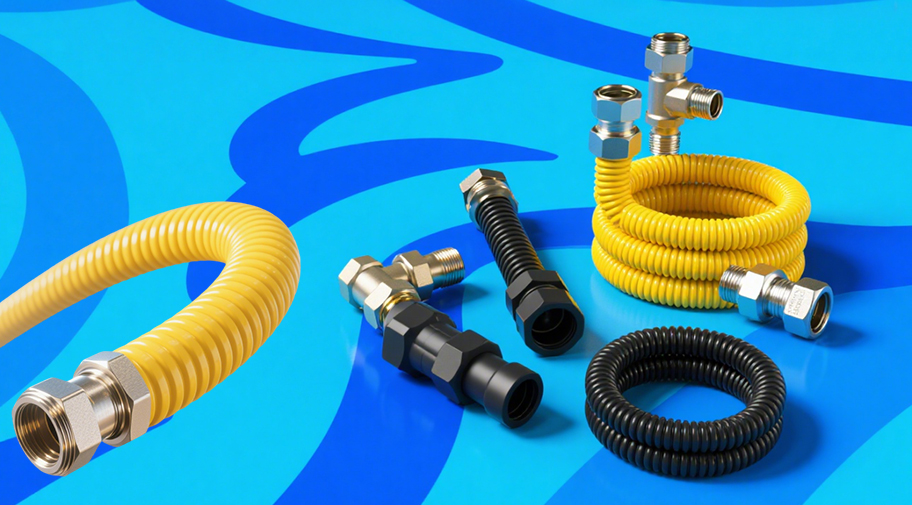
Haoyin (Ningbo) Bellows Technology Co., Ltd. specializes in the research, design, manufacturing, and sales of stainless steel bellows and flexible connection products. Its product range includes gas connectors, plumbing pipes and water liners, metal hoses, and compensators.
This product portfolio creates an important manufacturing advantage. The company can evaluate the copper nut in the context of the complete flexible connector rather than only as a standalone fastener. Tube construction, end fitting design, bellows forming, welding, sealing, pressure resistance, and packaging can be coordinated as part of one product-development system.
The company uses equipment such as laser welding machines, CNC forming machines, COSMO equipment, eddy current flaw detectors, and automatic packaging systems. These technologies support different stages of production, from forming and joining to inspection and final preparation.
Laser welding can provide controlled, concentrated heat input for suitable metal components and assemblies. CNC forming equipment supports repeatable shaping. Eddy current flaw detection can help identify certain discontinuities or changes in conductive metal components without destructive testing. Automatic packaging systems help improve consistency, protect products from contamination, and reduce manual packaging variation.
7. Quality Management and Testing
Quality management should cover the full product lifecycle. The company has obtained ISO9001, ISO14001, ISO45001, and other management system certifications. These certifications reflect structured approaches to quality, environmental management, and occupational health and safety, although product suitability must still be confirmed for each specific application.
Incoming Material Inspection
Incoming inspection may include review of material certificates, appearance, dimensions, chemical composition documentation, and physical condition. Approved materials should be identified and separated from unapproved or quarantined materials to prevent unintended use.
In-Process Inspection
In-process inspection helps detect problems before they affect an entire production batch. Operators and quality personnel may check critical dimensions, thread condition, forming accuracy, surface appearance, burr removal, and assembly fit.
Process inspection is particularly valuable for threaded copper components because small changes in tooling wear, machine settings, raw material condition, or lubrication can influence the final result. Monitoring during production allows corrective action to be taken promptly.
Final Inspection
Final inspection may include dimensional checks, thread gauge verification, visual examination, surface inspection, trial assembly, and packaging verification. When the nut is supplied as part of a complete flexible connector, additional testing may include pressure testing, leakage testing, tensile or pull-out evaluation, bending assessment, vibration testing, and thermal cycling, depending on the product specification.
Testing should be based on the intended application. A water connector, gas connector, heating connector, and industrial compensator may require different performance criteria. Customers should communicate the operating medium, pressure, temperature, connection standard, environmental exposure, and expected movement so that the correct inspection and validation program can be established.
Traceability
Traceability supports quality assurance, customer service, and corrective action. Production records may include raw material information, production date, equipment, operator or work station, inspection results, and packaging identification. Traceability is especially important for project orders, regulated applications, and products supplied to equipment manufacturers.
Nonconforming Product Control
A strong quality system must define how nonconforming components are identified, isolated, reviewed, reworked, or rejected. This prevents defective parts from being mixed with approved products. Corrective and preventive action can then be used to reduce the risk of recurrence.
8. Manufacturing Strengths and Company Capabilities
Haoyin (Ningbo) Bellows Technology Co., Ltd. operates from No. 25 Gubei Road, Simen Town, Yuyao, Ningbo City, Zhejiang Province, China. The company covers an area of approximately 35 mu and has about 18,000 square meters of standardized workshops.
Its specialization in stainless steel bellows provides technical knowledge relevant to flexible connection engineering. Bellows, metal hoses, water liners, gas connectors, and compensators must be designed with attention to flexibility, fatigue, pressure, vibration, sealing, welding, and installation. This experience supports a more complete approach to copper nut development and connector assembly.
The company describes its manufacturing philosophy as “Striving for Excellence, Forging Quality.” This philosophy is reflected in a full-process quality management system covering raw material selection, structural design, manufacturing, performance testing, and after-sales support.
As a National High-tech Enterprise and Green Factory, the company also emphasizes research and development, efficient production, environmental management, and responsible manufacturing. The combination of technical development and standardized production is valuable for customers seeking stable supply rather than one-time component purchasing.
A professional R&D team can assist with product customization, sample evaluation, connection optimization, and application analysis. Depending on project requirements, customization may involve thread standards, nut dimensions, material grades, surface treatment, connector configuration, packaging, identification, and assembly method.
Advanced equipment and organized workshops provide several competitive benefits:
• Improved production repeatability.
• Better control of critical dimensions.
• More consistent welding and forming quality.
• Improved detection of selected defects.
• Greater capacity for customized products.
• Better coordination between components and finished assemblies.
• More reliable batch-to-batch consistency.
• More efficient packaging and delivery preparation.
These strengths can be especially important to original equipment manufacturers, wholesalers, construction contractors, plumbing distributors, and engineering companies that need stable specifications over multiple orders.
9. Advantages over Low-Quality Competitors
Many connection nuts may appear similar from the outside, but differences in manufacturing quality can affect installation and service life. The competitive advantage of a professionally produced copper nut comes from controlled details that may not be obvious during a basic visual comparison.
Consistent Thread Accuracy
High-quality thread production helps ensure smooth engagement and reduces the risk of cross-threading. Consistent threads also make installation torque more predictable. Low-quality parts may have rough, incomplete, or poorly centered threads that create installation delays and reduce confidence in the connection.
Controlled Dimensional Tolerances
Dimensional consistency supports interchangeability. This is important when connectors are assembled at volume or when replacement parts must fit existing equipment. A professional manufacturer uses drawings, gauges, inspection plans, and process controls to maintain critical dimensions.
Better Surface Condition
A clean, smooth surface improves handling and appearance. It can also reduce the risk of gasket damage and contamination. Deburring and cleaning are simple operations, but inconsistent execution can create avoidable problems in the field.
System-Level Compatibility
A supplier that manufactures flexible connectors, water liners, metal hoses, and compensators can evaluate the nut as part of an integrated system. This is an advantage over a supplier that only sells generic nuts without understanding the tube, fitting, sealing, and pressure requirements of the finished assembly.
Technical Customization
Different markets use different thread standards, dimensions, connection configurations, labeling rules, and packaging formats. A capable manufacturer can review customer drawings and produce a component that fits the intended system rather than forcing the customer to adapt the design to a generic part.
Documentation and Support
Professional manufacturing is supported by technical documents, inspection records, material information, product specifications, and communication before and after delivery. This can reduce purchasing risk and simplify quality approval, especially for customers serving construction, heating, healthcare, industrial, or export markets.
10. Installation Recommendations
Proper installation is essential for the performance of any plumbing connector. Before installation, inspect the nut, mating fitting, flexible tube, gasket, and thread. Do not use components with damaged threads, severe deformation, contamination, or visible defects.
Confirm that the thread type and nominal size match. Different thread standards may appear similar but are not necessarily interchangeable. The connector should be aligned naturally with the mating fitting. The flexible tube should not be twisted, sharply bent, stretched, crushed, or used to compensate for major misalignment.
Start the nut by hand whenever possible. Hand engagement helps the installer detect cross-threading before tools apply excessive force. If the nut does not turn smoothly, stop and inspect the alignment and thread condition. Do not force a misaligned nut with a wrench.
Use the appropriate gasket, washer, cone, or sealing component specified for the connection. Thread sealant should only be used when the connection design calls for it. Some connections seal at a gasket or formed surface rather than at the thread, and applying unsuitable sealant may interfere with proper seating.
Tighten the nut with a suitable tool and apply the recommended torque where available. Avoid excessive force. Copper is relatively soft, and over-tightening can deform the nut, damage the fitting, crush the gasket, or make future disassembly difficult.
After installation, inspect the connection under the applicable test conditions. Check for leakage, abnormal movement, twisting, and interference with nearby components. In a hot-water or heating system, reinspection after the first operating cycle may be appropriate because thermal expansion can reveal alignment or sealing issues.
Flexible connectors should not be used as ladders, supports, handles, or substitutes for properly designed piping. They should be protected from sharp edges, excessive vibration, chemical attack, and unnecessary mechanical loading.
11. Maintenance and Service Life
The service life of a copper nut depends on material quality, connection design, installation, water chemistry, temperature, pressure, vibration, and maintenance. Routine inspection can identify problems before they develop into leakage or equipment damage.
During inspection, look for corrosion products, discoloration, deformation, thread damage, gasket deterioration, movement, and signs of leakage. Connections installed in enclosed cabinets or damp areas may require more frequent inspection than connections in dry, accessible locations.
Do not repeatedly tighten a leaking connection without identifying the cause. Leakage may result from a damaged gasket, incorrect thread, misalignment, cracked fitting, damaged connector, excessive vibration, or unsuitable operating conditions. Repeated tightening may worsen the problem.
When a connector is removed, the gasket or sealing component should generally be inspected and replaced when required. Threads should be cleaned carefully without using methods that damage the nut or fitting. If the copper nut is deformed, cracked, heavily worn, or unable to engage smoothly, replacement is recommended.
System operators should also consider water chemistry and galvanic compatibility. Where copper is connected to other metals, appropriate design practices may help reduce galvanic corrosion. In aggressive environments, protective measures and material review should be part of the maintenance program.
12. Purchasing and Customization Considerations
Before purchasing the Flexible Plumbing Connector Copper Nut, customers should prepare clear technical information. Important details include nominal size, thread standard, material requirement, nut profile, mating connector, sealing method, operating medium, working pressure, temperature range, environmental conditions, quantity, packaging, and inspection requirements.
Samples, drawings, photographs, or an existing connector assembly can help the manufacturer confirm the required design. If the product is intended for a new project, early technical communication can prevent problems caused by incompatible threads or unclear sealing requirements.
Customers may request customized solutions for original equipment, private-label distribution, project packaging, or specialized connector assemblies. The manufacturer may support product development from initial drawing review through sample production, testing, mass manufacturing, and after-sales service.
Packaging should protect the copper nuts from impact, contamination, moisture, and mixing with other sizes. Automatic packaging equipment can improve counting, identification, and consistency. Labels may include product code, size, batch information, quantity, and customer-specific information where required.
For international customers, shipping documentation, carton protection, product identification, and communication regarding technical specifications are also important. A reliable supplier should provide clear confirmation of the ordered configuration before production begins.
13. Environmental and Operational Value
Copper is a durable engineering material that can provide long service when correctly selected and maintained. Long service life can reduce replacement frequency, maintenance disruption, and material consumption. Copper is also recyclable, which supports resource recovery at the end of the product’s usable life.
Environmental performance is not determined by material choice alone. It also depends on production efficiency, energy consumption, waste control, packaging, transportation, and product durability. The company’s ISO14001 environmental management certification and Green Factory status indicate an organized approach to environmental management and cleaner production practices.
Efficient forming, controlled machining, material utilization, defect reduction, and automatic packaging can help reduce unnecessary waste. A full-process quality system also supports environmental performance because defective products consume raw materials, labor, energy, and transportation resources without providing useful service.
14. Frequently Asked Questions
What is a Flexible Plumbing Connector Copper Nut?
It is a copper threaded nut designed to secure or support a flexible plumbing connector assembly. It normally works with a flexible tube or water liner, fitting, gasket, washer, or related connection component. The exact design depends on the connector configuration and thread standard.
Why is copper used for this product?
Copper offers excellent electrical and thermal conductivity, good atmospheric corrosion resistance, non-magnetic performance, natural antibacterial characteristics, and useful processing properties. It is suitable for many plumbing, heating, equipment, and specialized connection applications.
Is the copper nut suitable for potable water?
Suitability depends on the complete assembly, material grade, applicable regulations, water chemistry, gasket, connector tube, and certification requirements. The nut should be used for potable water only when the complete product has been evaluated and approved for that service.
Can the nut be used with stainless steel fittings?
It may be possible, but compatibility must be confirmed. Direct contact between dissimilar metals can contribute to galvanic corrosion under certain conditions. Thread compatibility, sealing design, water chemistry, and any required isolation method should be reviewed before use.
Can it be used in heating systems?
It may be used in suitable heating and hot-water applications when the material, gasket, connector assembly, pressure rating, and temperature range are appropriate. Thermal cycling, vibration, and fluid chemistry should be considered during product selection.
How should the nut be tightened?
The nut should first be started by hand with correct alignment and then tightened with a suitable tool according to the connection instructions. Excessive torque should be avoided because it may deform the copper nut, damage the thread, or compromise the gasket.
What happens if the nut does not turn smoothly?
Stop installation and check for cross-threading, contamination, damaged threads, incorrect thread standards, or misalignment. Do not force the nut with a wrench. A damaged or incompatible component should be replaced.
Is copper magnetic?
Copper is generally non-magnetic. This can be beneficial in precision instruments, electronic equipment, and other applications where magnetic interference should be minimized.
Does copper’s antibacterial property replace cleaning?
No. Copper’s natural antibacterial characteristics do not replace cleaning, disinfection, water treatment, filtration, or proper maintenance. Hygiene depends on the entire system and its operating conditions.
Can the manufacturer provide customized nuts?
Customization may be available for dimensions, thread standards, materials, surface requirements, connector configurations, packaging, and labeling. Customers should provide drawings, samples, technical specifications, or application details for confirmation.
What other products does the manufacturer provide?
The company specializes in stainless steel bellows and flexible connection products, including gas connectors, plumbing pipes and water liners, metal hoses, and compensators. This product range supports integrated development of flexible assemblies and related connection components.
What quality certifications does the company have?
The company has obtained ISO9001, ISO14001, ISO45001, and other management system certifications. It is also identified as a National High-tech Enterprise and Green Factory. Product-specific requirements should still be confirmed according to the customer’s application and applicable standards.
15. Conclusion
The Flexible Plumbing Connector Copper Nut is a small but important part of a reliable plumbing connection. Its role extends beyond fastening: it helps transfer tightening force, support sealing, maintain alignment, and contribute to long-term service performance.
Copper provides a valuable combination of excellent electrical and thermal conductivity, atmospheric corrosion resistance, natural antibacterial characteristics, non-magnetic behavior, and practical processing performance. These features can make the product a strong alternative to steel, plated steel, plastic, or other metal options when the application requires a balanced material solution.
The product’s real advantage comes from the combination of material quality, accurate thread production, controlled dimensions, clean finishing, compatible system design, and reliable inspection. A manufacturer with expertise in stainless steel bellows, water liners, metal hoses, compensators, gas connectors, and flexible plumbing assemblies can provide deeper technical value than a supplier offering an isolated generic nut.
Haoyin (Ningbo) Bellows Technology Co., Ltd. combines standardized workshops, professional R&D capabilities, advanced equipment, process control, and certifications covering quality, environmental management, and occupational health and safety. Its laser welding machines, CNC forming machines, COSMO equipment, eddy current flaw detectors, and automatic packaging systems support a manufacturing process focused on consistency and reliability.
For distributors, equipment manufacturers, contractors, and engineering companies, the product can provide a dependable connection solution when correctly matched to the flexible connector assembly. The best results are achieved through early technical confirmation, correct material and thread selection, controlled installation, appropriate testing, and regular inspection.
References
1. General engineering principles for copper and copper-alloy components used in fluid connection systems.
2. General guidelines for threaded plumbing connections, gasket compression, installation torque, and leakage prevention.
3. General materials engineering references concerning copper conductivity, corrosion behavior, thermal expansion, and non-magnetic performance.
4. Quality management principles based on ISO 9001 requirements for consistent manufacturing and process control.
5. Environmental management principles based on ISO 14001 requirements for organized environmental performance.
6. Occupational health and safety management principles based on ISO 45001 requirements.
7. General technical guidance for flexible metal hoses, bellows, compensators, plumbing connectors, and pressure-retaining assemblies.
8. Manufacturer-provided information concerning copper nuts, flexible plumbing connectors, stainless steel bellows, plumbing pipes, water liners, metal hoses, compensators, manufacturing equipment, and company capabilities.